

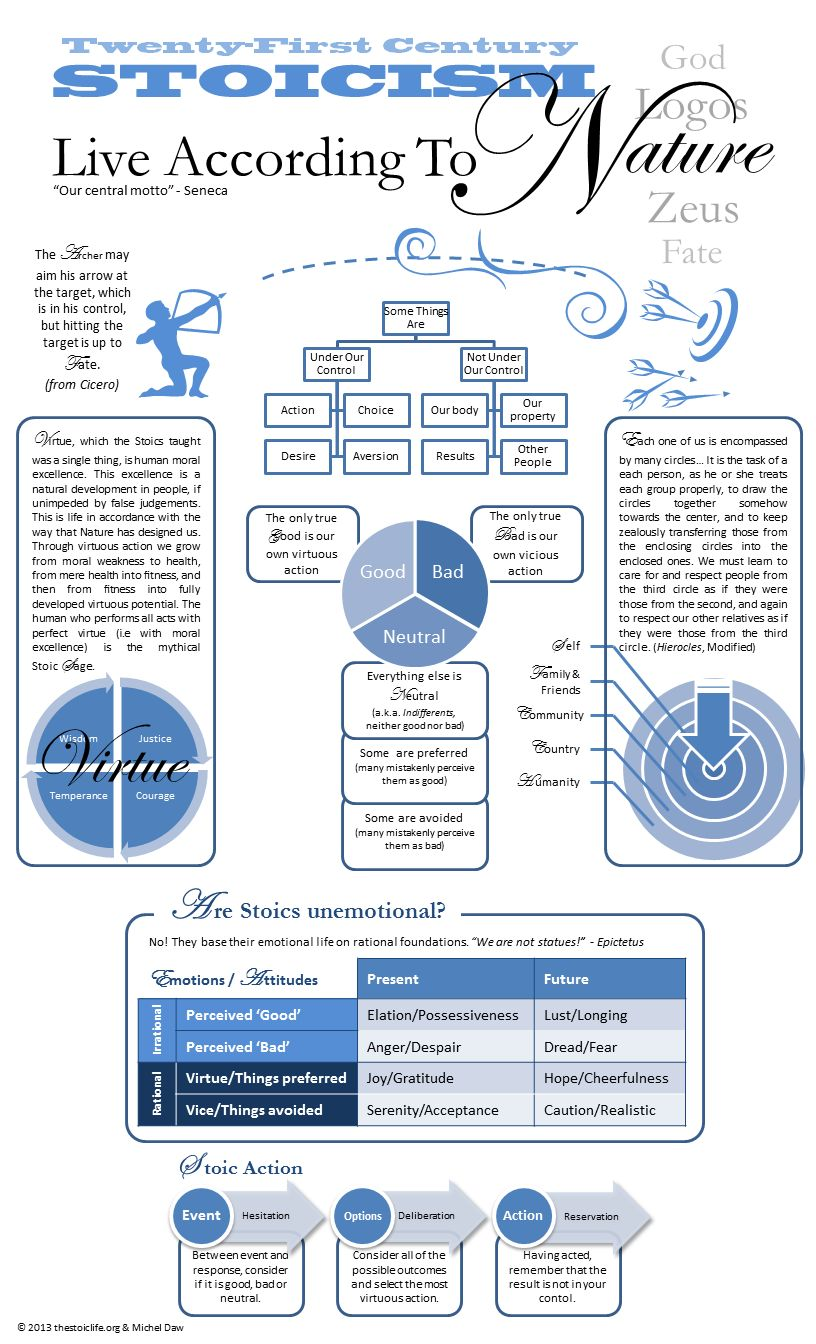
The dichotomy of control of the Stoics is what a modern psychologist might refer to as an “internal locus of control”. Here is an illustration:

A more popular form of The Dichotomy of Control is Reinhold Neibuhr’s Prayer of Serenity:
God, grant me the serenity to accept the things I cannot change, courage to change the things I can, and wisdom to know the difference.
That formulation was popularized first by the YWCA and then Alcoholics Anonymous.
In 125 CE, Arrian compiled The Enchiridion of Epictetus, which translates to Epictetus Ready to Hand. That handbook of Stoic philosophy opens thusly:
Τῶν ὄντων τὰ μέν ἐστιν ἐφ’ ἡμῖν, τὰ δὲ οὐκ ἐφ’ ἡμῖν. ἐφ’ ἡμῖν μὲν ὑπόληψις, ὁρμή, ὄρεξις, ἔκκλισις καὶ ἑνὶ λόγῳ ὅσα ἡμέτερα ἔργα: οὐκ ἐφ’ ἡμῖν δὲ τὸ σῶμα, ἡ κτῆσις, δόξαι, ἀρχαὶ καὶ ἑνὶ λόγῳ ὅσα οὐχ ἡμέτερα ἔργα.
Yeah, that’s Greek to me too. In the 1750s, Elizabeth Carter made the first translation of it into English as follows:
Some things are in our control and others not. Things in our control are opinion, pursuit, desire, aversion, and, in a word, whatever are our own actions. Things not in our control are body, property, reputation, command, and, in one word, whatever are not our own actions.
Epictetus urged us to focus on our thoughts, emotions, and actions and recognize that the actions of others and external events and outcomes are not under our control.
Personal Applications
In recent years, I have come to rely on the Dichotomy of Control to help me navigate in troubled times.

When I am frustrated by a U.S. president, for example, I note how the Electoral College and the lopsided political make-up of Oklahoma have ensured that no vote I ever cast in a presidential race ever mattered one whit. So while it is a thing that matters it is certainly not a thing I can control, so I should avoid focusing too much on presidential elections.
A mix of stoicism and realpolitik, valuing practical objectives over ideals, is also why I base my political party registration not on my alignment with a party’s platform but instead to maximize the tiny influence of my vote in Oklahoma’s semi-closed primary system.
Two particularly stressful periods of my administrative career were the state educational funding crisis in 2018 and, a couple of years later, the COVID-19 pandemic. I wielded my influence in both situations for the common good, but some blowback was inevitable. I dealt with that by regularly revisiting two touchstones.

The first came from the Roman emperor Marcus Aurelius. He was a dedicated Stoic, and offered plenty of tailored advice in his Meditations. A statement he made in Book 4 helped me keep things in perspective, which is shown in the graphic.
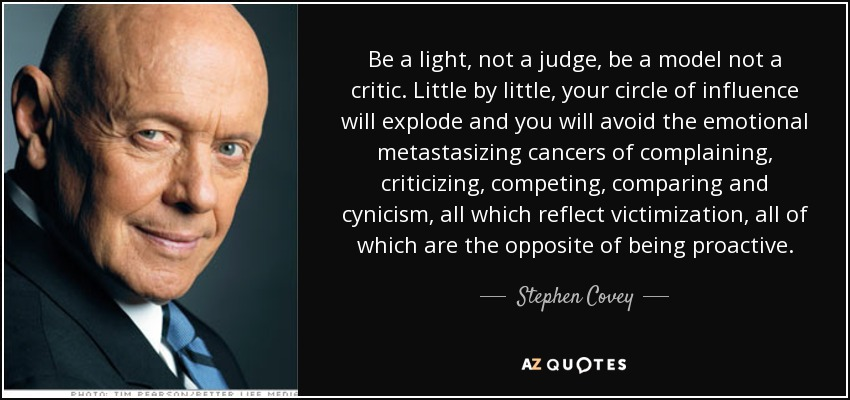
The second came from Stephen Covey, the author of The 7 Habits of Highly Effective People, which I studied in my master’s degree program back in the 20th century. I appreciated how his advice helped me avoid a potential trap in carelessly applied stoicism: while it encourages accepting things outside your control, the Dichotomy of Control does not urge passivity. Instead, it urges that you actively focus on what you can control, thereby taking a proactive approach to life instead of simply resigning yourself to external circumstances. Stoicism urges you to direct your energy where it can truly make a difference.
Below is Stephen’s advice:
I am composing this post in a time of intense political turmoil, and my Facebook Feed was inundated with posts that amply illustrated something Mark Twain dictated in 1907 for his autobiography:
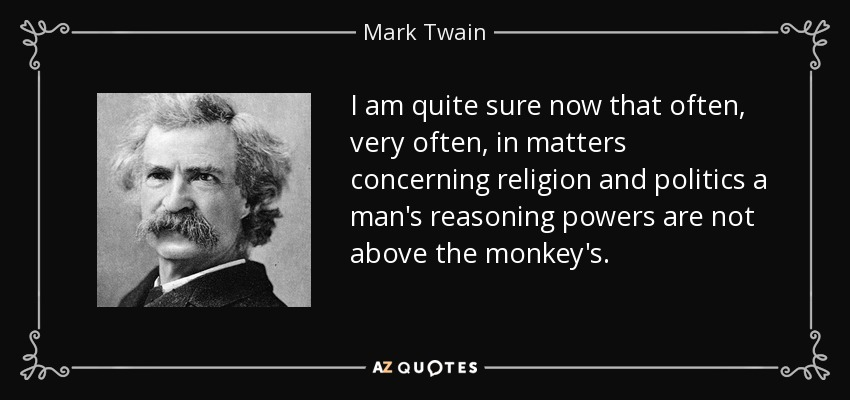
Rather than simply ignore Facebook, which is still useful in some ways and is still part of my job, I opted to curate it. Every time I saw someone posting about religion or politics in a manner that ignored the Dichotomy of Control, I snoozed that person, page, or group for 30 days. I wound up hitting the snooze 30 times, and my Feed improved noticeably.
In a couple of cases, I went further and unfollowed someone or something, but most of my curation was temporary. In a few weeks, I will undoubtedly notice when my snoozes end, and I can then unfollow anything that remains overly distracting.
If Stoicism interests you, here is a potential resource, but there are also free translations of Epictetus and Aurelius.









 Meador Manor