
Planned obsolescence dates back a century to when lightbulb manufacturers in much of North America and Europe formed the Phoebus Cartel in Geneva to deliberately reduce the lifespan of their lightbulbs from 2500 hours to 1000 hours while increasing prices. That rigged market lasted until 1940, when World War II made coordination among the members impossible.
In 1924, General Motors executive Alfred P. Sloan Jr. suggested annual model-year design changes to goose car owners into buying replacements, a concept he borrowed from the bicycle industry. The concept spread throughout the consumer economy, sometimes using fashion and trends to drive replacements, but other times via contrived durability, from light bulb filaments that broke faster to small brittle plastic gears that reduced the lifespan of toys.

We continue to see this in smartphones which are designed to make battery replacement difficult, have cheap internal screen cables, and inhibit or prevent repairs. There is also “fast fashion” clothing and footwear that is inexpensive, seasonal, trendy, and frequently thrown out as trends change.
I have no experience with fast fashion. This winter, when the heat wasn’t working properly at work, I was wearing turtlenecks and sweaters I purchased over 35 years earlier. However, I have decades of experience with its cousin, turbo tech.
Planned obsolescence in technology
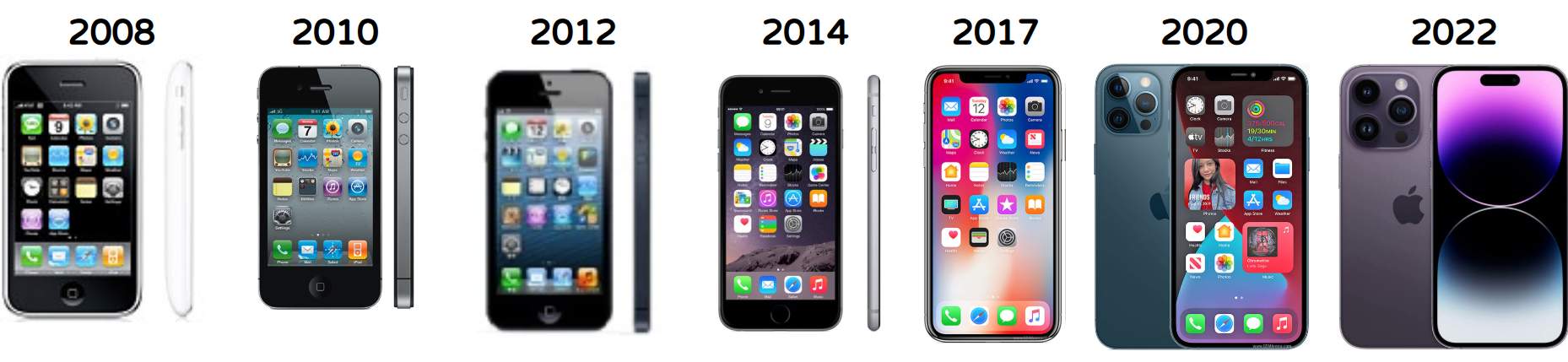
I replace my iPhone every two or three years. Given the wear and tear of daily use, plus hardware improvements, I’m still comfortable purchasing a new iPhone when its battery capacity is noticeably diminished. I’ve had my current iPhone 14 Pro for over 1,000 days and its battery’s capacity has declined to 81%, so Apple will be expecting me to upgrade it in September 2025 after three years of use…and I probably will.

Desktop and laptop computers also have limited lifespans. In the early days, that was because hardware was advancing so rapidly, but now it is primarily an issue of deliberate software-driven obsolescence. Microsoft released Windows 10 in 2015 and will be retiring it in October 2025. My 2017 Dell XPS 8910 desktop computer still has plenty of oomph to run Windows 11, but Microsoft opted not to support it and millions of other older machines. They claim that is because they want particular hardware security features, but their primary motivation is to goose the market.
I responded by opting to abandon my use of Windows at home, and I’ll seldom use it at all after I retire in June 2026, forty years after first using Windows 1.03 in 1986. I replaced my home Windows desktop computer with a Mac, although I expect my wife will purchase a new Windows desktop computer for herself.
My mother’s Windows 10 computer will also be unsafe to use after October 2025, and I thought about just installing ChromeOS Flex on it. However, I figure its power supply is getting long in the tooth, so I just bought an inexpensive Chromebox for her to use with her existing monitor, keyboard, and printer.
That shift will not spare us from eventual planned obsolescence. The new Chromebox will no longer receive updates in seven years, and Apple usually ends support for a given model of Mac 7-10 years after its release date.
Early smart home devices are aging out
However, I’m not used to what I view as household appliances losing features or becoming unusable because a vendor stopped supporting them. The smart home with its internet-of-things has expanded my exposure to planned obsolescence. Meador Manor now has a smart thermostat, doorbell with camera, a patio camera, multiple home hubs and mini speakers, a weather station, and various smart plugs that all need internet-based services to be fully functional. What is the lifespan of such devices? The answer is often somewhere between five years after a model is introduced and ten years after that model is no longer being sold.
I bought an ecobee thermostat in 2018, and they showed their obsolescence plan in 2024 when they ended support for their original model, which they had stopped selling back in 2013.
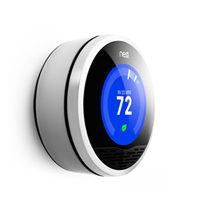
A related example is Nest Learning Thermostats, which were all the rage back in 2011. Google acquired the firm in 2014 and started selling the 3rd generation models in 2015. In October 2025, which is coincidentally when Windows 10 support ends, Google will end support for the first and second generations of Nest Learning Thermostats. The various obsolete smart thermostats will still have basic controls, but they will no longer be remotely accessible via apps or the web.
Google already abandoned Nest’s early Dropcam cameras in 2024, and those devices were last sold in 2015. They are useless without the online service, as they can no longer connect to the app, stream, or record video. That means some cameras were not even useful for a decade, and there is little recourse, since Google Nest devices are only guaranteed to receive automatic security updates for 5 years from the date a model becomes available.
I decided to inventory our major smart home devices and when they might lose support:
| Smart Device | Year Bought | First Year Sold | Last Year Sold | Possible End of Life |
| Google Home Minis | 2017-2019 | 2017 | 2021 | Anytime from 2022 to 2031 |
| Google Home Hubs | 2018-2019 | 2018 | 2021 | Anytime from 2023 to 2031 |
| ecobee3 Lite Smart Thermostat | 2018 | 2016 | 2025 | Maybe 2035 |
| Google Nest Protect Smoke & CO Alarm, 2nd Gen. | 2020 | 2013 | 2025 | Definitely 2030 when CO sensor expires |
| Google Nest Cam Indoor/Outdoor | 2022 | 2021 | still for sale | Anytime from 2026 to 2035+ |
| Google Nest Doorbell, 2nd Gen. | 2023 | 2022 | still for sale | Anytime from 2027 to 2035+ |
I don’t look forward to replacing, reprogramming, and in two cases rewiring those devices as they age out. However, Wendy and I use most of our smart home devices on a daily basis, and we certainly miss them when our internet service goes down.
I started out with Amazon Echo devices in 2016, eventually owning six of them, before abandoning them in favor of Google’s offerings. A primary reason for that switch was how often Alexa misunderstood a request or couldn’t offer a good answer. Google Home is far from perfect, but it did a better job for us. As for Apple’s Siri, well, bless her heart.
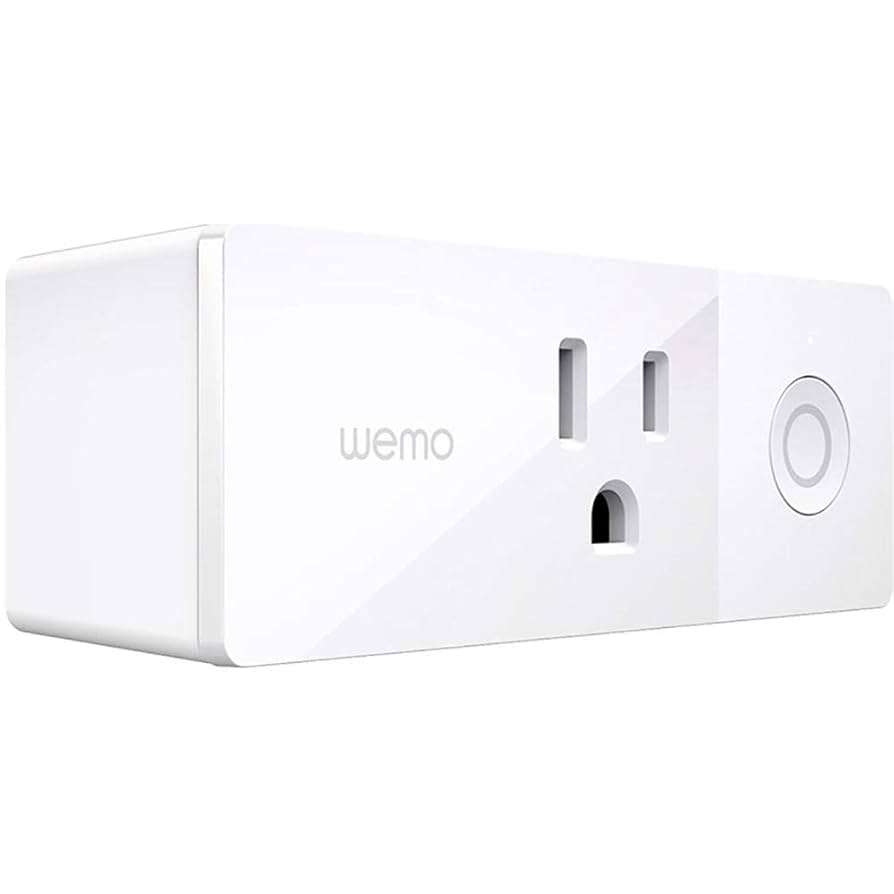
We also use various smart plugs: I purchased four from Kasa and one from Gosund in 2020, and a couple of Wemo Mini Smart Plugs date back to 2019. They are linked into our Google Home app along with everything else. I could also link them into the Apple Home apps on our iOS devices, but since most of our devices are from Google, it is easier to use the Google Home app.
Something that caught me by surprise was having “smart” plugs become obsolete. Those are quite simple devices which need minimal support, but this month Belkin notified me that it would no longer support my Wemo smart plugs after January 2026, so those ended up only being usable for about 6.5 to 7 years.
Belkin is exiting the smart home market and Google is no longer making Nest Protect smoke and carbon monoxide detectors, pushing customers to First Alert’s hardware. That is a sign of how the various vendors have struggled to find long-term profits in smart home devices and services. I hope that Google, Apple, and Amazon stay committed to the market, as competition is important, but Google is notorious for creating services that it then neglects and abandons, Apple is greedy and tends to have a few major hits and multiple misses on its devices and services, and Amazon is a predator that I already rely on too heavily.
Another smart home issue that has arisen is Matter. That’s an open source interoperability standard that was released in 2022 and promises to make setting up smart home devices easier with ready interoperability with Amazon, Apple, and Google voice assistants. Since most of my devices predate 2022, they are probably not fully compatible with that new standard. I noticed that Kasa offers a Matter-compatible smart plug, but it costs over 50% more than the non-Matter version. Why am I not surprised?
Failed Experiments
There are some Smart Home products that I experimented with but later abandoned. I bought several Philips Hue smart LED bulbs in 2016 and a Hue Bridge in 2017, but I never found their adjustable dimming, color, and brightness useful. Eventually, I just had one of the Hue bulbs on my bedside nightstand. One day the controls stopped working, and I quickly gave up on diagnosing the issue and just yanked the Hue Bridge out of the system and put the bedside lamp on a Kasa Smart Plug. Smart bulbs are not for me.
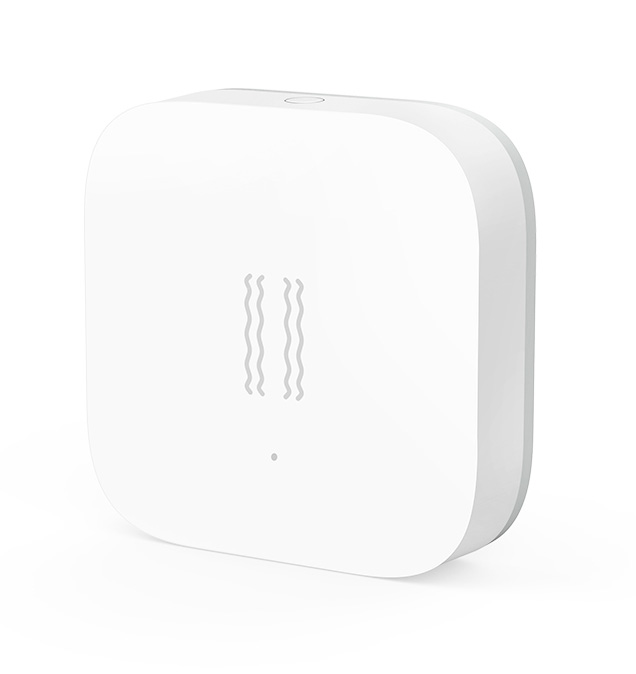
I actually like how our new LG washer sends a notification to my watch whenever it finishes a cycle. I invested in an Aqara hub and vibration sensor in an attempt to get notified whenever our older LG dryer ended a cycle, but that was a pain to program and didn’t prove reliable. As with the Hue Bridge, I ended up unplugging the Aquara hub. Whenever the dryer finally dies, I will buy one that includes wireless notifications. But all I really want are cycle-end notifications…I don’t need monthly reports, remote control, let alone unsolicited tips. I haven’t seen any compelling reasons to invest in a smart refrigerator.
By the 2030s, I expect planned obsolescence will have claimed most of our original smart home devices. Maybe Matter will make programming their replacements easier, something I may welcome since I’ll be well into my own retirement.







 Meador Manor