
The last of the original radio news services, CBS News Radio, will close on May 22, 2026. Below is President Franklin Delano Roosevelt doing one of his famous “fireside chats” in 1940. You probably recognize the NBC and CBS microphones. MBS was the Mutual Broadcasting System, which operated from 1934 to 1999 and was the original home of The Lone Ranger and The Adventures of Superman years before they appeared on television.
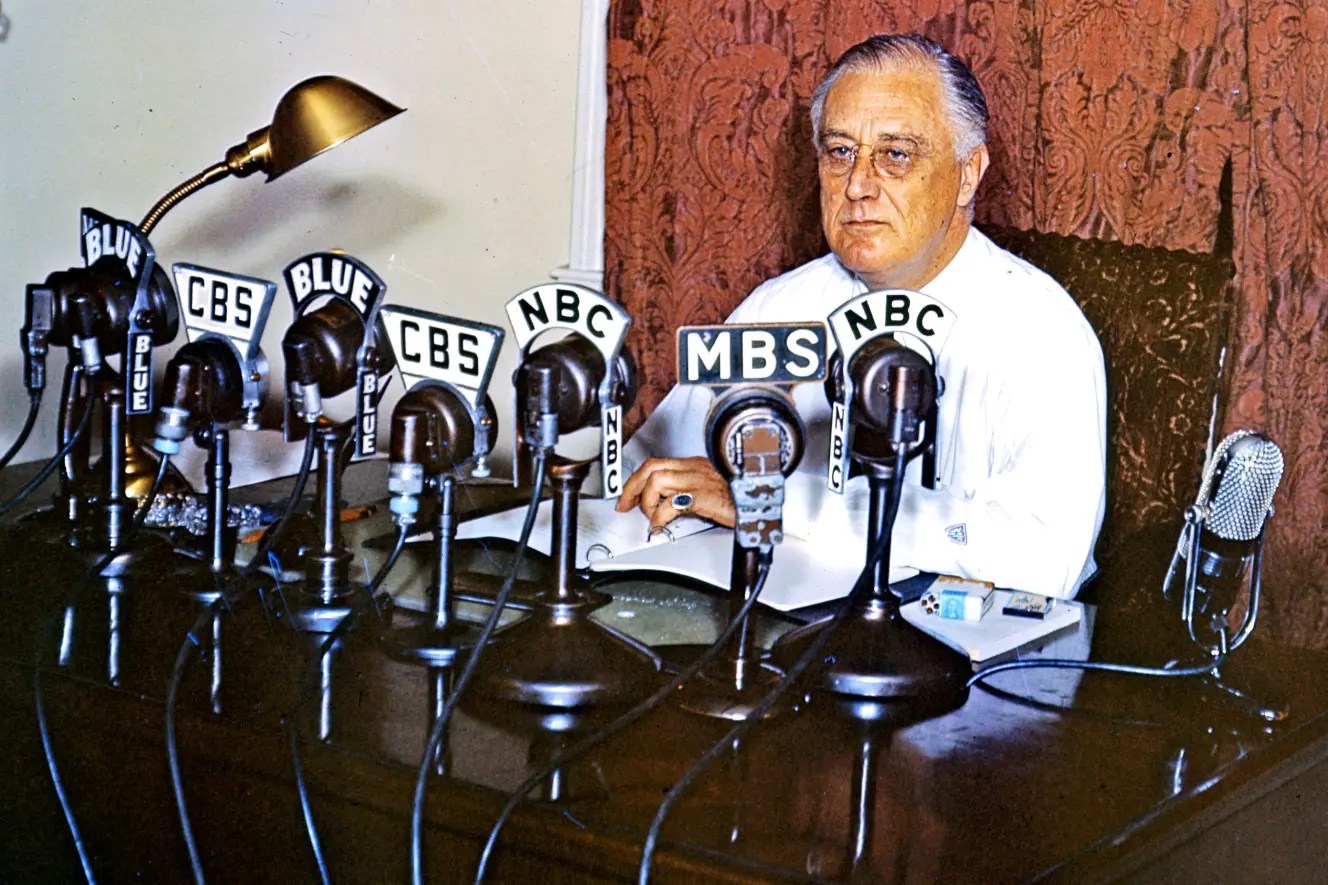
As for NBC, back then it had two different radio networks, NBC Red and NBC Blue, which explains the BLUE microphones in front of FDR.
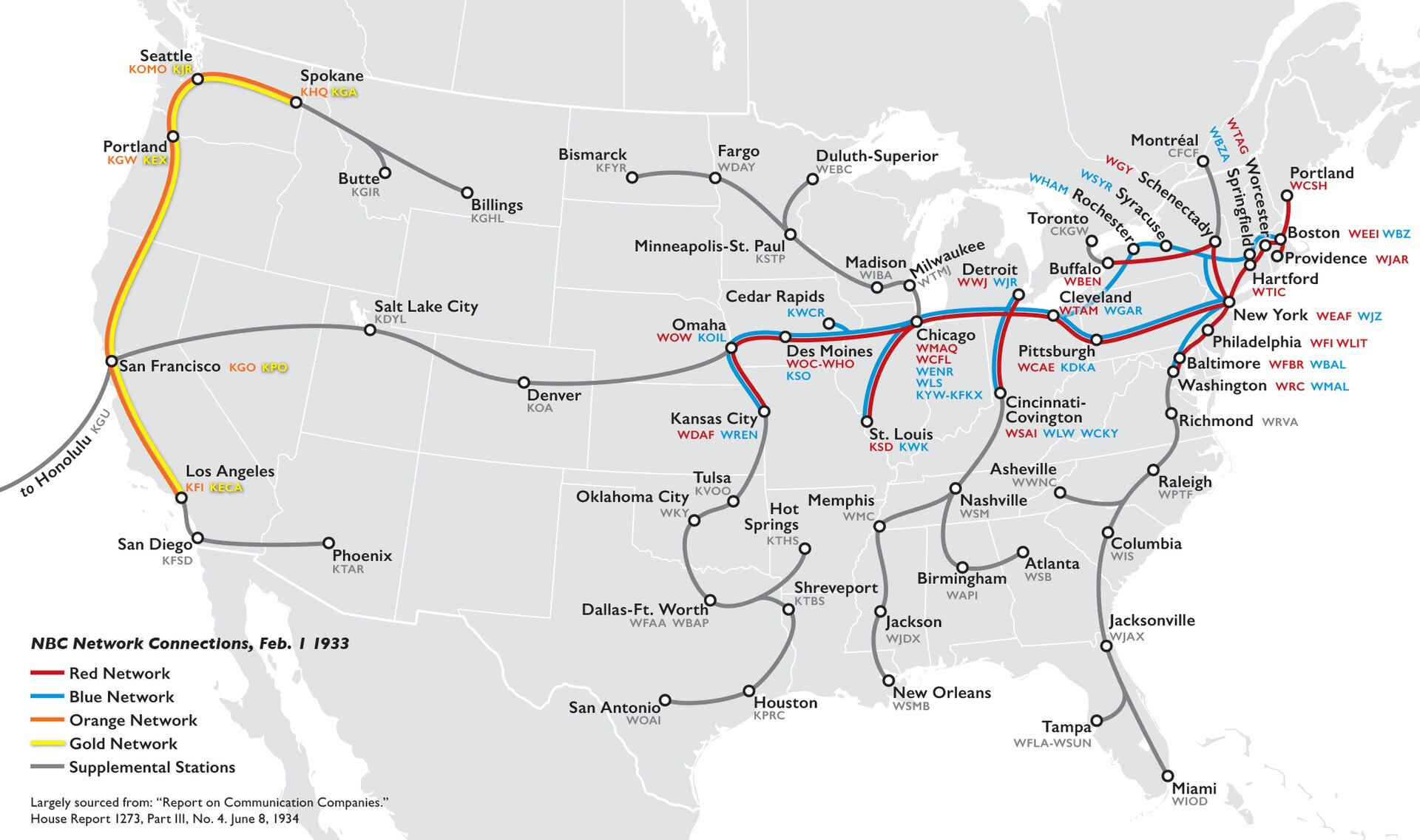
In 1943, NBC was forced to sell off the Blue network, which became ABC. Eventually Disney owned ABC, and in 2007 Disney merged the ABC Radio Network with Citadel, and in 2011 that was merged with Cumulus Media. In 2019, it owned 428 stations in 87 media markets.
The separate NBC Radio News was sold in 1987 and merged with the remnants of MBS into the CBS radio operations in 1999. So all of those will come to an end in May 2026, although iHeartMedia, which was once Clear Channel Broadcasting, will continue to operate its own news radio services for its 870 U.S. radio stations, branded as “24/7 News” with links to NBC News NOW.
Why the news business is contracting
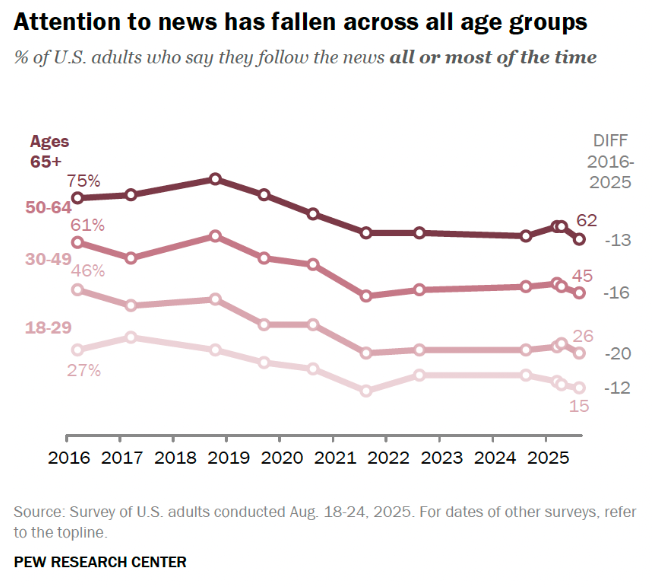
As a person who pays close daily attention to the news, I am now an outlier. Over half of the people in my 50-64 age group don’t follow the news regularly, and less than one-quarter of people below age 50 are keeping up.
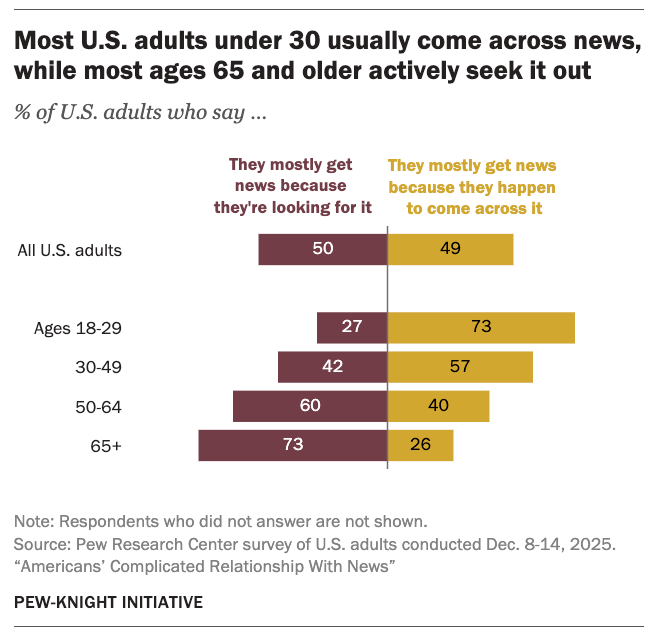
Older people have always paid more attention to the news, and about 3/4 of folks under age 30 say they mostly get news because they happen to come across it, while about 3/4 of the folks who are 65+ say they mostly get news because they are looking for it.
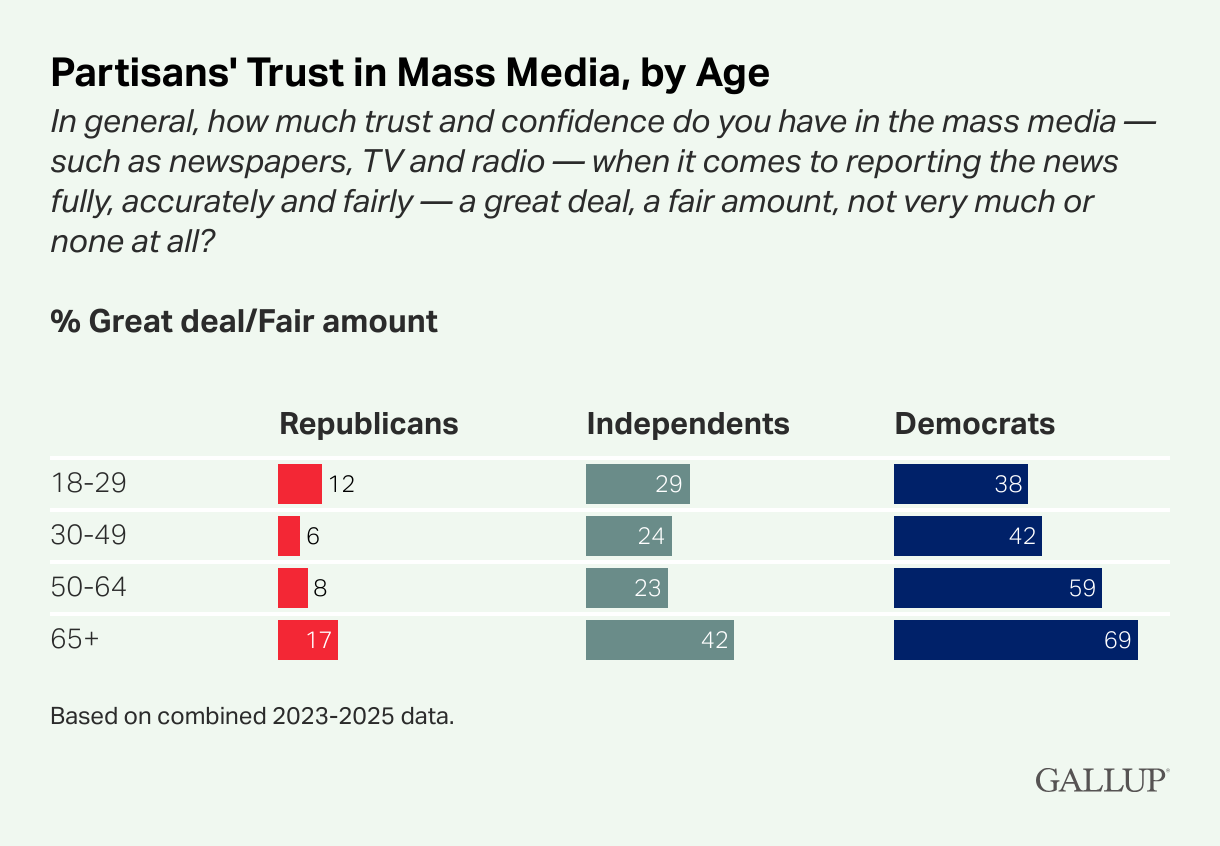
Engagement waned pretty steadily from 2018 to 2021, with a stark loss of trust in mass media among Republicans.
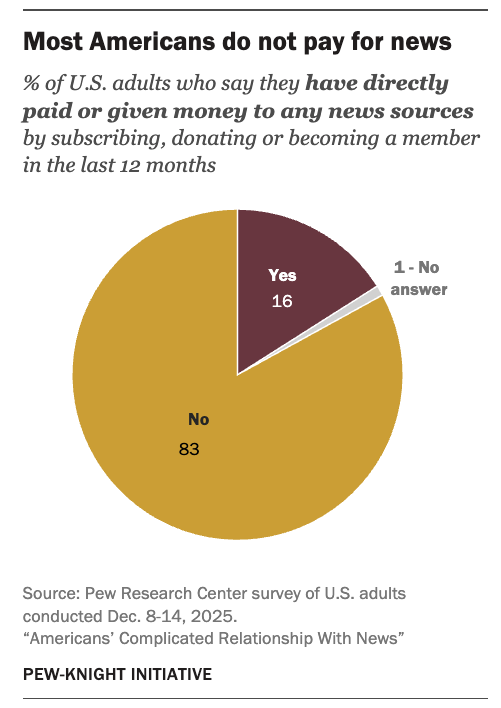
Only 8% of US adults say individuals have a responsibility to pay for news, ranging from 5% of those with some college or less to 14% of college graduates, and only 16% say they have paid for news in the past year via subscriptions, memberships, or donations. 45% of adults say ads or sponsorships should be the main way news organizations make money, 25% are not sure, 11% say subscriptions, and the rest suggest completely impractical methods of government funding or charitable donations.
Only 27% think news organizations are struggling financially. No doubt more would be aware of the collapsing newspaper, radio, and linear television news industries if they paid more attention to, you guessed it, the news.
Personally, I have read newspapers, in print and later digital form, for decades. I also subscribed to the weekly Time news magazine as a college undergraduate in the 1980s and stuck with that for thirty years, and I often listen to NPR news and check the online version of Bartlesville Radio News.
The steady erosion of journalism and my approaching retirement led me to make some cancellations in February 2026 that brought my news spending down to about $120 per month, or $4 per day, versus about $150 per month, or $5 per day, as of last summer.
Here are my surviving monthly subscriptions:
- Tulsa World, $39 with maybe six local/state stories per day
- Apple One, $38 for a bundle of news, music, and media services
- KWGS NPR, $25 donation to our local public radio station
- The Oklahoman, $11 with maybe ten local/state stories per day
- New York Times, $4 since it is no longer available in Apple News
Cancellations
Back in 2021, I began sending $5 per month to NonDoc, and in July 2025 I subscribed to Oklahoma Watch for $15 per month. I wanted to support state journalism, having appreciated their efforts in various newspapers. However, I found myself never reading their articles unless they appeared in the Tulsa World or The Oklahoman, so I decided to pull back. Back in July 2025, I also signed up for a year of Tangle News for $59, but I have been deleting their weekly emails without reading them, so I won’t be renewing that, either.

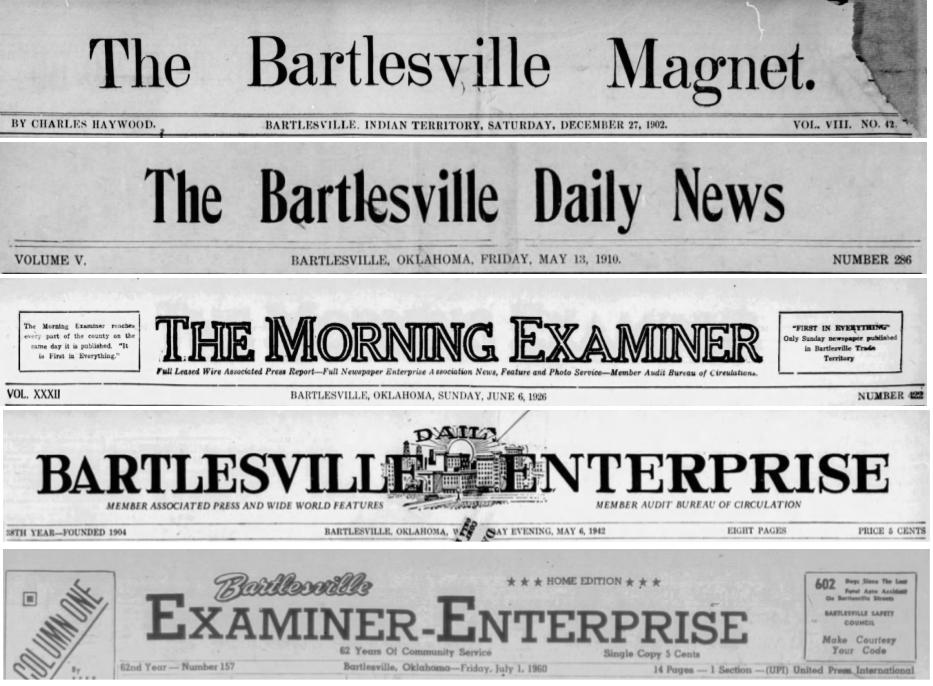
A far more significant cancellation was finally giving up on the Bartlesville Examiner-Enterprise, which was costing $11 per month. I had mostly stopped reading it years ago, but its last local employee was a former student of mine who was still breaking some stories and publishing some beautiful photographs, and so long as he was there, I kept paying.
Finally, in January 2026, he resigned, sharing: “While I was hired to write for Bartlesville, changes at the company suddenly had me writing for up to four different newsrooms a week — often for towns and communities I’d never even set foot in.”
Now the E-E only publishes branded editions on Tuesday-Saturday, and none of them have local stories by an in-town reporter. The Oklahoman cost me $6 per month last summer, but it is now $11 per month. Both of those newspapers are currently owned by Gannett of USA Today fame, and I can use my account at The Oklahoman to read the Examiner-Enterprise‘s electronic edition, should it ever again break any local news.
The effective death of the E-E is a great loss to history, as it ends 130 years of local newspaper journalism since the Magnet was founded in Indian Territory back in 1895, two years before Bartlesville was incorporated.
What remains?
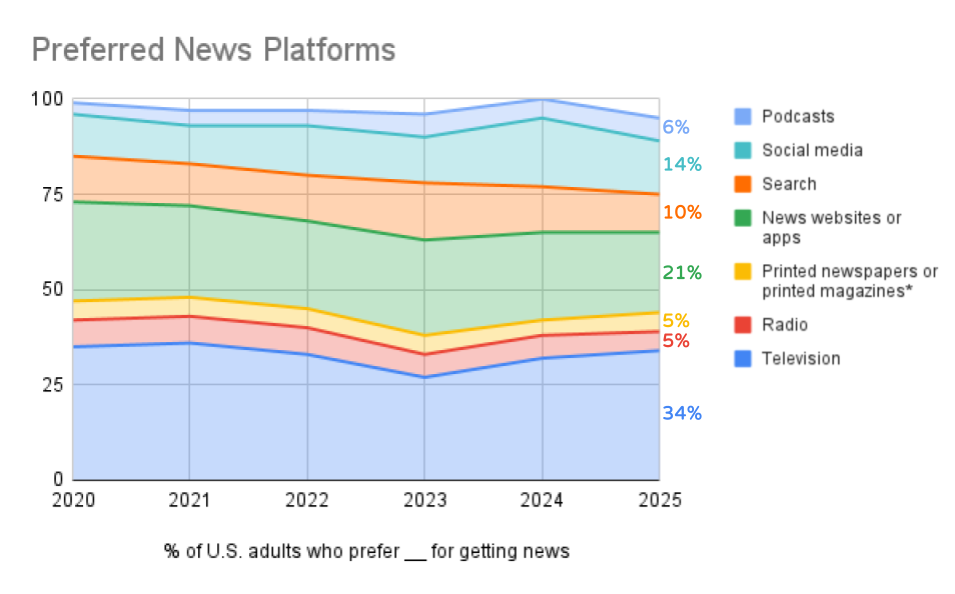
Overall, radio is tied with printed newspapers and magazines as having the fewest people preferring it for their news. I’m in the News websites or apps camp in the chart below.
However, with the local newspaper virtually defunct, I now rely on Bartlesville Radio News, in its internet form, for local stories. I appreciate their online newsfeed and their commitment to community news, and I know and like the owners and the news director. However, they know their audience, so their newsfeed often features right-wing politics, and I avoid their non-local talk shows. Thankfully the station has had a strong internet presence for years, and I can easily scan their local newsfeed and access links to individual community programs of interest to me.
I also get some local news from Facebook, but its accuracy is poor, and I continue to studiously avoid the concentrated ignorance of Nextdoor and the attention deficit disorder services of X and TikTok. While television news is preferred by 1/3 of adults, I haven’t watched linear TV in decades, even though I’ve invested in maintaining access to it.

Apple News is my mainstay for national news, with me regularly reading items from Reuters, AP, The Atlantic, The Wall Street Journal, The Guardian, and others. I’m glad that Apple shares 50% of its subscription revenue with publishers based on user engagement, and that publishers can also monetize their content with advertising.
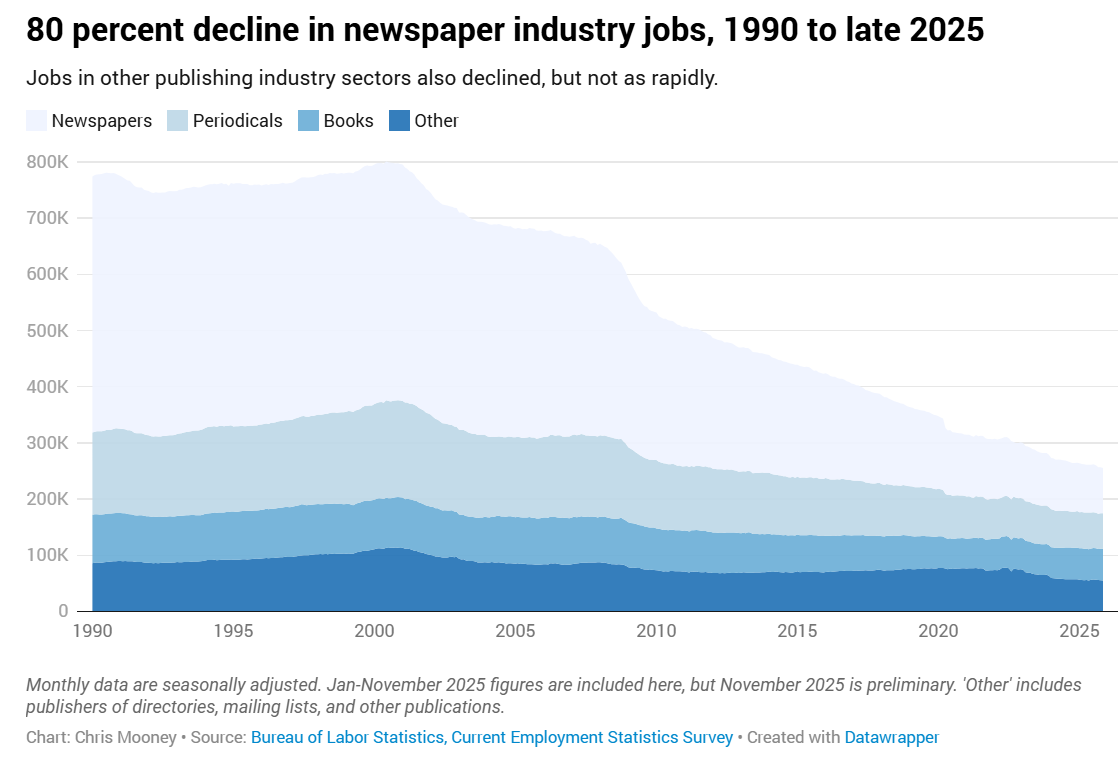
As for newspapers, that industry’s workforce has been in decline for the entire 21st century, with employment in periodical and book publishing also shrinking amidst the digital transformation.

My New York Times subscription came up for renewal at the end of 2025, and as usual their stated renewal price was high at $25 every four weeks, or $325 per year. I did my usual online procedure of saying I wanted to cancel, which again triggered their system to make its usual counteroffer of $1/week. I still occasionally read an article or column from them, which haven’t been available in Apple News since 2020. However, with columnist David Brooks having departed for The Atlantic, which is still in Apple News, I might finally let the Gray Lady lapse in 2027.
Paying $1.28 per day for about six unique stories in the ever-shrinking Tulsa World is getting pricey, but I don’t want it to fold like the Examiner-Enterprise. So I’ve chosen to keep ponying up, even though I’m told that if I telephoned their subscription department and threatened to cancel, they would offer a meaningful price break. I subscribe to The Oklahoman to augment the Tulsa World‘s declining state coverage, and each year I’ll re-evaluate whether those subscriptions remain worthwhile.
It is disconcerting to see news operations contracting and sometimes disappearing. The old European concept of the three estates of the realm being the clergy, the nobility, and the commoners led to the press and news media being termed the fourth estate. Today, I’d say we have the government, oligarchs, consumers, and the media, with the collapse of both trust and economics in the fourth estate greatly empowering the oligarchs.






 Meador Manor
