Treks Not Travelled

“This is not your father’s Star Trek.”

—2009 ad for a movie reboot
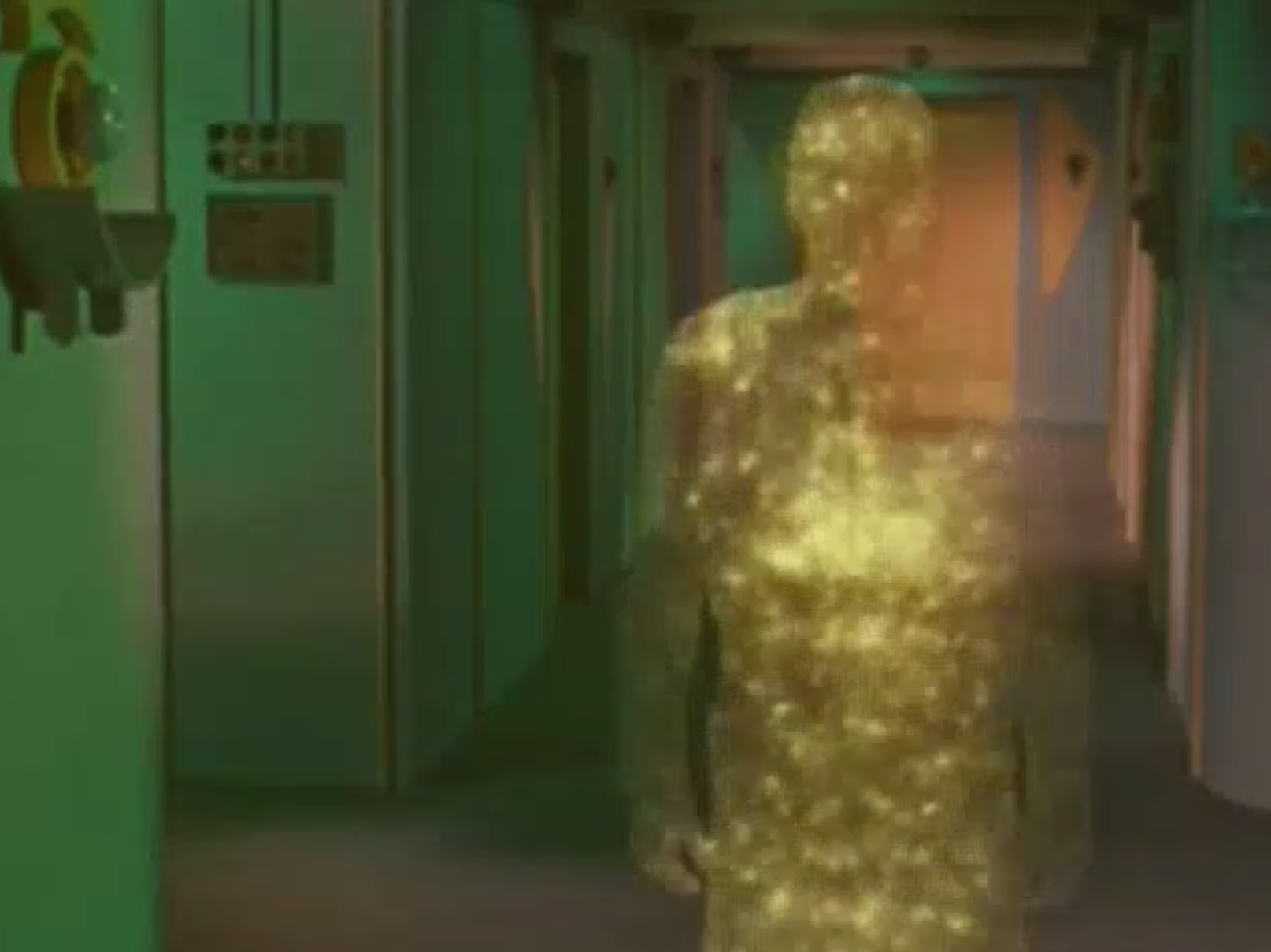
My first glimpse of Star Trek was of someone beaming onto a ship

My friends know that I am a big fan of Star Trek, the original series television show that was broadcast from 1966 to 1969. However, I didn’t see it until 1972, when it was in syndicated reruns on weekday afternoons. I was in first grade, and the first scene I saw was someone “beaming” in and sneaking around some corridors. I had no idea what was going on, and I remember thinking, “Is that some sort of ghost?”

I continued to watch, eventually realizing that the person was on a spaceship, but the transporter effect was unexplained. That intrigued me enough to start watching the show, and I was promptly hooked.
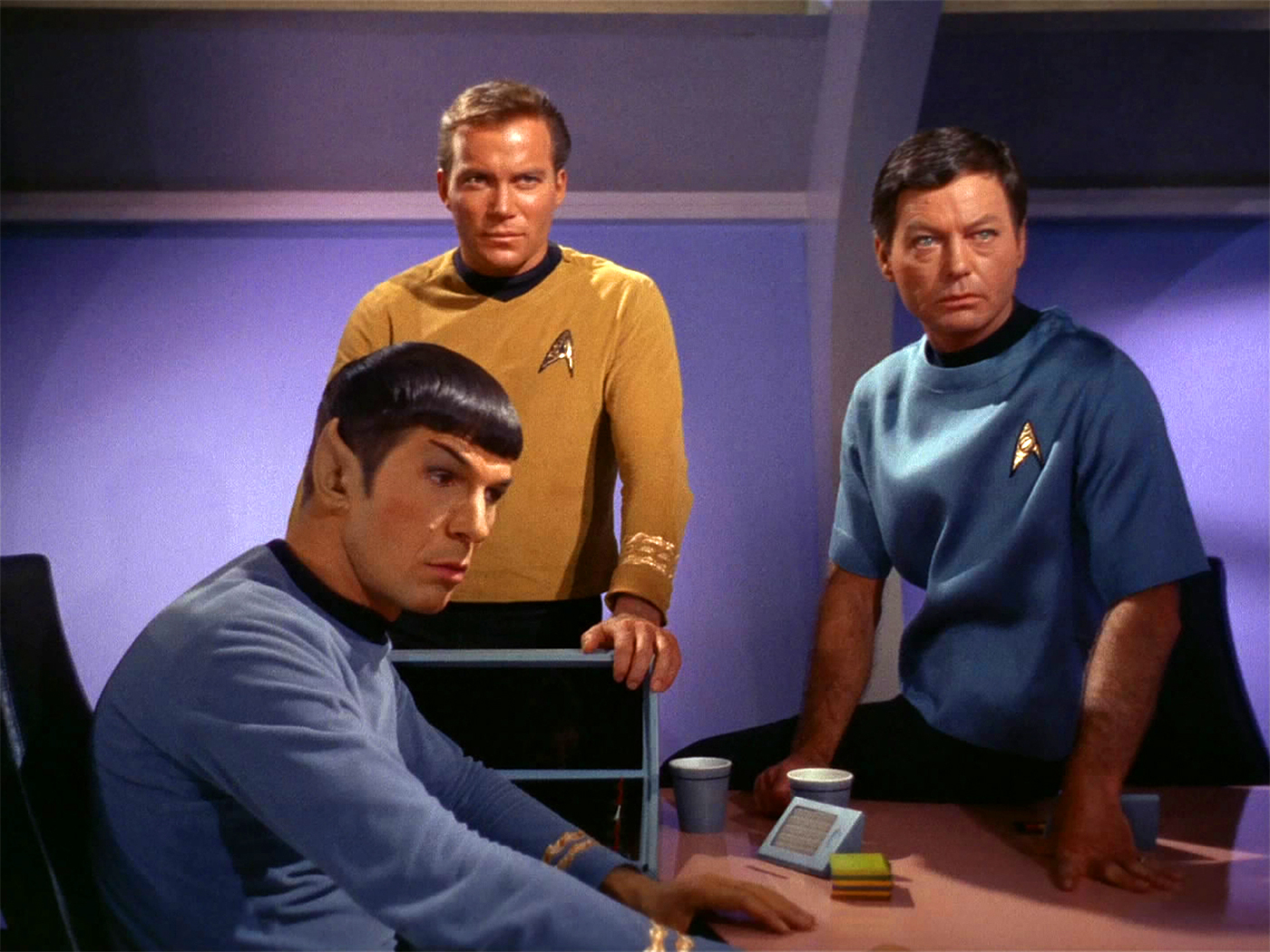
The triumvirate

The show’s writers had endured World War II and were still mired in the Cold War, which brought threads of realism and moral complexity to an escapist tapestry of soft science fiction and adventure. The leader, Captain Kirk, was always influenced by both Mr. Spock, the alien logical thinker, and Leonard “Bones” McCoy, the cantankerous doctor who wore his heart on his sleeve. That triumvirate set the stage for a show that was clearly influenced by radio dramas and westerns, playing very differently than contemporary shows like Mission: Impossible. It was less utopian and idealistic than some might think, but it did have clear moral messages that I and countless other children readily absorbed.

There were only 79 episodes, which meant that the entire series would play through about three times in a year. So I was excited when a Saturday morning animated series debuted in September 1973. I was only seven years old, but I remember hoping the cartoon would not be just a “kiddie show” and being gratified when it turned out to play somewhat like a fourth season of the original show, albeit in an abridged format with Filmation’s typical limited animation.

I was 13 when Star Trek: The Motion Picture was released as the first of six movies starring the original cast, and I enjoyed each of them over the next dozen years. I was more than willing to give Star Trek: The Next Generation a chance when it premiered in 1987, watching the first seasons on a 19″ television in an apartment in Norman during my junior and senior years of college.

I knew several of those responsible for the original series were involved in the new show, but while the original series was great in its first two seasons and slipped in quality in its third and final one, the new series inverted that, struggling to find its footing for a couple of seasons but then improving greatly under new leadership.

I continued to watch each series after that: Deep Space Nine, Voyager, and Enterprise, along with the ten movies based on the original series and the Next Generation.
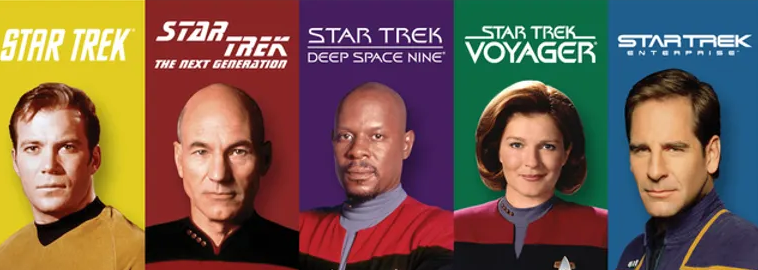
I watched 724 episodes of Star Trek between 1972 and 2004

Deep Space Nine was grittier but still fun to watch with an emphasis on war, intrigue, and character development. Voyager squandered much of its premise, but it did creatively explore more way-out science fiction concepts. Enterprise, which was created as a prequel to the original series, had some inconsistencies with the hundreds of episodes that preceded it in broadcast but came after it in the franchise’s timeline. It didn’t really take proper advantage of its premise until a new showrunner revamped its fourth and final season, which aired from October 2004 to May 2005.

By then, I had seen 724 Star Trek episodes and 10 movies. It would have been 725 episodes except that I refused to watch the Tsunkatse episode of Voyager, as the preview showed it was a way to have Dwayne “The Rock” Johnson fight the show’s former Borg character in her catsuit, which was too silly for me at that point. Skipping an episode showed how my enthusiasm was noticeably waning, and afterward I could honestly say that I hadn’t seen every episode of Star Trek.

A friend convinced me to attend multiple Star Trek conventions in the 2000s, and traces of my decades of fandom linger at home. I have a top-quality original series communicator and phaser from The Wand Company along with a decent tricorder, and I’ve signed up for updates on The Wand Company’s promised tricorder.
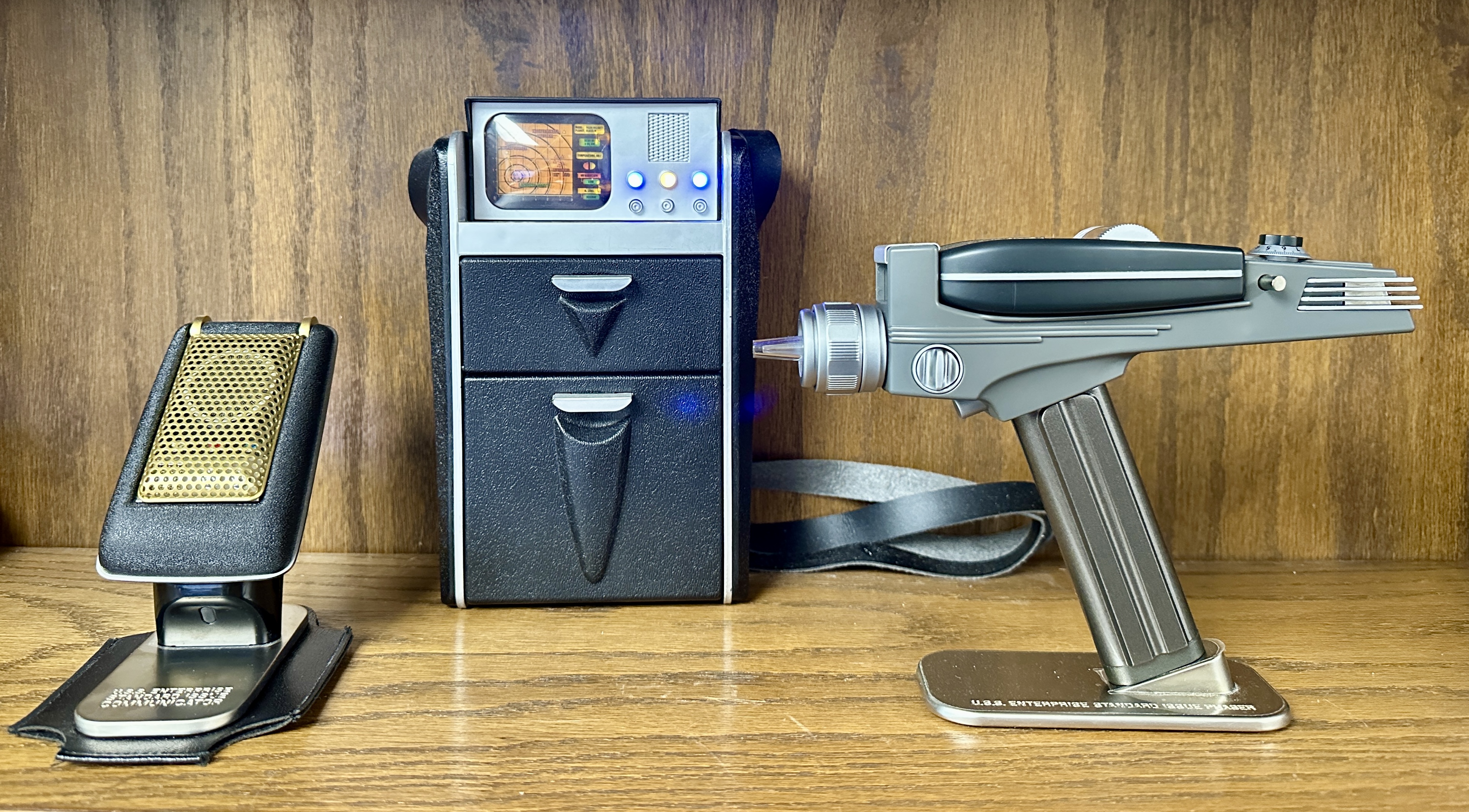
My original series replica props

I also have a bookcase filled with Star Trek tomes, including a first edition I received as a child of the first Star Trek novel ever published (Mission to Horatius) and the ten Star Trek Log novelizations of the animated series that were written by Alan Dean Foster and which I read avidly in my youth. Those are joined by the technical manuals, Marc Cushman’s splendid These Are the Voyages books, and much more.

My Star Trek books (and some toys and a few old science fiction novels)

Finally, a set of shelves above my home computer display seven toy ships, a combination of gifts and purchases representing the original series and the Next Generation, and later this year I’ll get to add an expensive die-cast model of the refit Enterprise.
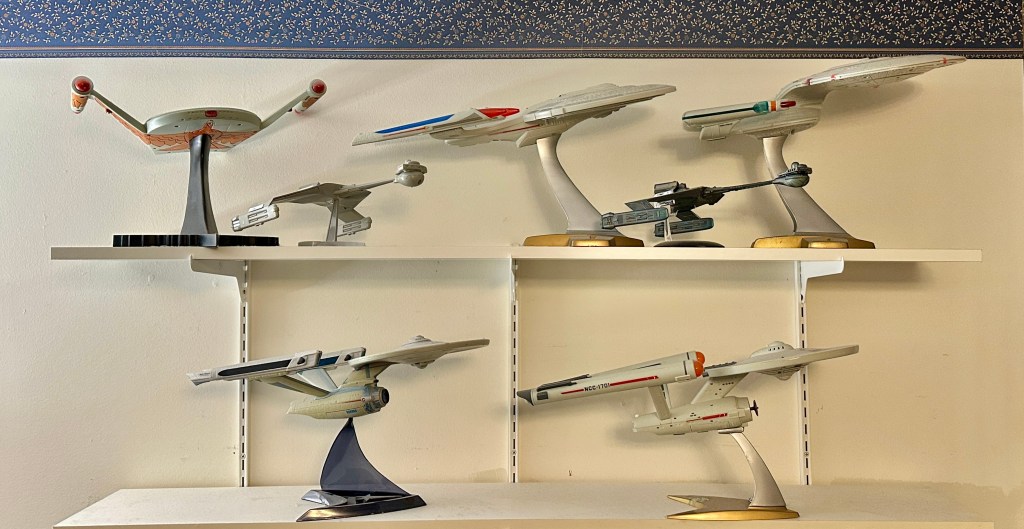
My “little ships“, as Alfre Woodard playing Lily Sloane would describe them

However, what you will not find in my collections are references to Star Trek after Enterprise was cancelled in 2005. The Star Trek I knew and loved faded away twenty years ago…and that’s okay.

Cinematic Reboots & Remakes

Some reboots and remakes are better than the originals: I much prefer Ronald D. Moore’s Battlestar Galactica to Glen Larson’s, and I’d rather watch 12 Monkeys than La Jetée. But having completed 734 treks, it was unlikely that I’d appreciate any reboots of Star Trek.

In 2009, J.J. Abrams directed a new Star Trek film, set in an alternate timeline with new actors playing the roles of the original series. One of its promotional spots promised, “This is not your father’s Star Trek.” Well, with J.J. Abrams as director, a guy born only a month before me, that was guaranteed. I’d heard about but not viewed different things he had directed, written, or produced, such as Lost, Alias, Armageddon, and Mission: Impossible III, and I figured his take on the franchise wouldn’t suit me, but I did go see the film a couple of times.

The dynamism and special effects were interesting, and I enjoyed Karl Urban’s portrayal of Doctor McCoy, but my primary impression was that it was a shallow action film marred by distracting lens flares and the off-putting use of a brewery as a starship engine room.

The poster for this awful movie was symbolic in ways the makers did not intend

Four years later, I suffered through the miserable and aptly named Star Trek: Into Darkness. I found it notably inferior to its inspiration, The Wrath of Khan, although I do always enjoy watching Peter Weller at work.

Most remakes these days are dark and gritty. While that worked for Battlestar Galactica, which always had genocide as its premise, Star Trek traditionally spoke to our better angels. The original show had some great dark episodes such as Balance of Terror, which was based on The Enemy Below, itself a great 1957 war film. However, when the show went dark it included important lessons about racism, sacrifice, honor, and loss which helped youngsters like me grow up. The Wrath of Khan had powerful themes about aging, the futility of revenge, and self-sacrifice, while any such lessons in Into Darkness were lost amidst action set-pieces and spectacle.

Nevertheless, I showed up for Star Trek Beyond in 2016, and was treated to its incorporation of a Beastie Boys song in the absurd plot, which reminded me of enduring hippie songs in the original show’s The Way to Eden decades earlier. I’m not surprised that thus far it was the franchise’s last cinematic outing.

Star Trek sometimes trod the same depressing reboot path forged by Batman Begins in 2005 and followed by Henry Cavill’s portrayals of Superman. Little from those movies appealed to me, having grown up watching Adam West, the Bright Knight, in the fun 1960s Batman spoof and the sincere portrayal of Superman crafted in the late 1970s by Christopher Reeve and Richard Donner. The best thing for me in the Batman reboots was Heath Ledger’s Joker, and after watching 2013’s Man of Steel, the only DC movies I watched were the 2017 Wonder Woman and 2019 Shazam!, which appeared in their marketing to have a lighter tone.
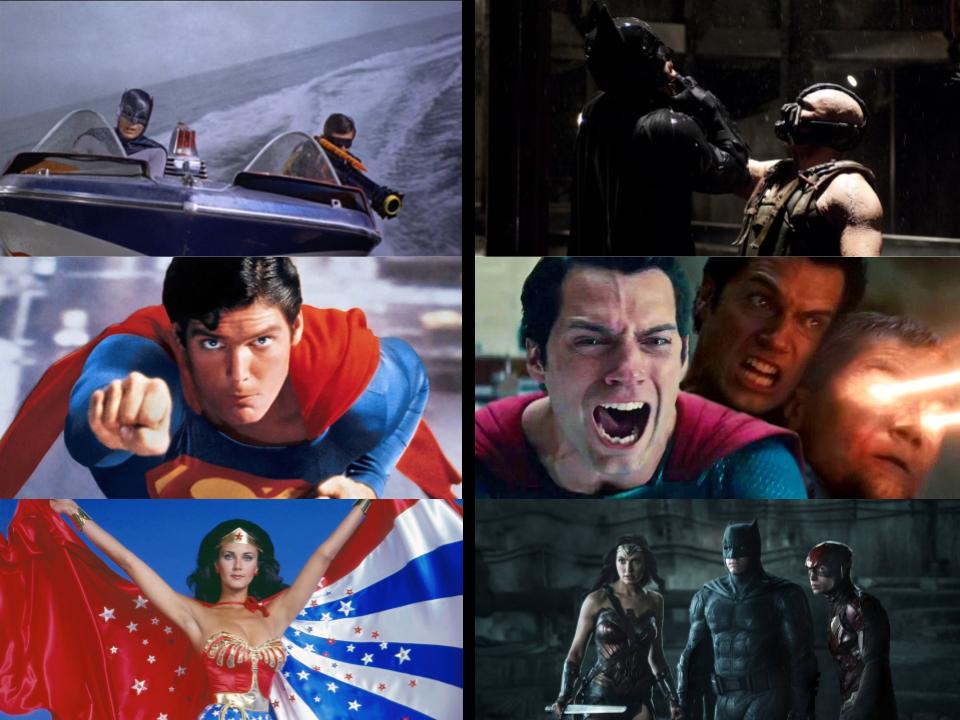
I much prefer the happier and more colorful superhero depictions of the 1960s and 1970s to the dark imaginings of this century

I’m not put off by all dark takes on superheroes — I’m a fan of Zack Snyder’s 2009 Watchmen. However, having grown up in the 1970s with bright, happy, and colorful depictions of the DC comics characters aimed at children, dark remakes aimed at teenagers and adults aren’t my thing. I suppose that if I had grown up reading Charlton Comics, I might have also objected to the reworking of its characters by Alan Moore, Dave Gibbons, and John Higgins.

The Small Screens

That brings me to the rebirth of the franchise on small screens under Alex Kurtzman, who helped write the first two reboot movies. He has been involved with six new series: Discovery from 2017 to 2024, Short Treks from 2018-2020, Picard from 2020-2023, Lower Decks from 2020 to 2024, Prodigy from 2021 to present, and Strange New Worlds from 2022 to present. While I liked the Watchmen film, which he did an uncredited script polish on, I’m just not in tune with Kurtzman’s vision.

Back in 2017, I did sample the first episode of Discovery, and that was more than enough for me. I didn’t like any of the characters, and the bizarre portrayal of the Klingons and unbelievable premise that Spock had an adopted sister we knew nothing about were deal breakers. However, the show persisted for 65 episodes, so it obviously had a fan base.

Five years after its premiere, I still haven’t finished watching the first season of Star Trek: Picard

I have stayed away from Kurtzman’s various shows except for Picard, which premiered in 2020. I purchased access to its first season, watched the first half, and then gave up. It was too dark and ugly for my taste, although after a few years I watched three more episodes, and I will eventually watch the two-parter that ends the first season.

I haven’t heard anything about the second season, but I saw many reports that the third season was a welcome goodbye to the Next Generation cast, so I do plan to eventually watch those two seasons, although I’m certainly not in any hurry to do so.

My apathy for and aversion to the new series are based on a nostalgic preference for long-gone shows, dissatisfaction with the tone, look, acting, and storylines of what I’ve seen of recent offerings, and my own maturity. After all, my tastes are far different than they were fifty years ago, and I’ve seen a lot of the good, the bad, and the ugly in entertainment.

Rewatches

I have revisited The Original, Animated, and Next Generation series in recent years, thanks to a podcast and then a YouTube channel.

From 2012 to 2018, I thoroughly enjoyed listening to Ken Ray and John Champion’s Mission Log podcast as they watched and discussed each episode of the series in order. I didn’t rewatch any episodes, as I had already rewatched the Original Series from 2006 to 2009 when the remastered episodes with better imagery and reworked special effects were broadcast, and I could remember the Animated and Next Generation series well enough to follow along. However, I dropped out when they reached Deep Space Nine, as I didn’t remember those episodes as well and didn’t want to take the time to rewatch them.

A couple of years ago, another round of revisiting the first three series began, thanks to Target Audience on YouTube. Alex and Josh, who initially knew very little of Star Trek and are about 30 years younger than I am, react to each episode in release order. They are now in season five of The Next Generation, and I continue to enjoy their takes and support them on Patreon.

They were not impressed

Recently they watched the final movie featuring the entire original cast, The Undiscovered Country from 1991. I was intrigued by how much they disliked it. I appreciate how they explain what they like and dislike, and I value the differences in their perspectives from my own.

However, when Target Audience wraps up The Next Generation, I’ll likely again drop out, at least for awhile. Perhaps sometime after my retirement I would be willing to rewatch Deep Space Nine so as to enjoy the related episodes of both Mission Log and Target Audience, but I am dubious about ever rewatching Voyager or Enterprise. There are so many other novel things I could pursue…none of which are related to the Trek franchise. For example, I’ve been getting great book ideas from Bookpilled, The Library Ladder, and J. Scott Phillips.

Star Trek jumped to an alternate timeline back in 2009, and I’m content to leave most of those treks to others. Recently a Star Trek television film called Section 31 was released to many negative reviews, and the funny guys at Red Letter Media trashed it. They built their initial reputation on criticisms about the Star Wars sequels, and Mike and Rich are old-school Trek fans who are only a little over a decade younger than I am, so it gives me hope that they evidently didn’t hate season three of Picard.

One of these days I’ll watch the rest of the Picard series and check out what Mike and Rich thought about it. But I’m sure I’ll watch more back episodes of The Best of the Worst before that. For me in these troubled times, laughter is the best medicine.

The Best of the Worst
Posted in books, movie, nostalgia | Leave a comment

Staying Stoic

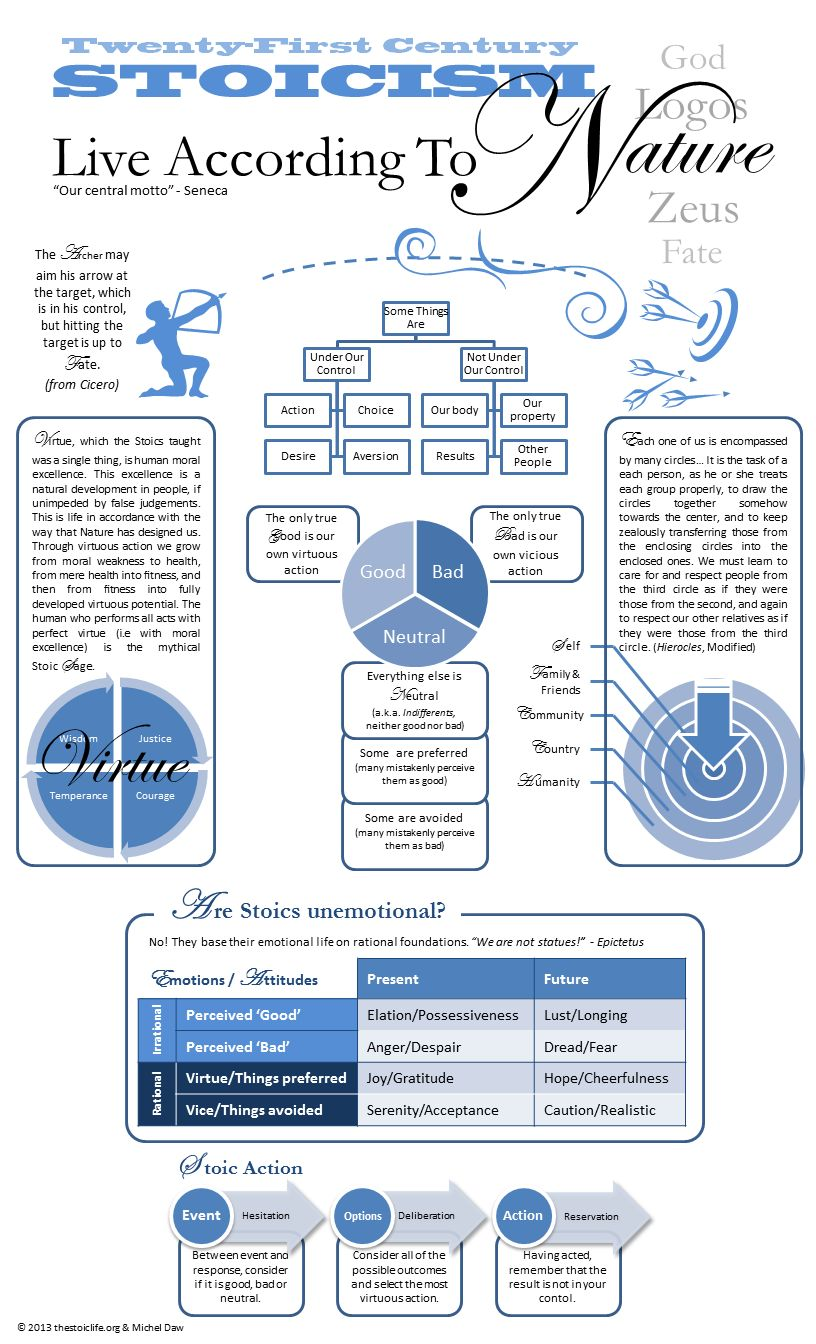
The dichotomy of control of the Stoics is what a modern psychologist might refer to as an “internal locus of control”. Here is an illustration:

A more popular form of The Dichotomy of Control is Reinhold Neibuhr’s Prayer of Serenity:

God, grant me the serenity to accept the things I cannot change, courage to change the things I can, and wisdom to know the difference.

That formulation was popularized first by the YWCA and then Alcoholics Anonymous.

In 125 CE, Arrian compiled The Enchiridion of Epictetus, which translates to Epictetus Ready to Hand. That handbook of Stoic philosophy opens thusly:

Τῶν ὄντων τὰ μέν ἐστιν ἐφ’ ἡμῖν, τὰ δὲ οὐκ ἐφ’ ἡμῖν. ἐφ’ ἡμῖν μὲν ὑπόληψις, ὁρμή, ὄρεξις, ἔκκλισις καὶ ἑνὶ λόγῳ ὅσα ἡμέτερα ἔργα: οὐκ ἐφ’ ἡμῖν δὲ τὸ σῶμα, ἡ κτῆσις, δόξαι, ἀρχαὶ καὶ ἑνὶ λόγῳ ὅσα οὐχ ἡμέτερα ἔργα.

Yeah, that’s Greek to me too. In the 1750s, Elizabeth Carter made the first translation of it into English as follows:

Some things are in our control and others not. Things in our control are opinion, pursuit, desire, aversion, and, in a word, whatever are our own actions. Things not in our control are body, property, reputation, command, and, in one word, whatever are not our own actions.

Epictetus urged us to focus on our thoughts, emotions, and actions and recognize that the actions of others and external events and outcomes are not under our control.

Personal Applications

In recent years, I have come to rely on the Dichotomy of Control to help me navigate in troubled times.

[Source]

When I am frustrated by a U.S. president, for example, I note how the Electoral College and the lopsided political make-up of Oklahoma have ensured that no vote I ever cast in a presidential race ever mattered one whit. So while it is a thing that matters it is certainly not a thing I can control, so I should avoid focusing too much on presidential elections.

A mix of stoicism and realpolitik, valuing practical objectives over ideals, is also why I base my political party registration not on my alignment with a party’s platform but instead to maximize the tiny influence of my vote in Oklahoma’s semi-closed primary system.

Two particularly stressful periods of my administrative career were the state educational funding crisis in 2018 and, a couple of years later, the COVID-19 pandemic. I wielded my influence in both situations for the common good, but some blowback was inevitable. I dealt with that by regularly revisiting two touchstones.

The first came from the Roman emperor Marcus Aurelius. He was a dedicated Stoic, and offered plenty of tailored advice in his Meditations. A statement he made in Book 4 helped me keep things in perspective, which is shown in the graphic.

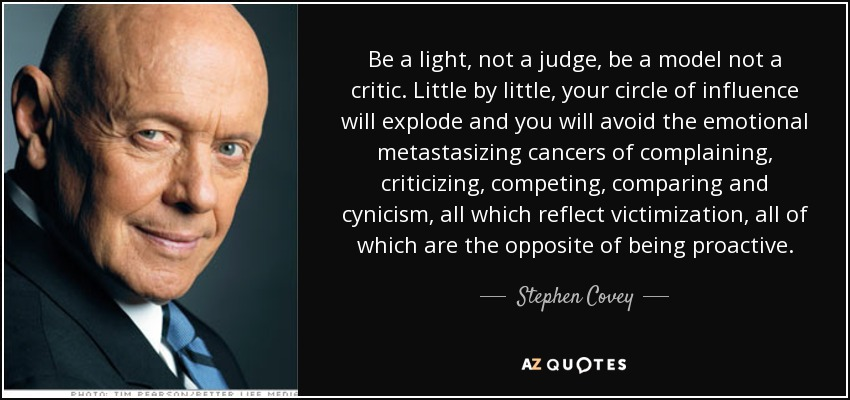
The second came from Stephen Covey, the author of The 7 Habits of Highly Effective People, which I studied in my master’s degree program back in the 20th century. I appreciated how his advice helped me avoid a potential trap in carelessly applied stoicism: while it encourages accepting things outside your control, the Dichotomy of Control does not urge passivity. Instead, it urges that you actively focus on what you can control, thereby taking a proactive approach to life instead of simply resigning yourself to external circumstances. Stoicism urges you to direct your energy where it can truly make a difference.

Below is Stephen’s advice:

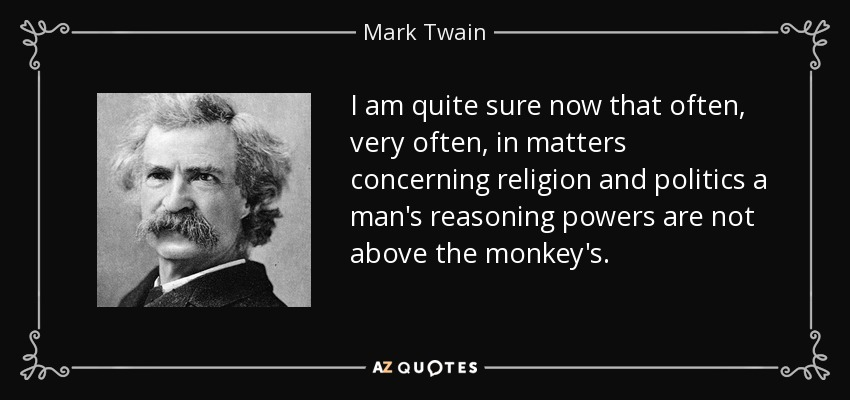
I am composing this post in a time of intense political turmoil, and my Facebook Feed was inundated with posts that amply illustrated something Mark Twain dictated in 1907 for his autobiography:

Rather than simply ignore Facebook, which is still useful in some ways and is still part of my job, I opted to curate it. Every time I saw someone posting about religion or politics in a manner that ignored the Dichotomy of Control, I snoozed that person, page, or group for 30 days. I wound up hitting the snooze 30 times, and my Feed improved noticeably.

In a couple of cases, I went further and unfollowed someone or something, but most of my curation was temporary. In a few weeks, I will undoubtedly notice when my snoozes end, and I can then unfollow anything that remains overly distracting.

If Stoicism interests you, here is a potential resource, but there are also free translations of Epictetus and Aurelius.

[Source]
Posted in politics, random, religion | Leave a comment

Edwin E. Foster’s Spiral Spring

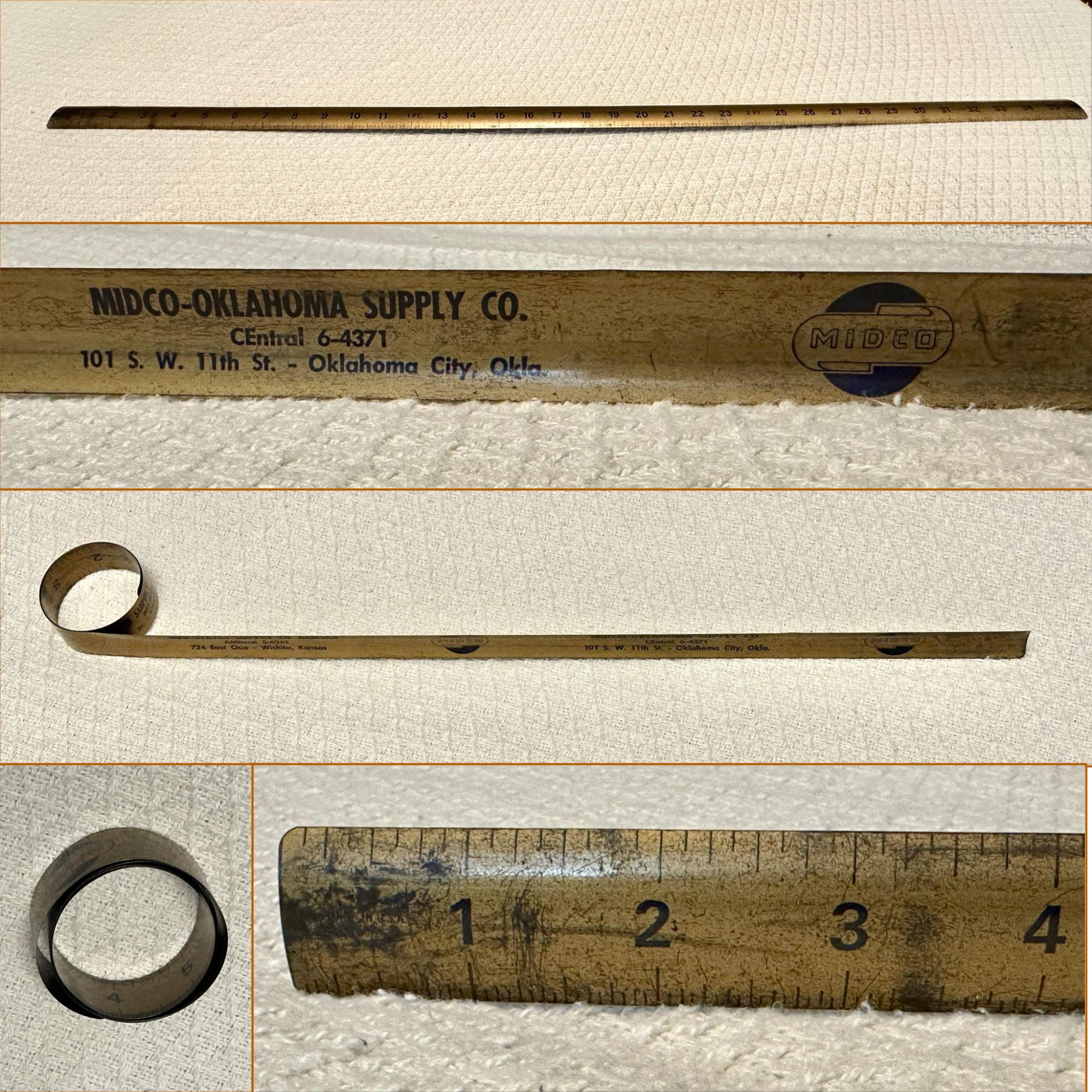
One of my favorite tools is from the early 1960s and has been superseded by its cousins. My parents received it around 1963, when Mid-States Supply Company of Kansas City, Missouri opened a warehouse in Oklahoma City. It’s a metal roll-up yardstick.

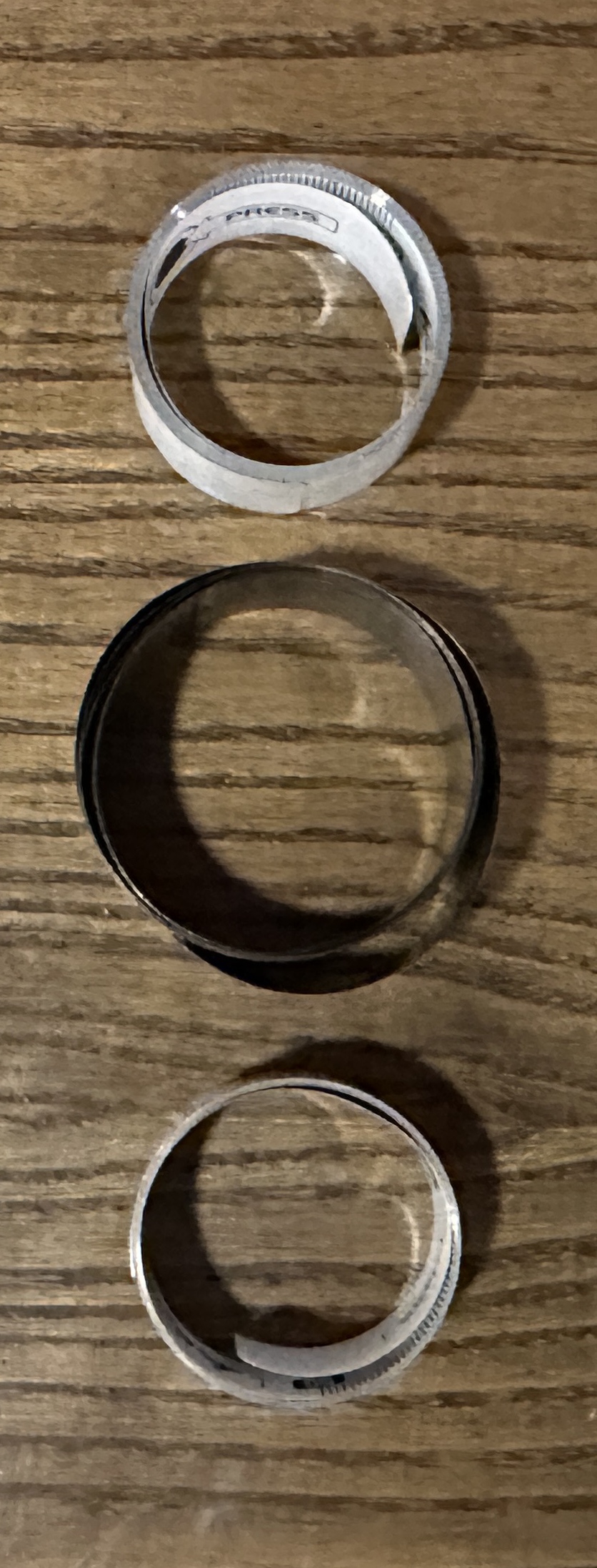
It is similar to what one finds in a retracting cased tape measure, but when you roll it out to be read, its convexo-concave blade rolls downward against the surface, not upward, and it needs no case. When unrolled completely, it stays extended and when you’re finished with it, you just flex one end and it will roll up into coil two inches in diameter.

My vintage roll-up yardstick

My only complaint is that it is so old that it has 1/8 and 1/16-inch scales, and I would sometimes prefer a finer scale in millimeters. I had no luck finding a roll-up meterstick on Amazon, but I was able to set up an account and order uncased metric roll-up tape measures from the Hoffman Group in Germany, which were delivered by DHL some weeks later.

So now I have three of these gems, which will serve me for the rest of my years. I would much rather carry one of them in my pocket than wear a bulky cased measuring tape on my belt when I am headed to a store where I will need to check dimensions.

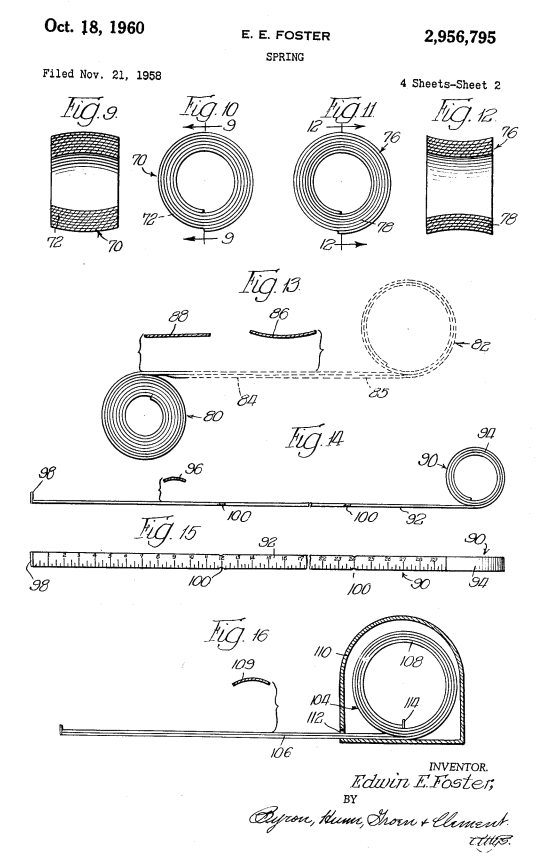
My examination of the yardstick did turn up the patent on its design: U.S. Patent 2,956,795 filed in 1958 by Edwin E. Foster of Austin, Texas and awarded in October 1960. He held a number of patents on various springs and similar mechanisms. I perused them and was surprised to find dozens of them filed over a 66-year period from 1923 to 1989. Egad!

Metric and imperial uncased measures
My vintage uncased measure flanked by new metric rules

Foster was born in Athens, Texas in 1903 and went to Austin to study at the University of Texas toward the end of World War I. By then he had already invented a pump to inflate Model-T tires. He took it to Chicago to sell, but removable rims were about to come on the market and that negated the appeal of his pump.

Foster didn’t give up. Instead, he rented some space in a machine shop and turned his pump design into a new kind of shock absorber. However, manufacturers feared the shocks might be susceptible to mud caking, so he struck out again.

Inventor Edwin E. Foster

He next put his inventiveness with springs to work on a system to allow one to iron clothes while sitting down. It had springs counterbalancing the iron, which was held in place by an arm above the ironing board.

He was still toying with ironing boards, with no reported great success, by the time World War II began. Some U.S. tanks had a clutch pedal that took five times as much force as normal to operate since Chrysler had chained together five engines for them. Foster devised a new clutch with his springs and the army used it in 50,000 medium tanks. General Eisenhower recognized him for the role his “clutch booster” had in the war in North Africa.

That was a success, but he didn’t profit greatly from it. He next devised a steel spring for window balances, but it wasn’t until the 1950s that he patented his real “money maker” — the “spirator” steel band. It had just the right curvature so that when rolled out and released, it rolled back up again. It was used in seatbelt retractors, tape measures, and my roll-up yardstick.

Mr. Foster died at age 93 in 1997. He had been awarded over 100 patents, from wind-up baby swings to toys to the devices used in gas pumps, seat belt retractors, wheel covers, cameras, windows, early spaceships, and…roll-up yardsticks.

Figure from Patent 2,956,795
Diagrams from U.S. Patent 2,956,795
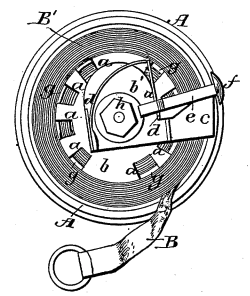
Figure from patent 79,965
The Fellows tape measure patent

The first spring-loaded tape measure U.S. Patent was #45,372 by William Bangs Jr. of Connecticut back in 1864. In 1868, Alvin J. Fellows, also of the Constitution state, patented a spring-click tape measure which included a locking mechanism and metal case.

Their tapes were not concavo-convex, so they had little standout or reach distance, which refer to how much the tape can be extended without buckling. I used to have a little tape measure of that sort, and enjoyed pressing a center side button that caused the long white flexible tape to whip back into the case.

Reach and standout explained
What is meant by a tape measure’s reach and its standout

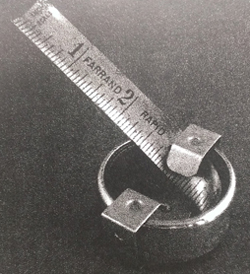
Hiram A. Farrand received a patent for concavo-convex tape in 1922, although his version had no locking mechanism or spring. Instead, the tape was manually coiled inside an open-ended can.

A Farrand tape measure

Stanley tools purchased the rights to produce Farrand’s push-pull tape from him, and he went to work for them in 1931. Their tapes were all in closed housings and in the late 1930s Stanley released a model that locked, but it still did not self-retract.

Later innovations included the floating hook to ensure a correct measurement whether you push the end of the tape against a surface or hook and pull it. Stanley finally added a retracting spring in 1956. I presume that it was the self-retracting nature of Foster’s spring that made it special, but I’m no patent examiner with all of the answers.

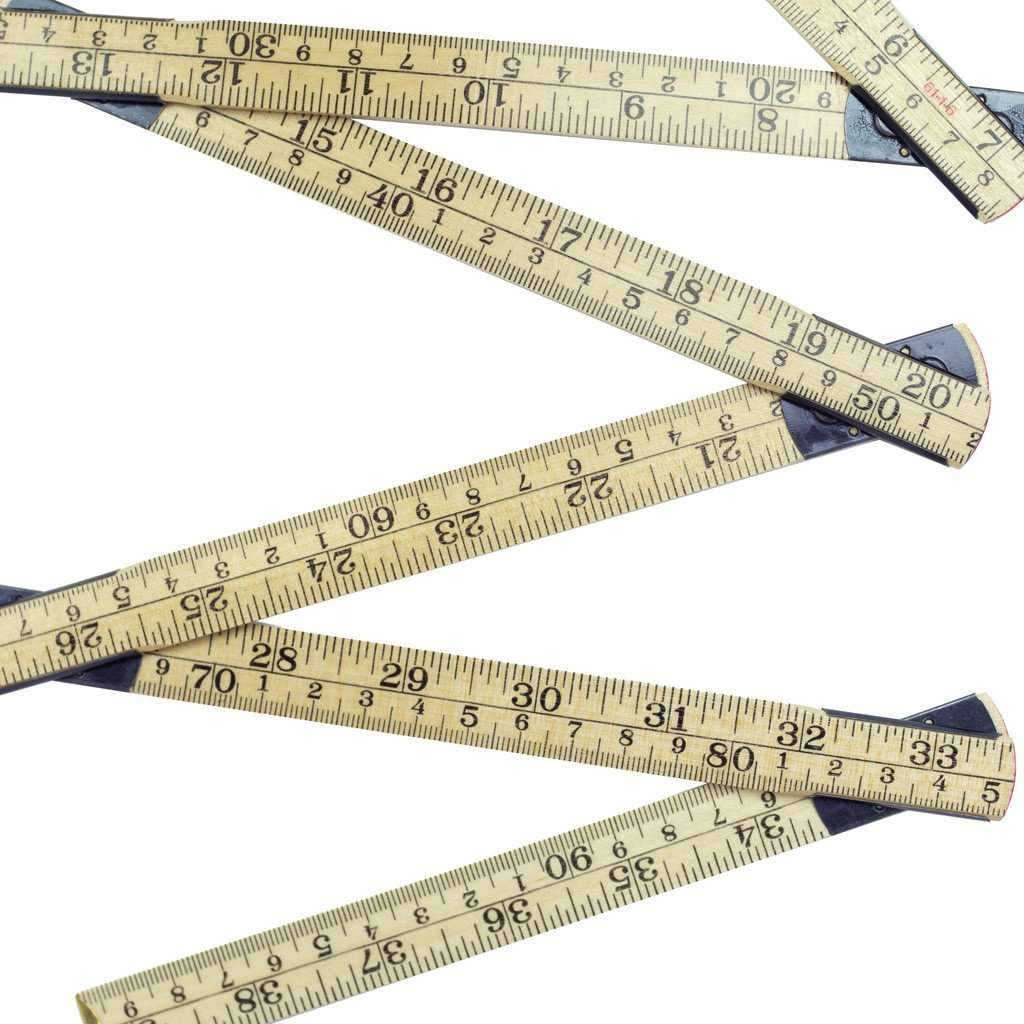
Before World War II, metal retracting tape measures were still relatively expensive, and many carpenters still used those yellow folding rulers. My father had one, but I never liked using it.

Folding ruler
Folding rulers used to be more commonly used by carpenters than tape measures

Stanley’s PowerLock patent was awarded in 1963, allowing you to extend and lock the tape in place one-handed. Back in 2013, Stanley celebrated 50 years of selling tape measures. It noted how at that time it was manufacturing 31 versions of their PowerLock tape in seven different sizes and producing over nine million tapes each year in its Connecticut plant.

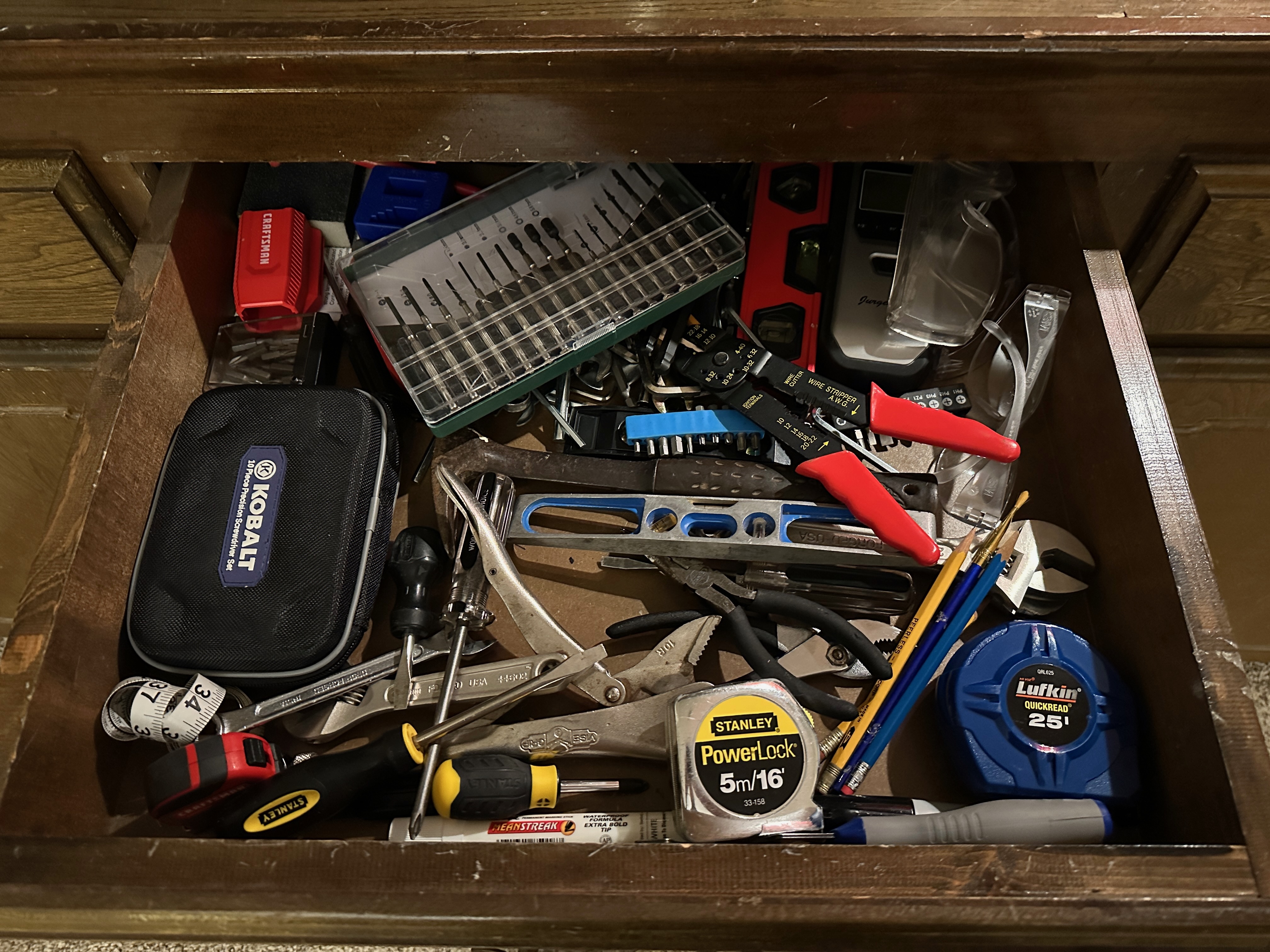
I yanked open my main tool drawer and noticed three retractable locking measuring tapes: a 9′ Craftsman, a 16′ Stanley, and a 25′ Lufkin plus one 5′ sewing tape. I have at least two more cased measuring tapes at work, and I wouldn’t be surprised if another is lost somewhere in the garage.

That conforms to how retractable cased tapes are far more popular than roll-up yardsticks or metersticks these days, which have become obscure and far harder to source. I’m so proud of my old-fashioned uncased tapes that I refuse to toss them in the drawer with their more popular cousins. Instead, I keep them at hand beside my desk. Thanks, Edwin E. Foster!

Posted in history, nostalgia, random | Leave a comment

Molded for Play

Children’s toys usually require materials that are cheap and durable. My dad, who was born a century ago, recalled playing marbles with his cousins, mumblety-peg with a pocketknife, spinning tops, darts, yo-yos, jacks, and stilts. He later graduated to bean shooters, rubber guns, and a Daisy air rifle, but the only item that survives with us today is a sturdy cast iron bank.

Cast Iron

My dad’s penny coin bank from the 1920s weighs 1.3 pounds empty and is in the form of a colonial house. Such banks were produced from 1910 to 1931 by the A.C. Williams Company of Ravenna, Ohio. Their miniature banks were available in several hundred types and styles and distributed through F.W. Woolworth’s, S.S. Kresge’s, and other five-and-dime stores.

To create cast iron toys, iron ore was melted in a blast furnace and poured into molds made from tightly packed sand. The casting sand used in the old days was often finer than what is used today, yielding a smoother surface with finer details.

Bartlesville 1920s
Downtown Bartlesville long ago

Perhaps my father’s bank came from one of the five-and-dime stores in Bartlesville; his parents had a custom of driving the four miles from Dewey to Bartlesville on Saturday nights after his father got off work at the Dewey Portland Cement Plant. They would do a bit of shopping, but downtown Bartlesville was also cheap entertainment. They would find a good parking spot in front of the lighted stores and watch the people come and go. As my late father once wrote, “This type of entertainment has been replaced by radio, television, and now the internet. It was a slower pace back then.”

As for me, one of the first of the kids born into Generation X, I don’t recall having any cast iron toys; mine were mostly wood, Masonite, and, of course, plastic.

Plastics

Eventually, plastics displaced cast iron as the moldable material in children’s toys. My wife, Wendy, enjoys re-rooting the hair in new and vintage Barbie dolls. In her childhood, she loved Mattel’s Pink & Pretty Barbie from the early 1980s. That doll, which includes an outfit with 20 different configurations, is now a collector’s item. Some time ago, Wendy snagged one at a good price and re-rooted its hair.

The types of plastic used in Barbie dolls varies by body part. Early dolls were mostly polyvinyl chloride, with phthalate-based plasticizers added to improve its flexibility and durability. Later ones tended to have ethylene-vinyl acetate arms, acrylonitrile butadiene styrene torsos, polypropylene leg armatures, outer legs of polyvinyl chloride, and heads formed of a hard vinyl compound.

The first synthetic plastic, celluloid, was invented in 1863. Bakelite, a fully synthetic plastic, was invented in 1907, the same year that Oklahoma achieved statehood. By 1967, plastics had revolutionized consumerism such that they were what Mr. McGuire advised Benjamin Braddock to pursue. Of course, in that context, plastics were also symbolic of a cheap, meaningless, and ugly way of life.

Celluloid

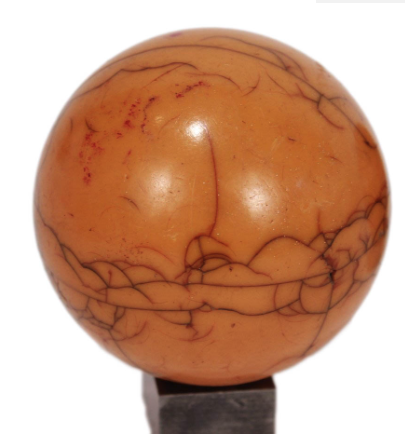
Celluloid billiard ball
Celluloid billiard balls were explosive

By the 1850s, the industrial revolution had begun to strain animal-derived materials like horn, ivory, and turtleshell. In 1862, Alexander Parkes patented in England the first man-made plastic, a semi-synthetic thermoplastic material made from cotton fibers dissolved in nitric acid, intending it for waterproofing woven fabric clothing.

Across the Atlantic, John Wesley Hyatt acquired Parkes’ patent and experimented using cellulose nitrate to manufacture billiard balls, which until then were made of ivory. Hyatt admitted that sometimes hitting two of the celluloid balls together could produce “a mild explosion like a percussion guncap.”

Hyatt also noted, “We had a letter from a billiard saloon proprietor in Colorado, mentioning this fact and saying that he did not care so much about it, but that instantly every man in the room pulled his gun.”

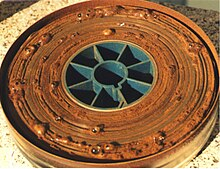
Decomposing nitrate film

Celluloid went on to important uses in film, but its flammability was a significant problem. Many old films shot on nitrocellulose have been lost to fire and decomposition. In 1978, both the National Archives and the George Eastman House had their nitrate film vaults auto-ignite, destroying the original camera negatives for 329 films and 12.6 million feet of newsreel footage.

Films were later shot on acetate, which was once called “safety film” since it melts, rather than burns, when heated. However, heat, moisture, or acids break acetate down into acetic acid, and vinegar syndrome plagues old films and magnetic tapes. It might interest you to know that while polyester, in the form of polyethylene terephthalate, was eventually used for film prints, it was not suitable for actually shooting films because it was so strong that it could damage a camera in a film jam. Polyester also requires tape or ultrasonic splicing, while acetate can be spliced with film cement, so acetate film was easier to edit before almost everything went digital.

Bakelite

Leo Baekeland
Leo Baekeland

In 1907, Leo Baekeland of Belgium beat his rival, James Swinburne of Scotland, to the patent office by one day. Thus I grew up associating Bakelite with molded items like older telephones and radios, which was named for him. Swinburne and Baekeland were intrigued by the product of the reaction of phenol with formaldehyde, with Swinburne unable to produce a good, solid resin but using it for hard lacquer. In 1927 Swinburne merged his Damard Lacquer Company with Baekeland’s English licensees to form Bakelite Limited for United Kingdom products.

Meanwhile, Baekeland systematically experimented with controlling temperature, pressure, and composition until he could produce a hard moldable plastic out of polyoxybenzylmethylenglycolanhydride. Thank goodness he called it Bakelite!

Bakelite items
Bakelite items

Bakelite’s advantages included excellent heat resistance, high electrical insulation, good strength, moldability into complex shapes, and a distinctive appearance. However, it was brittle and lacked the flexibility and impact resistance of modern plastics. It also had limited color options, is difficult to recycle, and offgases formaldehyde, a known carcinogen.

So Bakelite was superceded by a variety of different thermoplastics such as polypropylene and polyethylene terephthalate (PET). I kept on hand some Bakelite electrical meters and old Dial-An-Ohm boxes in my physics lab at Bartlesville High School, but offhand I can’t think of any Bakelite items at home.

Modern Plastics

ChevronPhillips Plastics Technical Center
ChevronPhillips’ Plastics Technical Center is in Bartlesville, OK

I live in the city where crystalline polypropylene was invented by Paul Hogan and Robert Banks of Phillips Petroleum Company, and I recently toured the ChevronPhillips’ Plastics Technical Center on the west edge of town where 190 chemists, scientists, and technicians focus on the development of new plastics, work to improve existing ones, and provide technical support for customers worldwide with polyethylene, normal alpha olefins, and more.

The most commonly used plastics now include:

  • Polyethylene (PE): Considered the most widely used plastic overall, including its different densities like HDPE and LDPE. 
  • HDPE (High-Density Polyethylene): Known for its strength and rigidity, commonly found in milk jugs and detergent bottles. 
  • LDPE (Low-Density Polyethylene): More flexible than HDPE, used for plastic bags and food wraps. 
  • PET (Polyethylene Terephthalate): Often used for beverage bottles and food packaging due to its transparency and ability to prevent oxygen from entering. 
  • PVC (Polyvinyl Chloride): Used in pipes, construction materials, and some flexible packaging, but concerns exist regarding its environmental impact. 
  • PP (Polypropylene): Often used for containers, lids, and some food packaging due to its heat resistance. 
  • PS (Polystyrene): Commonly found in disposable cups, food containers, and Styrofoam packaging. 

There are others, of course, including polylactic acid (PLA) and acrylonitrile butadiene styrene (ABS), which are commonly used in 3D printers.

The immense utility and low cost of modern plastics brings with them environmental concerns. Over 90% of plastic is not recycled, and there is mounting concern about microplastics.

Many of my favorite toys were plastics, with ABS forming my Tog’l blocks and Legos.

I received my Tog’l blocks when I was two-and-a-half years old, and I first encountered Legos at my spinster aunts’ home some years later. I played so much with the Legos that my mother bought me the 135 and 145 Universal Building Sets with hundreds of bricks, and my aunts eventually gave me all of theirs, so I had about 1,000 bricks to play with.

Back in 2016, when Wendy and I were engaged and cleaning out Meador Manor for her later move-in, she gathered up the Legos and we donated them. In the process, she discovered taped to each box the “Building Specifications for The Super-Deluxe Home” which as a child I had typed out and affixed.

How to build The Super-Deluxe Home

Clearly my Lego constructions were serious business. But, just as only one cast iron bank remains with us from my father’s childhood, I only retained a couple of my childhood items: a bouncy ball made of elastomers and a hippie figurine molded not out of plastic, but of diatom skeletons. However, my ABS Legos may still be in use by some child somewhere. .they certainly held up better than anything else of mine did.

Posted in history, nostalgia, random | Leave a comment

Social Media Status in 2025

Like most adults of my age in the USA, my use of social media is primarily YouTube and Facebook. I have accounts with some other services that I created just to access something specific at some point in time, but my use of them is quite limited. I thought it would be interesting to open up the apps and share my impressions of what was on offer.

Please note that I’m just having fun; I’m not looking to actually engage with any additional services. To hopefully prevent any vituperative comments, I will acknowledge in advance that my impressions are no doubt biased, ignorant, privileged, out-of-touch or otherwise objectionable to someone…and I simply don’t care. If this post isn’t fun for you, my advice is for you to go take a hike…both literally and figuratively.


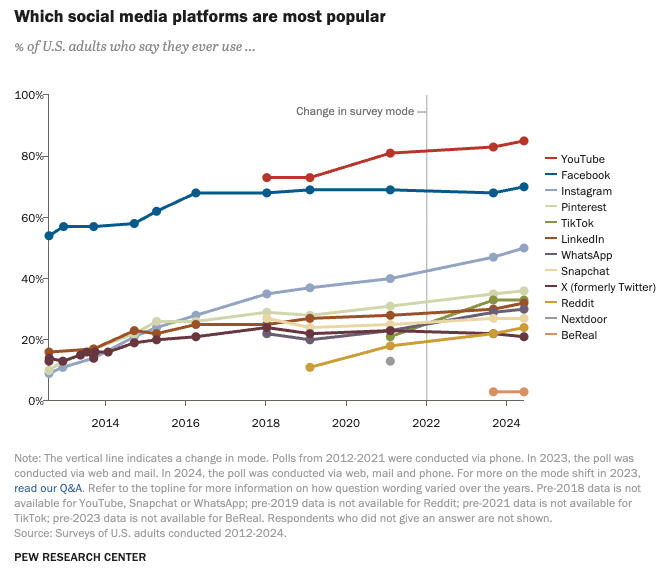
Here’s a look at what social media platforms US adults had ever used from 2012 to 2024:

Source

I have accounts for Instagram, Pinterest, TikTok, LinkedIn, and X. I’ve consulted Reddit, but I don’t have an account for it, and I killed my Nextdoor account years ago because I found it to be concentrated ignorance.

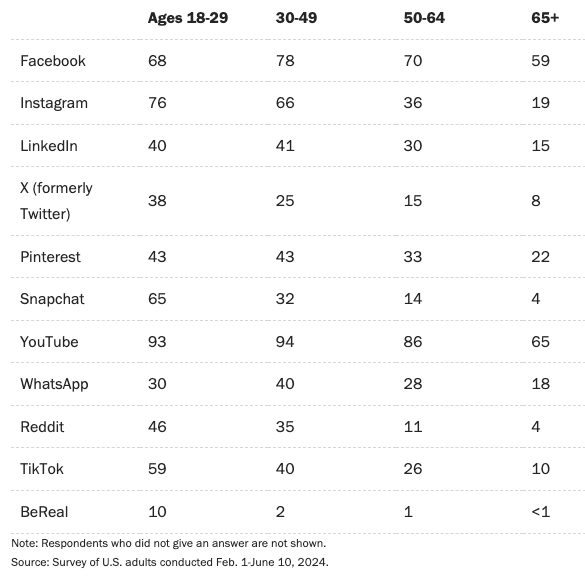
I’m 58 years old, and my reliance on just two of the popular platforms fits my age demographic pretty well:

% of US adults who say they ever use a platform by age range [Source]

I have no interest in the ephemeral Snapchat, and texts and Facebook Messenger are already sufficiently distracting that I have no intention of using WhatsApp. Reddit strikes me as similar to the Usenet newsgroups I accessed via a university engineering network from 1985 to 1988. As for BeReal, I’d never heard of it, and a daily notification about sharing photos of day-to-day life sounds truly annoying.

To put things into perspective, I was accessing CompuServe back in 1982 on a 300-baud modem when it had 40,000 subscribers. It grew to about 3,000,000 by the early 1990s, and it was sold to AOL in 1997. I accessed and ran dial-up computer bulletin boards from 1983 to the early 1990s, and I acquired the MEADOR.ORG domain for my online blog on the world wide web back in 1996.

Instagram

The Instagram search screen my dormant account provided

The Instagram app shows I joined in December 2017, have 0 posts and 192 followers, and that I am following one account, that of science fiction writer J. Michael Straczynski. Evidently seven years ago I wanted to see something he had posted. Clicking on the search icon produced what is shown at right.

Hmm. Off-putting images of tattoos, veins, and anatomical drawings, a blood-stained graph, some meme about alcohol, a stupid map, and multiple images displaying the breasts and bikinis of women I don’t recognize — a distillation of lowbrow titillation.

To make Instagram bearable I would need to follow accounts of people that I know or who produce work I’m interested in. The default is just trash.

NEXT!

Pinterest

I joined Pinterest in October 2016 because some school district staff had requested it no longer be blocked for their accounts by the district’s internet filter, and I was checking on its content moderation.

Over the past eight years, I have used the service to “pin” about 30 images, mostly historic images of Bartlesville, but there was a funny doctored image of The Gorn driving Captain Kirk in the 1966 Batmobile and some other random images I had saved.

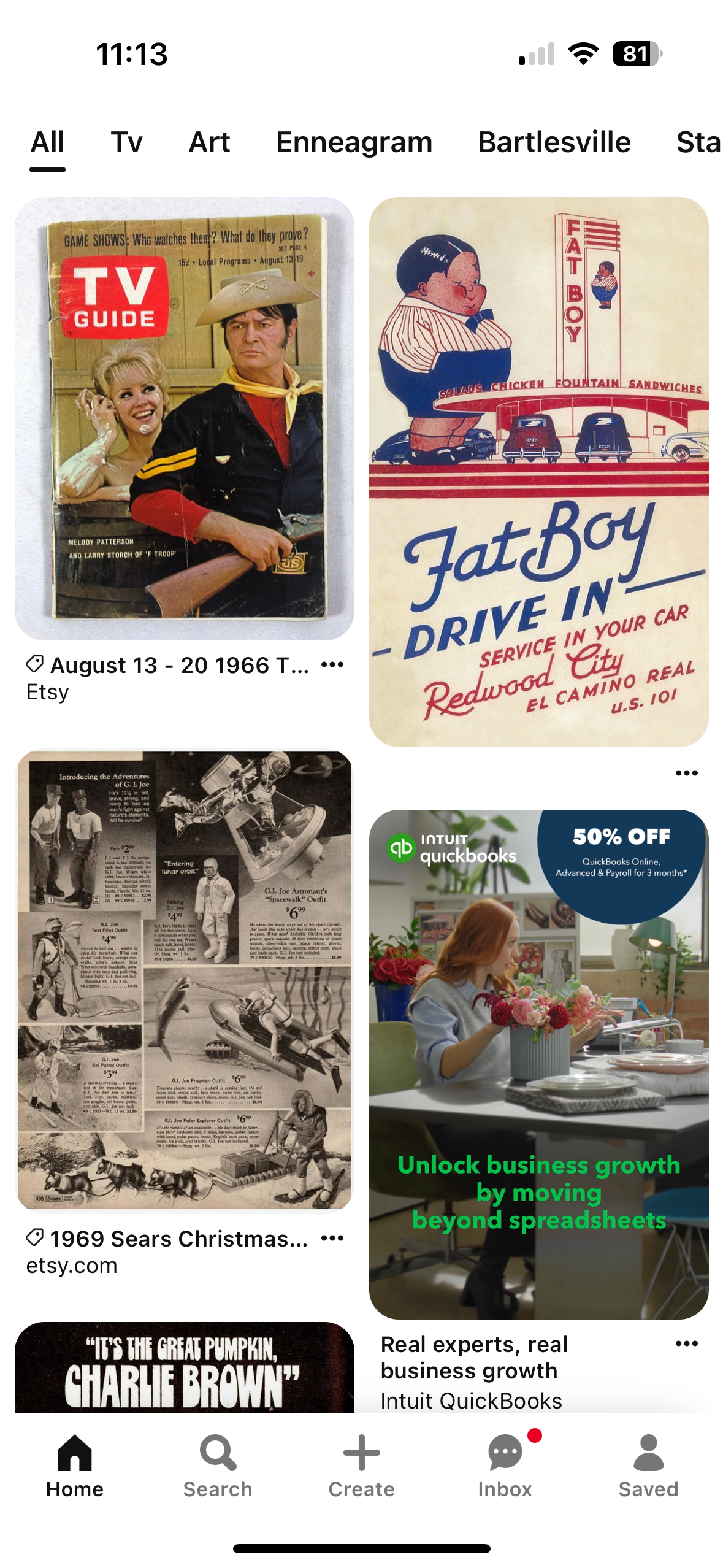
The Home page showed me an ad along with some items based on past searches. For a recent blog post on television, I had accidentally pinned an image of the cover of a 1967 issue of TV Guide that had a television equipment overview, so the service thought I might be interested in more vintage TV Guide covers, in this case one of F Troop — that was a swing and a miss.

It also showed me a vintage ad for a Fat Boy Drive In on US 101, which no doubt was based on searches I did almost two years ago while researching a blog post on Oklahoma drive-ins, although I grew up with Coit’s, not Fat Boy, and US 101 is quite far from Oklahoma. Research for another blog post on Fisher Price toys prompted the algorithm to offer up an image of dolls for boys (action figures for those with fragile masculinity) from the 1969 Sears Christmas catalog. The ad was for Intuit QuickBooks. None of that interested me, but at least it wasn’t off-putting imagery like Instagram offered up to my blank account there.

The app says I have 0 followers and that I am following nothing there, and that is A-OK with me.

TikTok

My wife watched a lot of funny videos on TikTok, but I abhor how it autoplays when you open the app. I found a setting to mute videos by default, which was a slight improvement.

My impression is that most of its videos are about 15 seconds long. I’m a long-form guy, preferring in-depth YouTube videos that are 20 minutes or longer, and I used to subscribe to The New Yorker magazine for its long articles before editorial decay led me to cancel my subscription. I find most YouTube Shorts and Facebook Reels unsatisfying, so TikTok doesn’t appeal to me, regardless of whether or not its Chinese ownership poses some sort of security risk.

I checked out the Explore option on its Home screen, and it showed me several women in a pool displaying a great deal of cheek while wearing football shirts, an ad about a muscleman who supposedly used a hair tonic to speed up growing long locks to create a wig for his daughter, clickbait about a terrorist, and an AI Jesus. Again, all repellent trash.

Later this month TikTok might be banned in the USA, but I don’t care one way or the other.

LinkedIn

I use this service to look up vendors who contact me or customer service representatives and customer success managers who are assigned to our district’s accounts.

I set up an account with my credentials and background information in June 2013, which I’ve maintained since I think it is a valuable business directory service, but I’ve never posted, and I’ve only had a couple of interactions with others via the service.

At right are unread messages in my Inbox. I’ve worked for the same employer for over 35 years, so I’m certainly not a job hunter, and I directly hire and evaluate only three positions in the district, so my usage will remain very limited. I had another LinkedIn account years ago with a personal email address, and it generated huge quantities of spam and annoying notifications, causing me to kill that account, not have the app on my phone, and set up an account with just my work email along with filters to redirect all LinkedIn emails to an unread folder.

After taking the screenshot, I deleted the app from my phone and moved on.

X

X, previously known as Twitter, has long held an outsized cultural influence because of journalists, who crave the timeliness and pithiness of its posts. I found their reliance on it emblematic of the decline in long-form quality journalism. Sound bites in text form…how depressing.

I created a Twitter account back in June 2009, about three years after it was created and three years after I set up my Facebook and YouTube accounts.

For many years, I’ve heard some pundits refer to Twitter/X as a toxic dumpster fire. However, I knew it was one way to drive web traffic, so I linked my Twitter and WordPress blog accounts so that for some years each blog post I made would generate a tweet with a photo and a link. That ended in mid-2023 when Twitter raised the pricing on its application program interface and WordPress dropped the service. I haven’t bothered manually sharing my blog posts on X.

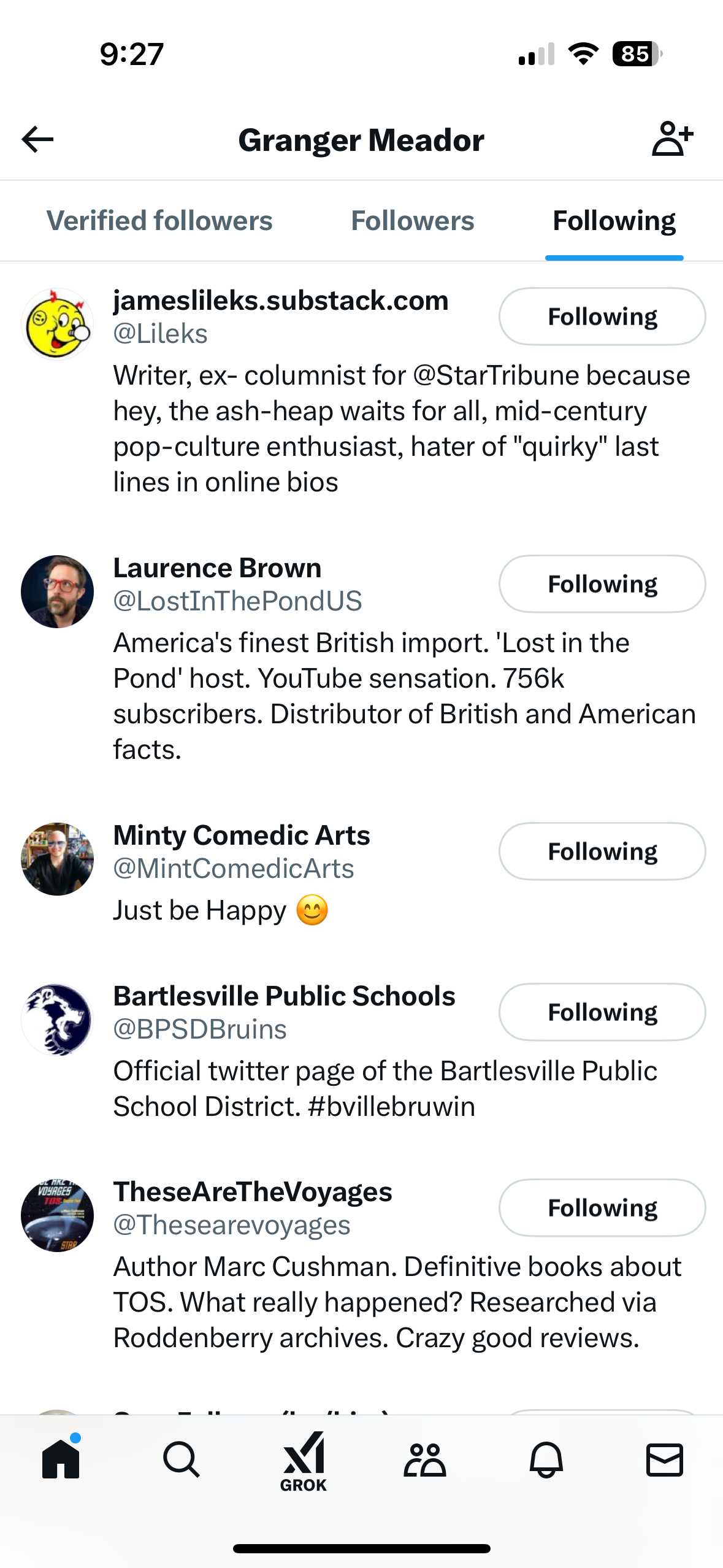
The X app’s For you home screen showed me an uninteresting post about politicians at Jimmy Carter’s funeral, while the Following section showed me a post from Bartlesville High School about a basketball tournament. That led me to wonder what X accounts mine was set to follow.

I found eight: a former newspaper columnist in Minnesota, a couple of YouTubers, a couple of school district accounts, an author of non-fiction books about Star Trek, an old friend, and a technology podcaster. Nevertheless, I’ve never paid attention to my own automated posts on Twitter/X, let alone whatever someone else posted.

Oh, there was a ninth account, which was a former technology columnist. I noticed that he was now constantly sharing misinformation from Libs of TikTok, the handle for a lady whose lies have instigated bomb threats against various schools, libraries, and hospitals across the country, including in Tulsa. I took the time to UNfollow him to clean up the feed I’ve long ignored.

The app also showed I had 75 followers. Most of those were co-workers or former students. My posts in recent years before the WordPress tweets stopped had a handful to a few dozen “impressions” while posts a decade ago had well over one hundred. I read that X posts generated an average of over 2,000 impressions in 2024, but also that there were significant declines in user engagement in 2023 and 2024 after Musk acquired Twitter. Twitter used to bring to mind birds chirping and bluejay jeers, but now I just hear crickets and flames.

Well, that’s enough of this grumpy old man griping about social media. I’ll post this and be sure to share a link on Facebook. 🤦‍♂️

Posted in technology | Leave a comment