
Cable Cut (and Restoration)

I ended a 35-year-long relationship today. Bartlesville’s cable utility provided me with television service for almost 20 years from August 1989 to January 2008, back when it was Donrey Cablevision and later CableOne. Then I cut the television service, but I kept using the coaxial cable since in December 2004 I had switched from a Digital Subscriber Line from AT&T to a cable modem for internet service. So I had a Bartlesville cable account from August 1989 to April 2024.

Bartlesville in the 1970s was where and when I first saw cable television. My parents and I would visit Frank and Alice Rice just down the street from Sooner High. Frank proudly demonstrated how they had many channels, including one with local weather and news, while in Oklahoma City at the time we only had a handful of broadcast television channels. He mentioned that there was a television studio downtown, and I eventually realized there had been one in the school district media center, part of the building where I was working 40 years later, although by my time there, the TV studio was long gone. As a kid, I thought Bartlesville was a pretty progressive place!

I was in junior high when houses in our OKC neighborhood began sprouting little microwave antennas for the Home Box Office pay television service. My parents weren’t big movie watchers, so they wouldn’t splurge for that, but in 1980, cable television finally launched in the capital city. I convinced them to get it, and that is how I got to watch MTV music television in high school on my 13″ color Zenith television in my bedroom. Yes, I know that my habit of specifying that it was a color set reveals my age; until 1973 or so, we only had black-and-white televisions in our home.

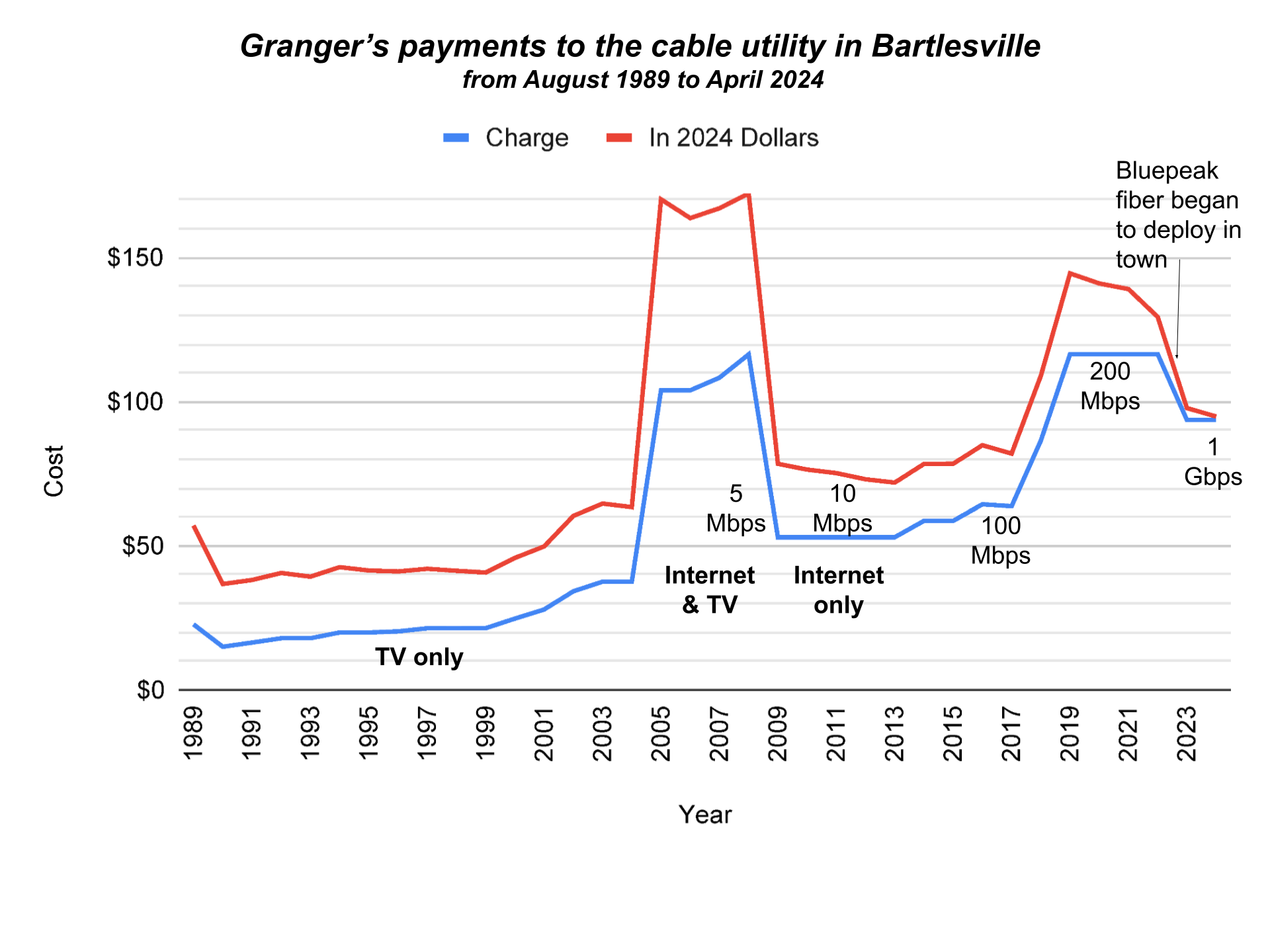
When I moved to Bartlesville in August 1989, I promptly signed up for cable TV service for my apartment at The Village. It cost $15 per month at the time, which would be equivalent to $38 in 2024. When I moved in August 1990 to a rent house, I shifted my cable service and during the four years I lived there the cost gradually increased from $16.45 to $19.95.

The cost of basic cable kept gradually increasing, even after adjusting for inflation. By 2005, it had increased 50% above the inflation rate. Meanwhile, in 2001 I stopped using a 56K modem for dialup internet access by adding a Digital Subscriber Line from AT&T to my landline telephone service. Later the cable company started offering faster internet service, so in 2005 my cable bill exploded as I added internet service on top of basic cable.

I turned in my cable modem today

In 2008 I ditched the basic cable television service, which slashed my bill by more than half. At that point, the cable modem service was 5 Mbps, or 200 times slower than what it would deliver by 2022, but at least 5 Mbps was 17 times faster than my 300 baud modem in the early 1980s.

In 2011, I was annoyed to discover that CableOne had been offering 10 Mbps service for the same price as my legacy 5 Mbps for some time without telling me. They only upgraded my service when I called about it. That predatory behavior, similar to how AT&T long mistreated its customers, left a sour taste.

However, the delivered internet speed later increased by a factor of 10 to 100 Mbps with only minor cost increases after adjusting for inflation. In late 2017 I opted to upgrade to 200 Mbps service, which was an 80% cost increase. By then, Wendy and I were married, and we were both relying on the internet for much of our entertainment.

The pricing on my internet service remained stable for four years, even as CableOne rebranded as Sparklight. But in 2022, when Bluepeak began deploying a fiber optic internet service in town, that competitive pressure led Sparklight to offer 1 Gbps service for only 2/3 of what it had been charging for 200 Mbps service.

I upgraded, but the handwriting was on the wall. As soon as Bluepeak reached our neighborhood, I had them install a fiber optic line.
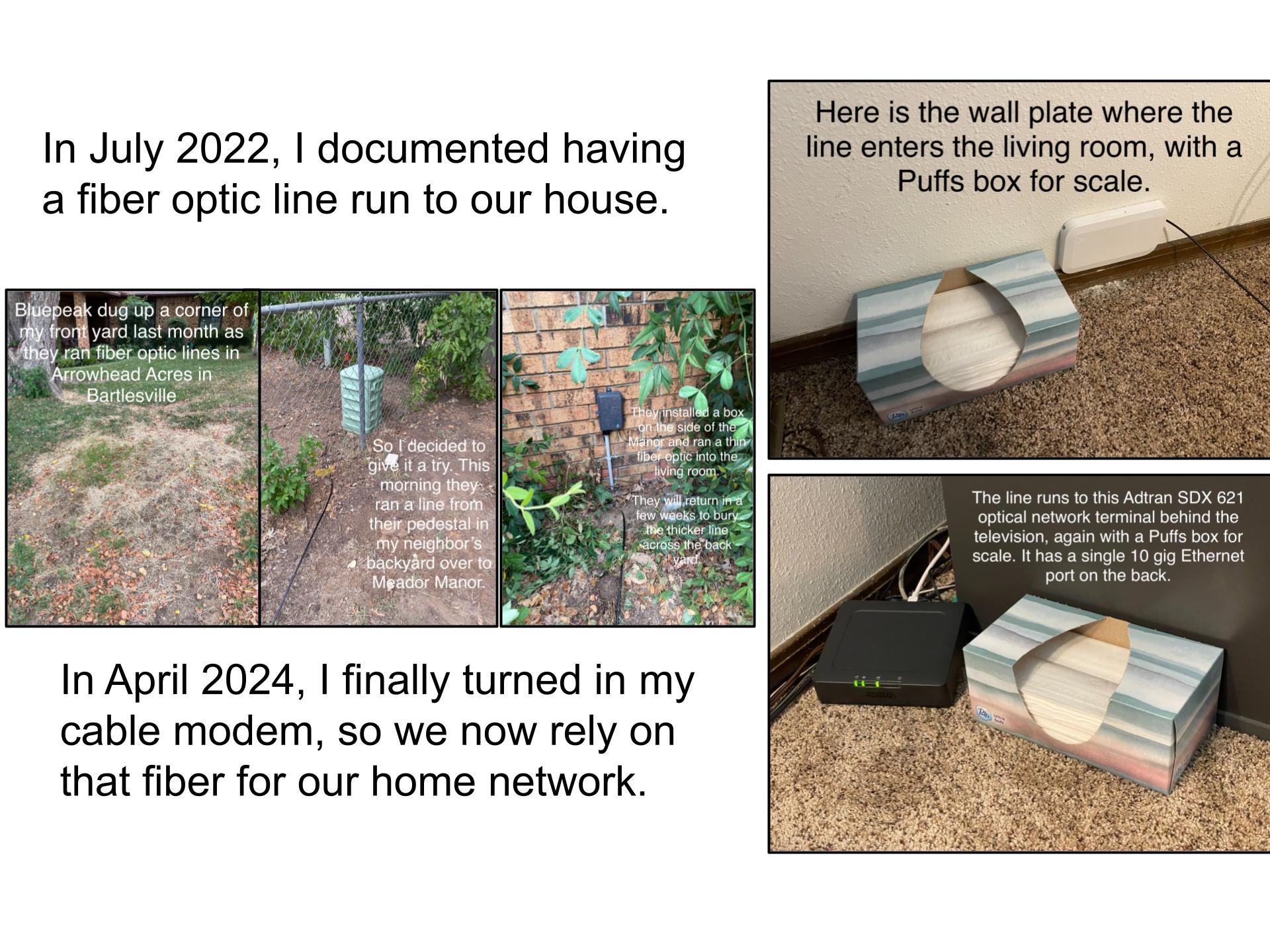
That has cost $60/month for 1 Gbps service since July 2022. I kept the cable modem operating since Bluepeak had some hours-long outages early on with little or no notice. I had reckoned they would have some hiccups as they built out their network. There were a few times either Bluepeak’s fiber or Sparklight’s coaxial cable would stop working, and I simply switched which one was feeding into the Eero mesh system that came with my Bluepeak service.
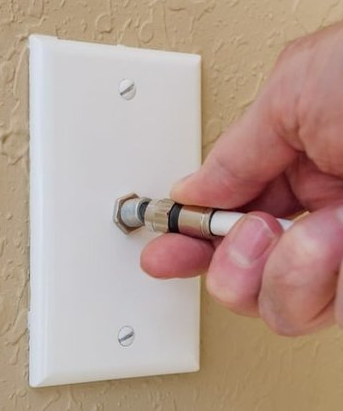
In recent months Bluepeak has been sending me a text each time service was interrupted and later restored, and we had relied on it exclusively for several months with no major issues. So I finally felt comfortable terminating Sparklight’s 1 Gbps cable modem service, which was costing me $94 per month.

Overall, I spent over $23,000 on cable services over the past 35 years, or almost $34,000 in 2024 dollars after adjusting for inflation. That averages out to $81 per month in 2024 dollars. I’ll enjoy seeing what I pay for home internet service drop from $154/month to $60/month.

Then again, we’re also paying for two iPhones and an Apple Watch, which each have cellular service…but how my phone services evolved is thankfully beyond the scope of this post!


LATER UPDATES

Posted in technology | 1 Comment

Battery Life

Over five years ago, I purchased an Apple Watch Series 4. Since I don’t always have my cell phone with me, I bought the model with cellular phone capability for $530. I’ve only used that Dick Tracy capability a few times, but it has been nice to have. I mostly use the watch to know the time and date (duh), but I do like seeing my next appointment, getting 2-Step Verification text codes on it, checking the weather, and setting an occasional timer. I find its exercise reminders annoying, but I know I should heed its advice when it nags about me sitting for too long. I also like how it taps my wrist to signal me to turn left or right when using Apple Maps to walk or drive to destinations when I’m at a conference in an unfamiliar city.

This week the device would no longer reliably hold its charge. 5½ years of charging cycles had taken their toll on its lithium-ion battery. The Li-ion batteries in my iPhones have typically started to fail after three years. I extended the life of one phone for a few years by slipping it into an Apple Smart Battery Case. I have grown used to replacing my phones every 2-3 years and my iPads every 3-4 years, and perhaps I’ll be on a 5-year cycle on my Apple Watches.

I could have sent the watch in to Apple for a battery swap, but it has no always-on mode like the current Apple Watch Series 9. I first encountered the low-power always-on mode on my iPhone 14 Pro, and I decided it would be nice to no longer have to wriggle my wrist or tap the watch when it failed to detect my interest in reading the display.

So I spent $500 on a new Series 9 unit, with 0% interest 12-month financing via Apple Pay. I again opted for cellular phone capability, but I saved some money by purchasing the smaller model. Both the 41 millimeter and 45 millimeter versions will fit my wrist, and my 44 millimeter Series 4 watch was occasionally a bit bulky for some long sleeves. Since my use of the watch touchscreen is mostly limited to tapping to set a timer, I don’t think I’ll mind the smaller tap targets. My watch was too old and scratched to get much on a trade-in, but Apple will recycle it for free.

Battery life is something we have had to deal with throughout our own lifespans. When I was a youngster, some of our flashlights and my toys had Eveready zinc-carbon dry cells. They had a black cat leaping through a 9, but I never found that zinc-carbon batteries had nine lives, including the “heavy duty” ones.

So once I could afford alkaline dry cells, I opted for those. We usually bought Duracells, which looked good, although I would also buy Energizer alkaline cells from Eveready, even though the bunny in their ads could be annoying.

The pedant in me is a bit annoyed that each of the dry cells shown here is labeled as a battery, when they are really single dry cells. Traditional lead-acid car batteries can legitimately claim that moniker, since they are an actual battery of six wet cells, while the only alkaline batteries we purchase that are truly batteries, and not merely cells, are the 9-volt ones. I used to show my physics students some dissected 9-volt batteries so they could see how they were batteries of six 1.5-volt dry cells in series.

At least 9-volt batteries really ARE batteries of dry cells

In the old days, high school physics labs were equipped with Variac transformers at the front so that the teacher could adjust the voltage of a direct current output at each lab station. There were once rooms at both College High and Sooner High in Bartlesville so equipped, but none of the three labs I taught in at Bartlesville High School featured those antiquated units.

So back when I taught high school physics, I invested in a bunch of rechargeable D cells with chargers. I used those in introductory electrical circuits labs so that students could learn how to wire up series and parallel sources and discover their effects on current and voltage. Once students had mastered those concepts, they switched over to using variable-voltage direct current power supplies, and I was happy if we could venture far enough into electromagnetic induction for them to learn how transformers work.

I used rechargeable D cells and variable power supplies when teaching physics

Years ago, I tried using rechargeable cells at home, but found them too inconvenient, and their lower voltage sometimes had annoying side effects with flashlights that were dimmer than expected, etc. In recent years, I have bought Amazon Basics AA and AAA dry cells, which worked okay and were cheaper than the name brands. I purchased some plastic ammunition boxes to keep the cells in. That way, if one leaks, the rest might be spared.

The most expensive battery I have purchased was for my EGO electric lawn mower. The 56-volt 5.0 amp-hour Li-ion battery that came with the mower lacked enough capacity to mow the entire yard, so I spent over $700 on a 10 Ah one. That did the trick, and I’ve used the smaller, lighter 5 Ah battery for an EGO electric chainsaw I purchased as well as a string trimmer.

This sucker wasn’t cheap

My current gasoline-powered car is a decade old, so in a few years I will probably be purchasing a truly enormous battery in a plug-in gas-electric hybrid automobile. They say that electric vehicle battery packs last five to ten years, so given my life expectancy I might squeeze in a few such purchases before I encounter a more personal lifespan limit.

Posted in technology | 1 Comment

Divided Loyalties

Sooners or Cowboys? In Oklahoma, one is often expected to take one side or the other in the rivalry between its two largest institutions of higher education: the University of Oklahoma (OU) and Oklahoma State University (OSU). I am bemused when asked which team I support. I earned 162 credits and a bachelor’s degree at OU, but I also earned a dozen graduate credits at OSU and 36 graduate credits and a master’s degree at the small private Southern Nazarene University.

So I consider myself a Sooner, but I can also lay claim to having been a Cowboy and part of the Crimson Storm. If one goes back to grade schools, I was also a Patriot, a Trojan, and a Colt at various Putnam City schools in Oklahoma City and Bethany. I posted last week about my undergraduate coursework, so in this post I’ll shift to the last 51 of the 210 college credits I earned: my post-graduate work.

That began in 1992, three years after I moved to Bartlesville. OSU and Phillips Petroleum partnered to convert a former science lecture hall at Bartlesville High School, where I taught physics, into a compressed video room with two large monitors, speakers, multiple microphones, and video cameras. That allowed OSU to offer interactive graduate courses to teachers via an audiovisual feed with Stillwater.

I was never interested in becoming a school principal, but OSU offered a program to earn a master’s degree in curriculum and instruction. I could see myself one day transitioning to curricular administration, and having a graduate degree would mean a slight bump in my paltry pay, so I enrolled.

Bartlesville Supt. Scroggins, Phillips CEO Wayne Allen, and OSU President John Campbell dedicated a compressed video classroom at Bartlesville High School in 1992

I enjoyed an educational statistics course via compressed video, which had lasting value in allowing me to assist students with analyzing science fair project results for statistical significance. After that, Fred Wood, the dean of my alma mater, the OU College of Education, offered an excellent in-person course in professional development. I was delighted in how he practiced what he preached, ensuring that he made extensive use in each class of the very techniques we were learning.

But then I suffered through a couple of terrible courses taught over compressed video by an arrogant OSU professor. I learned very little from the jargon-laden deconstructionist drivel he assigned. Alan Sokal, who famously hoaxed a journal that espoused deconstructionism and postmodern philosophy, would have had a field day with the journals we had to consult.

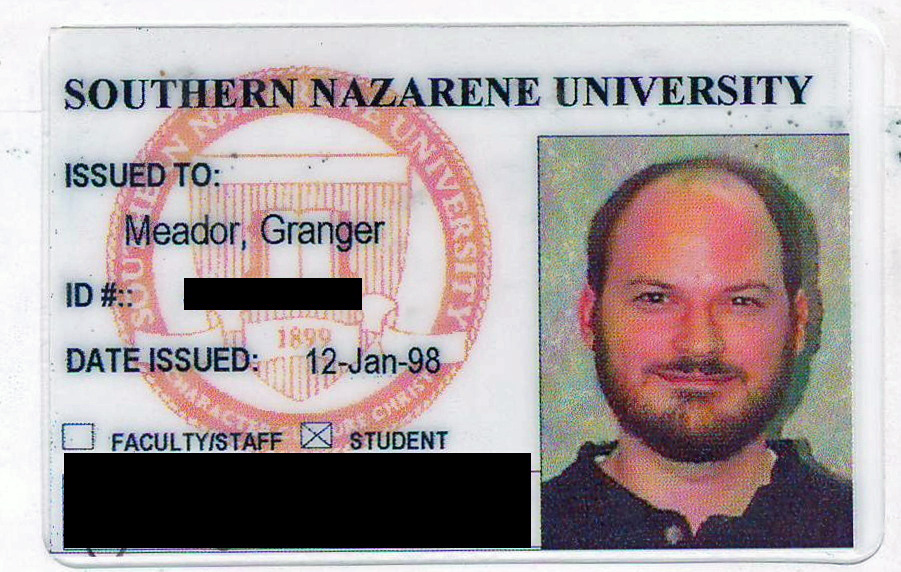
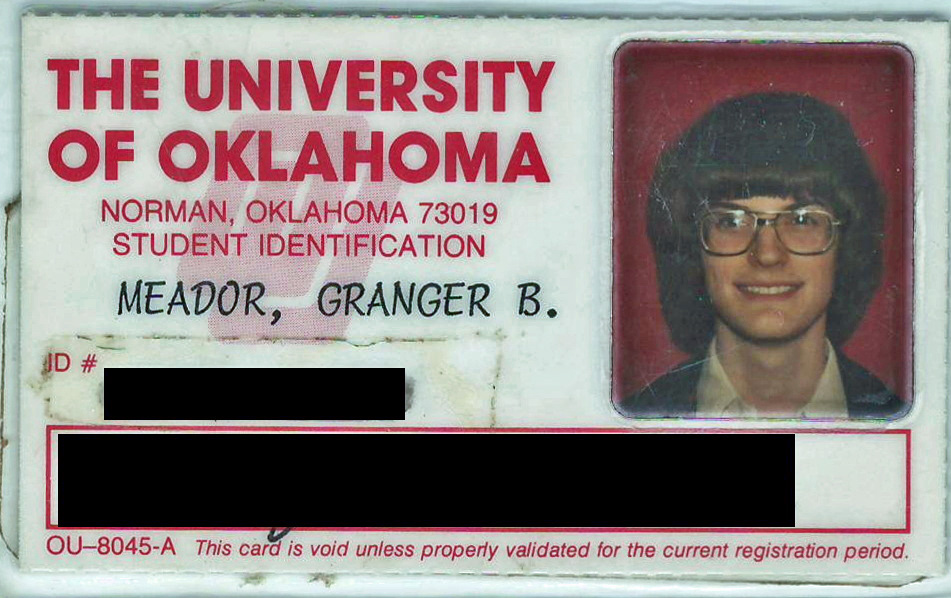
My UCAT ID card from 1993

I had logged onto the early internet throughout the previous decade via the engineering computer system at the University of Oklahoma, but in the early 1990s the world wide web was still in its infancy. So our research materials were still analog.

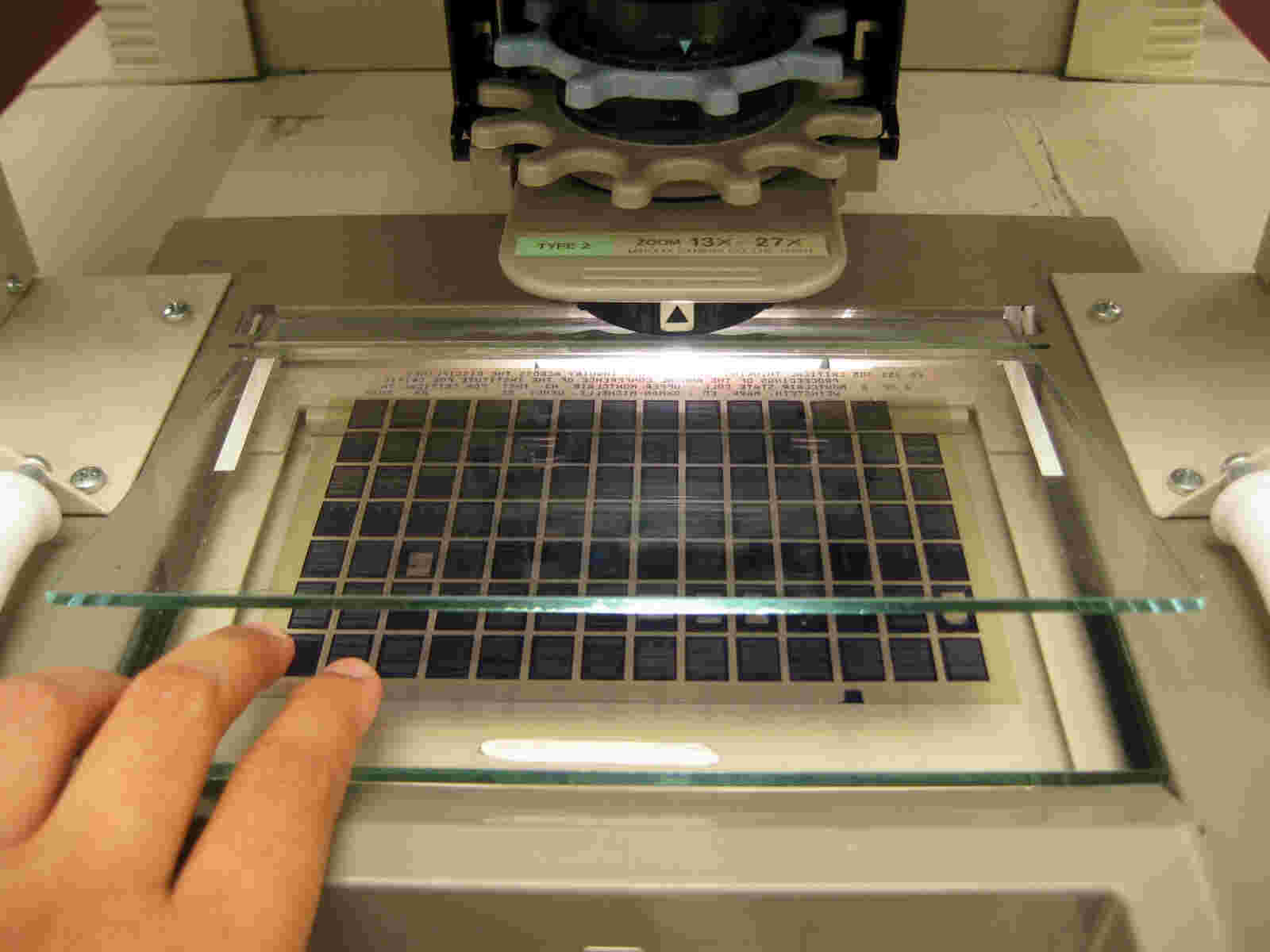
I had to get an identification card at the University Center of Tulsa (UCAT), which back then was a joint operation by OU, OSU, Northeastern, and Langston. I would drive down to Tulsa some weekends to access journals stored on microfiche for my graduate class research.

Microfiche stored tiny photographic images of journals on film cards, which you loaded into a magnifying viewer. If you needed a copy, you could pay by the page for smelly wet reproductions from a wet electrophotographic process.

The only lasting benefit I got from those two courses was that for one class the professor insisted that we go out and rent the 1990 Christian Slater film Pump Up the Volume. That introduced me to Everybody Knows by Leonard Cohen, and I became a lifelong fan of The Godfather of Gloom.

My next course was on children’s literature and was so uninspiring that I dropped out, having discovered that OSU’s College of Education had lost its NCATE accreditation. I had earned 12 graduate credits via OSU and 3 via OU, but I wasn’t interested in any more from them.

I finally earned my master’s in the late 1990s

Later in the 1990s, Southern Nazarene University (SNU) started offering condensed graduate courses where you could drive down to Tulsa for a three-hour class once per week, write papers on the weekend, and earn a master’s degree in educational leadership in two years. They included all of the journal material you would need in three-ring binders, instead of you having to hunt things down on microfiche. Nowadays, of course, all the material would be provided online. But then, although they required that you have a laptop computer, the program actually made almost no use of the technology.

I got more out of that program than my earlier graduate work, and I earned a master’s degree and school principal certification, but I still had no intention of becoming a building administrator. I just wanted the experience to help me in my leadership of the science department and for the salary boost a master’s degree would bring. However, since I stayed in the classroom rather than becoming an administrator, the pay boost was so small that it took over a decade to earn enough extra to pay for the degree from the private university, even after parlaying my earlier 15 graduate credits into an additional salary boost.

My 51 hours of graduate work was thus split up as 36 at SNU, 12 at OSU, and 3 from OU. I jokingly say that I have a master’s degree in education leadership and half of another in curriculum and instruction. Eventually some of that helped me in the administrative role I assumed after leaving the classroom, in which I direct my school district’s technology and communication efforts.

Why Choose Sides?

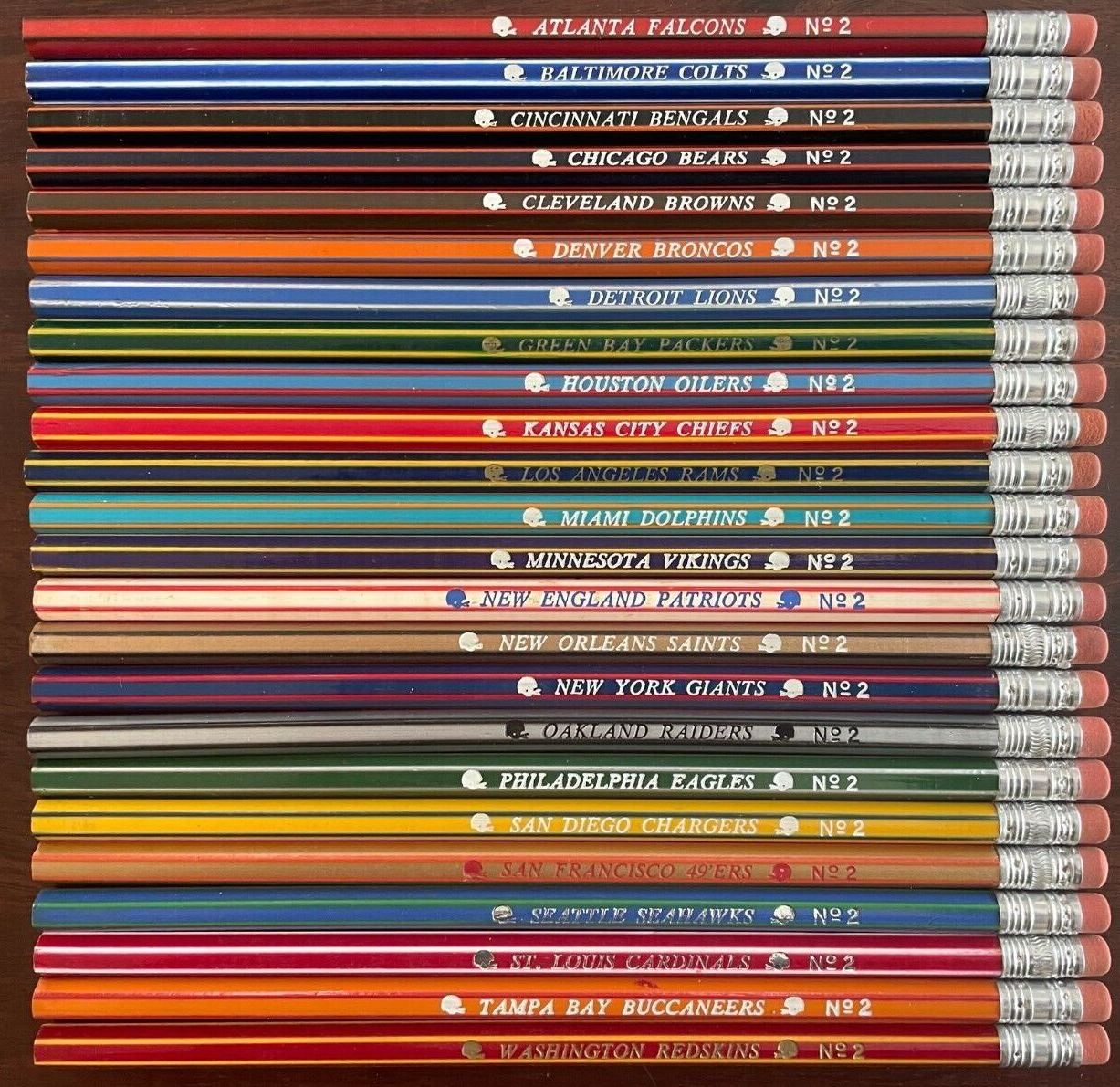
We sold these pencils at the Central Intermediate student store

The truth is that I have no allegiance to the Sooners or the Cowboys sports teams, not because of divided loyalties, but due to indifference.

One illustration of my disengagement from sports is back in the 1970s when I worked in the student store at our intermediate school serving grades 4-6. Boys would purchase pencils representing various teams in the National Football League. I was clueless about the teams and colors. So a kid would demand a “Packers” pencil. I would start hunting, and he would add, “Green Bay Packers!”

When that didn’t speed me up enough, he would groan and yell, “The green and yellow one!”

I remember some kids would purchase a pencil for a team they didn’t like. Then they would just snap it in two. As they strutted off, I would scoot the remains into the trash, muttering, “What a waste of a perfectly good pencil!”

The Recruit

The only university sporting events I ever attended were a few football games at OU, since my girlfriend and I had student season tickets during my freshman year. After that, I was never at a game until I had graduated and was recognized at halftime as the Outstanding Senior of one of the university’s colleges, in my case the College of Education.

As I stood out there on Owen Field, way above me was the Santee Lounge up underneath the overhang of what was then Oklahoma Memorial Stadium. I gazed up there, recalling a funny moment up there the summer before I started my freshman classes.

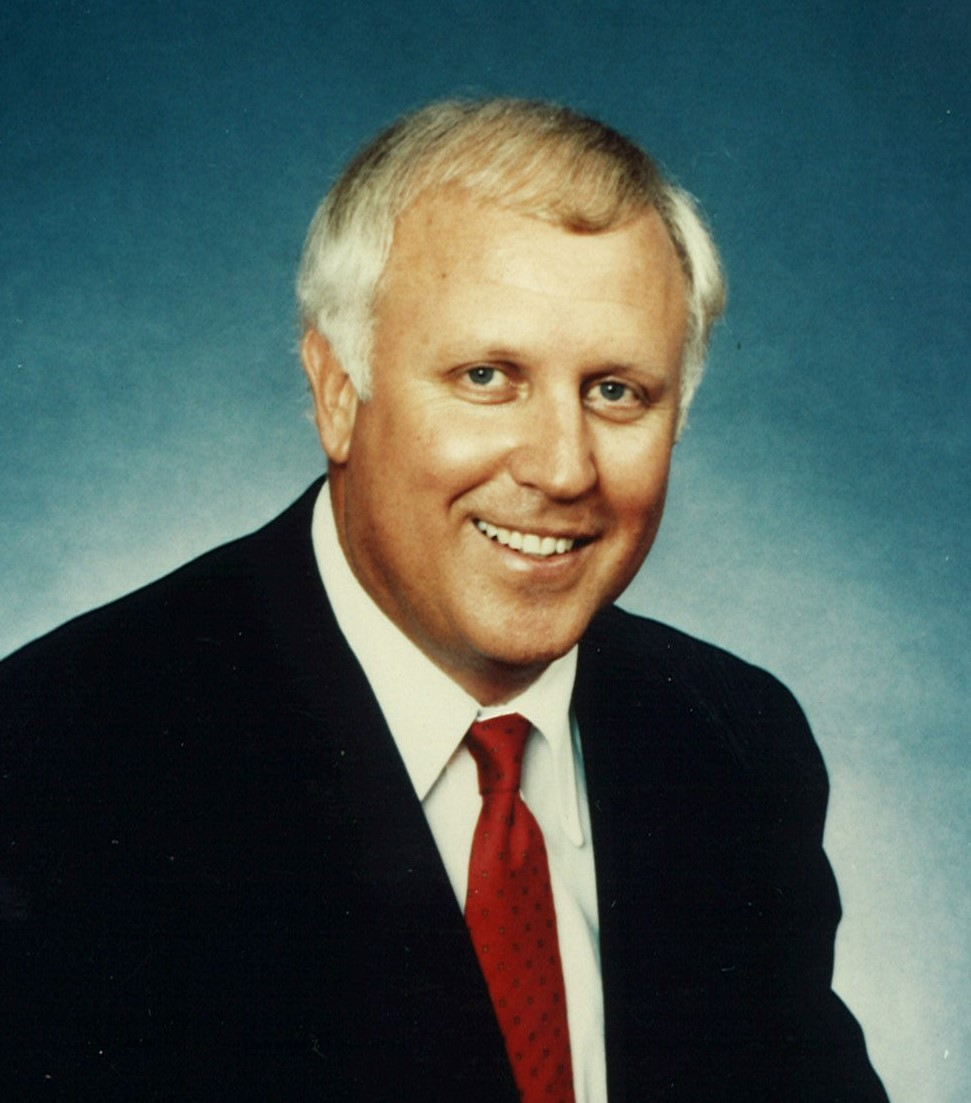
Did Donnie Duncan recruit me for OU?

All of the university’s scholarship recipients had been gathered together and introduced up in that premier area of the stadium. I was one of the R. Boyd Gunning Scholars, which at the time was the university’s most lucrative academic scholarship.

When he introduced me, Dr. Stephen Sutherland, whom I would later work for in OU Scholars Programs, mentioned that he had first heard of me through Donnie Duncan, the university’s well-known athletic director. He joked how I was the only R. Boyd Gunning Scholar that had been referred to him by the athletic department.

What he didn’t explain was that a coworker of my father was also a friend of Mr. Duncan, and he had mentioned to Duncan my academic achievements. That is what prompted Duncan to pass my name along to Sutherland, and he had skeptically looked into my academic record, realized I was indeed a top-performing high schooler, and started recruiting me.

The only reason I remember any of that is because, after all of the introductions, there was a mixer up there in the Santee Lounge of the scholarship recipients. Several attractive girls, who appeared to be fit athletes, walked up to me and were clearly sizing me up in my dress suit. I started to think university life was going to be interesting. Then one exclaimed, “I’ll bet you play tennis!”

What sport could this little guy play to get the attention of the OU Athletic Director?

I was confused, and answered, “Uh, no.”

That prompted another to grin and state, “You run cross country!”

“Er, no.”

A third added, “So what are you great at? Chess?”

I finally realized that they presumed I had come to Duncan’s attention for my athletic prowess, and my slight 5’8″ frame had them all speculating what sport I excelled at.

I’ve always been far too honest, and they were clearly disappointed when I explained how Duncan had heard of me. Once I confessed that I had never played any sport and had no athletic ability, and I didn’t even know how to play chess, they lost all interest.

Boomer Sooner.

Posted in history, nostalgia, random | Leave a comment

Normal School

Traditional teacher preparation has cratered in Oklahoma, which saddens me since I and the 2,663 students I taught from 1989 to 2017 benefited so much from my choice to major in education back in 1986. When I enrolled at the University of Oklahoma (OU) in 1984, I originally majored in Engineering Physics. Two years later, right after being named an Outstanding Sophomore in the program but having become disillusioned with that major, I applied to switch to Science Education, feeling the call to teach high school physics.

Dr. John W. Renner

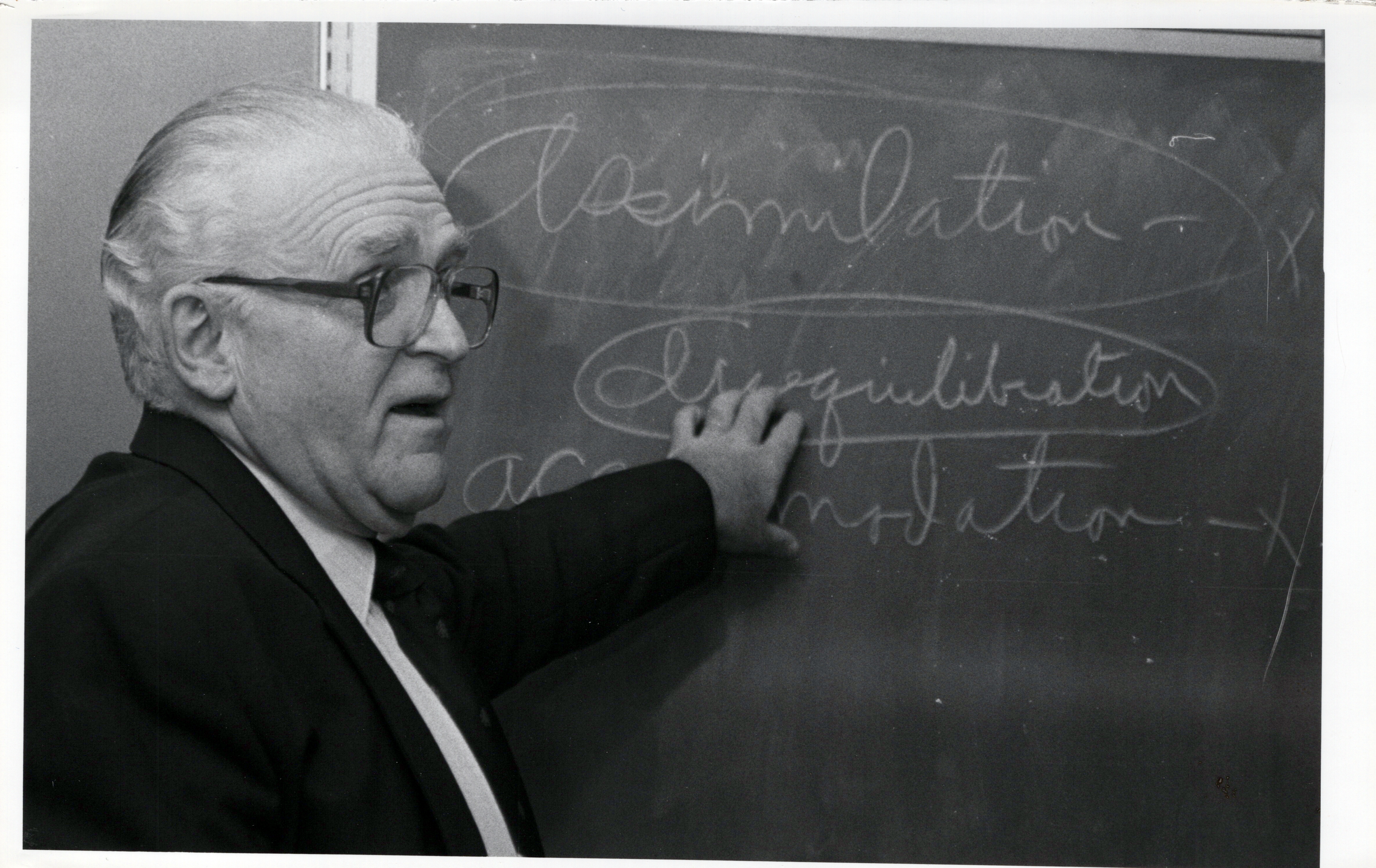
Dr. John Renner, an outstanding leader in science education and the learning cycle, interviewed me. I thought he would be thrilled to have me, given my academic prowess, but after reviewing my transcript he tried to turn me away.

He said I was too bright to be teaching high school science, that full-time physics positions in Oklahoma high schools were quite rare, and that I should stick with Engineering Physics. “Get your degree and then teach physics at a university, not a high school.”

Can you believe Dr. Renner didn’t want this nerd in his program?

I’ve always been stubborn, and I insisted that I wanted to train to teach high school physics. Renner eventually caved, providing me with the opportunity to develop my pedagogical skills. The university also protected me from being too narrow in my teaching specialization by requiring me to expand my science courses.

My original major demanded plenty of physics, engineering, and some electronics plus one course in chemistry. My new major required additional credits in astronomy, botany, psychology, geology, zoology, ecology, geography, and physiology. That allowed me to earn certifications to teach Physics, Chemistry, Biology, Botany, Zoology, and Earth Science in an era when you had to have a certain number of hours in each subject as well as pass a certification test in it. That way I would be marketable to a much larger selection of school districts.

I certified to teach six different sciences and later earned administrative certification

However, in my job search after graduation, I was equally stubborn about wanting to only teach physics. I turned down offers to teach various non-physics subjects at three different districts before I snagged the full-time physics position in Bartlesville, which I held for 28 years before transitioning into administration.

As it turned out, I never taught using my other science certifications, although I have zero regrets about the varied coursework. I loved the various sciences, and being certified in the other subjects did help me in my 20 years of chairing the science department across grades 6-12, since I had a background in what my colleagues were doing.

My switch in majors had me earn 20 credits in education courses, plus another 10 as a student teacher in Bill Fix’s physics classes at Norman High. That undergraduate education coursework set me up for success in my chosen career. A course in Educational Psychology was especially helpful, along with the Piagetian theory and practicums in teaching science, using materials by Dr. Renner and direct guidance from Dr. Edmund Marek. Spending a full semester with Mr. Fix using the learning cycle in physics, first observing and then gradually taking over his classes, set me up for success when I had my own courses a year later.

Even though switching majors meant spending an extra semester in school plus some summer school classes, without scholarship support, that worked in my favor since it meant that I did my student teaching in the first semester of the school year. I was able to observe firsthand how a master teacher built rapport and established norms with groups of students. Because I graduated in December 1988, I spent the early months of 1989 substitute teaching in the Putnam City school district I had attended in grades 1-12. That too was helpful in that I was temporarily embedded in multiple high schools and a variety of subjects outside my expertise. That was a crash course in classroom management, often with students in mandatory courses who were far less motivated than students in an advanced elective science. It also meant I was 23 years of age, rather than 22, when I started teaching in Bartlesville, and I’m sure that extra year of maturing helped somewhat.

Unfortunately, that sort of education coursework and practical preparation is what many now applying to teach in our public schools lack, since they certify through alternative means. I am an expert in pedagogy, but that expertise is often undervalued by people who naively think that subject expertise is all that matters.

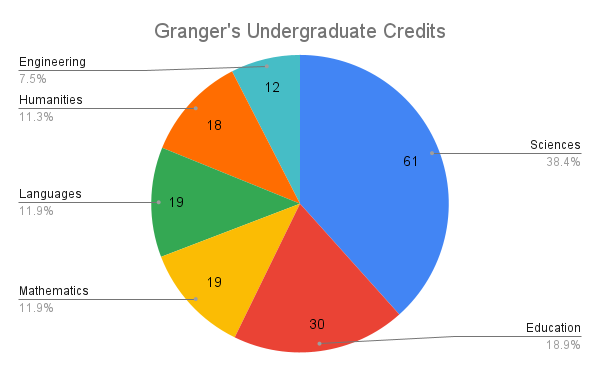
Here is the breakdown of my 159 undergraduate credits, which provided me with a solid background in both my subject and the art of teaching:

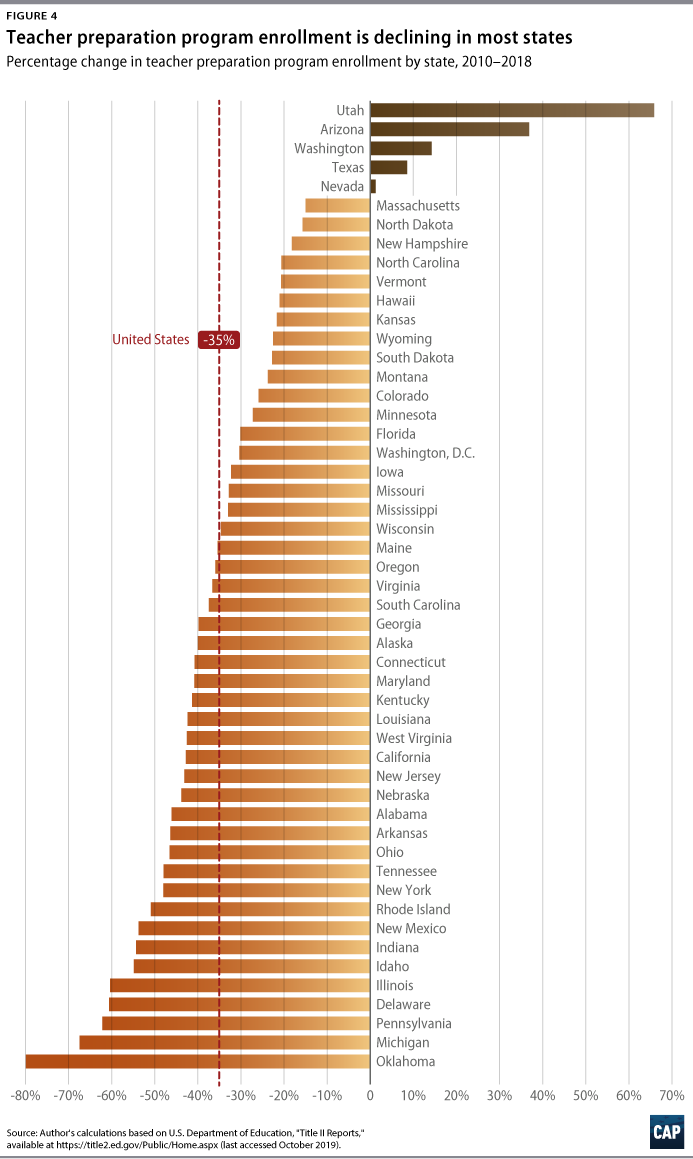
I am proud of those 30 hours in education, because I know what a difference they made in my performance in the classroom. But nationwide participation in traditional teacher training plummeted 35% from 2010 to 2018, and it simply collapsed in Oklahoma, with enrollment down 80%, by far the largest decline in the nation.

Source: https://www.americanprogress.org/article/make-declining-enrollment-teacher-preparation-programs/

Another somber statistic is that in 2009-2010, 1,731 people completed traditional teacher preparation programs in Oklahoma, but a dozen years later that fell to 1,092.

Districts like the one I’ve served for the past 35 years have responded by paying experienced teachers to serve as mentors and having additional training and pull-out days for new teachers to allow them to observe master teachers and seek their advice. But those efforts pale in comparison to the 20 college credits (approximately 60 hours of coursework) I earned in pedagogy plus the additional 18-week internship in my traditional teacher preparation program.

Oklahoma’s Normal Schools

Collegiate teacher preparation in our state was originally done in “Normal” schools. The term arose from the French école normale, a sixteenth-century model school where teacher candidates were taught model teaching practices. The first three higher education facilities established by the Oklahoma territorial legislature in 1890 were OU, OSU, and the Territorial Normal School for teacher training in Edmond. That is now the University of Central Oklahoma, but I knew it in childhood as Central State University, where I competed in an annual piano contest.

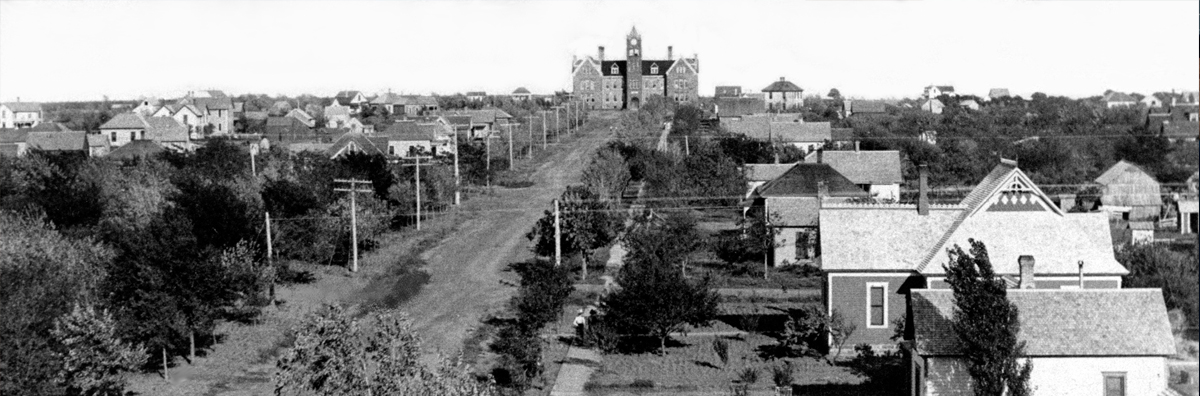
Territorial Normal School in Edmond
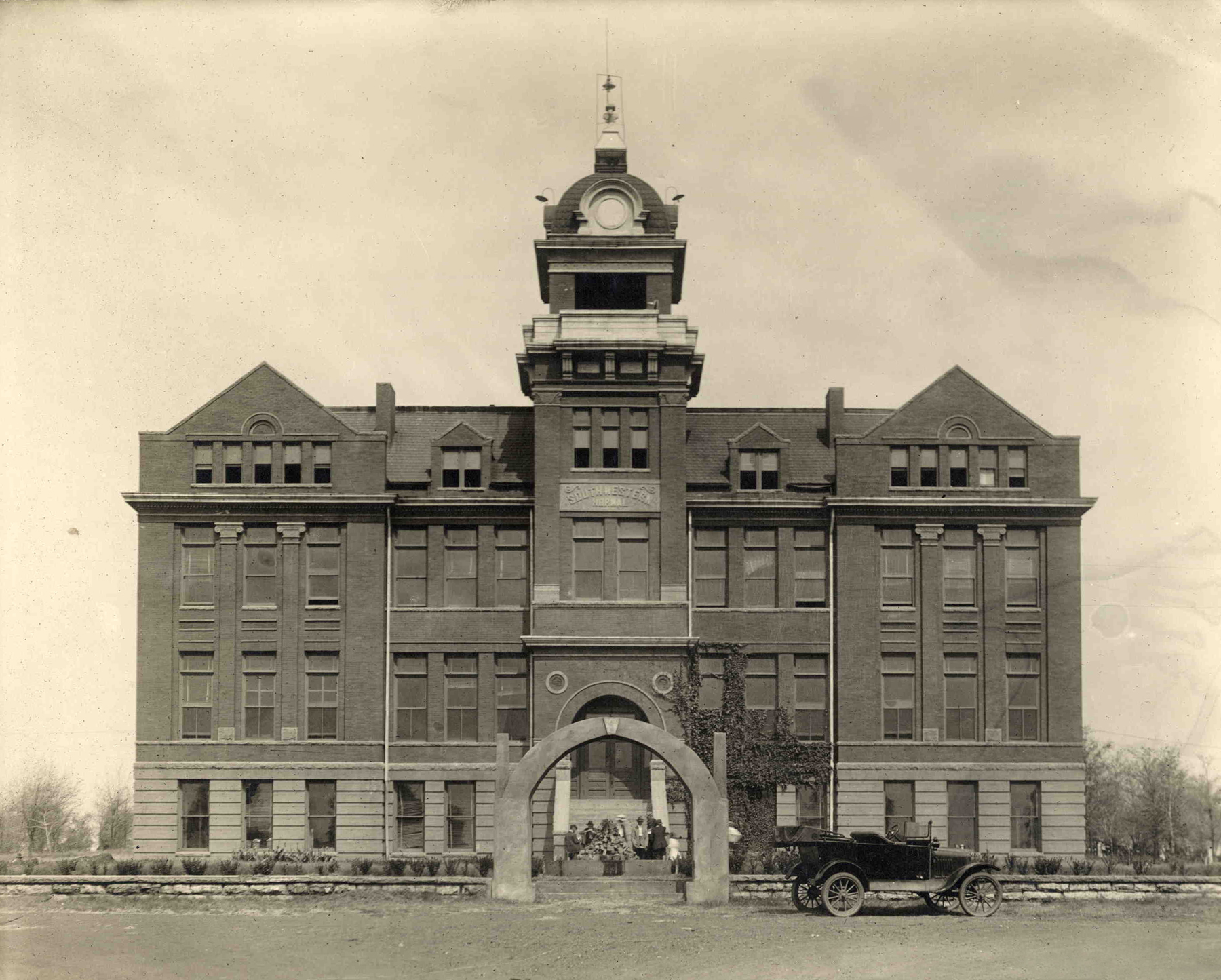
Southwestern Normal School administration building at Weatherford in 1917

Central State Normal was joined by Northwestern Territorial Normal School in Alva in 1897, which became Northwestern Oklahoma State University. That same year, the Colored Agricultural and Normal College was established in Langston for African Americans; it is now Langston University. In 1901, the Southwestern Territorial Normal School was established in Weatherford, which is now Southwestern Oklahoma State University. As a child, I also competed in an annual piano contest there.

After statehood in 1907, three additional normal schools were created in the eastern part of the state: East Central at Ada, which became East Central University; Northeastern State Normal at Tahlequah, which is now Northeastern State University; and Southeastern State Normal at Durant, which is now Southeastern Oklahoma State University.

The normal schools first standardized on six years of instruction: four years of high school courses and two years of college work, with graduates earning a life teaching diploma. They became state teachers’ colleges in 1919, adding two more years of instruction to confer bachelor’s degrees in education. In 1939 they were converted into state colleges to offer additional types of degrees, and by the early 1970s they were comprehensive regional state universities.

OU’s degree-granting College of Education was formed in 1929 by Dr. Ellsworth Collings. Enrollment rose from 100 to over 1,000 by 1946. Think about that: OU wasn’t a former normal school, and it still boasted 1,000 education majors in 1946, when the state population was 2.1 million. By 2022, the state had almost doubled to 4 million, but there were only 1,092 people in the entire state who completed a traditional teacher preparation program.

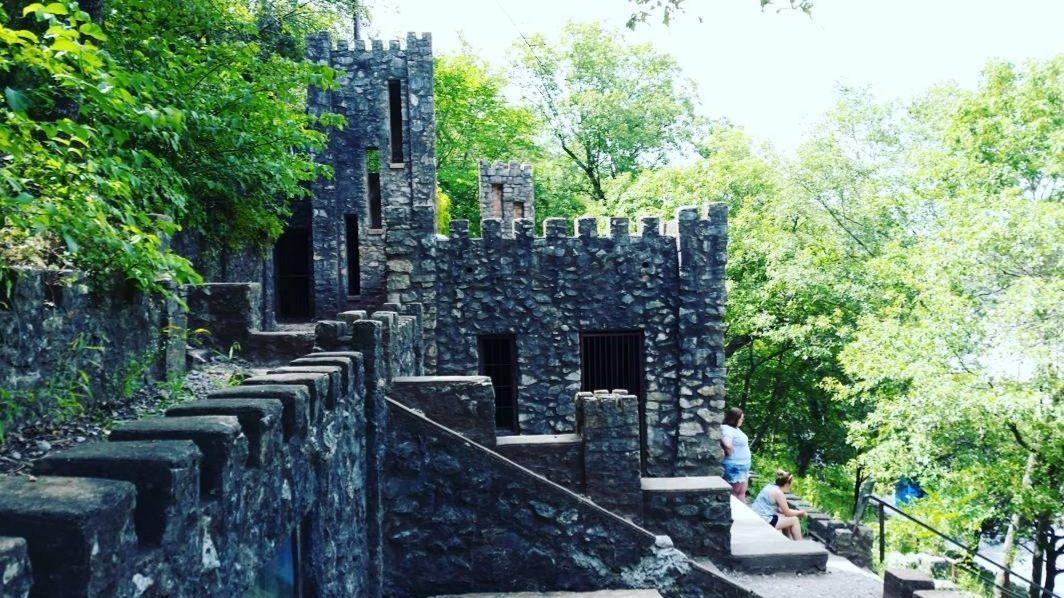
Collings might be best remembered today for Collings Castle at Turner Falls, the ruins of his vacation home, but I know him for Collings Hall at OU where I took some of my education courses.

Collings Castle; photo by Darrell Powers

Nowadays traditional teacher preparation in Oklahoma is similarly hollowed out. There are still some students who benefit from teachers who had that full-featured preparation, but many who don’t. That isn’t normal, in two different senses of the word.

Posted in history, nostalgia, random | 1 Comment

Rattling Around

March 2024 | Photo Album

Table Rock Lake, in far northwestern Arkansas and southwestern Missouri, was completed in 1958. My parents purchased a tiny vacation home near its western end a decade later, in a county with many ties to my father’s ancestry. After 30 years of regular use, “the cabin” was sold off. Nevertheless, I have continued to vacation in that part of the Ozarks.
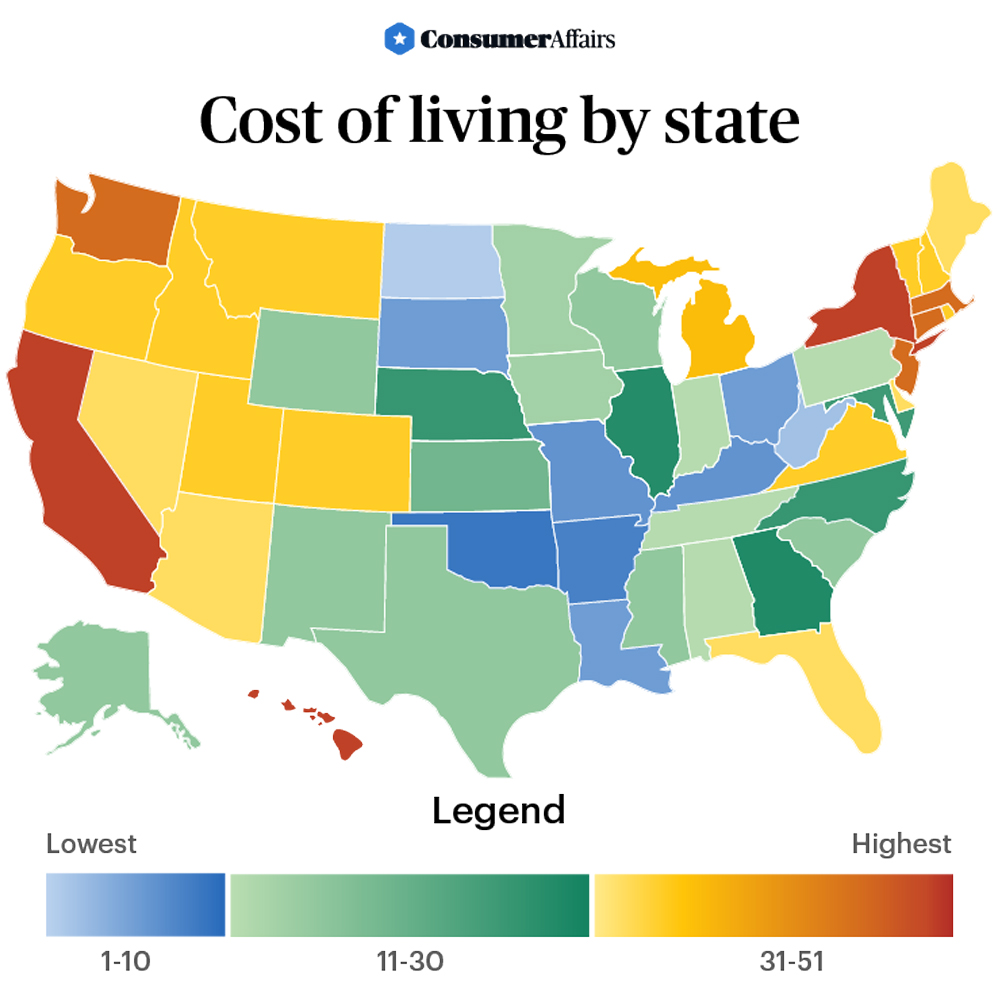
Growing up, I was aware of two retirement communities in northwest Arkansas. As I contemplate my own retirement within the next decade, I have opted to use some of our vacations as an opportunity to explore possibilities. If we ever were to relocate, cost of living would be a major factor, and both Missouri and Arkansas are, like Oklahoma, among the 10 cheapest states. So we have spent two consecutive Spring Breaks in rental homes in those retirement communities.

Bella Vista

Bella Vista, Arkansas was about 30 miles to the west of our lake cabin, or an hour’s drive given the difficult terrain. It was founded over a century ago as a resort, and it was converted into a retirement community in 1965. It incorporated as a city in 2006 and now has a population of over 30,000. Wendy and I spent part of Spring Break 2023 there.

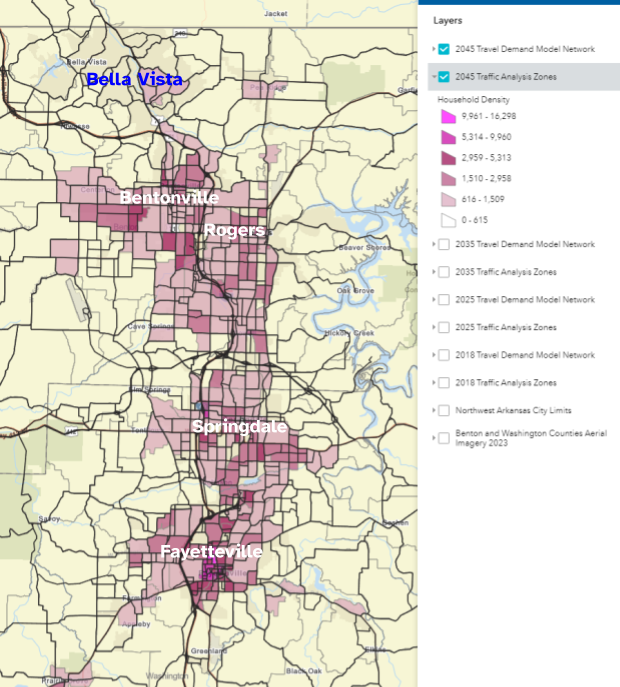
Bella Vista offers plenty of golf, but I have no interest in that. However, I do like to hike and bike, and I love mountain vistas. The community already has over 40 miles of trails, and it has a plan to have 150 miles of them by 2025. The big drawback to Bella Vista, however, is that it is at the northern end of the fast-growing Northwest Arkansas (NWA) metropolitan area that is approaching a population of 600,000.

I am no stranger to living in a large city: I grew up in Oklahoma City when that metropolitan area was itself growing from about 490,000 to 700,000. After my move to Bartlesville, I continued to visit as the OKC metro grew to over one million. But I have now spent 35 years in an isolated town of around 35,000 and dislike the traffic, noise, and the hustle and bustle of metropolitan life.

I certainly appreciate having the 1,000,000-strong Tulsa metro area less than an hour’s drive away, but I’m quite glad Bartlesville is not a suburb. Spending a few days in Bella Vista last year so that we could experience the traffic of Bentonville and the other components of the NWA area made it clear that I wouldn’t want to live there full-time despite its scenic area and extensive trail system.

2045 Traffic Analysis Zones for the NWA metro area

Holiday Island

Wendy and I have often vacationed near Eureka Springs, Arkansas. She enjoys looking at rocks in the streams off Lake Leatherwood, and I enjoy hiking, the vistas, and scenic drives through the Ozarks. For Spring Break 2024 I rented us a large home at Holiday Island, a retirement community at the western end of Table Rock Lake, just five miles north of Eureka Springs.

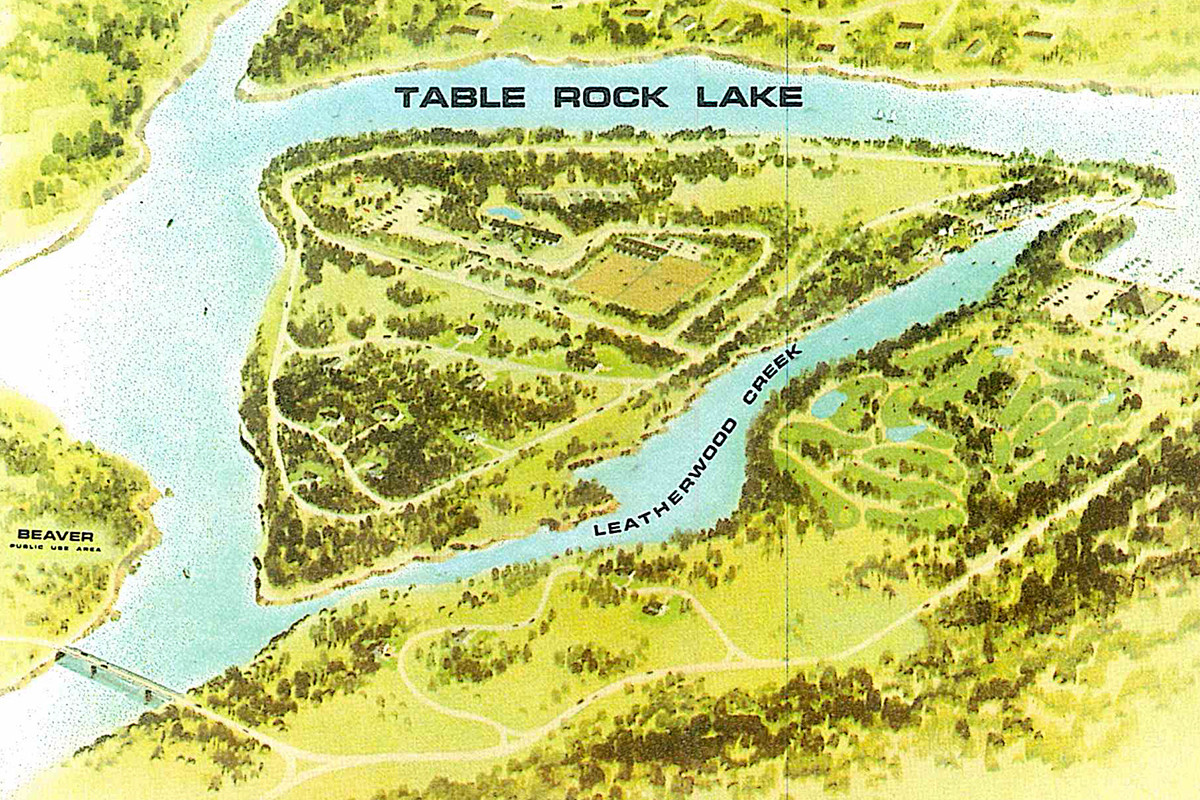
In 1965, Holly Corporation, owned by the Norsworthy family of Dallas, bought about 5,000 acres which they planned to use for a lake and golf resort, but they lacked the development capital to pull that off. So they sold their acreage to McCulloch Oil Corporation of Los Angeles, better known as the maker of McCulloch chainsaws. McCulloch also built resorts across the country, including Lake Havasu City in Arizona with its bizarre reconstruction of a London bridge.
Holiday Island in its early years

Holiday Island officially opened in 1970, and friends of my parents had a gift shop on the island back then. Below is silent home movie footage of me on Holiday Island in 1971 along with me visiting Eureka Springs with my parents.

A helpful article in Arkansas Business says that in the 1980s the marketers at Holiday Island were sending out 100,000 pieces of direct mail each week across the midwest, with thousands of potential buyers flown in on a McCulloch Oil airliner for free lodging, golf, and boat rides. About 1/10 of the prospects would buy in.

They ran out of the most desirable lots in the mid-1980s. Lots too mountainous to build on became inexpensive tickets to the facility’s two golf courses, but their appeal has waned with golf’s declining popularity. Now residents wonder if they are worth $250,000 per year in red ink, and they have built a couple of trails, but those are nothing compared to what Bella Vista has to offer.

By 1990, McCulloch Oil had been taken over by an associate of the dreaded Michael Milken, who wanted to abandon the Holiday Island development and its 2,000 residents. Tom Dees, a long-time marketer for the company’s resorts, bought Holiday Island and did his best to keep it going.

In 2006, a commercial center was built at the southern end, and we found that a convenient place to buy groceries for our stay. However, the 2008 real estate crash would eventually lead Holiday Island Development Corp. to forfeit almost all of its commercial property to a couple of banks.

The community incorporated as a city in 2020 and had a half-dozen home projects underway in the spring of 2021. It has grown to about 2,500 people, but Tom Dees died in June 2023, and the future of the community with its aging infrastructure is uncertain.

Living Big

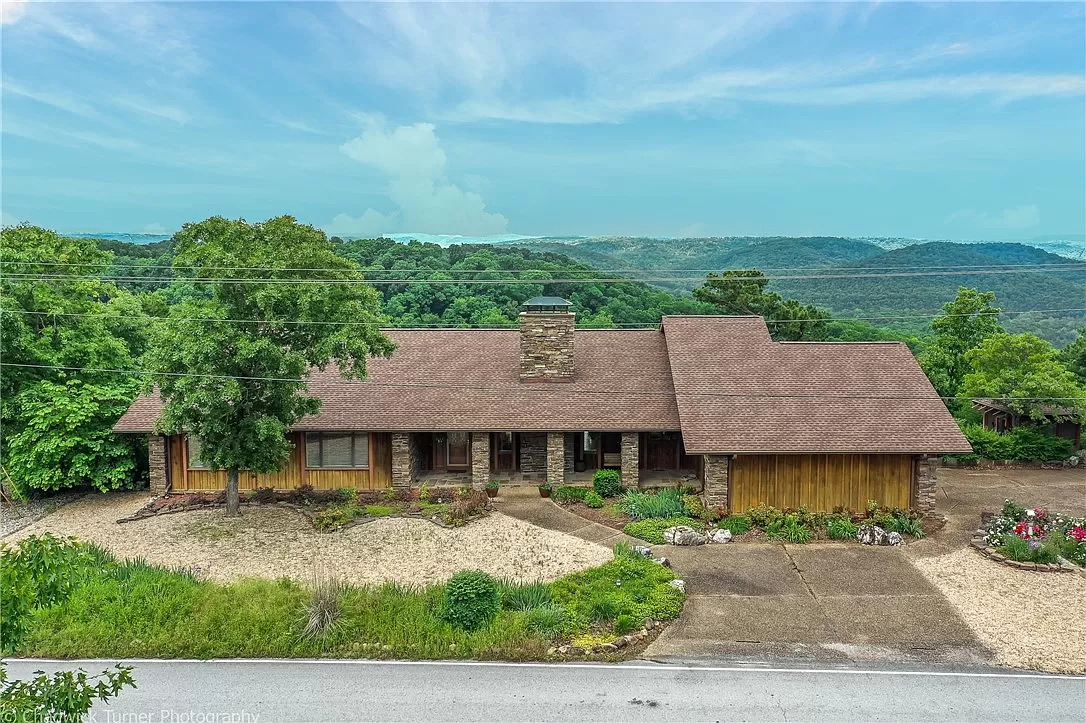
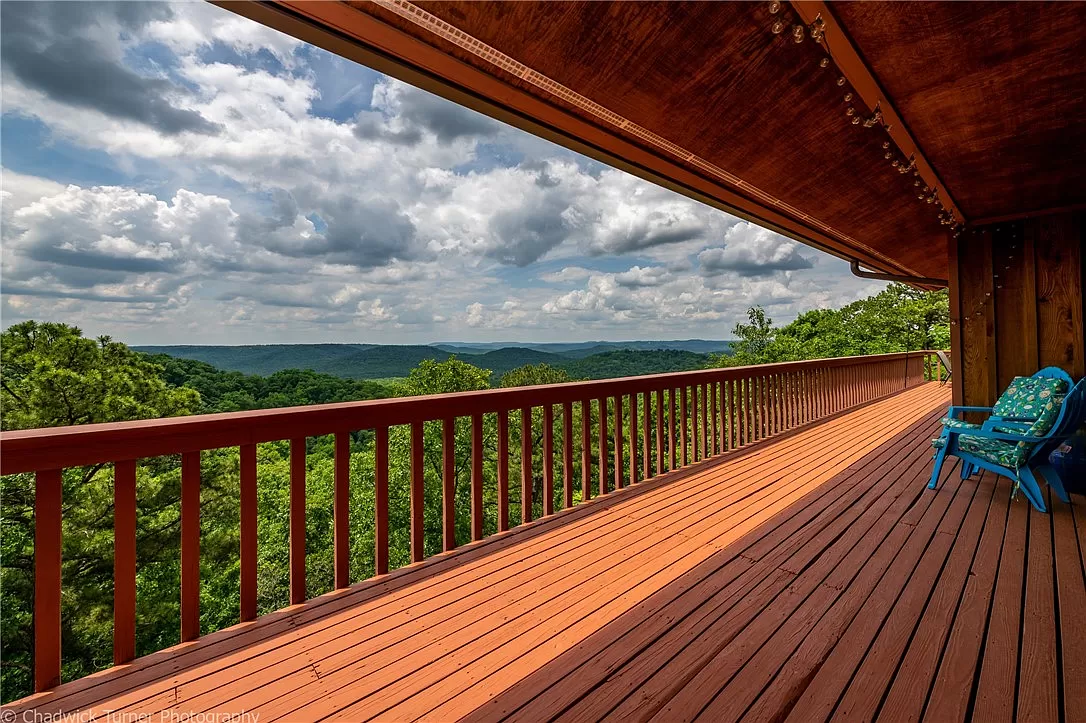
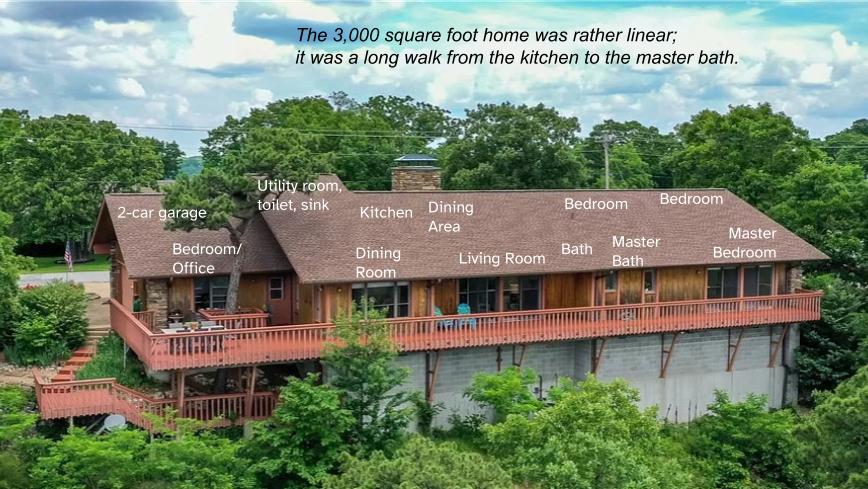
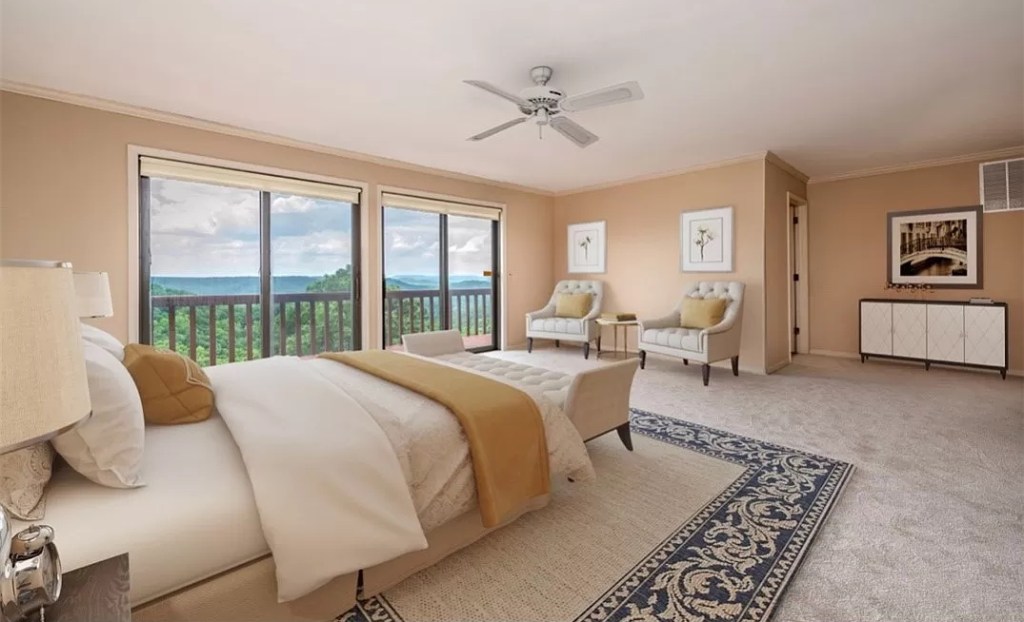
I rented a 3,000 square foot home in Holiday Island from Vacasa for $240 per night. That ensured we would have privacy, a deck with a beautiful sunset vista, and we could see what it was like to be there in a larger home. Although built in 1989, the home was resold in 2021 for $389,000 with modernized finishes.

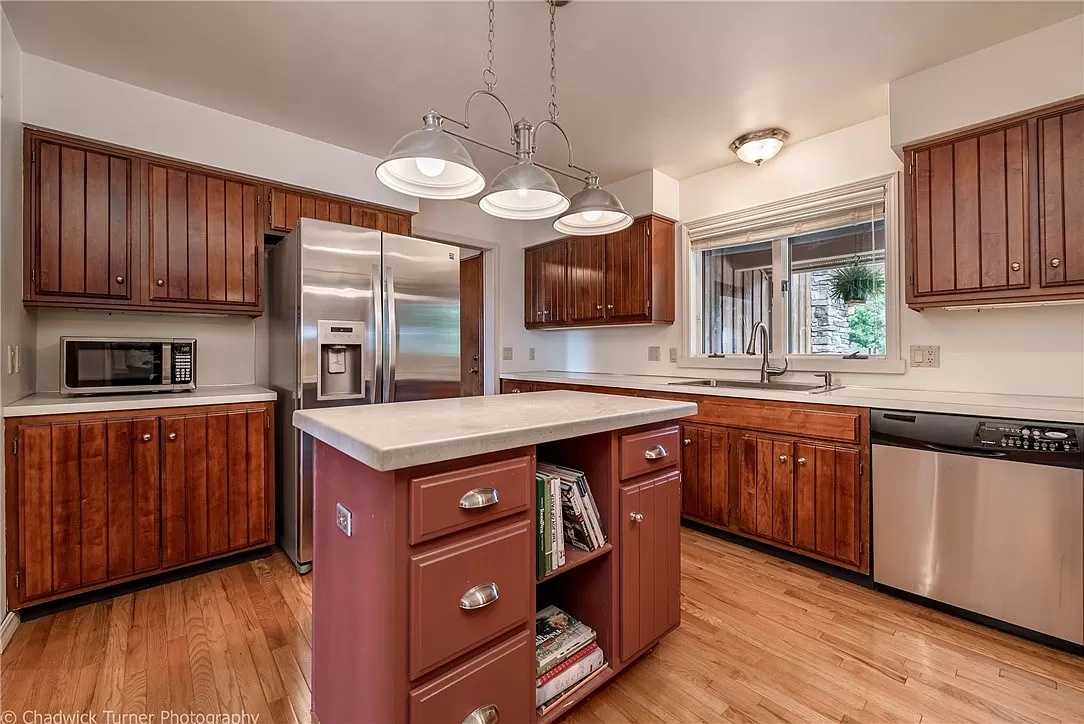
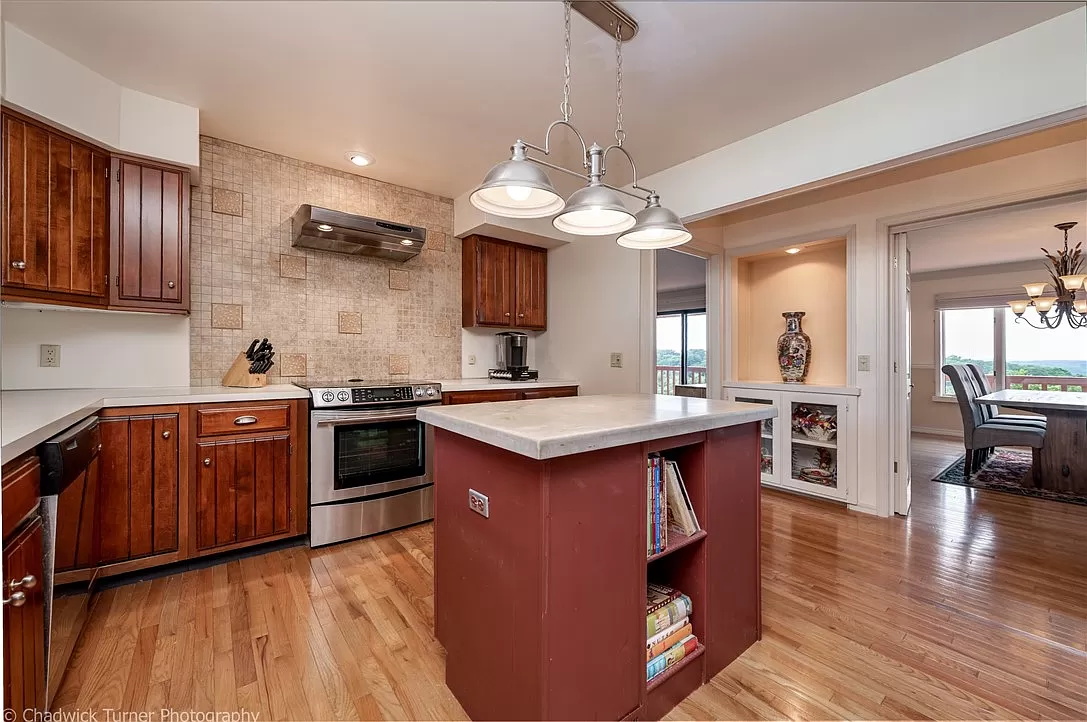
Our so-called Meador Manor in Bartlesville is a 1981 home of 1,600 square feet with three bedrooms, two toilets, two bathtubs, a galley kitchen with dining area, and a patio. The four-bedroom home we rented had three toilets, a bathtub, shower, kitchen with island, two dining areas, and a massive deck.

The 3,000 square foot home we rented in Holiday Island

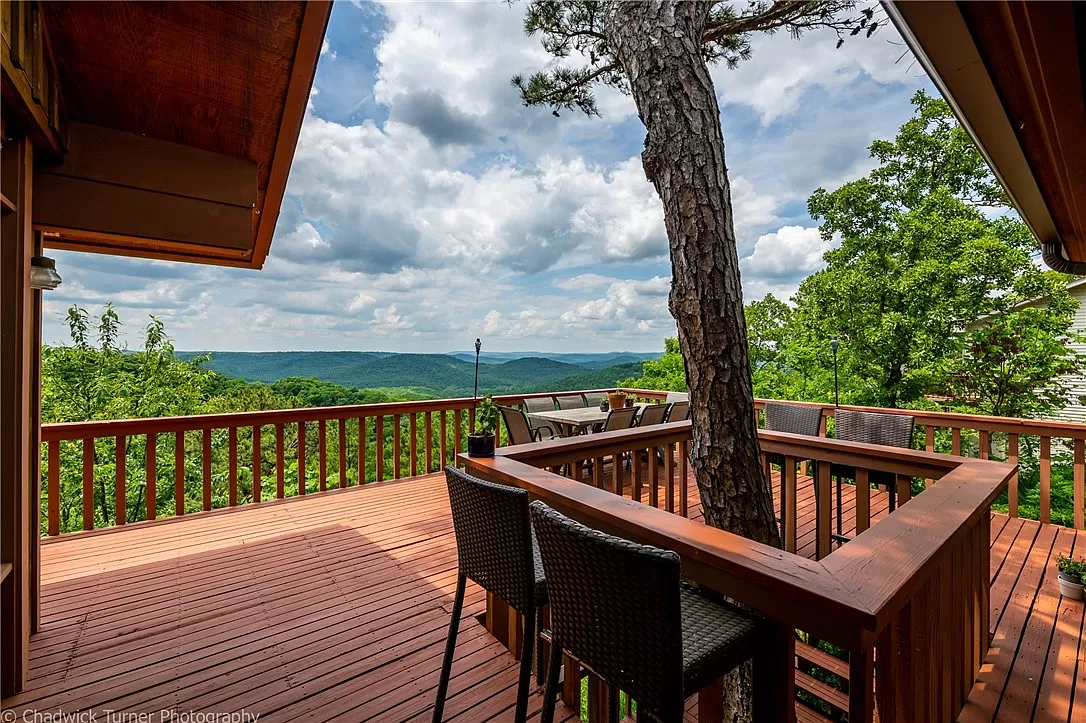
The deck was the home’s best feature. I loved its layout, especially having two seating areas that weren’t in direct view of each other, with a third option on a lower level. A screened gazebo off to one side would provide shade and bug protection in the humid summers.

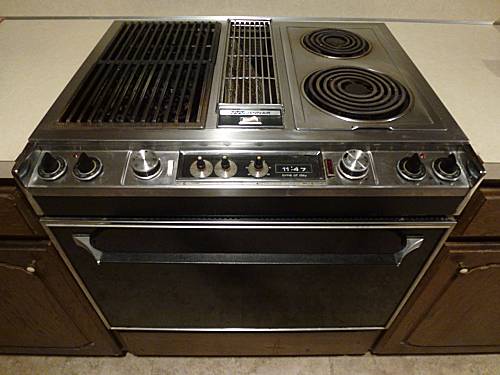
Our Jenn-Air range at home is from 1981

Inside, it was interesting to work in a larger kitchen that featured an island, as I’ve never lived in a home with that feature. As with most homes we rent, there was a modern range with an overhead vent and a glass cover over the electric coils, while Meador Manor still has its original 1981 Jenn-Air with modular exposed electric stove coils and a downdraft vent. I was glad to see that the microwave was a countertop unit, as I don’t like the elevated ones built above countertops or placed above a stove.

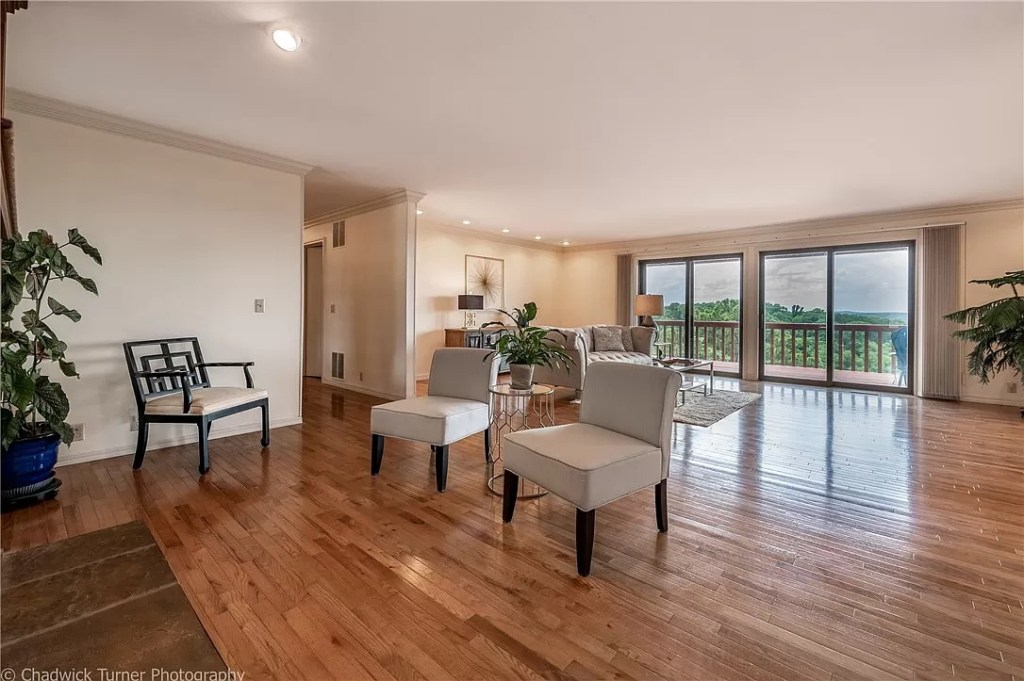
The most disconcerting things about the rental home were its size and linearity. It seemed like a hike from the master bath through the master bedroom, down a long hall, and across the expansive living room to the kitchen. The two of us rattled like peas in a pod in a home that was almost twice as large as what we are accustomed to. Wendy and I agreed that even if we won a lottery, we wouldn’t want a big home, let alone a mansion.

1970s carpeting

Another reason we rattled was a noticeable lack of carpeting. I have always lived in homes with wall-to-wall carpeting, which before World War II was a luxury out-of-reach of the middle class. The U.S. carpeting industry sold about six million square yards of tufted wall-to-wall carpeting nationwide in 1951, but that exploded to about 400 million square yards by 1968 when I was a wee lad. Wild colors and long shags were common; one of my childhood chores was raking the shag carpet.

But in recent decades consumers gravitated toward real or simulated hardwood floors, which were more neutral, considered more luxurious, and made it easier to “flip” a home to new owners. Some of this was fashion, where each generation tends to react against what was popular with previous ones. I also notice people with indoor pets like having robotic vacuums cleaning their hardwood floors and area rugs, while wall-to-wall carpeting and pets can be a problematic combination.

Wendy and I, however, love carpet for its warmth and sound deadening. I hate walking barefooted or sliding in my socks across an uncarpeted floor. We both noticed how loud the echoes were in the rental since it only had one area rug in the living room and two carpeted bedrooms; everything else was real or simulated hardwood.

We also love using DoorDash restaurant food delivery at home in Bartlesville, and while that service is available in Bella Vista, it is not practical in little Eureka Springs or Holiday Island. Finally, while I’ve never had an accident in over 40 years of driving the treacherous winding highways of the area, I wouldn’t want to face that on a daily basis, especially as I age.

So we have scratched off a couple of retirement living options off our list, and I have a greater appreciation for our current living conditions. But I do want to give full credit to the view from that deck!

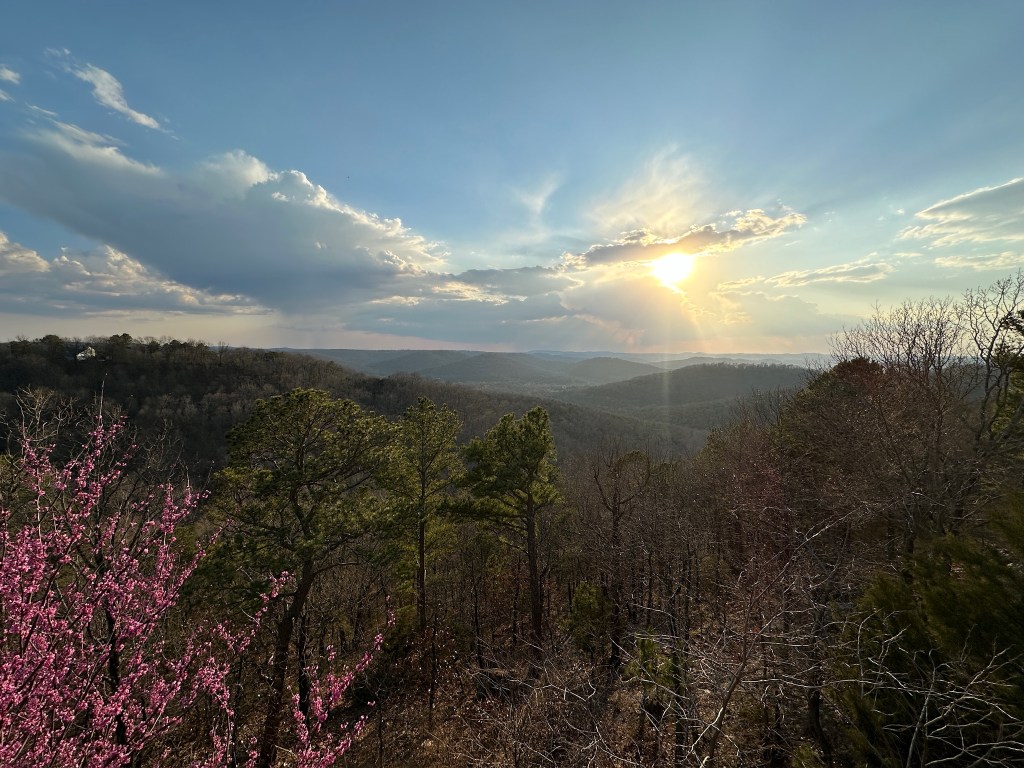
Afternoon view from the deck in Holiday Island

Lake Leatherwood

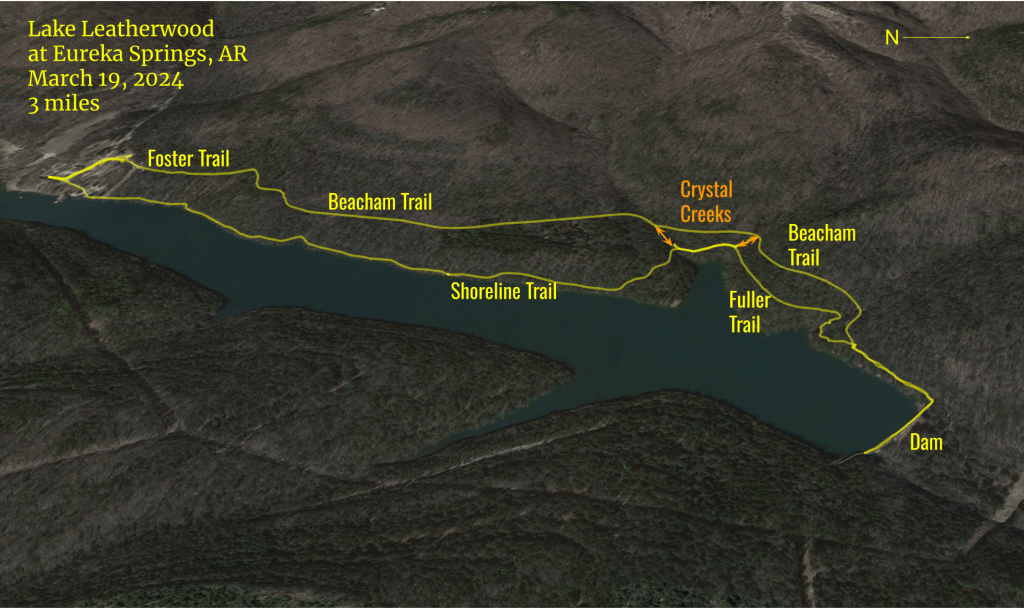
While on break, we did our usual three-mile loop at Eureka Springs’ Lake Leatherwood. We started out from the parking area along the Foster and Beacham Trails, which are both hillier and sunnier than the other options.

I was pleased to note that they have updated the trail signage with sleek new poles that should last awhile.

New signage at Lake Leatherwood

At what I call the Crystal Creeks, Wendy hunted for rocks with crystals while I hiked on to the dam.

Crystal creek at Lake Leatherwood
Wendy likes to search these creeks for rocks with crystals

In March 2021, the dam walkway was closed because the railings had deteriorated too much, so I was delighted to see that the gate was open: the dam had been repaired.

Lake Leatherwood dam walkway reopened
The open gate meant that the dam railings had finally been repaired

It turned out that in September 2023 the city accepted a $52,000 bid from Stacy’s Stoneworks to repair the railings. I was very glad to see that the city’s Parks and Recreation Commission is investing in upkeep.

More Lake Leatherwood dam rail repairs
The railings have been repaired

I strode out to the center of the spillway, where the wind was causing the water to surge.

Lake Leatherwood spillway
The surge of water from the top of the spillway was due to the wind

I enjoyed making a video sweep from atop the dam before returning to pick up Wendy the rock hound at the bottom of a Crystal Creek. We then took the scenic, and flat, shoreline trail back to the parking area.

There was a paddleboat out on the lake, and we passed a couple sitting by the lake smoking marijuana. Arkansas, like Oklahoma, now winks at the latter practice, allowing marijuana “for medical use”. I considered holding my breath to avoid secondhand sedation. My, how things have changed over my lifetime.

Paddleboat on Lake Leatherwood

We look forward to future vacations in northwest Arkansas, even though we wouldn’t settle down there. Much the same applies to other favorite vacation spots of ours: Santa Fe, New Mexico is fun to visit, but the winters are not to our liking, and I love visiting the Pacific Northwest in the summer while recognizing that the rainy and cloudy weather in other seasons would not appeal to me.

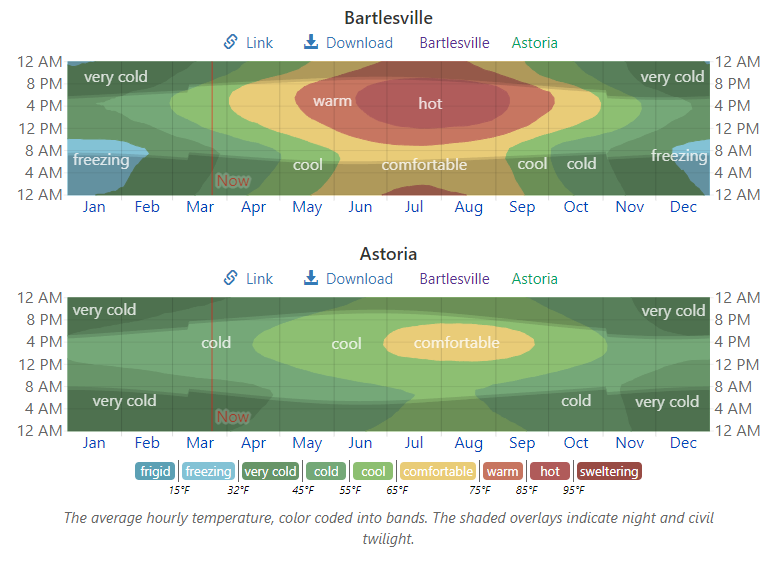
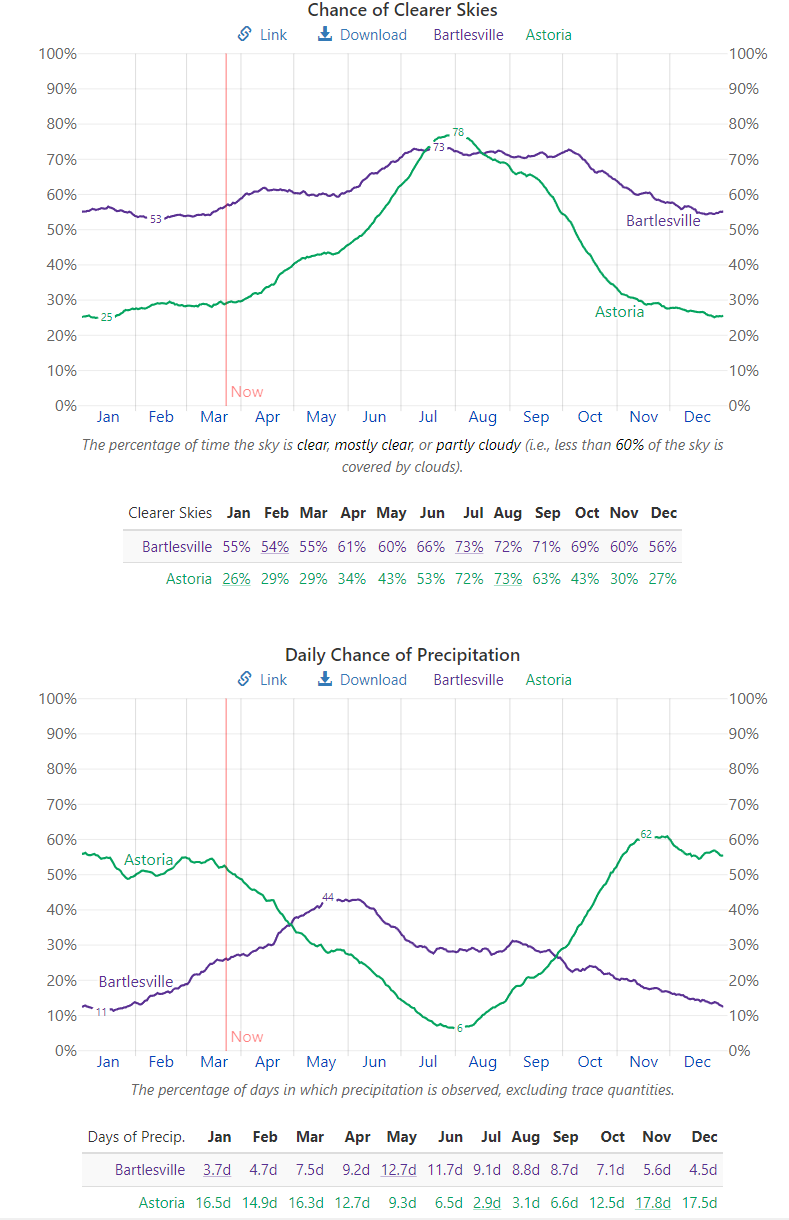
At this point, my inclination is to retire in Bartlesville but escape to the Pacific Northwest from June through September. Wendy has only been out there once, for our honeymoon in 2016, while I made summer trips there in 1998, 2005, 2006, 2008, and 2009. One of our favorite stops was in Astoria, Oregon along the mouth of the Columbia River a few miles from the Pacific Ocean. Below is a comparison of the climate there to that of Bartlesville.

Astoria, Oregon would be more to my liking than Bartlesville from June through September
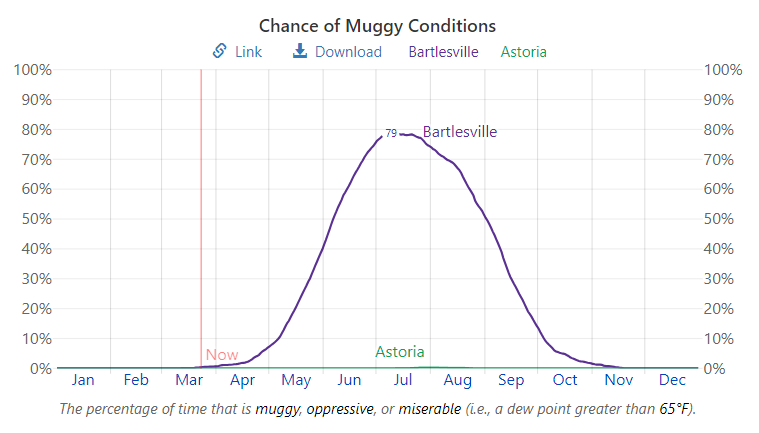
I especially dislike muggy weather

Obviously, Astoria is not the place to be if you like to swim or lounge by a pool. And while its winters are not harsh, due to its proximity to the ocean, they are overcast and rainy. But from May through September the daily chance of rain is actually higher in Bartlesville than in Astoria.

Since Wendy has only seen northern Oregon and up along the coast of Washington state to Victoria, British Columbia, this June I plan to show her southwestern Oregon and far northwestern California. I’ll call it more retirement research, but of course it will really be a nice vacation.

Photo Album

Posted in day hike, nostalgia, photos, travel | Tagged , , , , | Leave a comment