
January 2024

Magazines date back to the 1600s, with the use of the term itself being expanded to include printed periodicals in 1731 by Gentleman’s Magazine. That title reflected the earlier use of “magazine” for military stores and information…the publication was a “storehouse” of information. But magazines waned in the early 21st century, and by January 2024, even Sports Illustrated was on the ropes.
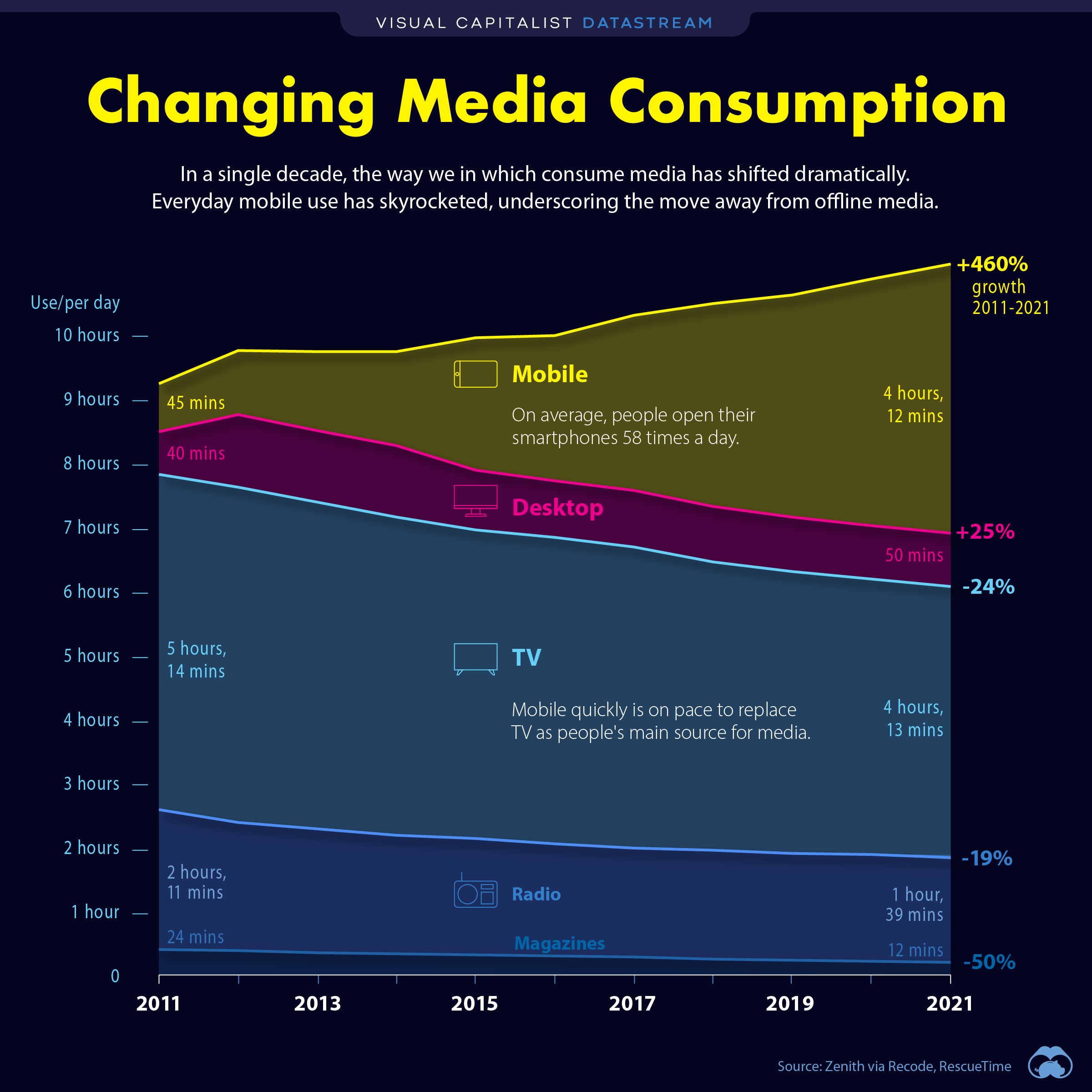
Every segment of the magazine business, including publishing, printing, distributing, and retailing, has been consolidated as the business imploded. After 2012, Newsweek was no longer printed, being available only digitally. From 2011 to 2021, the average American’s engagement with magazines halved from 24 minutes per day to 12. Over that period, broadcast media also declined: radio listening by 19% and television viewing by 24%, while the time spent consuming media on mobile devices increased by 460%.
The implosion of the magazine business led me to recall the various magazines I subscribed to for over 50 years. As of 2024, I’m down to a single print subscription and one other quarterly magazine I pick up at a bookstore, although I also still dip into a few others in their online forms via Apple News+.
Growing up with magazines
National Geographic World

My father was an avid reader and collector of National Geographic, which covered geography, history, nature, science, and world culture. When National Geographic World , which was produced for children, debuted in 1975, my father gave me a subscription.
My father, who worked to fill out his own collection of the adult form of the magazine, started building a second collection of that which he intended to give to me. But I never found the adult magazine that interesting. As a teenager, I convinced him to sell off the spare set of issues and put that money toward completing his own collection.
He eventually had almost every issue from the early 1900s onward, but when he reached his 80s, he started downsizing and opted to sell that off. I bought him a set of compact discs that contained every old issue, but he consulted those sparingly.

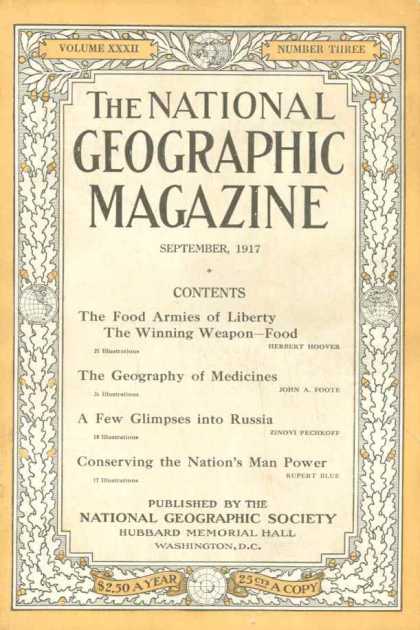


National Geographic began in 1888 as a scholarly journal, and began to include photographs in 1905. It peaked in the late 1980s with 12 million subscribers in the USA and more abroad. As of 2022 it had 1.8 million subscribers, had laid off all of its staff writers in favor of relying on freelance writers, and it will end newsstand purchases in 2024.
As for my mother, she read Redbook, Good Housekeeping, and Southern Living, but I found those even more dull than Dad’s National Geographic and Smithsonian.
Reader’s Digest
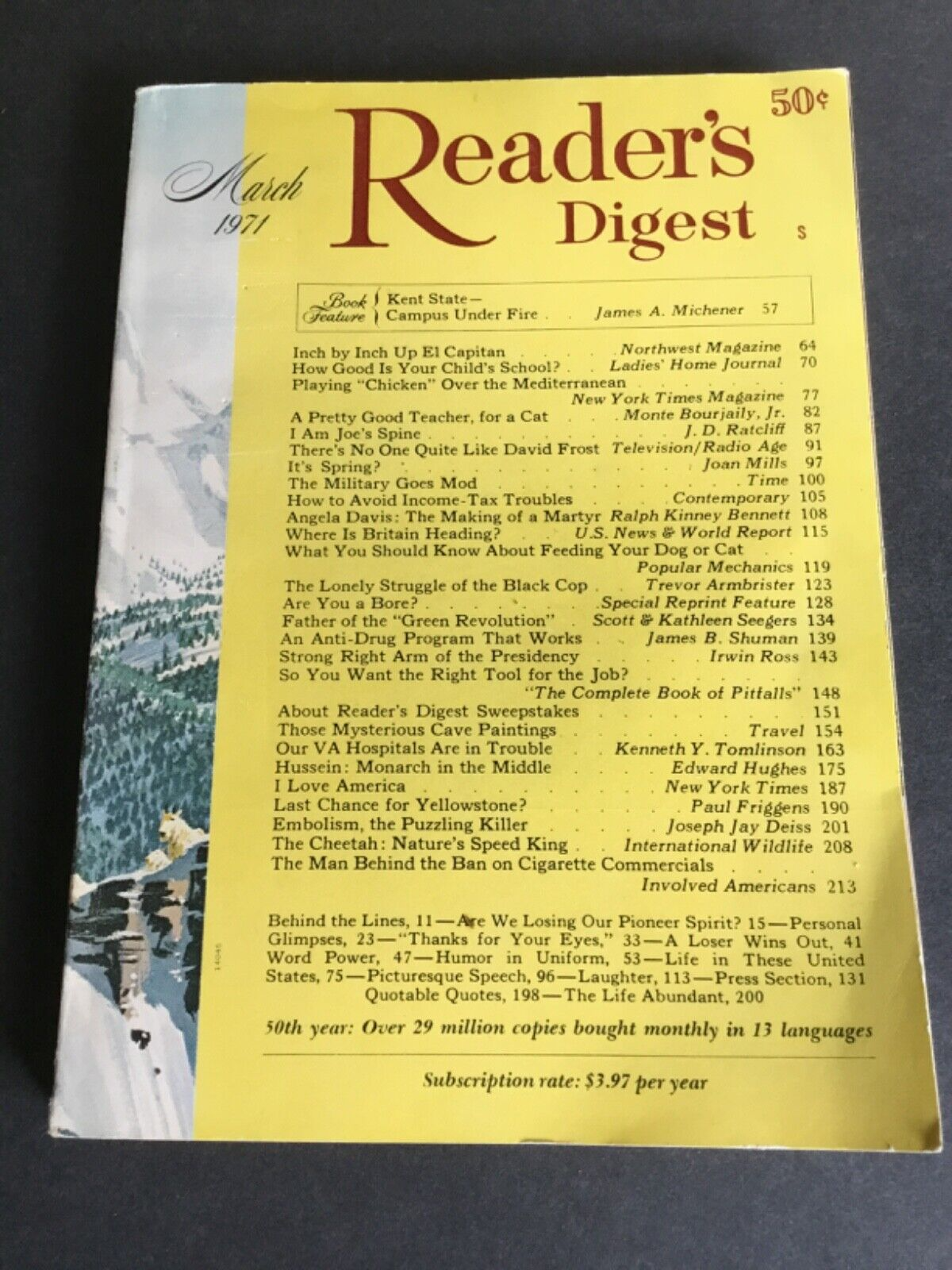
My father also subscribed to Reader’s Digest, which began in 1922 with DeWitt Wallace and his wife Lila Bell Wallace. DeWitt was recovering from shrapnel wounds received in World War I and had the idea of gathering a sampling of favorite articles from various monthly magazines, sometimes condensing and rewriting them, to form a digest. He was unsuccessful in selling the idea to publishers until he met and married feminist reformer Lila Acheson, who encouraged him to publish it himself.
For several decades it had 30 articles per issue to encourage readers to consume one per day, and the tables of contents were on the front cover. It was always grounded in conservative social and political values, and its domestic circulation peaked in 1984 at 17 million.
One of my father’s fellow Cities Service Gas Company employees had purchased a lifetime subscription to the magazine back in the Great Depression, and he had saved all of the issues for decades. When he decided to part with them, they came to me when I was in junior high, filling the bottom of one of my bedroom closets. I enjoyed reading the humor sections and found some of the book excerpts interesting. In particular, I recall reading their condensation of James A. Michener’s Kent State: Campus Under Fire from a decade earlier and how old-fashioned many issues seemed to my young self. I eventually disposed of the collection when I realized it had included some silverfish as an unwanted bonus.
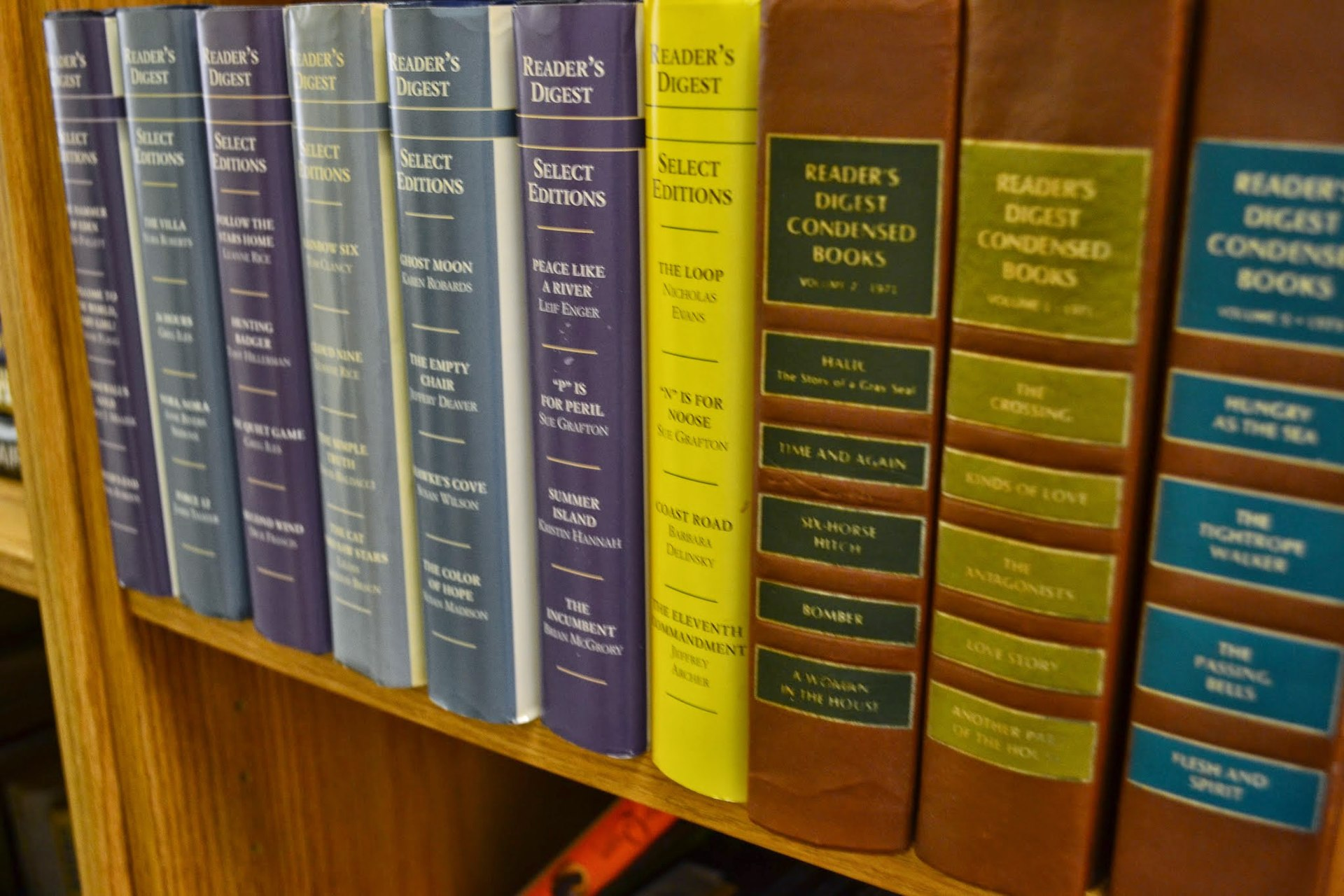
In 1950, Reader’s Digest also began producing hardcover anthologies of abridged novels and nonfiction. For decades they issued four volumes each year, each containing abridged versions of three to six current best-selling novels and nonfiction books. They were quite popular, boasting 10 million copies sold in 1987, but used copies were little regarded. When we stayed at my paternal grandparents’ home, the headboard of the bed in the guest bedroom had bookshelves filled with old Reader’s Digest condensed books. Even though I was an avid reader, I steered clear of them. Condensing a magazine article was fine with me, as I had no qualms in stopping midway through one if my interest waned, but abridged books seemed sacrilegious. I remember how many paperbacks would reassure you on their copyright pages that “NOT ONE WORD HAS BEEN OMITTED”.
The Condensed Book series ended in 1997, but it was merely replaced with Reader’s Digest Select Editions that continue to be published. As for the magazine, its domestic circulation peaked in 1984 at 17 million. DeWitt and Lila died in 1981 and 1984, respectively, and the company filed for bankruptcy in 2009 and 2013, but still survives over a century after it began with a reported circulation of over 3 million with 49 foreign editions in 21 languages.
My Weekly Reader
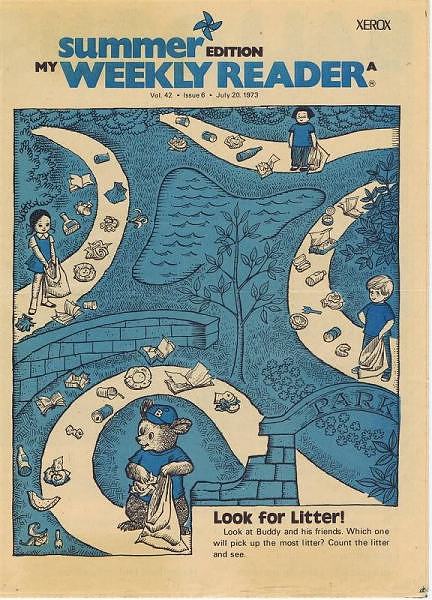
The first periodical I had my own subscription to was My Weekly Reader, an educational magazine that I avidly consumed. Eleanor Johnson founded it in 1928. I read it during its circulation high point in the late 1960s and early 1970s when 13 million issues went out each week, with an edition for each elementary school grade, and Ms. Johnson was still editing each one. She edited it for over 50 years and passed away in 1987. The publication survived, sometimes as just Weekly Reader, until 2012 when it was consumed by the competing Scholastic News.


Highlights
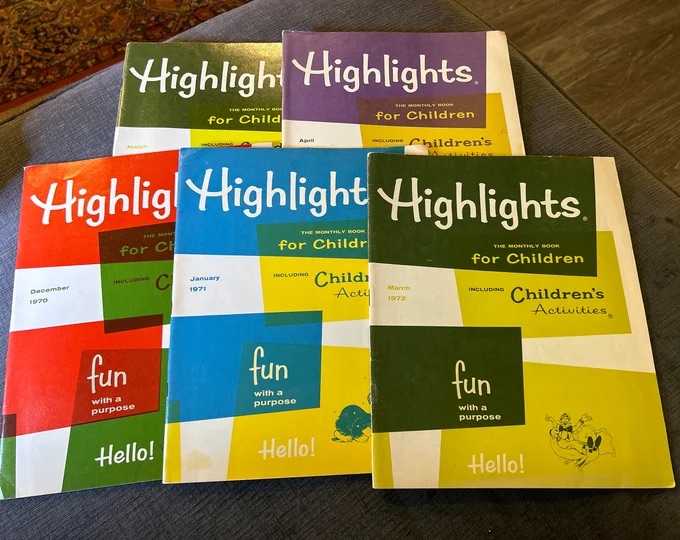
I was also given a subscription to the Highlights children’s magazine for few years. Garry Cleveland Myers and his wife Caroline Clark Myers began producing it in 1946. My favorite regular features in those were Goofus and Gallant and the hidden pictures drawings.
Garry Myers wrote the Goofus and Gallant cartoons about social skills, with Goofus always behaving poorly and Gallant choosing a responsible, mature, and kind alternative. The characters were originally in the magazine Children’s Activities where the Myers worked for a dozen years before starting Highlights.
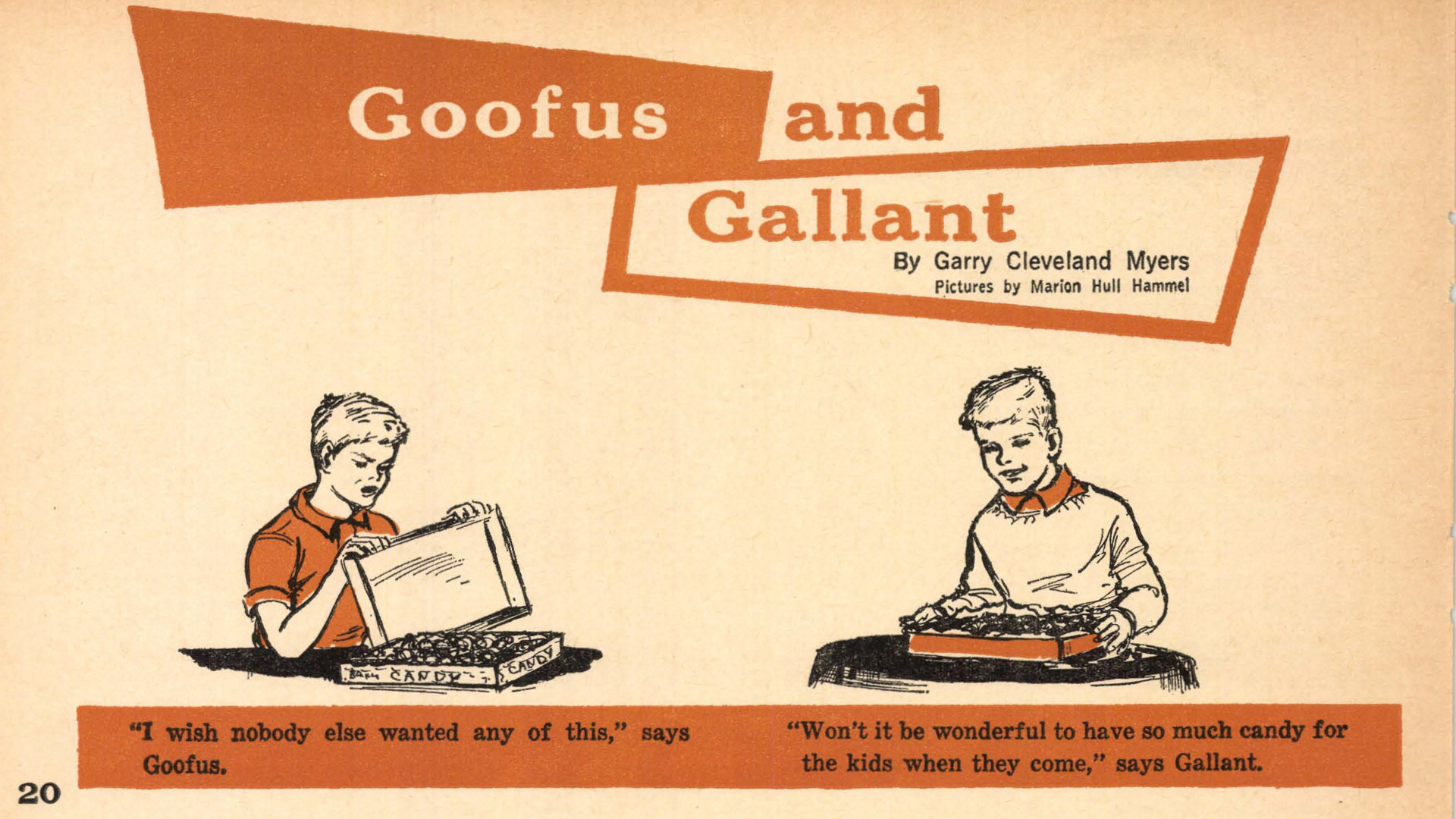
Goofus & Gallant were originally drawn as elves, but they became human boys by the 1950s. Maurieta Wellman was the artist until 1952, and then Marion Hull Hammel took over and drew it through my era and on through 1984. After that it was drawn by Sidney Quinn, Kit Wray, Anni Matsick, and now Leslie Harrington. They have now appeared in over a billion issues of the magazine.

The lads are popular enough to have been the subject of parody:

Alfred Hitchcock’s Mystery Magazine
In junior high, I had to sell some magazine subscriptions as a school-related fundraiser. I used my own allowance to purchase a subscription to Alfred Hitchcock’s Mystery Magazine. I was no doubt influenced by Robert Arthur, Jr.’s Alfred Hitchcock and the Three Investigators book series, which I loved as more mature successors to the Hardy Boys mysteries I read in elementary school. They originally featured the famed movie director interacting with the boy investigators at the start and end of each book.


The magazine had been launched in 1956 by HSD Publications. There was no formal connection with Hitchcock’s television shows of 1955-1965, although stories in the magazine were sometimes adapted into television episodes. Davis Publications owned the magazine in the era when I was reading it, with caricatures of Hitchcock appearing on the covers even after his death in April 1980. The magazine was sold to Dell Magazines in 1992 and Dell still publishes it along with Ellery Queen’s Mystery Magazine, which dates back to 1941.
I enjoyed most of the short stories in the mystery magazine, but I had too many other reading interests to finish each issue. So they began piling up, with me feeling guilty about not reading more of them. After a few years, I finally chose to cancel my subscription.
Mad
I didn’t read Mad as a kid, although my father did pick up at a garage sale a couple of paperbacks of reprints of old features from Mad that I enjoyed. They seemed a bit old-fashioned, coming from earlier decades, but I liked their retro style, cynicism, and absurdity. Mad was launched in 1952 as a comic book and became a magazine in 1955. It peaked in popularity in 1973-1974 with a readership of over two million.
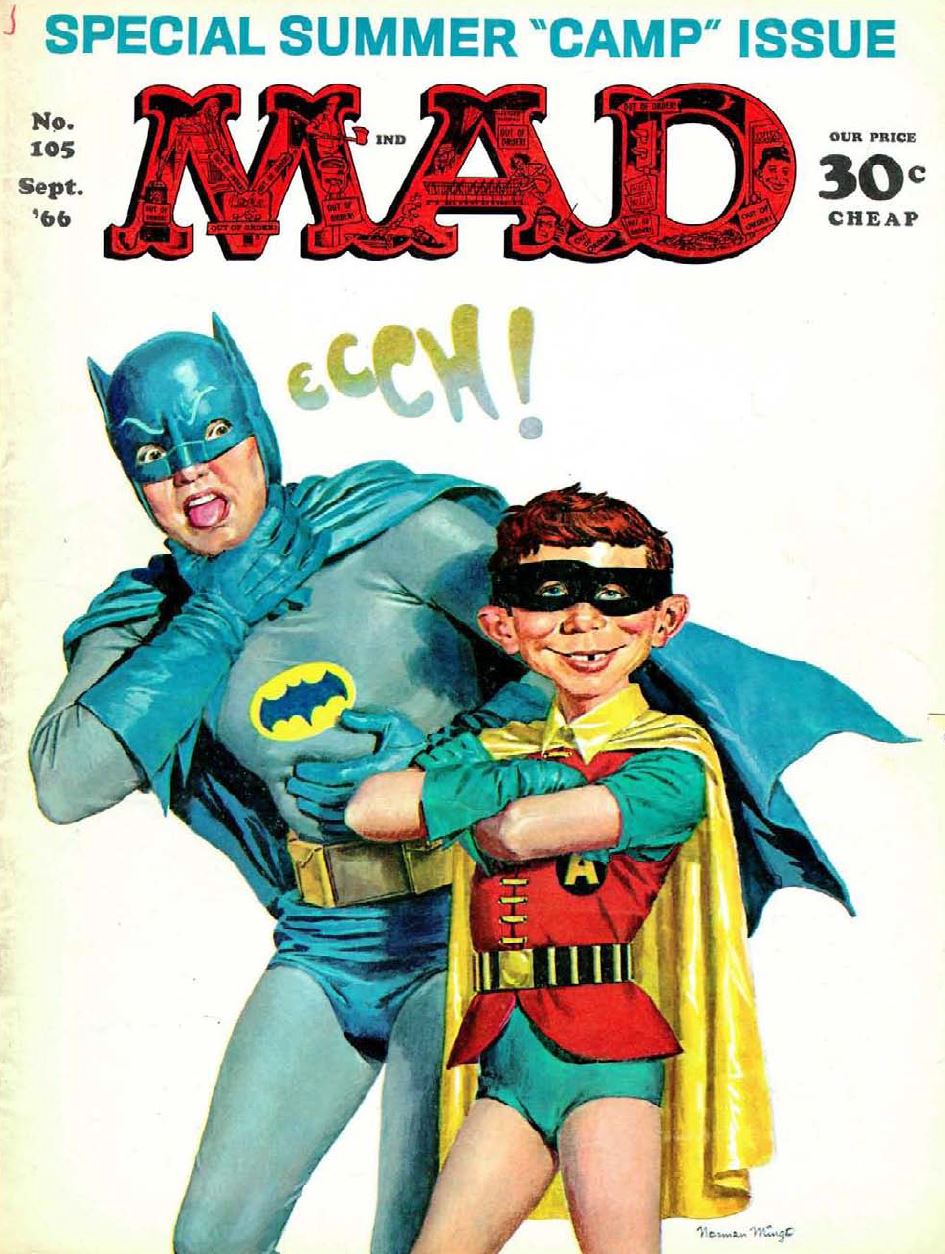


Mad‘s “The Usual Gang of Idiots” was quite stable, with some creators contributing to the publication for 30-50 years. In 2007, I bought Absolutely Mad, a DVD with the first 460 issues of the magazine, so I have all of those available in my Google Drive. I did subscribe to Mad for a year or two in the 2010s, having enjoyed seeing contributor Dick DeBartolo, “Mad‘s Maddest Writer”, in technology podcasts. He had new material in every issue from 1966 to 2019, and the original magazine ended in 2018 at issue 550. There is now a rebooted version, consisting mostly of reprints, available as of this writing in comic book stores and by subscription.
Omni
I was a library aide in junior high, so I had ready access to the school’s magazines. I remember spotting Omni, which launched in 1978 and had articles on science, science fiction, and parapsychology. I knew science fiction author Ben Bova was associated with it, but I had no idea that it was funded by Bob Guccione of Penthouse fame. Omni was founded by Kathy Keeton, who had met Guccione in 1965. They were married in 1988 and were quite a pair.
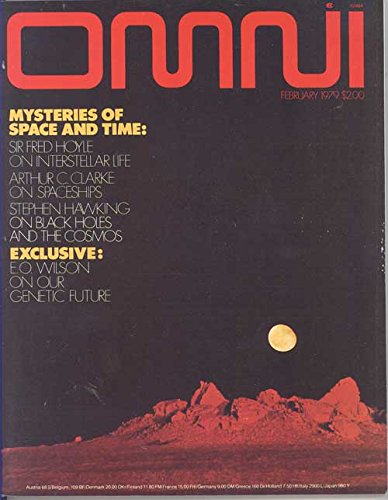

I was initially excited that Omni had articles on science and science fiction. It was a slick production, with high-quality paper and graphics, but I was generally disappointed by its content, which I found to be of limited interest, particularly anything to do with parapsychology. Omni was gone by 1997, although a couple of issues were published in 2017 in a failed revival attempt.
Computer Magazines
It was home computers that truly got me into purchasing and reading magazines on a regular basis.
The Color Computer Magazine
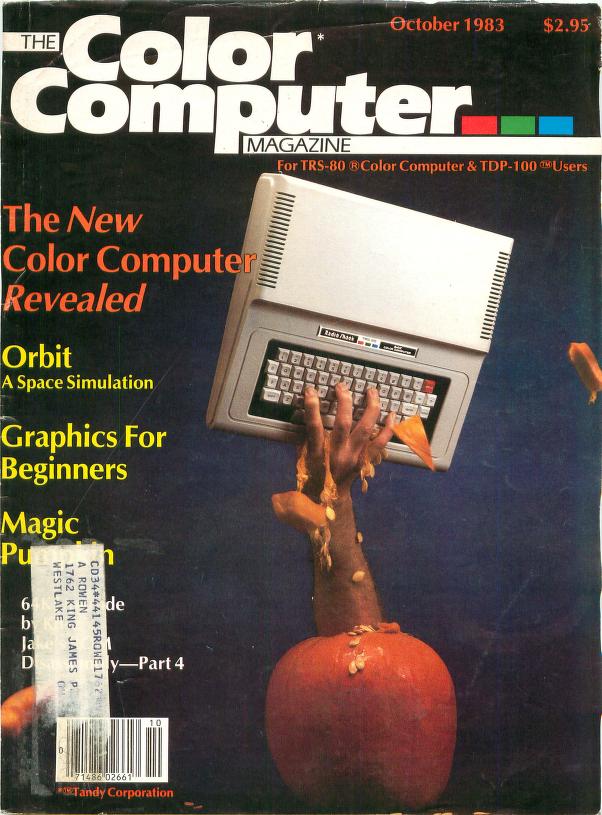
I had the first and second iterations of Radio Shack’s Color Computer, and I subscribed to The Color Computer Magazine from its launch in March 1983 until its demise in October 1984.

Byte
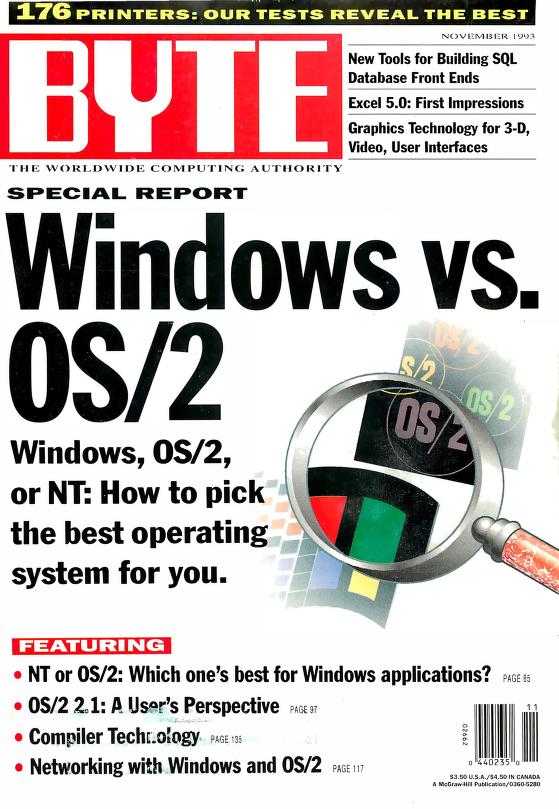
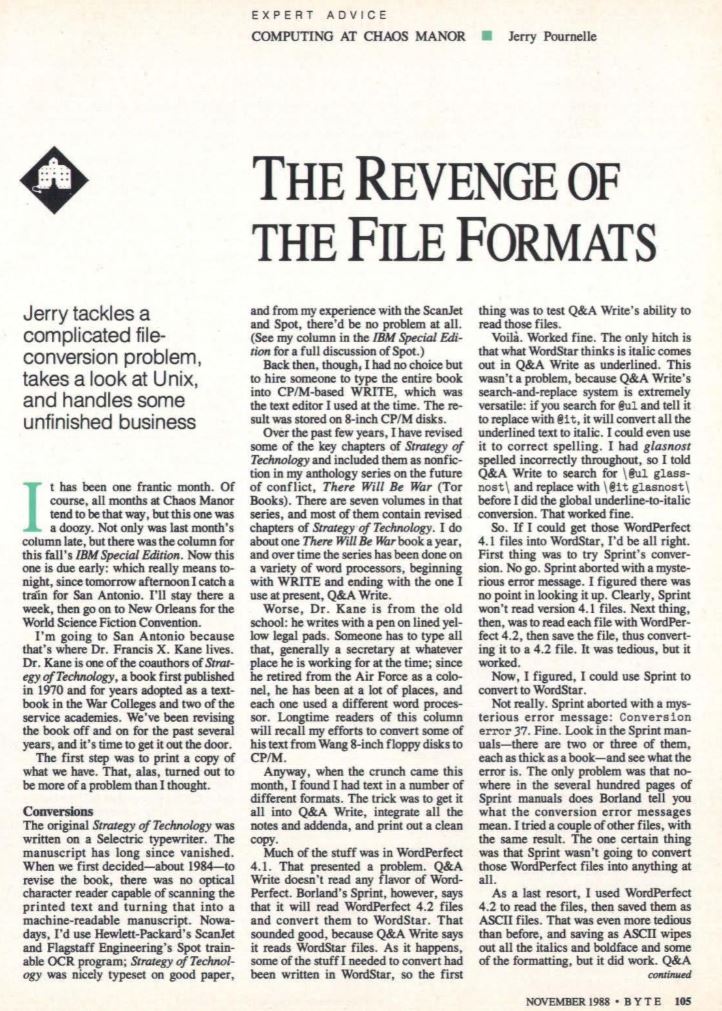
My friend Sam subscribed to Byte magazine, which was founded in 1975 and lasted in print form until 1998. That is how I discovered Jerry Pournelle’s Computing at Chaos Manor column. Jerry described his experiences with computer hardware and software in a funny, frank, and sometimes irascible style. I enjoyed it enough to subscribe to Byte myself until it folded.
PC Magazine & PC Computing
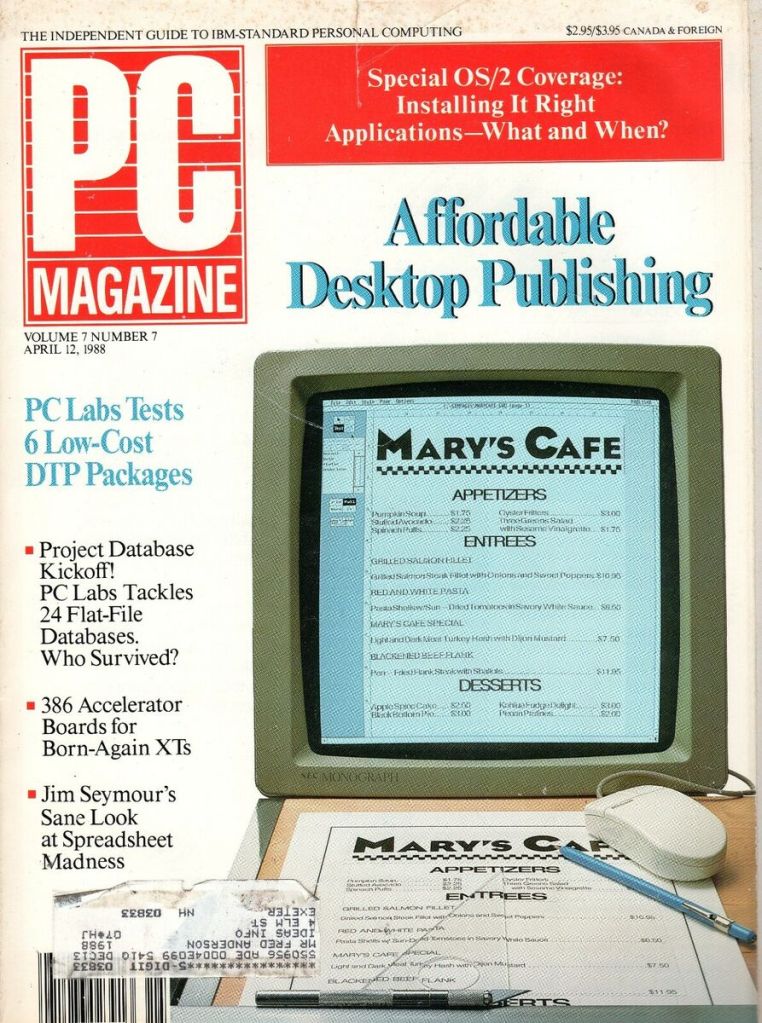
Another magazine I subscribed to for many years was PC Magazine. It had wonderfully detailed and thorough reviews of computers and their peripherals, along with fun columns and articles by Jim Seymour.
I liked Seymour’s writing so much that I also subscribed to PC Computing in 1988 since he was the founding editor. Jim was a folksy and irreverent evangelist for empowering individuals through personal computers. He famously submitted a column to PC Magazine with profane language about a computer program he disliked. A copy editor asked the magazine’s editor-in-chief, “Can we say that in PC Magazine?” The reply was, “We can’t, but Jim can.”

PC Magazine grew to a considerable size at its peak, reaching 800 pages in December 1983. In 1984 it switched to two-issues-per-month, which lasted until 2008. Its circulation peaked at 1.2 million in the late 1990s. Circulation had dropped to about 600,000 by 2009 when the print version was discontinued. The magazine format was still available online until December 2022, but it now only survives as the pcmag.com website.
I am impressed that all of the print issues are archived at Google Books. Happily there are a number of magazines archived at Google Books and at the Internet Archive.
Computer Shopper
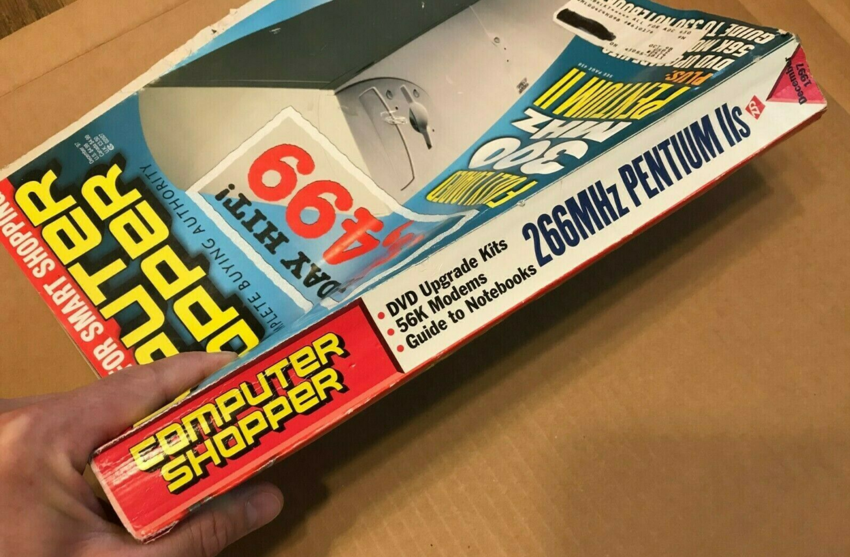
A magazine that I never subscribed to but picked up on a few occasions was the massive Computer Shopper. It was produced from 1979 to 2009 and was a tabloid, meaning it was larger than a typical magazine, and often had over 800 pages of pulp newsprint. It looked like a giant ad catalog, although it did have articles and editors.
Some used to joke that it was thick enough to stop bullets, but some of the Shopper’s editors and writers put that to the test at a Las Vegas gun range at one of the old Comdex trade shows. There was, as senior editor Dan Rosenbaum recalled, “general surprise when we discovered that even the thickest Shopper couldn’t stop even a .22 — but a .45 made a spectacular pile of newsprint confetti.”
Wired
A magazine that both intrigued and frustrated me was Wired. It often had interesting articles, but its garish day-glo design and tiny font sizes often made it needlessly difficult to read. It debuted in 1993 and won a design award in 2005, a sure sign that readability was not a priority.
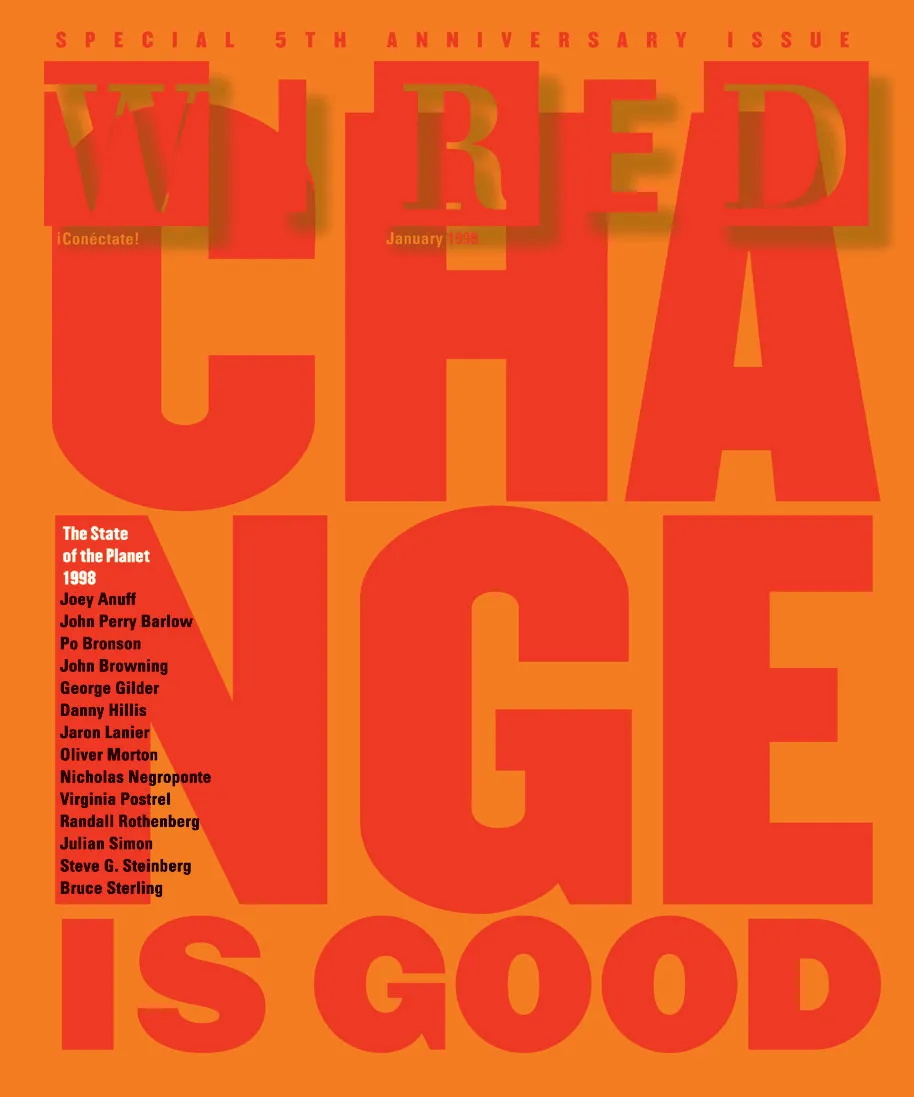


I subscribed to Wired in print from 2005-2012, then digitally in 2018, and again in 2023 after hitting the paywall too many times. I still like the articles, but I’m grateful that their web versions are toned down, since some modern magazine layouts are truly obnoxious.

News Magazines

As an undergraduate in the late 1980s, I subscribed to to Time, which began in 1923 as the first weekly news magazine in the USA. It had a circulation of over 20 million at its peak, but had fallen to 4 million by 2006. Single-copy sales plummeted from over 116,000 in 2008 to about 58,000 in 2012. In 2020 it was reduced to one issue every two weeks, and as of 2023, it reportedly had 1.3 million print subscribers and 250,000 digital subscribers.
Over the 30 years I subscribed to the magazine, I especially enjoyed art criticism by Robert Hughes, film reviews by Richard Corliss, essays by Lance Morrow and Pico Iyer, a column by Joel Stein, and articles by Nancy Gibbs.
In his long retirement, my father subscribed to Newsweek, the weekly newsmagazine that ceased print publication in 2012. I would see it on his coffee table during holiday visits and peruse it, finding it thinner and fluffier than Time.
I continued to enjoy reading Time until the mid-2010s, when I noticed that fewer of its articles had information that was novel for me. I started skipping reading it; years of staff cuts had taken their toll on Time‘s coverage, and I had more timely access to text news on my iPad. The magazine grew steadily thinner, so when Meredith bought Time Inc. in 2018, announcing major staff cuts and its plan to sell off the magazine, I finally cancelled my subscription.
For several years in the 2010s, I subscribed to the print edition of The New Yorker, since I enjoyed its long-form articles. But eventually the number of articles that interested me declined, so I switched to a digital-only subscription, and I finally cancelled it once I subscribed to Apple News+ and could use it to access The New Yorker and a slew of other magazines on my iPad. During the COVID-19 pandemic, I found The Atlantic to be a great source of information, although, like NPR, The New Yorker, and other sources I enjoy, it skews left politically. When I desire facts over analysis, I prefer Reuters and AP.
Speaking of news bias, a valuable chart that plots news sources on axes of news value and reliability and political bias is the Interactive Media Bias Chart.

Professional Periodicals

I had dial-up modem access to a CompuServe account beginning in high school in the early 1980s. As an undergraduate at the University of Oklahoma in the 1980s, I repeatedly enrolled in an Engineering Computing course, even after I enrolled in the College of Education, so that I could also enjoy dial-up modem access to Usenet newsgroups.
I then moved to Bartlesville and taught physics at the high school from 1989 to 2017. The World Wide Web wasn’t public when I began my teaching career, so printed periodicals were vital links to the wider world of my profession.
So I was a long-time member of the American Association of Physics Teachers and the American Physical Society, which yielded subscriptions to The Physics Teacher and Physics Today. I got a handful of good ideas from the former which I implemented over the years.
I was also a longtime member of the National Science Teachers Association, so I received NSTA Reports. Throughout my teaching career, I was a member of the local chapter of the Oklahoma Education Association. Thus I received its local newsletter along with the state-level OEA Focus periodical and NEA Today. In the 1990s, when I was doing graduate work in curriculum and instruction, I was also a member of the Association for Supervision and Curriculum Development and received its Educational Leadership periodical.
I left all that behind when I transitioned to district administration in 2017, and while I receive complimentary copies of the aptly named District Administration, I usually toss those in the trash since I have found little in them to assist my roles in communications and technology.
Entertainment

A magazine that I have purchased for many years at Barnes & Noble bookstores is Filmfax, which bills itself as “The Magazine of Unusual Film & Television”. It covers old Universal Studios monster movies, 1950s film noir, interviews with actors and directors, and other nostalgic coverage of the entertainment of yesteryear. It was published every other month for some time and later published quarterly. It always includes several pages of ads about its own back issues; that and the lack of an online presence told me that it was a small operation.
The internet informs me that Michael Stein created it in 1986 and was publishing it while a professor at the Medill School of Journalism, later devoting all of his time to publishing Filmfax and another magazine titled Outré. A 2004 article reported that Michael Stein was 59 with a staff of two working out of a small loft in Skokie, Illinois, and most of the magazine’s stories were by freelance journalists.
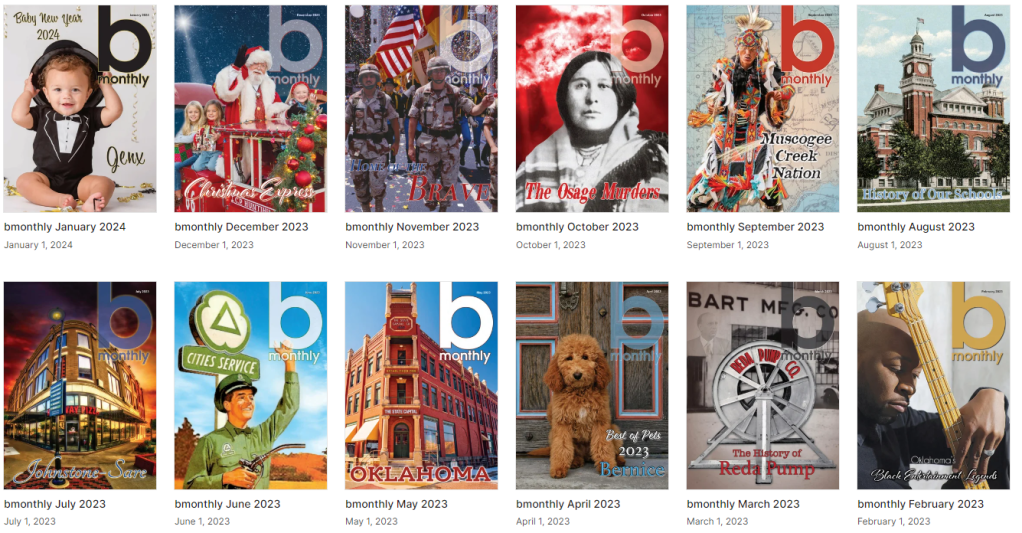
The only print magazine I now have a subscription for is bmonthly, a local magazine managed by Keith and Christy McPhail. One can pick up free copies of it at various local businesses, but I would sometimes miss an issue, so I subscribed. I appreciate the local history articles in it by Debbie Neece, Mike Wilt, Sarah Leslie Gagan, Kay Little, et al. along with other features. I could simply read the online version, but with its emphasis on photography, I enjoy thumbing through its printed glossy pages.
The Future
While I prefer audiobooks and e-books over traditional paper books, paper is still more than twice as popular as those other formats.

That supports the idea that while print magazines have faded, there is a long tail for them, especially ones emphasizing photography and esoteric topics, that might stretch out through the rest of my lifetime. Algorithms dominate digital media distribution, and artificial intelligence is impacting content creation, but magazines are especially well suited to human curation focused on smaller communities and niche interests. Only time will tell.







 Meador Manor
Thank you for the tag in the Bartlesville Monthly Magazine. We have a great lineup of staff writers. I’ve often been asked if we are going to run out of history subjects to write about…I chuckle and tell the person, I have subjects lined up for years. Stay Tuned.