
In my previous post, I outlined the history of phone numbers in Bartlesville, which became my home in 1989. This post looks at my personal telephone memories from the late 1960s to present.
Bell Telephone, including the Southwestern Bell subsidiary serving Oklahoma City, had abandoned using exchange names in telephone numbers in 1968, before I could form lasting memories. So I never learned phone numbers using words. I first noticed old exchange numbers because one had been printed on a vintage yardstick my parents used. Ever curious, I asked my mother about it, and she filled me in.
SKyline-1
We lived in the Western Village neighborhood of northwest Oklahoma City until I graduated from kindergarten in the early 1970s. By the time I was memorizing phone numbers, my parents’ home phone number was no longer referred to as SKyline 1-#### but instead just 751-####.
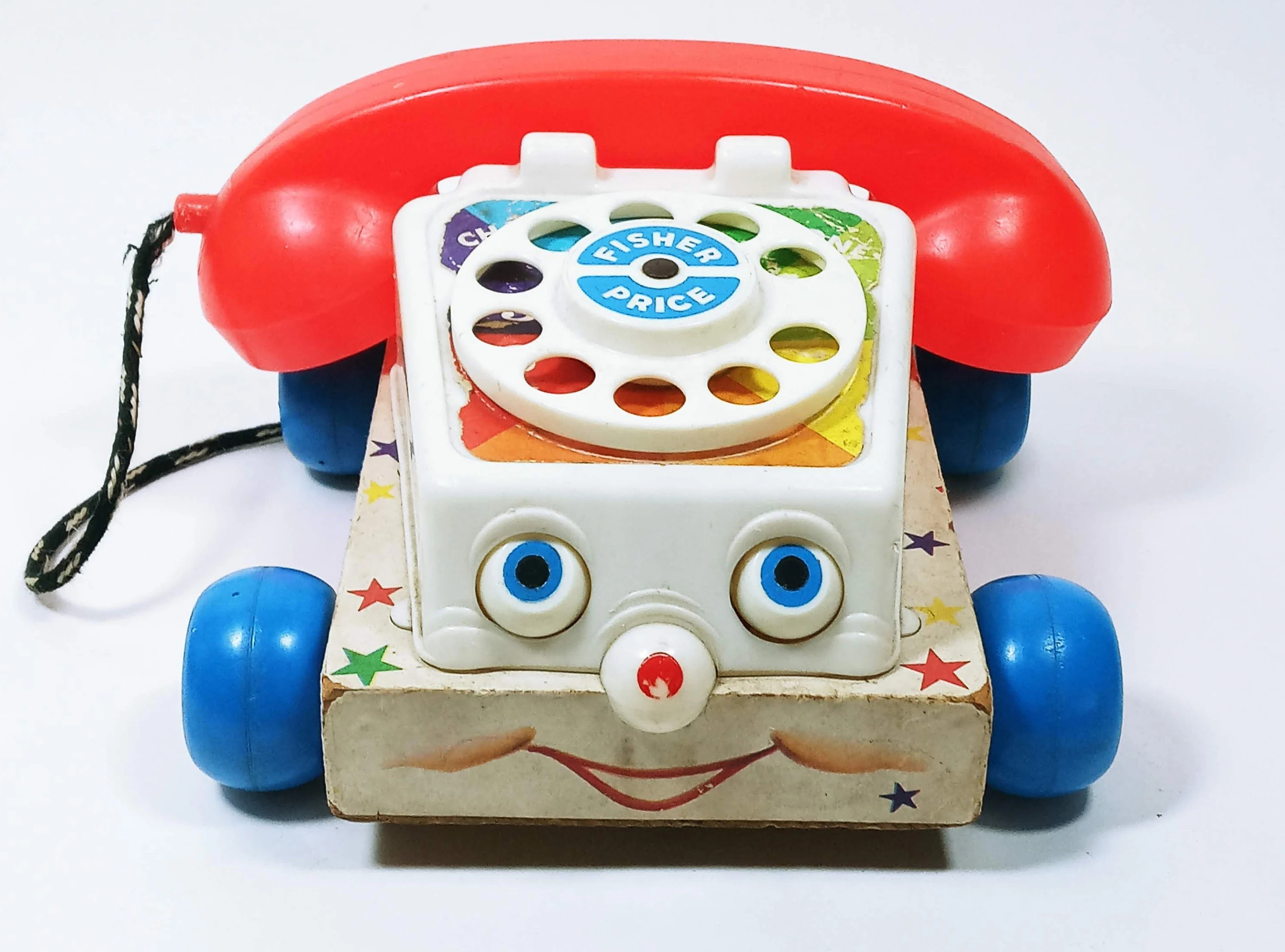
My memories of telephones when we lived in the Skyline exchange serving our Western Village neighborhood in Oklahoma City are limited to how my father had a separate “company phone” in his den that was tied into Cities Service Gas Company, and that I would yank my Fisher-Price Chatter Telephone into the room and jabber away, pretending I was taking care of important company business.
While I have always had a clear memory of the address of our home in Western Village, I had to look up our old phone number and its exchange.
SUnset-9
Our next stop was in Bethany, a town subsumed within northwestern OKC, while I was in the first through sixth grades. Our phone prefix changed from 751- to 789-, but I didn’t think of it as moving from the SKyline-1 exchange to SUnset-9.

I dimly recall a green rotary kitchen phone and that my parents had their own extension phone in their bedroom. It always took longer to dial the higher digits on a rotary phone, so I knew our number, which consisted entirely of phone numbers between 7 and 0, was something a business would have avoided if at all possible.
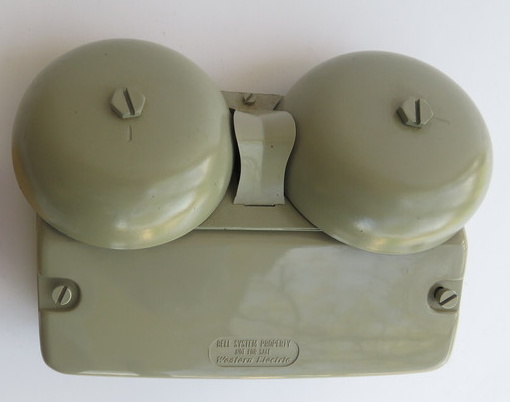
My father again had a company phone, which had its own bell installed under an eave in the backyard, ensuring he would hear it outside, since as a company executive he might need to deal with emergencies. It was important that natural gas service be maintained for multiple communities across several states, especially in the winter months.
Eventually, I was entrusted with updating my father’s company phone directory. That was a small binder with pages in different sections with company and staff phone numbers. Every month, updated pages would be provided and my job was to pull out the old ones and insert the new ones. I enjoyed what an adult would have found to be a tedious exercise.
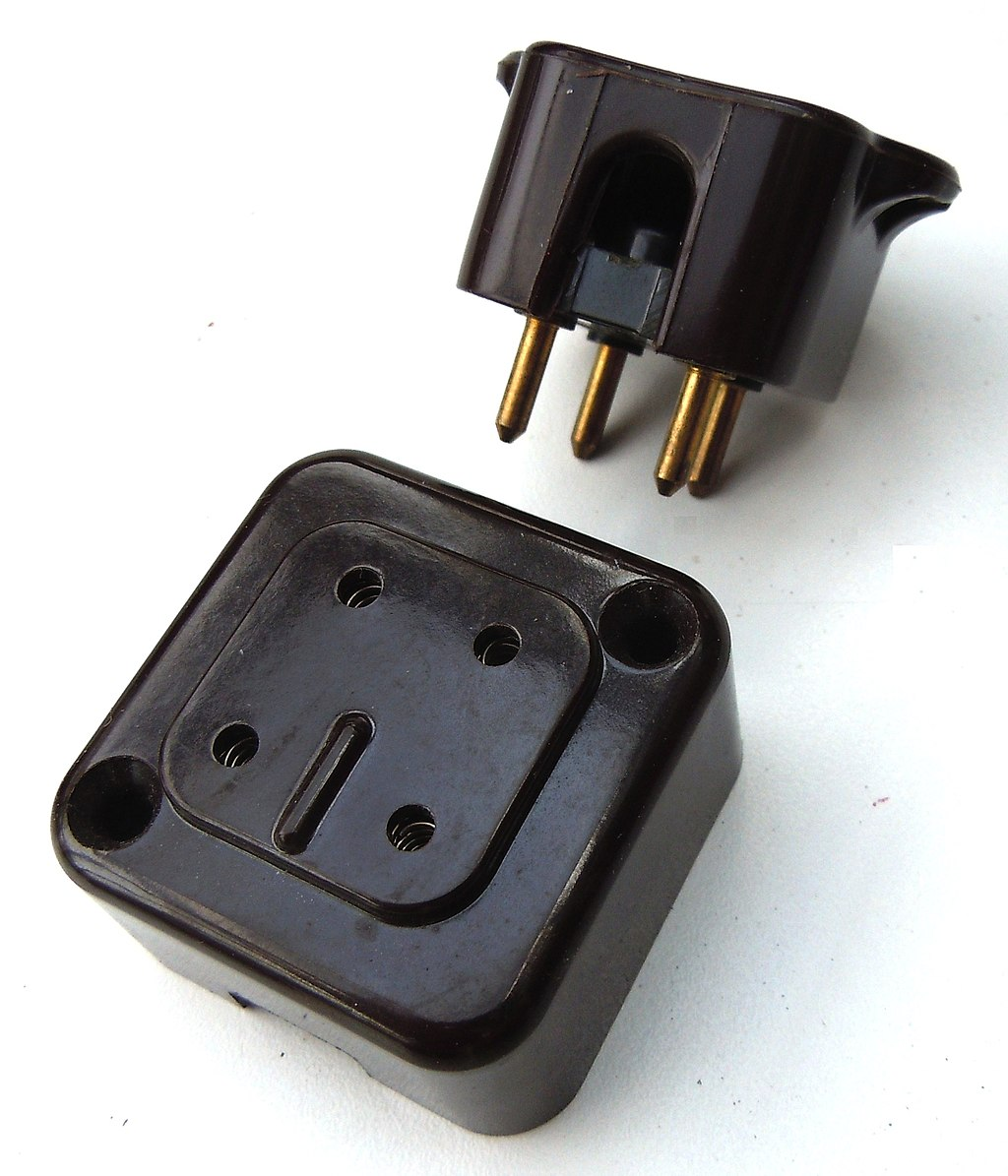

One other thing I remember about phone technology back then was that the wall plugs were not the modular RJ11 4-position 4-contact plugs of today but instead bulky things with four large prongs.
WIndsor-2
We moved again when I was entering junior high. Our new phone number began with 942-, and I soon realized that corresponded to WIndsor-2, which made sense because our new neighborhood was Windsor Hills. Some of the homes in the neighborhood with older lines were actually 946-, which matched up with WINdsor.

I associate our move to Windsor Hills with upgrading from rotary phones to Princess push-button ones with the mysterious * and # buttons. Eventually the * button became associated with various Custom Local Area Signaling Services, while the pound button (which some call hash, and the engineers originally called the octotherp) is still often used to indicate the end of a sequence of signals. While my parents paid to rent Princess phones with touchtone signaling, when premium signaling services like call waiting and Caller ID were rolled out, my folks declined.
The buttons lit up on our new phones, which required that each one be connected to an external electric transformer that plugged into a wall power plug, and the phones had a night light mode.
I got an extension phone in my bedroom. Throughout my childhood people would ask me for my favorite color, and I had settled on green, although I didn’t particularly care. So yes, I had a green phone. I found a 1978 photo of me proudly showing off my new phone, and I remember lying on the bed a few years later while on the phone for hours for many nights trying to puzzle through algebra homework with schoolmate Susan Plant.


Back then, you weren’t allowed to own your own telephone. You had to rent one from Southwestern Bell, although I noticed that at our vacation cabin in Missouri there was an old rotary phone even though we didn’t have a working phone line there. It had been left behind by the previous owners, and evidently the local phone company wasn’t too worried about it. Maybe it didn’t rent phones.
Long-distance phone calls were rather expensive before AT&T was broken up. I remember my father placing and receiving calls to relatives late at night at home. When we were at our cabin in Missouri, we would drive out to an old phone booth outside a general store some miles down the highway to make calls.
I would later experience that myself, and I remember fumbling with a card late on some cold winter nights at a phone kiosk so I could punch in a ridiculously long sequence of numbers to use a Southwestern Bell calling plan and talk to my girlfriend. I remember the cutting cold wind making me curse that they had taken out the phone booth and replaced it with a kiosk. Superman also found that change frustrating back in 1978.

Eventually my home phone became a Trimline model, but I found the buttons in the handset a mixed blessing.
In the early 1980s, the rental fee was $1.50 to about $5 per month depending on the type of phone. That finally changed in 1983, when the U.S. government broke up Bell Telephone into AT&T and various “Baby Bells” such as Southwestern Bell. Consumers in all parts of the country suddenly had the option to buy their own phone.
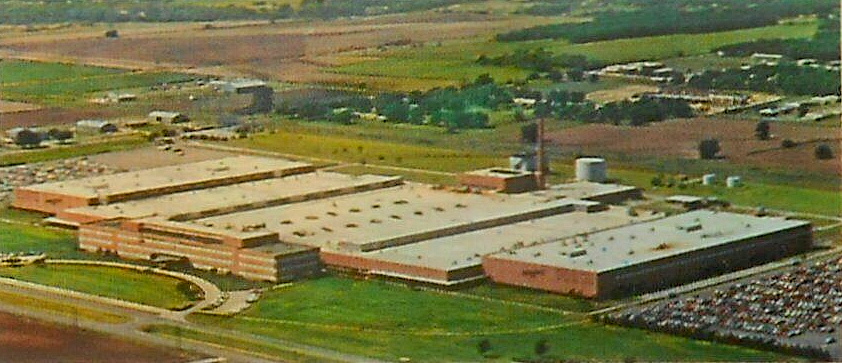
Before that, the Western Electric subsidiary of American Telephone & Telegraph was the primary manufacturer of equipment for the Bell System. One of my aunts worked at the big Western Electric plant in Oklahoma City, which made pay telephones and switching equipment.
After the breakup
When I was in high school I did have my own phone line. That wasn’t for my privacy or convenience, but for my parents. I had a 300 baud Radio Shack modem with my TRS-80 Color Computer which I used to call electronic bulletin boards and early dialup services like Dow Jones and CompuServe. They didn’t want my long modem sessions to tie up the main house line.
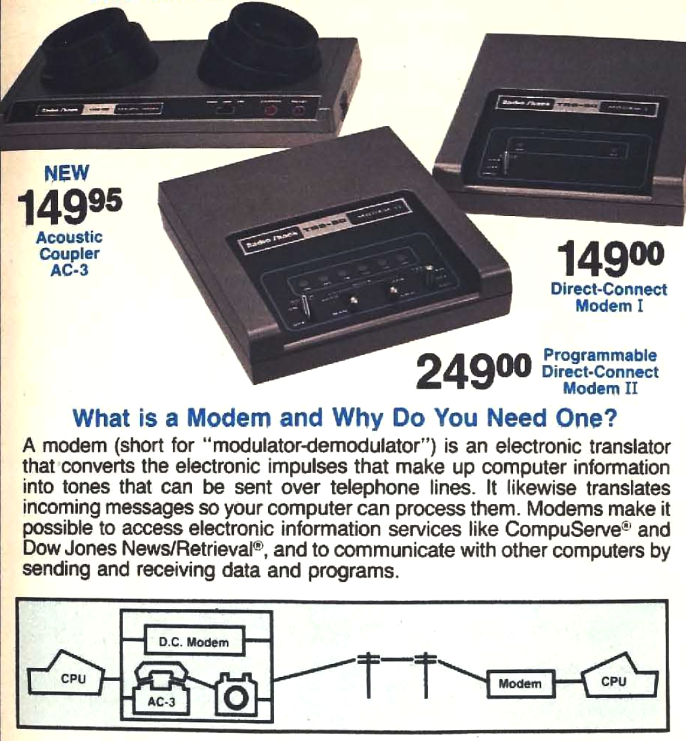
While living in Oklahoma City and then for a few of my first years in Bartlesville, I operated a computer-based bulletin board system that was part of FidoNet. To avoid any long distance charges, I programmed it with the codes of the telephone exchanges that were local calls, and that was probably the last time I paid much attention to phone exchanges.
Over the years I went through a multitude of modems to connect my personal computers to online services as baud rates increased from 300 baud to 56k. The sound of the connection handshake got longer and longer over time as different standards were implemented.
After the phone monopoly ended, my parents just purchased their existing Princess telephones from Southwestern Bell. When I moved to a dormitory at the University of Oklahoma, I went to the local Radio Shack and spent $100, which would be about $300 in 2024, on a fancy DUōFONE-140.

Initially, I placed that phone on my little built-in desk in the dorm, next to my 13″ Zenith CRT television. But after a month or so, I noticed the television picture had a color shift in one corner. The magnets in the phone were affecting the shadow mask and thus deflecting the electron beams. I had to move the telephone across the room and degauss the TV.
Fascinated by technology, I later bought a couple of different cassette and later microcassette tape answering machines. I remember entering my different apartments, seeing the blinking red light on the answering machine, and wondering what message I would soon be receiving.
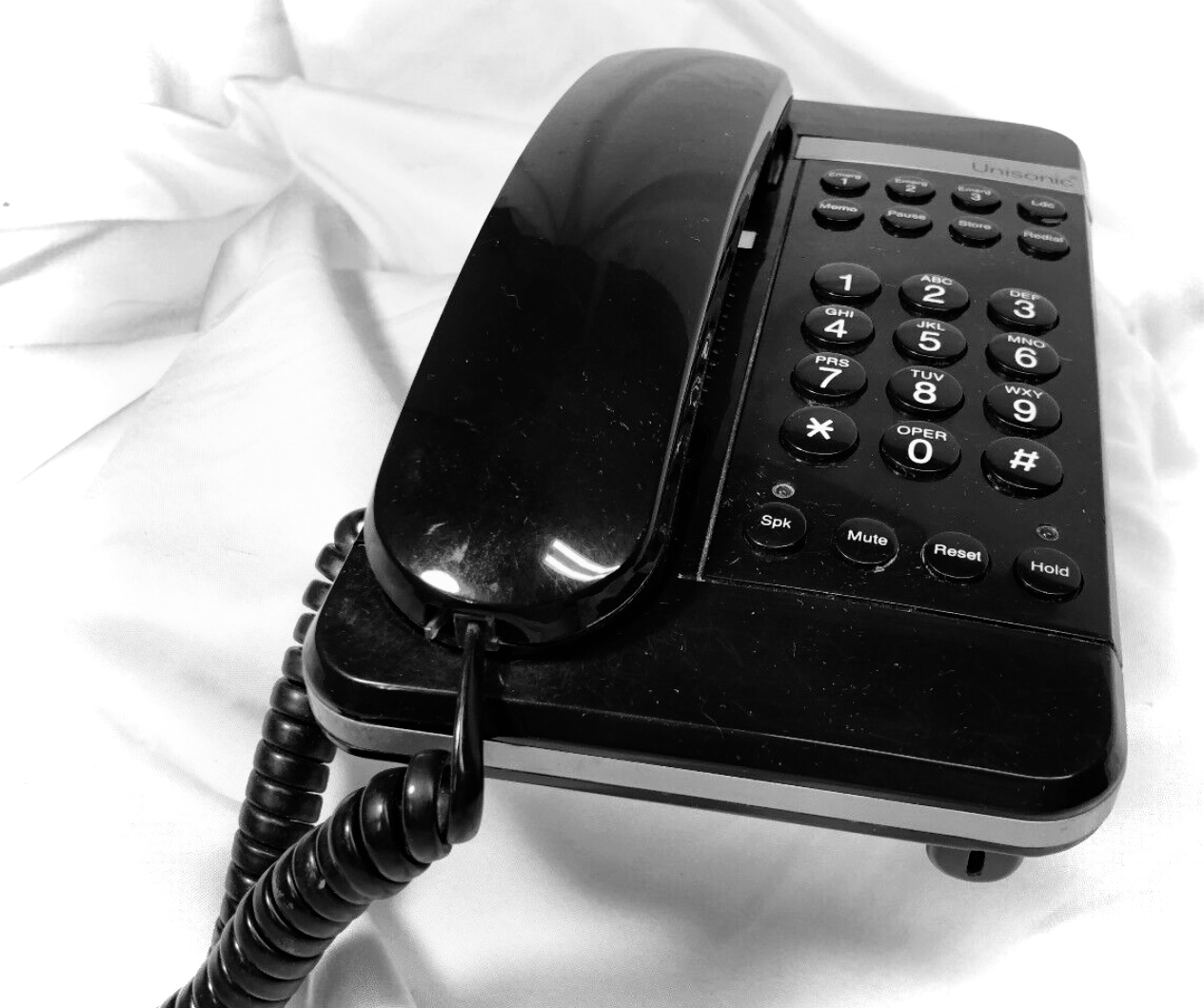
My favorite landline telephone was a Unisonic Model 9335, which had a particularly light, sleek, and comfortable handset and nice controls. I finally gave up on landline phones at home when I went fully cellular in May 2009.

My early cell phones were flip phones and one of the Nokia “chocolate bar” phones, and their lack of full keyboards discouraged me from texting. That eased once I had an iPhone.
My last big involvement with wired telephones was reviewing and approving the purchase of a new internal phone system and handsets for the school district back in 2018. That system uses the Voice over Internet Protocol, not Plain Old Telephone Service. The only traditional landline phones we still have in the district are a single emergency phone in each school office and some lines for elevators.
In less than 20 months, I’ll be retiring. For the first time in my lifetime, after I turn 60 years of age I can expect to seldom interact with a wired telephone. Despite the nostalgia apparent in this post, that is one thing I shall not miss.








 Meador Manor