

“This is not your father’s Star Trek.”
—2009 ad for a movie reboot
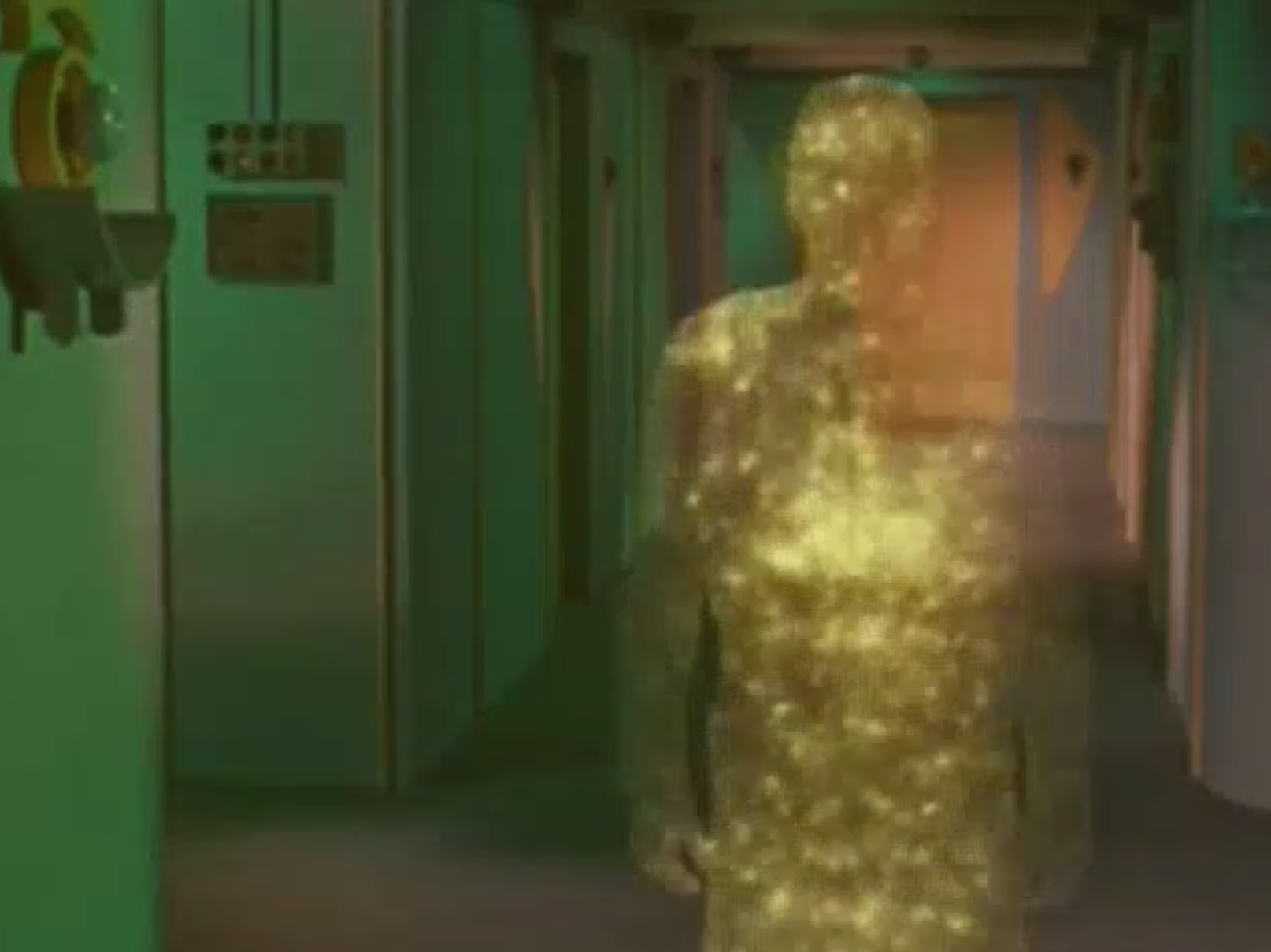
My friends know that I am a big fan of Star Trek, the original series television show that was broadcast from 1966 to 1969. However, I didn’t see it until 1972, when it was in syndicated reruns on weekday afternoons. I was in first grade, and the first scene I saw was someone “beaming” in and sneaking around some corridors. I had no idea what was going on, and I remember thinking, “Is that some sort of ghost?”
I continued to watch, eventually realizing that the person was on a spaceship, but the transporter effect was unexplained. That intrigued me enough to start watching the show, and I was promptly hooked.
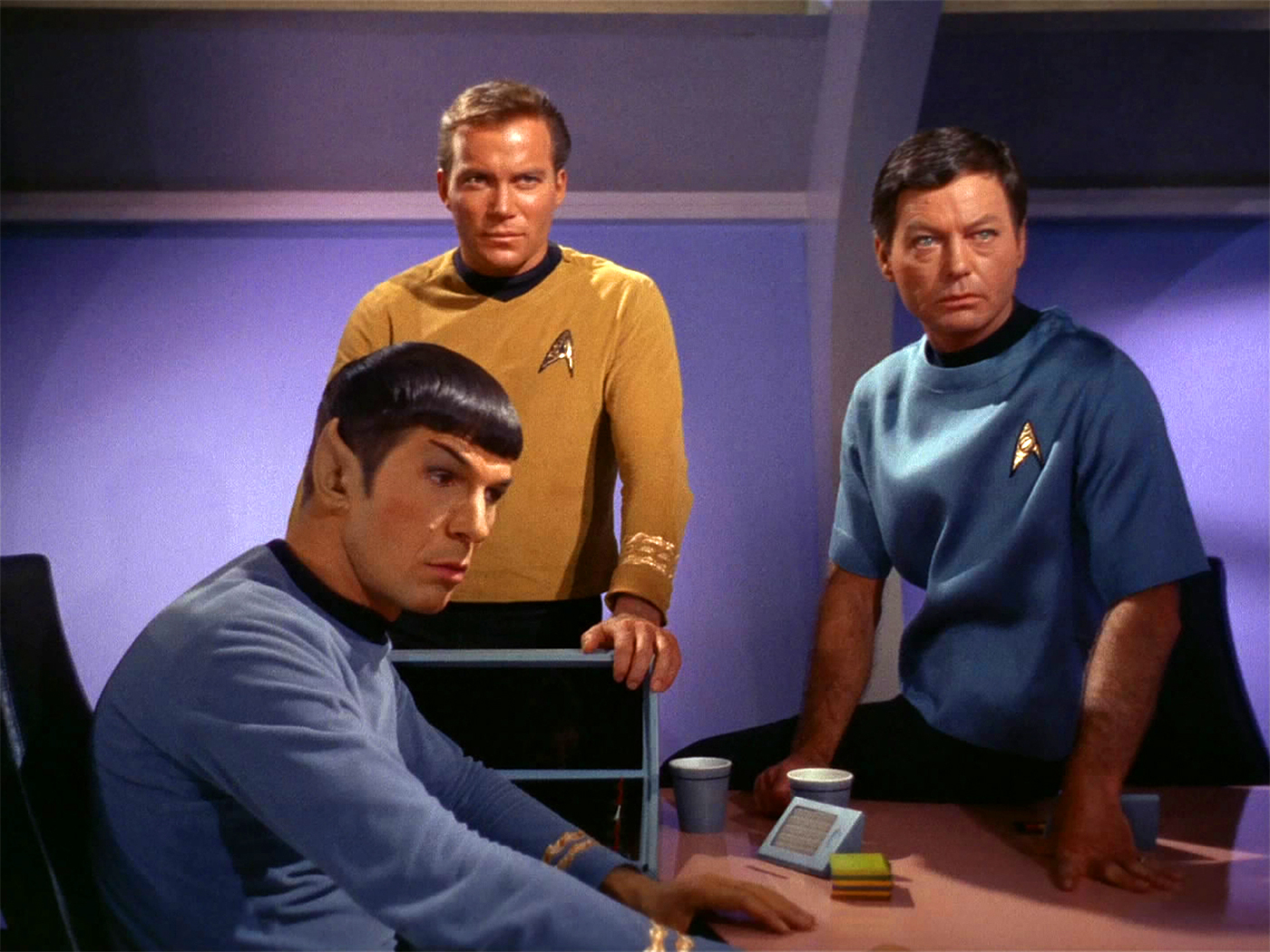
The show’s writers had endured World War II and were still mired in the Cold War, which brought threads of realism and moral complexity to an escapist tapestry of soft science fiction and adventure. The leader, Captain Kirk, was always influenced by both Mr. Spock, the alien logical thinker, and Leonard “Bones” McCoy, the cantankerous doctor who wore his heart on his sleeve. That triumvirate set the stage for a show that was clearly influenced by radio dramas and westerns, playing very differently than contemporary shows like Mission: Impossible. It was less utopian and idealistic than some might think, but it did have clear moral messages that I and countless other children readily absorbed.
There were only 79 episodes, which meant that the entire series would play through about three times in a year. So I was excited when a Saturday morning animated series debuted in September 1973. I was only seven years old, but I remember hoping the cartoon would not be just a “kiddie show” and being gratified when it turned out to play somewhat like a fourth season of the original show, albeit in an abridged format with Filmation’s typical limited animation.
I was 13 when Star Trek: The Motion Picture was released as the first of six movies starring the original cast, and I enjoyed each of them over the next dozen years. I was more than willing to give Star Trek: The Next Generation a chance when it premiered in 1987, watching the first seasons on a 19″ television in an apartment in Norman during my junior and senior years of college.
I knew several of those responsible for the original series were involved in the new show, but while the original series was great in its first two seasons and slipped in quality in its third and final one, the new series inverted that, struggling to find its footing for a couple of seasons but then improving greatly under new leadership.
I continued to watch each series after that: Deep Space Nine, Voyager, and Enterprise, along with the ten movies based on the original series and the Next Generation.
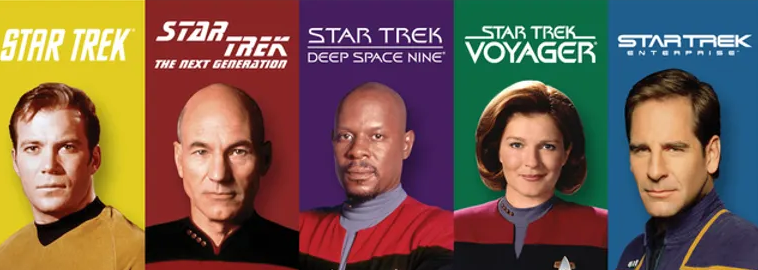
Deep Space Nine was grittier but still fun to watch with an emphasis on war, intrigue, and character development. Voyager squandered much of its premise, but it did creatively explore more way-out science fiction concepts. Enterprise, which was created as a prequel to the original series, had some inconsistencies with the hundreds of episodes that preceded it in broadcast but came after it in the franchise’s timeline. It didn’t really take proper advantage of its premise until a new showrunner revamped its fourth and final season, which aired from October 2004 to May 2005.
By then, I had seen 724 Star Trek episodes and 10 movies. It would have been 725 episodes except that I refused to watch the Tsunkatse episode of Voyager, as the preview showed it was a way to have Dwayne “The Rock” Johnson fight the show’s former Borg character in her catsuit, which was too silly for me at that point. Skipping an episode showed how my enthusiasm was noticeably waning, and afterward I could honestly say that I hadn’t seen every episode of Star Trek.
A friend convinced me to attend multiple Star Trek conventions in the 2000s, and traces of my decades of fandom linger at home. I have a top-quality original series communicator and phaser from The Wand Company along with a decent tricorder, and I’ve signed up for updates on The Wand Company’s promised tricorder.

I also have a bookcase filled with Star Trek tomes, including a first edition I received as a child of the first Star Trek novel ever published (Mission to Horatius) and the ten Star Trek Log novelizations of the animated series that were written by Alan Dean Foster and which I read avidly in my youth. Those are joined by the technical manuals, Marc Cushman’s splendid These Are the Voyages books, and much more.

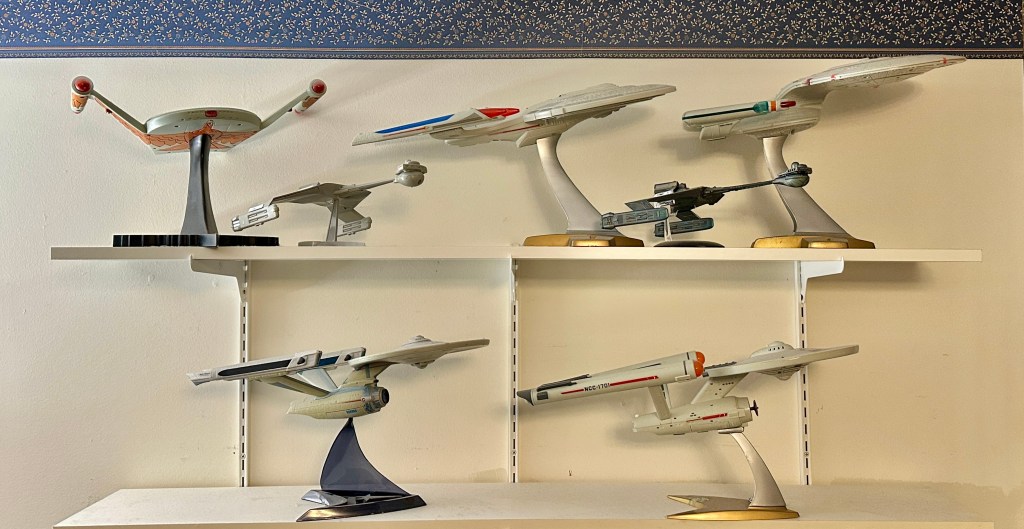
Finally, a set of shelves above my home computer display seven toy ships, a combination of gifts and purchases representing the original series and the Next Generation, and later this year I’ll get to add an expensive die-cast model of the refit Enterprise.
However, what you will not find in my collections are references to Star Trek after Enterprise was cancelled in 2005. The Star Trek I knew and loved faded away twenty years ago…and that’s okay.
Cinematic Reboots & Remakes
Some reboots and remakes are better than the originals: I much prefer Ronald D. Moore’s Battlestar Galactica to Glen Larson’s, and I’d rather watch 12 Monkeys than La Jetée. But having completed 734 treks, it was unlikely that I’d appreciate any reboots of Star Trek.
In 2009, J.J. Abrams directed a new Star Trek film, set in an alternate timeline with new actors playing the roles of the original series. One of its promotional spots promised, “This is not your father’s Star Trek.” Well, with J.J. Abrams as director, a guy born only a month before me, that was guaranteed. I’d heard about but not viewed different things he had directed, written, or produced, such as Lost, Alias, Armageddon, and Mission: Impossible III, and I figured his take on the franchise wouldn’t suit me, but I did go see the film a couple of times.
The dynamism and special effects were interesting, and I enjoyed Karl Urban’s portrayal of Doctor McCoy, but my primary impression was that it was a shallow action film marred by distracting lens flares and the off-putting use of a brewery as a starship engine room.
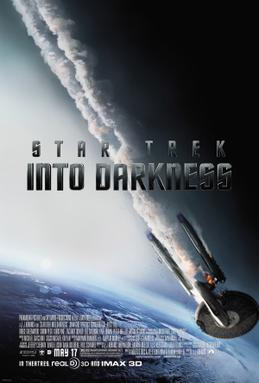
Four years later, I suffered through the miserable and aptly named Star Trek: Into Darkness. I found it notably inferior to its inspiration, The Wrath of Khan, although I do always enjoy watching Peter Weller at work.
Most remakes these days are dark and gritty. While that worked for Battlestar Galactica, which always had genocide as its premise, Star Trek traditionally spoke to our better angels. The original show had some great dark episodes such as Balance of Terror, which was based on The Enemy Below, itself a great 1957 war film. However, when the show went dark it included important lessons about racism, sacrifice, honor, and loss which helped youngsters like me grow up. The Wrath of Khan had powerful themes about aging, the futility of revenge, and self-sacrifice, while any such lessons in Into Darkness were lost amidst action set-pieces and spectacle.
Nevertheless, I showed up for Star Trek Beyond in 2016, and was treated to its incorporation of a Beastie Boys song in the absurd plot, which reminded me of enduring hippie songs in the original show’s The Way to Eden decades earlier. I’m not surprised that thus far it was the franchise’s last cinematic outing.
Star Trek sometimes trod the same depressing reboot path forged by Batman Begins in 2005 and followed by Henry Cavill’s portrayals of Superman. Little from those movies appealed to me, having grown up watching Adam West, the Bright Knight, in the fun 1960s Batman spoof and the sincere portrayal of Superman crafted in the late 1970s by Christopher Reeve and Richard Donner. The best thing for me in the Batman reboots was Heath Ledger’s Joker, and after watching 2013’s Man of Steel, the only DC movies I watched were the 2017 Wonder Woman and 2019 Shazam!, which appeared in their marketing to have a lighter tone.
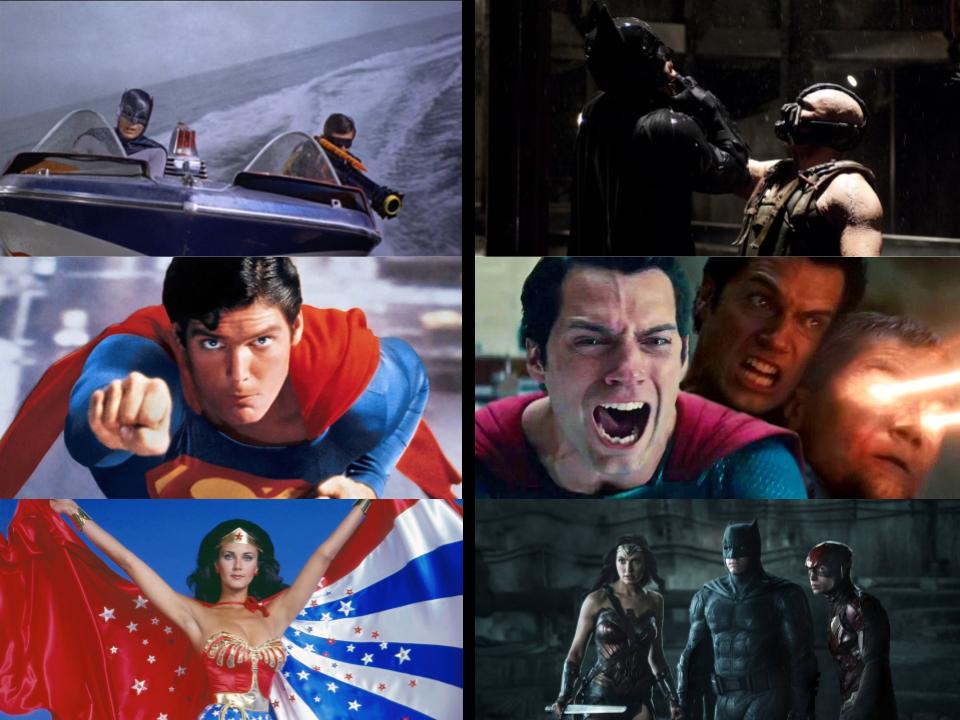
I’m not put off by all dark takes on superheroes — I’m a fan of Zack Snyder’s 2009 Watchmen. However, having grown up in the 1970s with bright, happy, and colorful depictions of the DC comics characters aimed at children, dark remakes aimed at teenagers and adults aren’t my thing. I suppose that if I had grown up reading Charlton Comics, I might have also objected to the reworking of its characters by Alan Moore, Dave Gibbons, and John Higgins.
The Small Screens
That brings me to the rebirth of the franchise on small screens under Alex Kurtzman, who helped write the first two reboot movies. He has been involved with six new series: Discovery from 2017 to 2024, Short Treks from 2018-2020, Picard from 2020-2023, Lower Decks from 2020 to 2024, Prodigy from 2021 to present, and Strange New Worlds from 2022 to present. While I liked the Watchmen film, which he did an uncredited script polish on, I’m just not in tune with Kurtzman’s vision.
Back in 2017, I did sample the first episode of Discovery, and that was more than enough for me. I didn’t like any of the characters, and the bizarre portrayal of the Klingons and unbelievable premise that Spock had an adopted sister we knew nothing about were deal breakers. However, the show persisted for 65 episodes, so it obviously had a fan base.
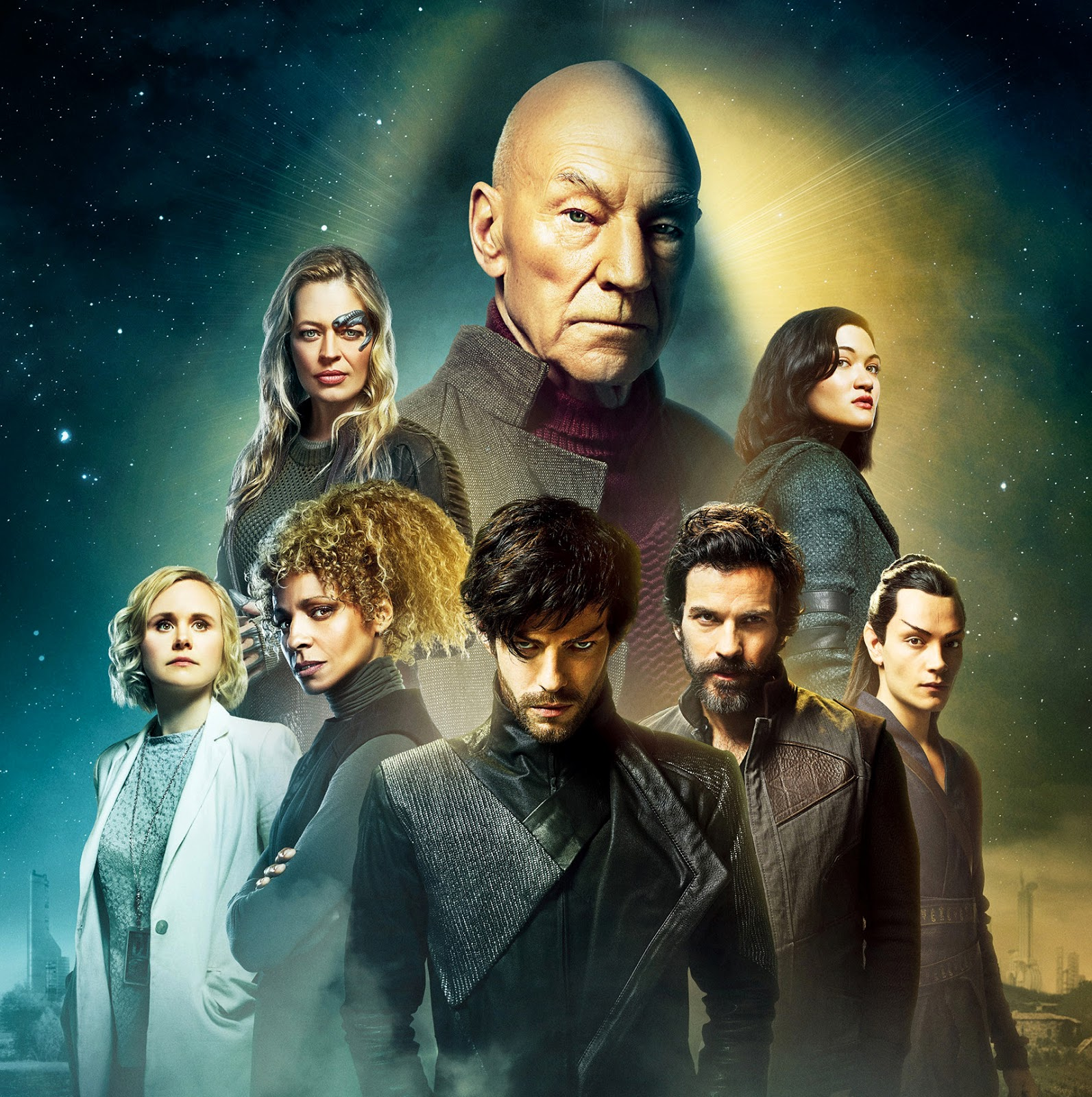
I have stayed away from Kurtzman’s various shows except for Picard, which premiered in 2020. I purchased access to its first season, watched the first half, and then gave up. It was too dark and ugly for my taste, although after a few years I watched three more episodes, and I will eventually watch the two-parter that ends the first season.
I haven’t heard anything about the second season, but I saw many reports that the third season was a welcome goodbye to the Next Generation cast, so I do plan to eventually watch those two seasons, although I’m certainly not in any hurry to do so.
My apathy for and aversion to the new series are based on a nostalgic preference for long-gone shows, dissatisfaction with the tone, look, acting, and storylines of what I’ve seen of recent offerings, and my own maturity. After all, my tastes are far different than they were fifty years ago, and I’ve seen a lot of the good, the bad, and the ugly in entertainment.
Rewatches
I have revisited The Original, Animated, and Next Generation series in recent years, thanks to a podcast and then a YouTube channel.
From 2012 to 2018, I thoroughly enjoyed listening to Ken Ray and John Champion’s Mission Log podcast as they watched and discussed each episode of the series in order. I didn’t rewatch any episodes, as I had already rewatched the Original Series from 2006 to 2009 when the remastered episodes with better imagery and reworked special effects were broadcast, and I could remember the Animated and Next Generation series well enough to follow along. However, I dropped out when they reached Deep Space Nine, as I didn’t remember those episodes as well and didn’t want to take the time to rewatch them.
A couple of years ago, another round of revisiting the first three series began, thanks to Target Audience on YouTube. Alex and Josh, who initially knew very little of Star Trek and are about 30 years younger than I am, react to each episode in release order. They are now in season five of The Next Generation, and I continue to enjoy their takes and support them on Patreon.
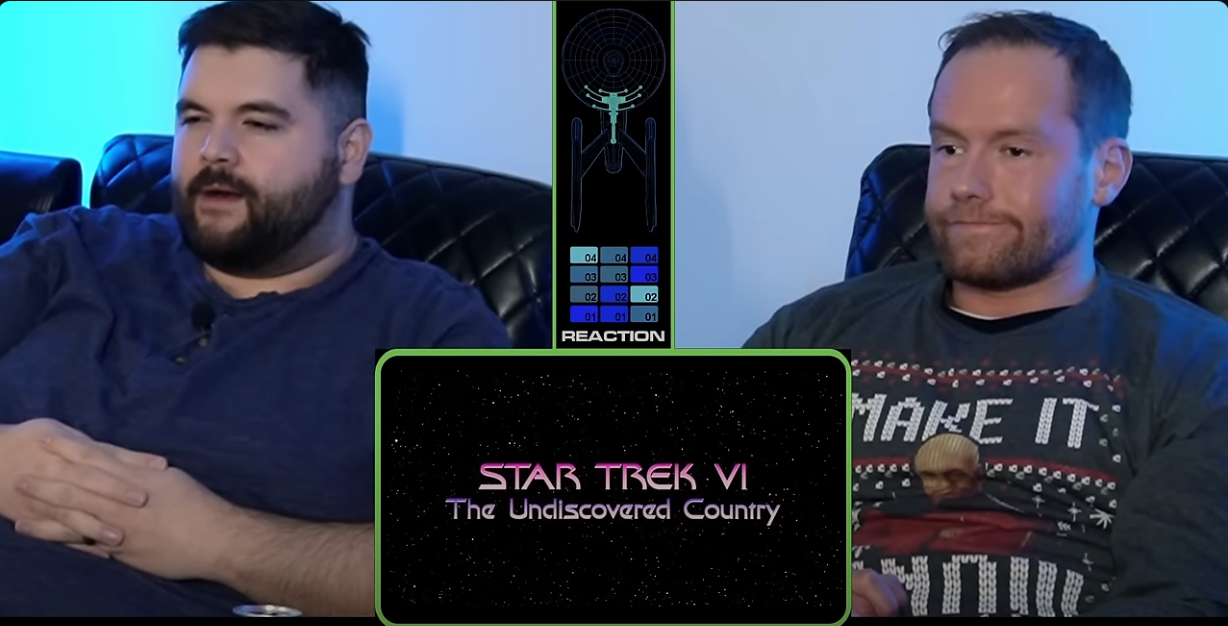
Recently they watched the final movie featuring the entire original cast, The Undiscovered Country from 1991. I was intrigued by how much they disliked it. I appreciate how they explain what they like and dislike, and I value the differences in their perspectives from my own.
However, when Target Audience wraps up The Next Generation, I’ll likely again drop out, at least for awhile. Perhaps sometime after my retirement I would be willing to rewatch Deep Space Nine so as to enjoy the related episodes of both Mission Log and Target Audience, but I am dubious about ever rewatching Voyager or Enterprise. There are so many other novel things I could pursue…none of which are related to the Trek franchise. For example, I’ve been getting great book ideas from Bookpilled, The Library Ladder, and J. Scott Phillips.
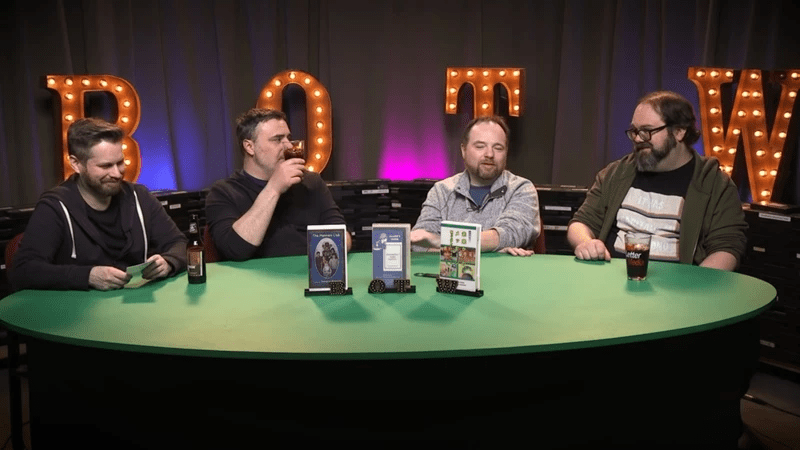
Star Trek jumped to an alternate timeline back in 2009, and I’m content to leave most of those treks to others. Recently a Star Trek television film called Section 31 was released to many negative reviews, and the funny guys at Red Letter Media trashed it. They built their initial reputation on criticisms about the Star Wars sequels, and Mike and Rich are old-school Trek fans who are only a little over a decade younger than I am, so it gives me hope that they evidently didn’t hate season three of Picard.
One of these days I’ll watch the rest of the Picard series and check out what Mike and Rich thought about it. But I’m sure I’ll watch more back episodes of The Best of the Worst before that. For me in these troubled times, laughter is the best medicine.








 Meador Manor