Three months ago, Oklahoma City officials filed their plan to demolish The Myriad. Oh, yes, it was most recently known as Prairie Surf Studios, and back in 2002, 30 years after it opened, it had been renamed the Cox Business Services Convention Center — but it will always be The Myriad for me.
They’re tearing it down to make way for a one billion dollar arena. So soon The Allen Morgan Street Memorial Myriad Convention Center will lose its existence, decades after it lost its name.
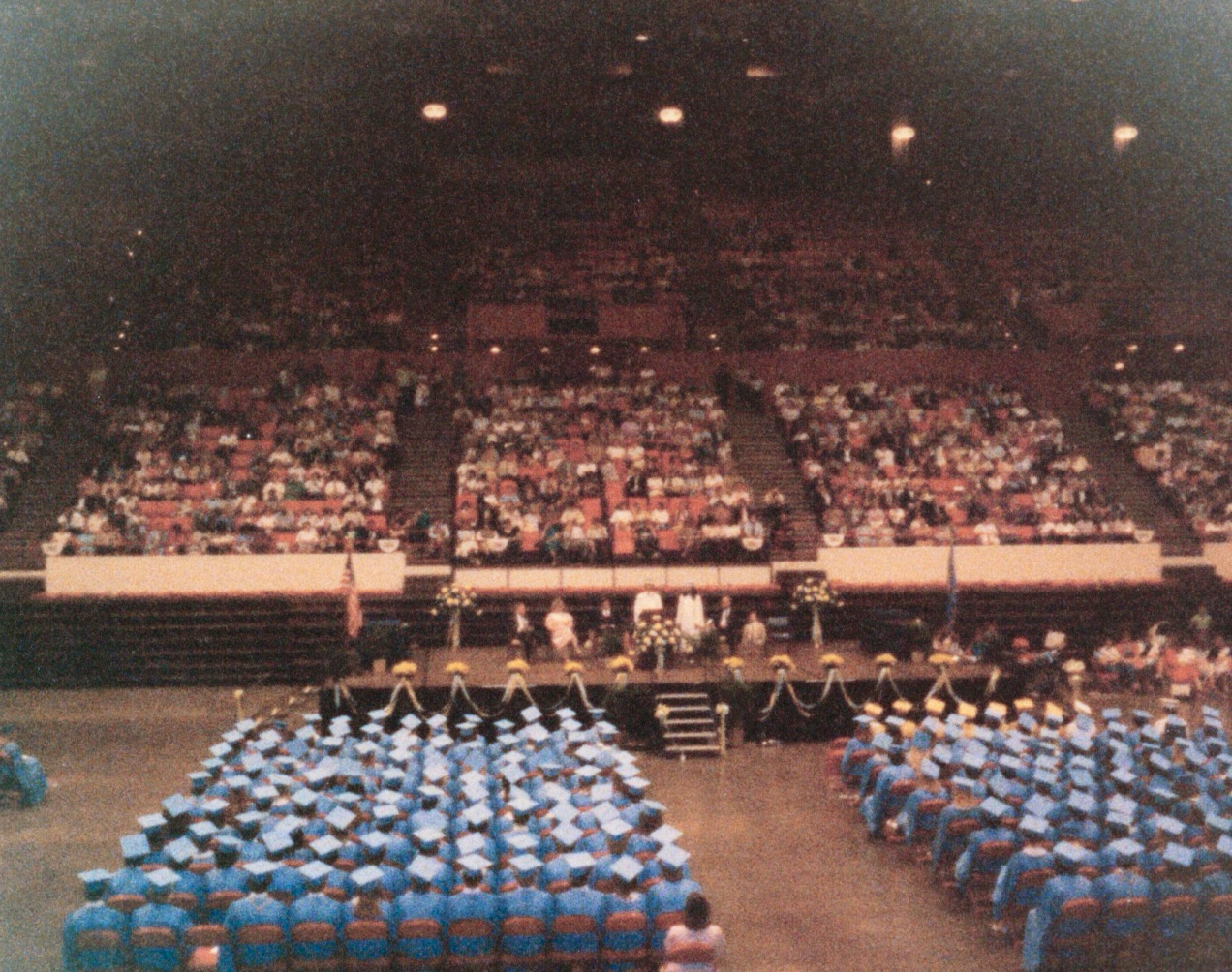
The destruction of that brutalist convention center in my hometown, which hosted both my junior and senior proms and high school commencement, along with several conventions I attended, prompted me to compile the story of Oklahoma City’s Urban Renewal projects of the 1970s. I grew up in that era, visiting my father’s offices in the First National Complex, and my mother worked in the Skirvin Tower when I was a teenager, so I have scattered memories of this traumatic tale.
The Plan
Oklahoma City’s downtown began to falter as early as 1954, when Sears moved from downtown to where I grew up knowing it to be: at NW 23rd and Penn, with the old Shepherd farm to the west becoming the state’s first enclosed mall a decade later. Other stores either followed Sears or folded, and by 1962, 53 downtown retailers were gone. City leaders Dean McGee, Stanley Draper, and E.K. Gaylord pushed for Urban Renewal, and businessmen hired high modernist architect I.M. Pei to redesign the central business district.
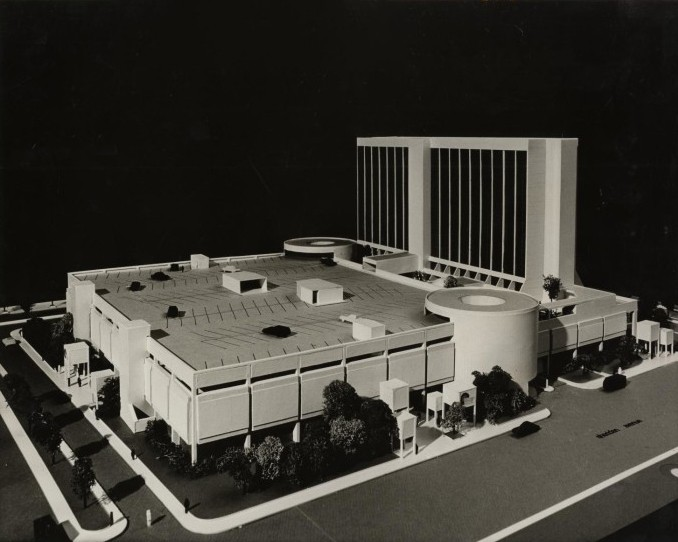
His grandiose initial plan called for redeveloping a whopping 70% of downtown, clearing huge swaths of fine-grained commercial development from the early 20th century. Click any image in the post for the full-resolution view.
A $60,000 10’x12′ model was constructed, at a scale of 1 inch to 50 feet, to showcase his sweeping vision.
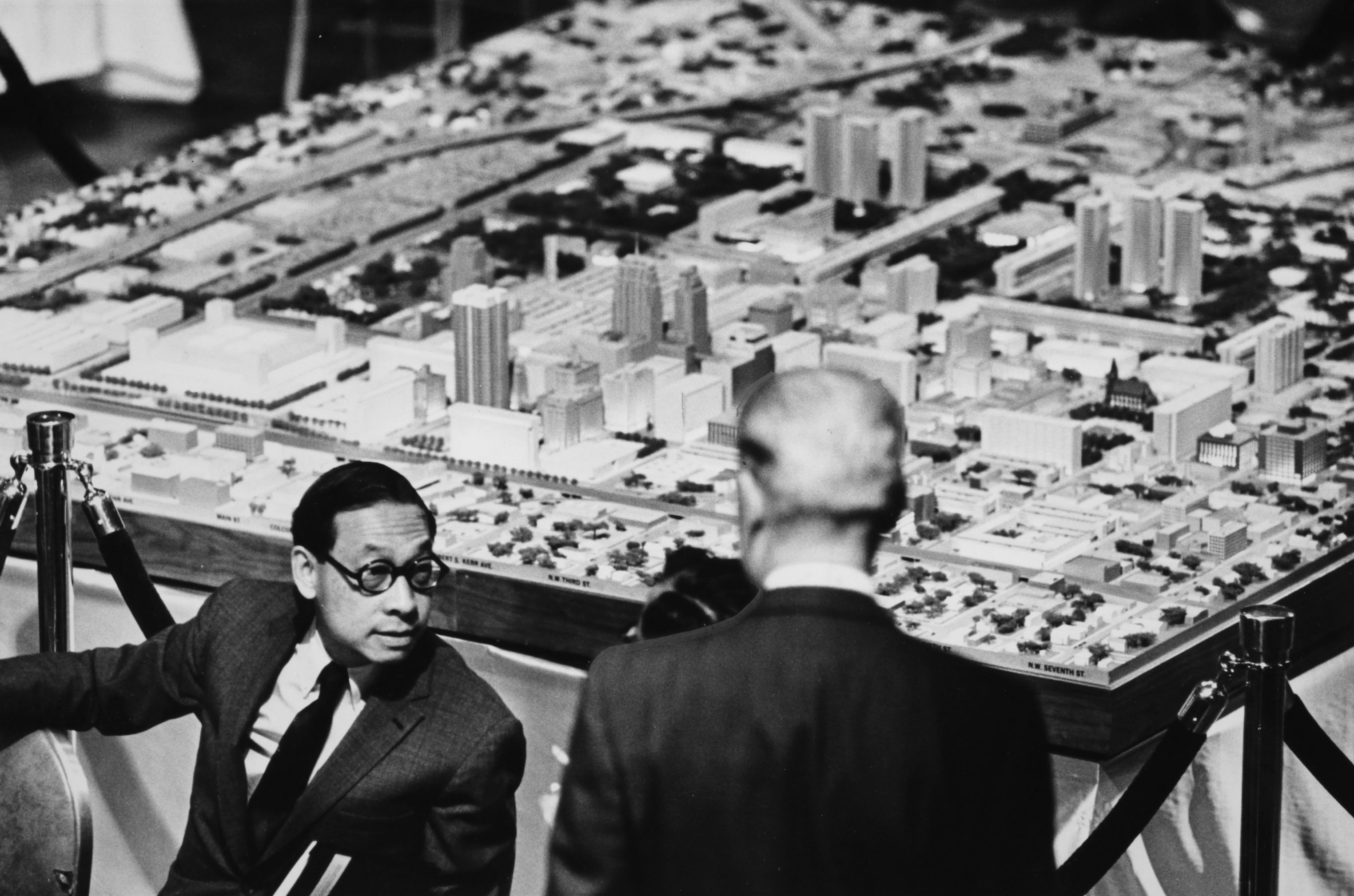
The Pei Plan condemned the urban core’s small lots, street grid, and mosaic of small, aging commercial structures. It called for sweeping much of that away to create superblocks, large public projects, parking facilities, and freeways. The urban blight and street crime of the decaying core and the vision of a convention center, park, reinvigorated retail, and increased housing and parking led city leaders to promote the top-down plan. In 1962, voters approved a $5 million bond issue for a convention center as an early step in remaking downton.
Pei’s plan had four phased projects: Kicker, Boomertown, Federal Square, and Westside Industrial. Project Kicker led off, named after the Kickapoo political party in early Oklahoma City, which had been generally dissatisfied with local affairs and conditions. Kicker called for clearing over 100 acres to build a convention center, the “Oklahoma Tivoli Gardens”, and what came to be called the Galleria, which was to be a new major retail core with built-in parking. Those became The Myriad, Myriad Gardens, and…a wasteland.
The Myriad
Although the city had $5 million in bonds approved for a convention center in 1962, intended for a different location than the later Pei Plan, mayor James Norick had been turned out in 1963. He made a comeback in the 1967 mayoral election, pledging to prioritize completing the convention center while accusing current leaders of “feet-dragging” on that and other projects, including a north-south expressway.
Less than a week after Norick was back in office, the architects presented the council with plans for a 15,000-seat arena, 100,000 square feet of exhibition space, and parking for 1,250 vehicles…at a cost of $20 million. It was time to go back to the voters.
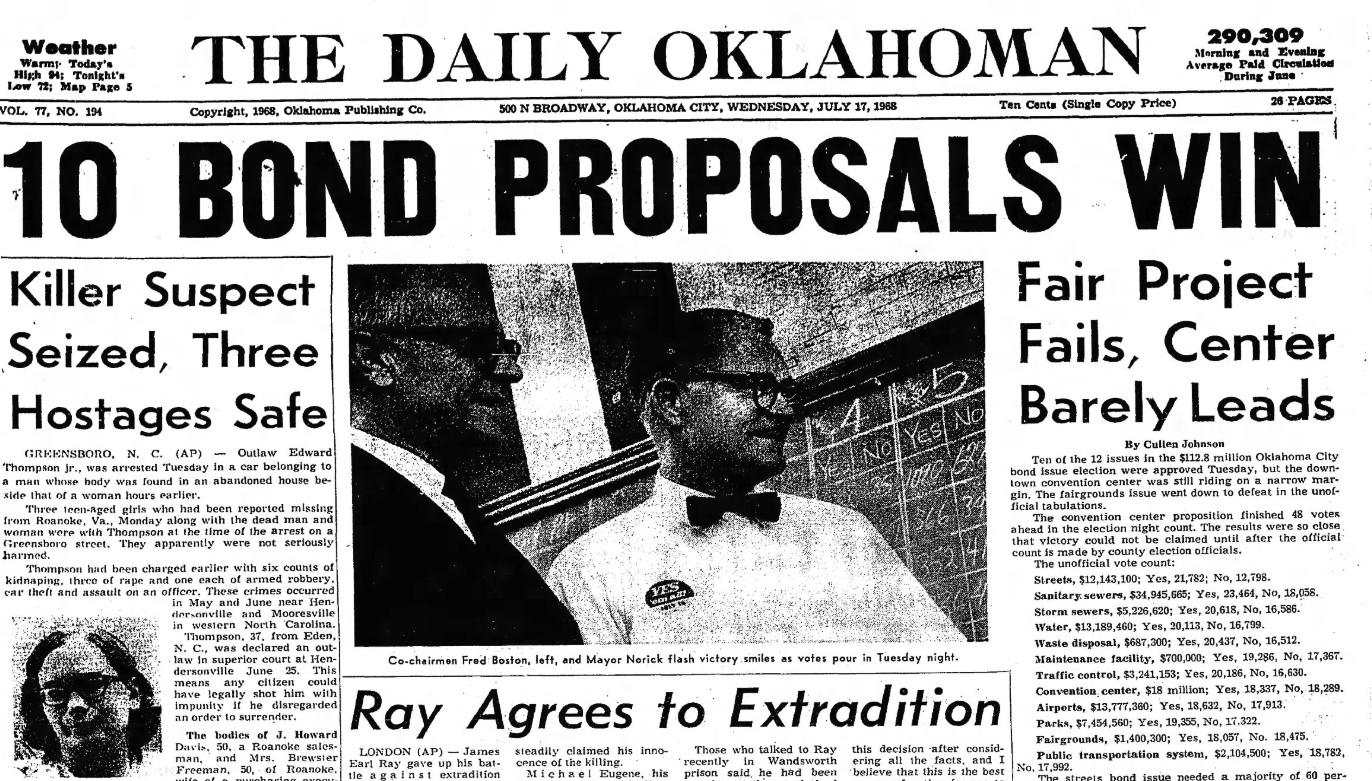
In the summer of 1968, voters considered twelve bond issue questions totaling over $112 million. $18 million for the convention center barely squeaked by with unofficial tallies of 18,337 for and 18,289 against, an approval of 50.007%.
The city busily cleared a four-block area. The first building they demolished was one of the first saloons built in 1892-1893 in what had once been Hell’s Half Acre featuring many saloons, brothels, and pool halls. The Buckhorn Saloon came down in December 1968, by which time the Urban Renewal Authority had purchased 25 of the 68 parcels needed for the convention center.
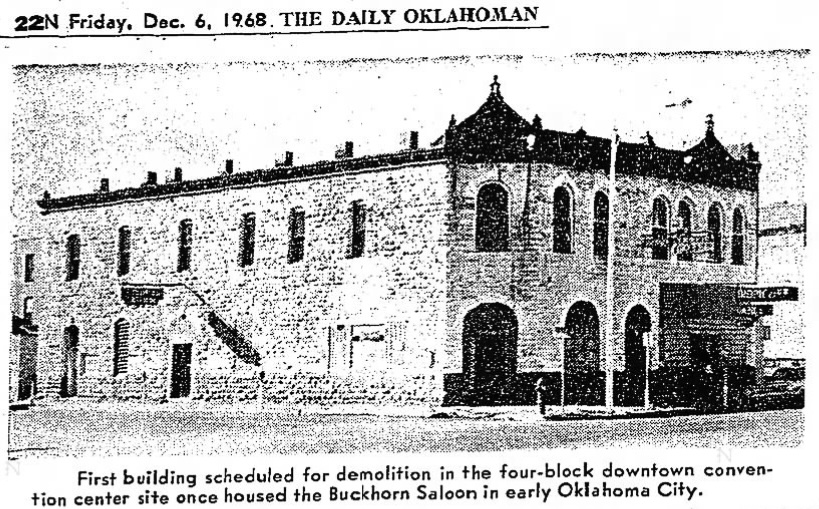

[The Daily Oklahoman, December 6, 1968, Page 22N; “Buckhorn Saloon” by Larry Johnson at https://theclio.com/entry/156638]
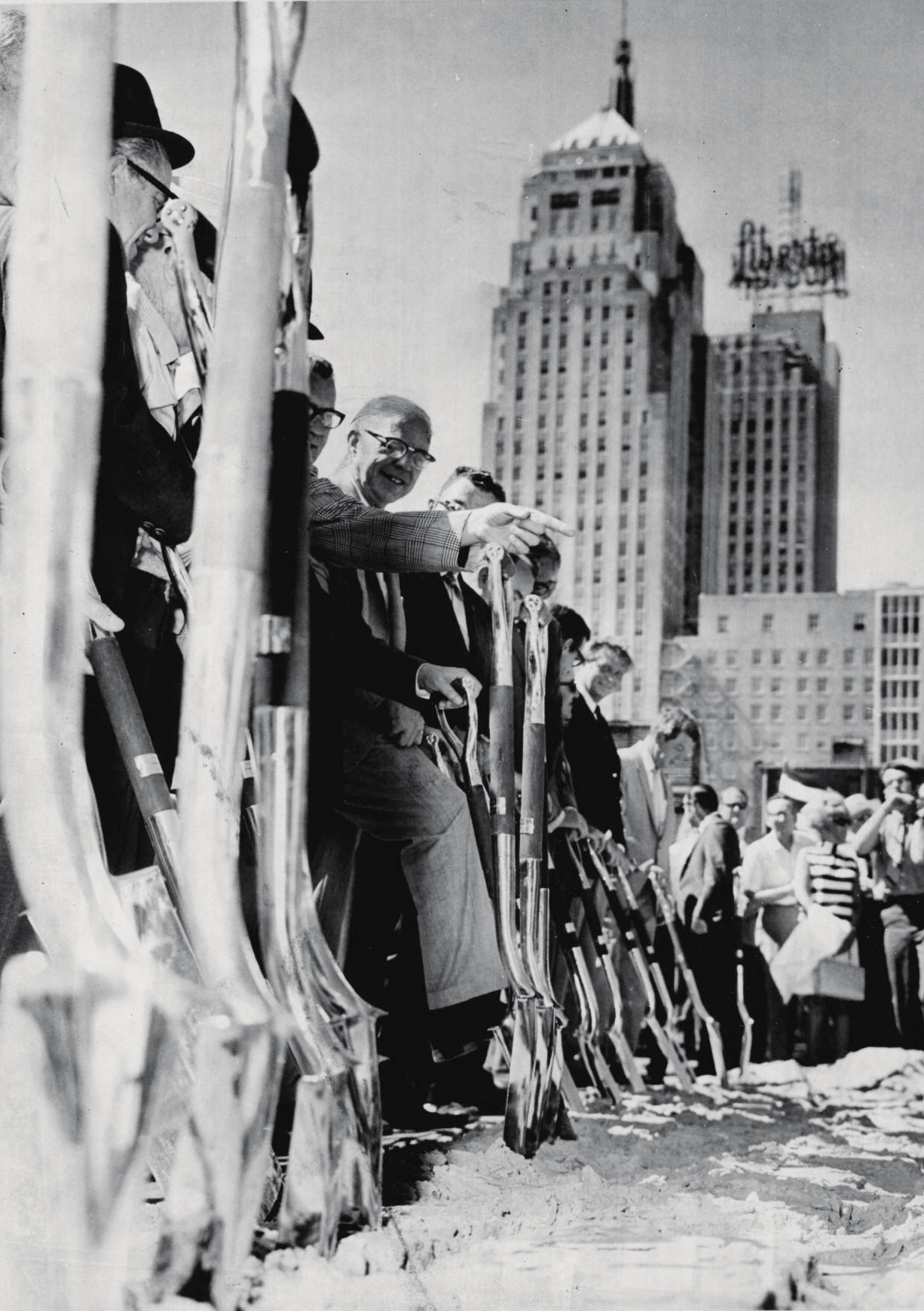
[Photograph by Bob Heaton on July 8, 1969; Source]
In July 1969, officials celebrated the clearing of what had been the center of the original Oklahoma City townsite of 1889, with more than twenty dignitaries posing with chrome-plated shovels to mark the start of the three-year construction project.
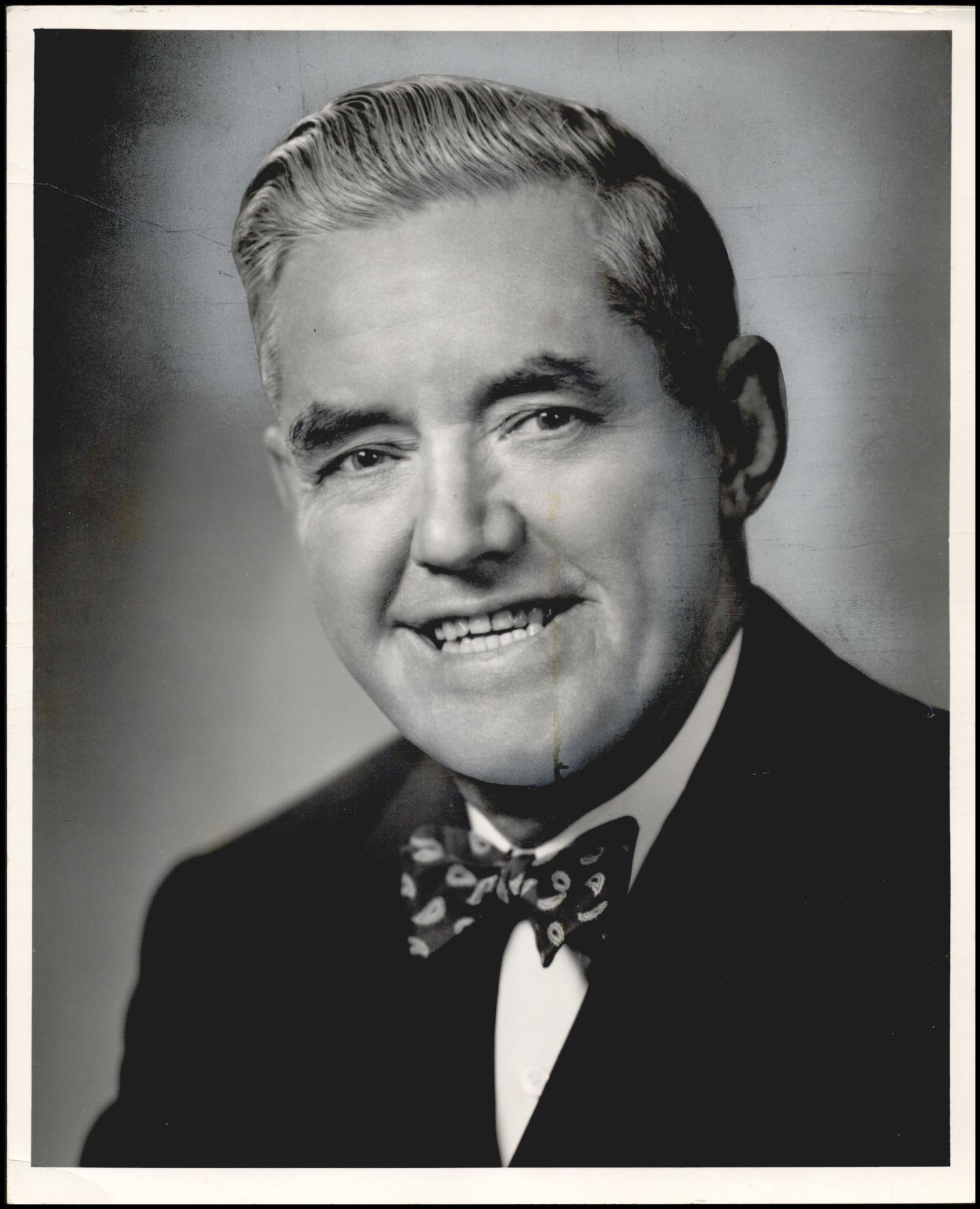
[1955 by Richard Lee Portraits; Source]
The group included the widow of former three-term mayor Allen Morgan Street, who had led the city from 1947 to 1959 and had recently passed away. The brutalist Myriad would make for a strange memorial. Cox Business Services was willing to pony up $1.76 million in funds and services, mostly in the form of high-speed internet, in 2002 to get the facility renamed after itself. The newspaper articles of that time don’t even mention poor Mayor Street. I guess OKC can now claim it is not destroying his memorial — they already dishonored him over 20 years ago.
The Myriad was brutalist in the true sense of the architectural term, not merely for being imposing, presumptive, and unadorned, but for its raw concrete form. It was modern and, more importantly, it was relatively cheap.
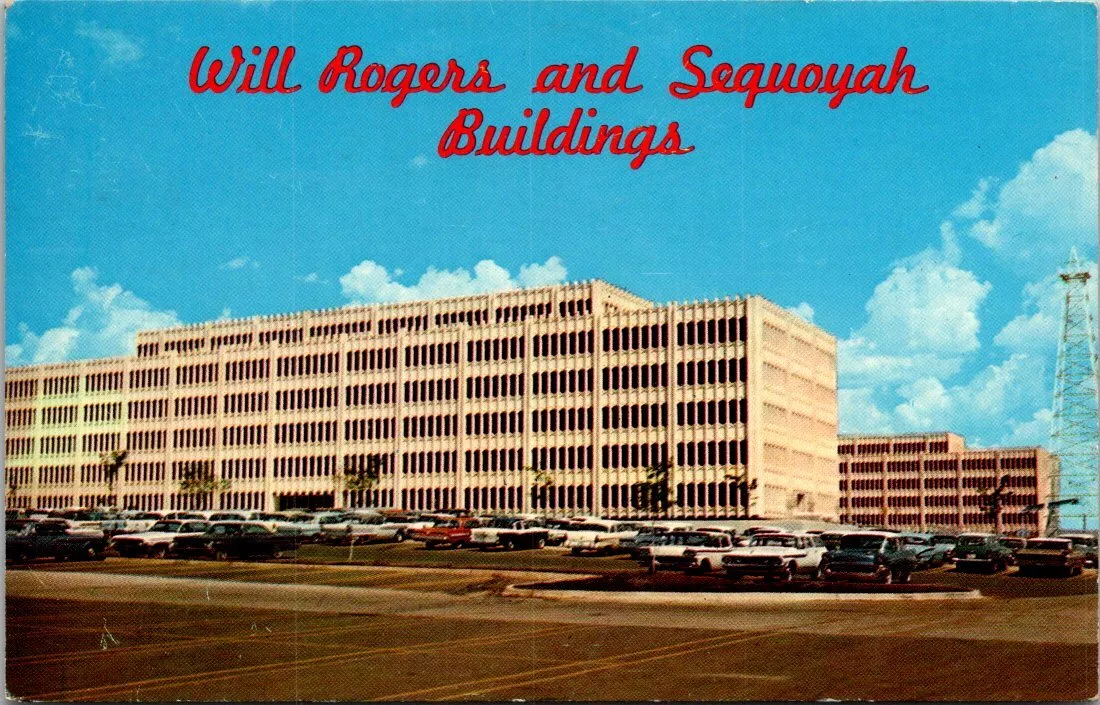
Many might assume that the Myriad was designed by I.M. Pei, but it was actually designed by the local firm of Bozalis, Dickinson, and Roloff, which also designed Oklahoma’s Fountainhead and Arrowhead resorts, the Sequoyah and Will Rogers buildings at the Capitol (I worked in the latter in 1985), the Gold Dome, Leadership Square, and much more.
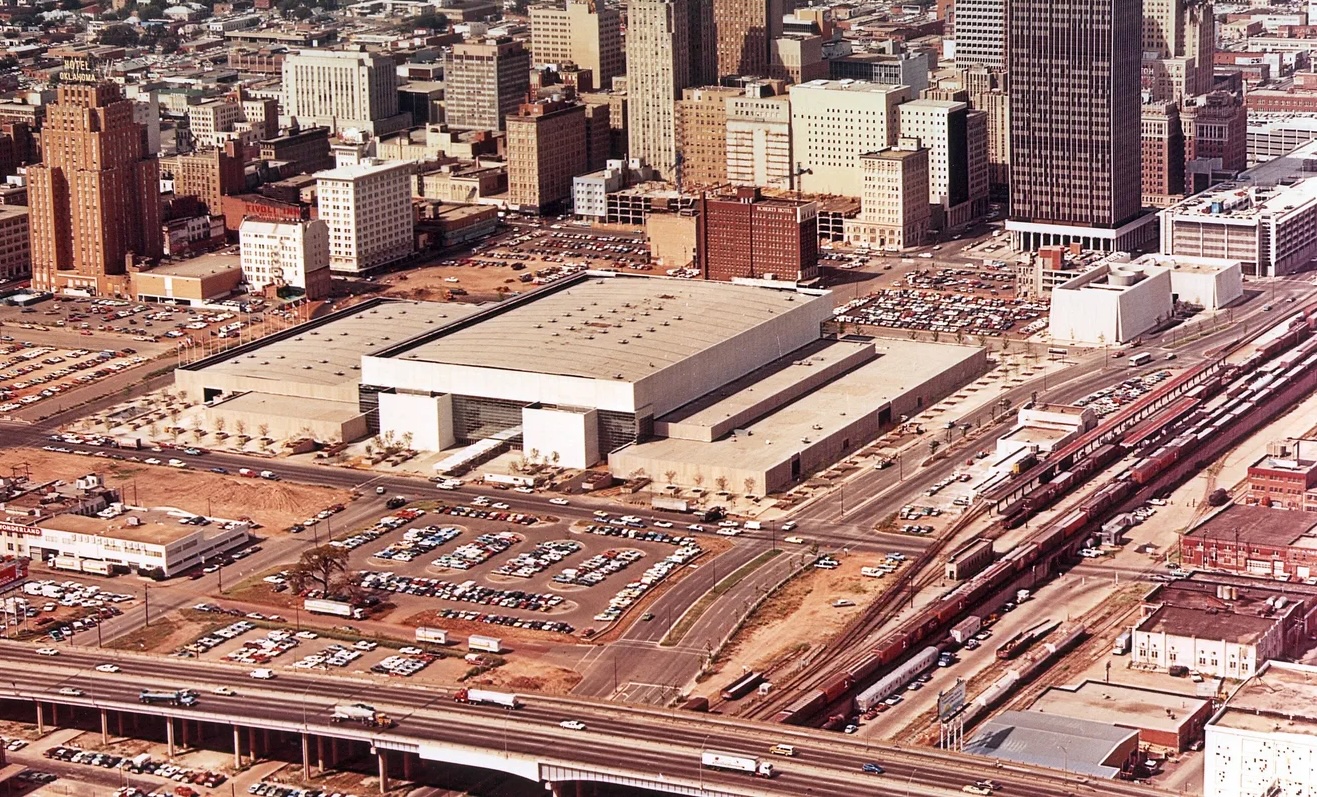
The 1964 aerial view below provides a sense of scale to what was wiped away to make room for The Myriad and later for the Myriad Gardens to the west. As always, click the image for full resolution.
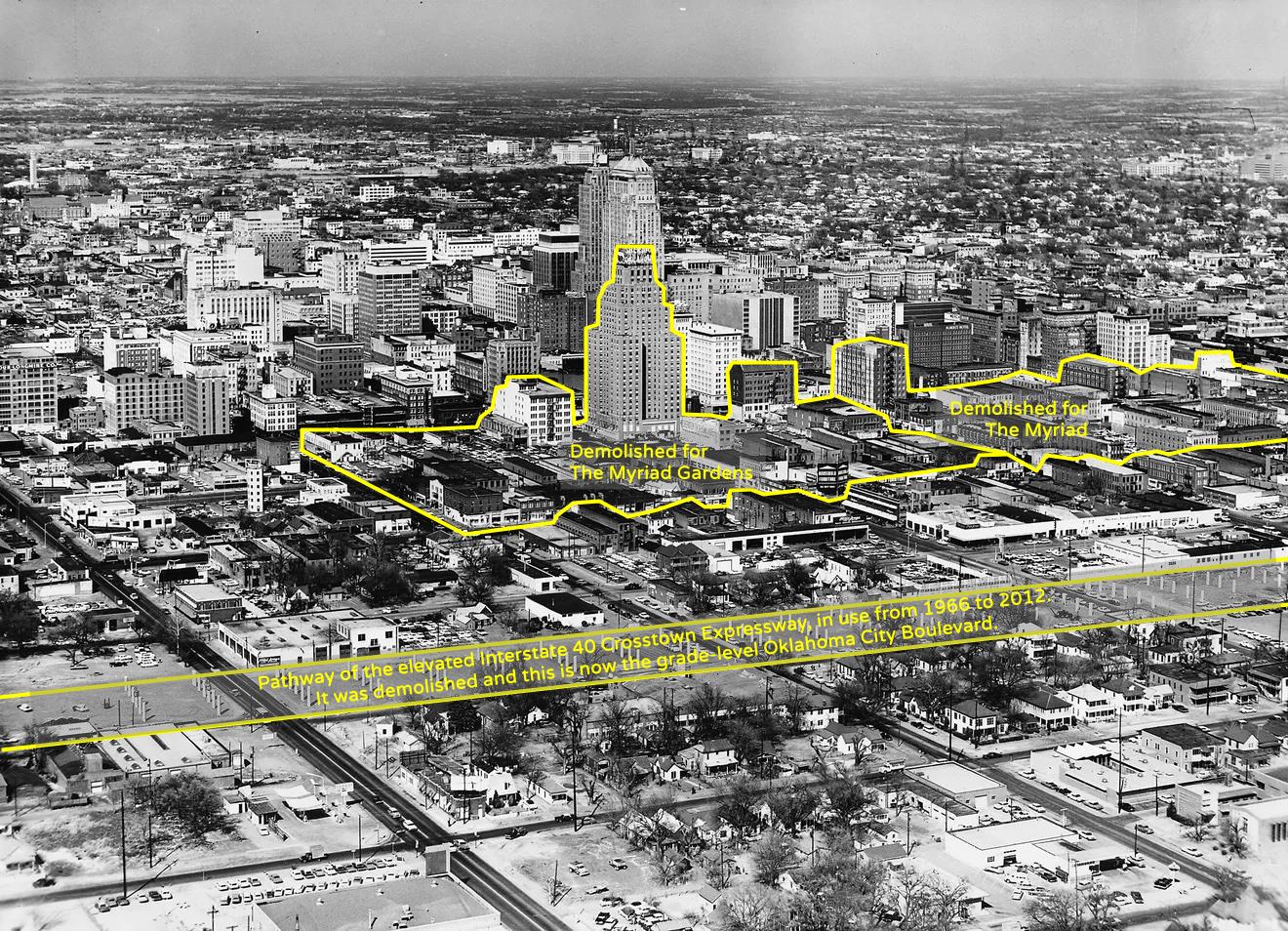
[Original photo taken March 11, 1964 by Jim Lucas; Source]
Four tall buildings lined up along Sheridan Avenue were taken down, one east of Robinson Avenue for The Myriad, and three west of Robinson for its Gardens. By the way, Sheridan Avenue itself was Grand Avenue from 1889 to 1961. The city council sought to rename the street Sheraton Avenue in honor of the Biltmore Hotel being rebranded as a Sheraton. (The Pei Plan called for keeping it, but it would famously undergo a televised explosive demolition in 1977.)
Rival hotel operators objected, so the too-clever council renamed the avenue Sheridan instead, after the Union general in the Civil War. That was egregious given that Sheridan had famously remarked, “the only good Indians I saw were dead” in response to a Comanche chief who introduced himself to the general as a “good Indian” while at Fort Sill.
That stupidity reminds me of Tulsa’s similar imbroglio in 2013, when it renamed Brady Street after too many people objected to a street named after Wyatt “Tate” Brady, who was not only a city founder but also a Ku Klux Klan member who was a volunteer night watchman during the 1921 Tulsa race massacre. They renamed the street “M.B. Brady” after a Civil War photographer with no ties to Tulsa but a convenient last name, and tacked on honorary signs reading ‘Reconciliation Way”.
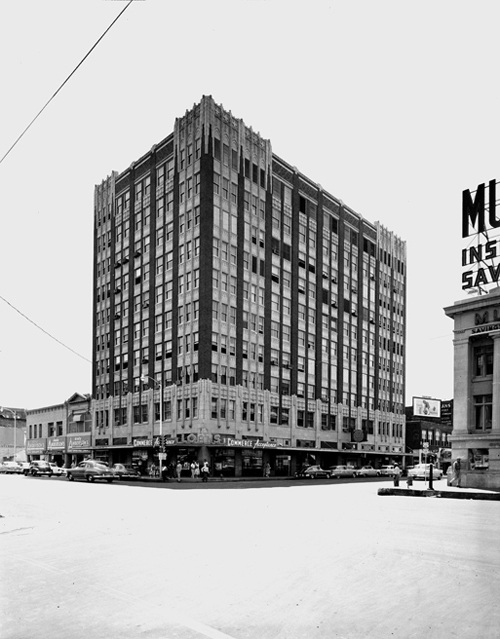
76 buildings housing 88 businesses were reportedly demolished to make room for The Myriad. The tallest was the Commerce Exchange building at the northwest corner of the property. It had been built in the mid-1920s on the site where in 1890 Henry Overholser built his first opera house.
Just south of the Commerce Exchange was once Oklahoma City’s Chinese Underground. In 1969, when the buildings had been condemned for demolition, former mayor George Shirk was tipped off that beneath them was the location of the long-rumored subterranean chambers used by Chinese immigrants before World War II. He discovered large community rooms 25 feet wide with passageways leading to 4′ by 6′ sleeping chambers, a stove, and Chinese writing on some walls. There were levels going down two stories below the basement level.
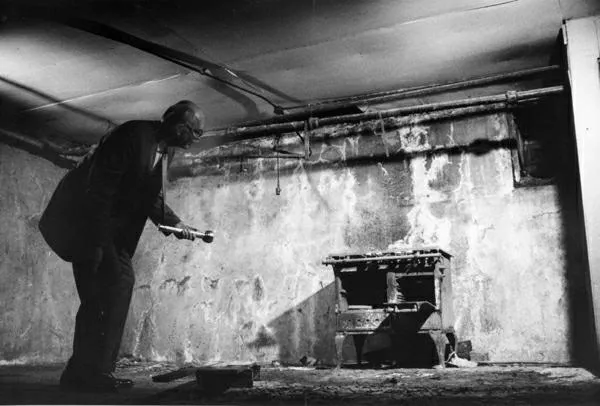
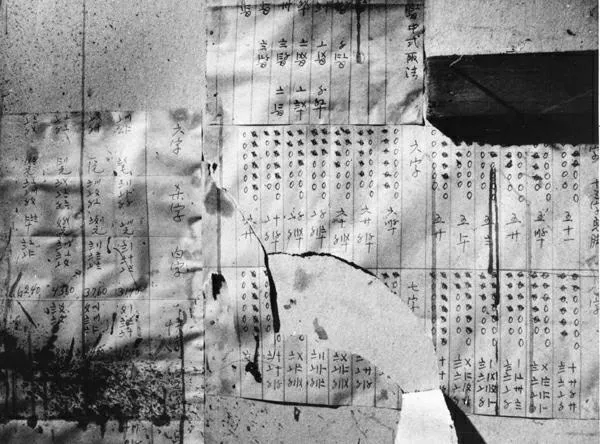
Several of the businesses over the basements had been operated by Chinese persons in the early 20th century, and Li Xiaobing of the University of Central Oklahoma reported that about 100 to 150 Chinese people had lived in the basement complex between 1900 and 1930.
The Myriad was plagued with construction issues. A bad batch of concrete poured into the first 312-foot-long roof truss set off a two-year controversy. Expensive national consultants were called in, and the city council eventually agreed to spend another $167,000 for extra roof bracing plus pay a New York consultant $25,000 plus expenses, and even then the affair dragged on for 18 months in a federal court lawsuit, with engineers never agreeing on whether or not the extra bracing was needed.
The arena seating risers failed when cables broke, exterior mirror glass panels on the north and south exposures broke after installation, and concrete outer walls spalled and concrete floors flaked. The underground parking garage had inadequate ventilation, and a build-up of carbon monoxide required expensive equipment additions as a remedy. Exterior lights didn’t meet city codes and had to be changed. Pedestrian bridges had to be added over the four garage driveways to protect people leaving events.
The roof never collapsed or bowed, but it certainly leaked. A basketball game in 1980 was rained out, inside the Myriad arena, by the massive drips. In 1982, a Fellowship of Christian Athletes banquet was marred by puddles, participants having to hold umbrellas, and having to move the head table to shelter the keynote speaker.
In 2002, the city opened the Ford Center arena, later called the Oklahoma City Arena, Chesapeake Energy Arena, and Paycom Center (but disappointingly never the Allen Morgan Street Arena). Situated directly south of The Myriad, it has over 18,000 seats for basketball, over 15,000 for hockey, and over 16,000 for concerts. That supplanted the 14,000-seat arena in the Myriad. Now, whatever replaces the Myriad will in turn supplant the 2002 arena, and city officials have refused to state any plans for its future, likely because it has none.
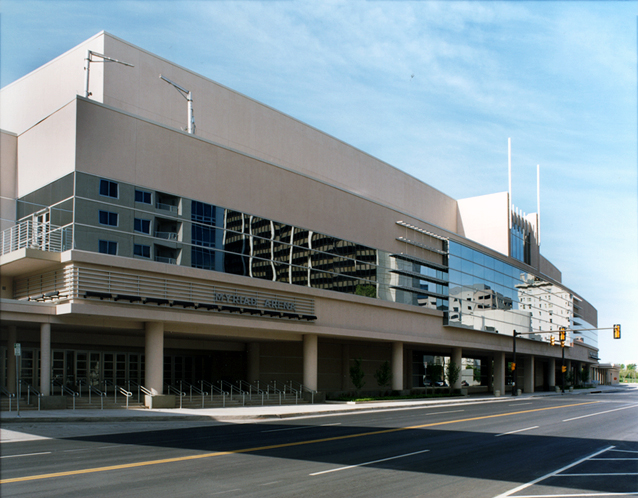
The same project that built the 2002 arena spent $35 million to renovate and expand the 1,000,000 square foot Myriad. That added 105,000 square feet of new facades and entries, a grand staircase, a 25,000 square foot ballroom, 21 meeting rooms, and a sky bridge to a new hotel. Click on the center-right edge of the photo below for a four-photo slideshow; the photos came from GSB, Inc.
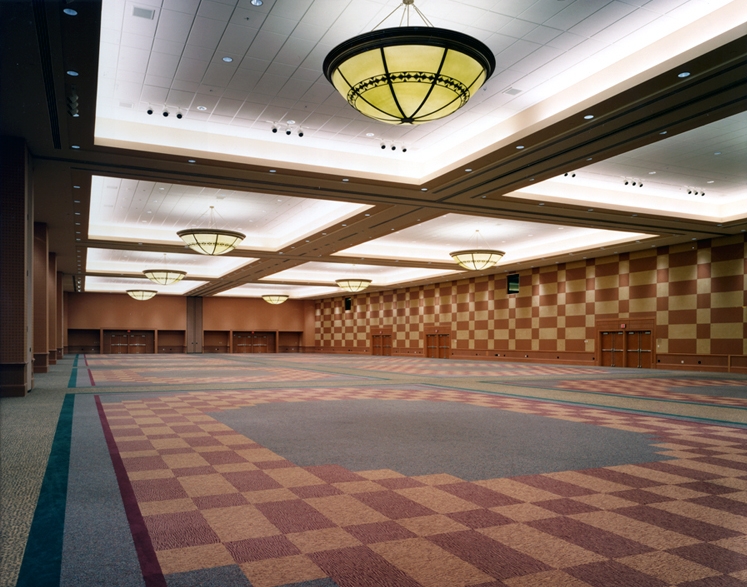
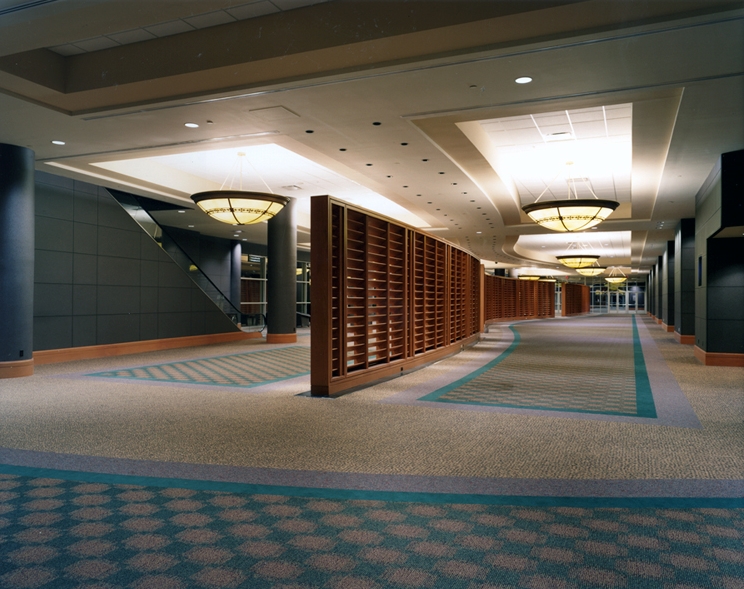
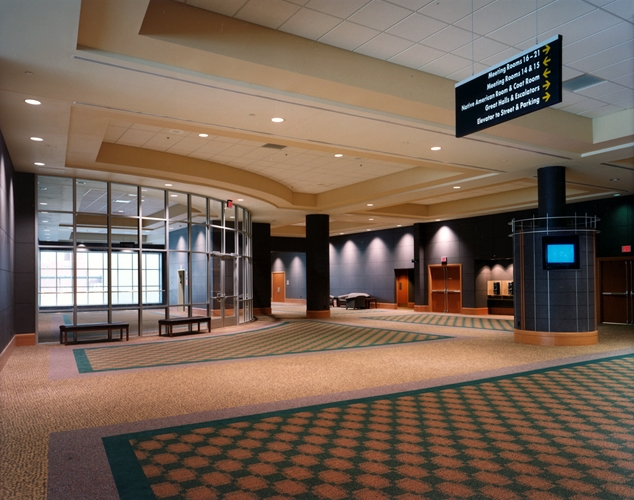
I remember being surprised at a convention, having braved the carbon monoxide to park below The Myriad and entered into its old part, to venture out to the new areas with rich warm finishes that contrasted sharply with the cold brutalist concrete elsewhere. I had been unaware of the renovations, and while they were welcome, the richness of their finishes highlighted the shortcomings of the original building.
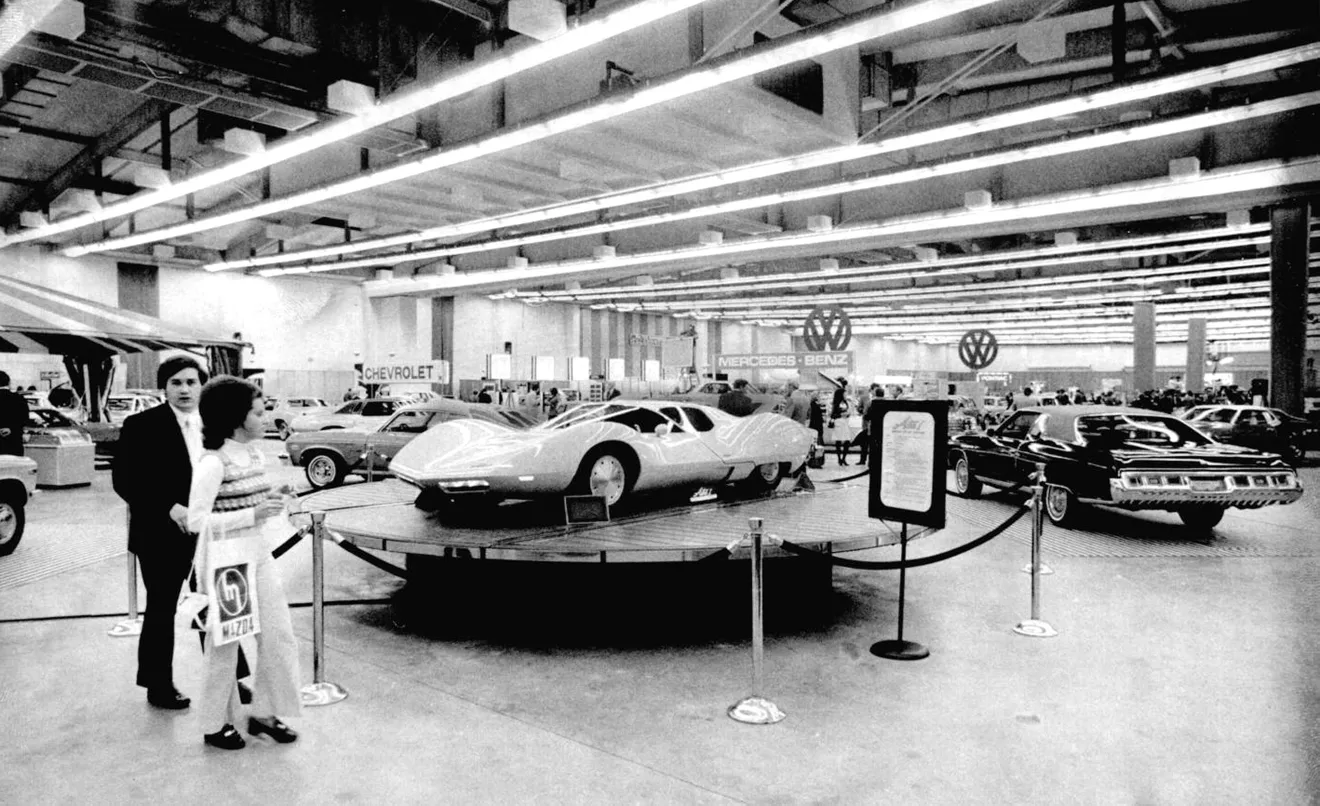
[1972 photo by Don Tullous; Source]
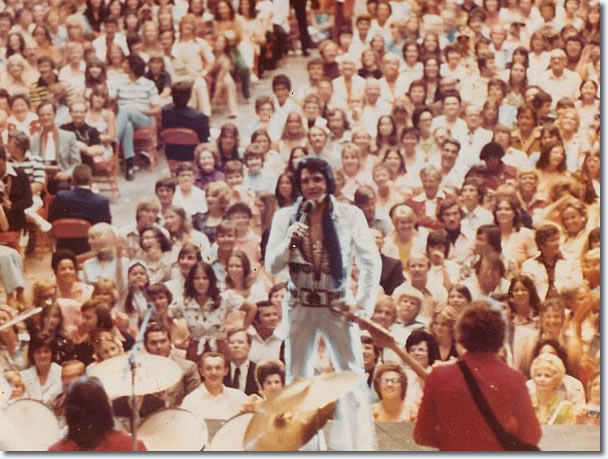
The Myriad’s first concert was a free performance of the New Christy Minstrels with Della Reese. The arena’s first bookings were for a basketball league exhibition game, a roller derby, and a Henry Mancini concert. Elvis performed at The Myriad in 1973, 1975, and 1976. Project Kicker’s first big showpiece was complete, with more phases to come.
Myriad Gardens
The Pei Plan had called for the “Tivoli Gardens” to the west to act as The Myriad’s “front lawn”. A convention center needs hotel rooms, so his plan called for using the existing 26-story Biltmore and shorter Tivoli Inn that fronted along Grand/Sheridan Avenue.
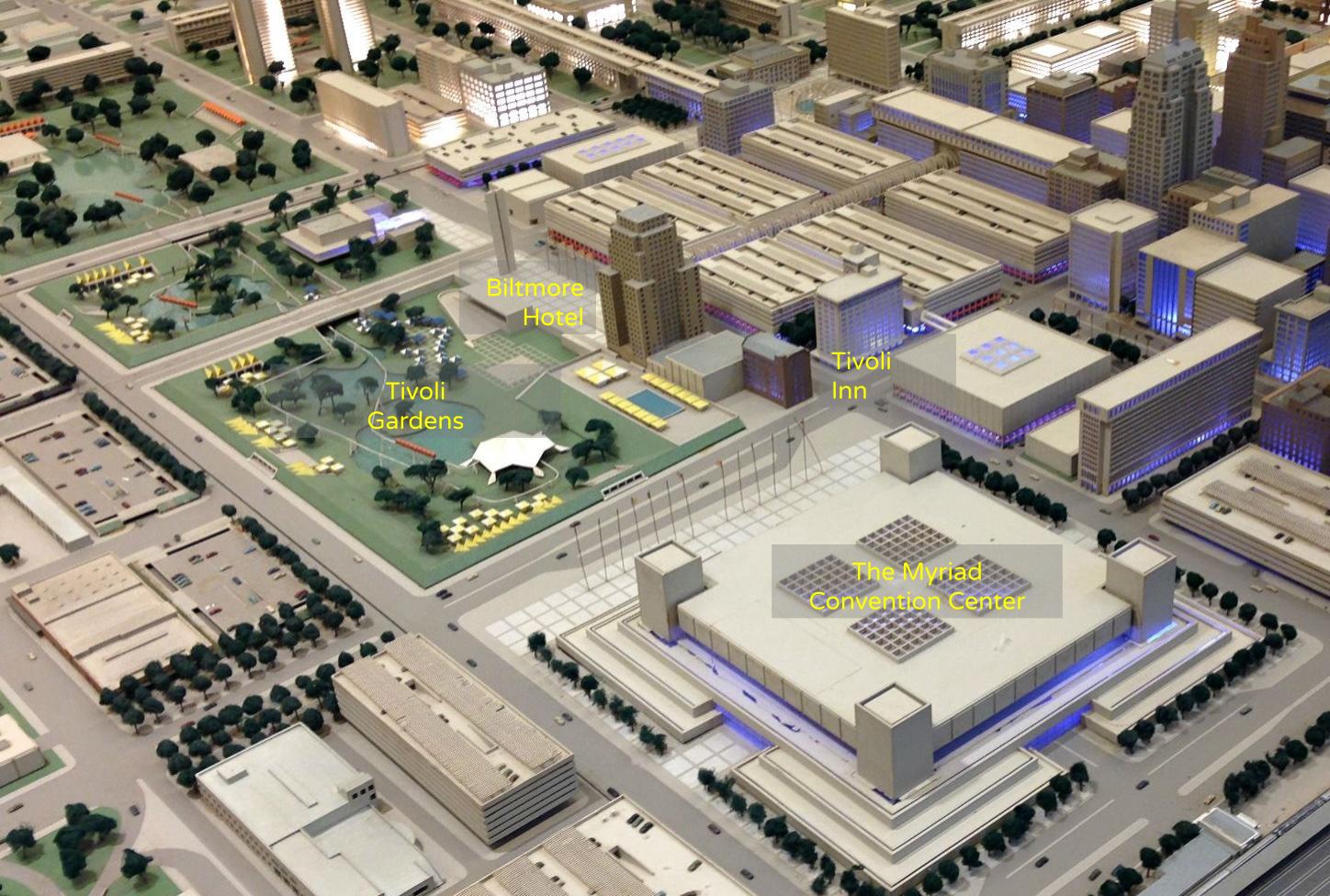
In 1970, the name was officially changed to “Myriad Gardens” and the city began acquiring the 17-acre site in 1975. Neither the Biltmore nor the Tivoli Inn survived.
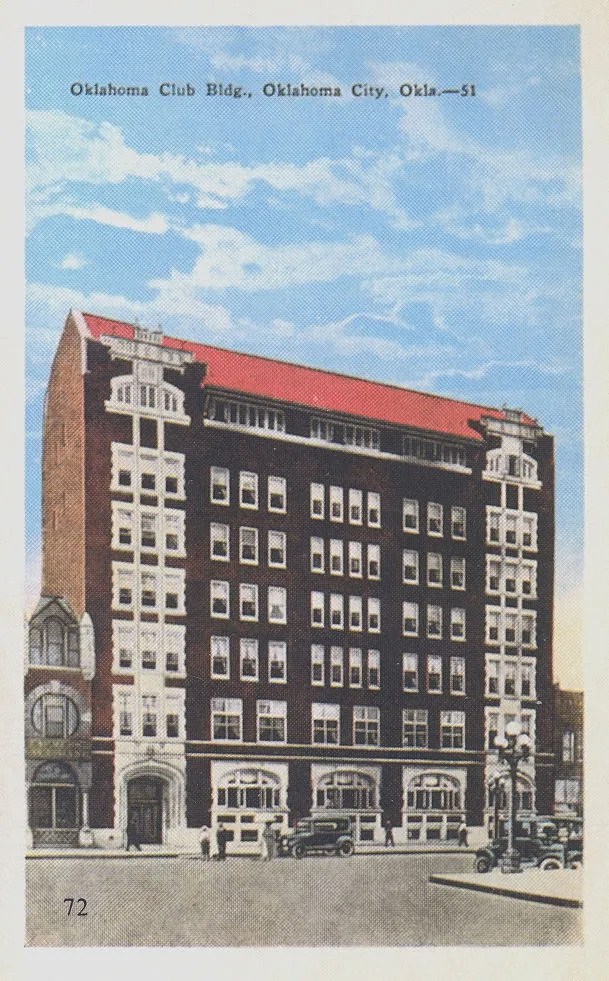
The eight-story Tivoli Inn had been constructed in 1923 as the Oklahoma Club, a men’s social club with dining and club rooms on the lower floors and dormitory rooms above. The Chamber of Commerce once used the basement.
The economically precarious club was foreclosed on in 1960 and became the Tivoli Inn. In August 1979 it finally fell, the last building over two stories tall to be demolished in that era of Urban Renewal.
The Colcord building across the street, the city’s first skyscraper, survived Urban Renewal thanks to Neal Horton, who renovated it. It was an office building from 1910 to 2005, and then it was renovated by Paul Coury into a luxury hotel.
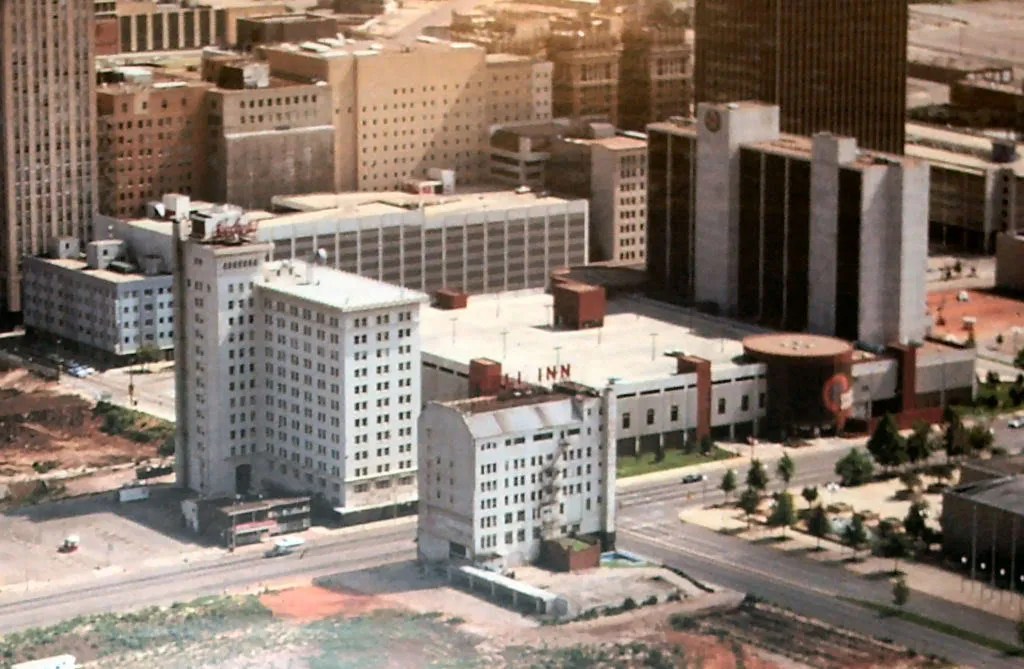
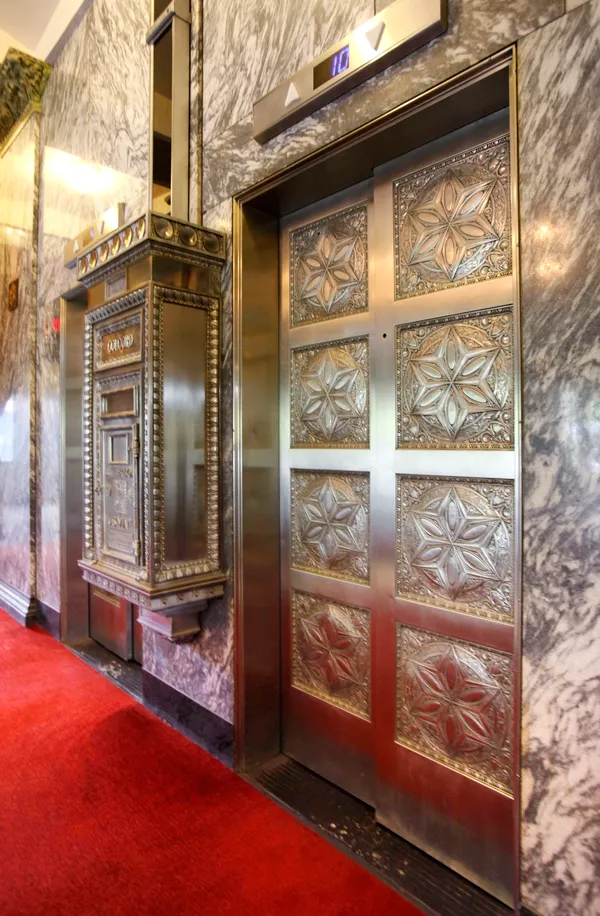
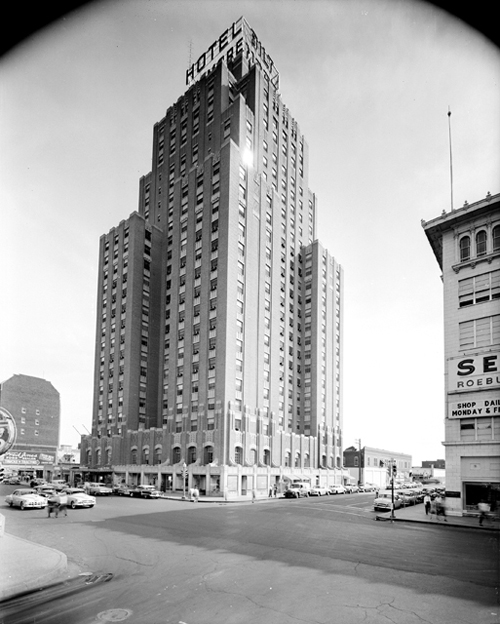
The most famous building to be wiped out for The Myriad Gardens was the 600-room, 26-story Biltmore Hotel. It had been constructed in 1932 and was originally was slated to survive, bolstered by business from the new convention center.
In 1936, the Biltmore had hosted 104 conventions, served 284,604 meals, and had 114,171 guests. It had two lounges, one English-style and the other more modern.
It was at The Biltmore in 1945 that Gene Wade rolled a “hard six” and won the title to Oklahoma City’s famed Cattlemen’s Restaurant from bootlegger Hank Frey.
However, the Biltmore’s initial luxuries included ceiling fans and circulating ice water…it lacked modern air conditioning. The concrete-and-steel structure lacked high ceilings to allow for easier retrofitting with air ducts, so it later sported dozens upon dozens of window units.
In 1961, the Sheraton chain bought it and did over a million dollars in renovations, but the hotel was not profitable and Sheraton vacated it by 1973, investing in a new hotel in the Century Center to be built directly north of The Myriad.
By 1977, the hotel had been stripped of much of its interior, and the city gave up. Its explosive demolition was televised, and the intense publicity helped sour the public on Urban Renewal. People who had attended weddings, proms, and dinners at the Biltmore were dismayed at its destruction.

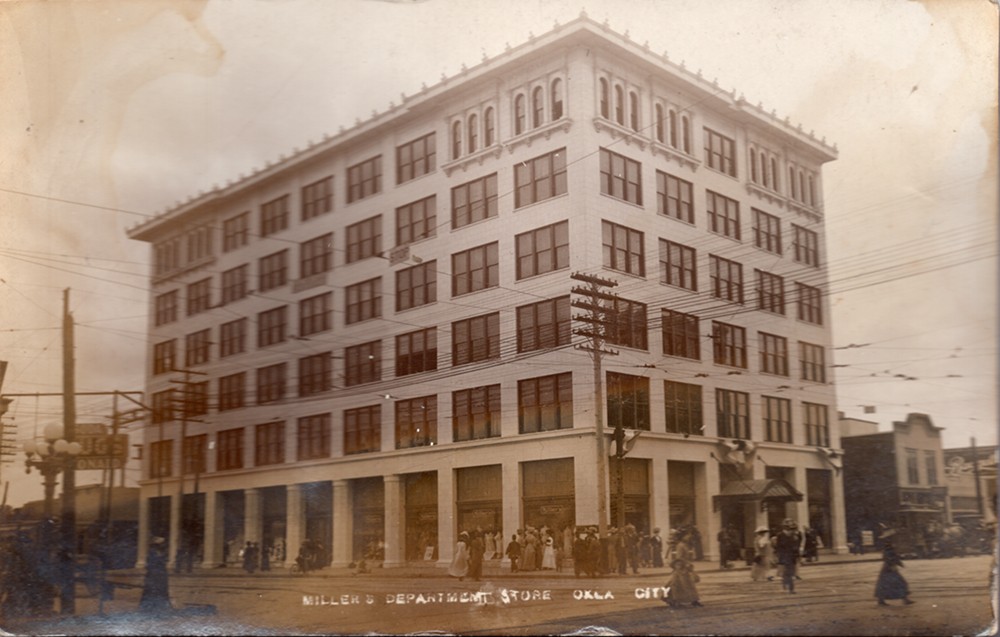
A third tall building along Grand/Sheridan that was sacrificed was known as the Sooner Building at the time. It had been built as the Goodholm Building. That’s the same Goodholm whose house was once featured at the state fairgrounds and was demolished in 2021. His six-story downtown building became the Miller Brothers department store in 1910. In 1916, it was the Grain Exchange where crops were brought to market, and most notably was the home of the city’s first Sears & Roebuck department store, which operated in it from 1929 until 1954.
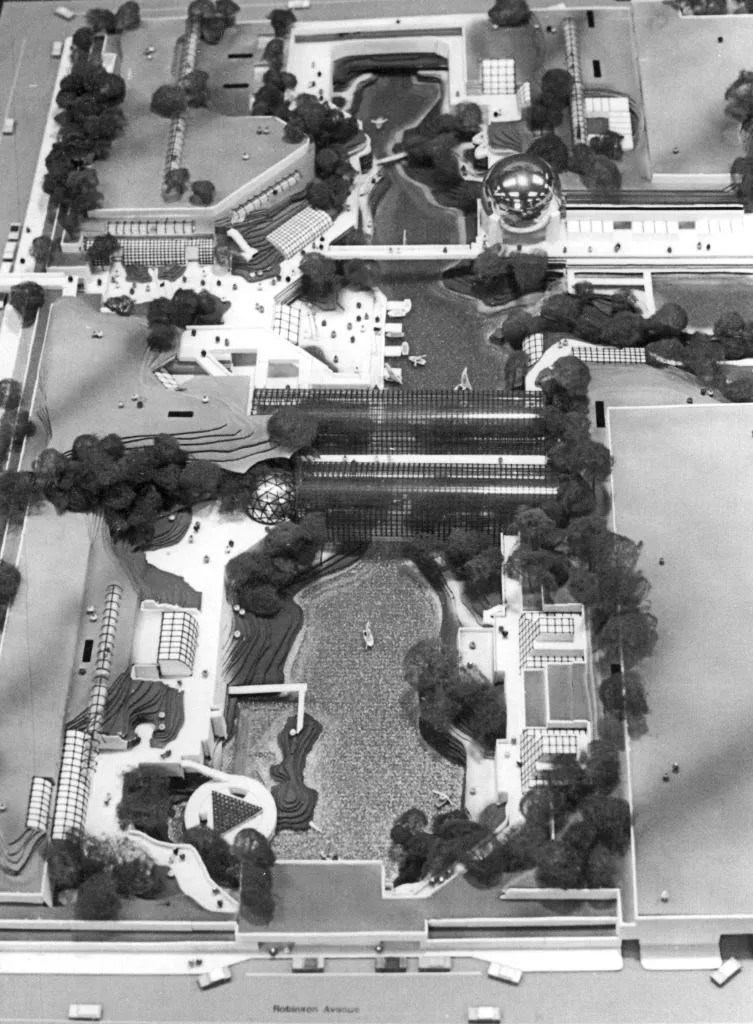
The Garden’s infrastructure was built from 1977 to 1981. I.M. Pei in the 1960s had emphasized having a low-elevation pool to make the space feel special, and another 1960s design model for the “Tivoli Gardens” had included two botanical tubes and an observatory.
The Gardens were indeed built with a lake, fed by an underground channel from the North Canadian River. The aging Dean McGee formed The Myriad Gardens Foundation, a nonprofit to raise private funding. The design was simplified to a single “Crystal Bridge” glass botanical tube conservatory, which was constructed from 1983-1985, followed by plantings within it. The city parks department took over the facility in 1987, and the Crystal Bridge opened in 1988.
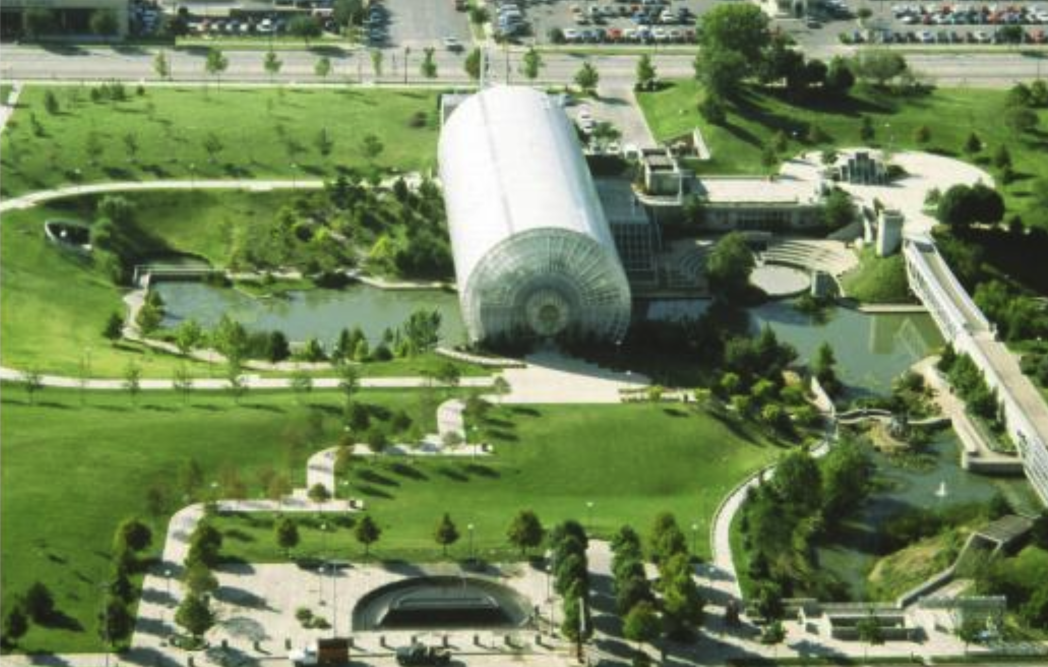
I’d guess that I’ve been through the tube a half-dozen times over the decades, and in 2021-2022 it underwent a complete $11 million renovation of its interior. I haven’t seen that yet, but someday I will revisit the 224-foot-long, 70-foot-diameter tube, with its 3,028 sections of transluscent double-layered acrylic panels and 13,000 square feet of plant display areas. Winter is always an interesting time for a tour of the tube’s tropical wet zone and tropical dry zone.
As you may have already inferred, my antipathy for The Myriad’s architecture is contrasted by my tolerance for the design of its Gardens. It was similarly handicapped by available resources, and I appreciate the honesty in the 2016 video I’ve linked to below, which admits how difficult it was to complete the project and acknowledges its early shortcomings.
Positioned in my home in Bartlesville where I will see it several times a day is a 1986 pen-and-ink and watercolor of downtown Oklahoma City by the renowned Greg Burns. Below is a video clip illustrating how special Greg is.
When I look at Greg’s artwork, my eye is always first drawn to the majestic First National Bank building of 1931, which had the Beacon Club up top and step-backs reminding everyone of the Empire State Building; that was where my late father worked for Cities Service Gas. It eclipses the Ramsey Tower, which seems symbolic. My gaze then drops down and right to the old Colcord building, and finally takes in the end of the botanical tube and the double-decker pedestrian bridge of the Myriad Gardens.
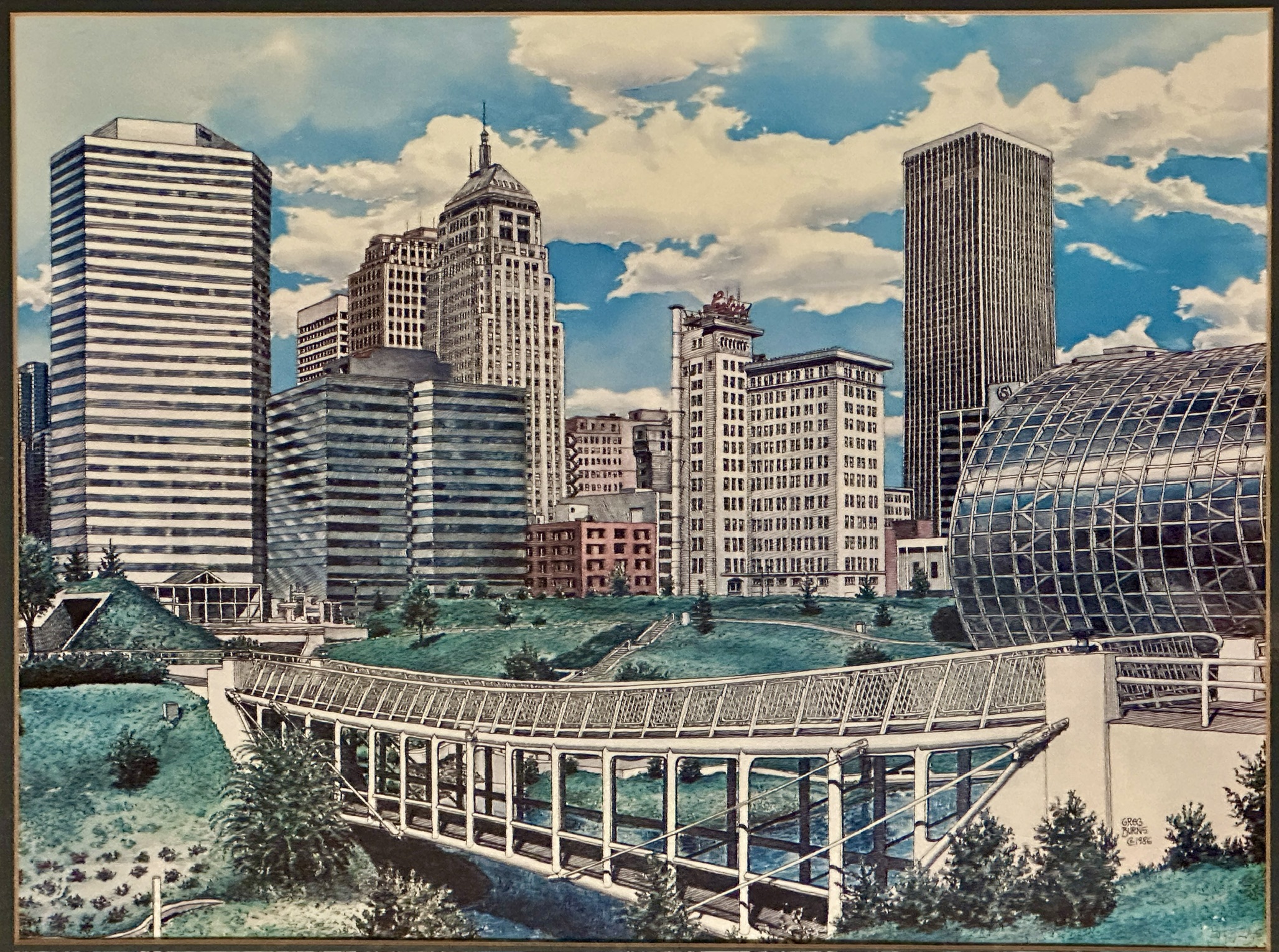
The boring Galleria skyscrapers are on the left and the Myriad Gardens are below. I appreciate how the artwork displays both what survived the 1970s Urban Renewal as well as some of its projects, and I’m grateful that it predates the out-of-scale Devon Tower. If you peer closely, you can see just peeking out past the end of the tube, in front of the columnar slab of Liberty Tower (now BancFirst), the edges of the Sheraton Century Center, including the emblem on the top floor penthouse.
The Century Center
The Sheraton Century Center was a key component of of making the convention center work, as it provided a major adjoining hotel after the Biltmore and Tivoli Inn were judged unsalvageable. It also provided additional downtown parking, something the Pei Plan had correctly stressed. It even made an attempt at retail, but that didn’t last long.
The Century Center was constructed just north of The Myriad in the block west of the new downtown central HVAC plant. Thermal Systems, formed by Charles Ingram, president of Oklahoma Natural Gas, had set up a boiler/chilled water plant at the corner of Sheridan and Broadway in 1970. Now Veolia Energy, it still pipes water to buildings across downtown for climate control.
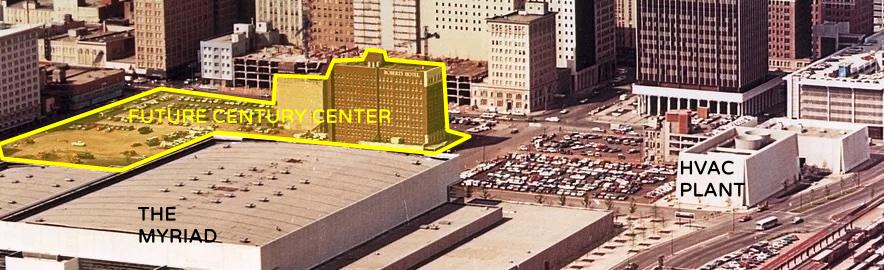
Creating space for the hotel and parking garage required some heavy sacrifices. The first to go was the ornate Baum Building of 1910, which mimicked the Doges Palace of Venice and was likely the most elaborate building in the city. M.J. Baum had been the first dealer in exclusive women’s garments in the southwest. His building, with stone cupolas on all four corners, towers, arched windows, and marble and terra-cotta decorations, had his store on its lower floors with office tenants above.
His building’s great sin to urban planners was how it forced a jog in Robinson Avenue where that intersected Main Street. It had to go to improve traffic flow and begin clearing the Century Center’s superblock, since at the time they still planned to save the Tivoli Inn.
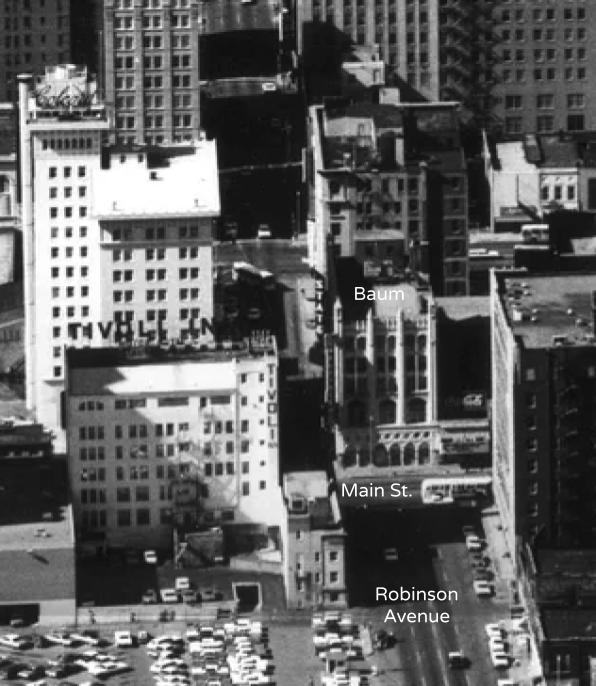
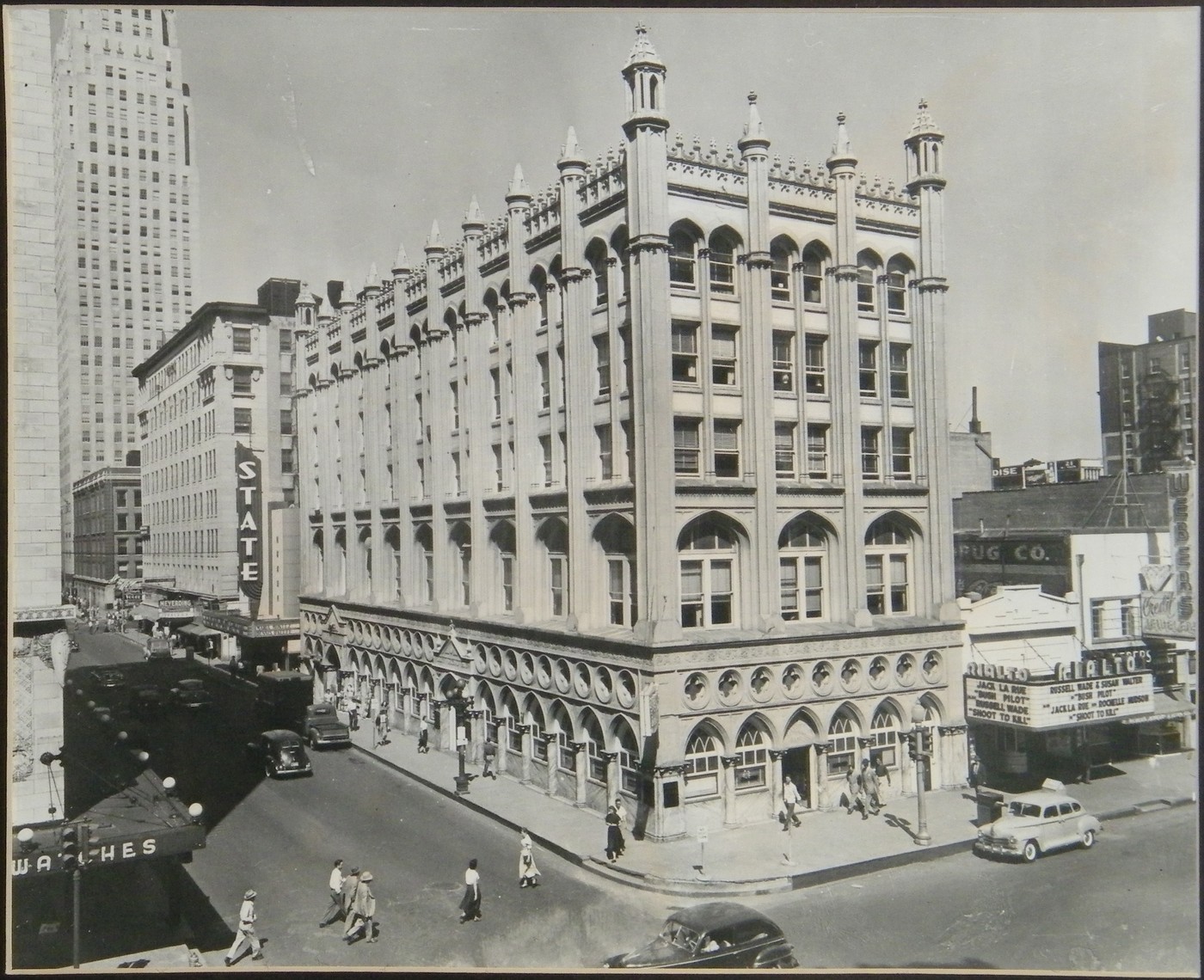
[Excerpt from original 1968 photo by Oklahoman Staff – Source; Baum photo from “Baum Building” by Larry Johnson at https://theclio.com/tour/2308/18]
Two other notable losses to make room for the Century Center were the 10-story Roberts Hotel of 1927 and the beautiful Criterion Theater. The 1900-seat theater had opened in 1921 as a silent film cinema, had screened the first talkie in OKC in 1928, and featured crystal chandeliers, velvet-covered walls, two orchestra pits, and an immense organ. It had been refurbished in 1967, but it was still destroyed in 1973, the last building on its block to make way for the Sheraton Hotel/Century Center. Click on the center-right edge of the photo below for a seven-photo slideshow.
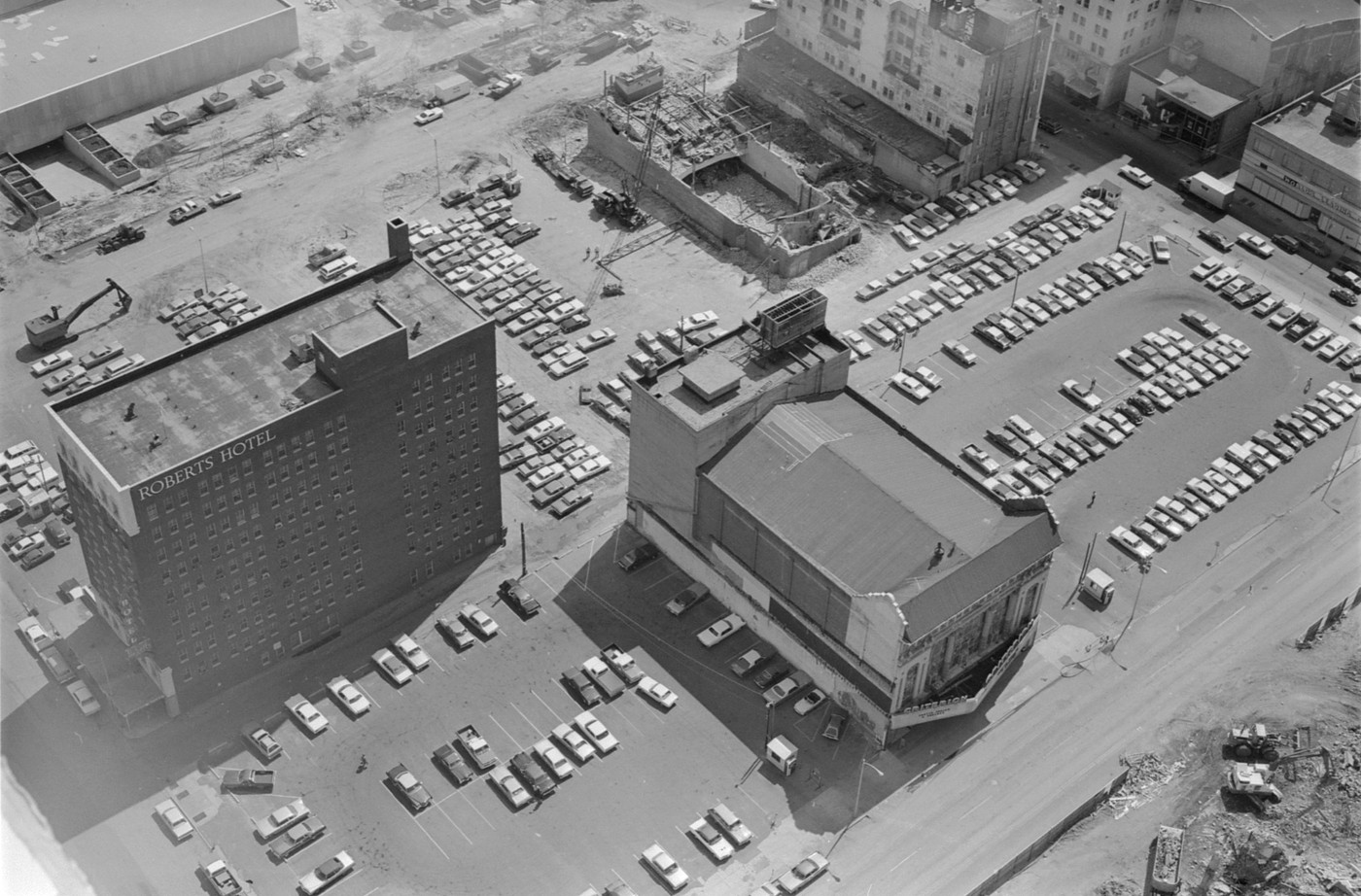
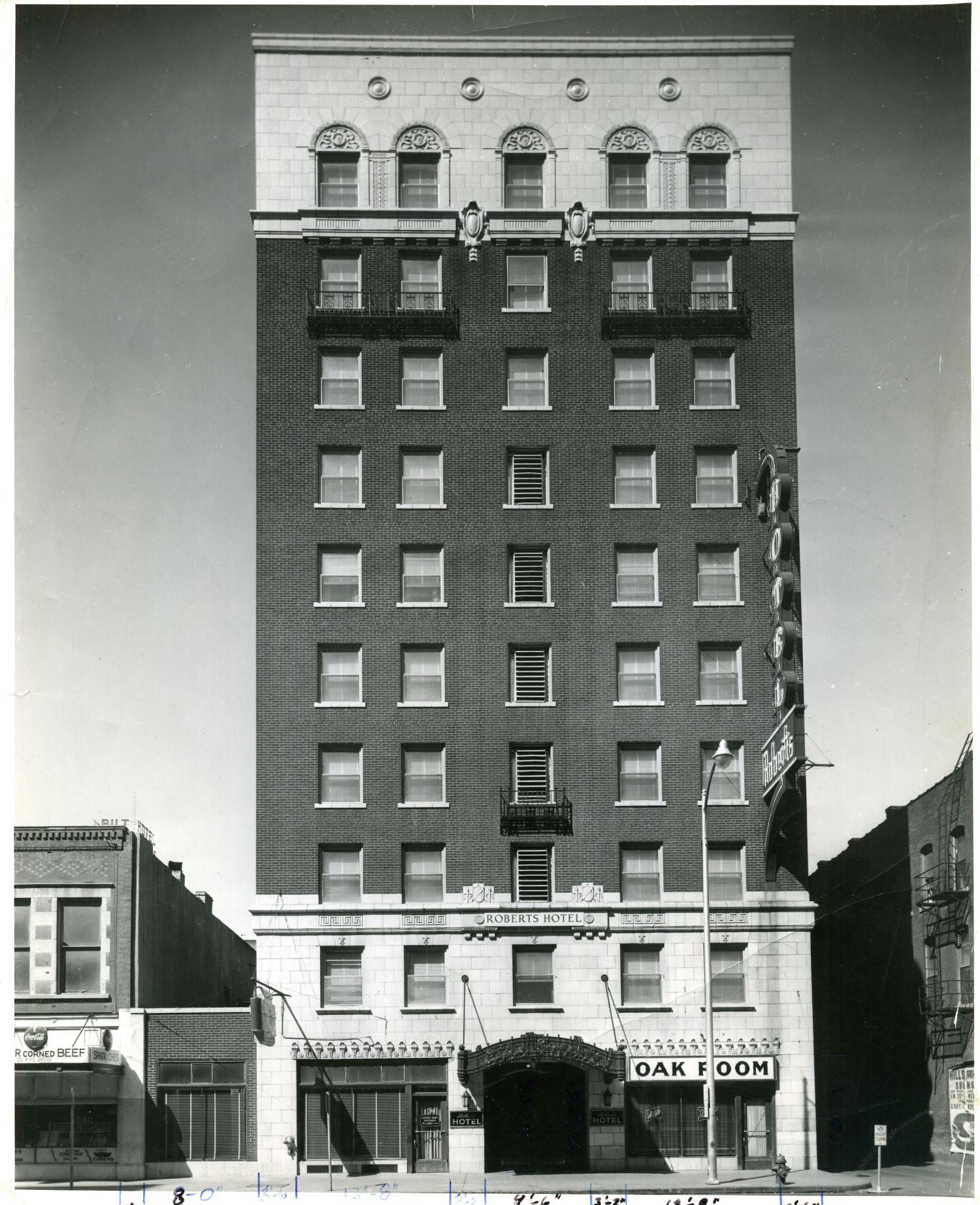
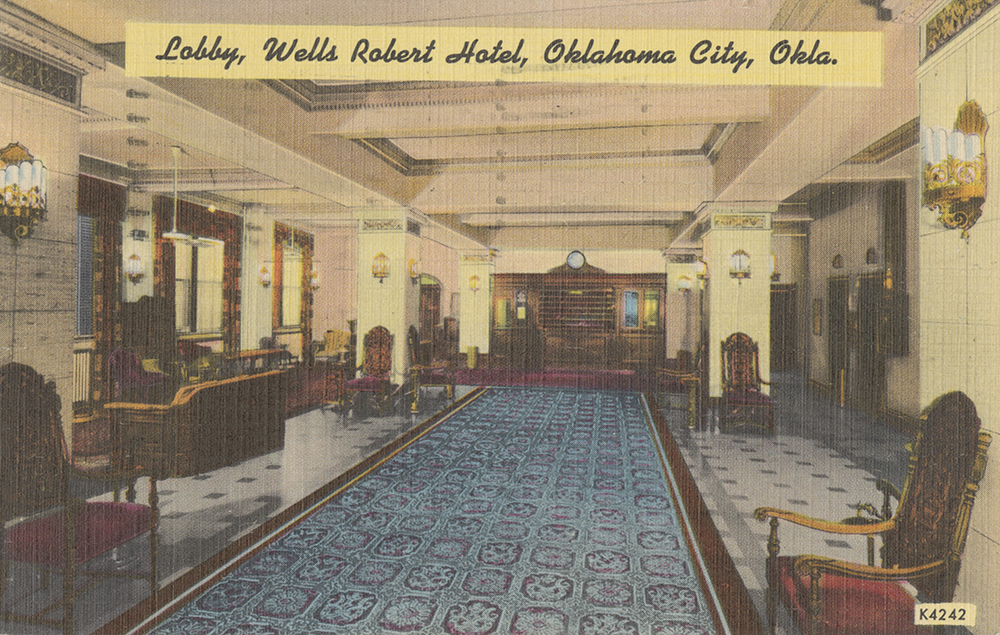
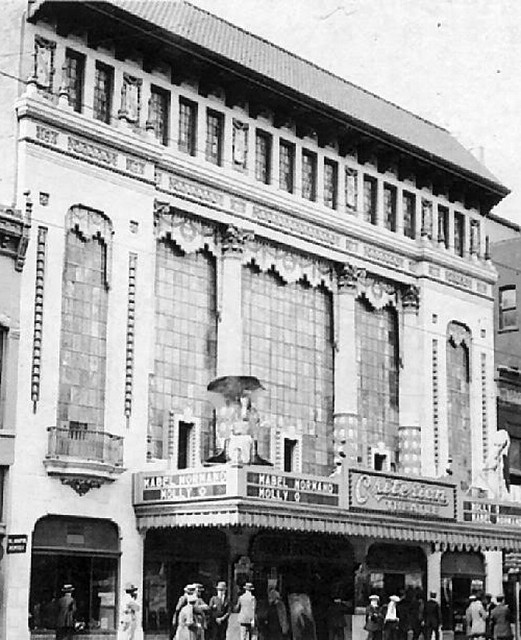
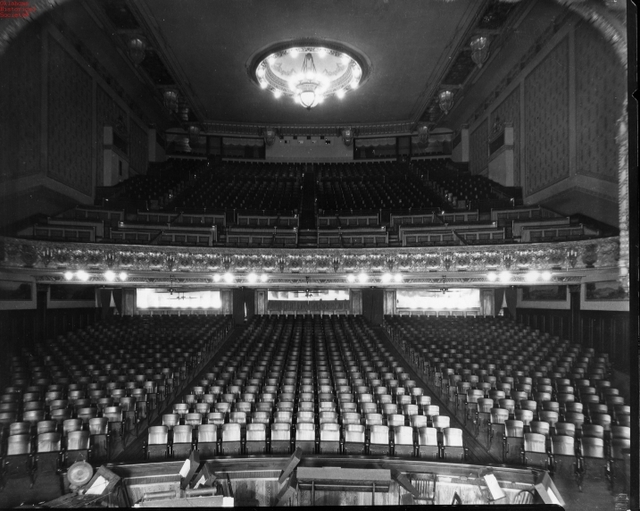
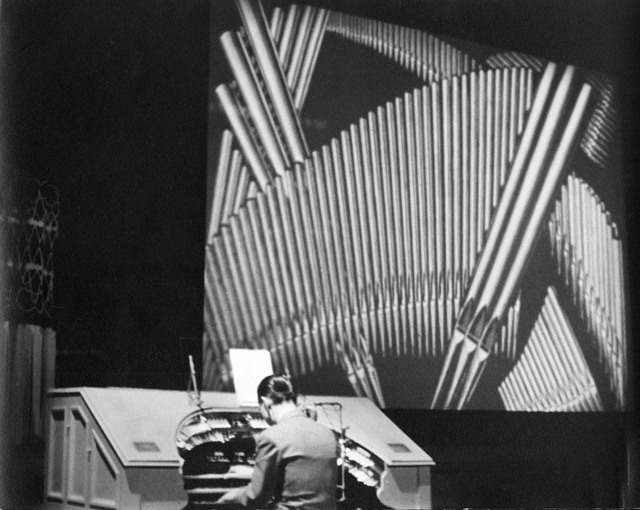
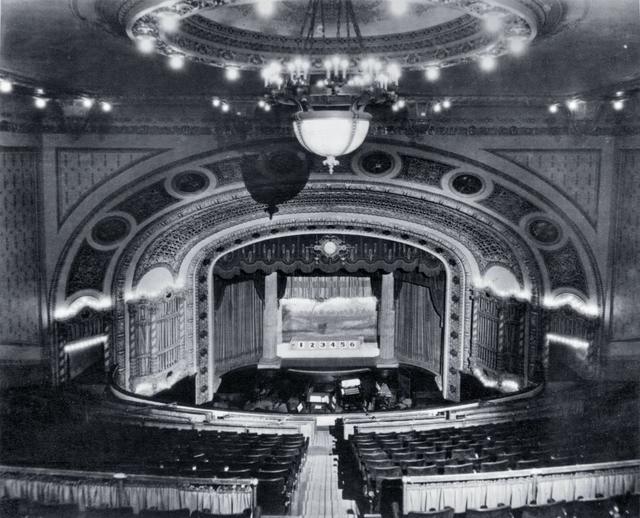
[“Criterion Theater” by Larry Johnson at https://theclio.com/tour/2308/18; Roberts Hotel in 1954 by Meyers Photo Shop – Source; Roberts Hotel postcard – Source; Criterion facade, stage, and organ – Source; Criterion seating – Source]
So what replaced those fabulous old structures? A 400-room Sheraton Hotel with a huge parking garage and failed interior mall.
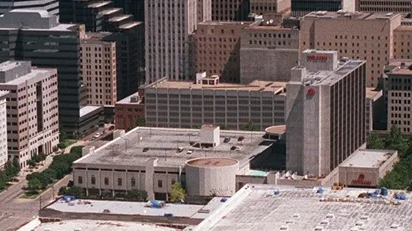
The hotel opened in 1977 and was vital for The Myriad, given how many older hotels had been demolished. By the early 1980s, the 89,000-square-foot Century City Mall incorporated into the structure was home to an F.A.O. Schwartz toy store, newsstand, gift shop, clothing stores, jewelry store, restaurants, fitness center, and offices. But it ignored the street, and the mid-1980s oil bust emptied it out.
You can see views of the empty mall at AbandonedOK. It was eventually purchased and remodeled into 100 W. Main as a new home The Oklahoman newspaper, which then downsized as its circulation shrank, and by 2022 it was also home for Griffin Communications News 9 and the nonprofit Oklahoma Watch.
When I was a kid visiting my father’s office in the First National Building or my mother when she was working at the reskinned Skirvin Tower, my parents sometimes parked in the 779-space parking garage, with me marveling at the spiral car ramps. However, the last time I attended a convention at The Myriad, I parked over at the Santa Fe garage and took skywalks through the Renaissance hotel (now the Grand Wyndham) and on to the convention center. So I haven’t been in the Century Center in a long time.
The Galleria Ghost
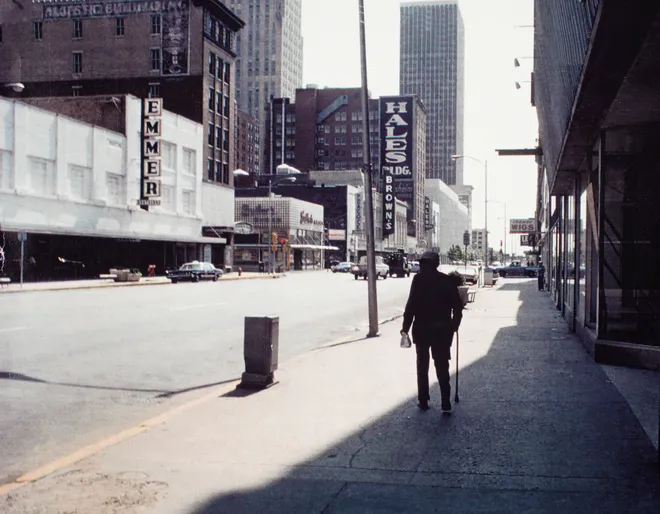
The Metropolitan Library System’s Urban Renewal tour notes that Main Street between Robinson and Hudson once featured downtown’s three major department stores: Brown’s, Kerr’s, and Halliburton’s. It also shares that at its height in the 1950s, an observer quipped that on Main Street, “You can buy anything but a car or a boat.”
I appreciate Larry Johnson’s take that, contrary to popular belief, Urban Renewal did not kill Main Street retail, although it certainly destroyed the street and most of its buildings. Johnson points out that consumers were the ones who killed the retail businesses by prioritizing close parking and locations in suburbia. Nowdays, consumers like me are killing off stores everywhere by prioritizing online purchases and home delivery.
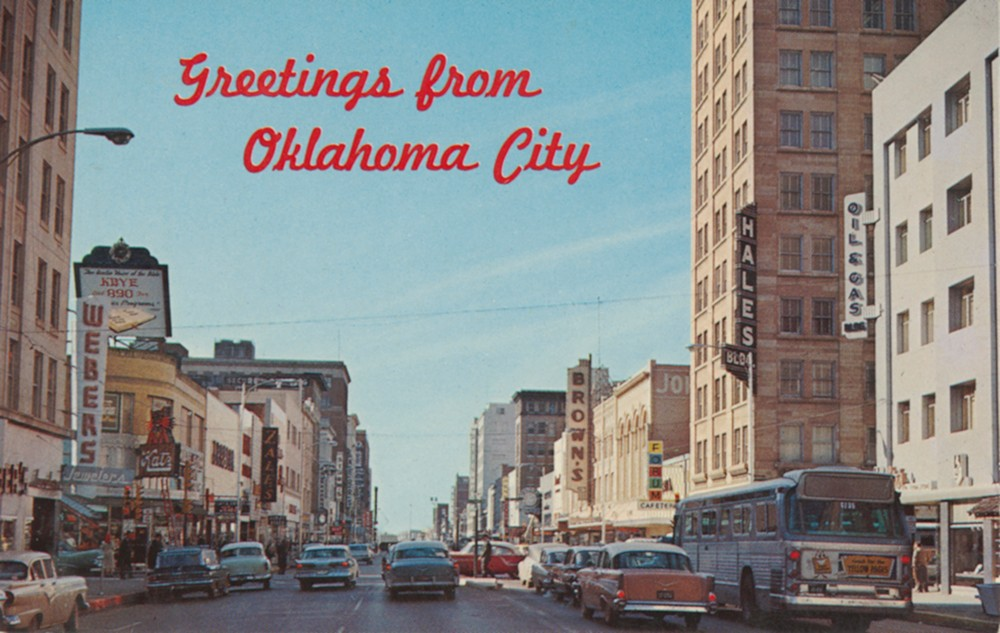
The fading of retail along Main Street was to be addressed by demolishing most of the area, creating a superblock for a mixed-use Galleria development. Pei’s plan hoped to recreate a community that worked, shopped, and lived downtown with big features drawing in folks from suburbia.
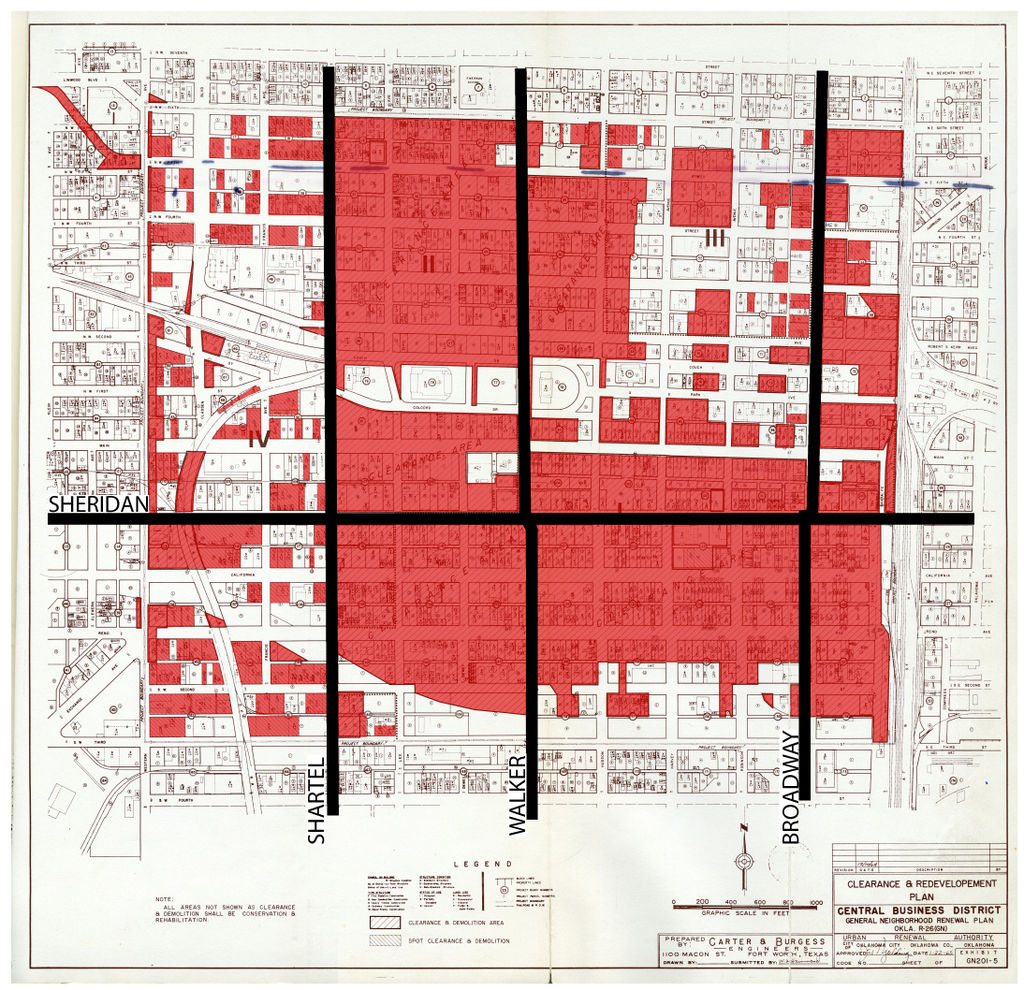
Click the 1970 aerial view below to see my overlays for the areas that were cleared. We’ve already covered The Myriad, its Gardens, and the Century Center. I shall conclude with the great failure: the largely unfinished Galleria.
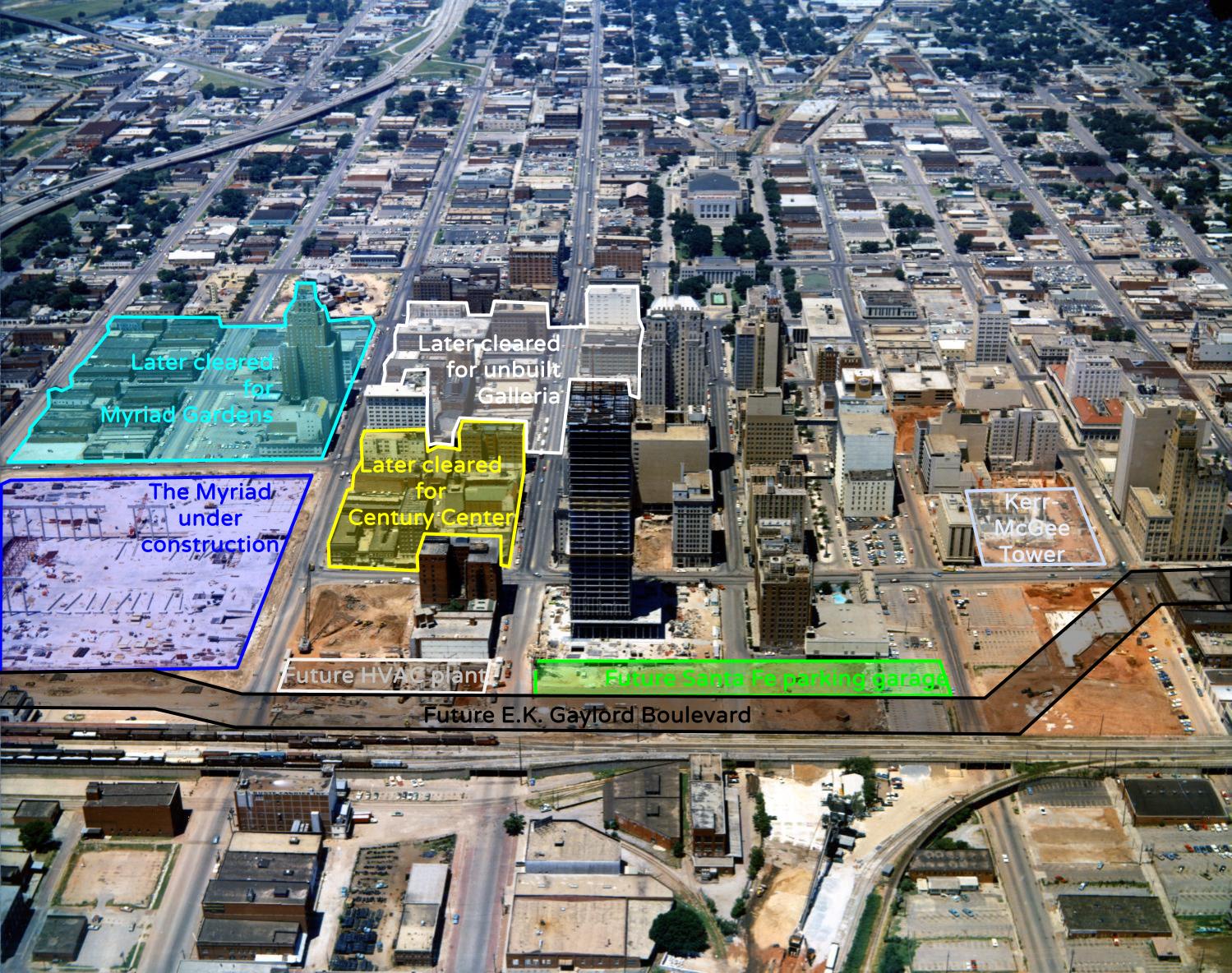
Larry Johnson has noted how the beloved retailer John A. Brown’s complicated the redevelopment of the Galleria blocks, as it had spread weblike into multiple buildings and refused to move or sell until 1974 when its branch at Crossroads Mall could open; it had already opened a branch at Penn Square Mall. Click on the center-right edge of the photo below for a four-photo slideshow.
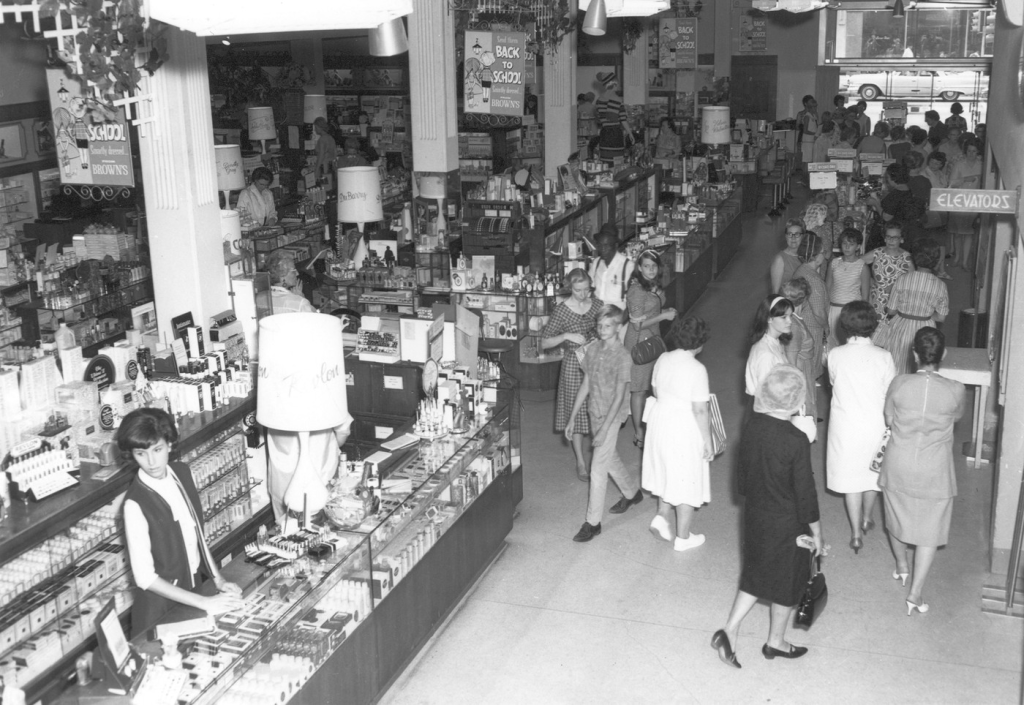
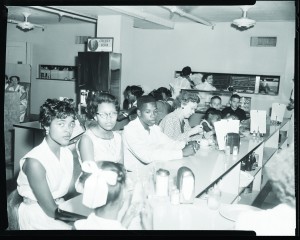
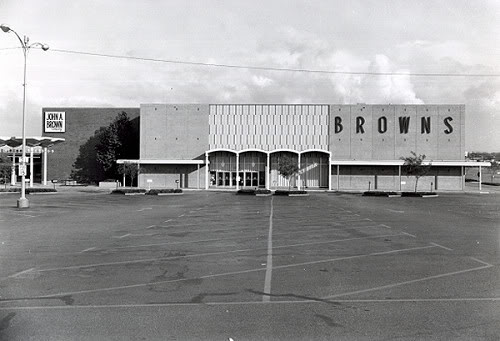
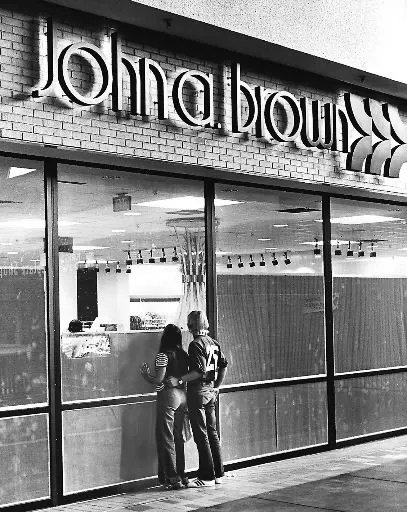
[1960 interior – Source; Sit in – Source; Penn Square exterior – Source; Crossroads exterior – Source]
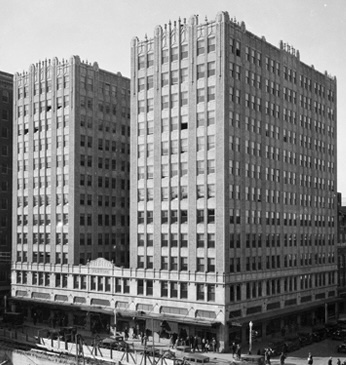
Then the blocks were cleared, sparing only the 1910 Colcord skyscraper and the 1927 Perrine building, known then as the Cravens building, and today as the Robinson Renaissance.
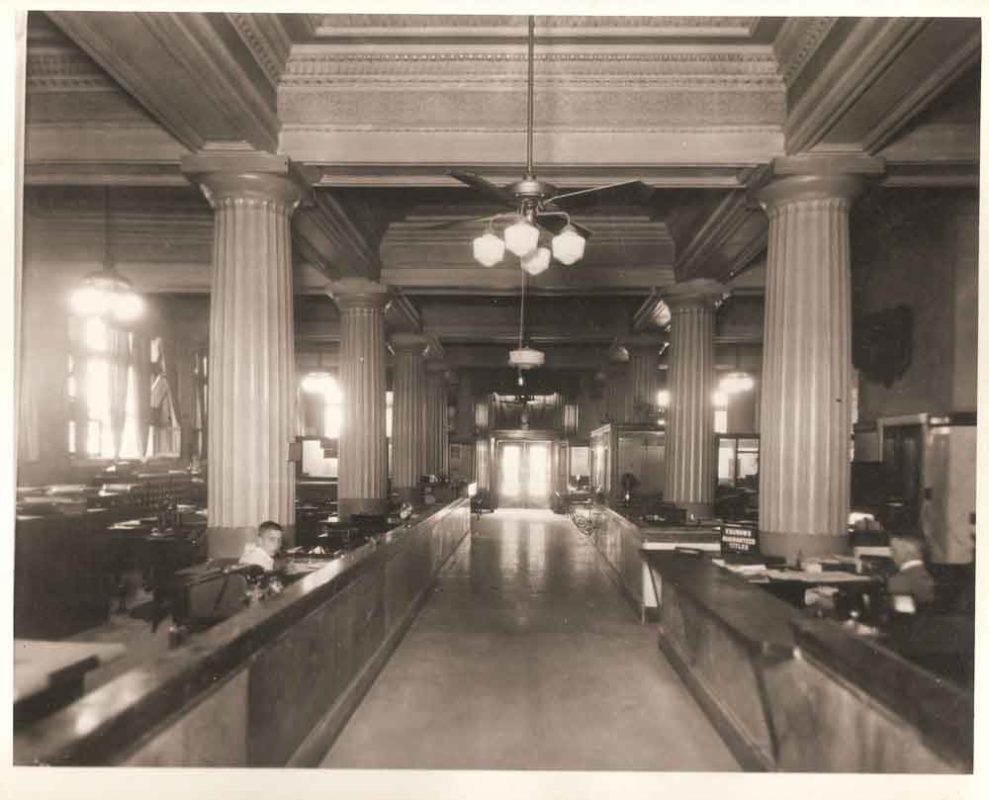
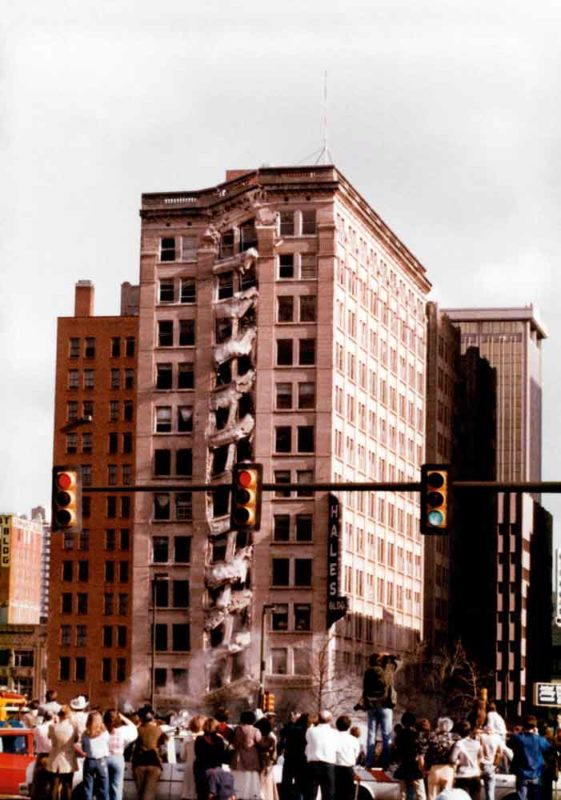
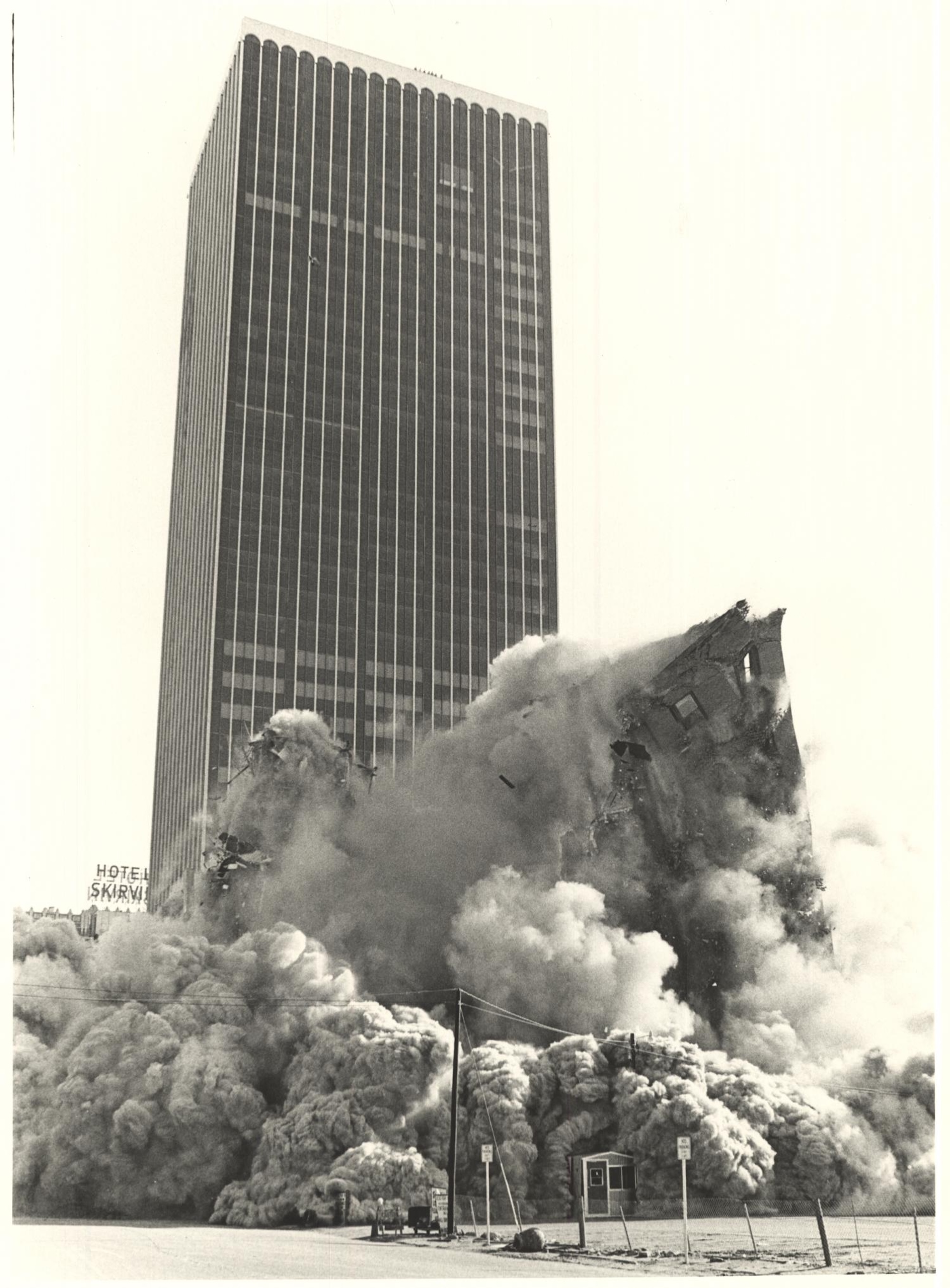
Far less fortunate was the 12-story Hales building of 1910, which had been built with a Bedford limestone exterior and floors of Tennessee marble and Italian marble wainscoting. An offer from the Hales heirs to buy and renovate it was not accepted, and the building was dynamited and destroyed in 16 seconds on April 8, 1979.
[Photos from the W.T. Hales Collection; Source]
The Urban Renewal Authority had struggled to find a developer for the Galleria, and Dallas developer Vincent Carrozza finally came on board. He hired I.M. Pei and Associates to do the architectural planning, which called for 1.5 million square feet of office space, a 400-room hotel, and 700,000 square feet of retail, plus parking for 3,300 vehicles. A two-story shopping mall was to be topped with a 90-foot-tall glass dome.
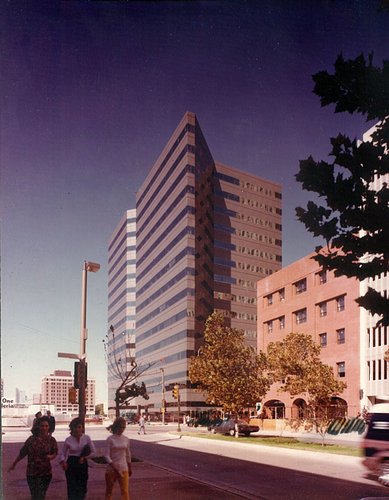
The first phase was to be one office tower, the hotel, and parking. Carroza insisted on building the odd-shaped One Galleria, now known as Corporate Tower, on the old Hales building site in 1980. Carrozza then announced the taller but even less inspiring Two Galleria, now known as Oklahoma Tower. They sit at the northeast corner of the superblock, hemming in the venerable Robinson Renaissance.
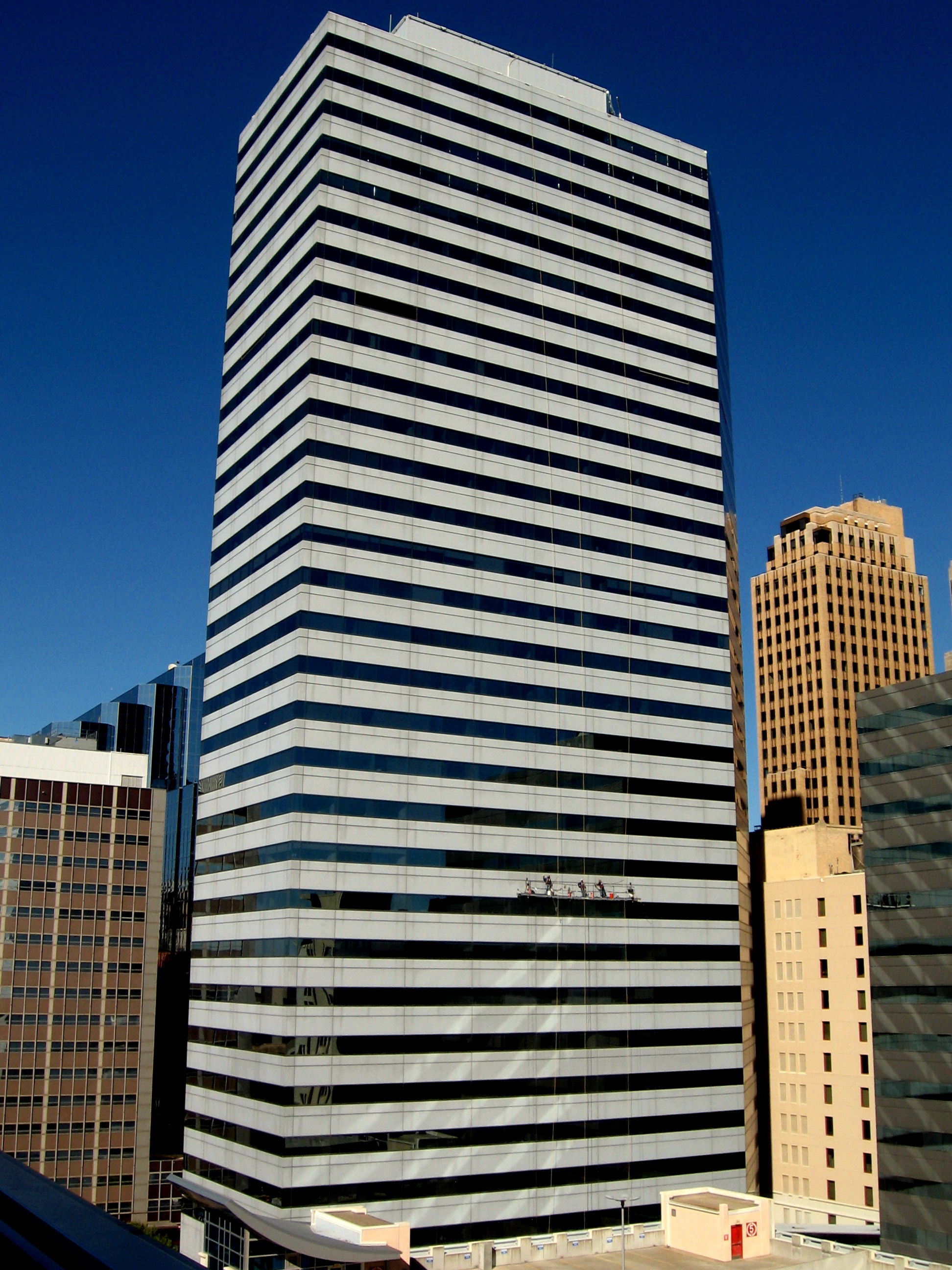
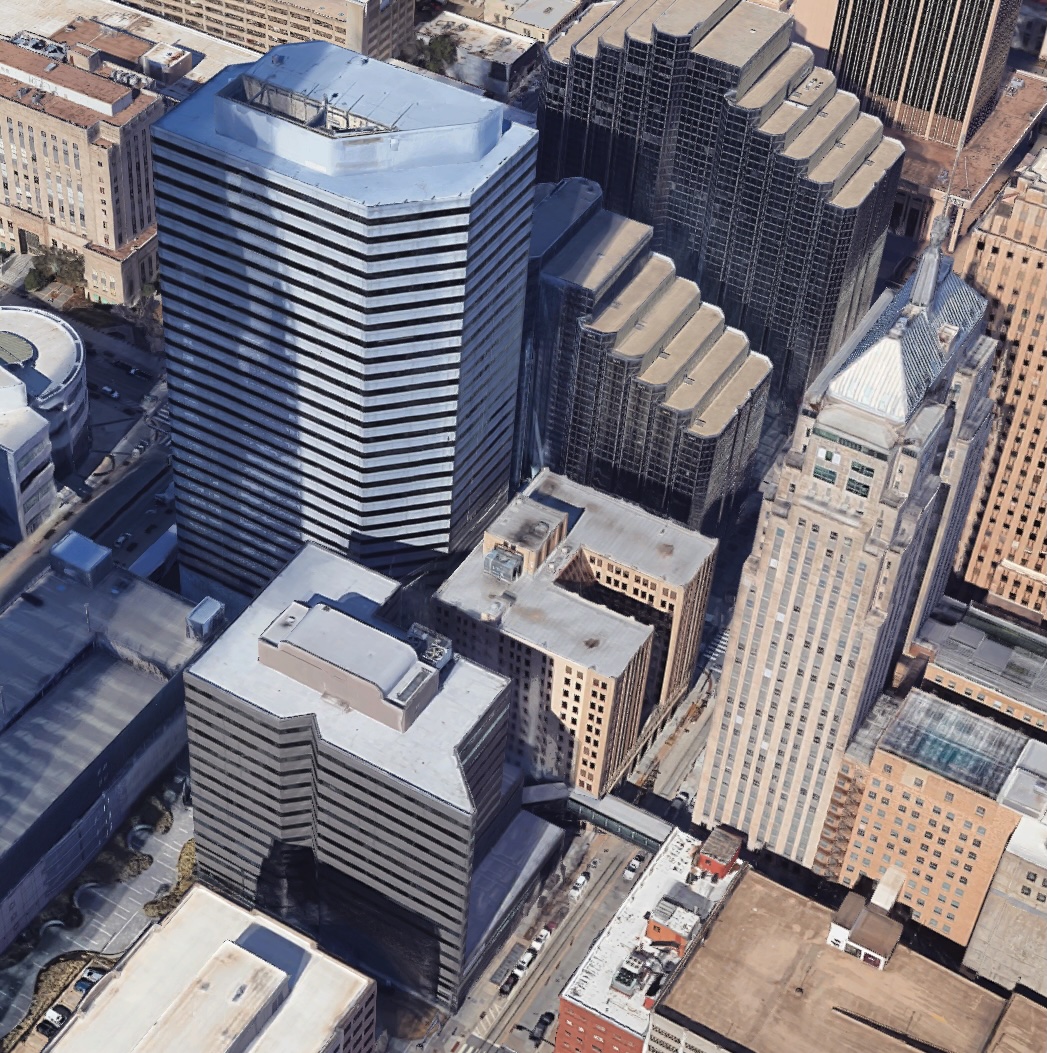
[Galleria One – Source; Galleria Two by Urbanative – Source]
The Galleria’s primary purpose was supposed to be lots of impressive retail. Below are glimpses of some of the concepts.
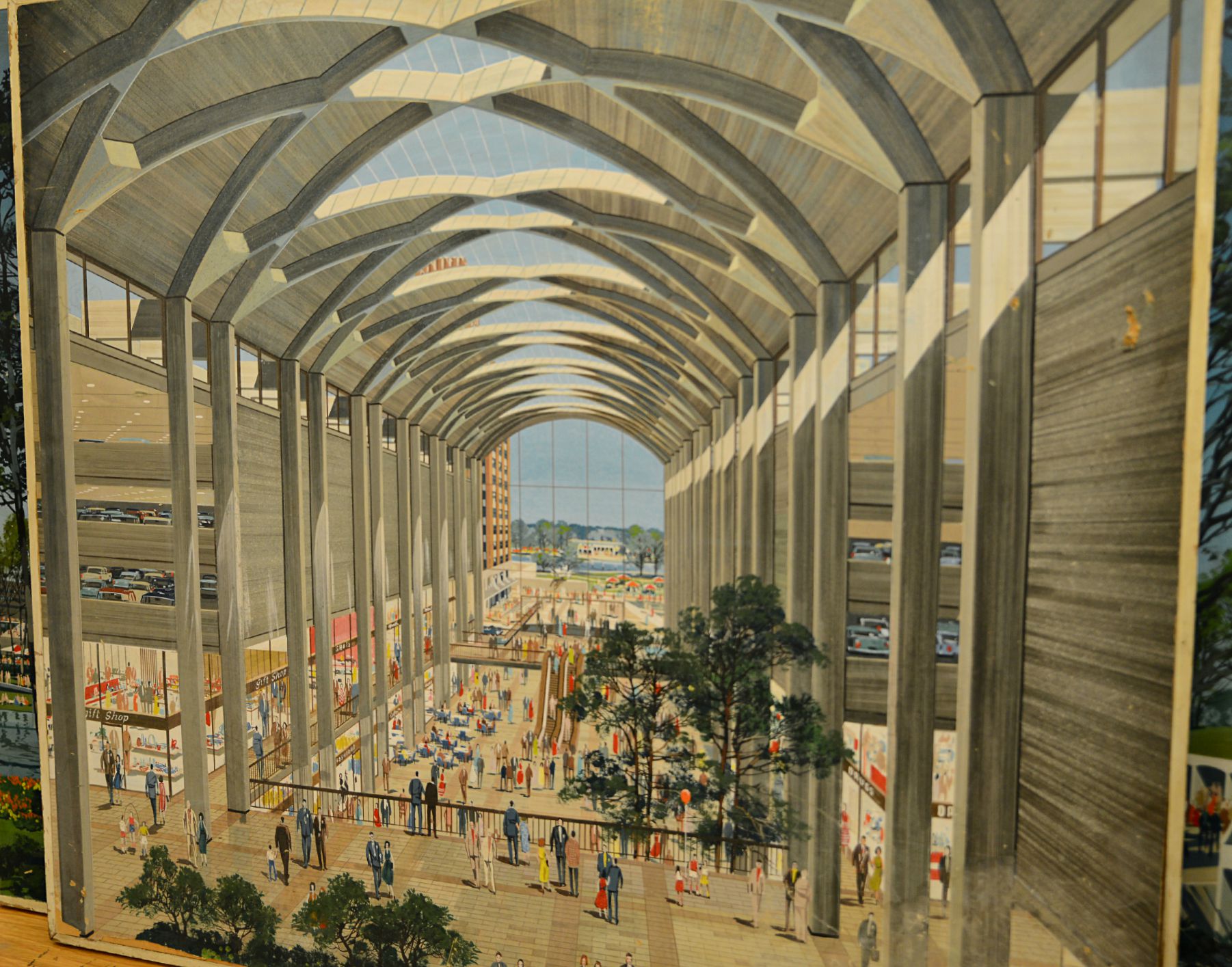
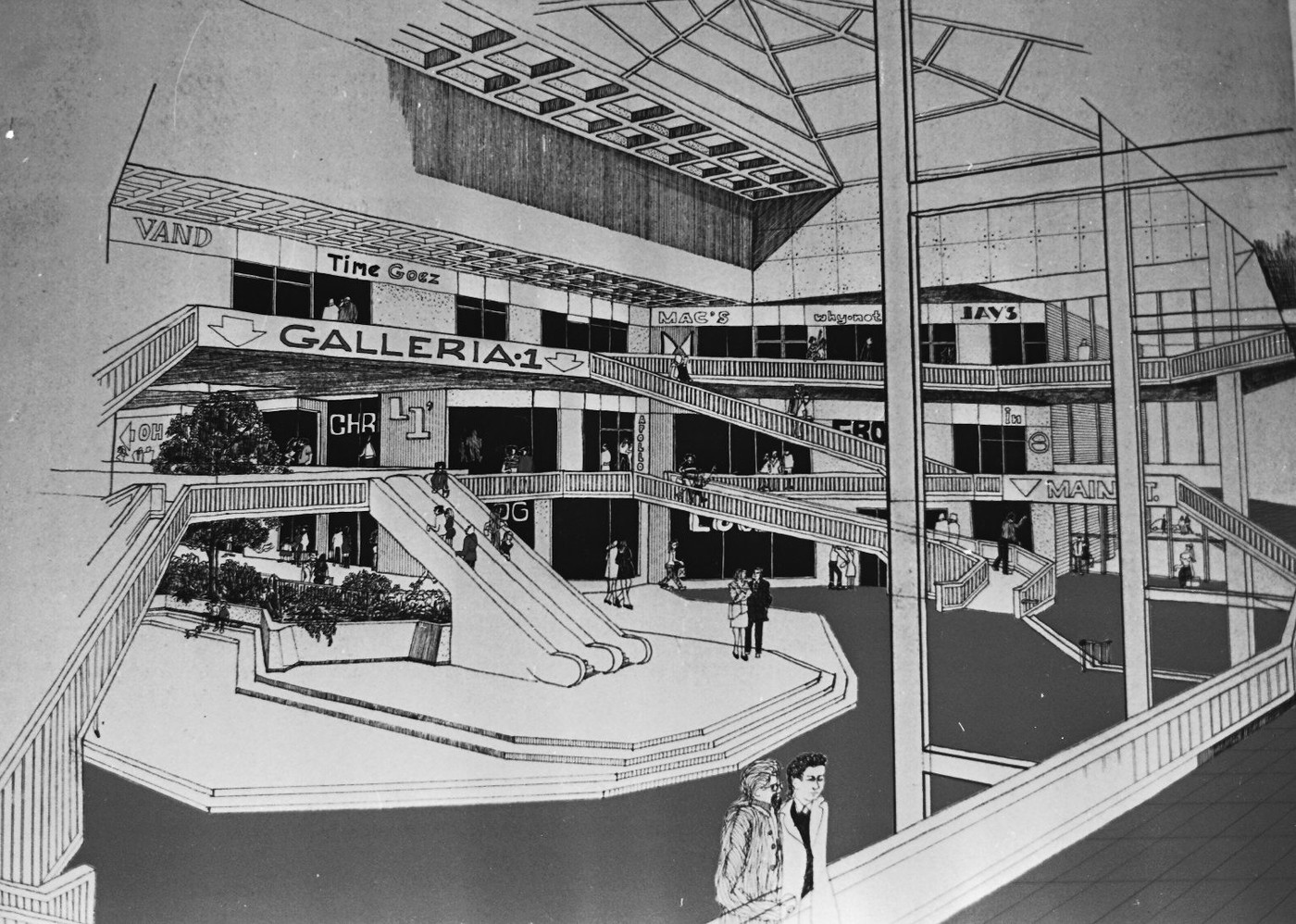
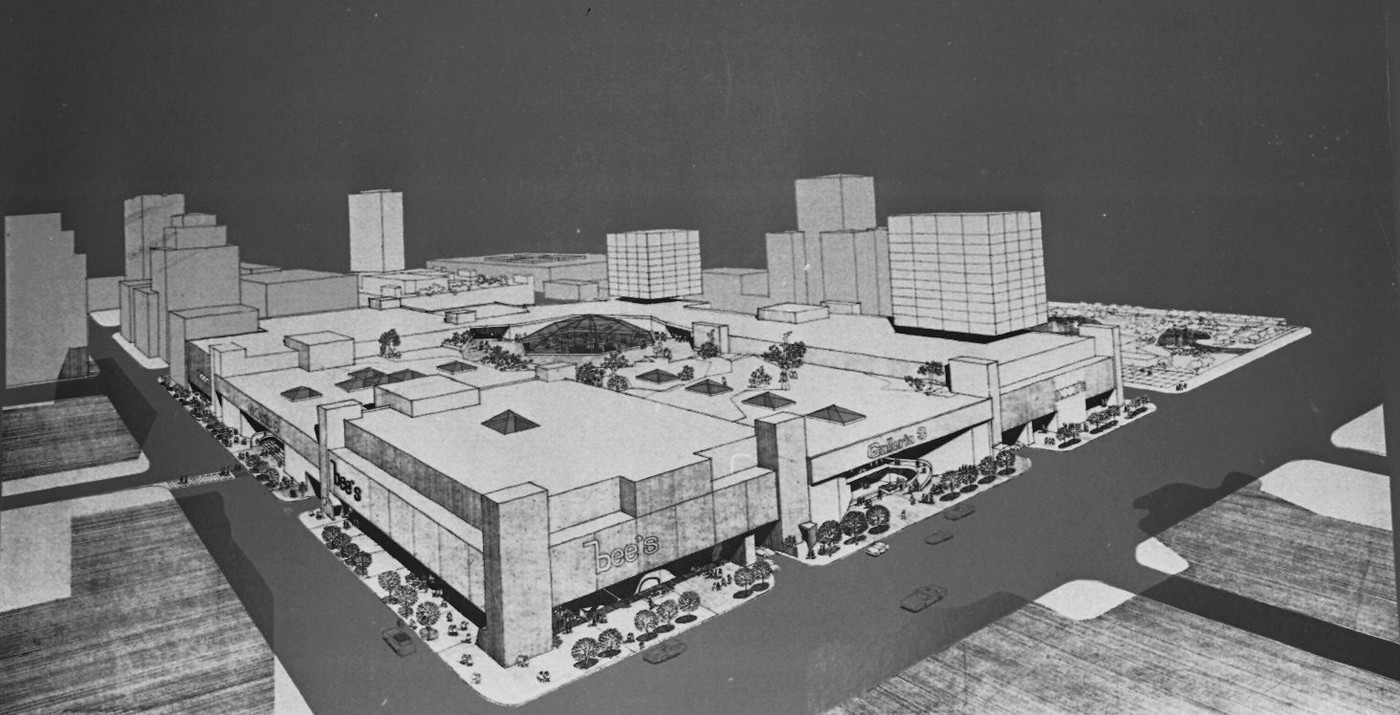
[Color image – Source; Drawings from “John A. Brown Department Store / Oklahoma Tower” by Larry Johnson at https://theclio.com/entry/154149]
However, in December 1981 and January 1982 Carrozza asked for three-year extensions on the shopping mall and hotel projects. He couldn’t find retail anchors for the development without an established store like Brown’s already in place. When he was fired from the development effort in 1983, Carrozza summed up his frustration with, “Oklahoma City tore down too much.”
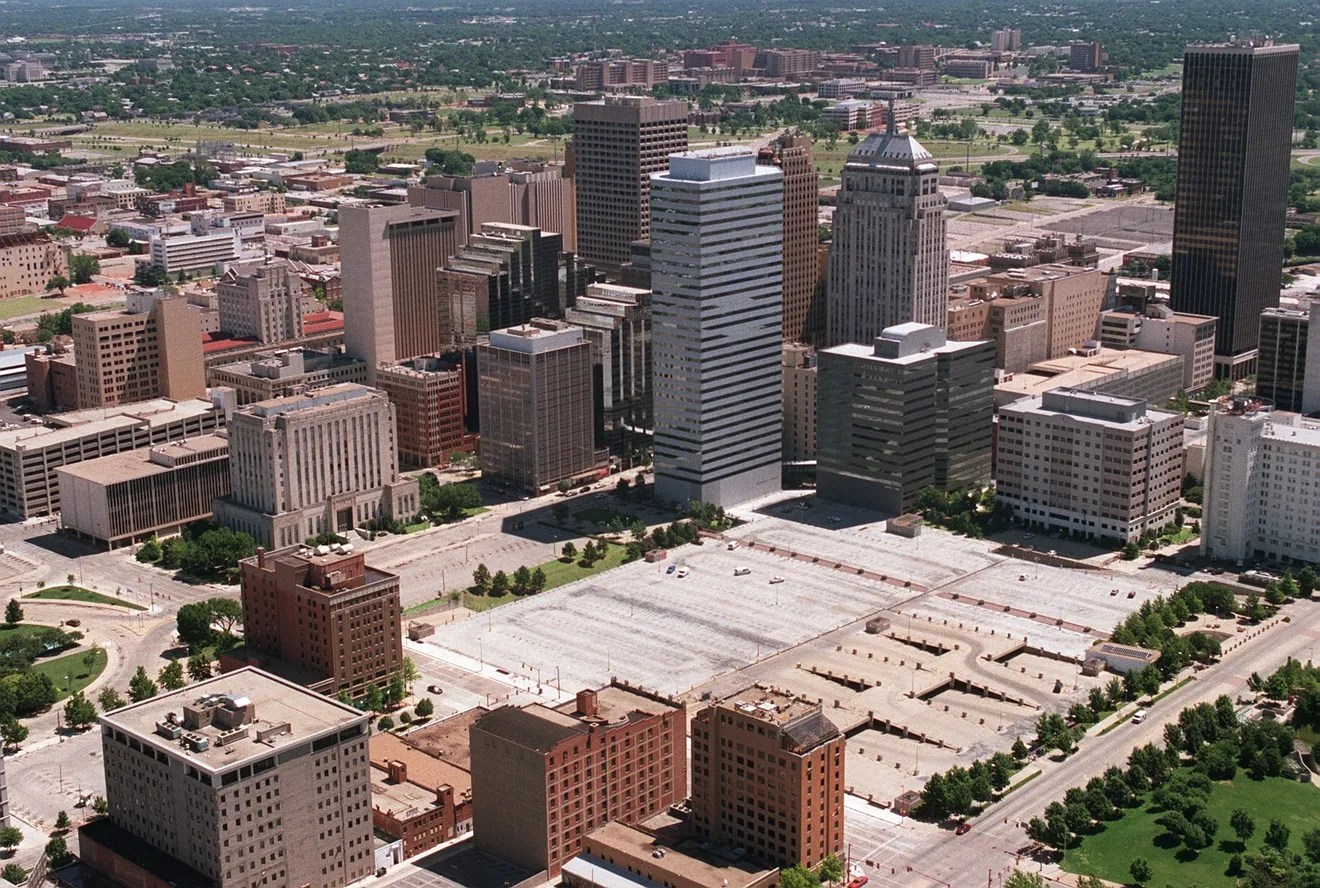
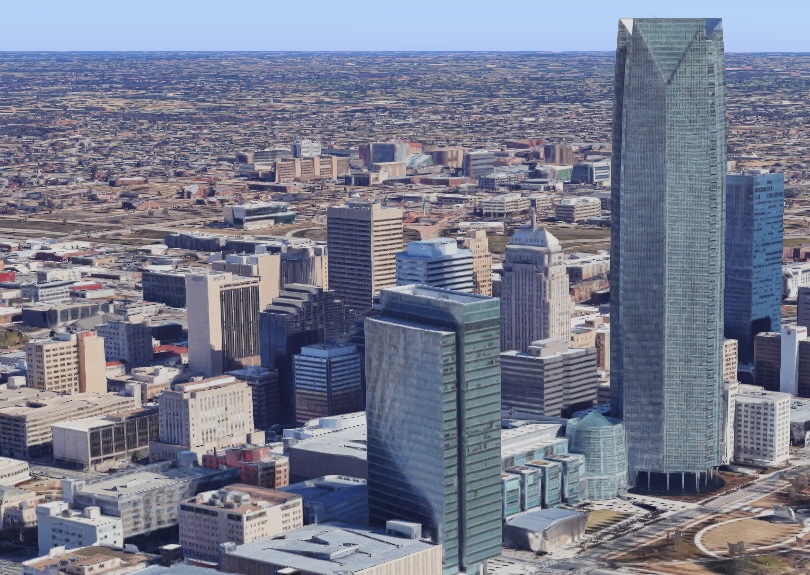
[1998 photo by Jim Argo – Source; Google Earth Pro imagery from January 4, 2023]
The economy was in a recession and the oil crisis and Penn Square Bank failure had arrived. Together they brought Project Kicker to an ignominious end, and it would take decades to fill the hole in downtown’s fabric with a new library, the Devon Energy Center, and parking garages.
Failure Analysis
Zachary Anderson has noted, “Oklahoma City’s urban renewal program of the 1960s and 70s was ultimately a failure – due in part because of its top-down nature, and in part due to the project’s dependency on federal funds, which dried up when urban renewal fell out of favor nationally in the mid-1970s.”
Demolition is cheap, while renovation and rebuilding can be exquisitely expensive. The Oklahoma City Urban Renewal Authority’s contractors leveled 447 buildings, and private owners tore out another 75 between 6th and I-40, from Shartel to the Santa Fe. However, new structures were costly, and renovations were rare and could be even more pricey.
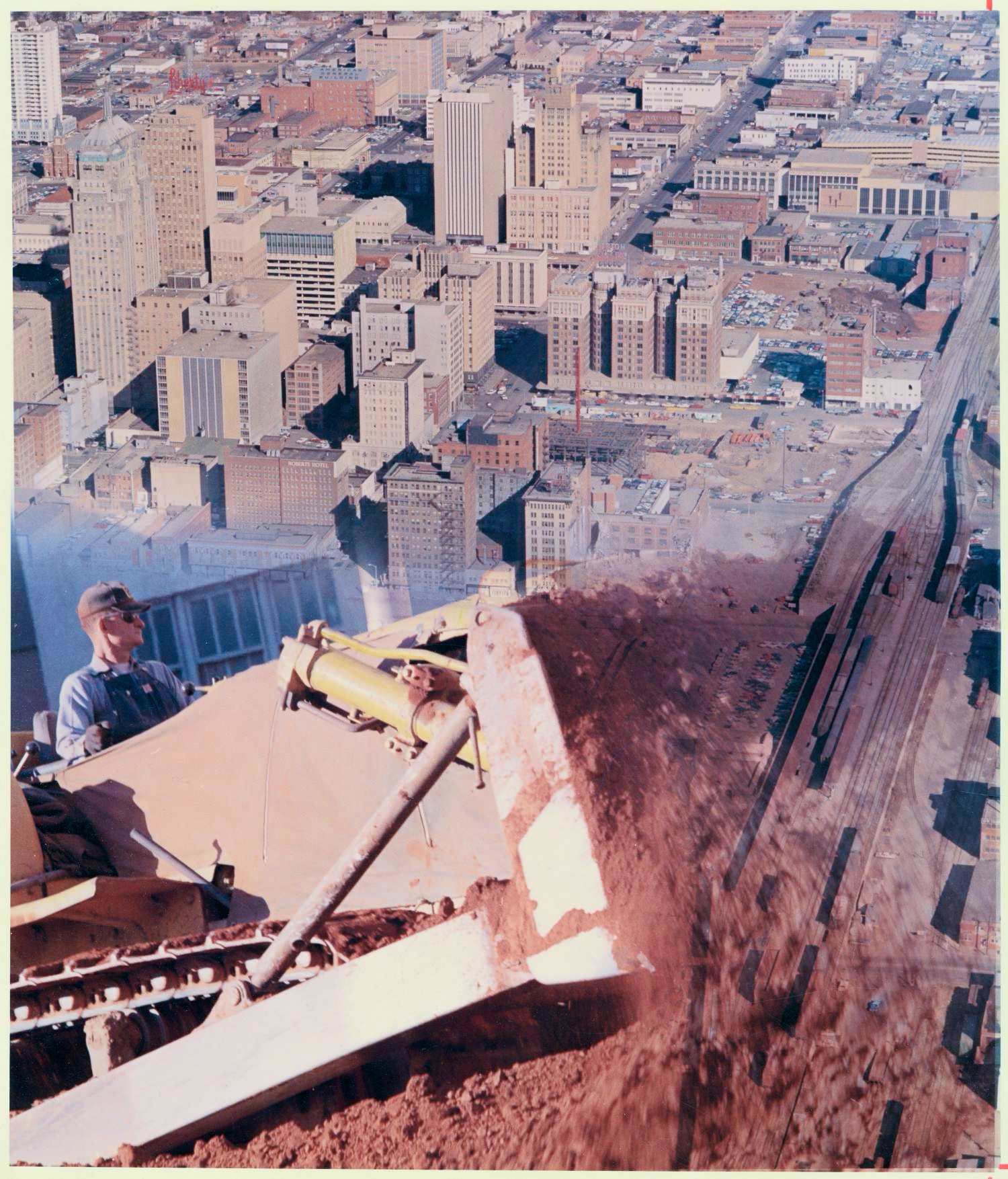
Anderson wrote: “Work began by 1966, and the Pei Plan itself would see its first projects completed in the early 1970s, though some of the most crucial elements, namely a downtown shopping center and downtown apartment towers, would never be built, leaving the ‘Pei Plan’ incomplete and the central business district full of empty lots that had been bulldozed in preparation for work that would not occur, and leaving that part of the city largely vacant outside of the nine-to-five week-day working hours. Furthermore, the urban renewal work done in the city’s historically African American ‘Eastside’ district would help speed up the area’s decline, which had already begun due to the end of segregation.”
After the economy recovered, mayor Ron Norick, the son of the former mayor who spearheaded The Myriad, convinced voters to approve the first MAPS initiative in 1993. $350 million in renovations and new projects again sought to revitalize downtown, along with the abandoned warehouse district of Bricktown east of the railroad tracks. The renovations and new projects were built debt-free, funded by a limited-term one-cent sales tax. That was followed by a series of later MAPS initiatives that continued to transform the city.
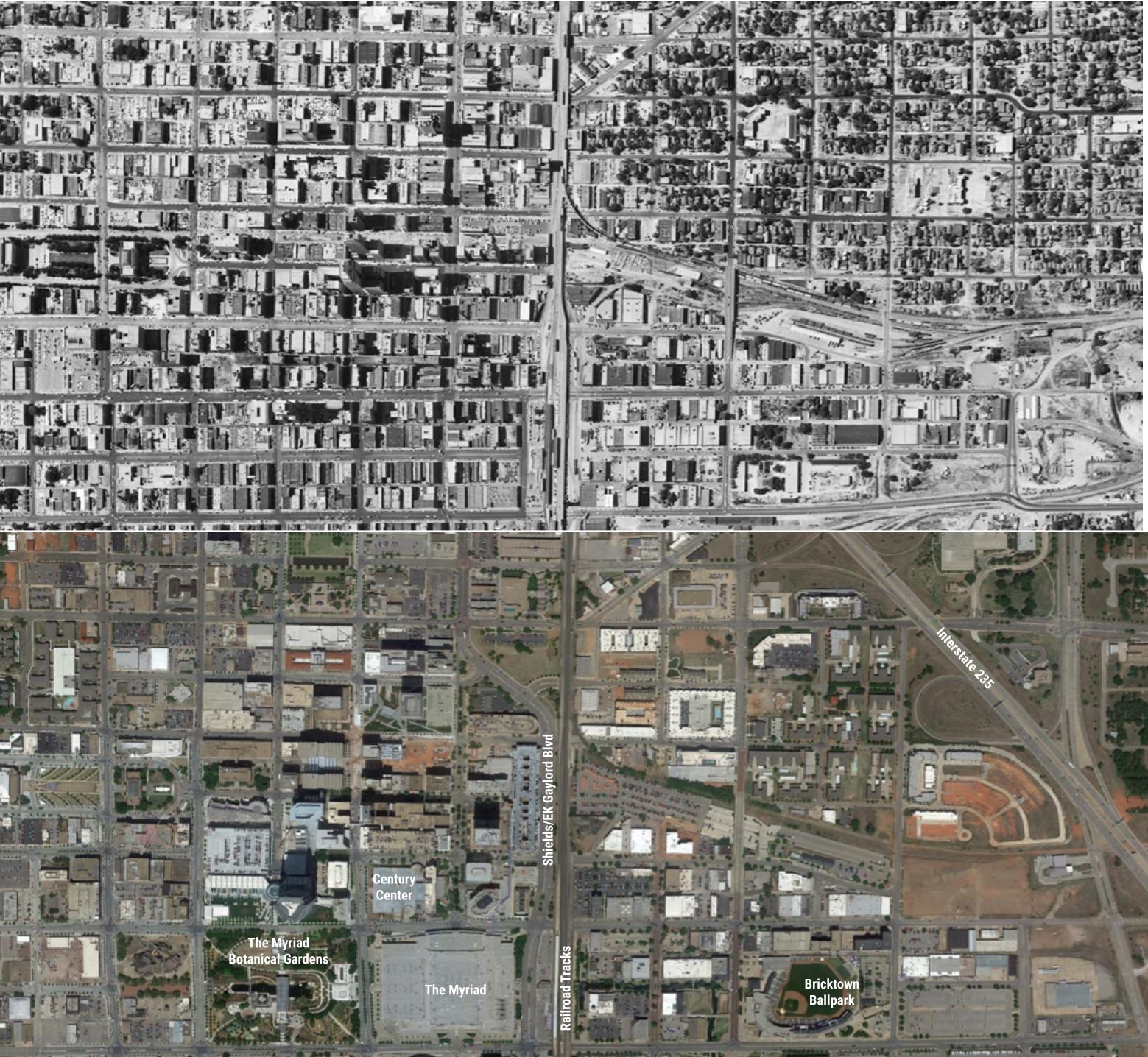
But all that happened after I moved away to Bartlesville in 1989. I grew up in a city that was steadily destroying much of its downtown to build a convention center, a hotel, parking garages, a park, and a few office towers. The times were different, difficult, and quite destructive. OU created an interesting comparison of downtown Oklahoma City in 1954 and 60 years later. It is fascinating, and frustrating, to see how much was targeted and cleared for new projects, freeways, and institutions. I.M. Pei’s vision of a community that lived, shopped, and worked downtown did not materialize, although some infill and conversions persist in an era when much shopping is done online.
I don’t particularly miss the downtown Oklahoma City of my youth, and it has become a stranger to me in my adulthood. I grew up in three locations that were eight, seven, and six miles away from downtown as the grackles flew. By visiting my parents downtown, I caught repeated glimpses of its destruction and its painful and incomplete reconstruction, snatches of a long story of a myriad of issues.
This post was only possible thanks to a number of online resources. The following were of particular value and are highly recommended for further reading:
- “A Window in Time: Revisiting the Pei Plan Model”; August 28, 2015; OkieModSquad blog at https://okcmod.com/2015/08/a-window-in-time-revisiting-the-pei-plan-model/
- “Downtown Oklahoma City Urban Renewal Era Walking Tour”; September 2, 2022; Larry Johnson of the Metropolitan Library System of Oklahoma County at https://theclio.com/tour/2308
- “Myriad Gardens”; RetroMetro Oklahoma City at https://www.retrometrookc.org/myriad-gardens/
- “Pei on the Prairie”; December 6, 2021; University of Central Oklahoma Master of Arts in History Thesis of Zachary Anderson at https://shareok.org/server/api/core/bitstreams/b7312ae3-eb15-4449-b837-c25cb5bf807e/content


















 Meador Manor

