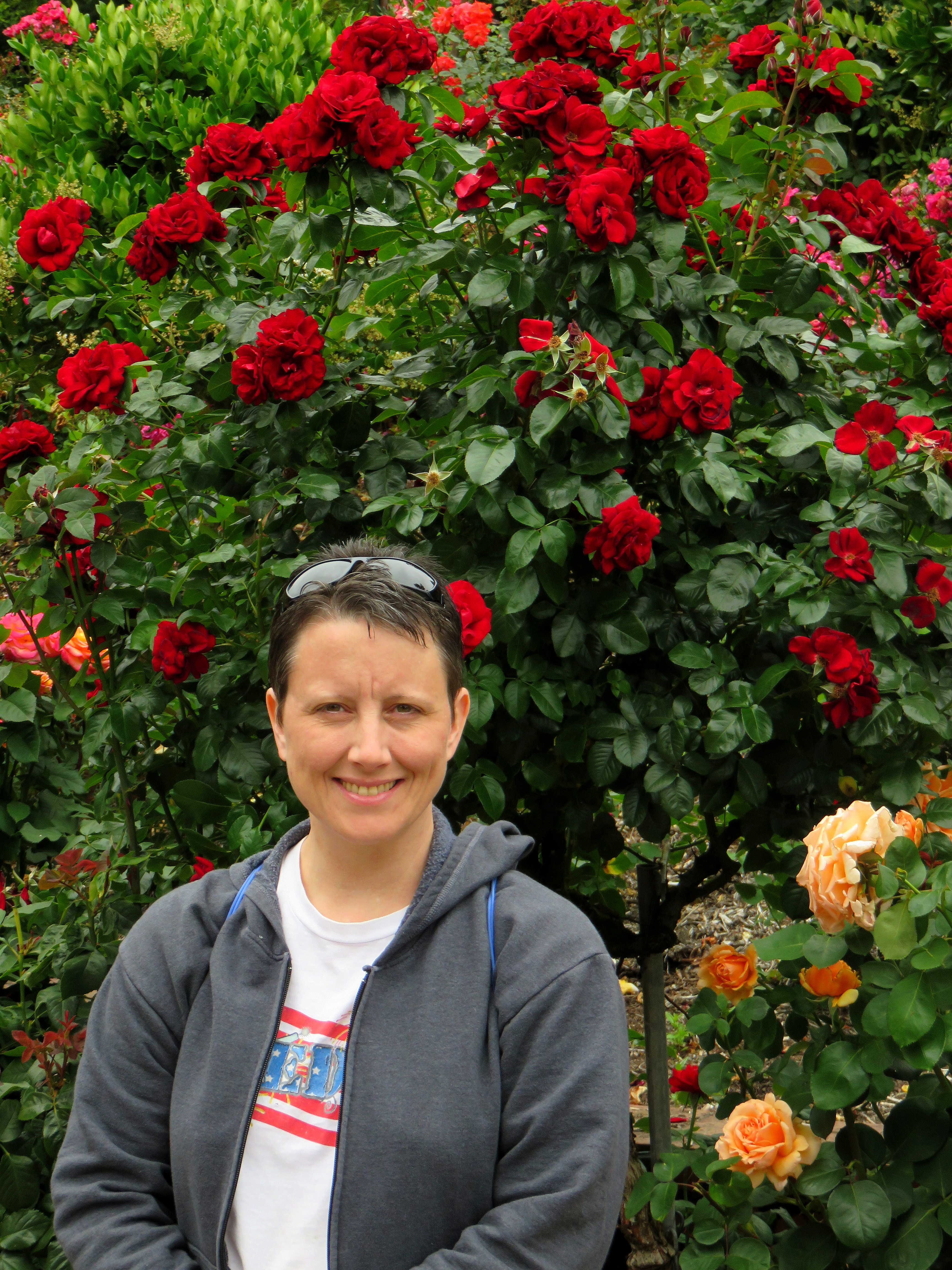
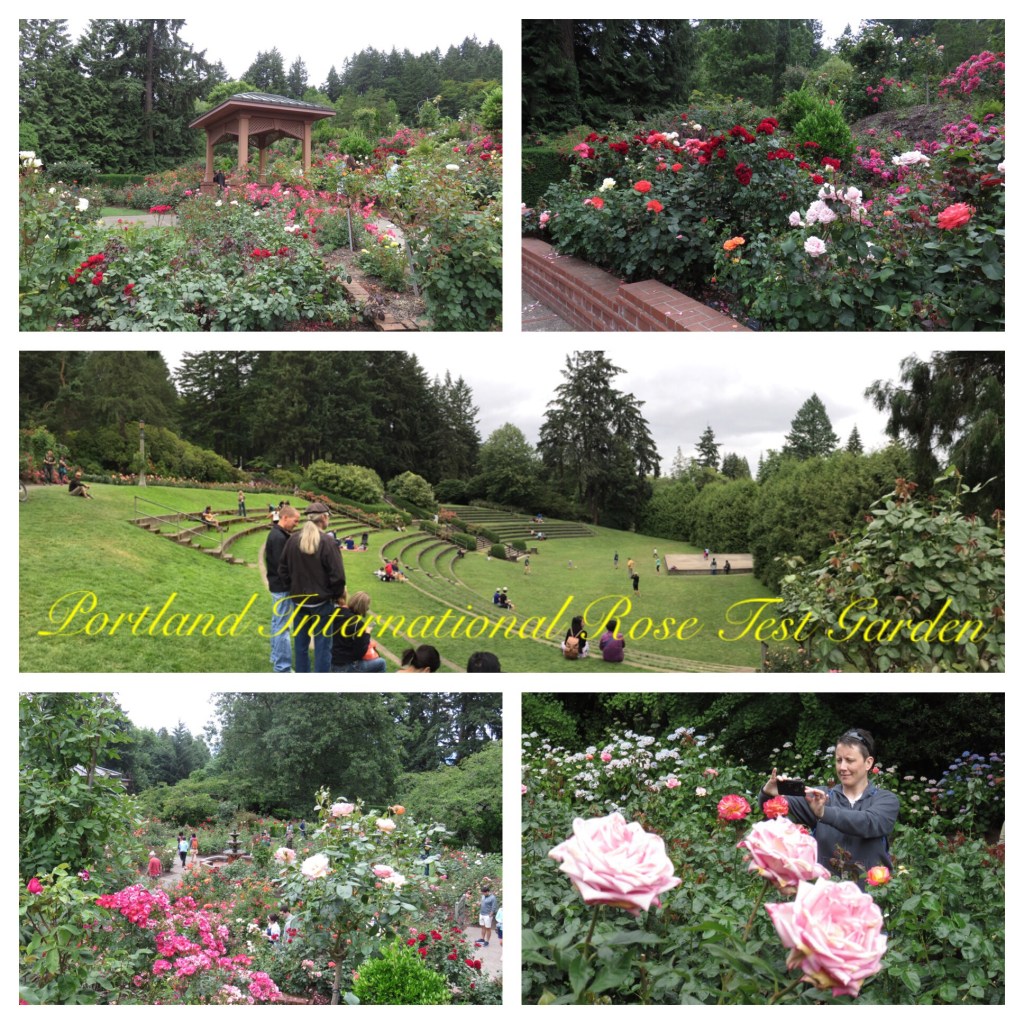
I was very excited on our honeymoon to finally visit the International Rose Test Garden in Portland, Oregon. At long last I would get to see many of the roses I had seen and read about only in books and online.
It is called a test garden because it is not just a showcase for known varieties. For decades the garden hosted All American Rose Selections trials, which tested the same roses in gardens across the nation. After that effort ended, in 2013 the American Garden Rose Selections began, which recognizes roses that are easy to care for, disease resistant, and suitable for different regions of the country.
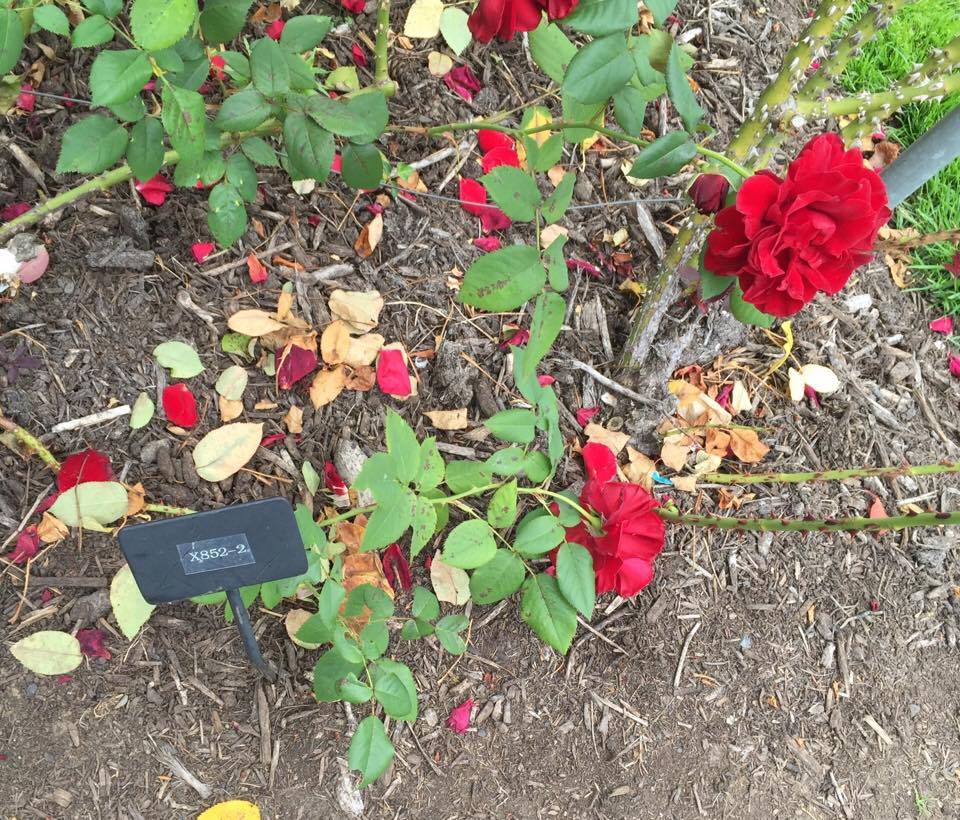
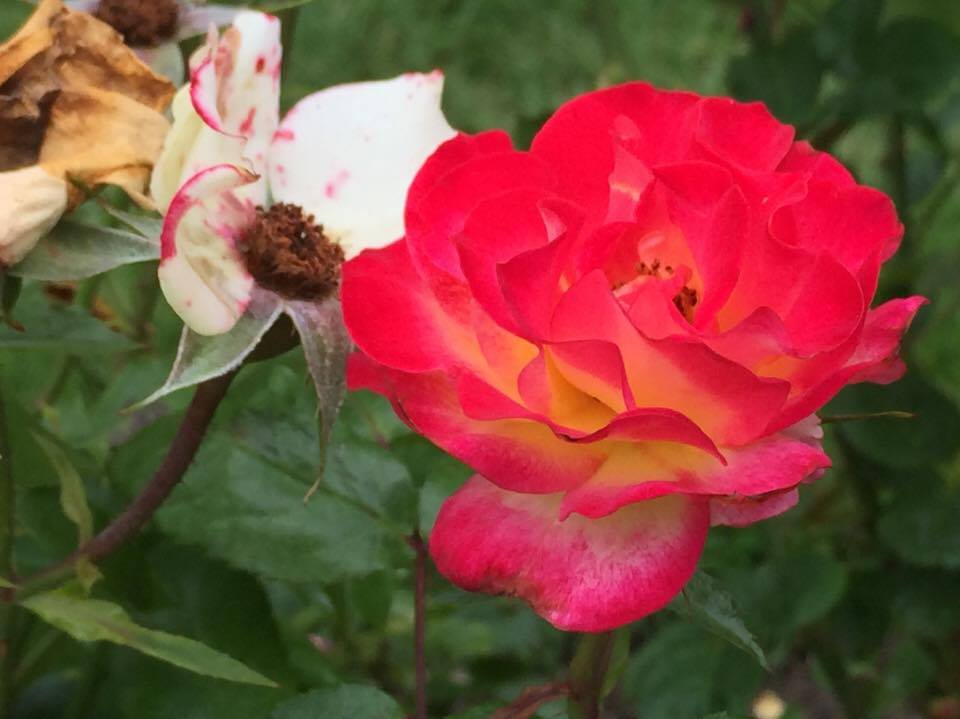
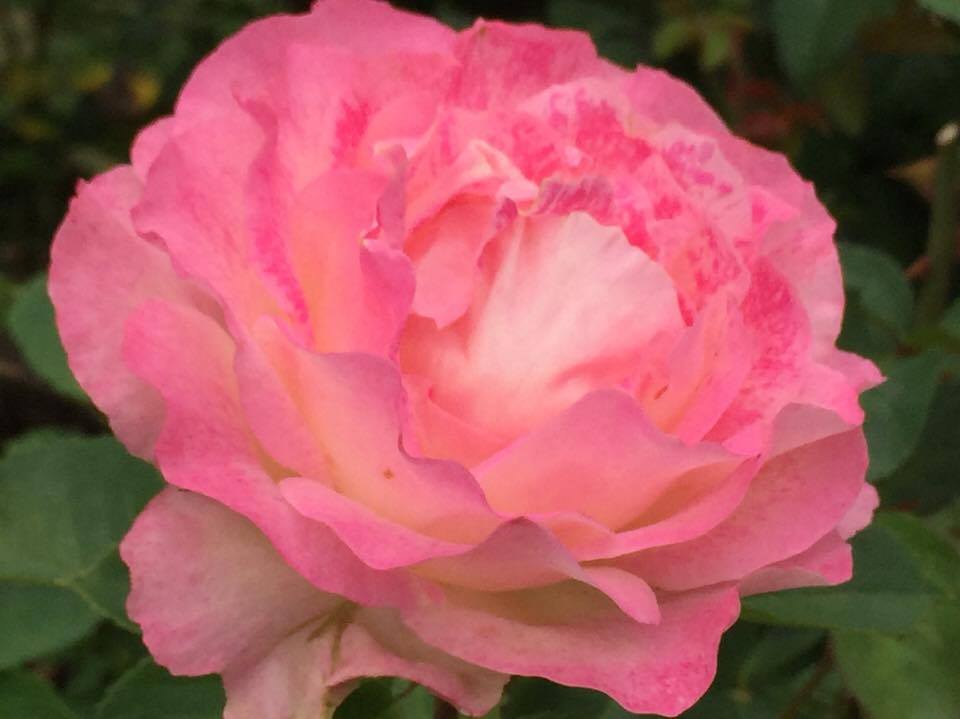
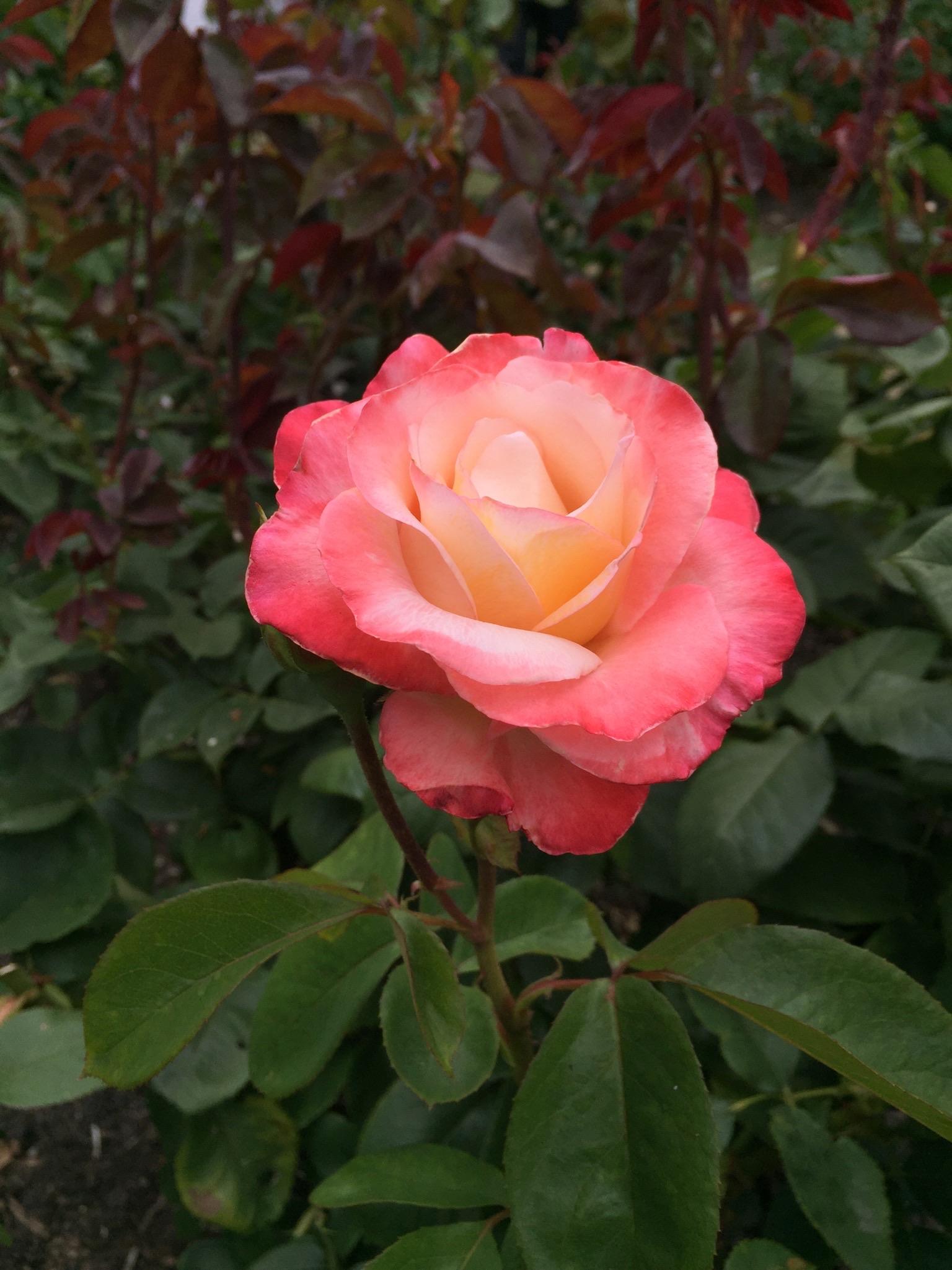
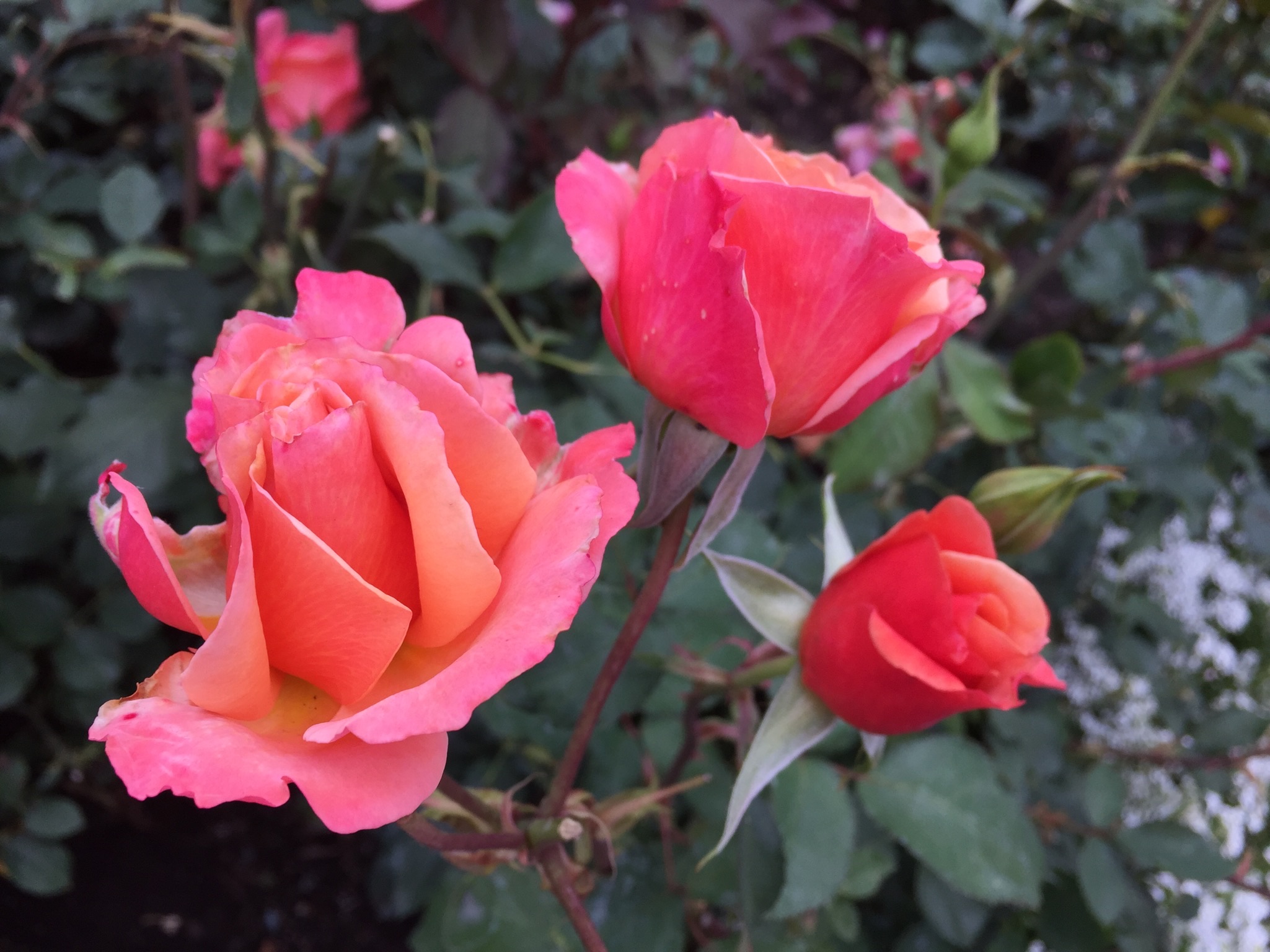
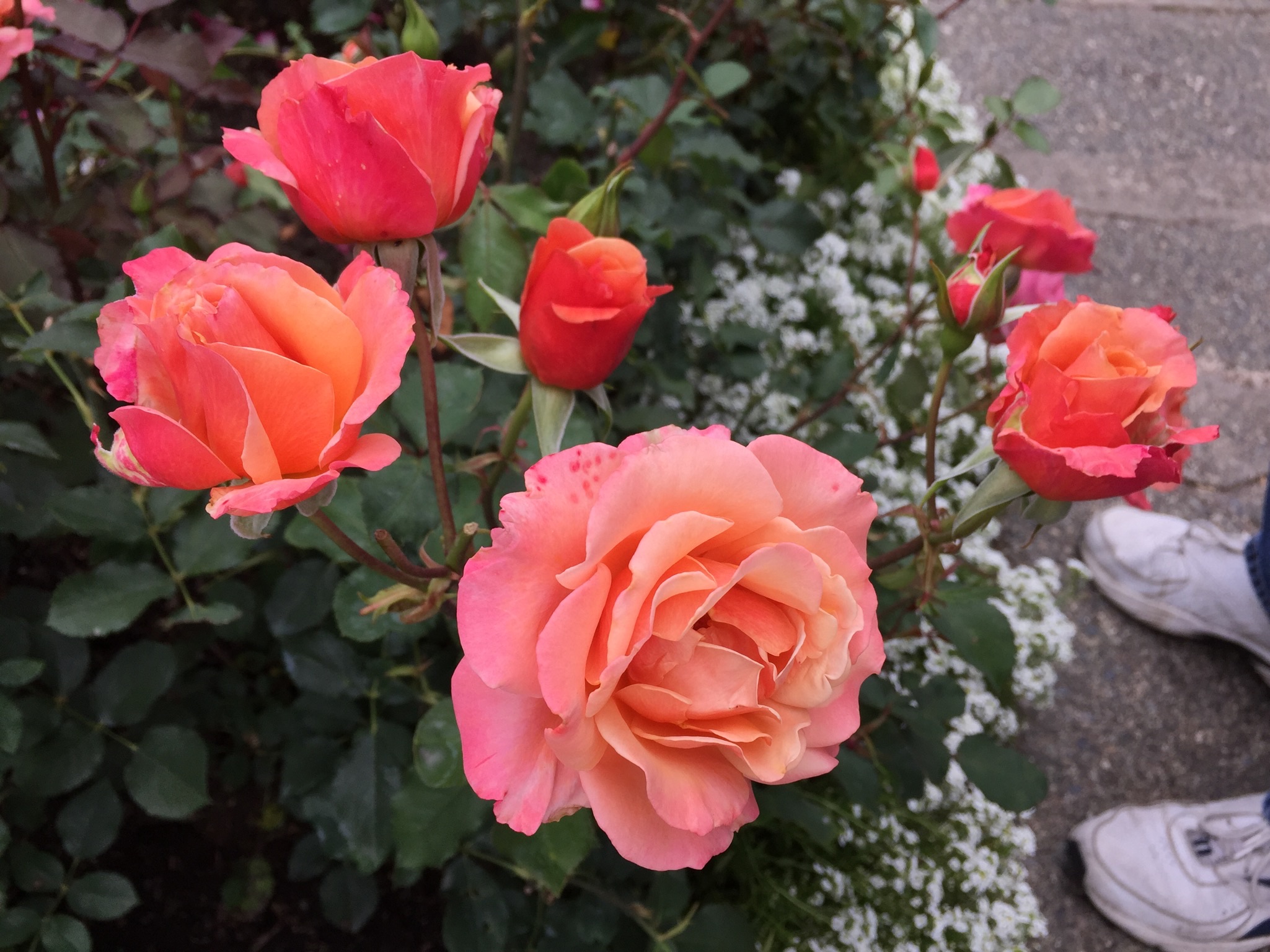
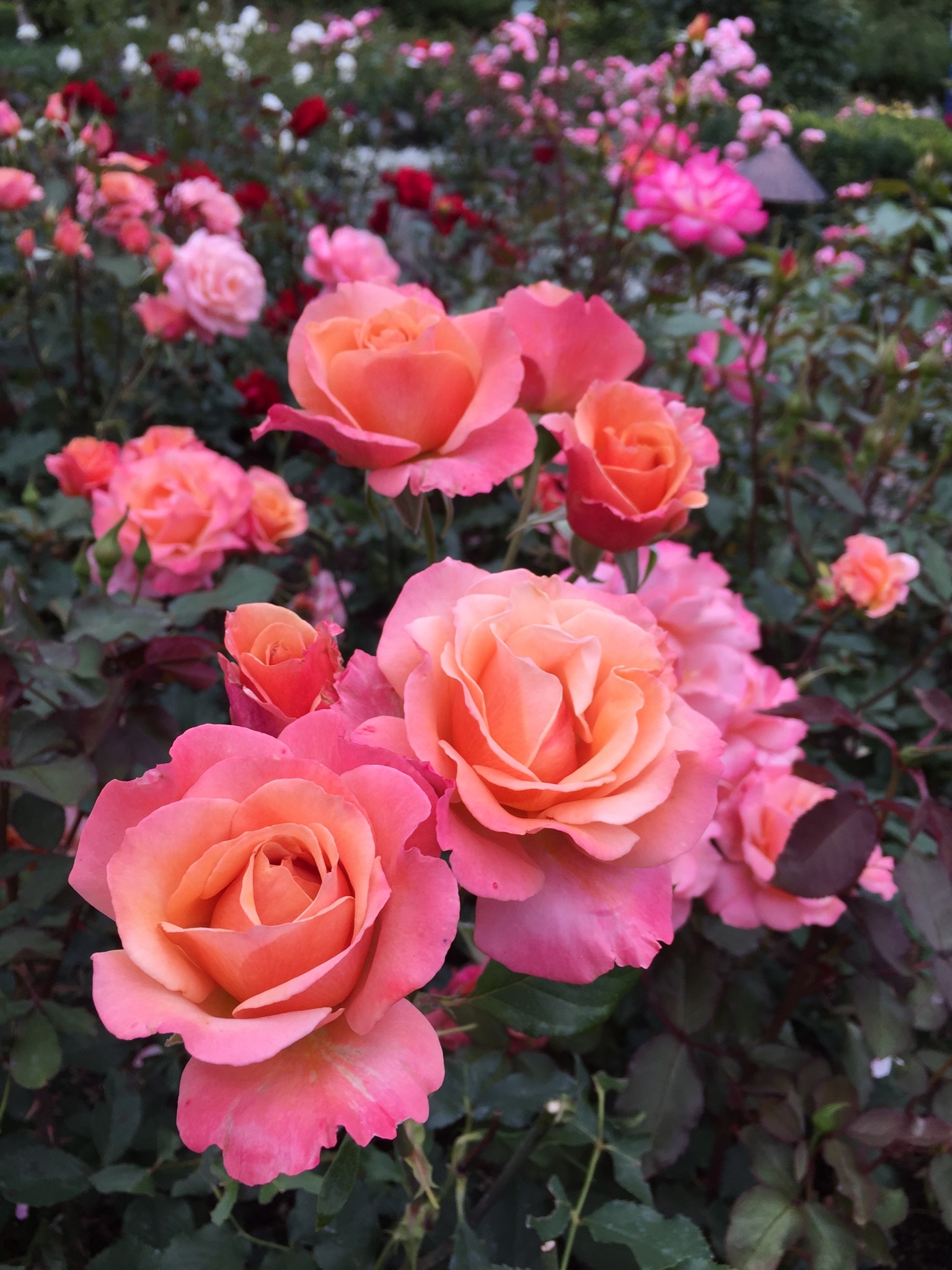
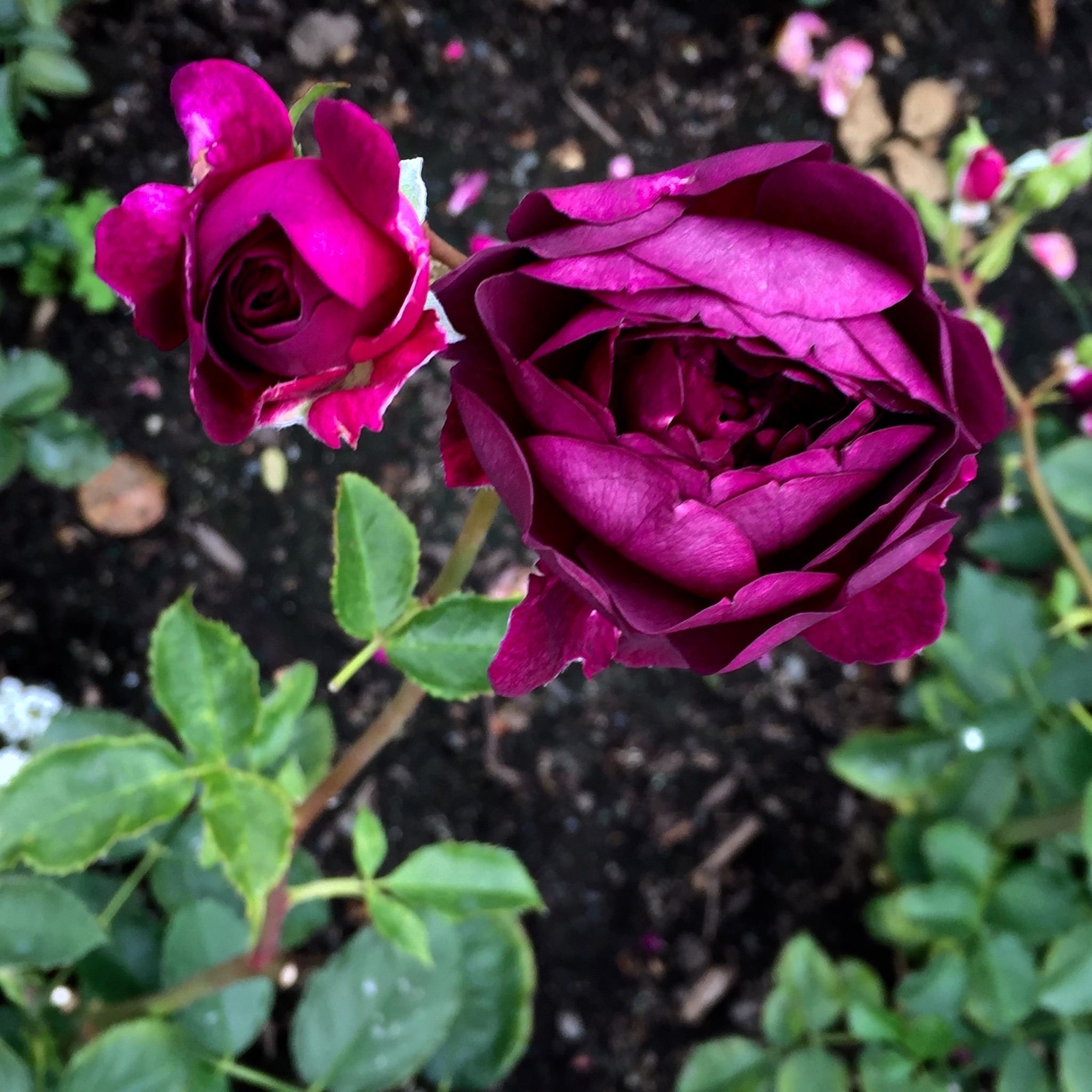
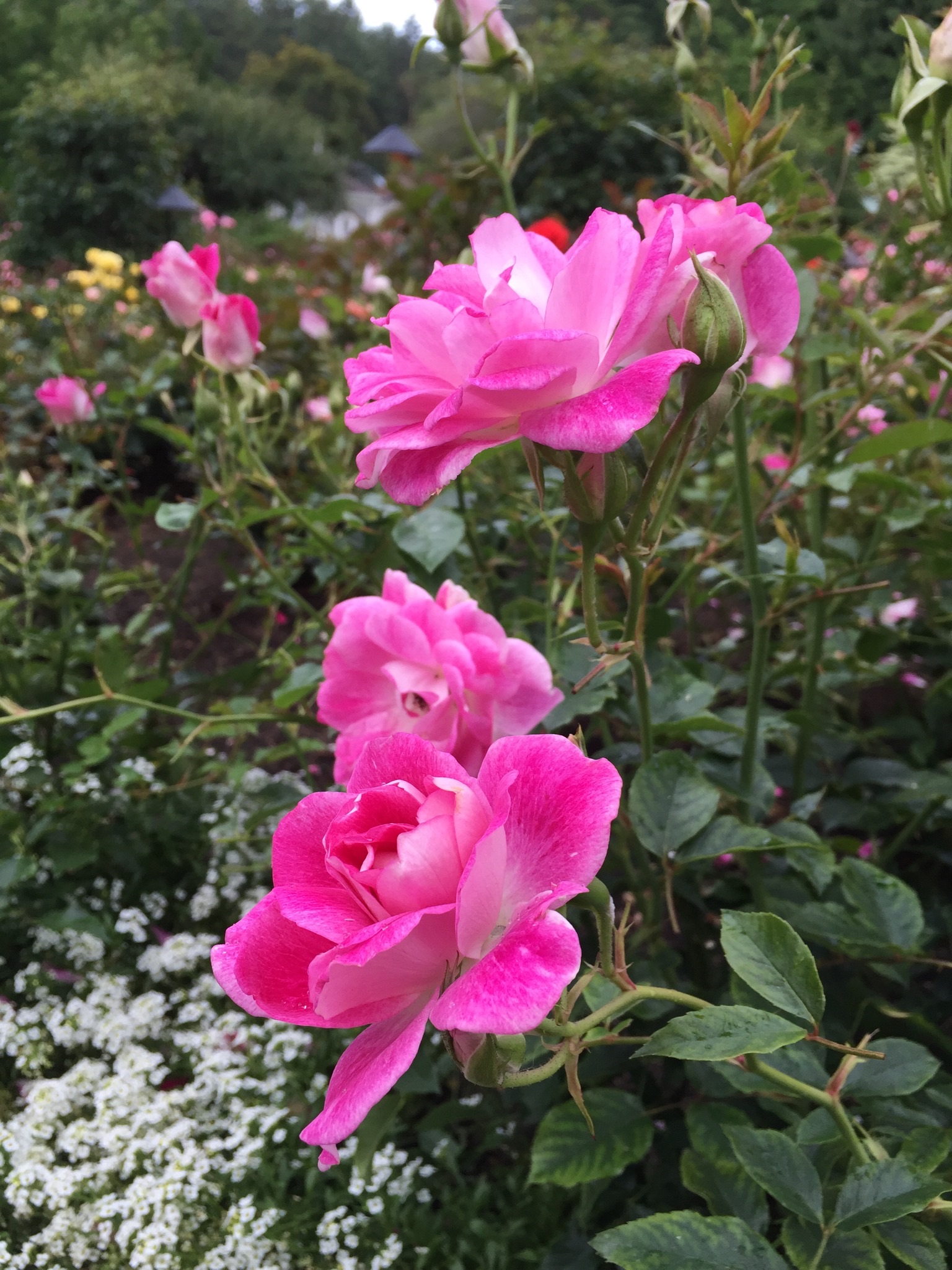
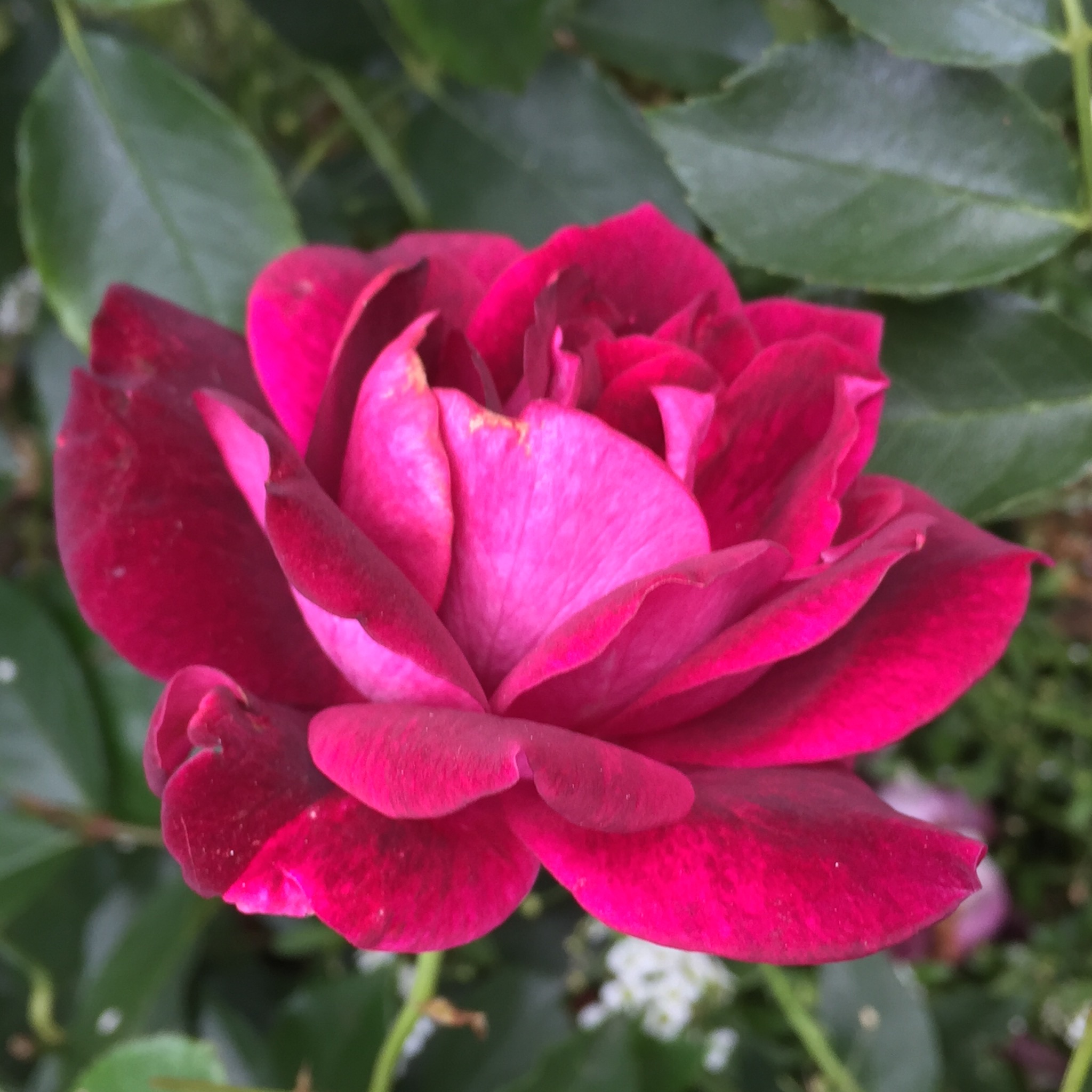
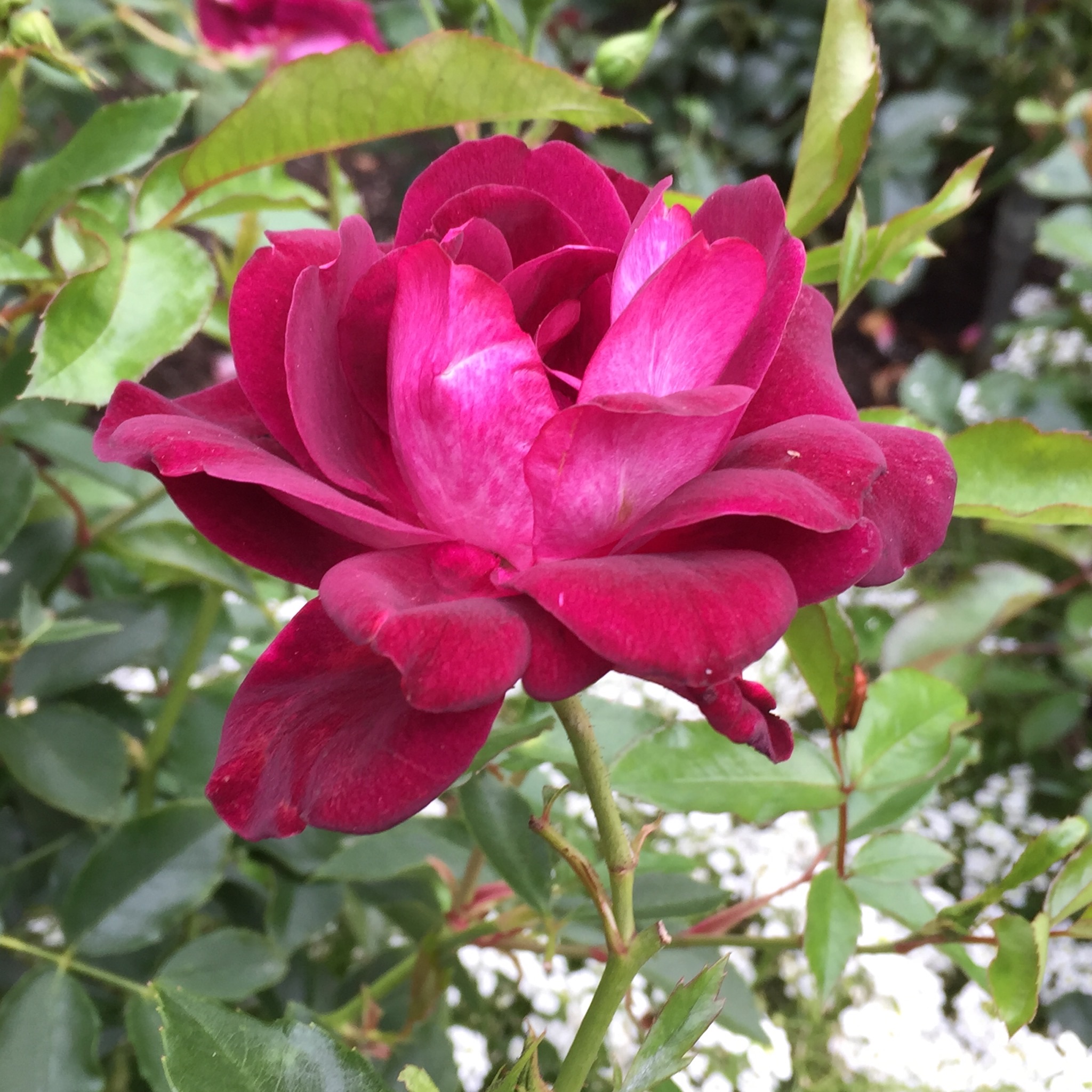
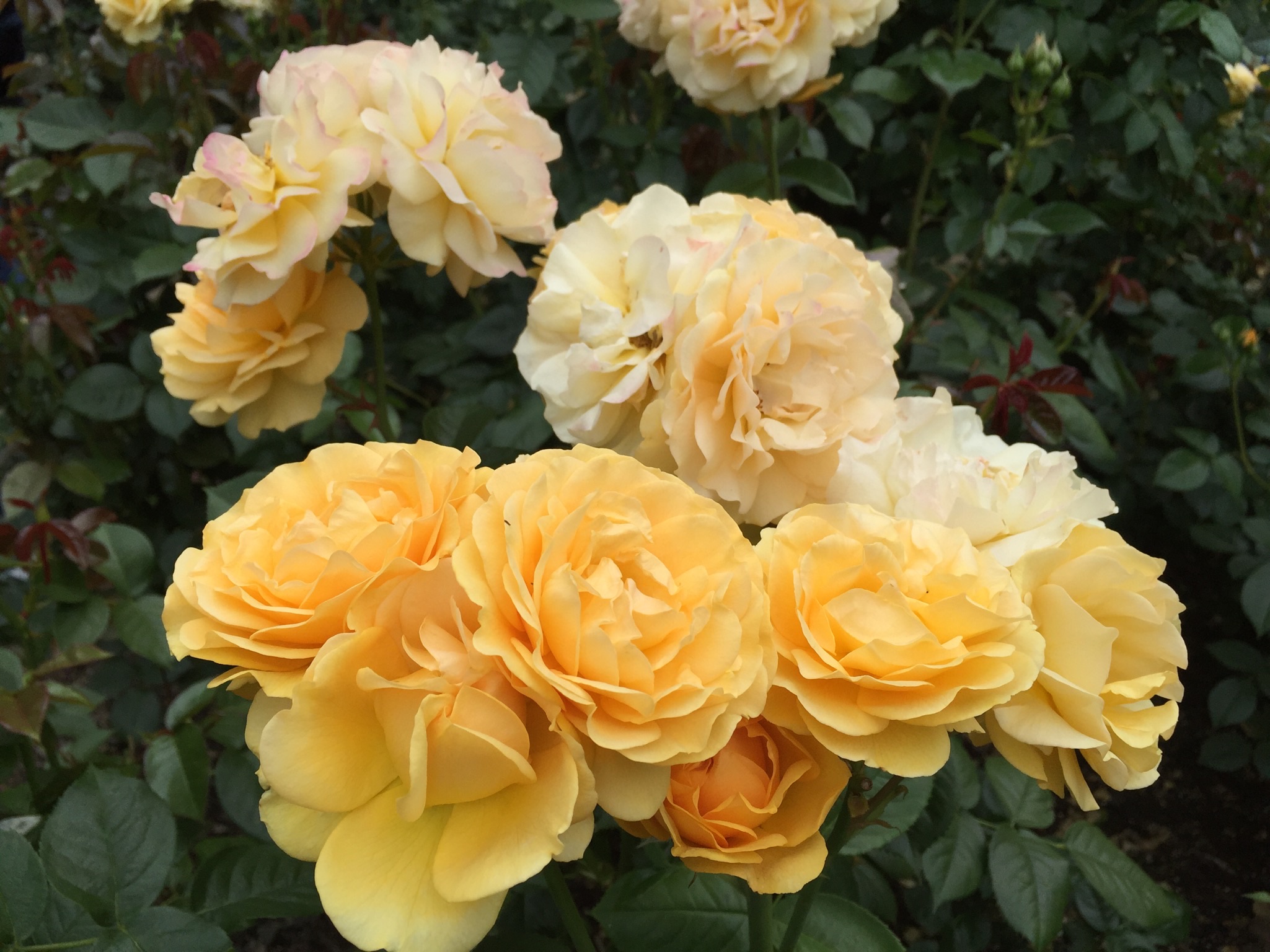
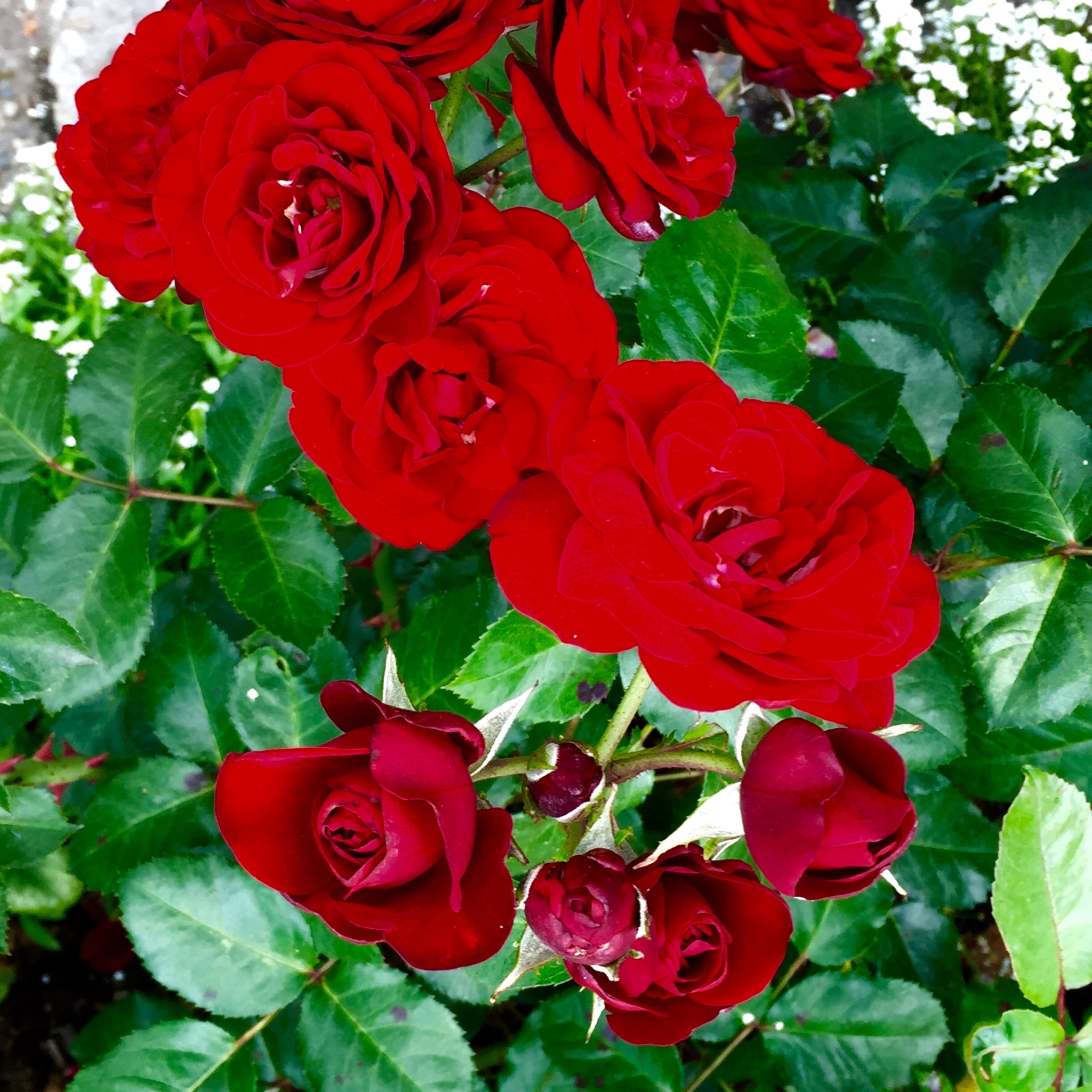
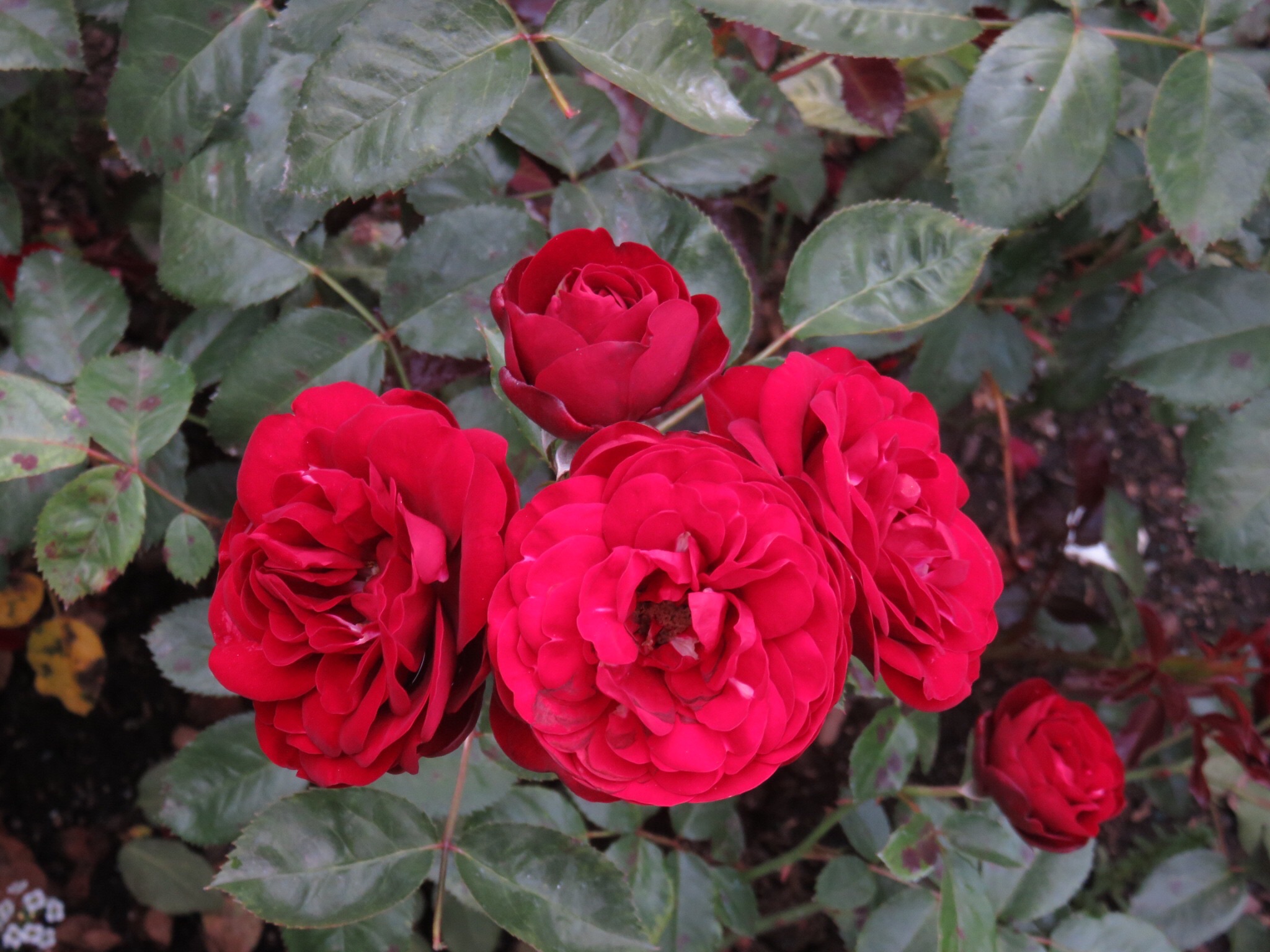
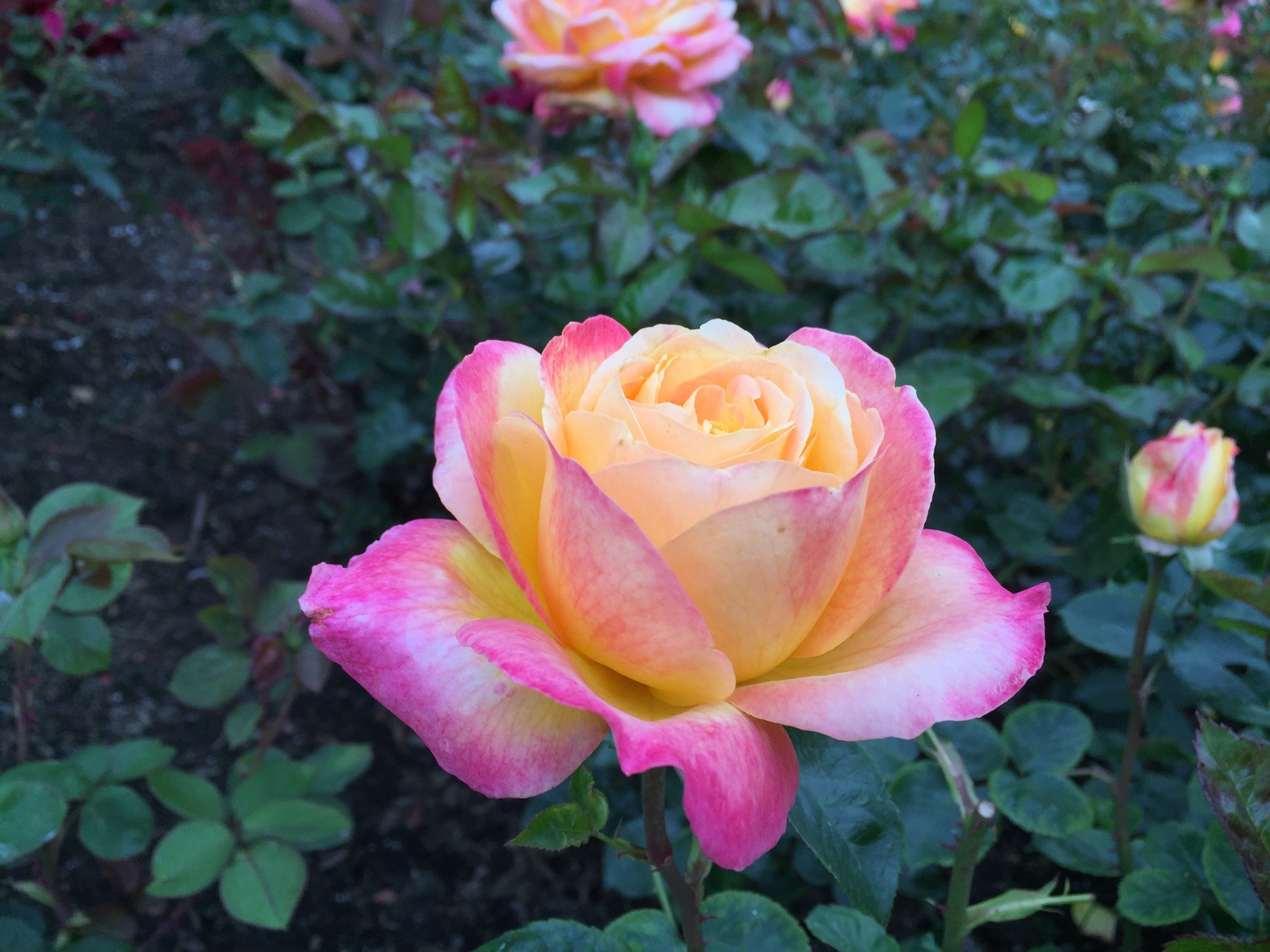
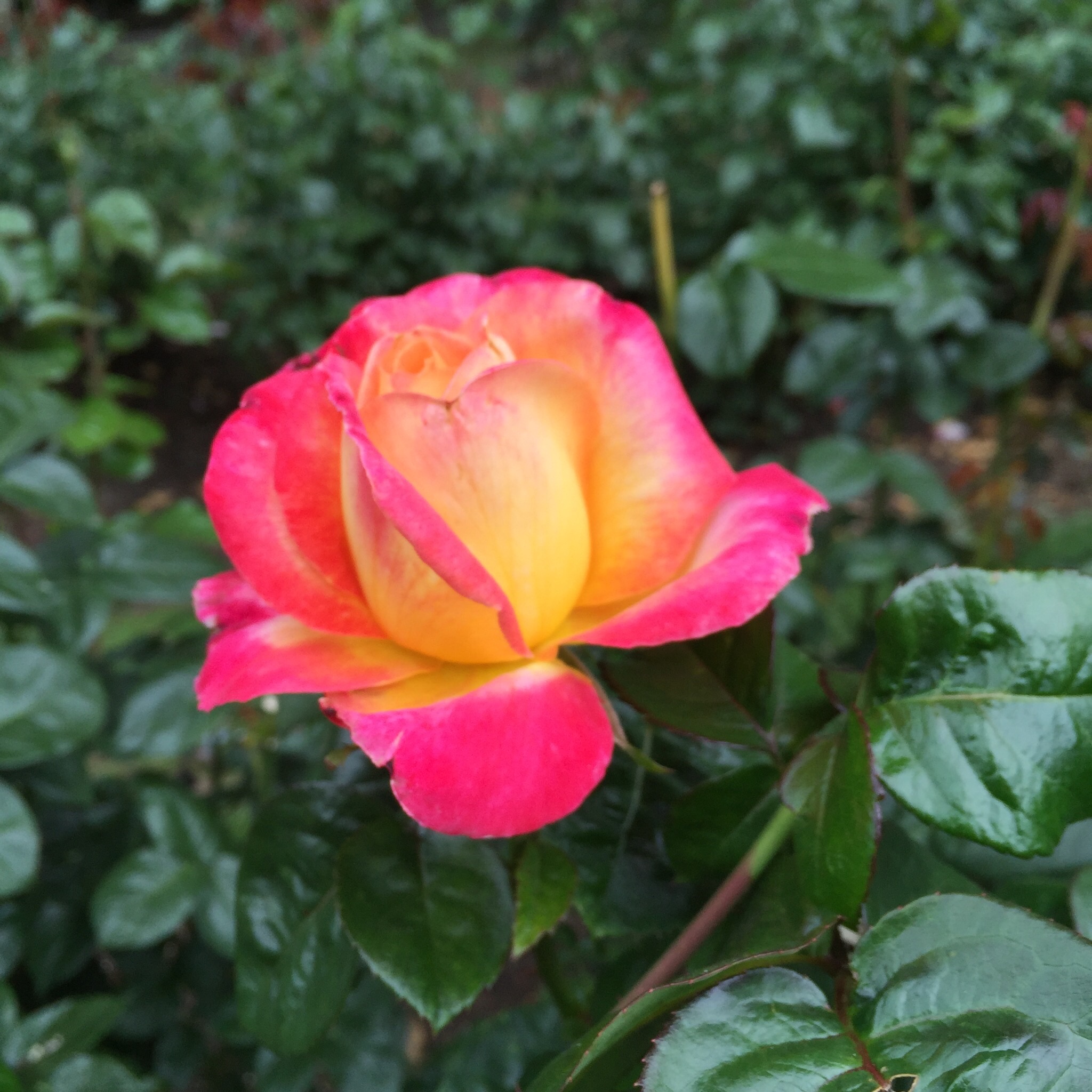
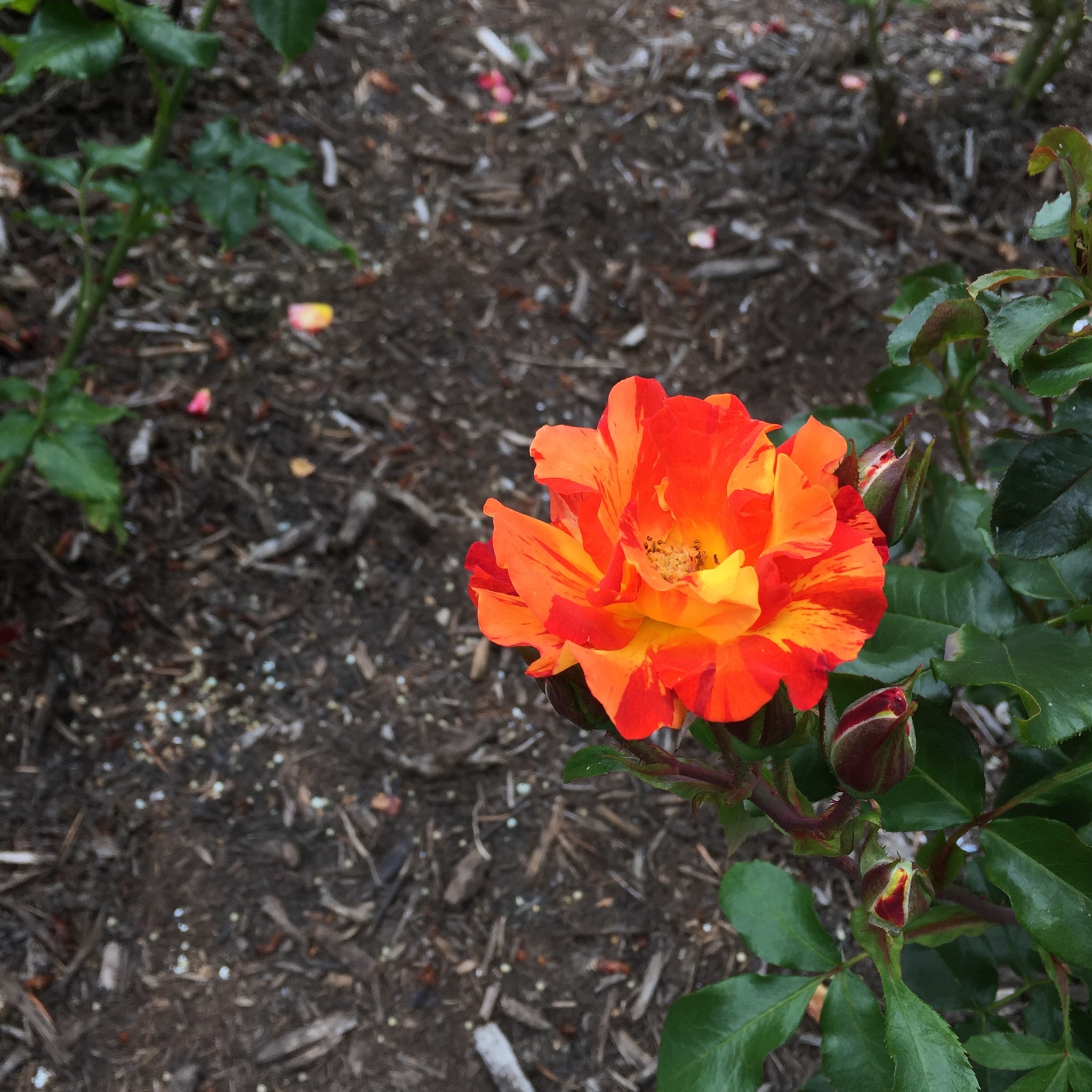
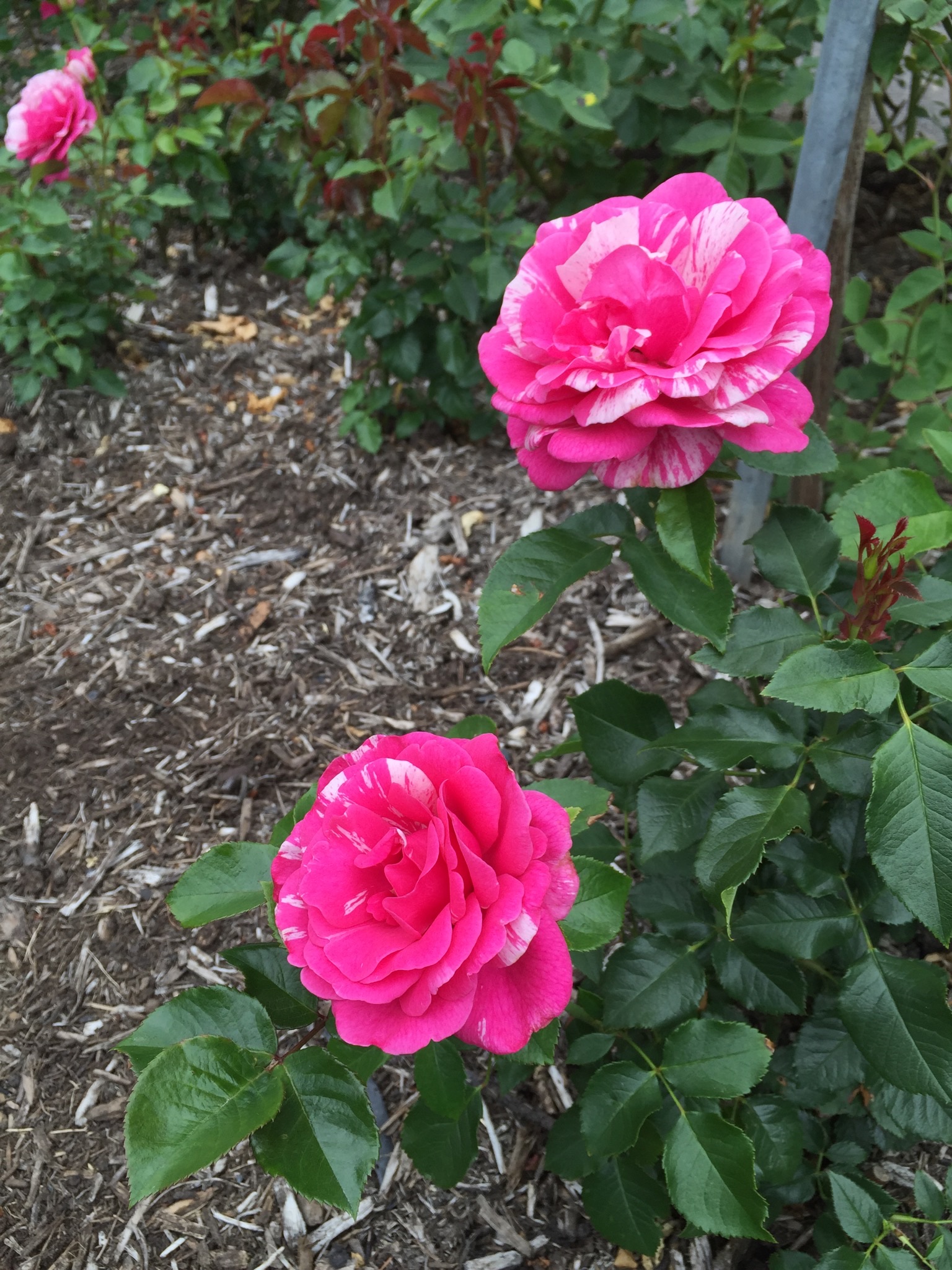
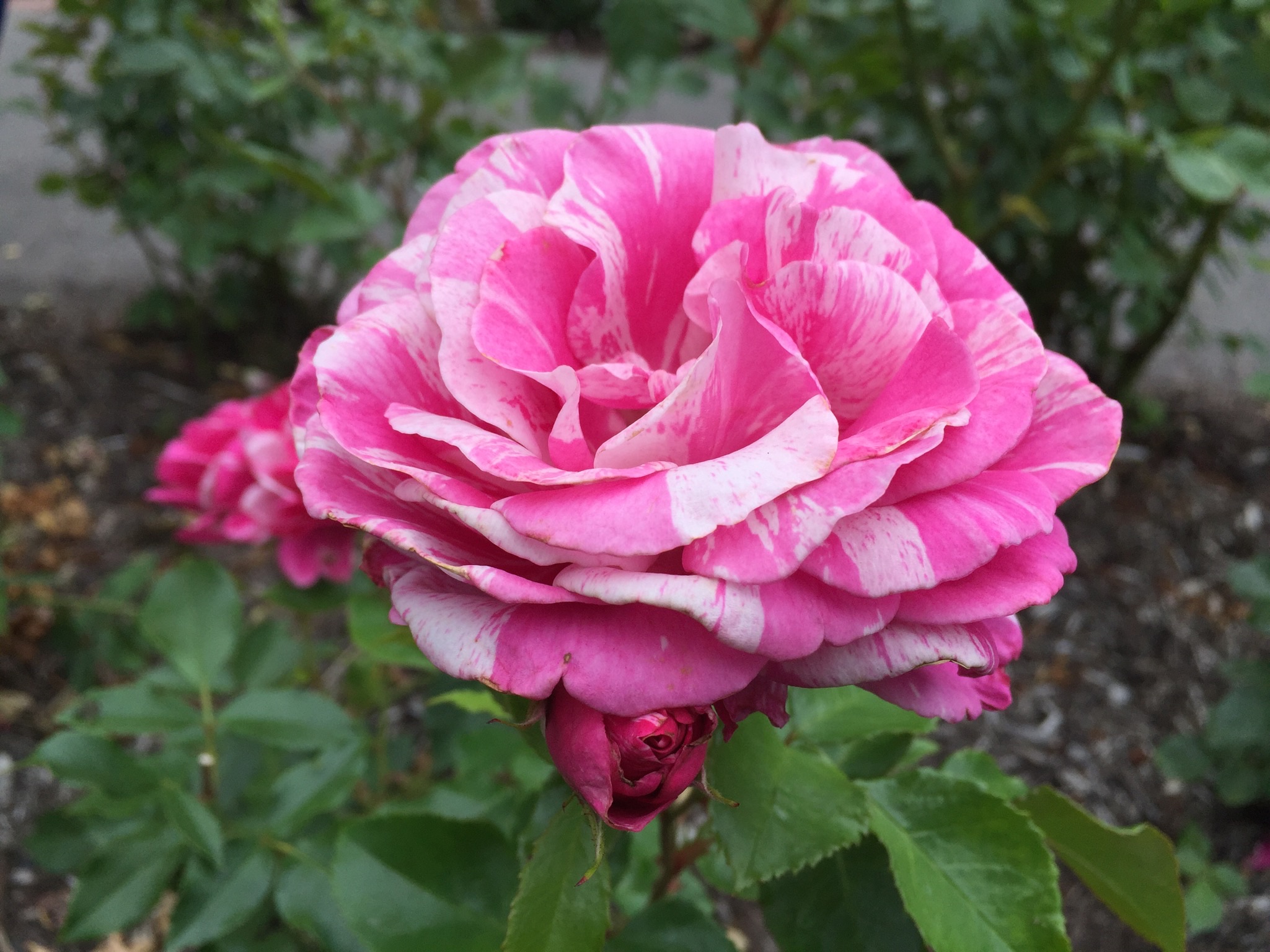
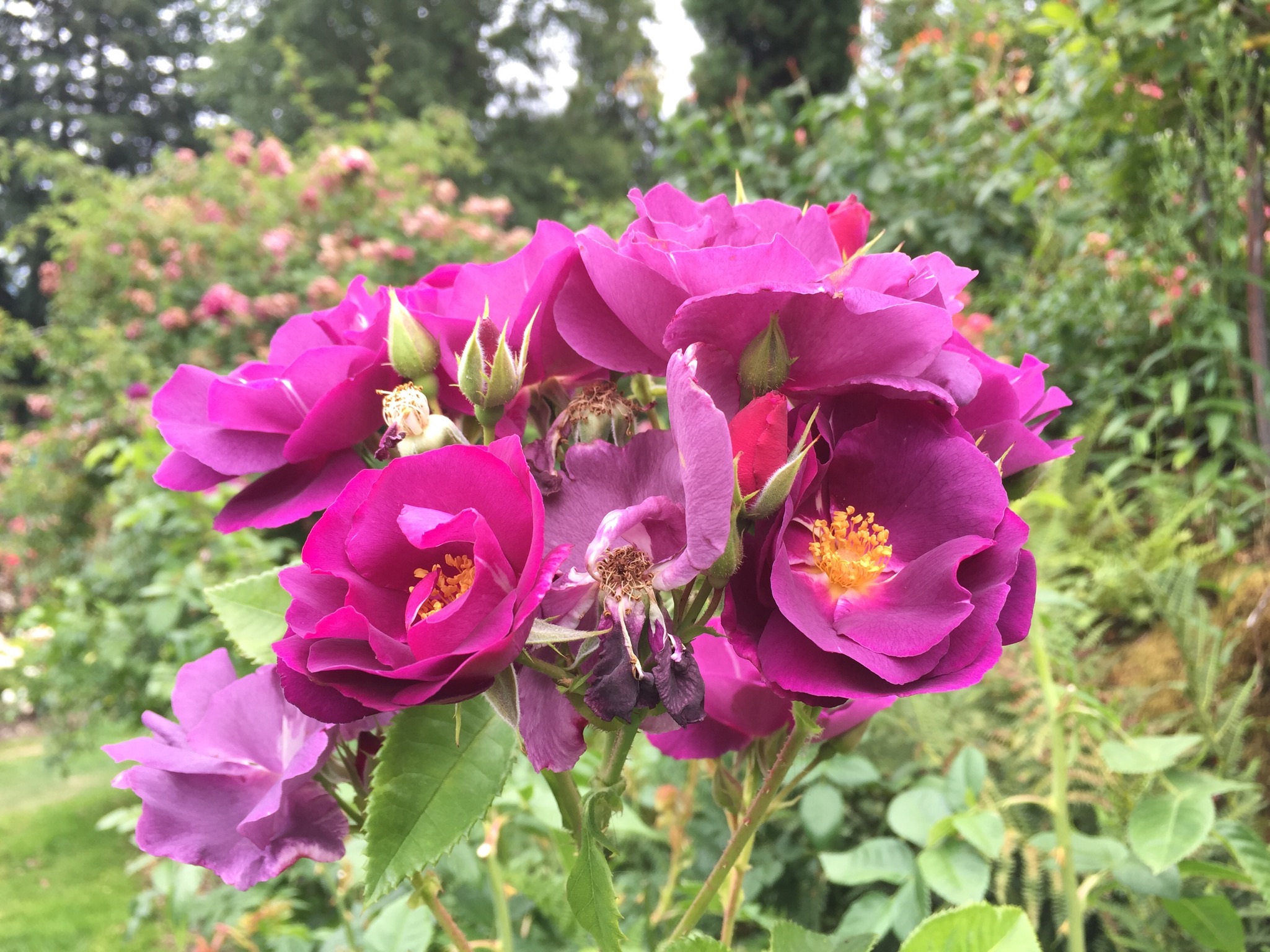
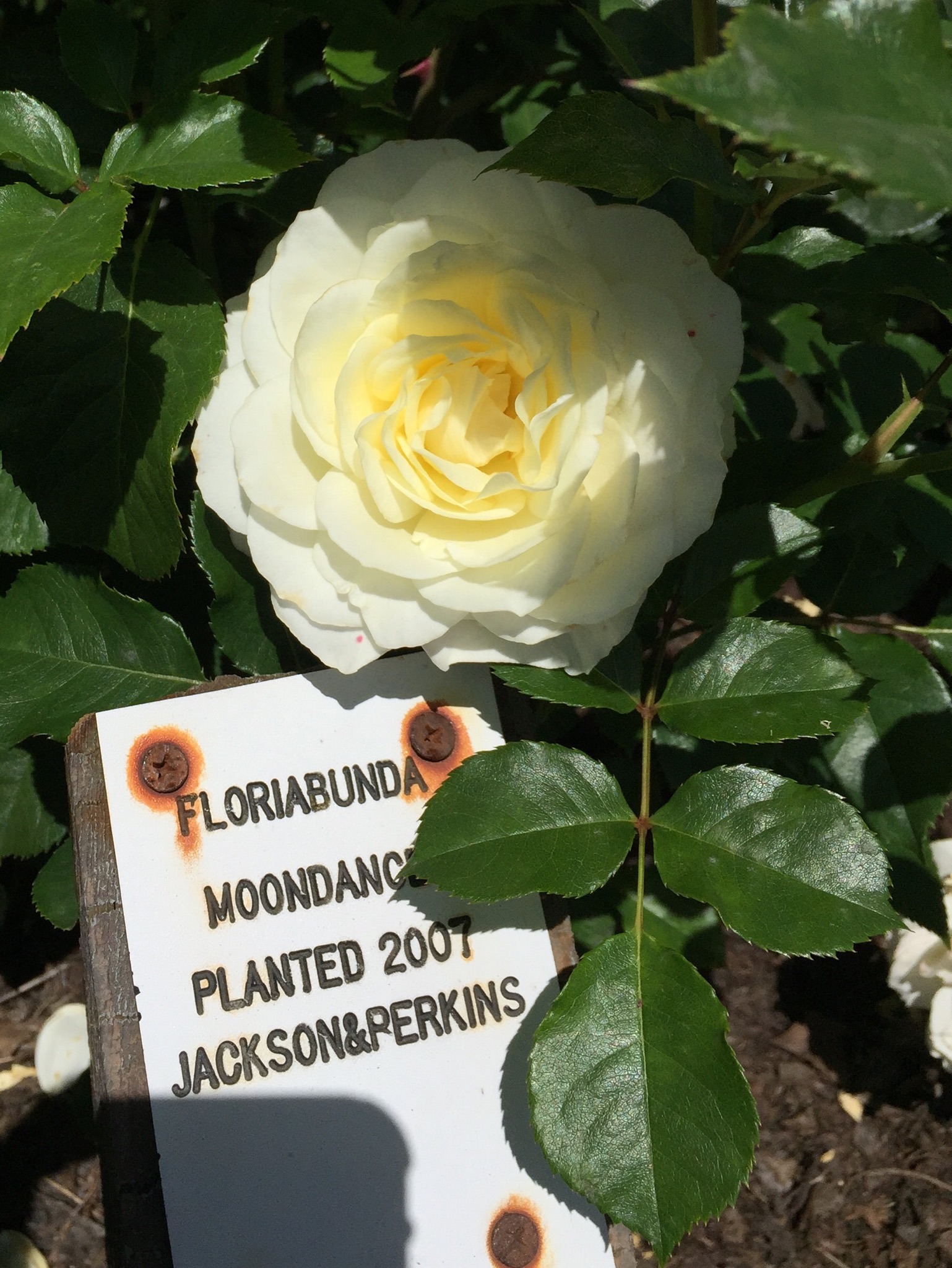
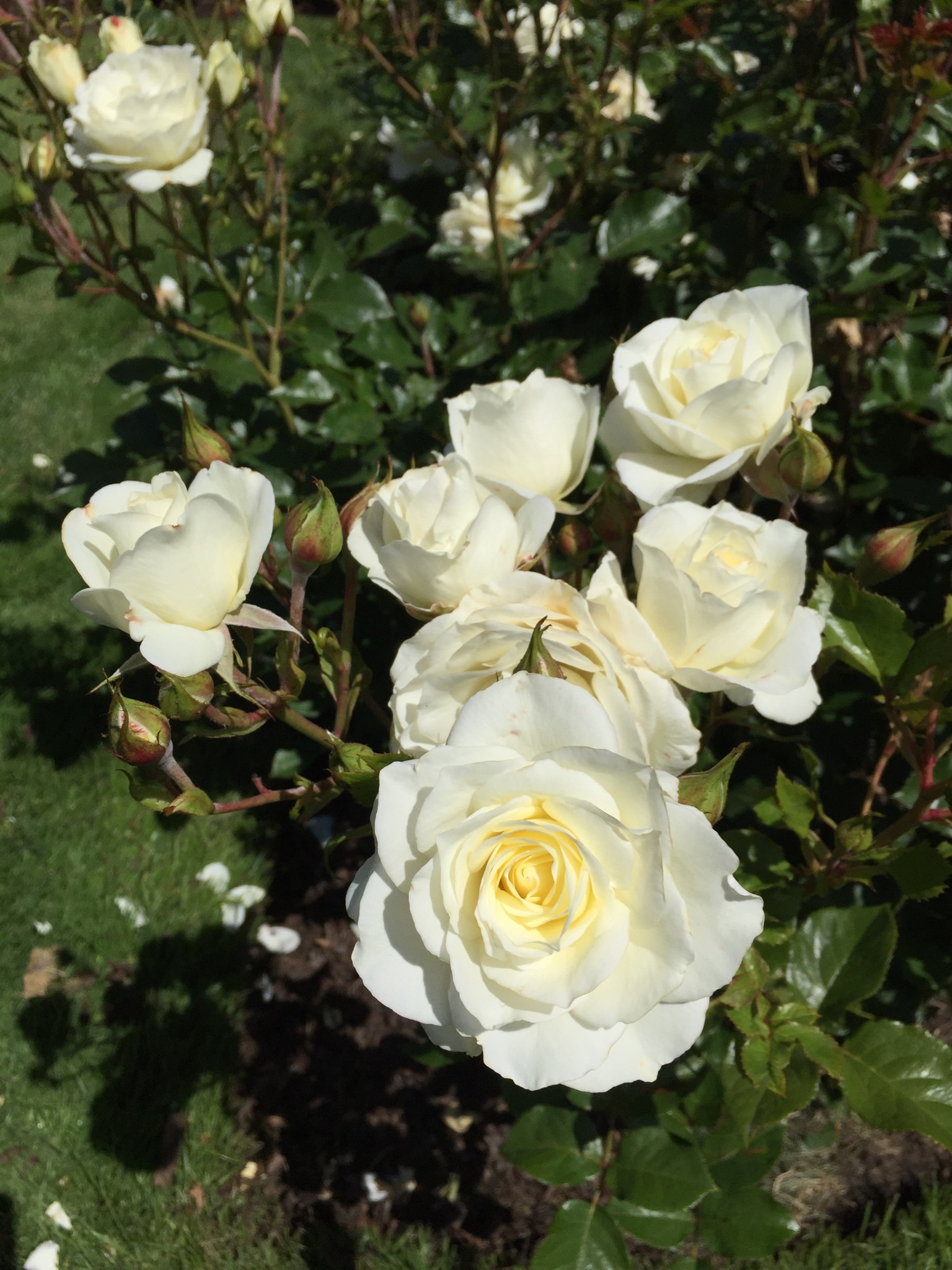
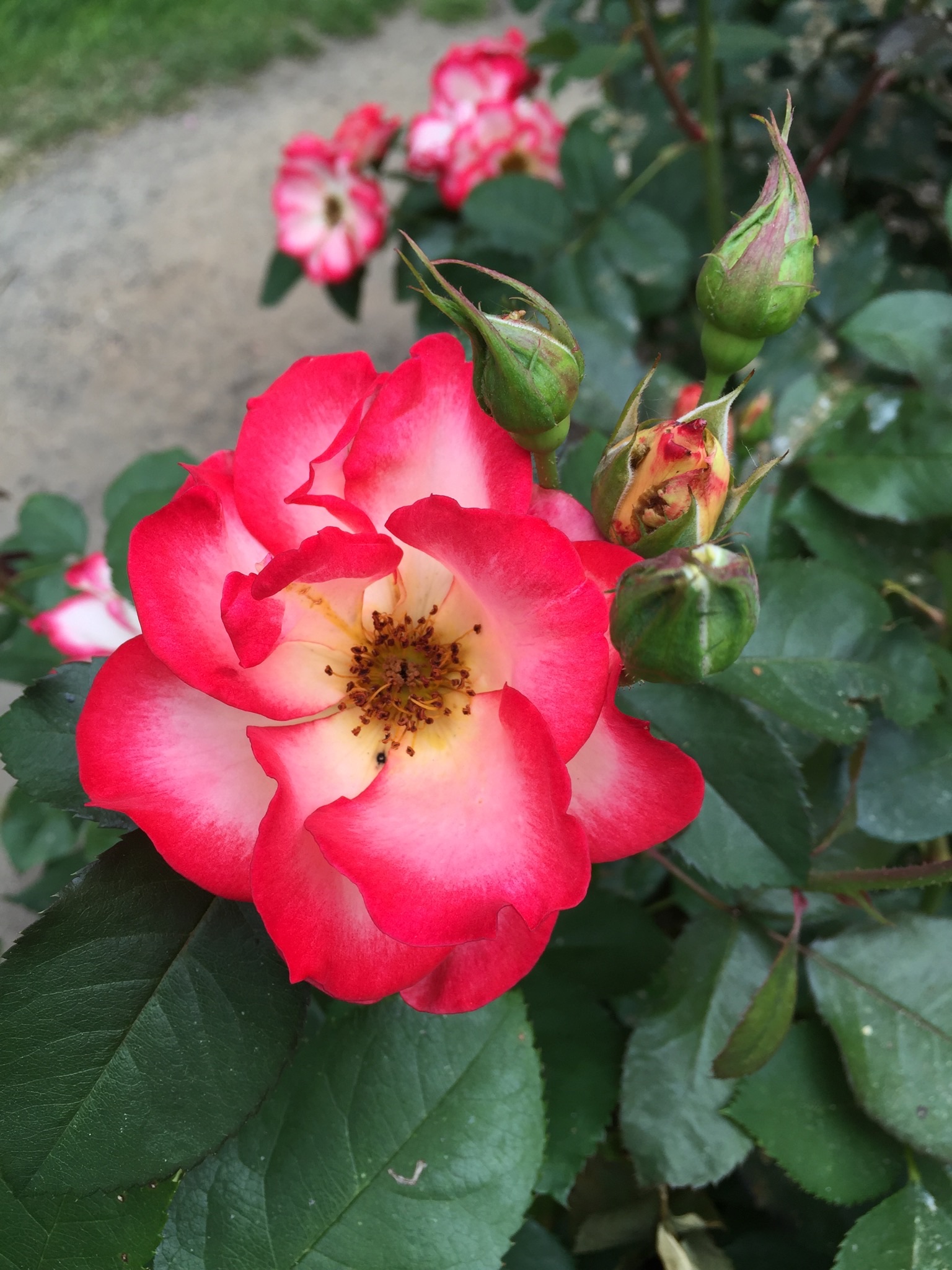
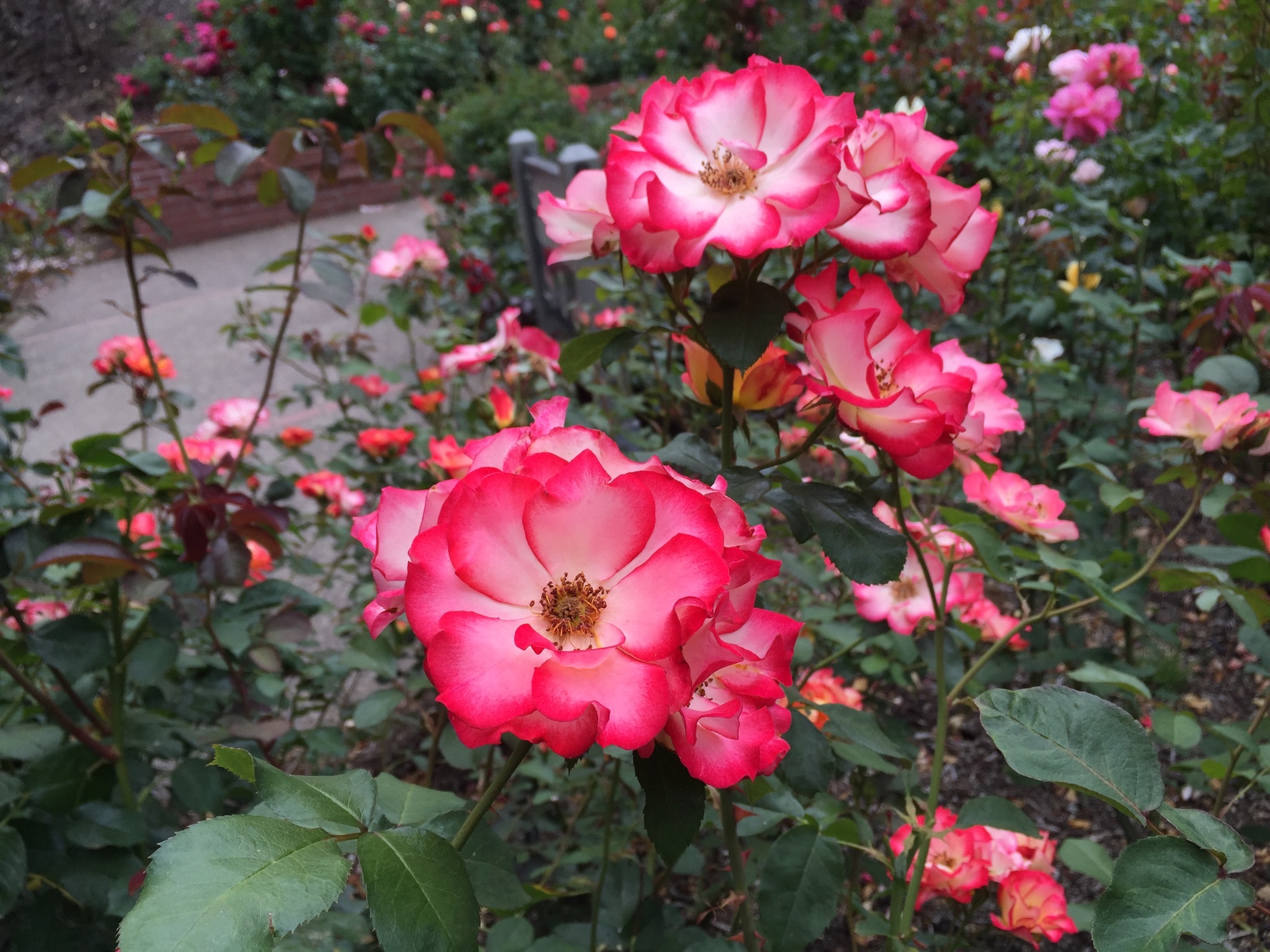
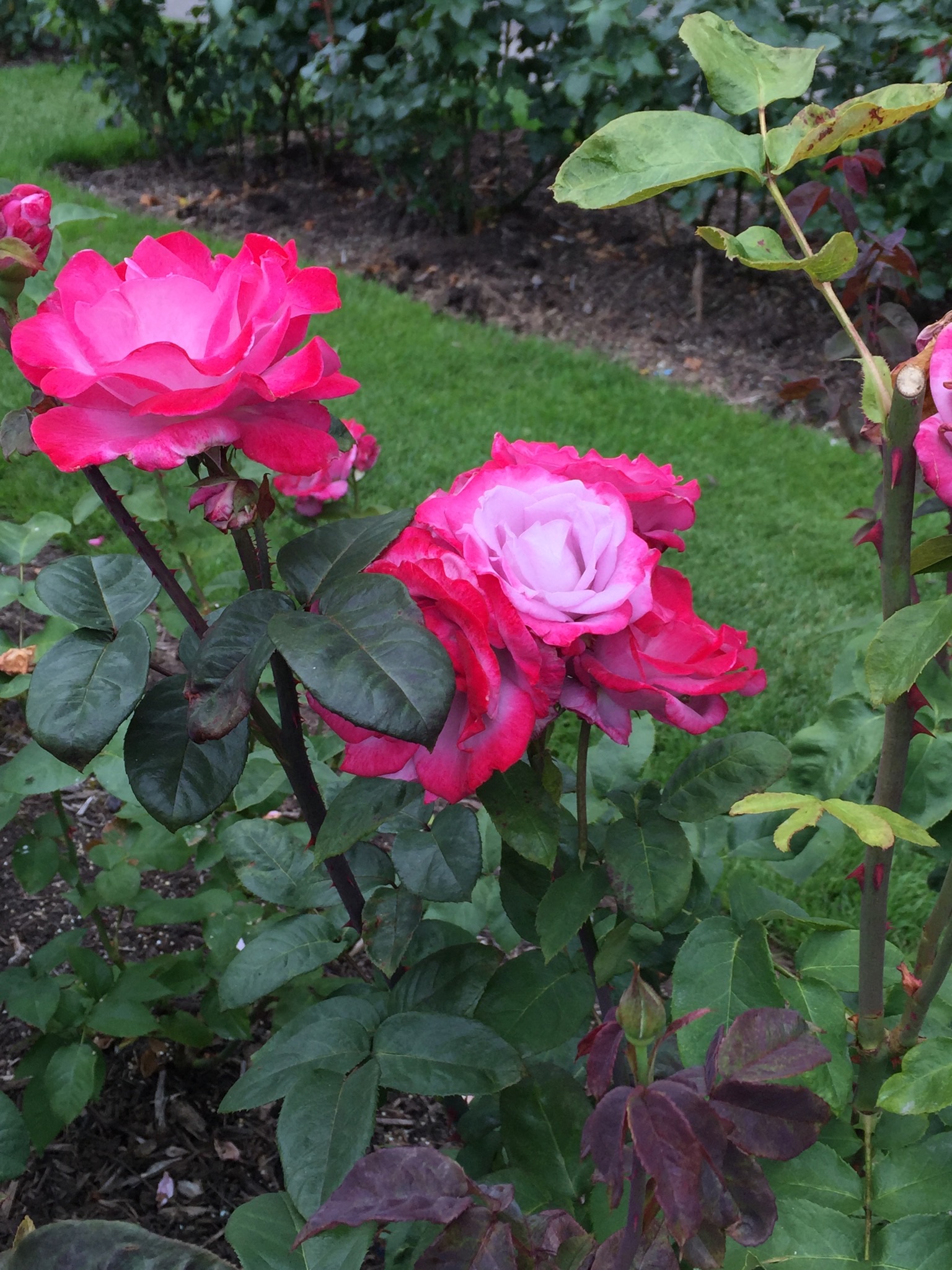
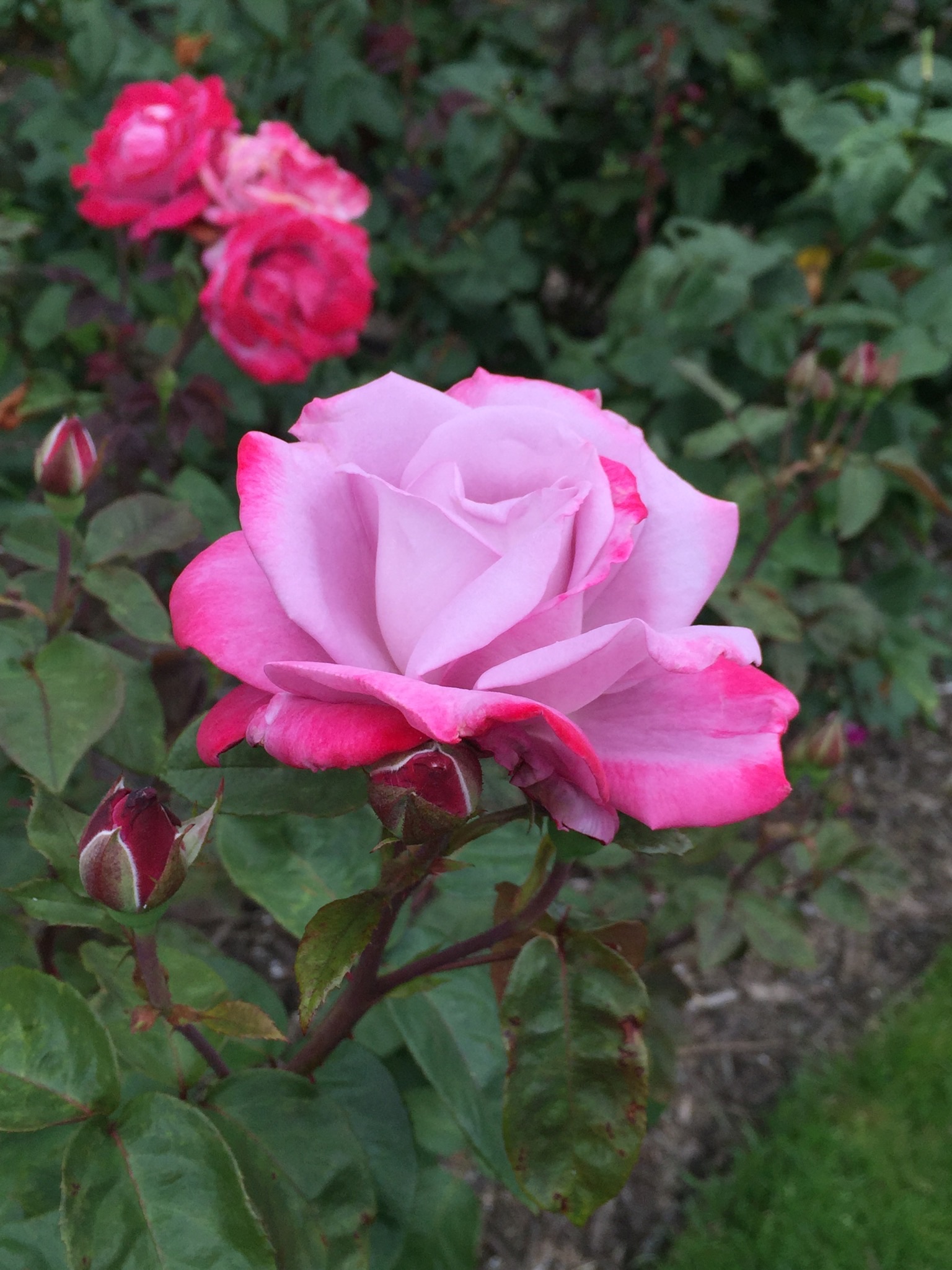
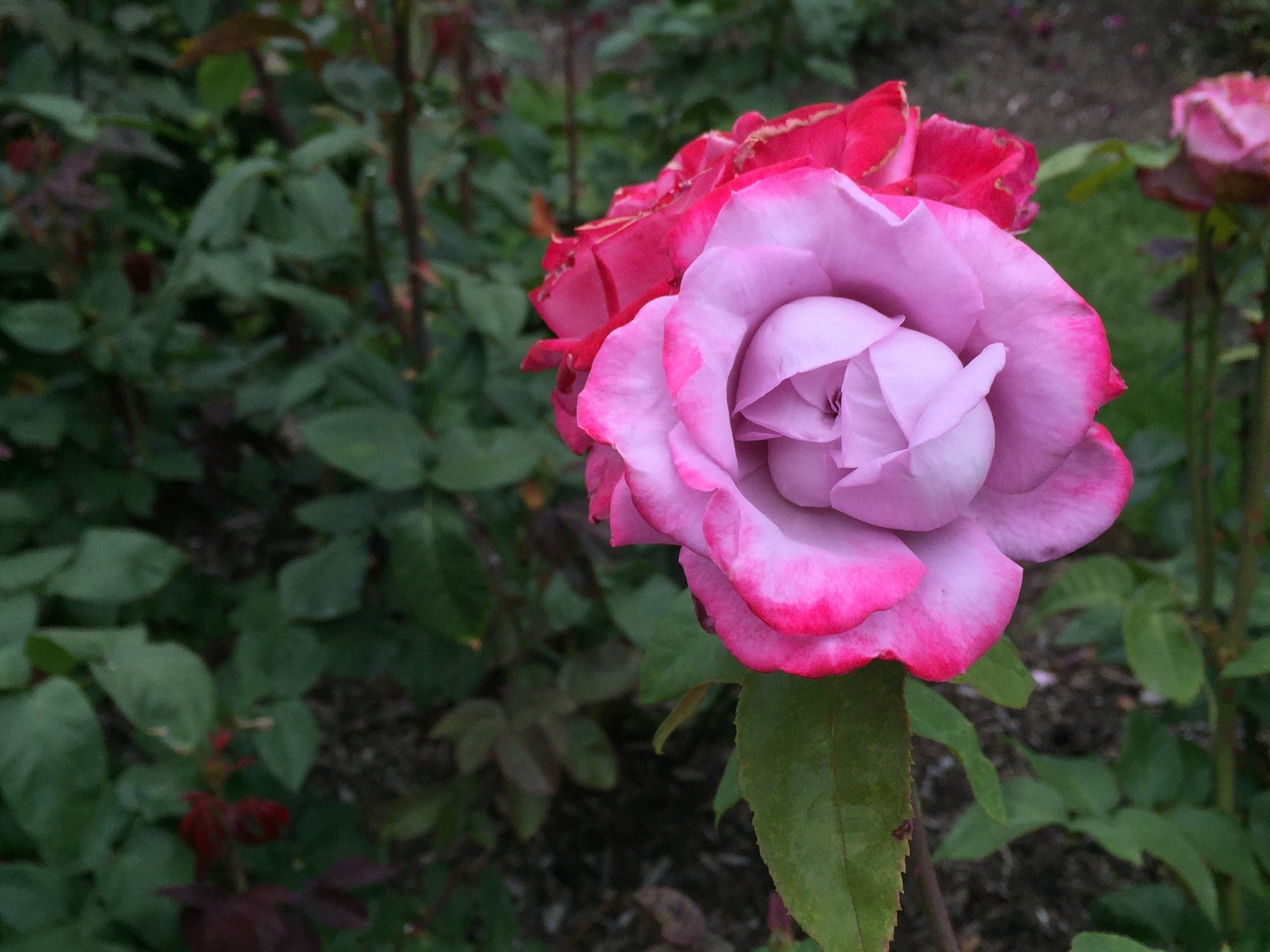
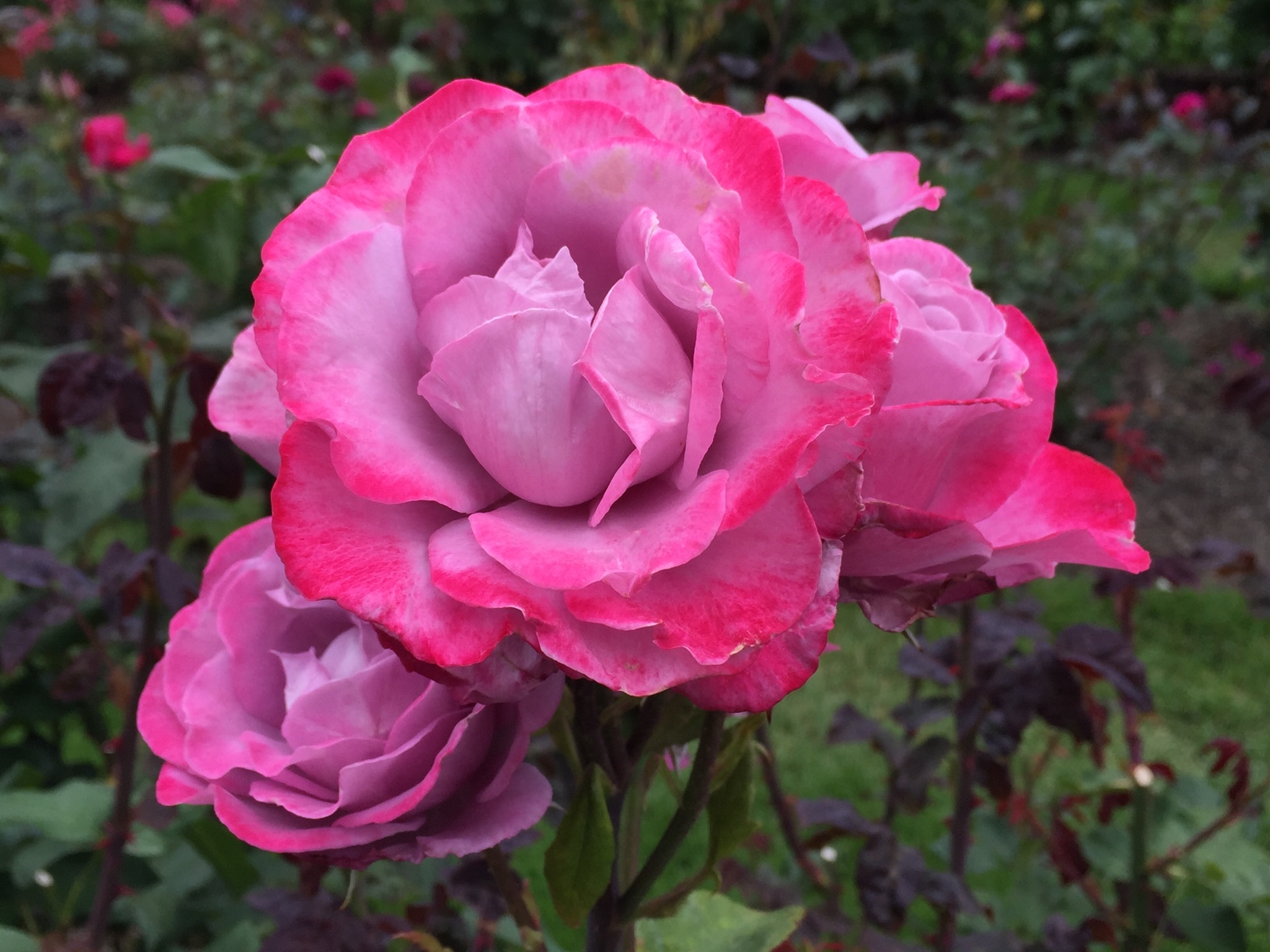
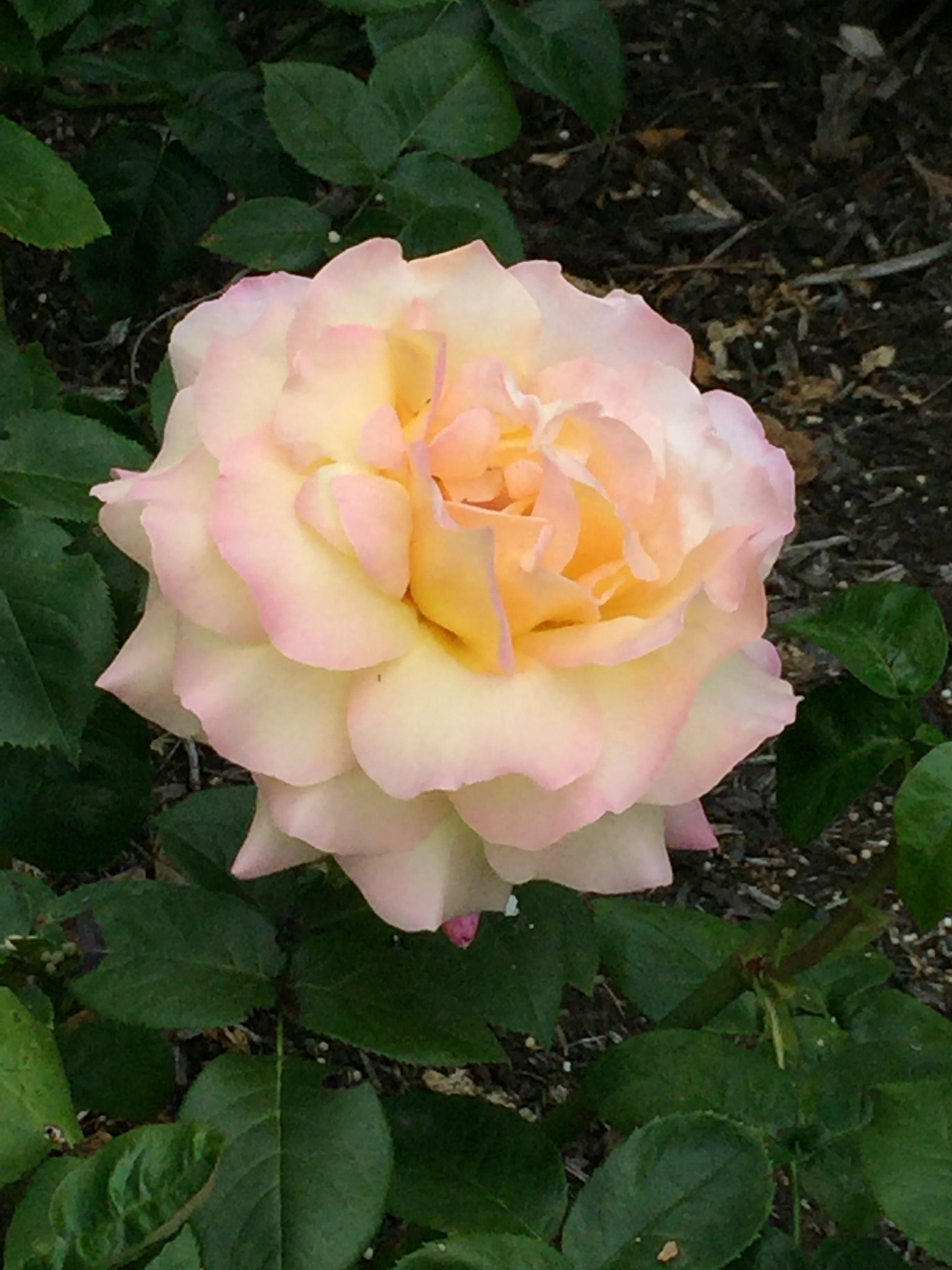
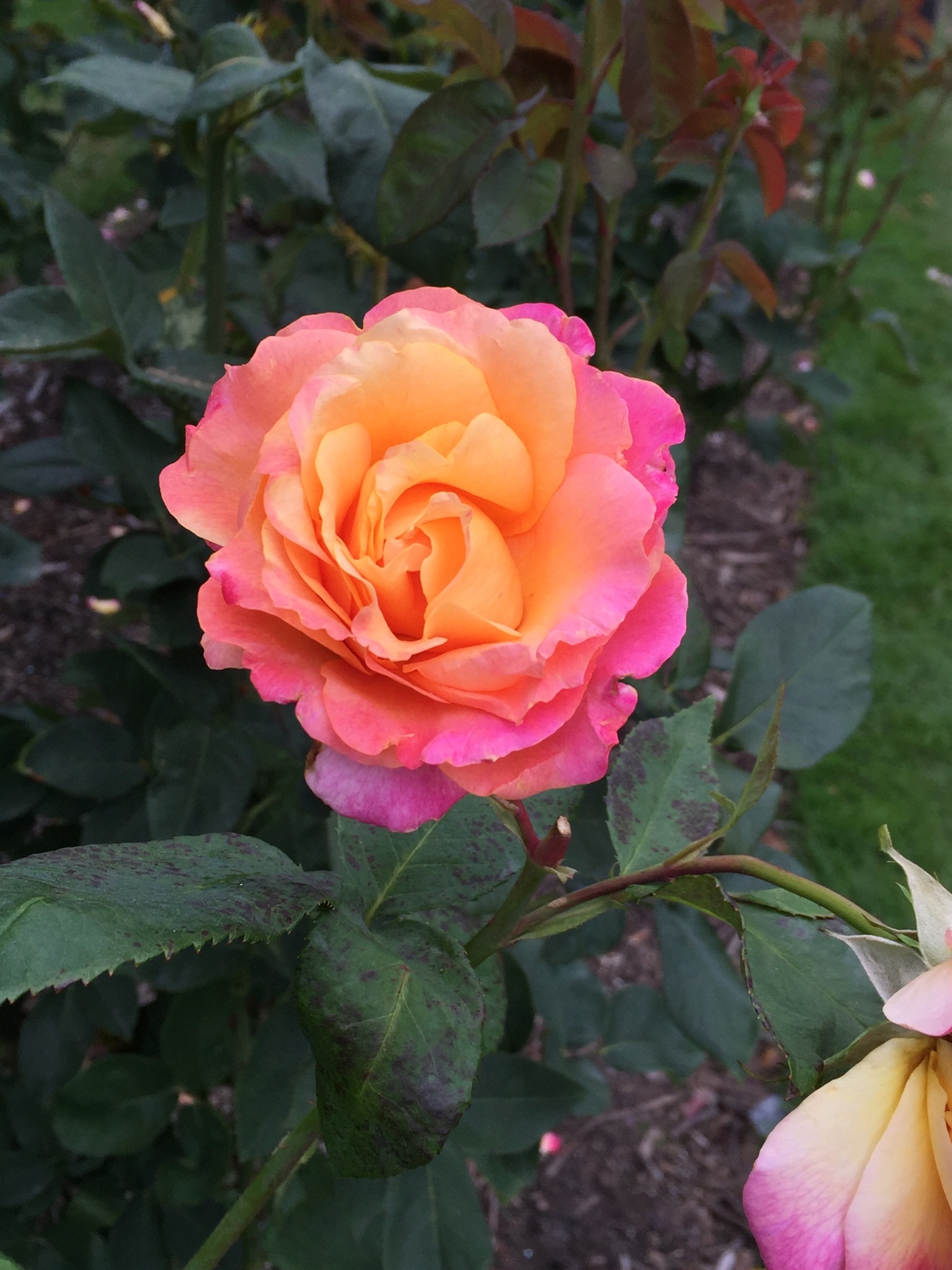
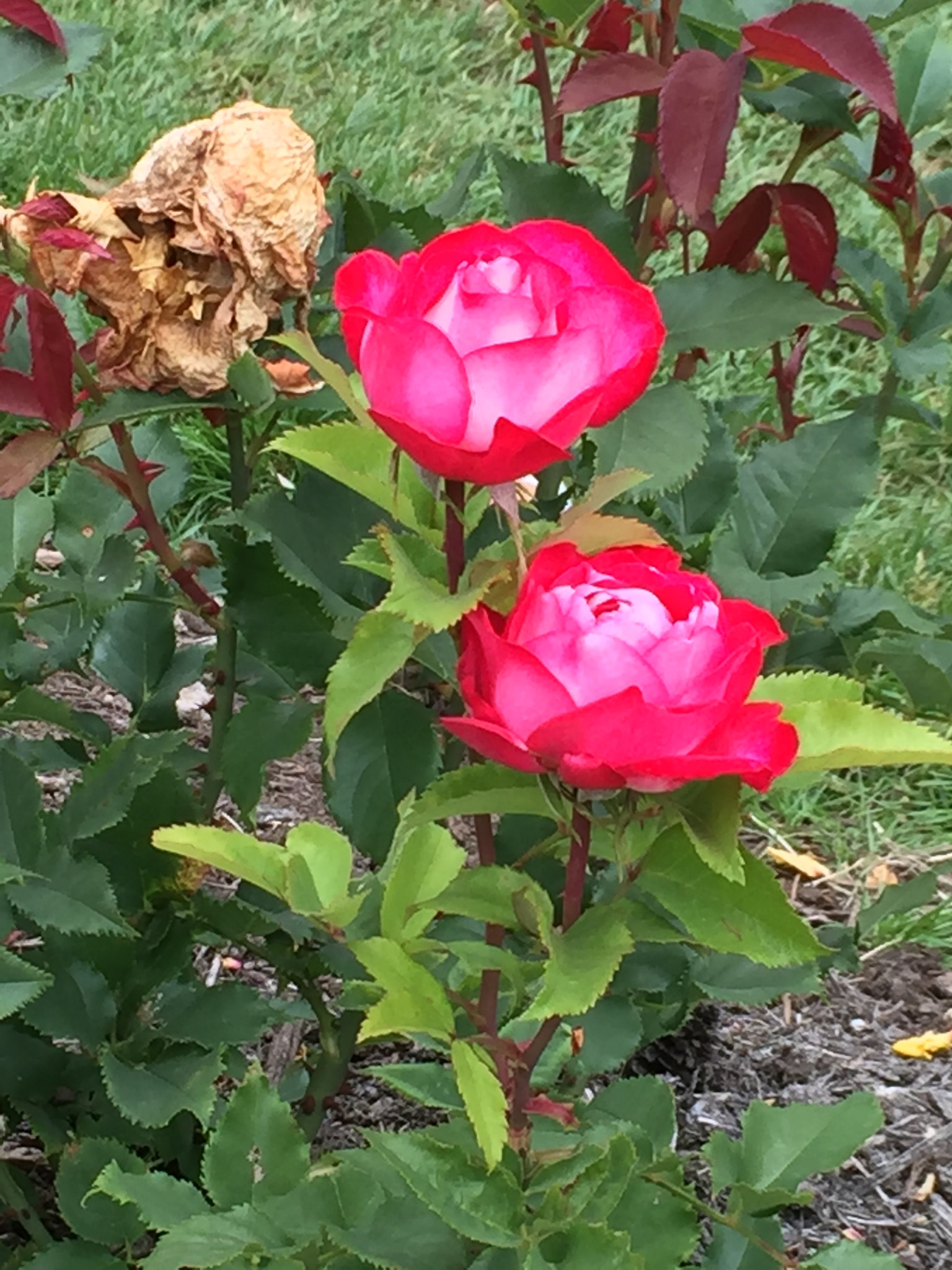
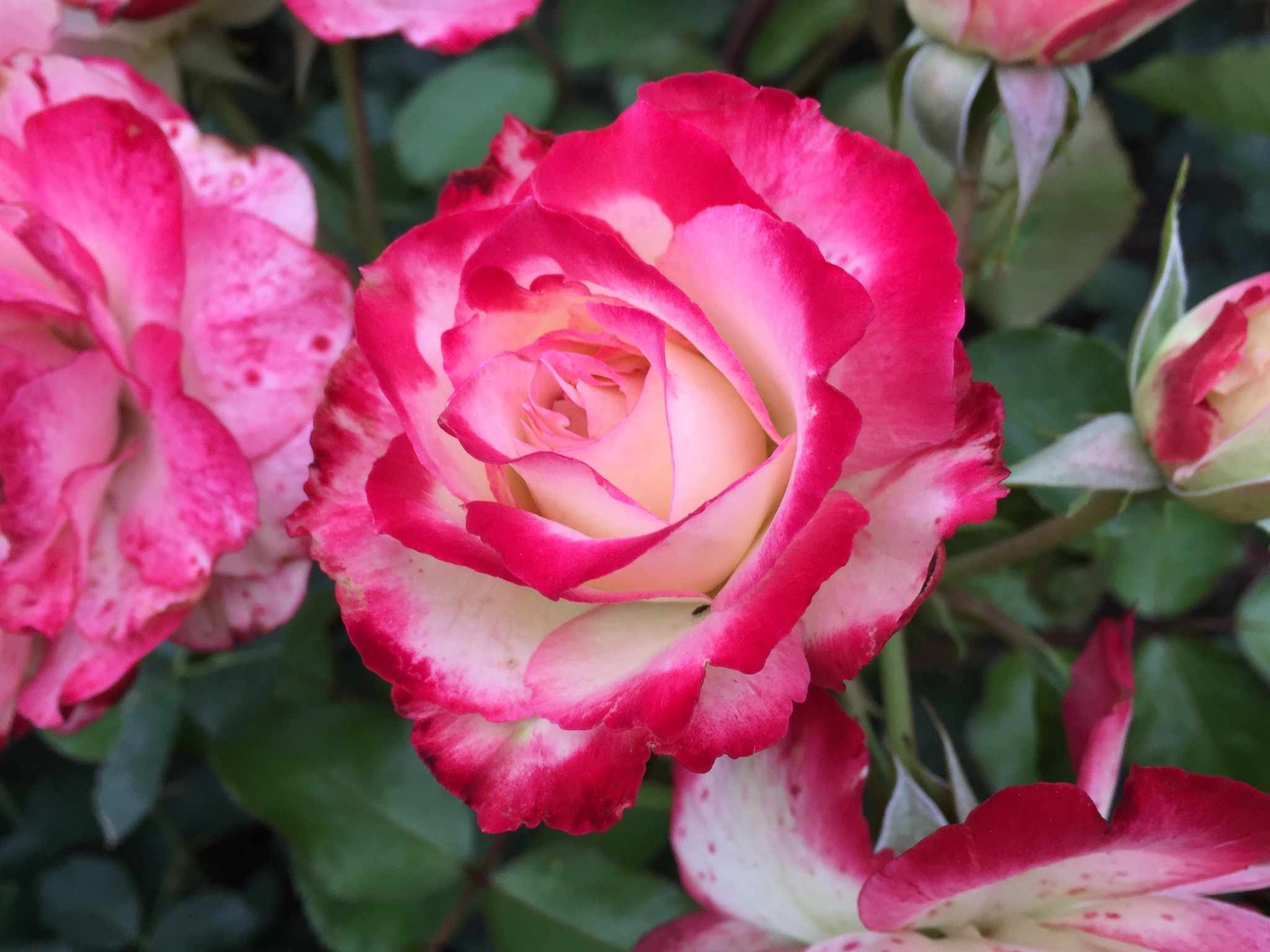
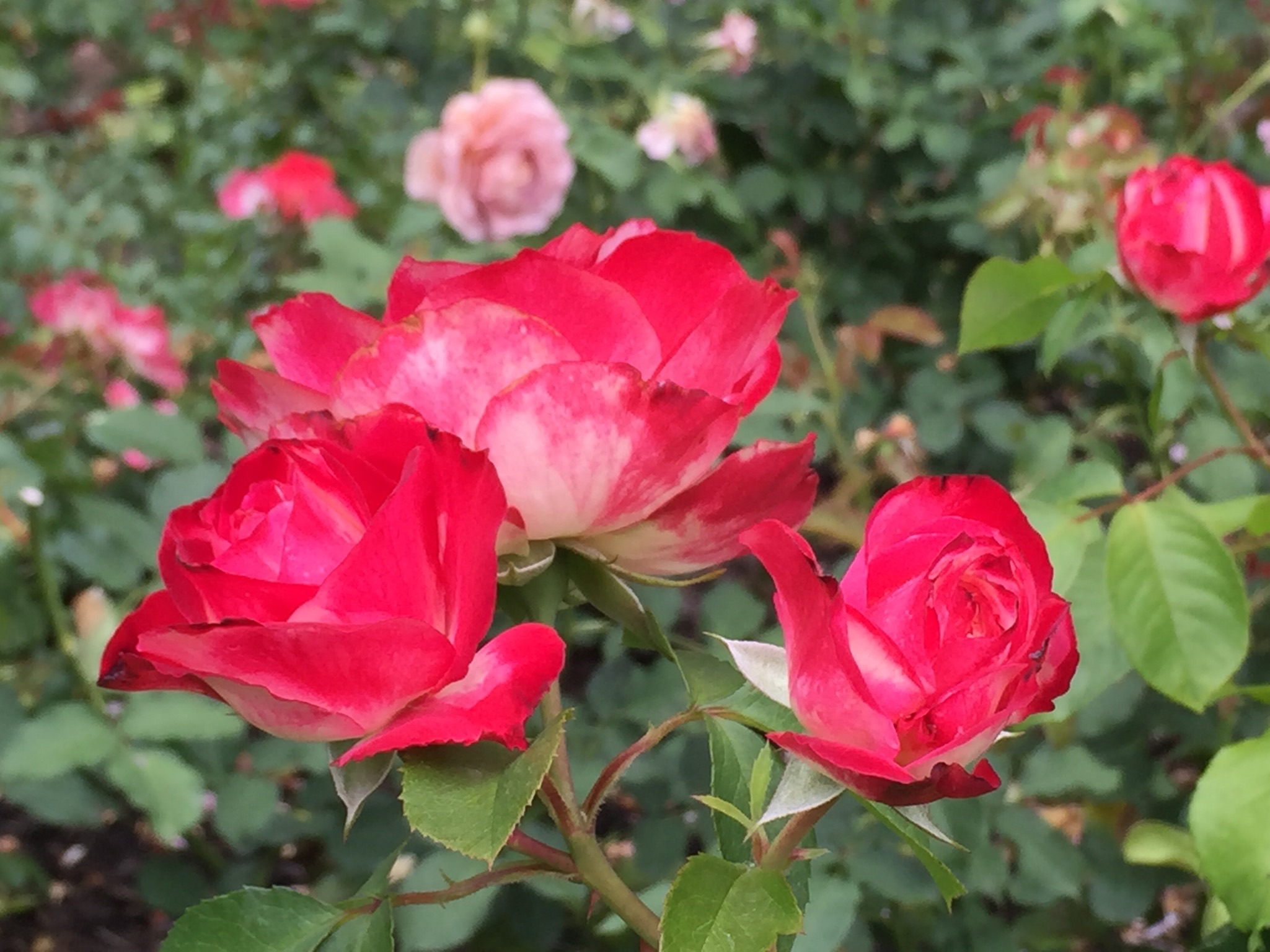
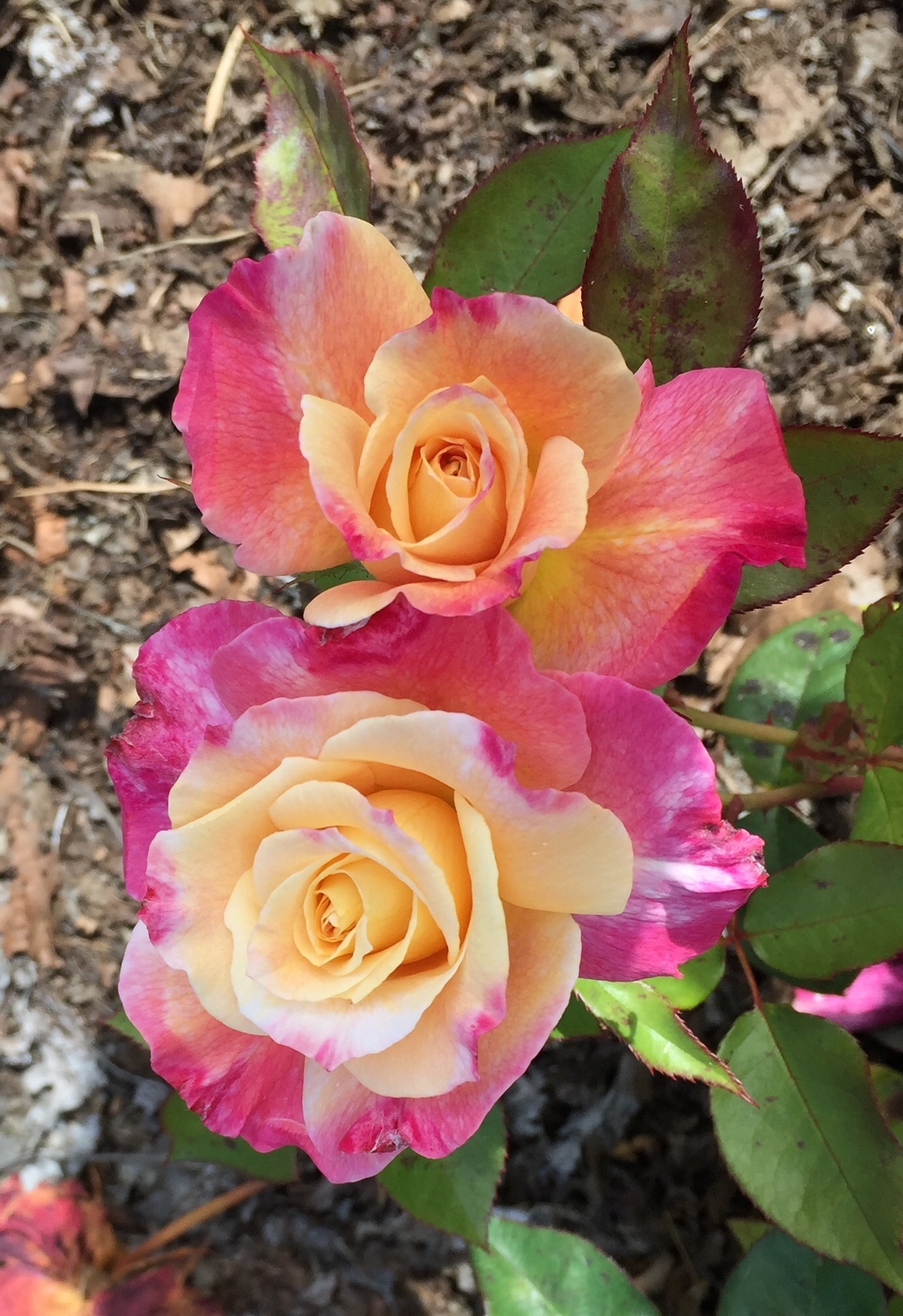
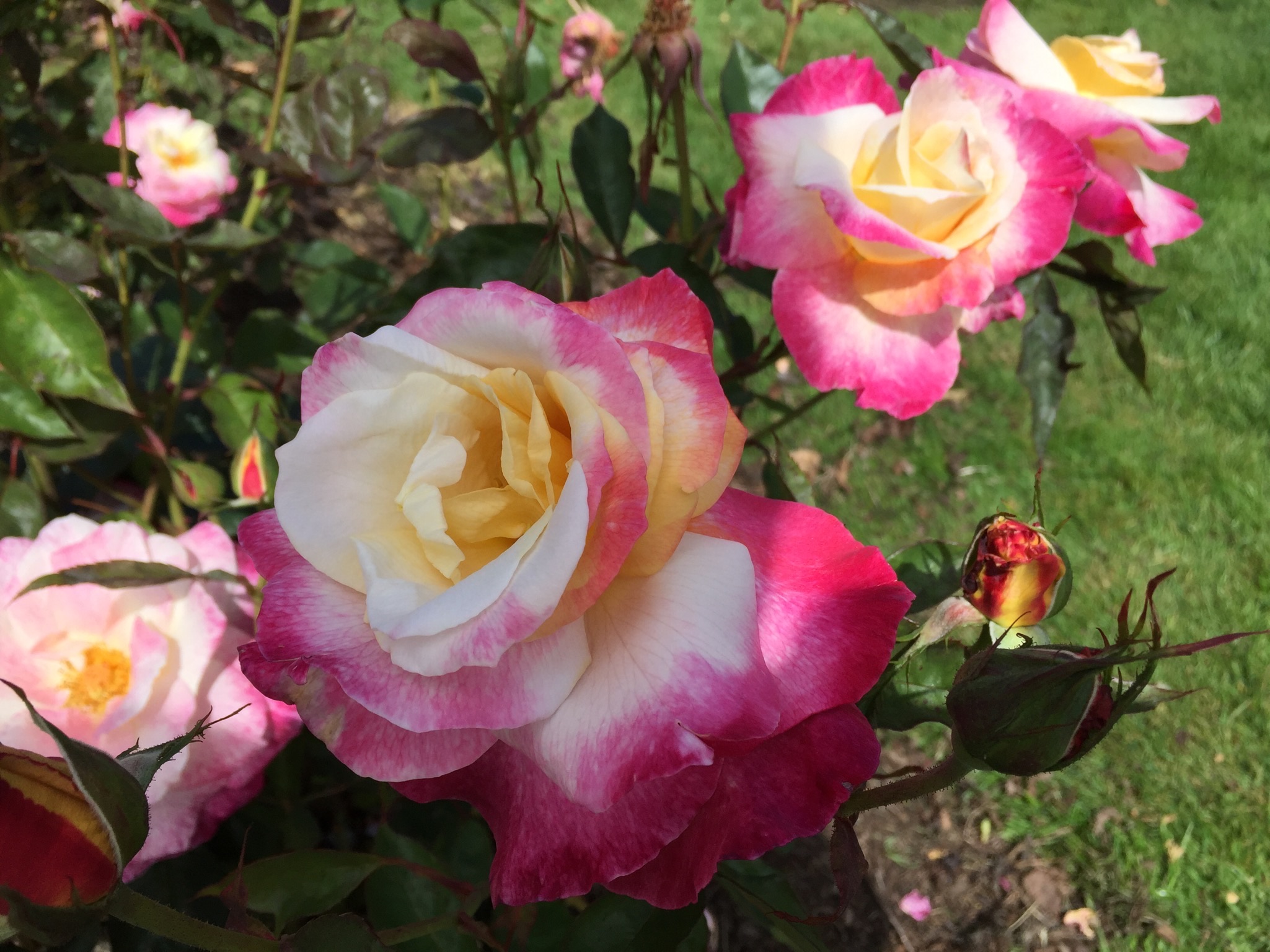
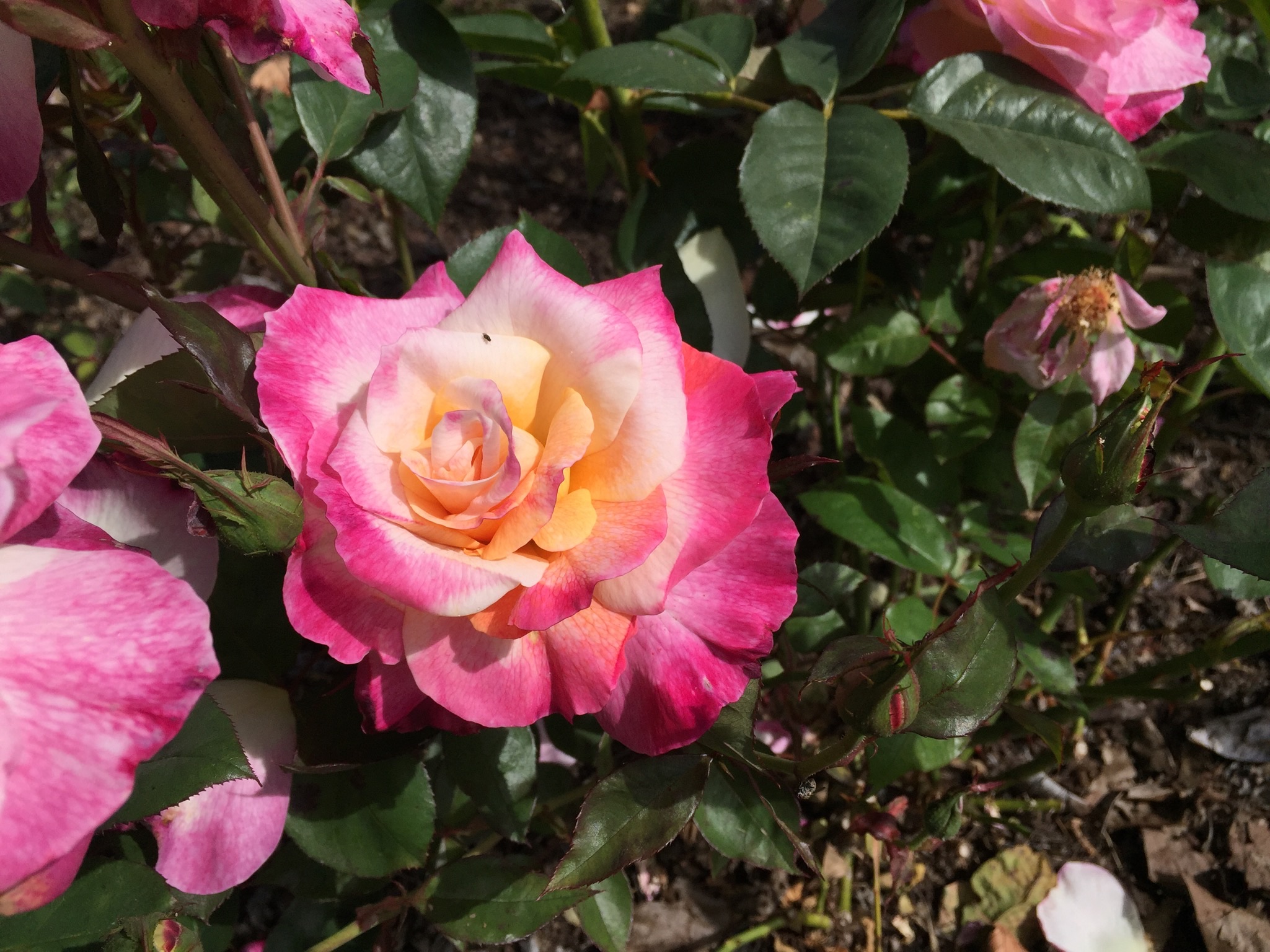
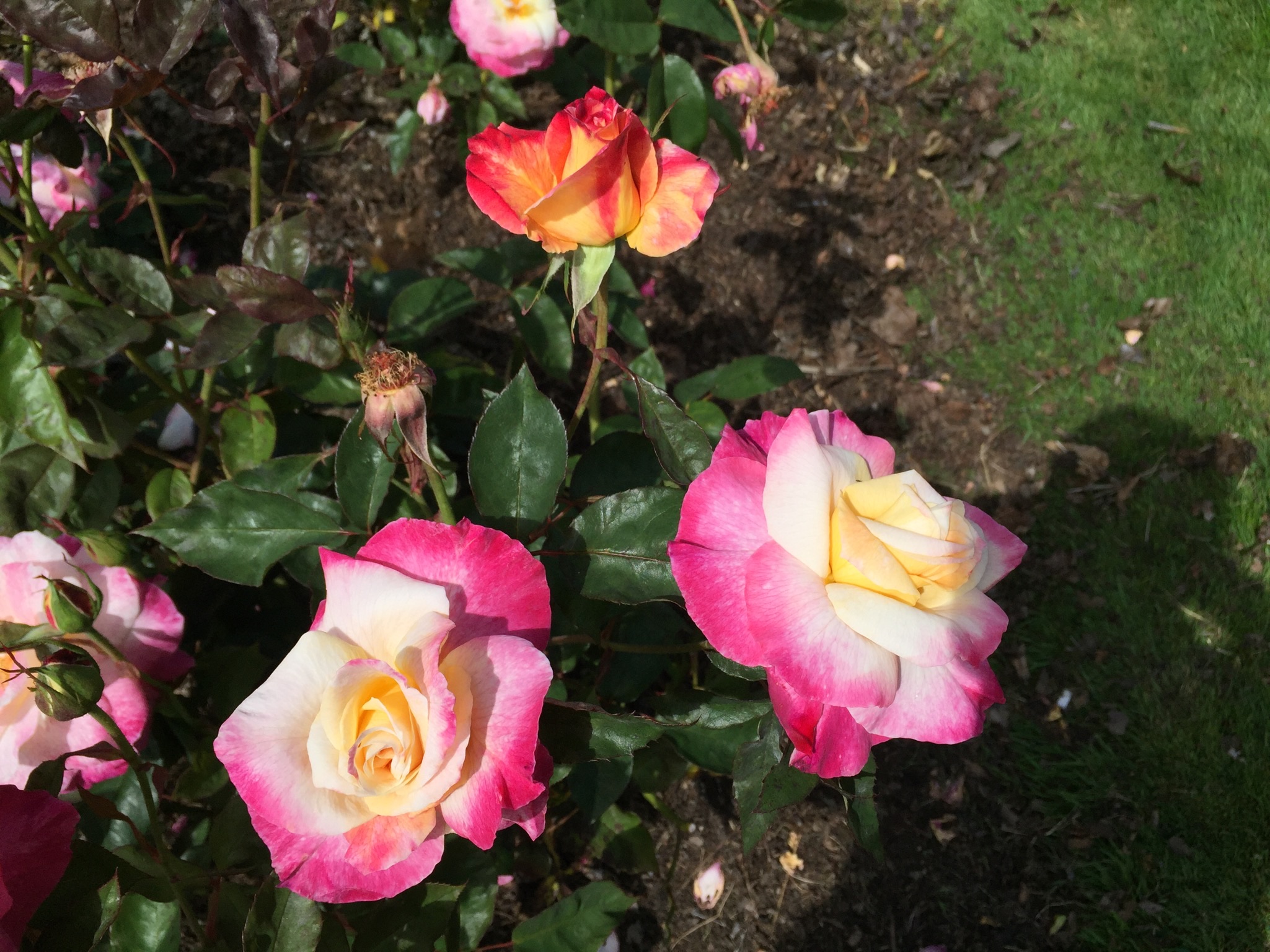
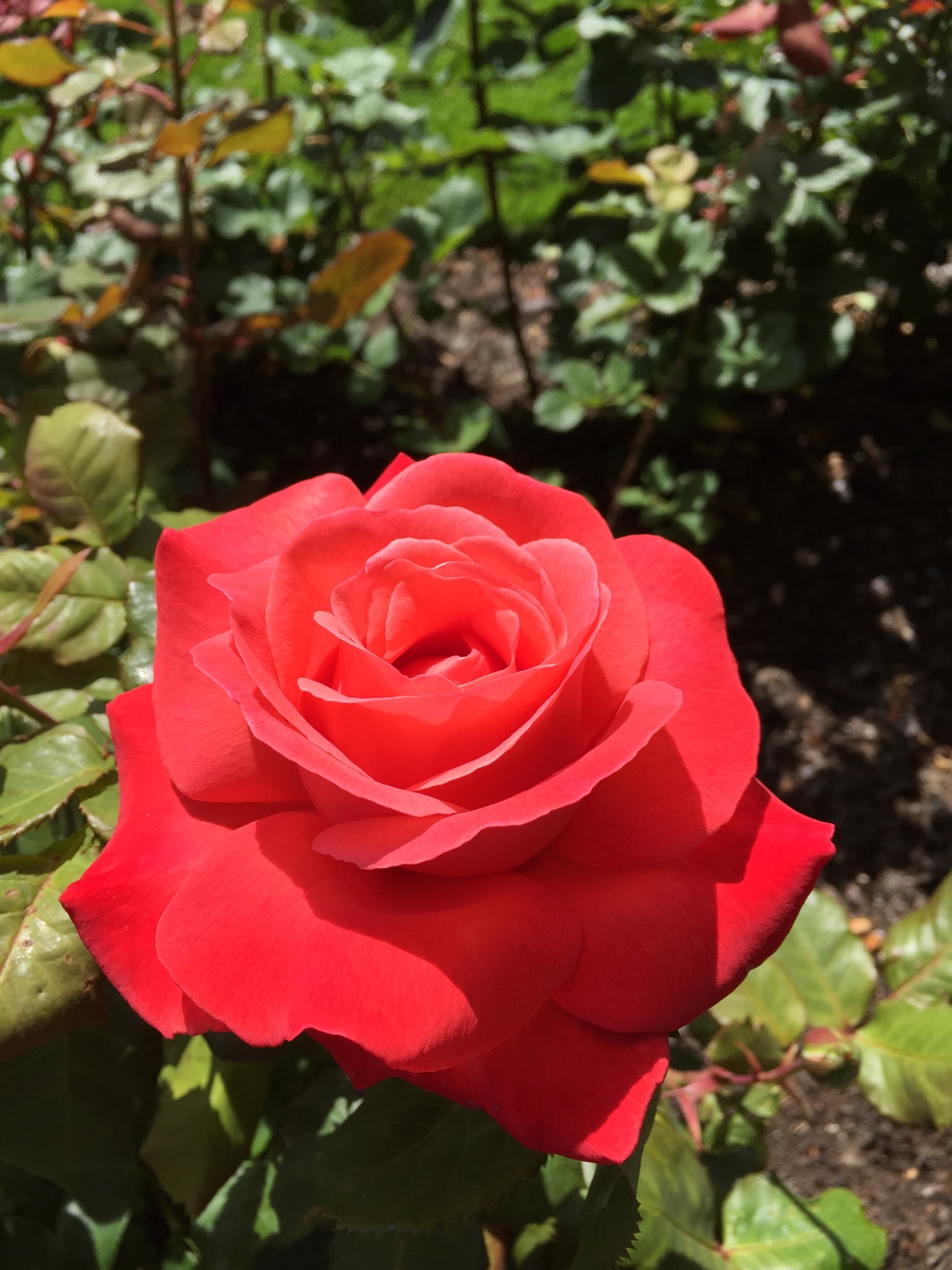
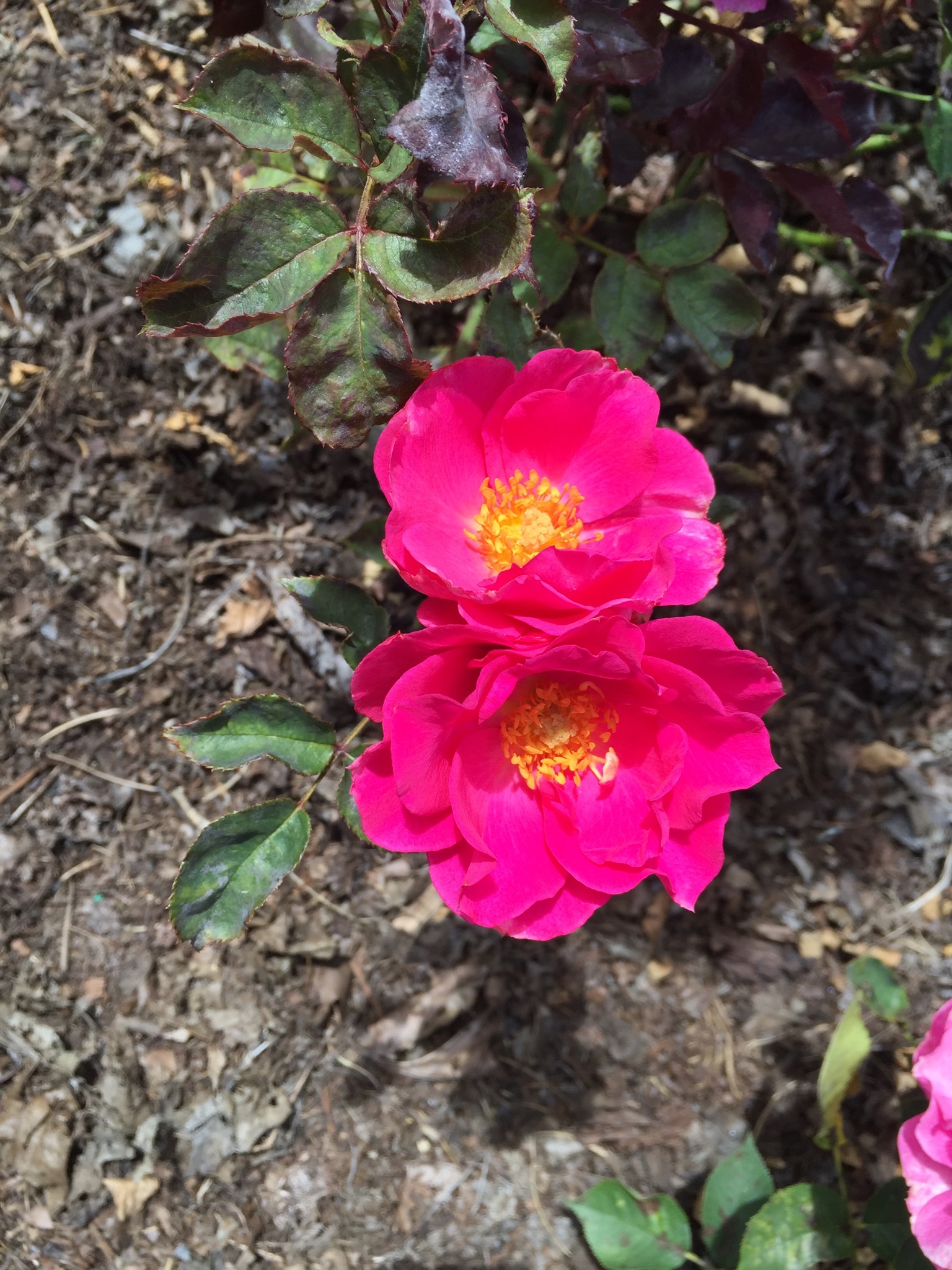
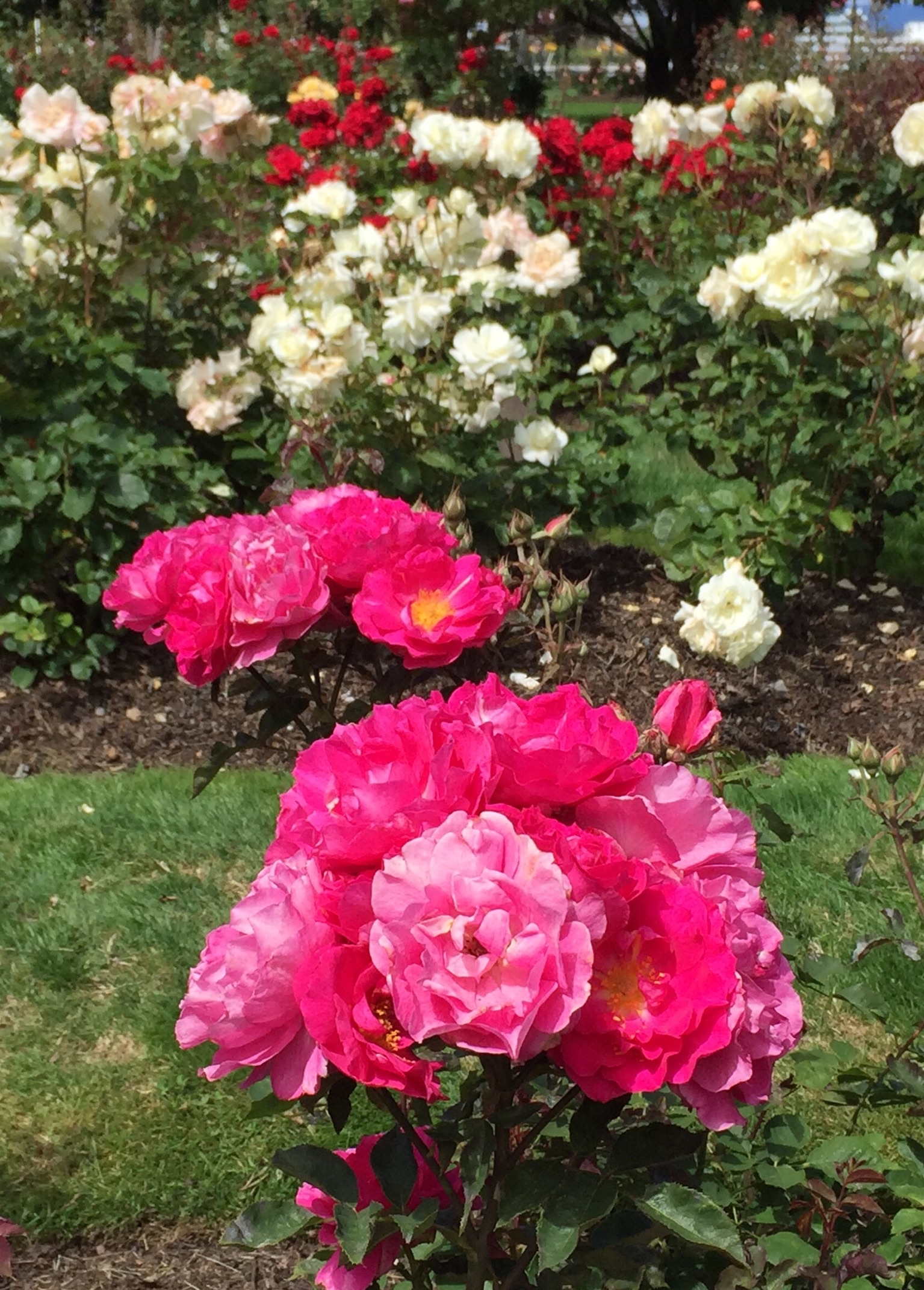
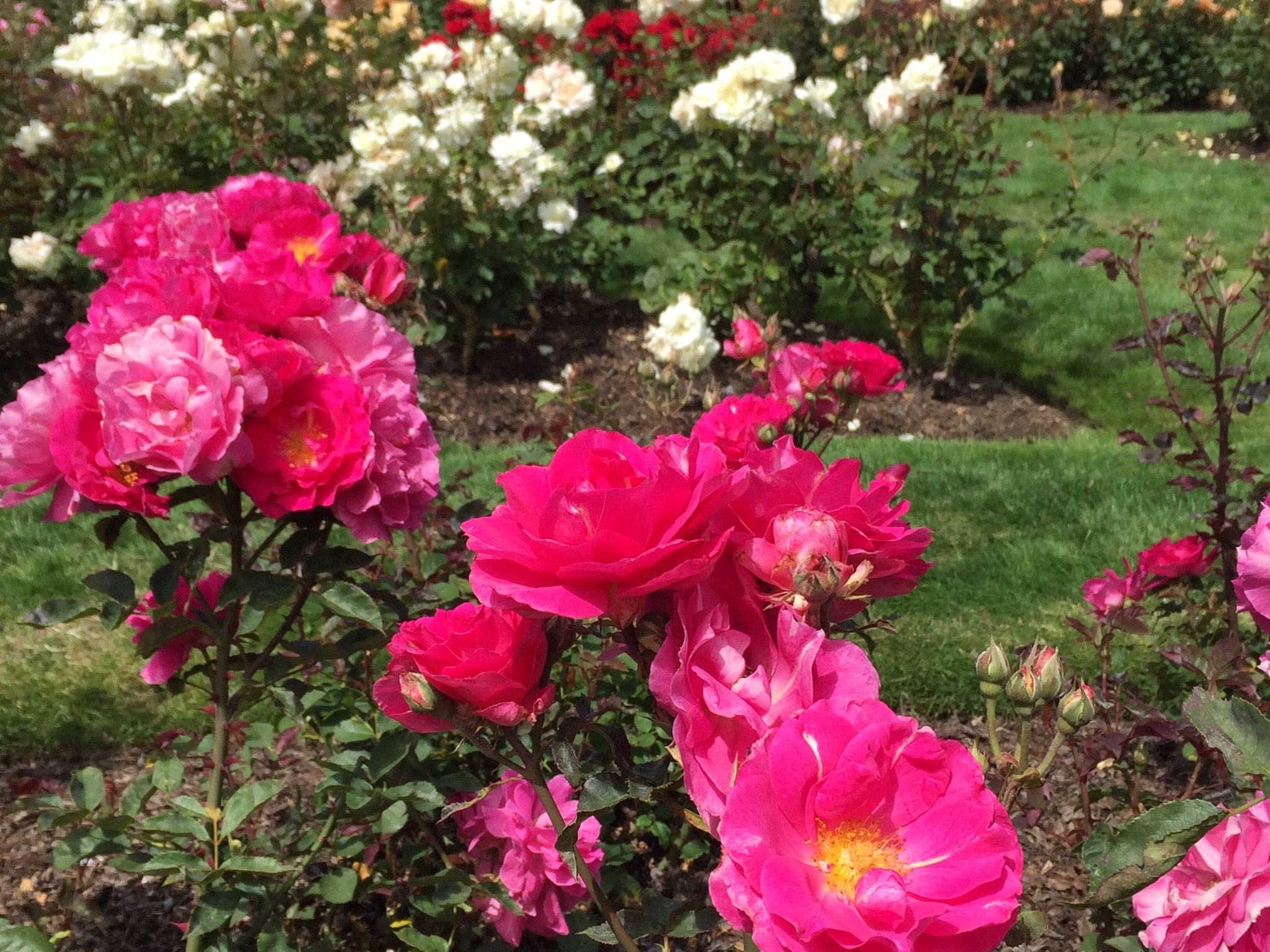
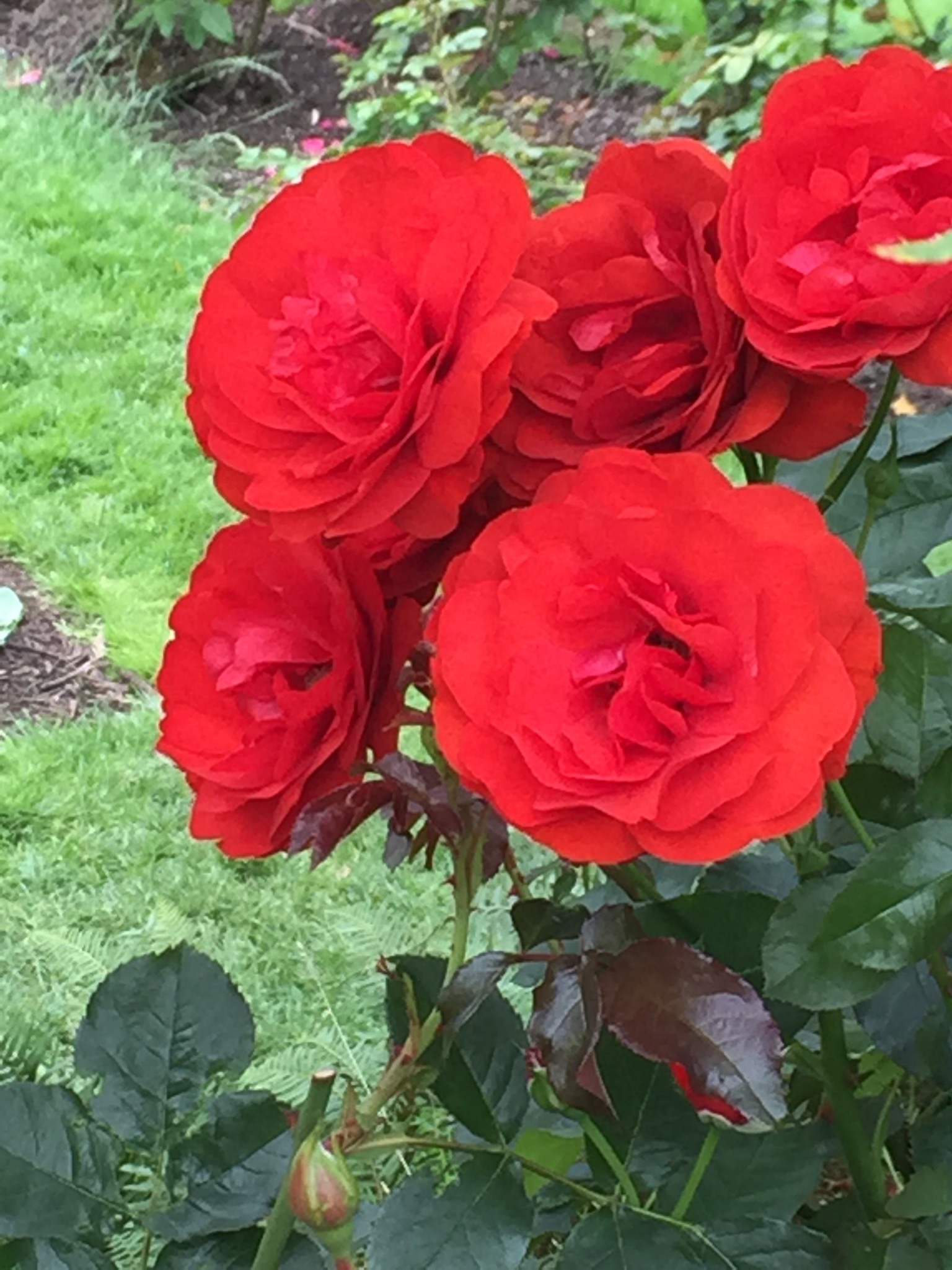
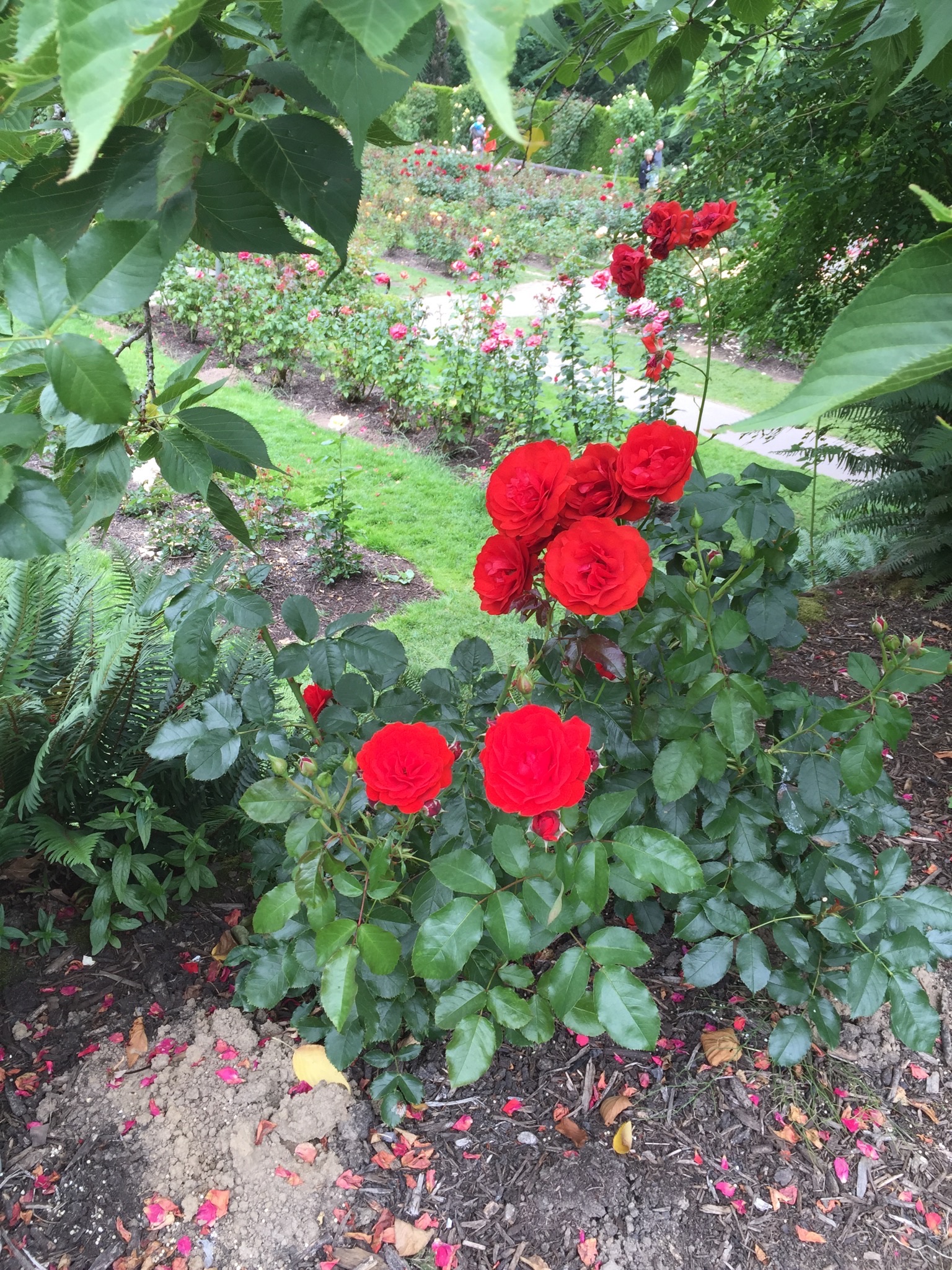
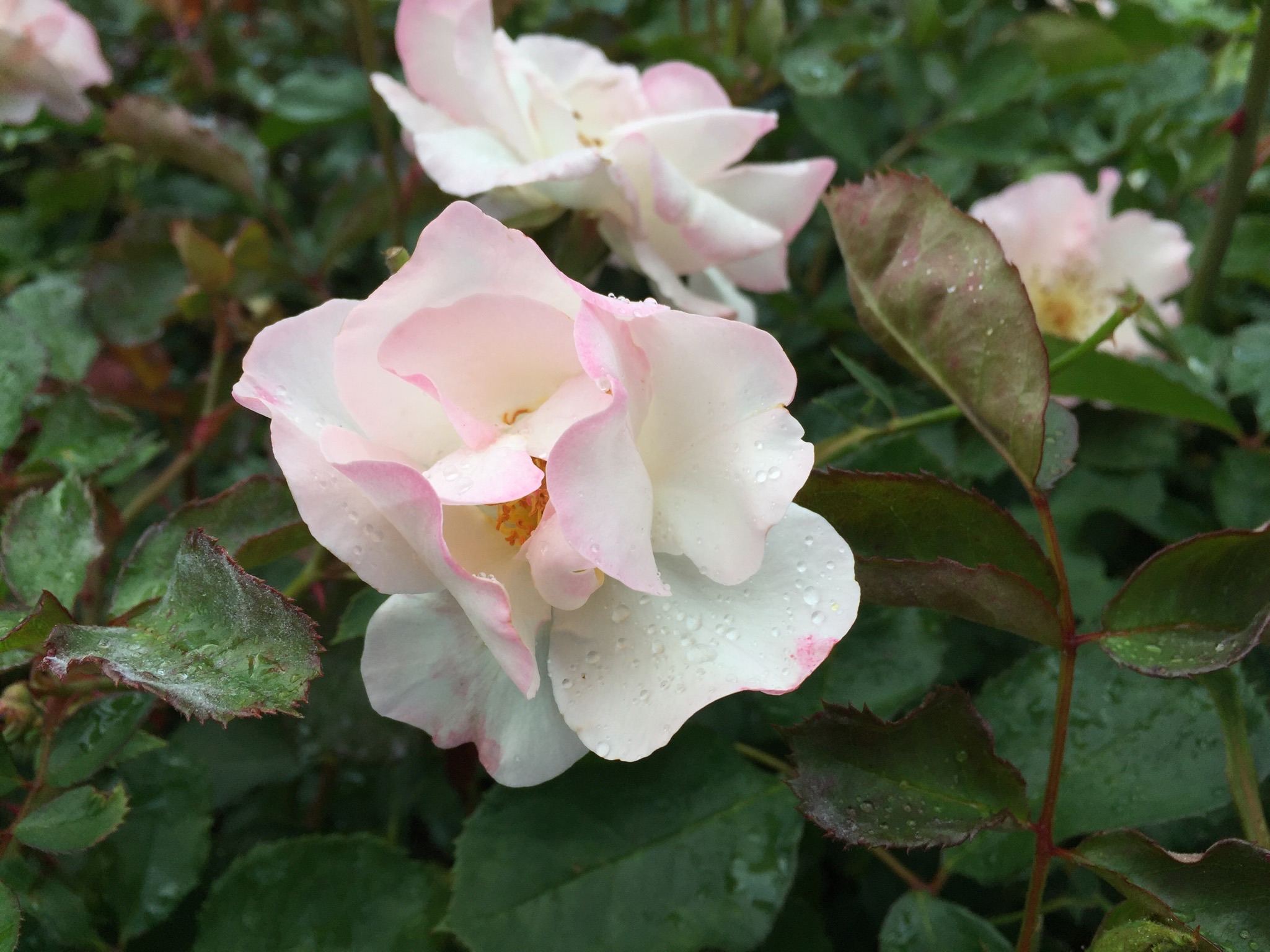
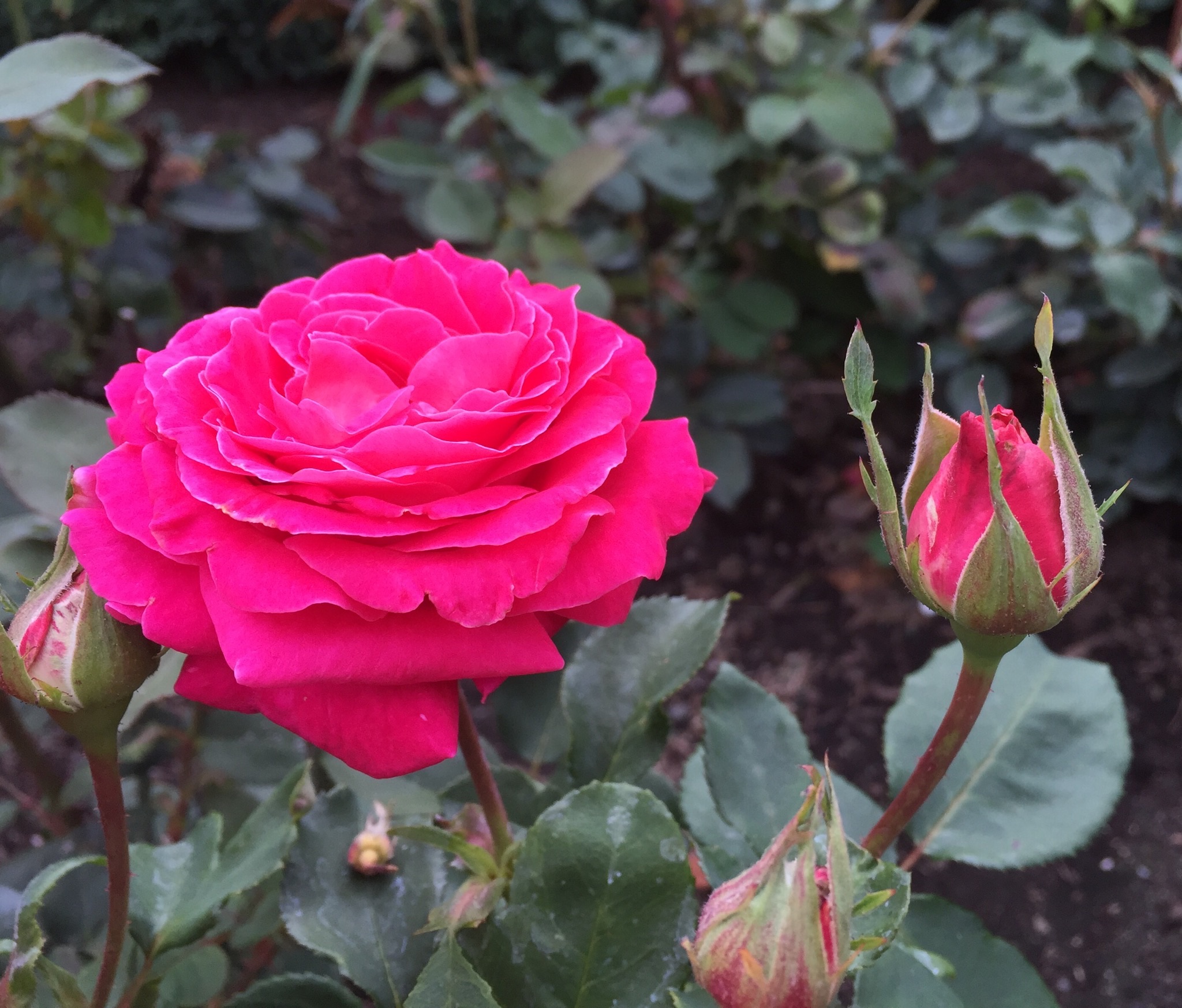
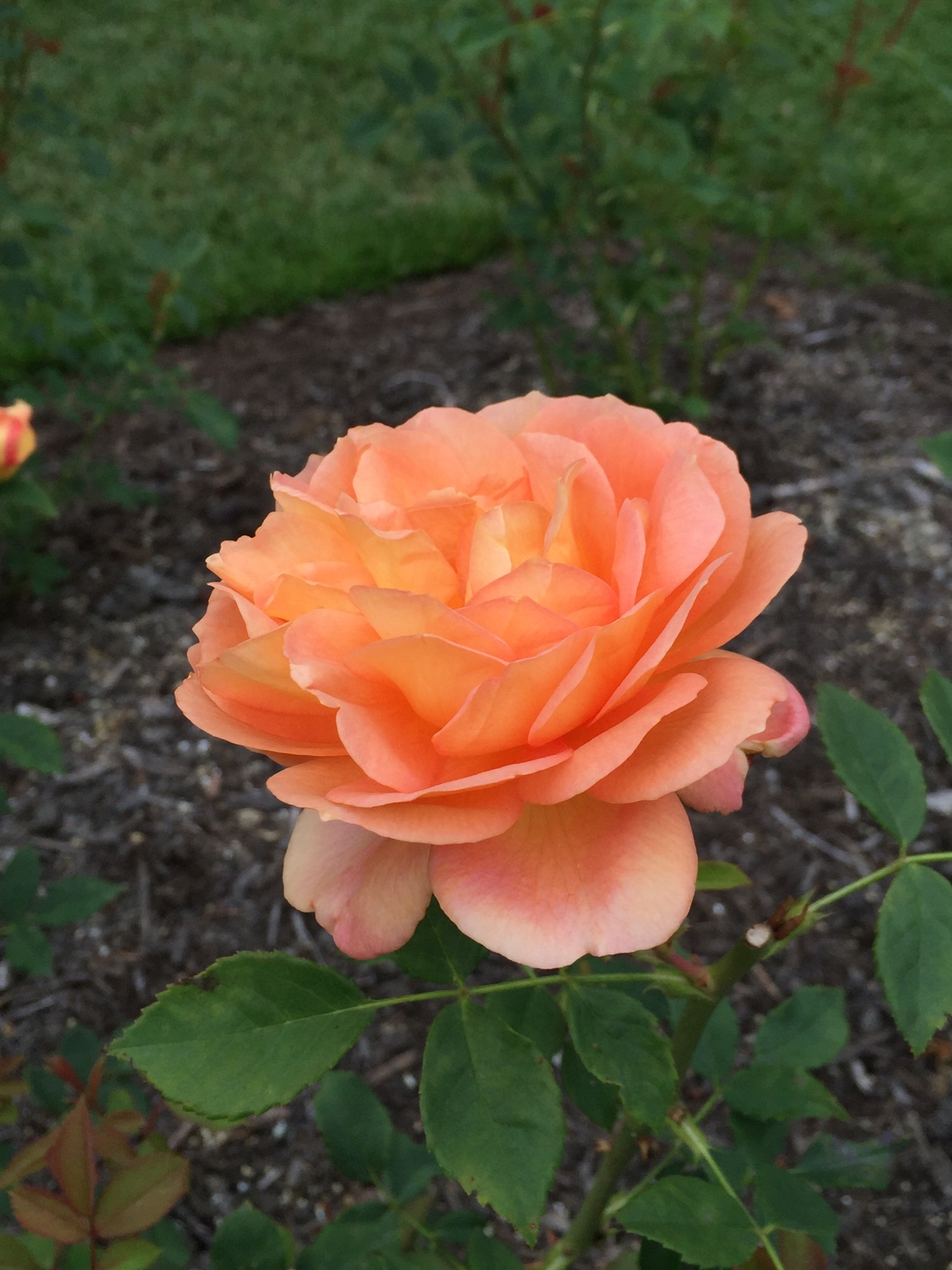
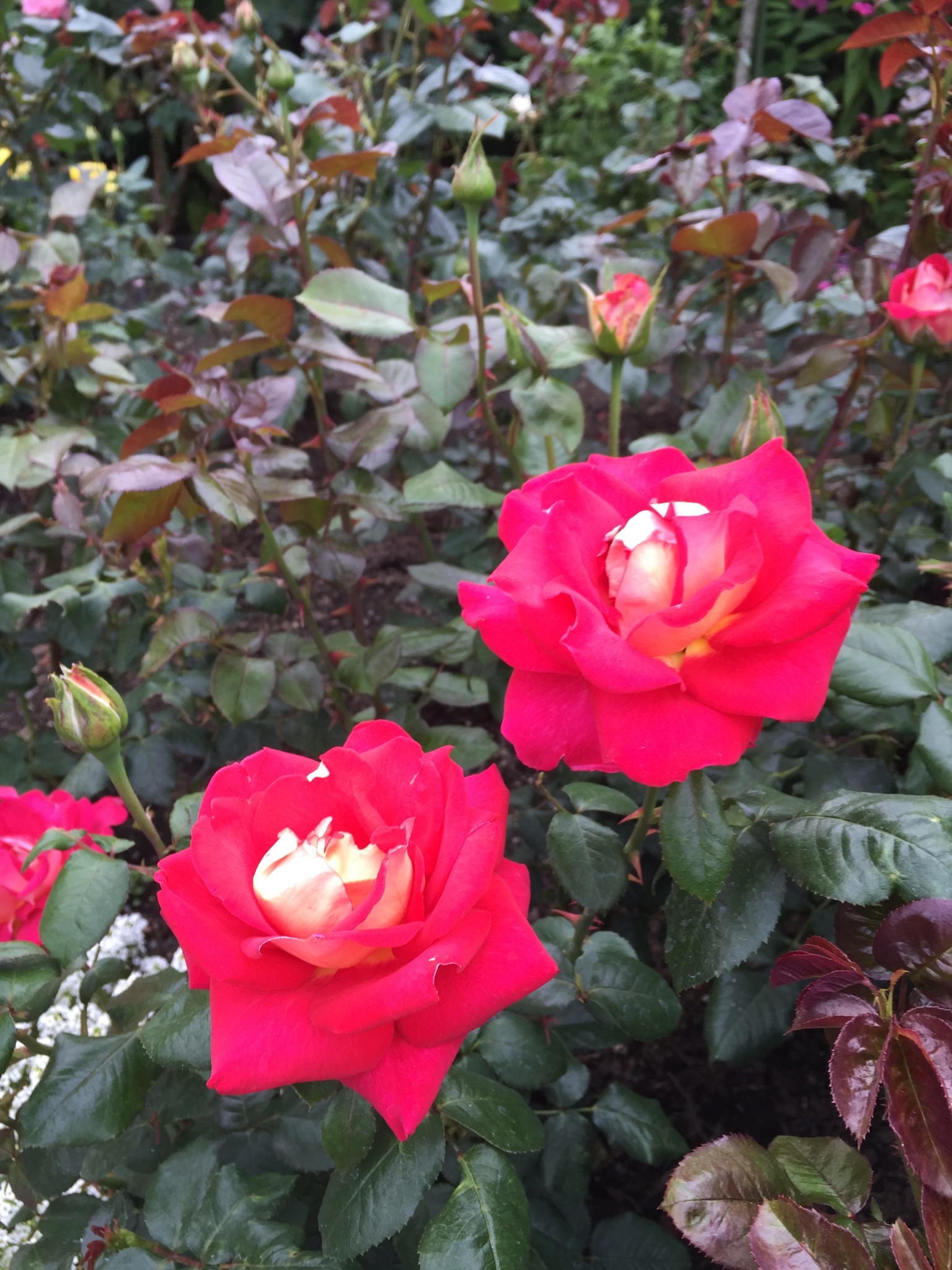
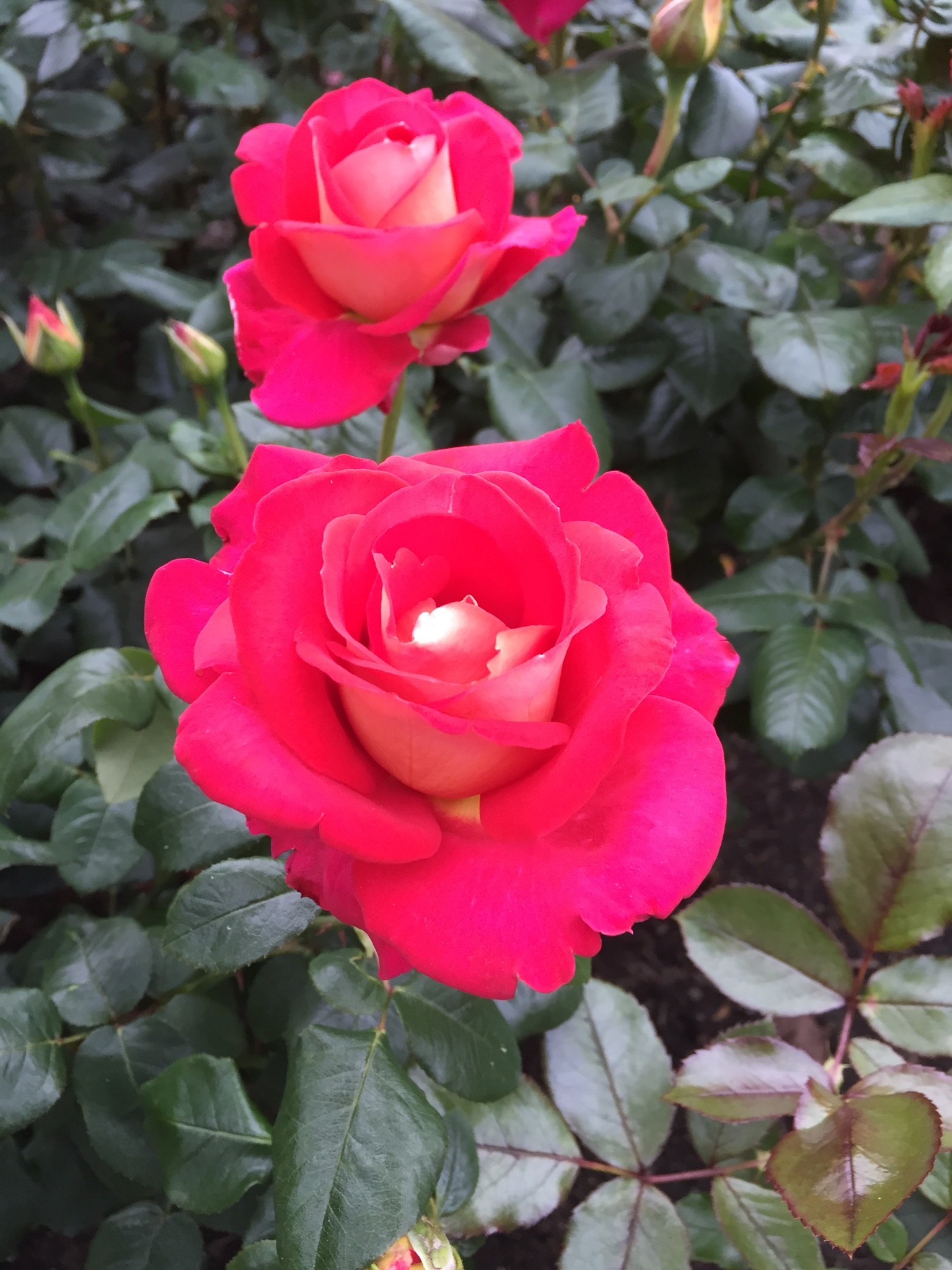
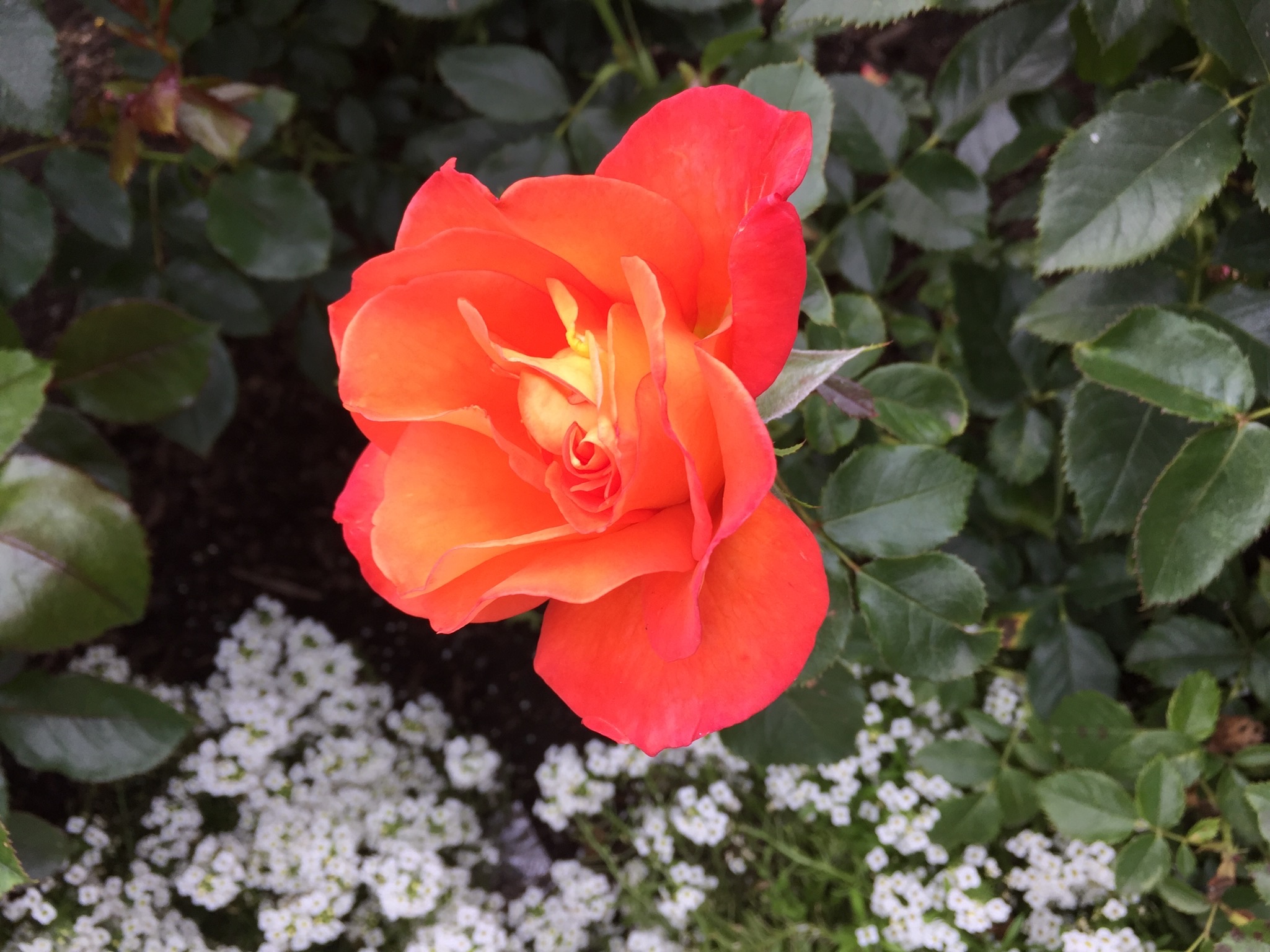
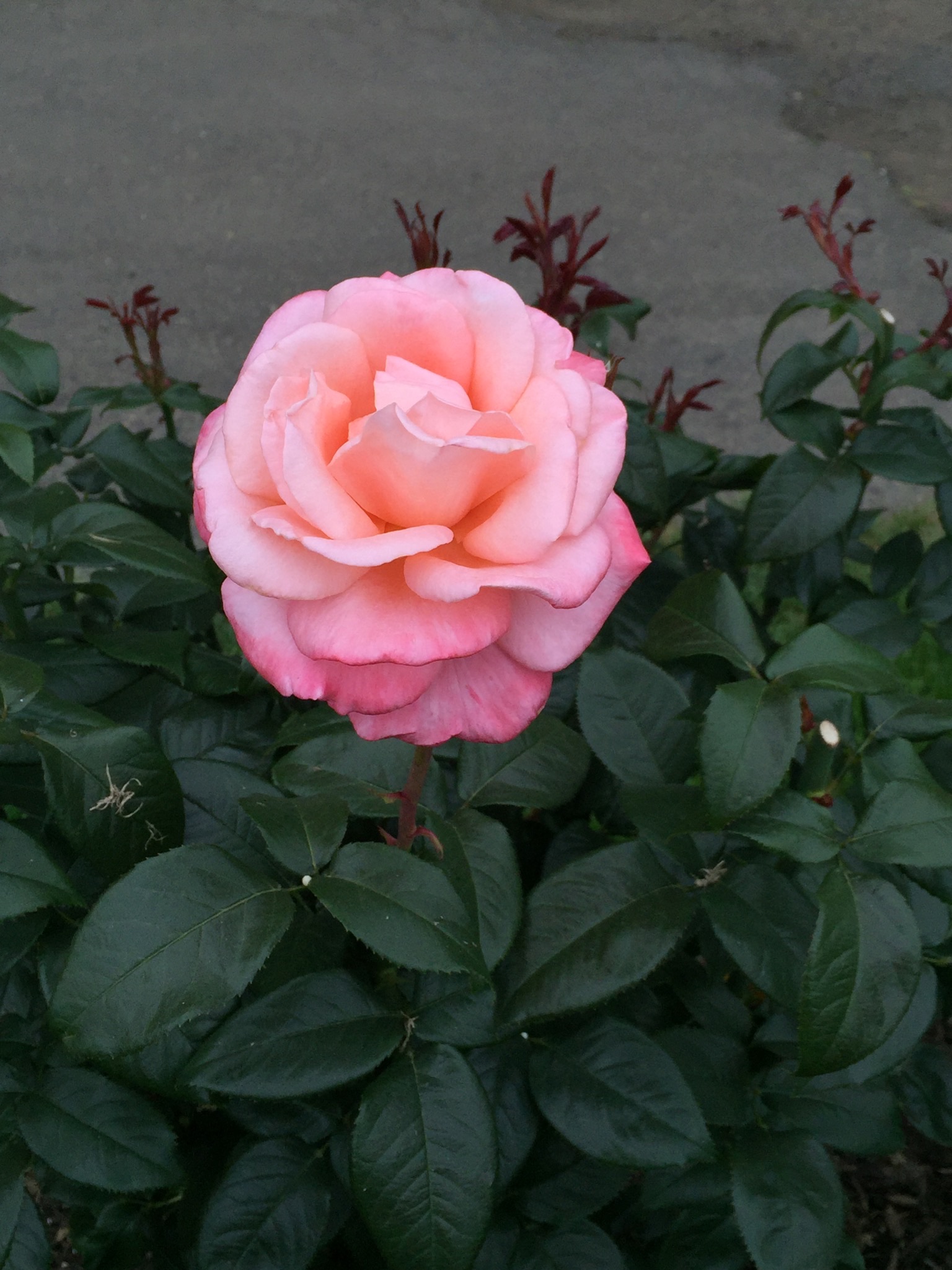
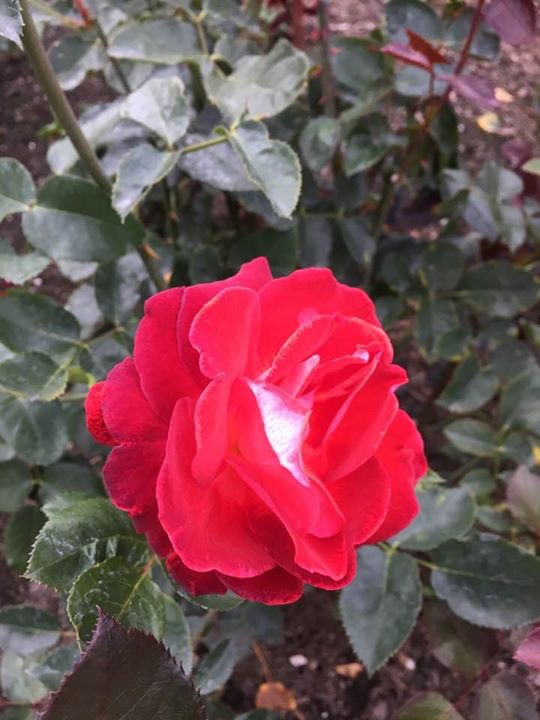
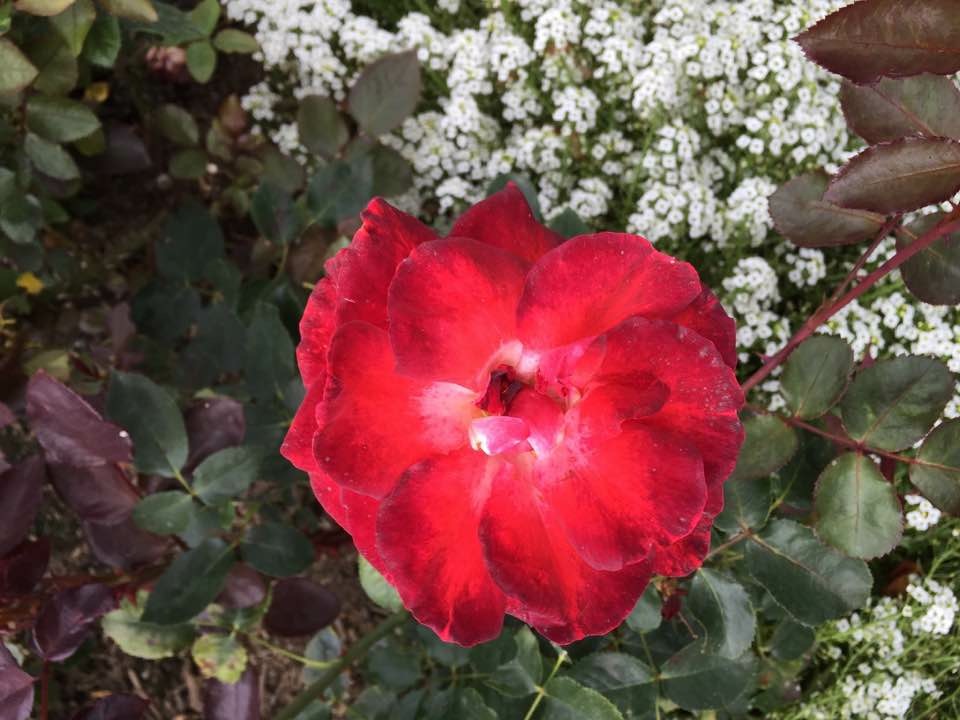
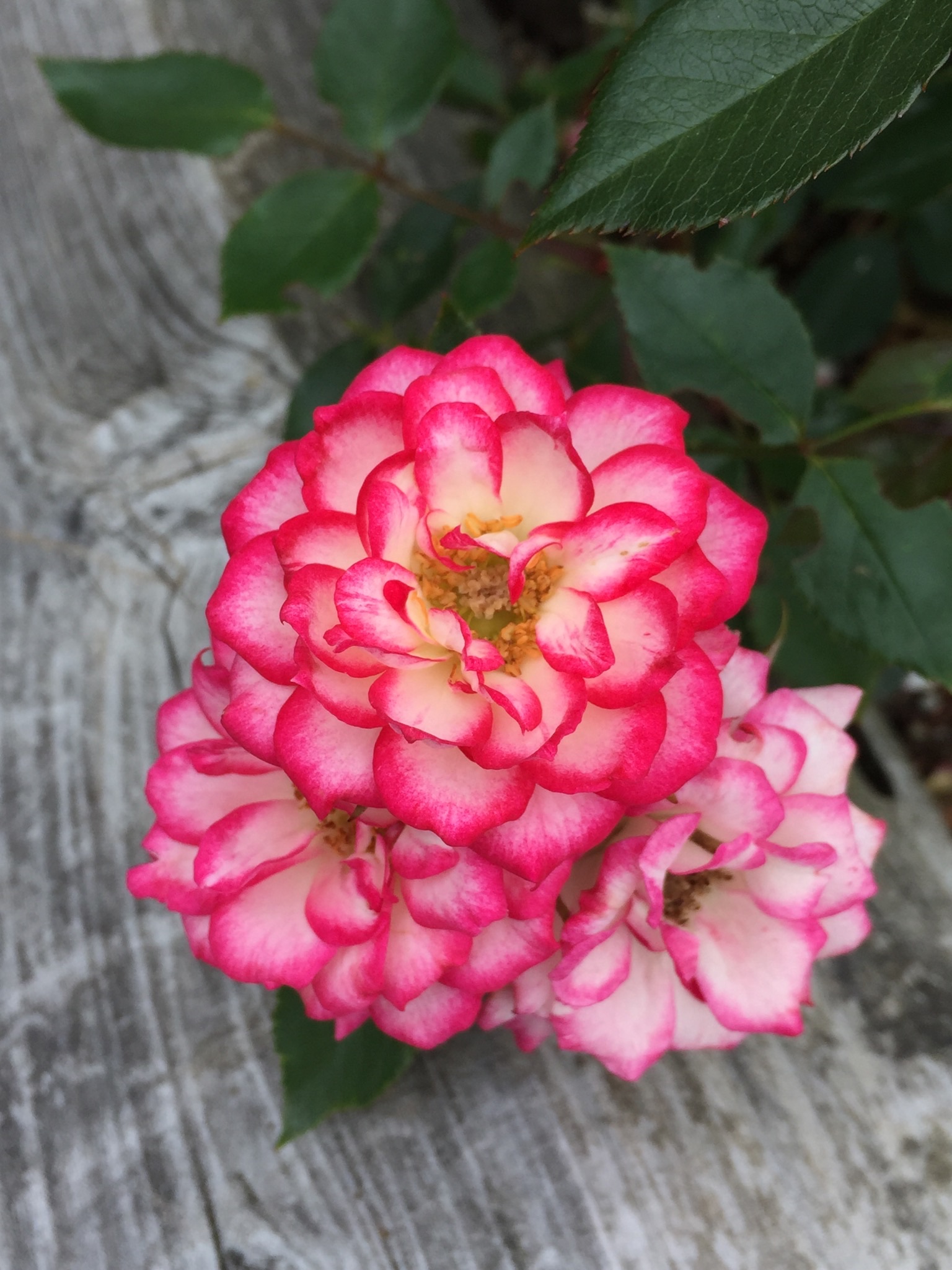
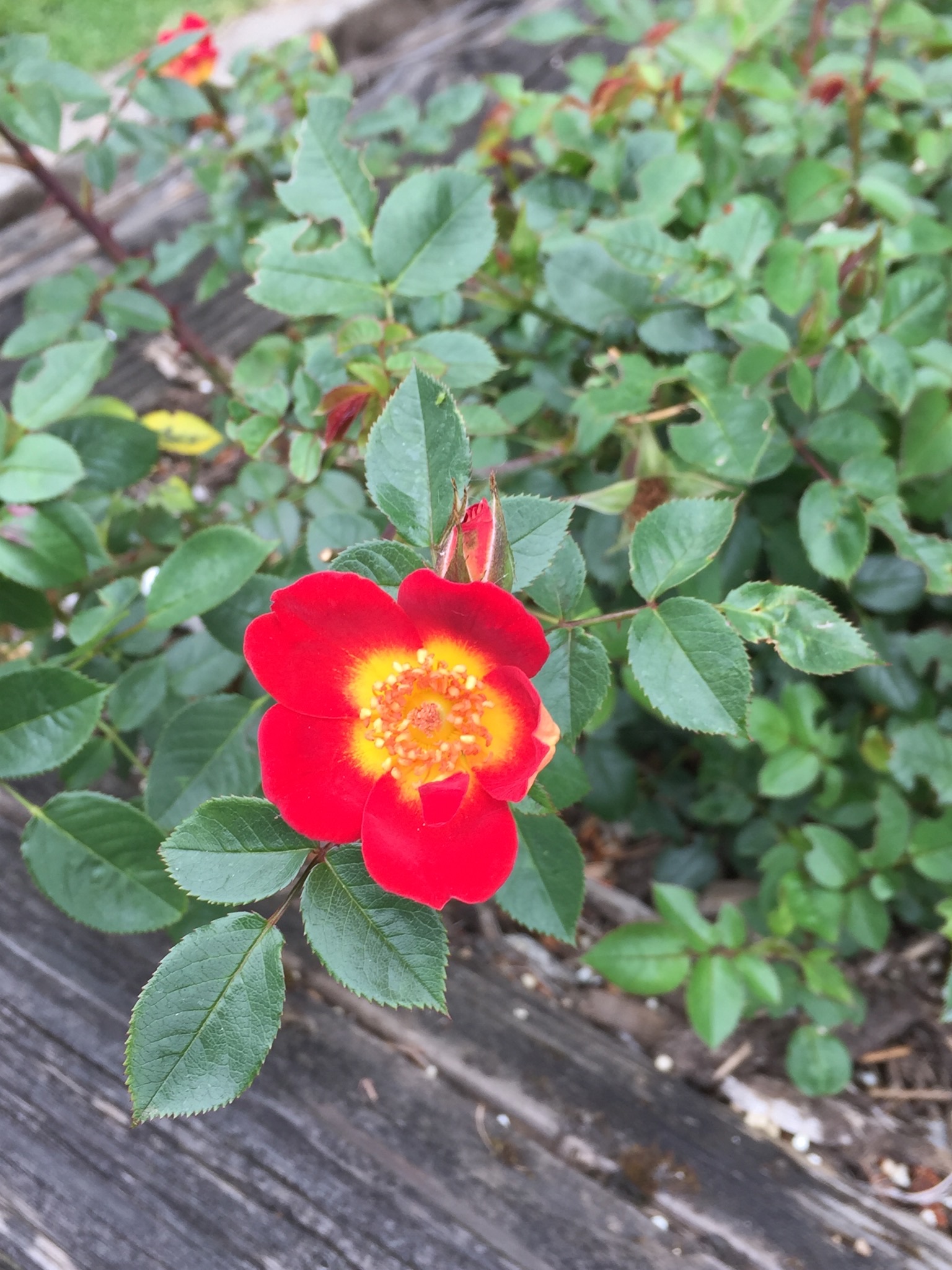
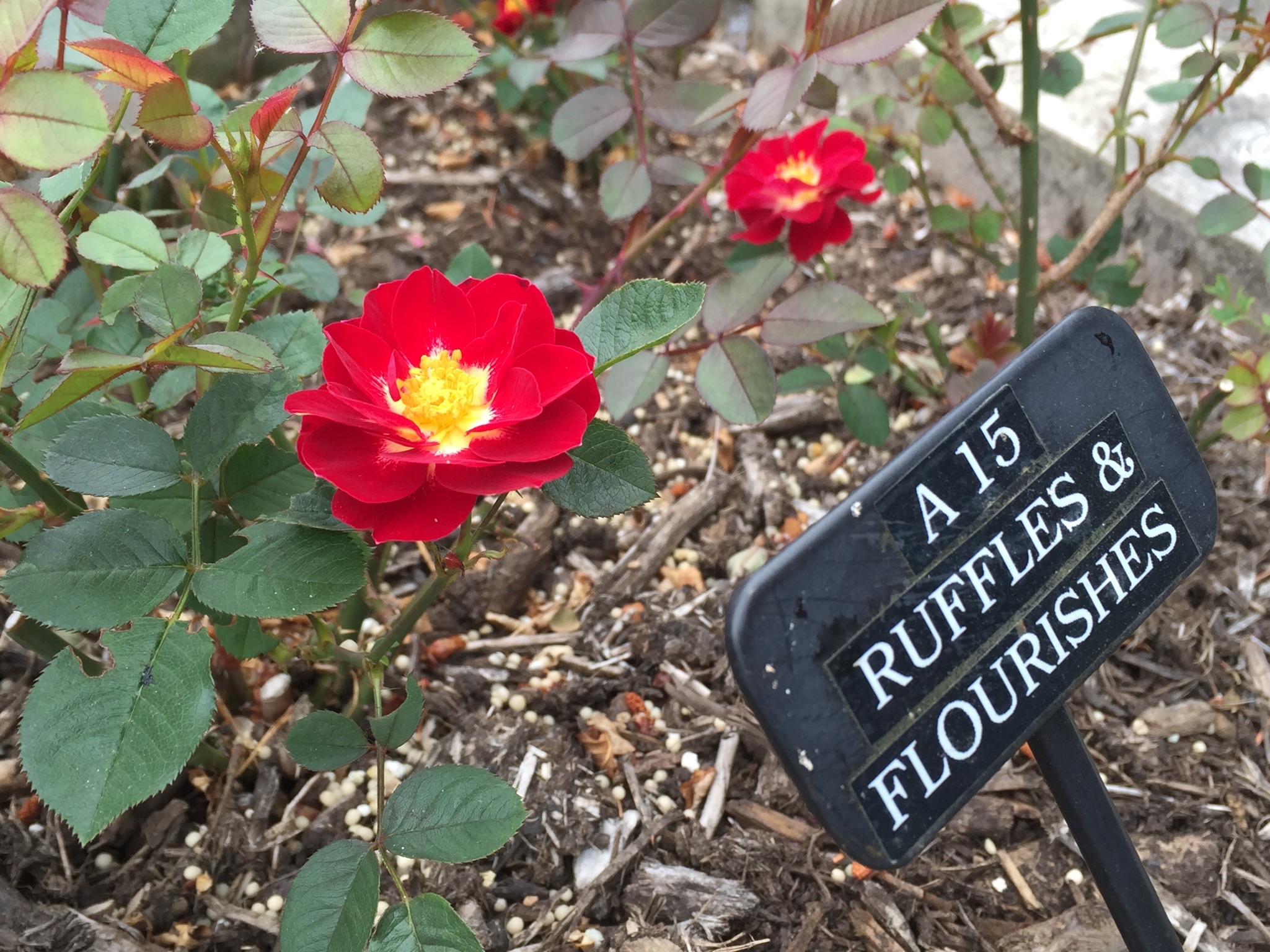
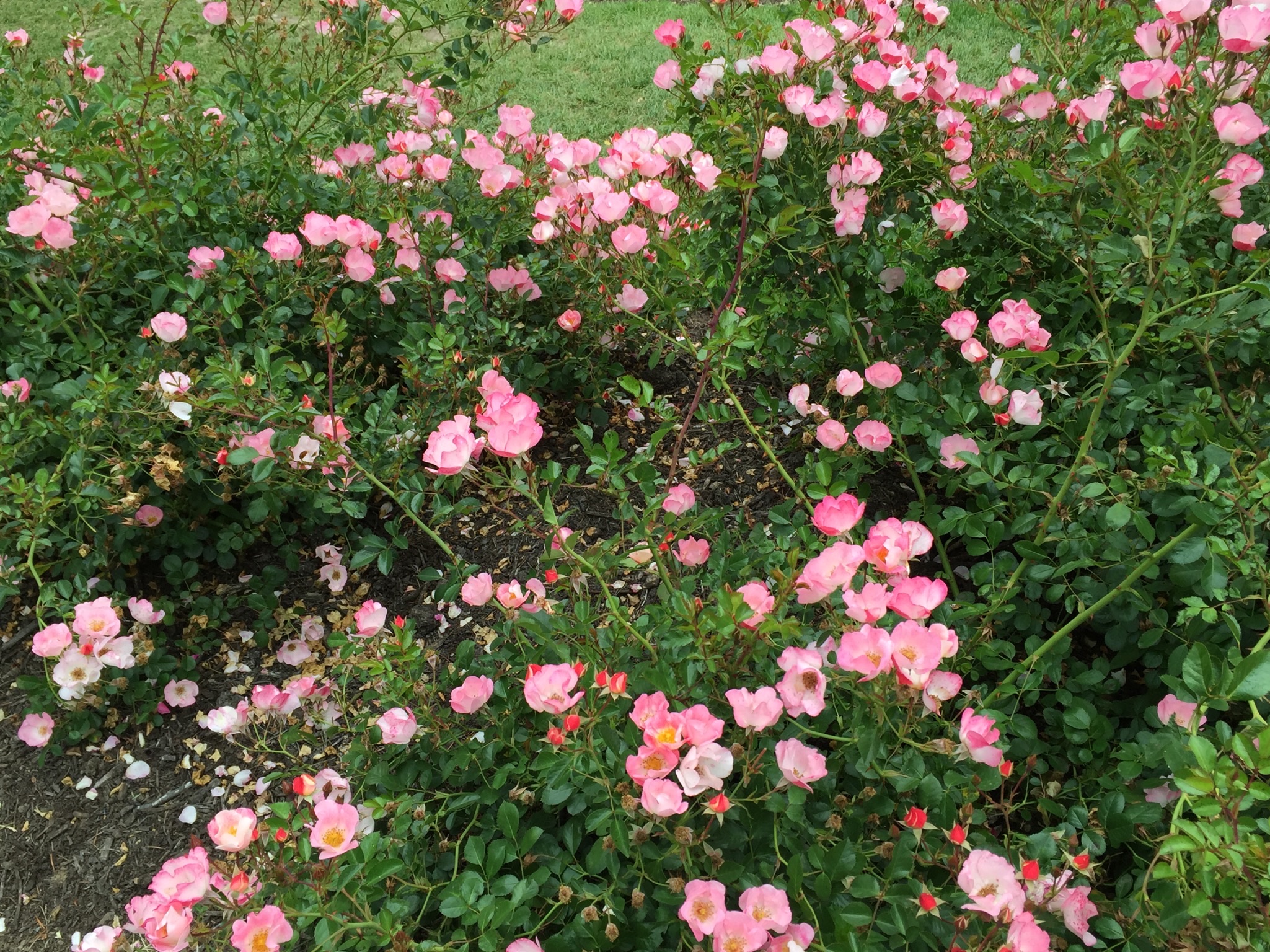
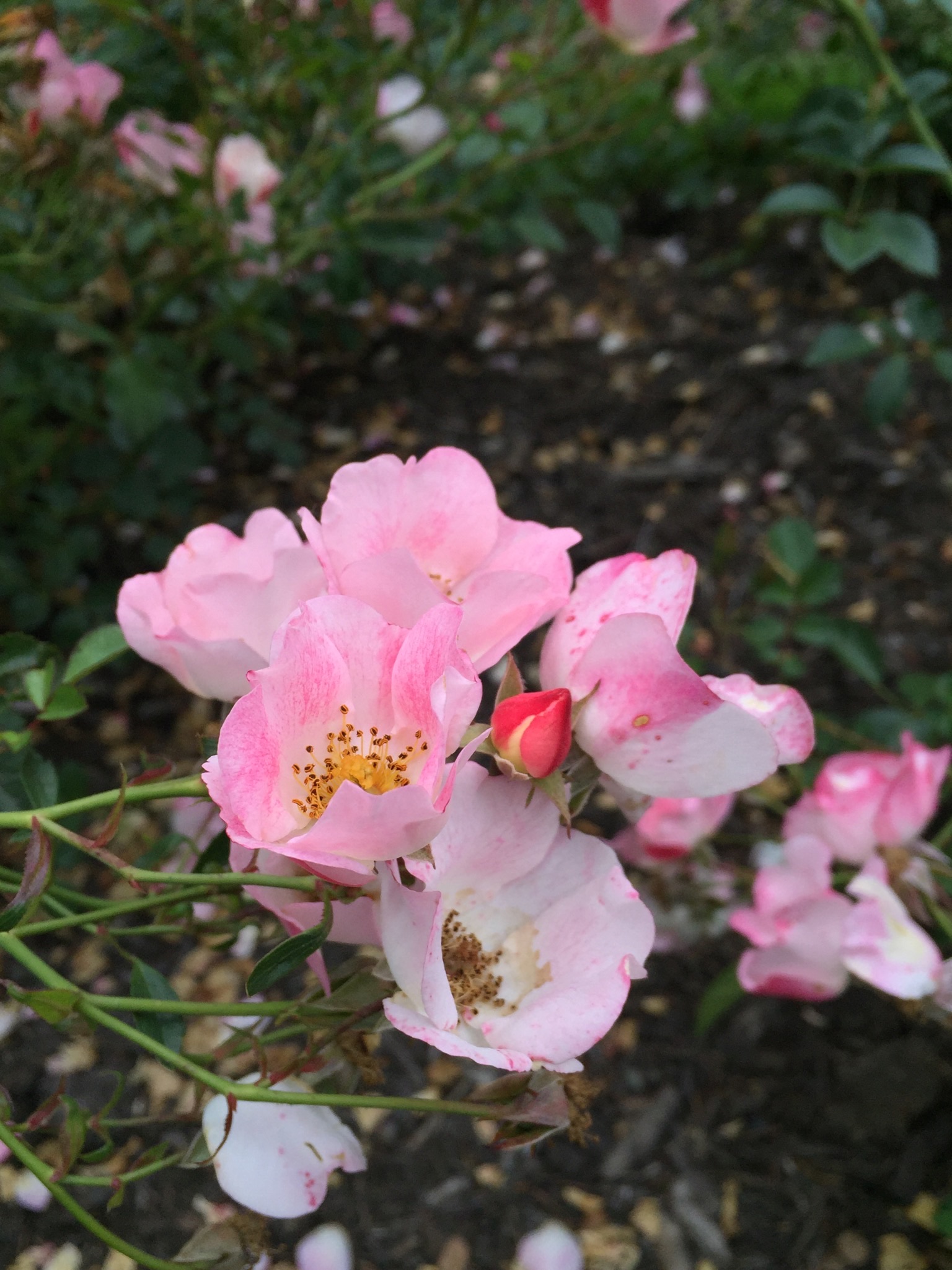
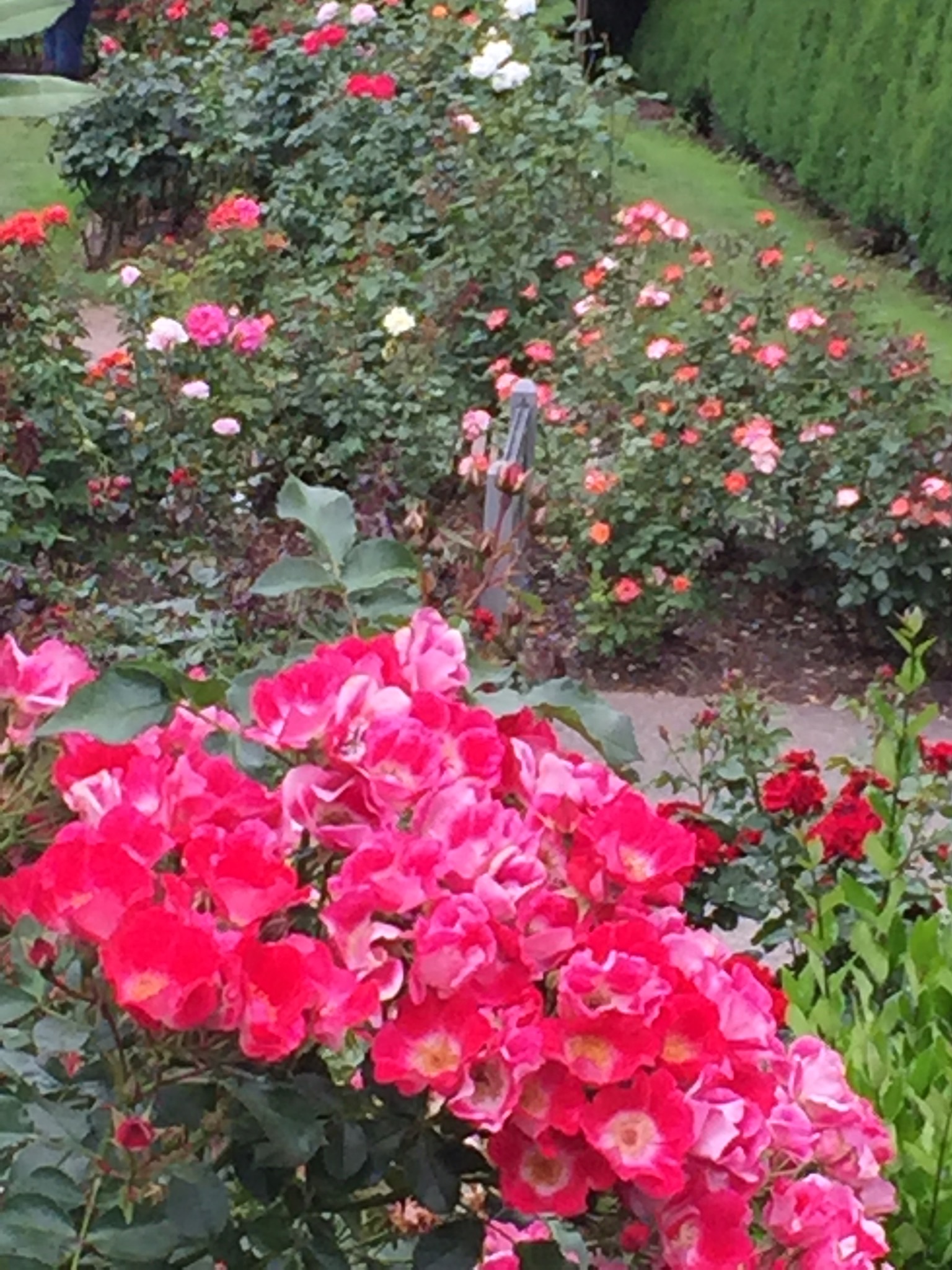
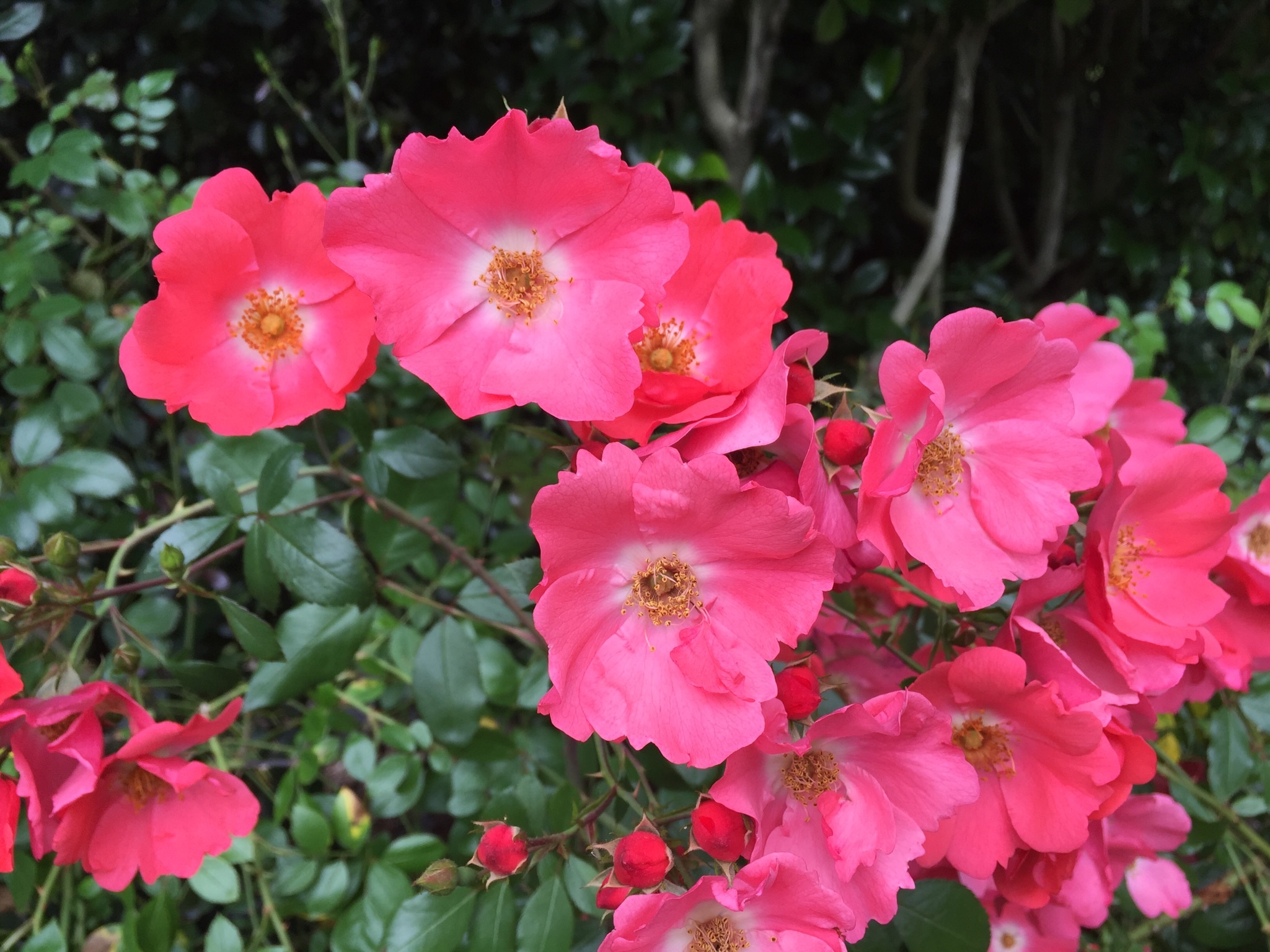
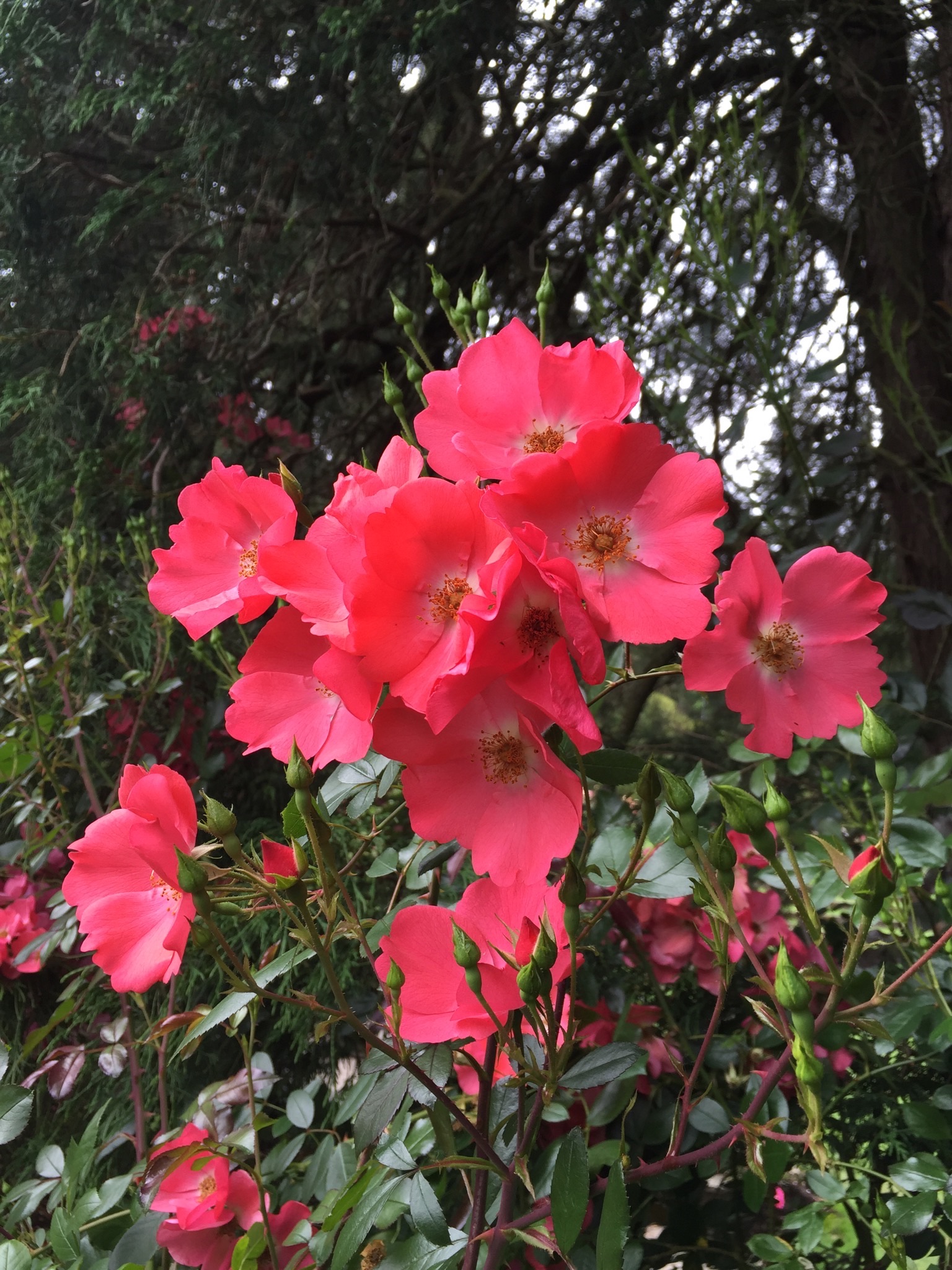
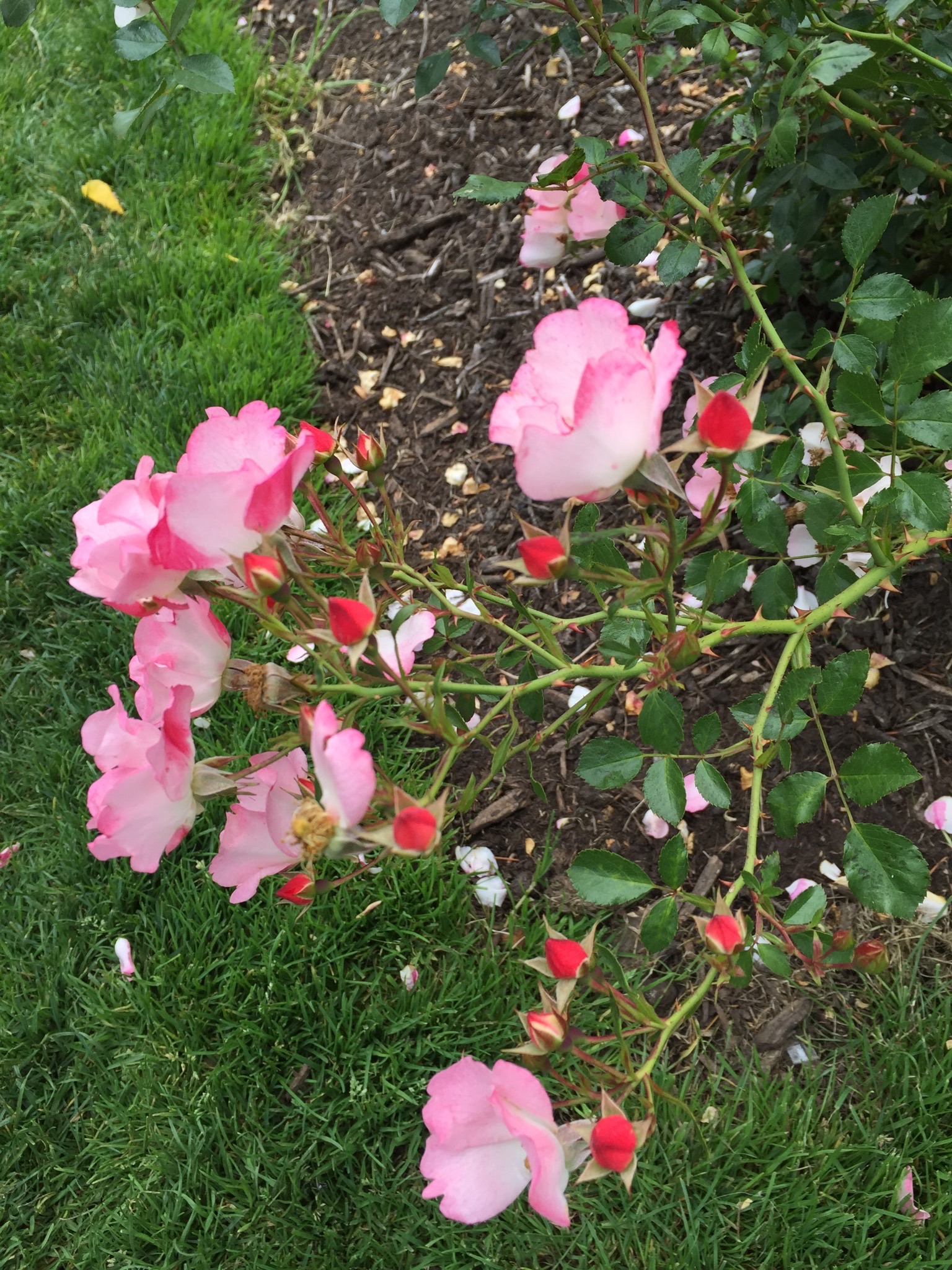
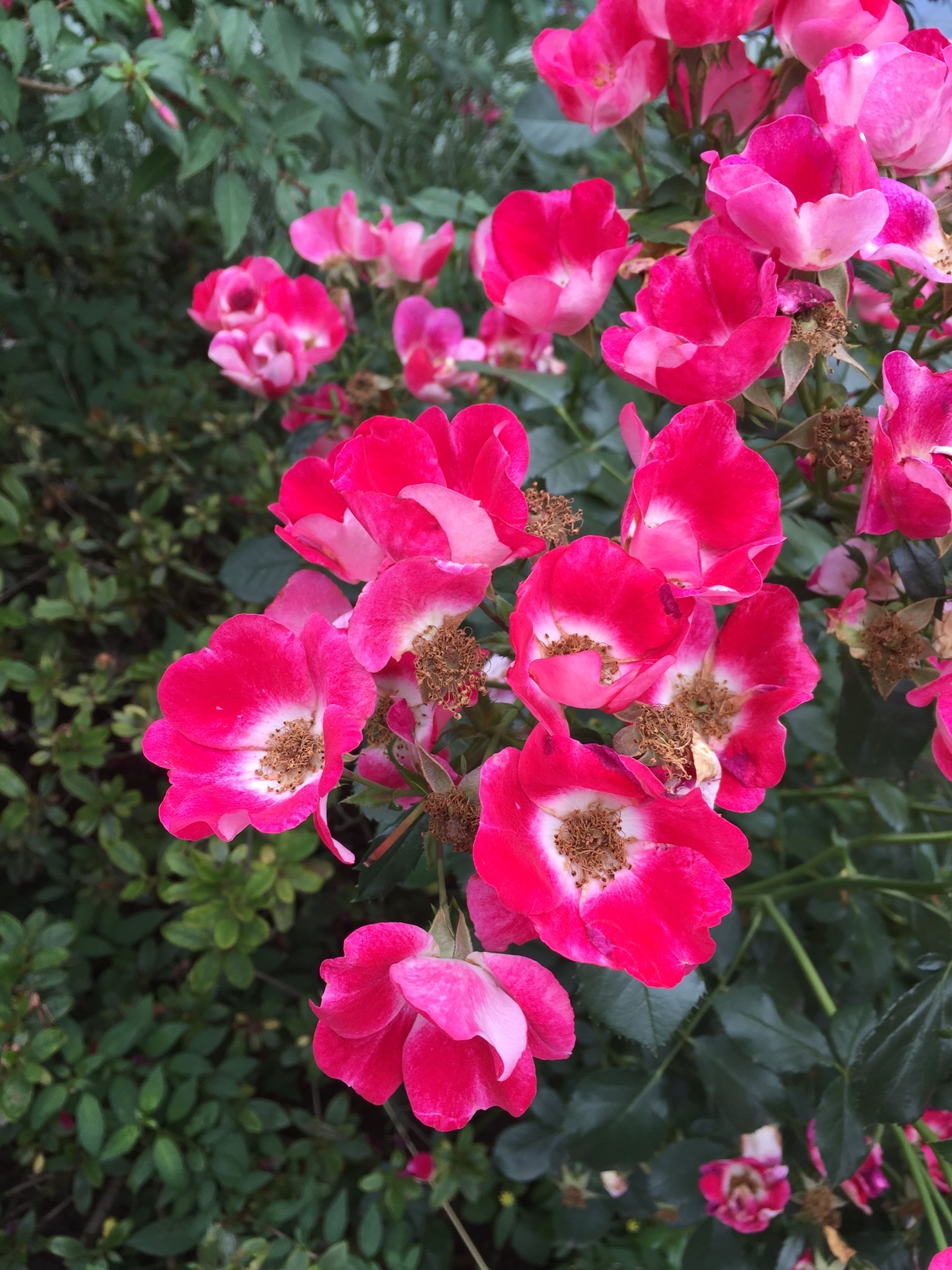
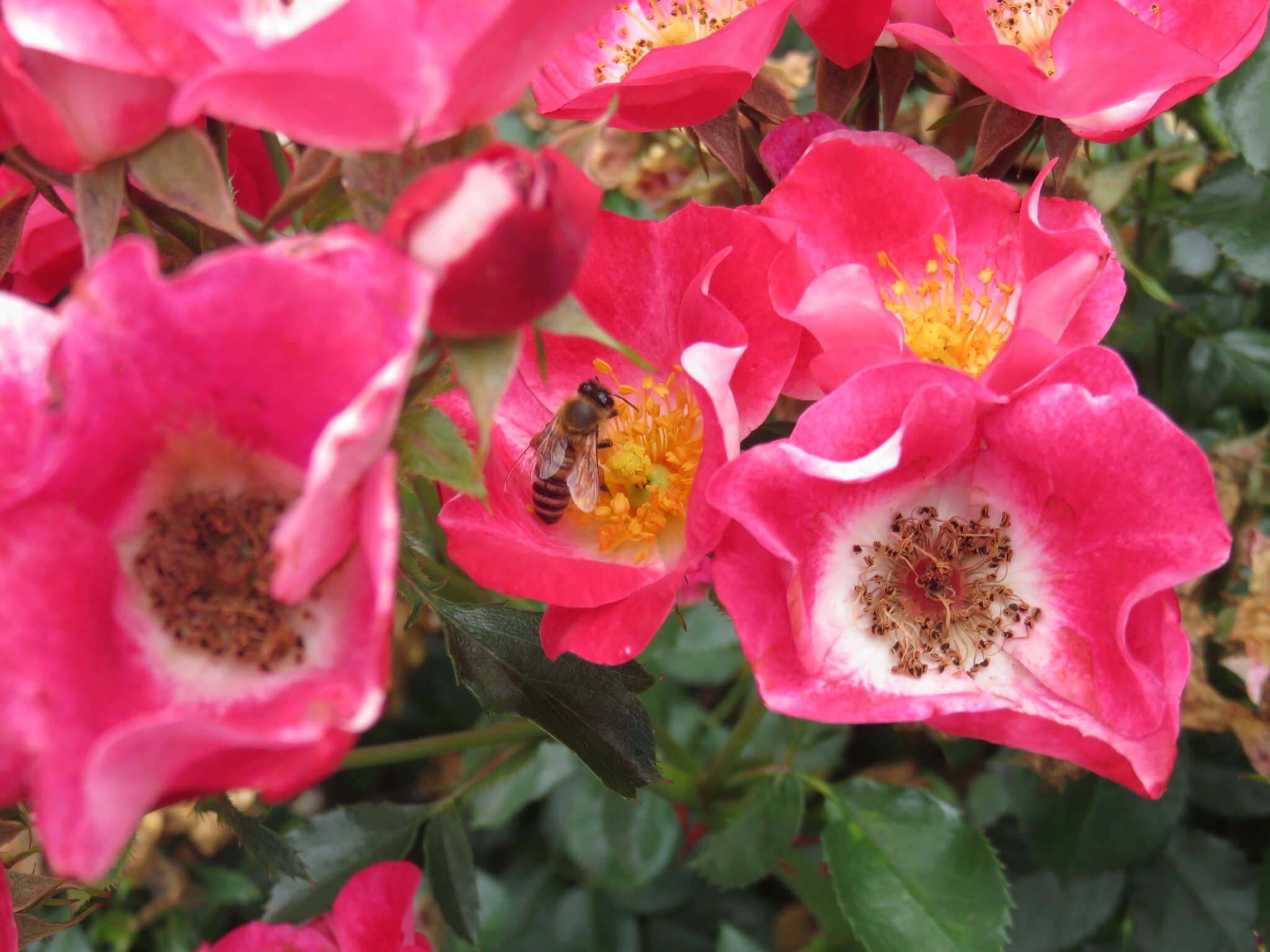
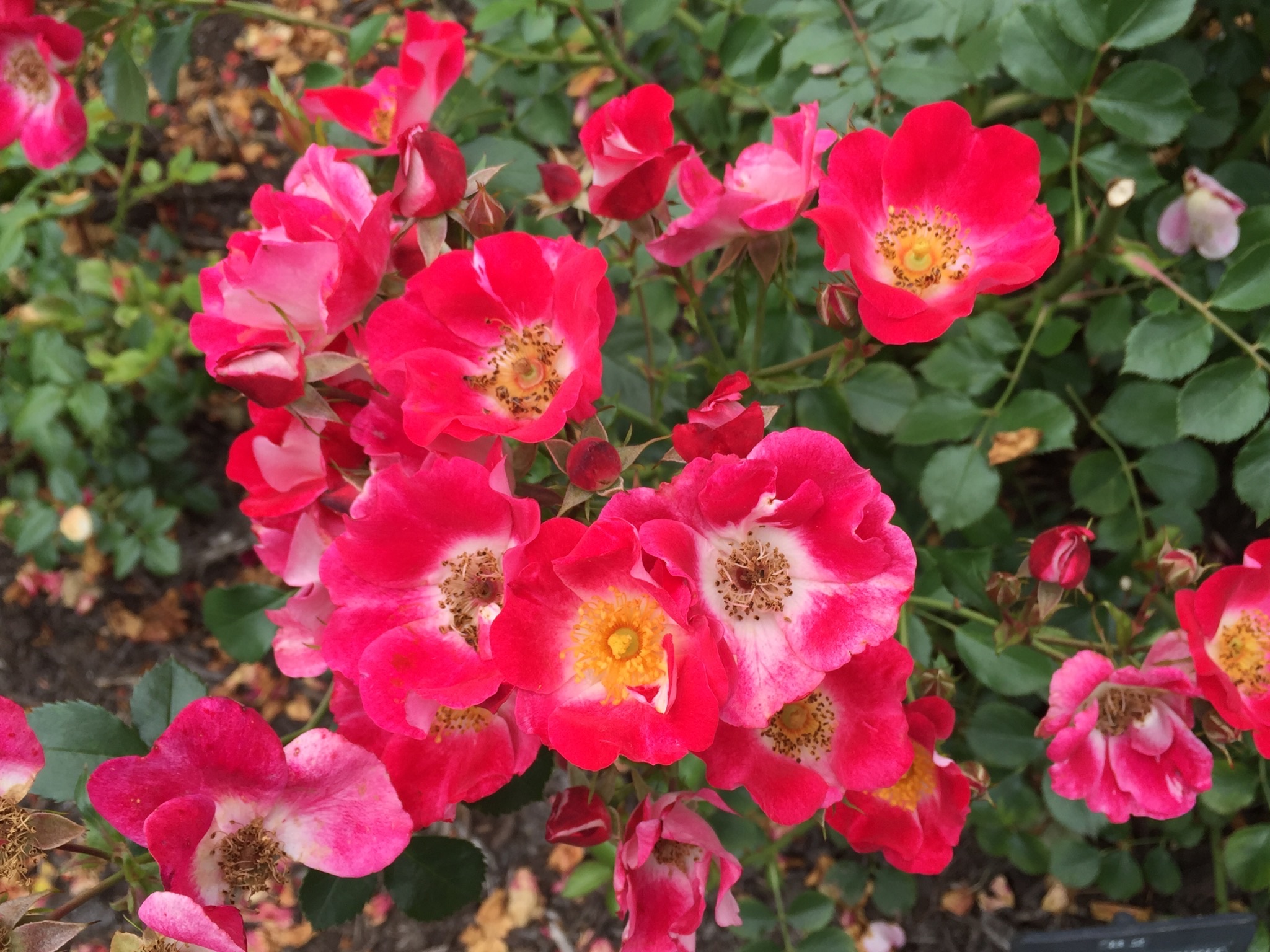
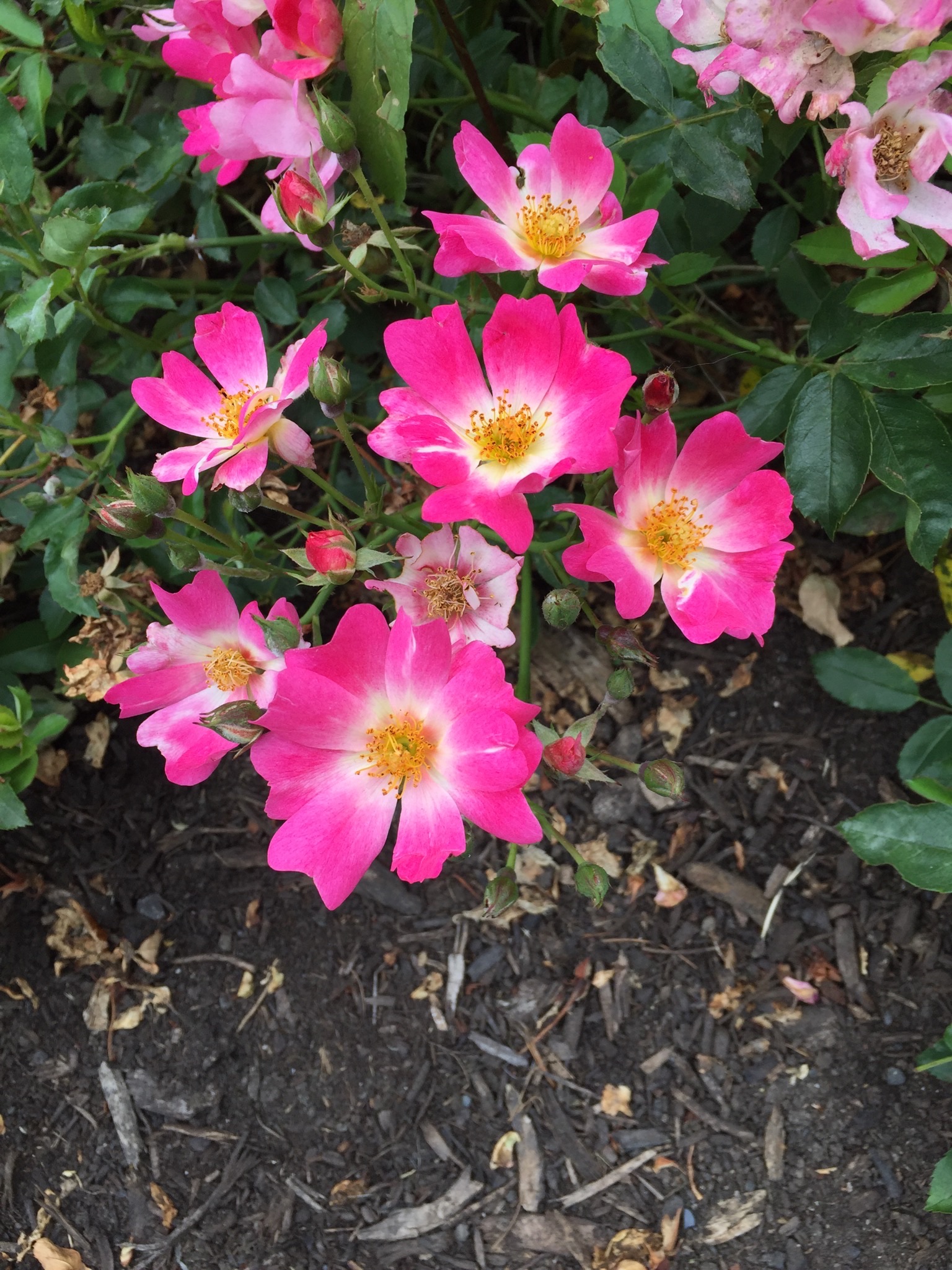
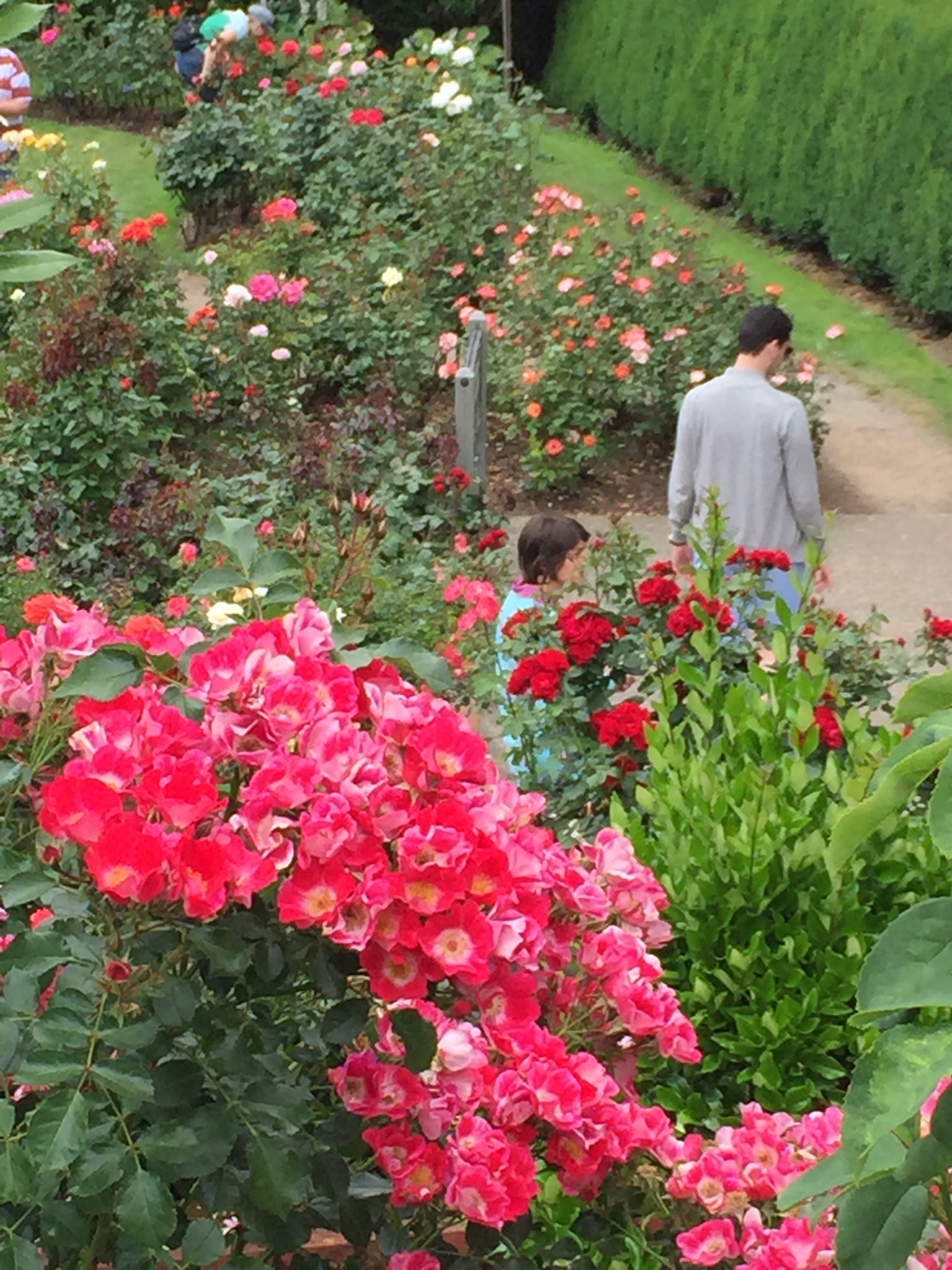
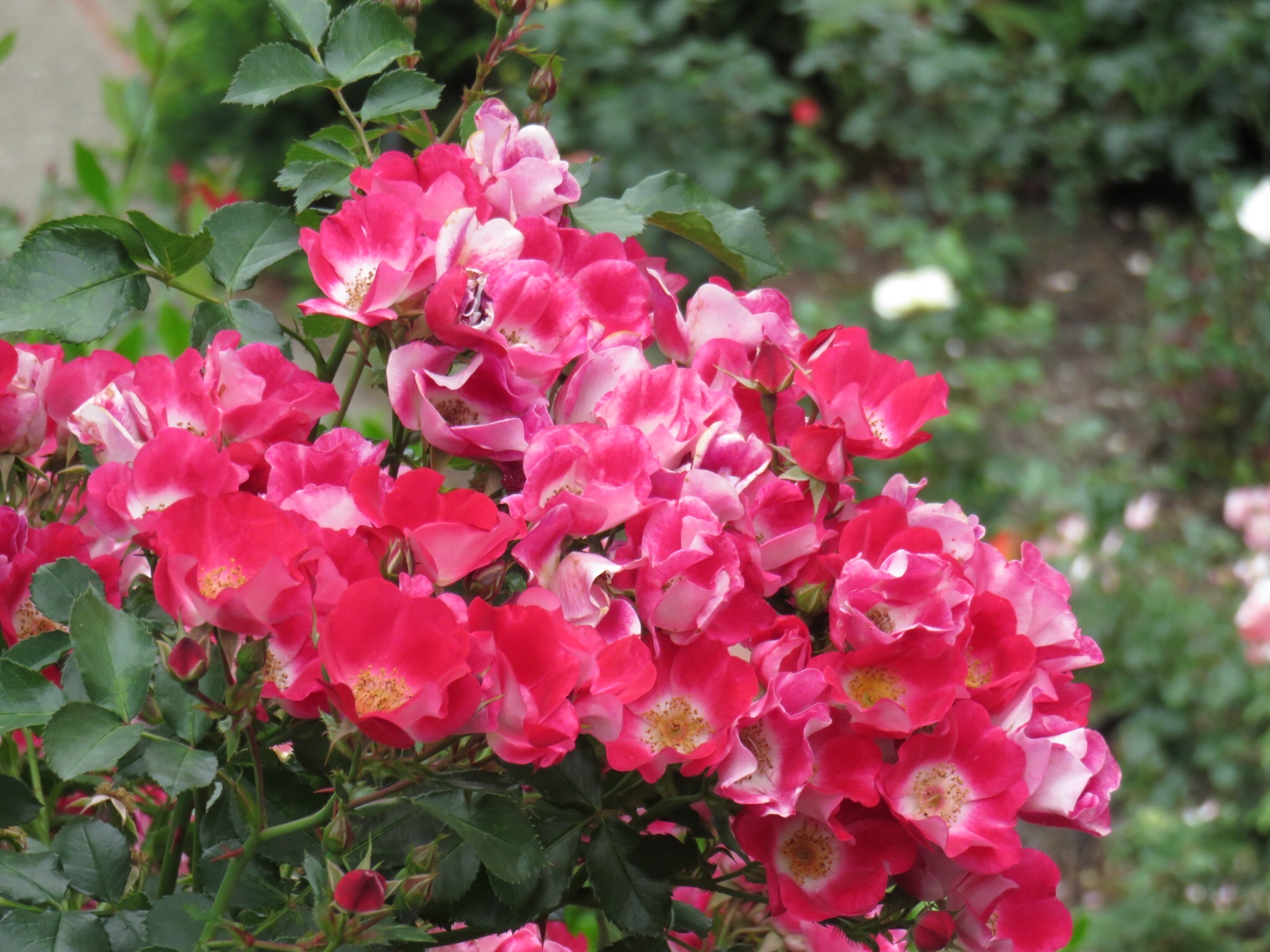
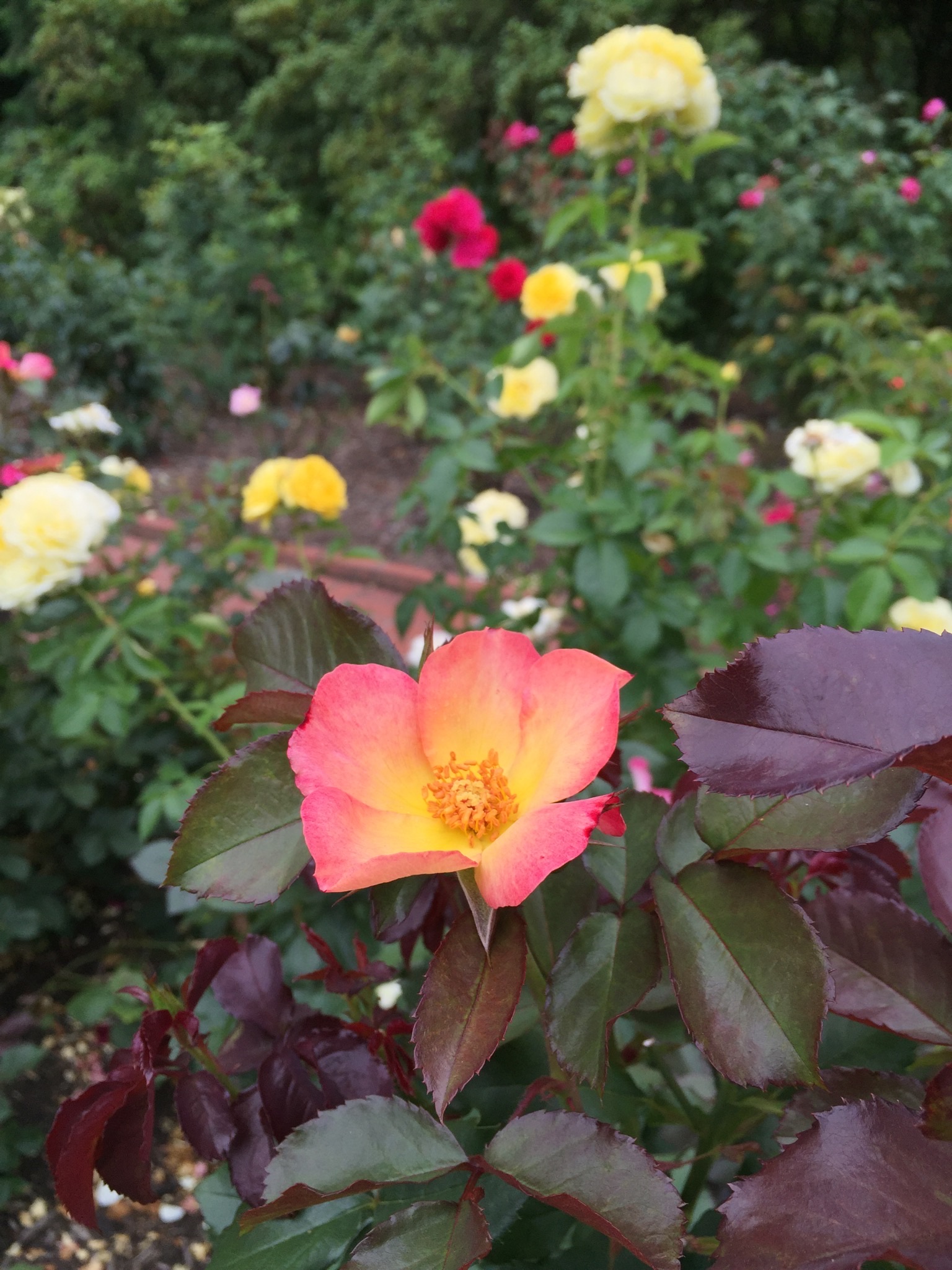
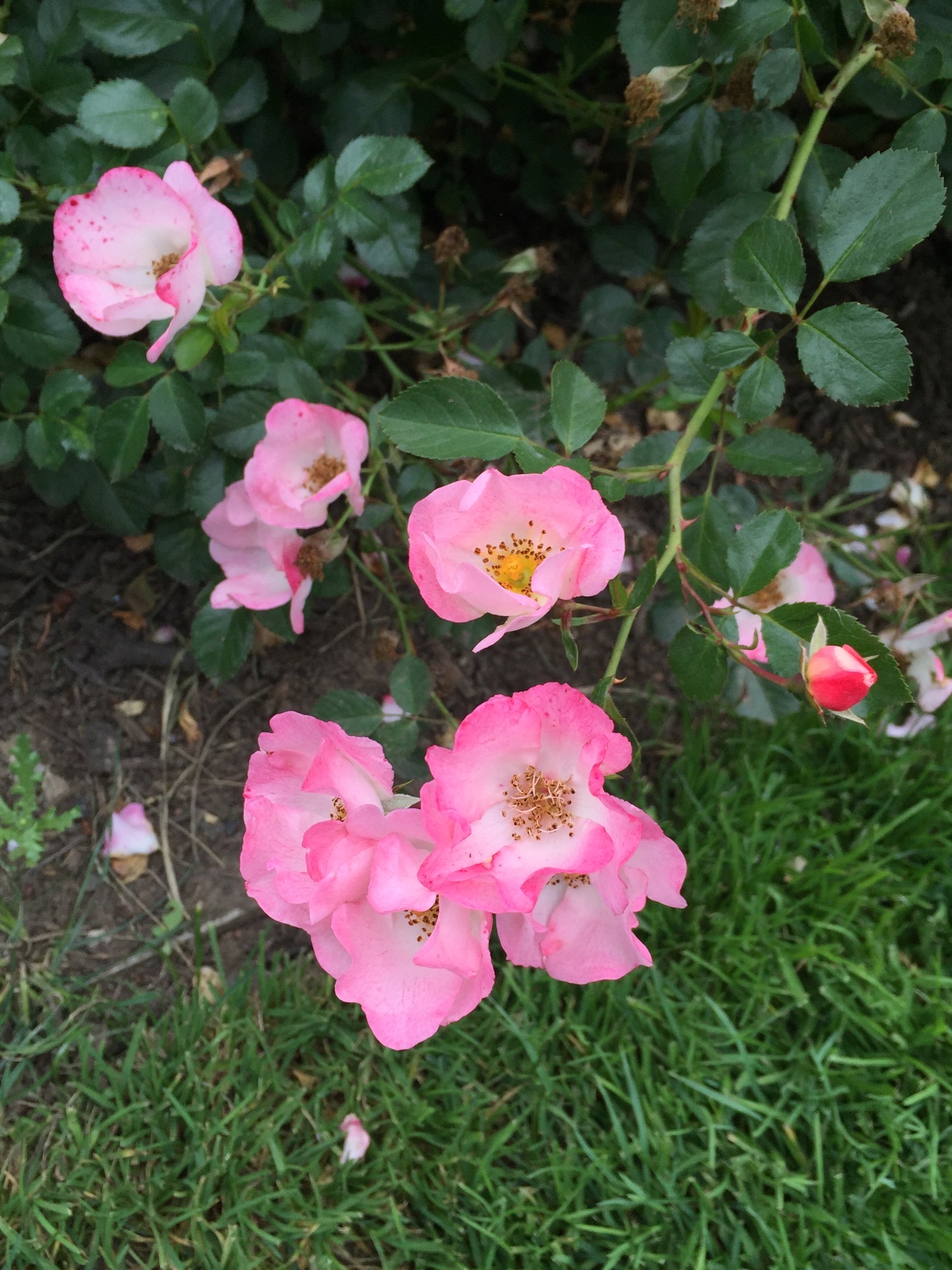
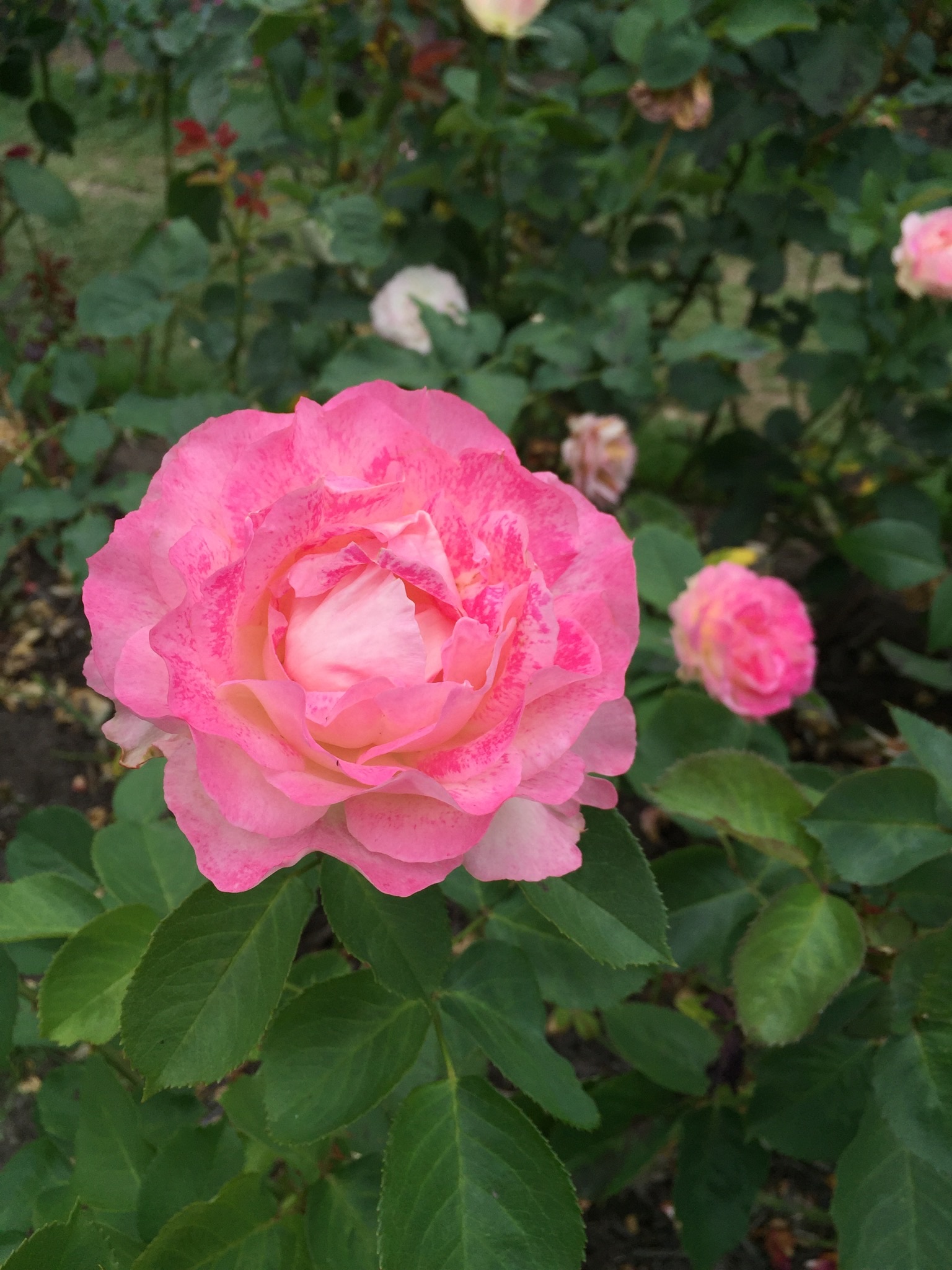
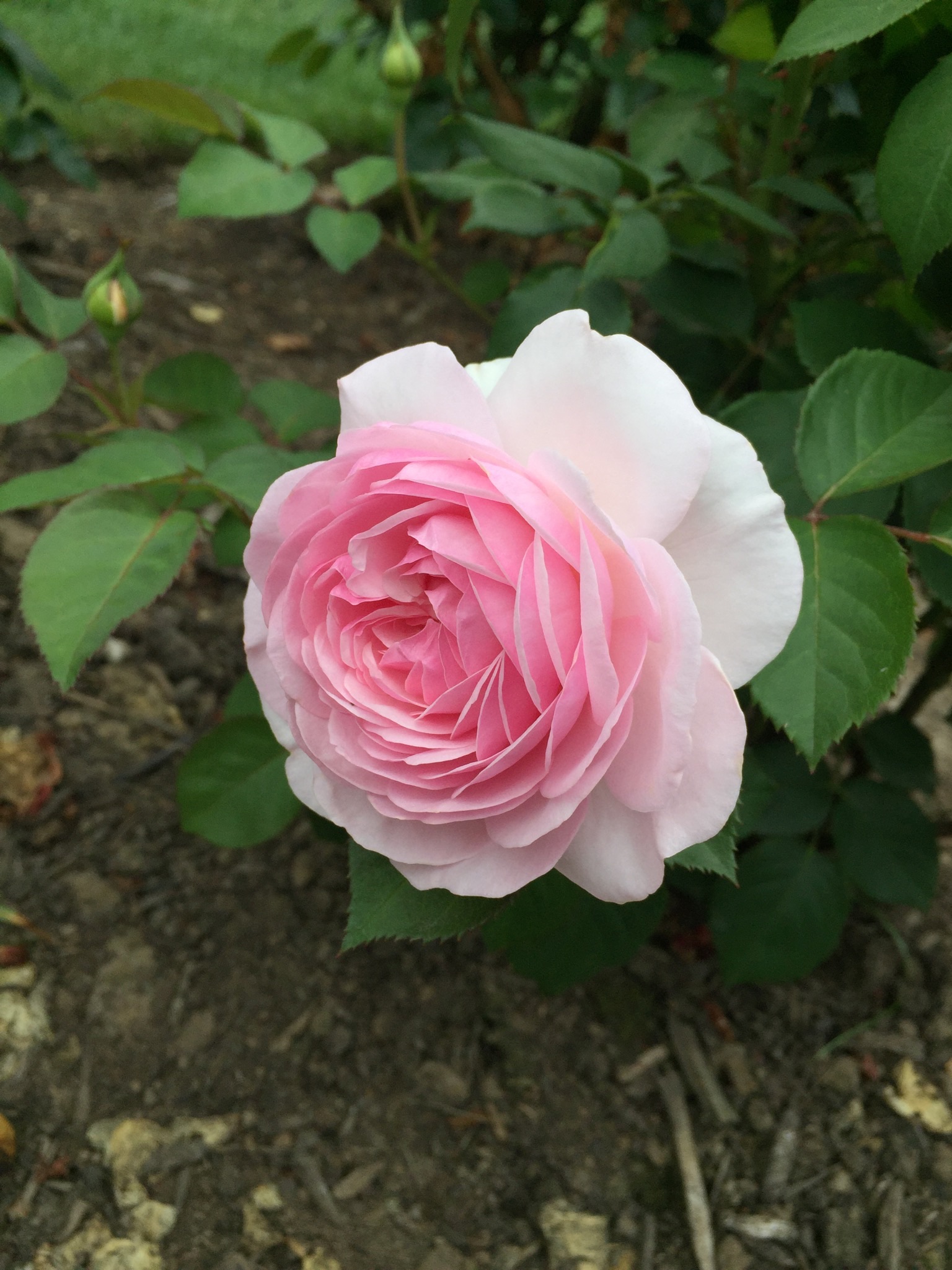
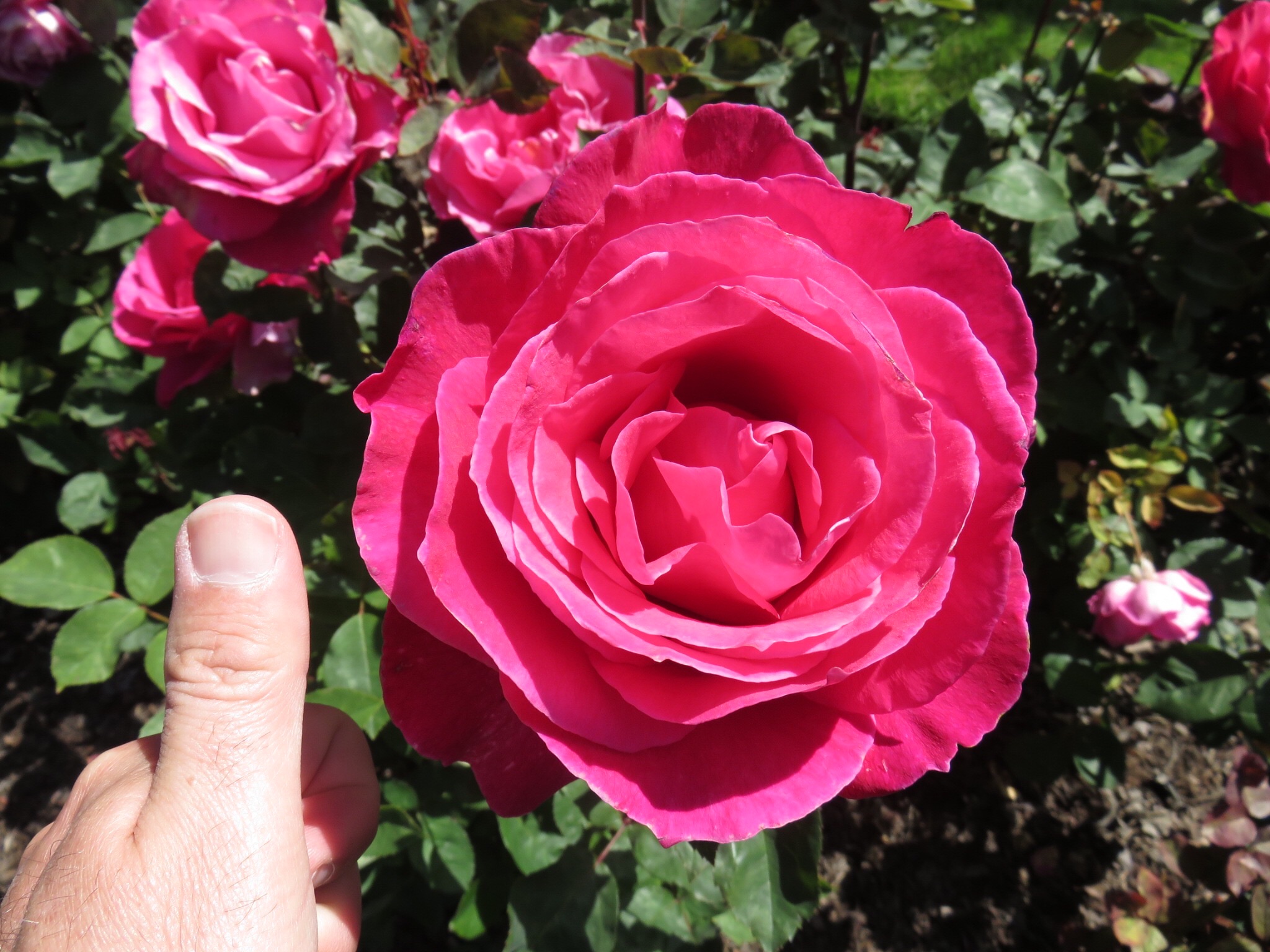
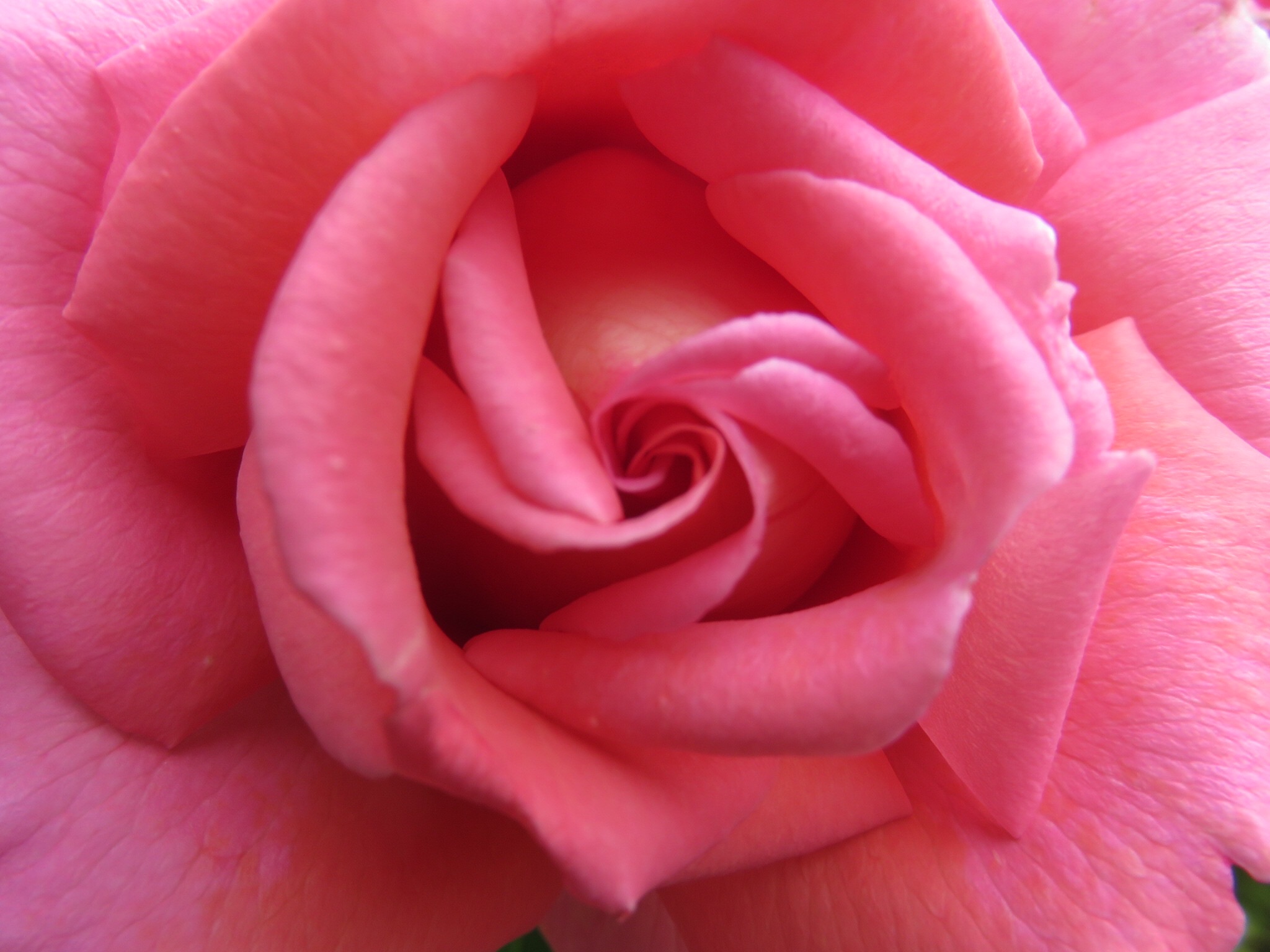
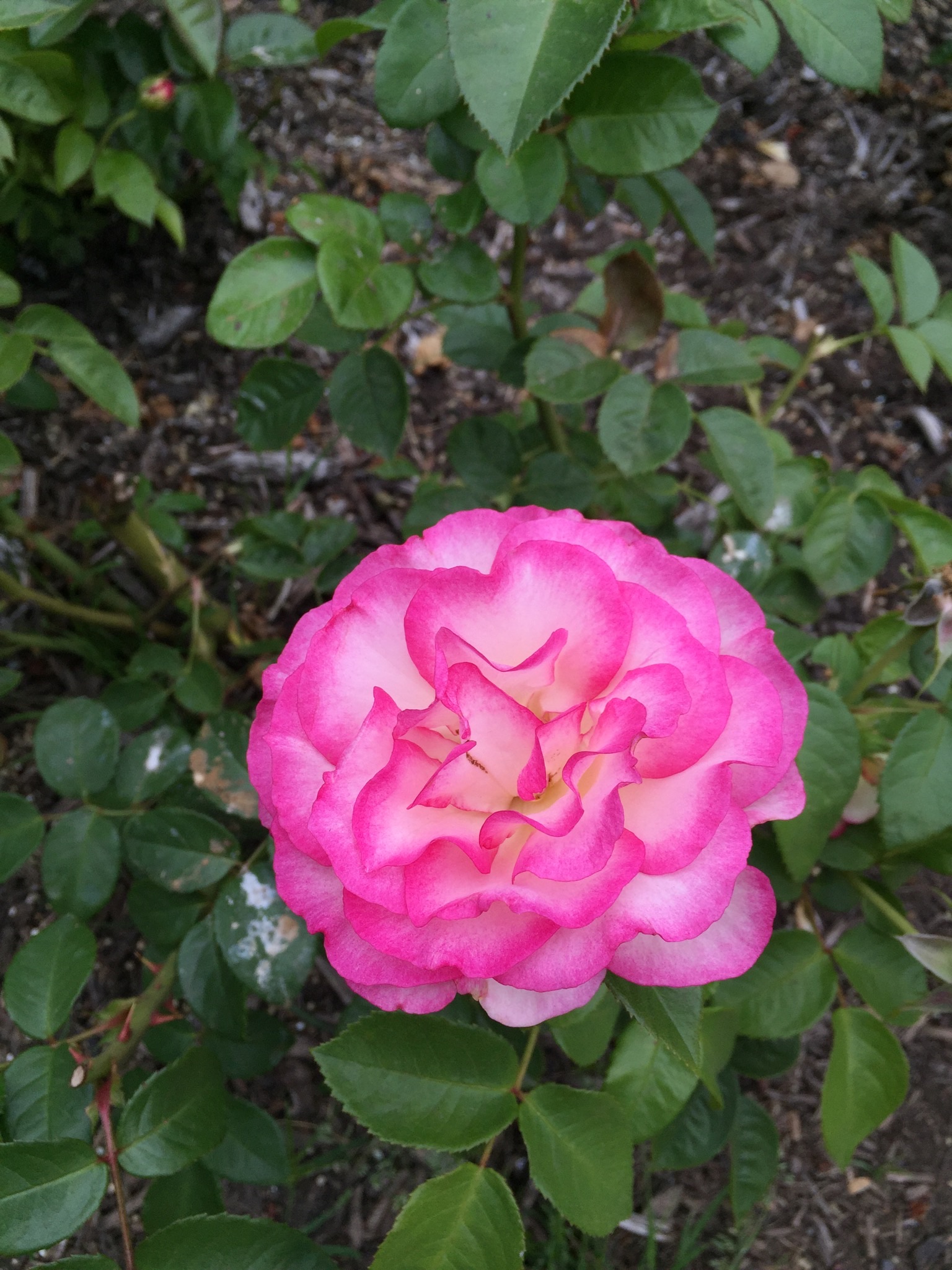
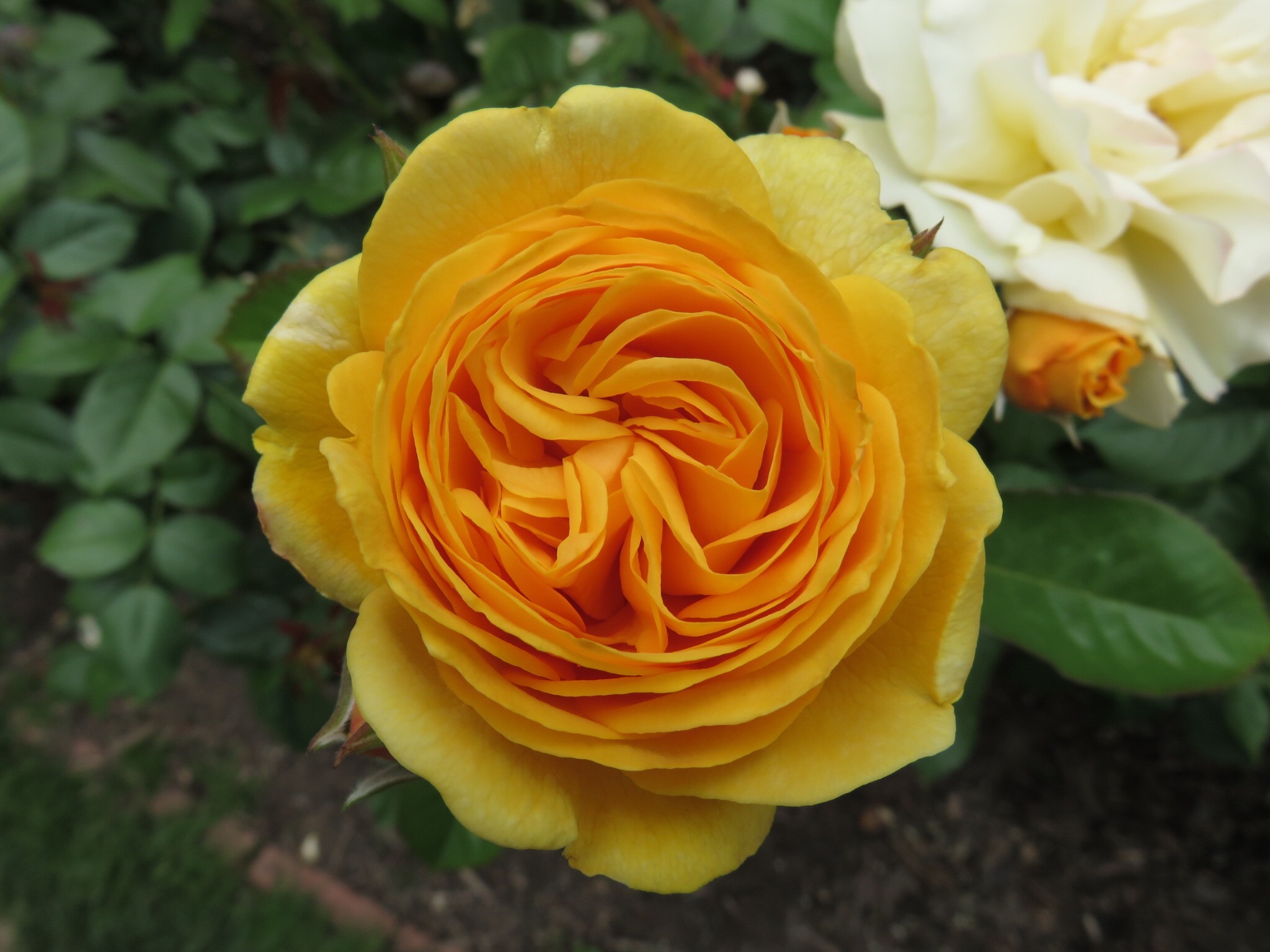
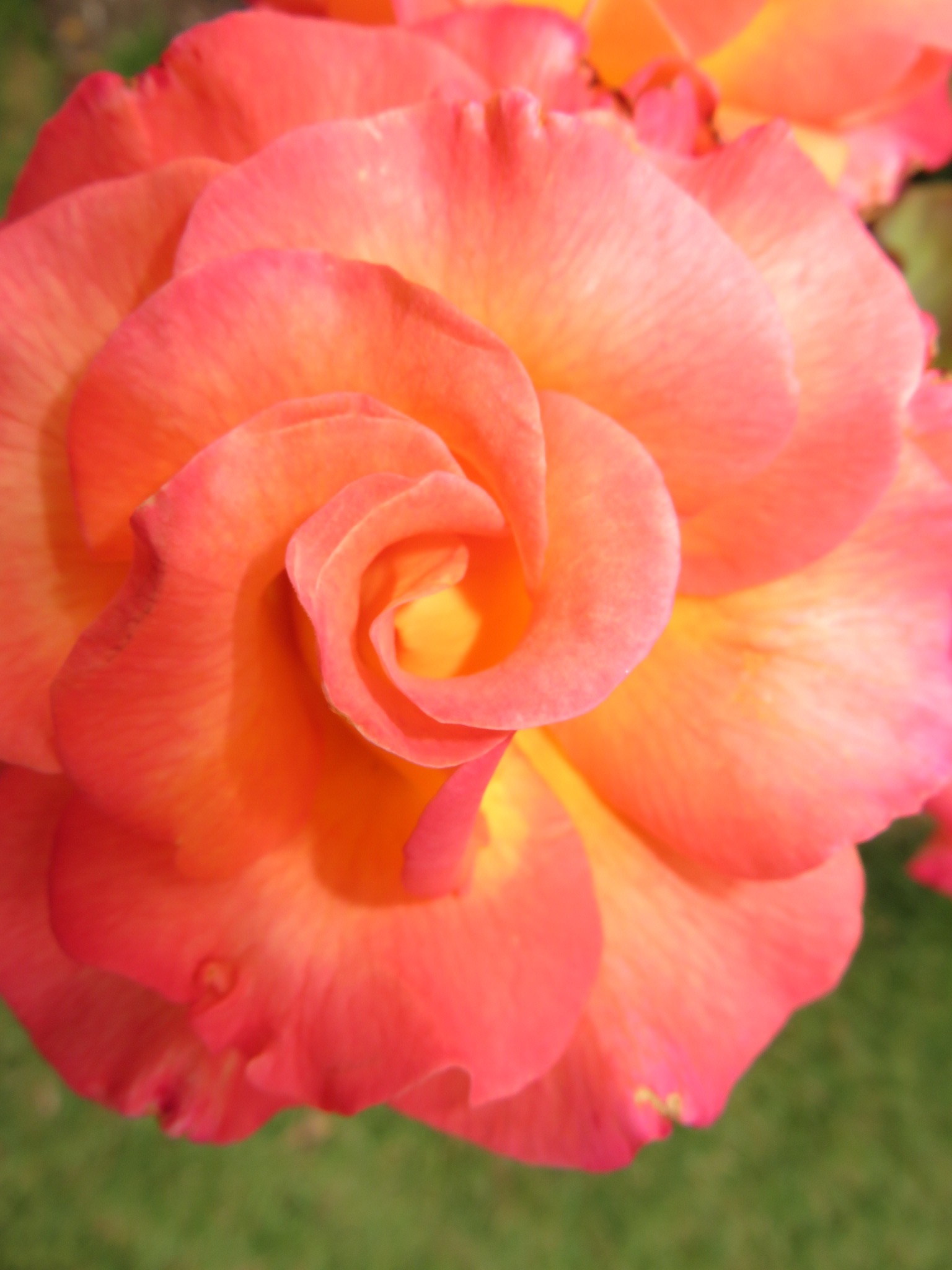
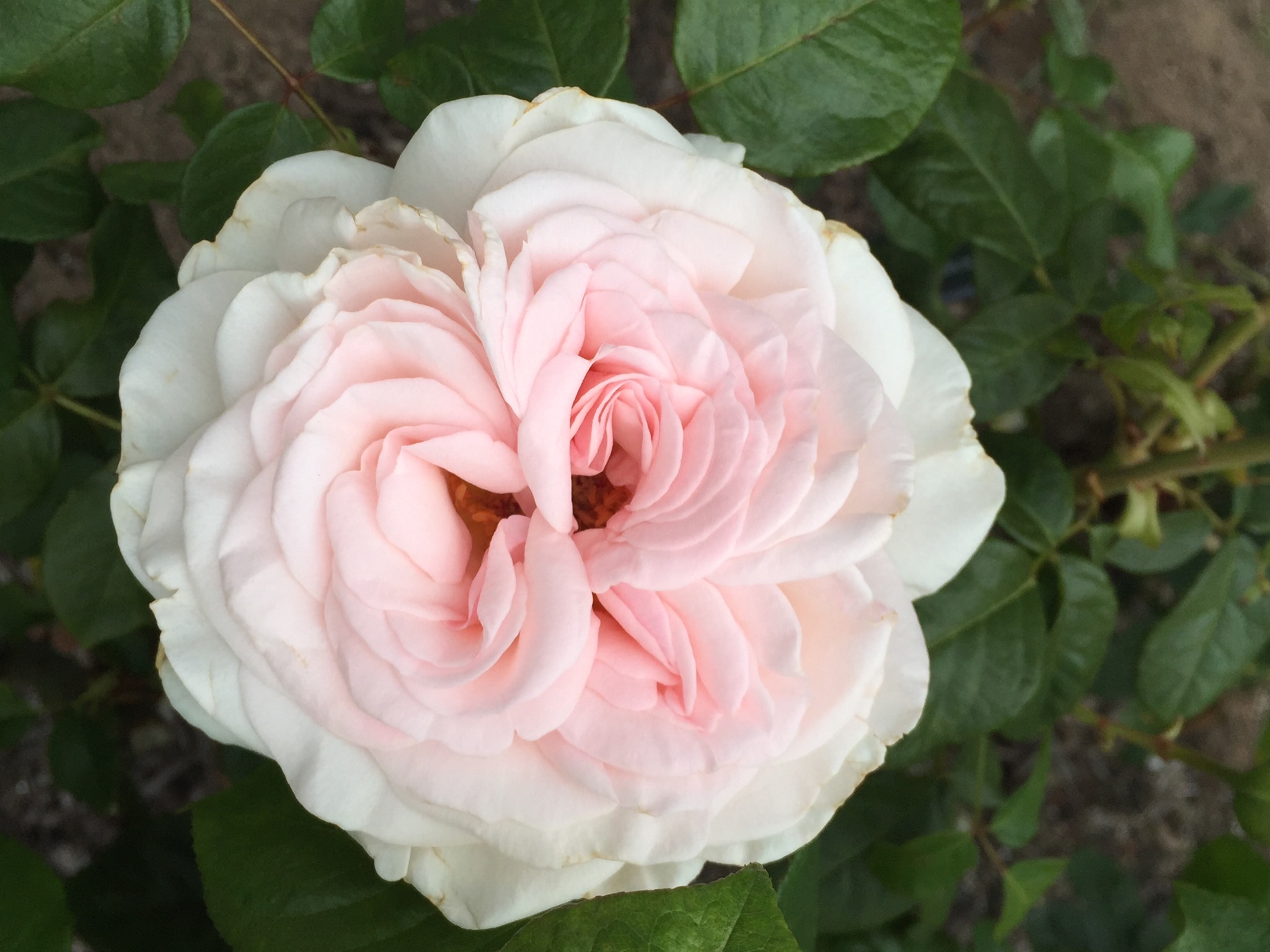
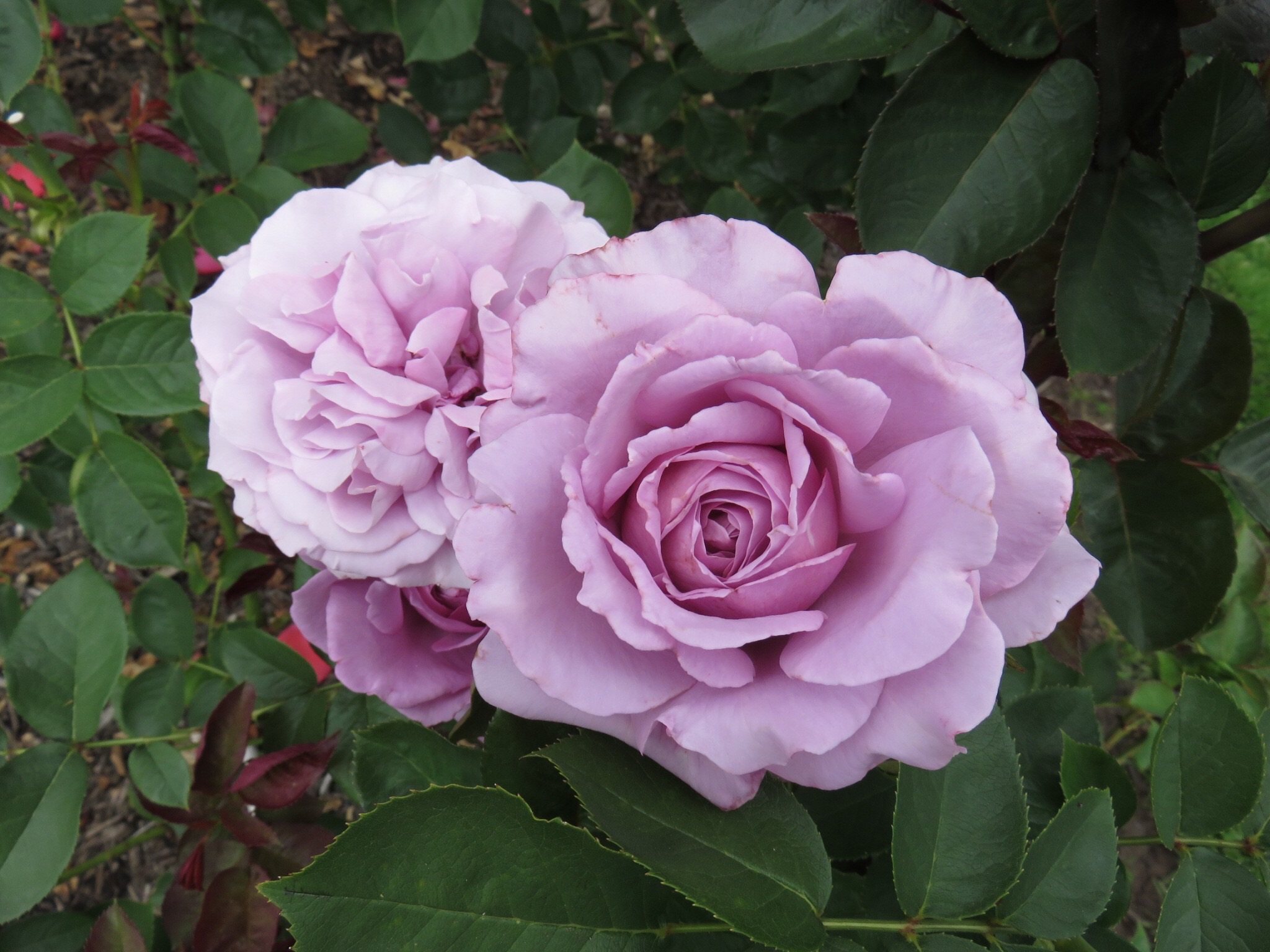
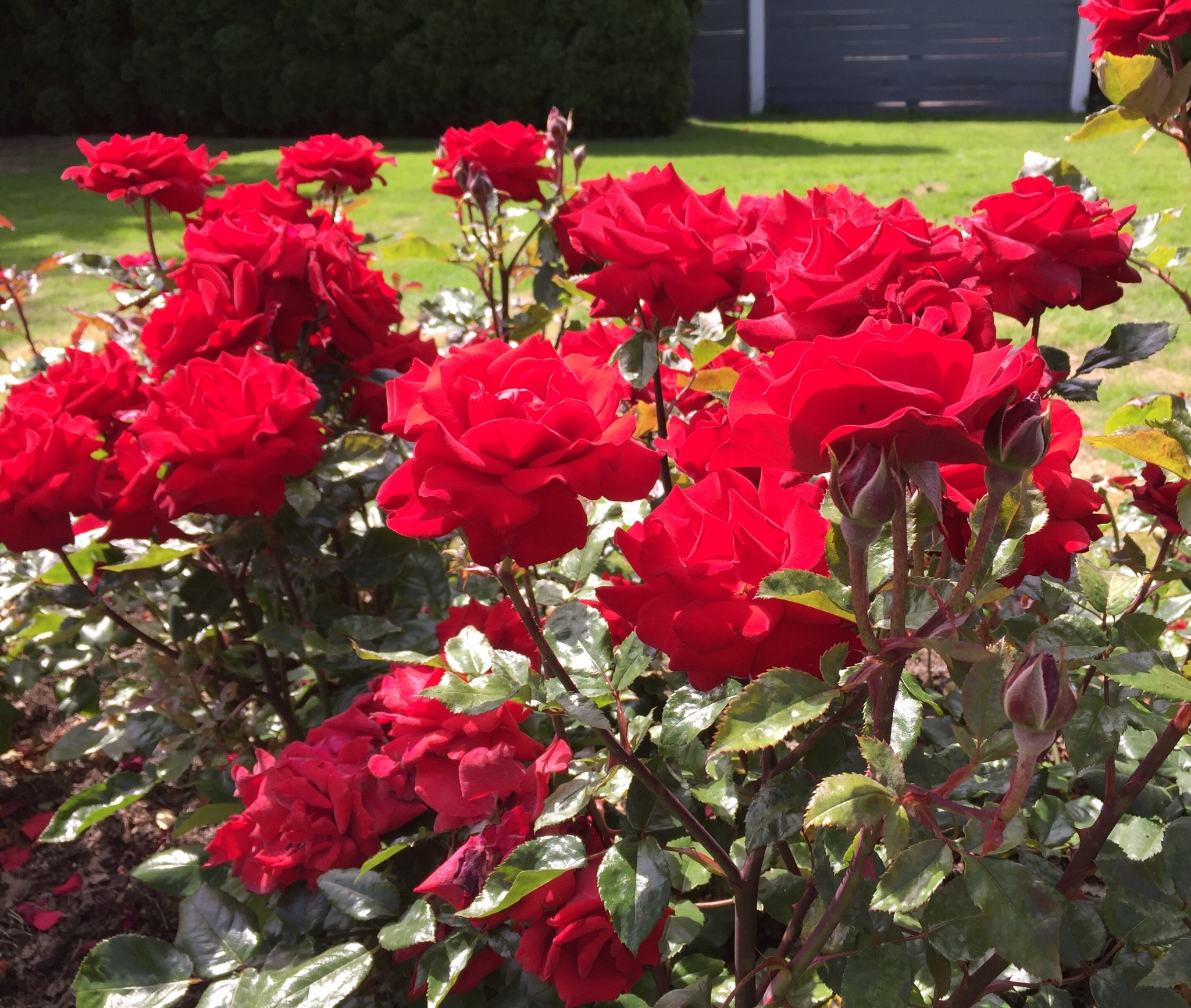
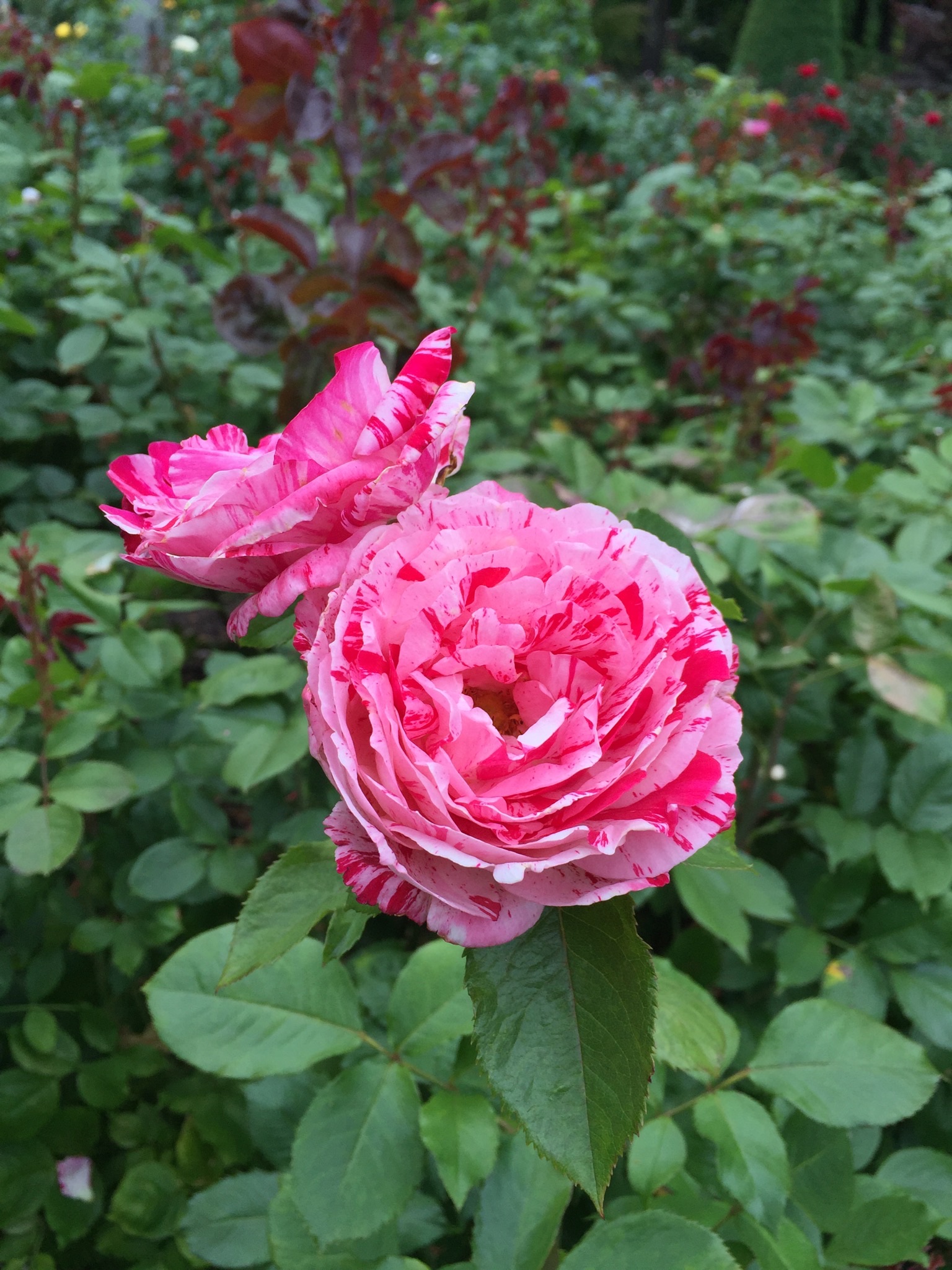
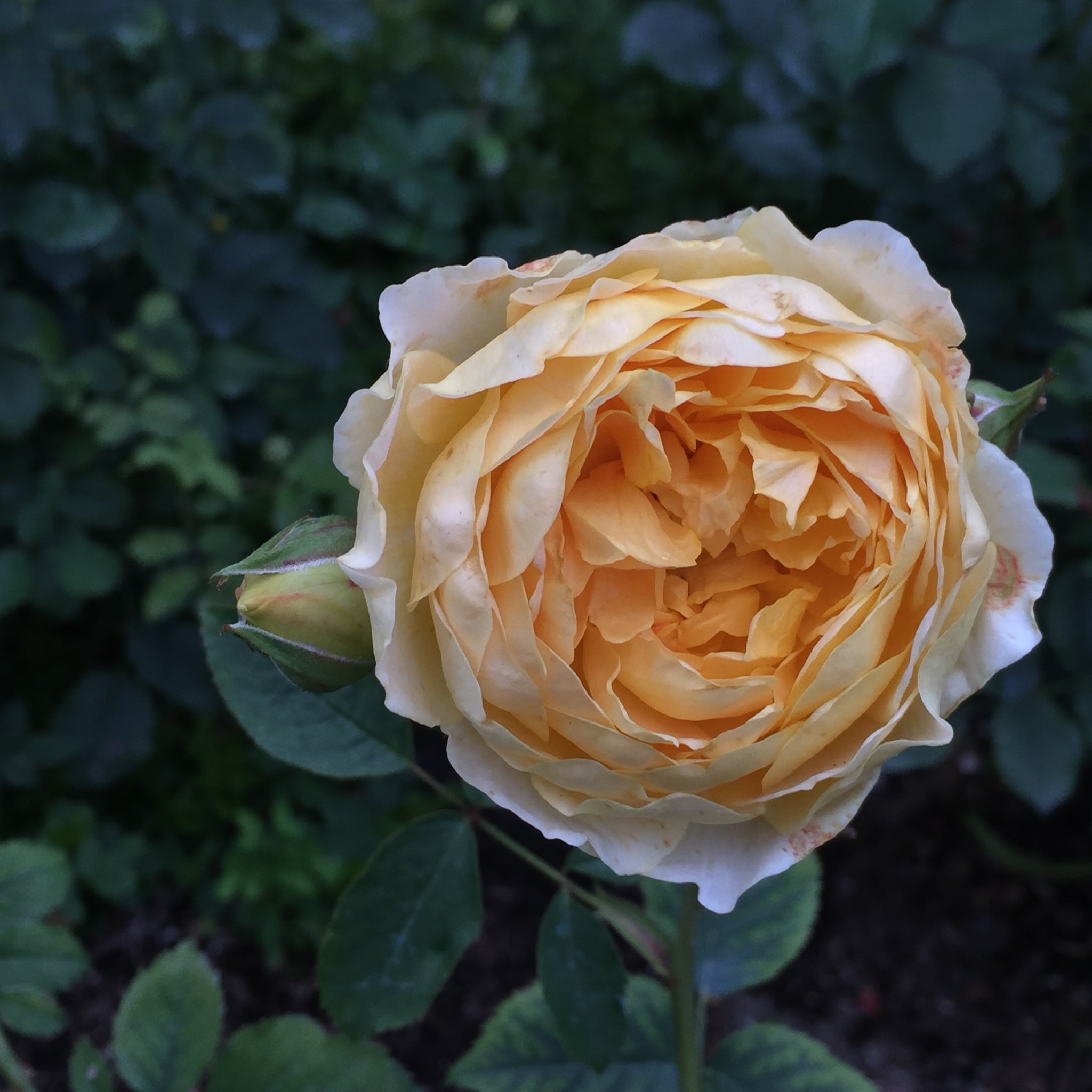
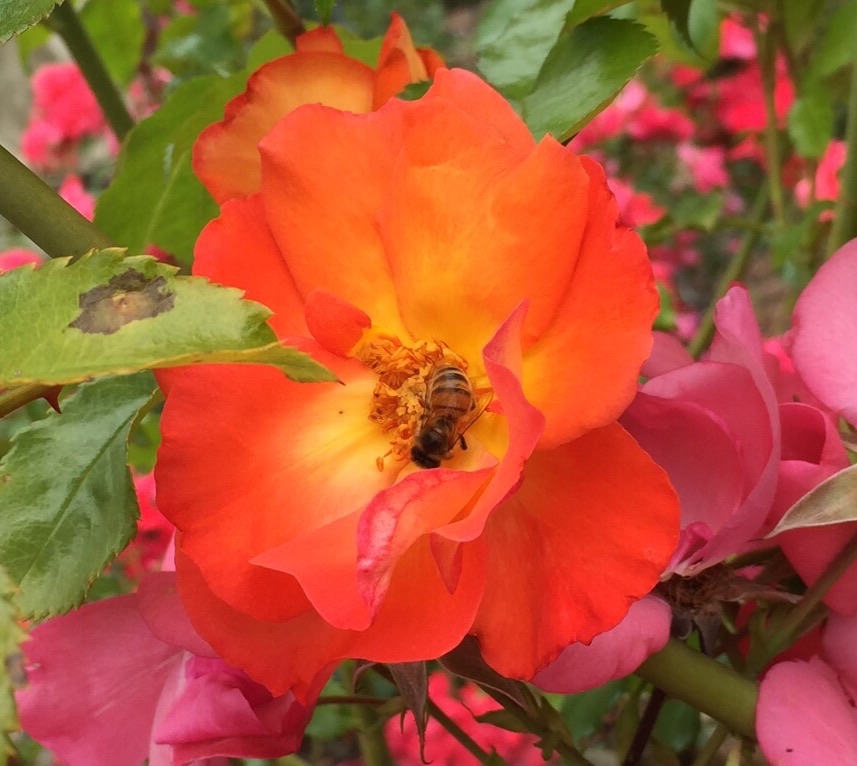
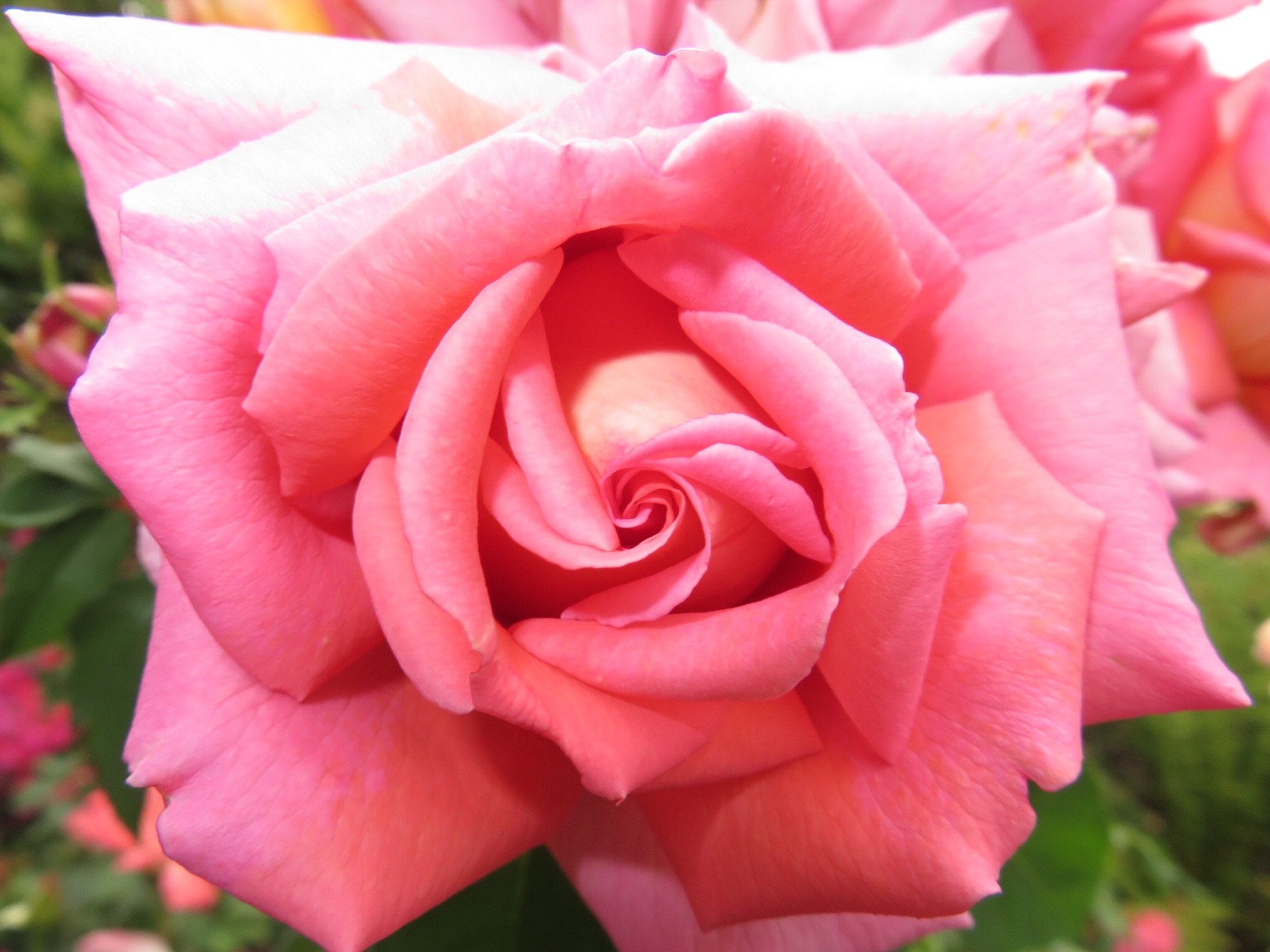
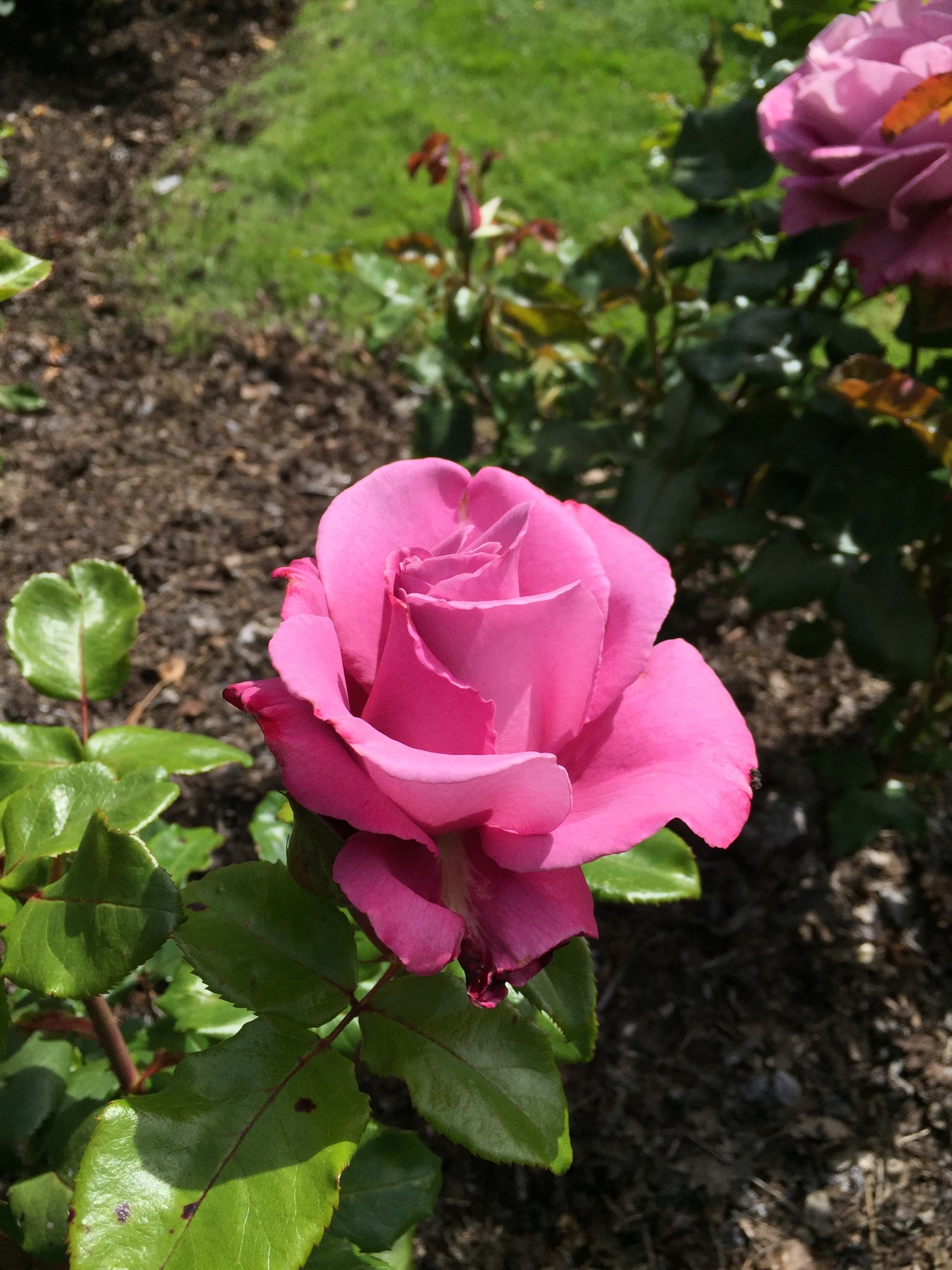
Here are some shots of roses that were being tested during our visit:
Later on our honeymoon Granger and I stayed on Vancouver Island in British Columbia, Canada. We visited the famous Butchart gardens north of Victoria, but in the city we also found a few roses at Beacon Hill Park.
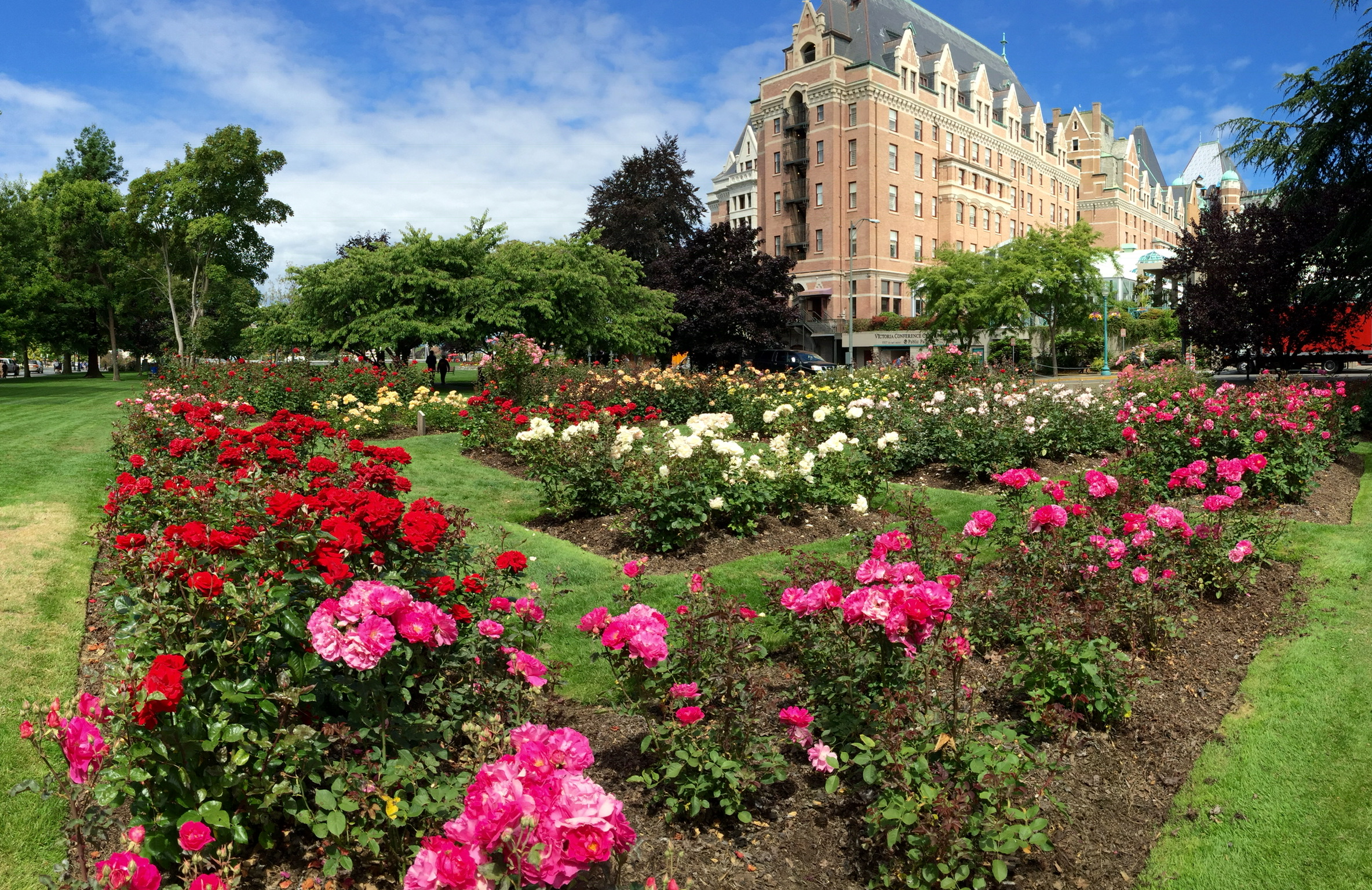
Surprisingly, the most impressive roses I saw on the trip were in a plot south of The Empress hotel in Victoria, just a five minute walk from our room at The Magnolia. It was a lovely setting with no crowds, allowing me to browse to my heart’s content.
Rose garden at The Empress
The rest of this post blends shots of roses from throughout our honeymoon. We made this a separate post from the day-by-day ones Granger is posting. I love roses as much as Granger loves Star Trek, but we both realize only some of our gentle readers will be interested in those things. I’ve sorted the shots into categories for you.
So Nice to Meet You
I was surprised to find that a lot of roses I had read about and in which I’d had lukewarm interest were quite spectacular when viewed in person. Here are a few.
Always a Pleasure
Here are some roses that are always great no matter where I see them. The Peace Rose has an interesting history, and several sports such as Love and Peace, Chicago Peace, and Glowing Peace.
Showstoppers
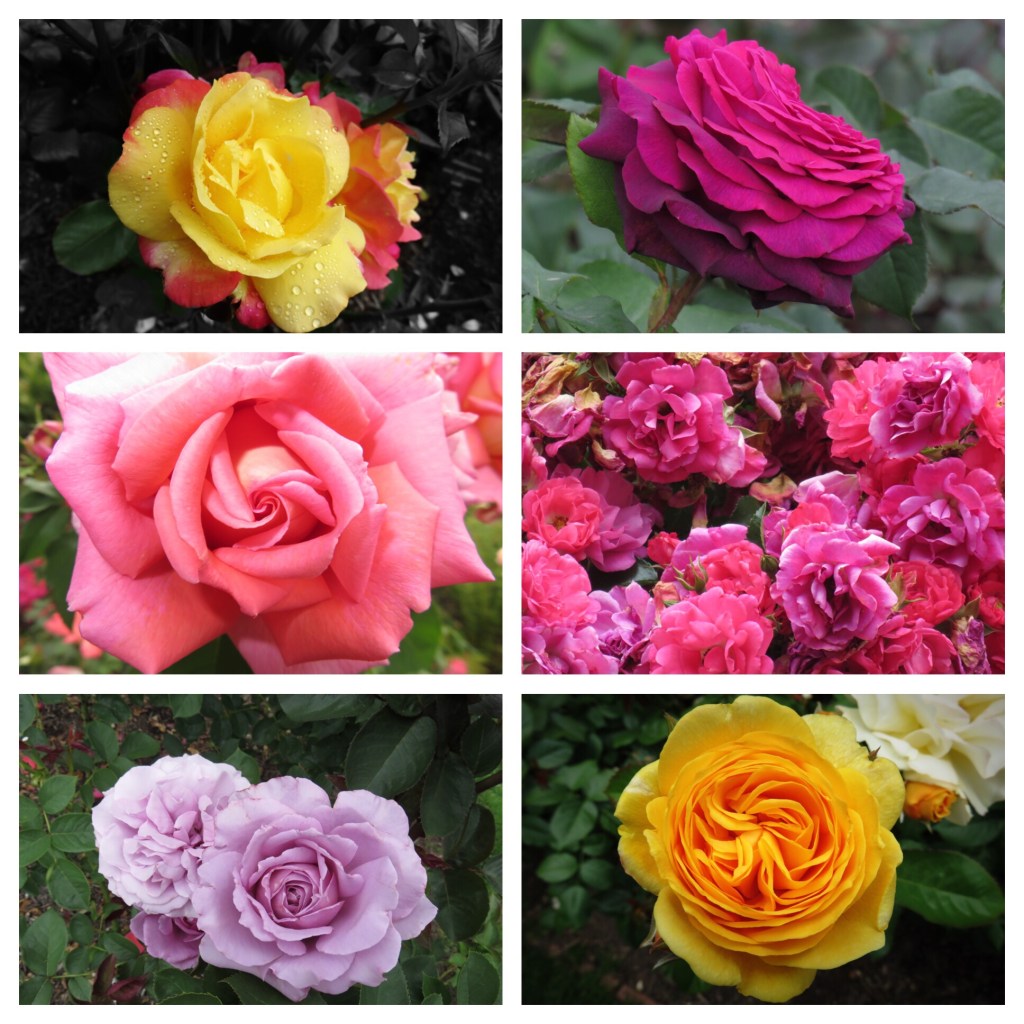
Here are some roses that were real showstoppers for me.
Never heard of you, but glad you’re here
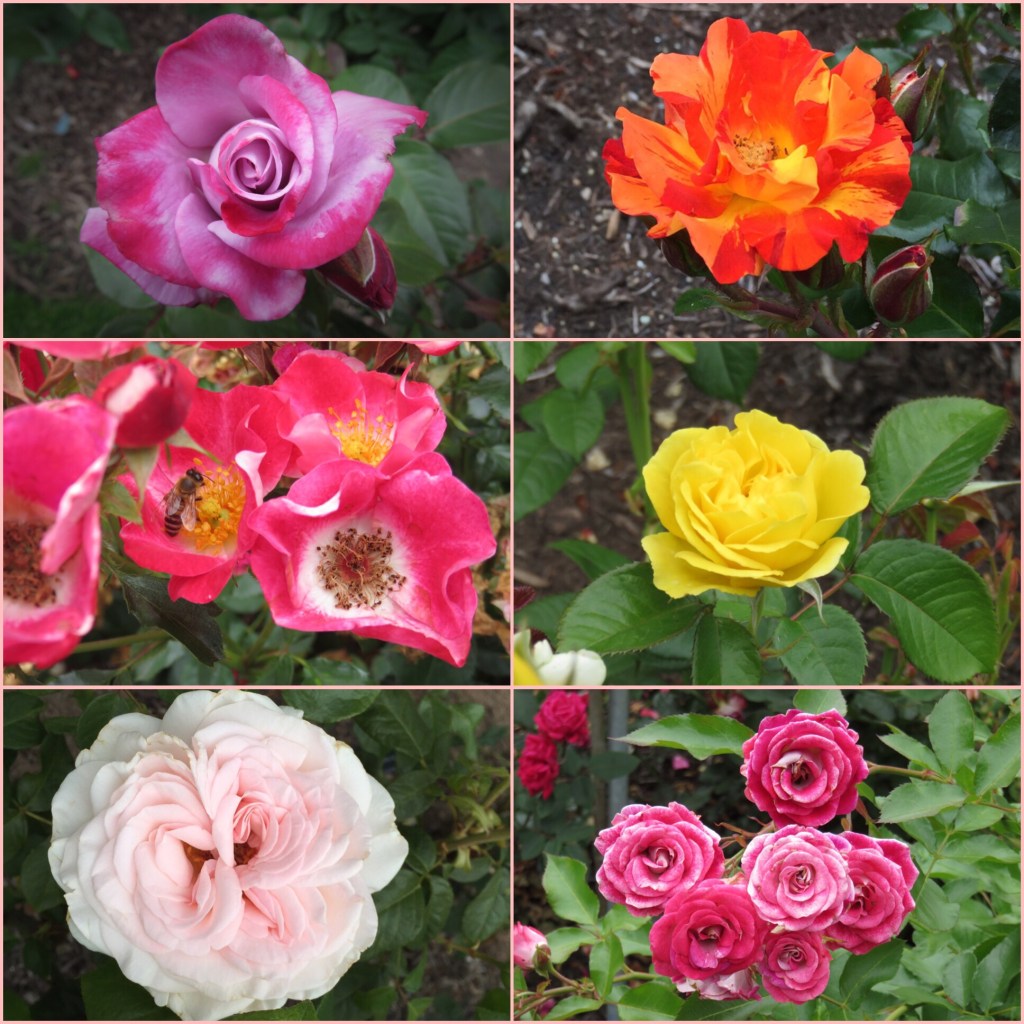
I also found a few roses that I’d never heard of:
We also saw quite a few unfamiliar miniature roses:
Easy to Grow
I realize many people are not as interested as I am when it comes to growing roses, but they would like something colorful yet easy to grow. There are so many, I won’t even try to identify them. If you’re looking for a good show of color but don’t care too much if there is fragrance, anything with these words in the title are your best bet: shrub, landscape, groundcover, drift, “Carefree”, or “Meidiland”.
The Knockout roses are quite popular due to how easy they are to grow, but to me, their colors aren’t really that spectacular, they have no fragrance, the blooms aren’t very large, and they aren’t challenging enough. They truly require zero maintenance, and they’re very disease resistant.
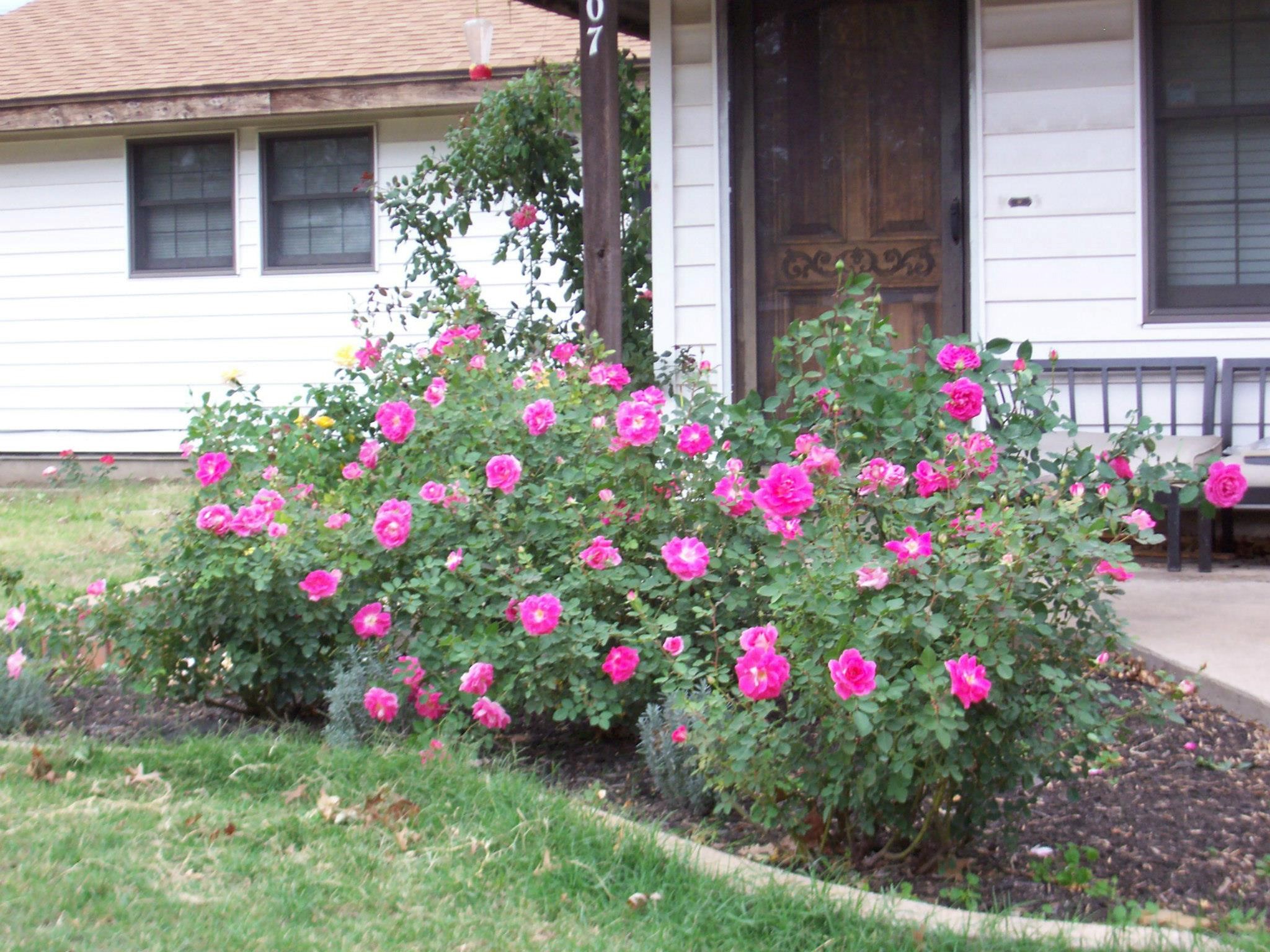
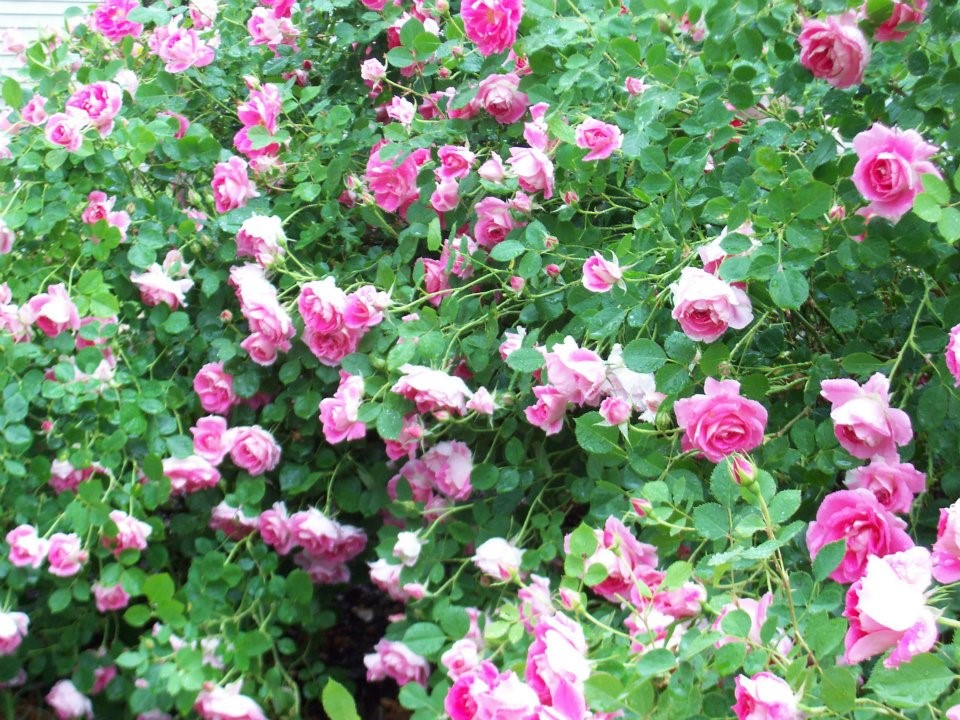
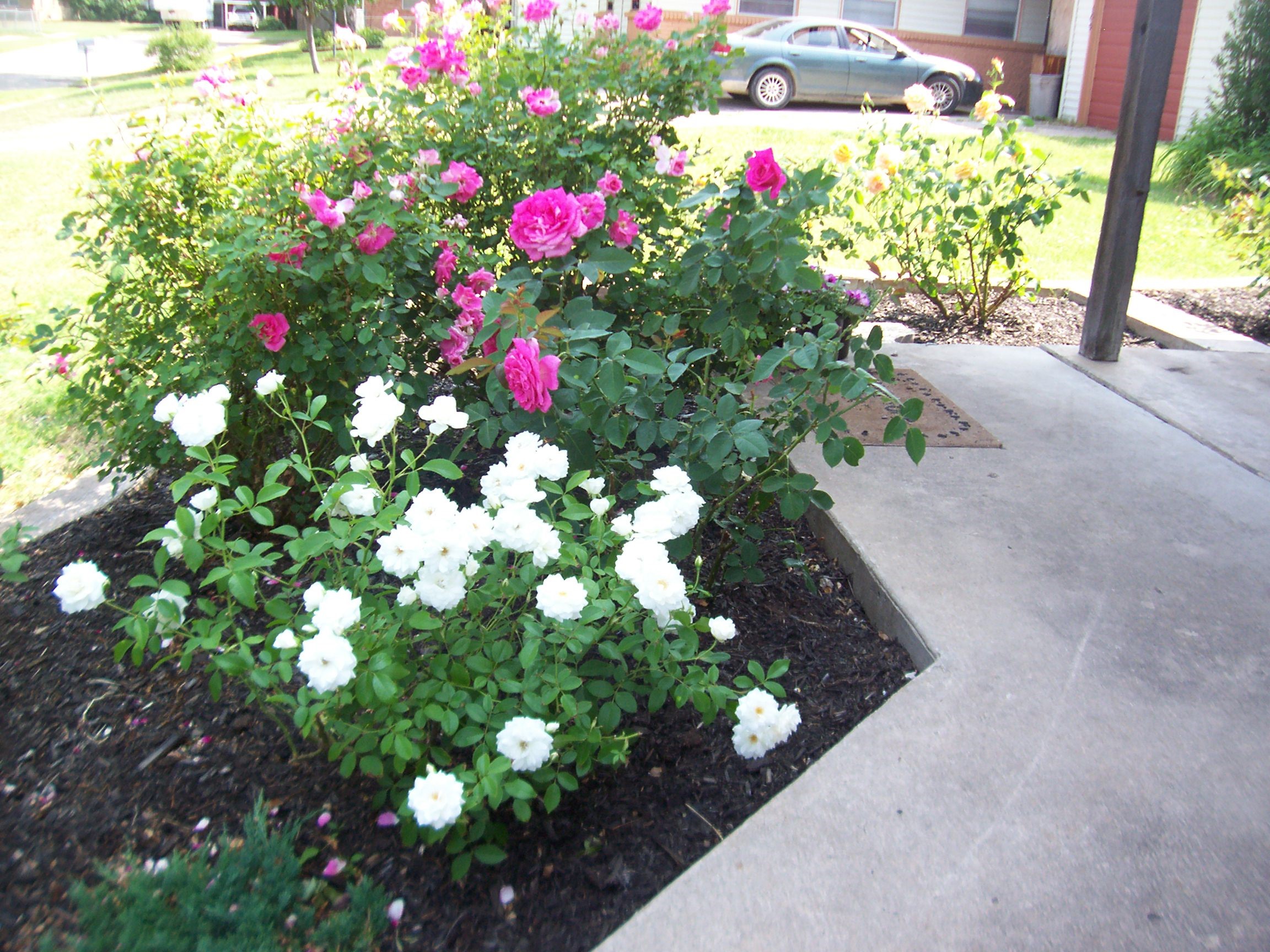
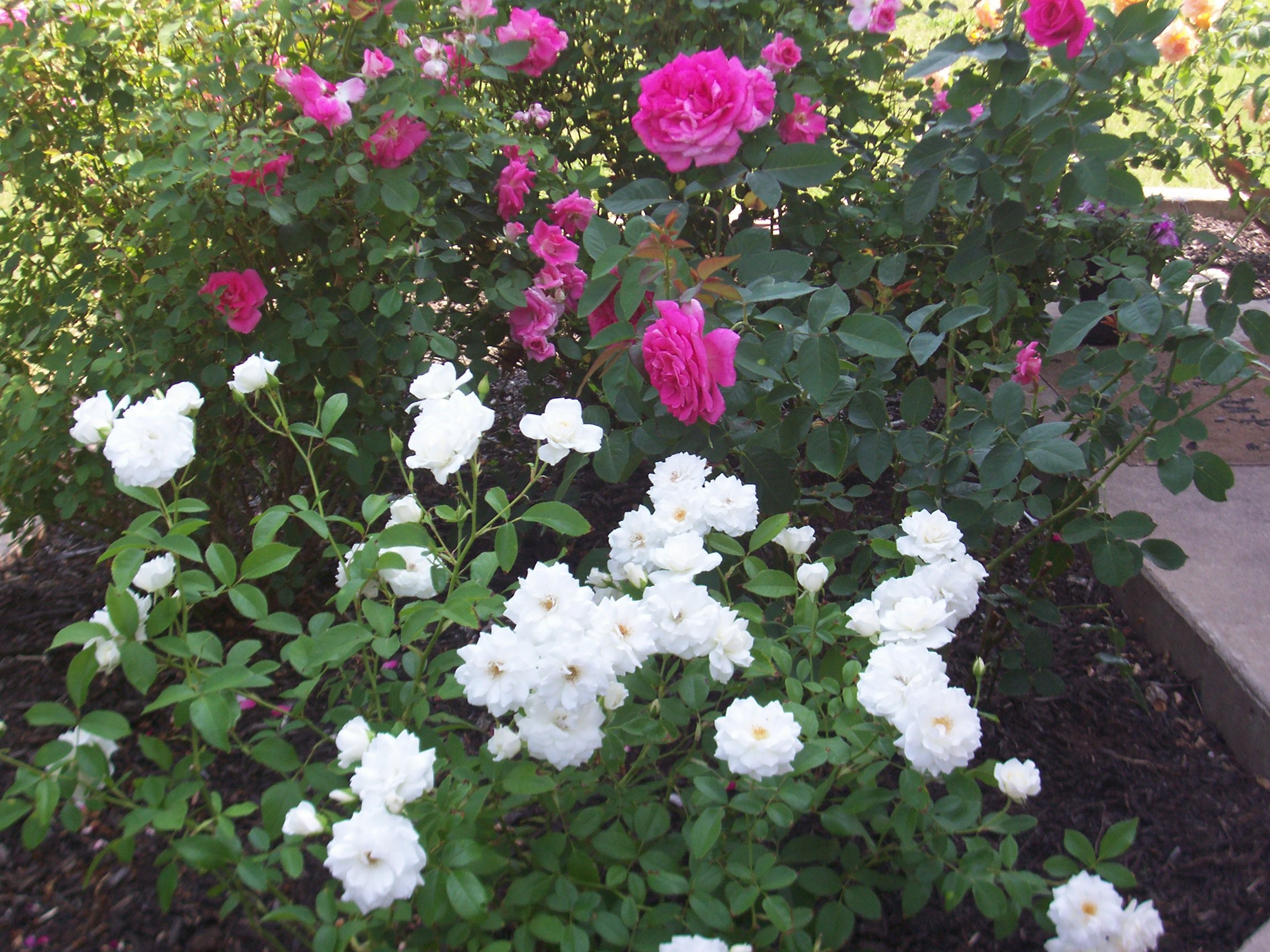
Here are shots from the trip of roses that are easy to grow, excluding knockouts:
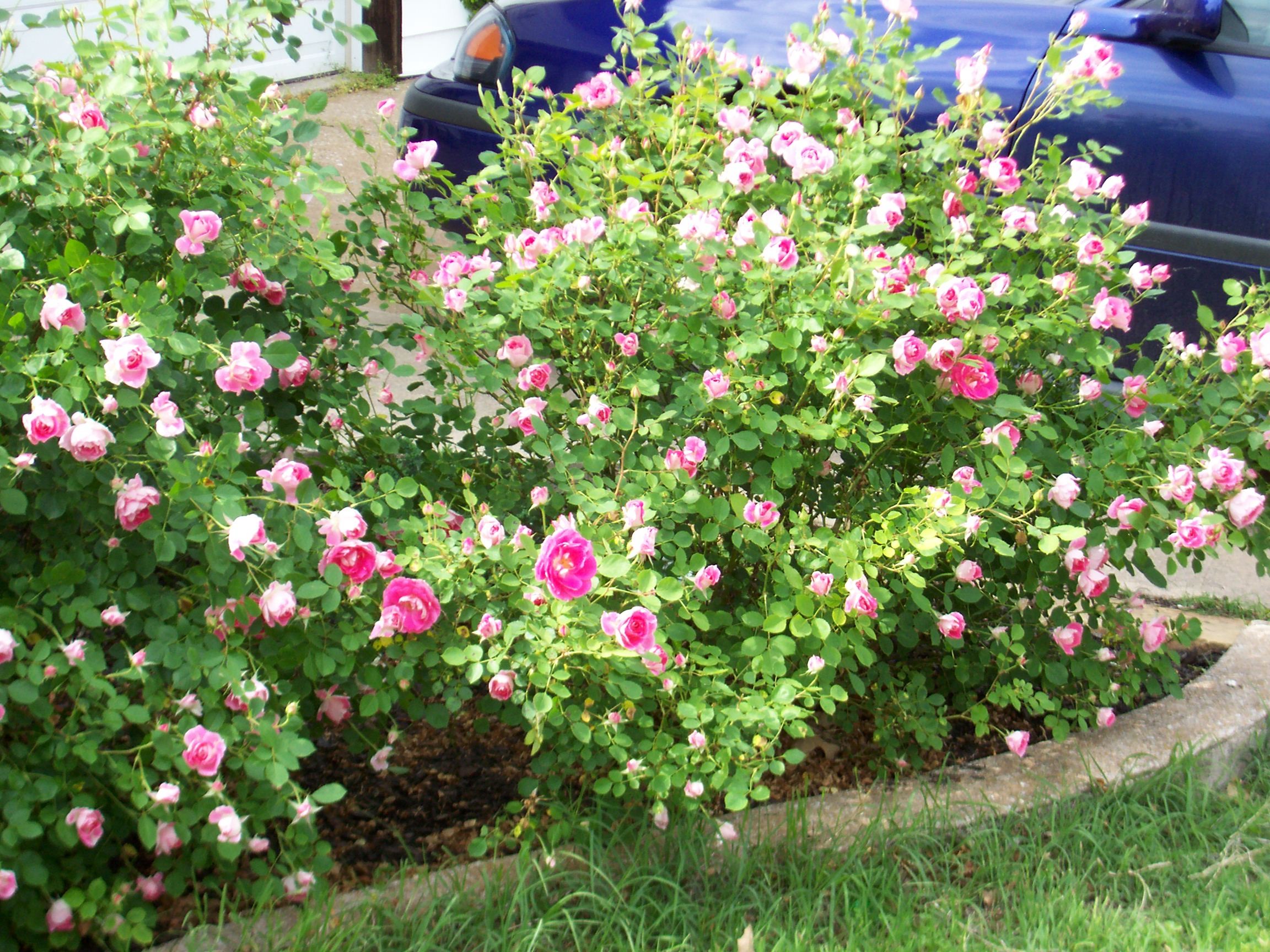
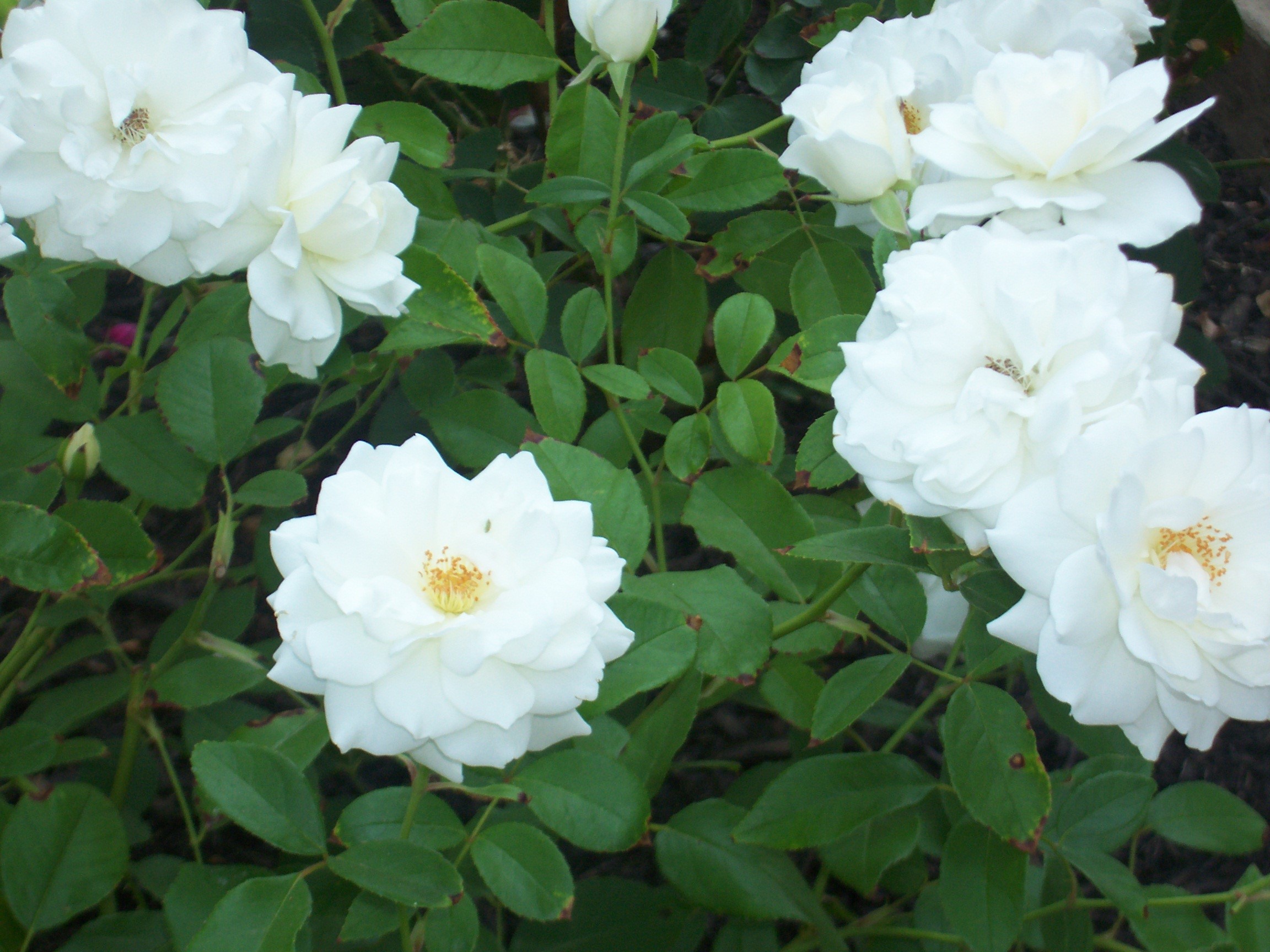
If you need to fill in a blank spot in a bed, any of the aforementioned easy to grow roses will do the job. The only ones I have had any experience with are Carefree Wonder and Iceberg, which were vigorous growers. The Carefree Wonder bushes “fluffed” out pretty nicely. You could use them as a hedge since they are so dense. Here are a few pics of mine:
My, you’re photogenic
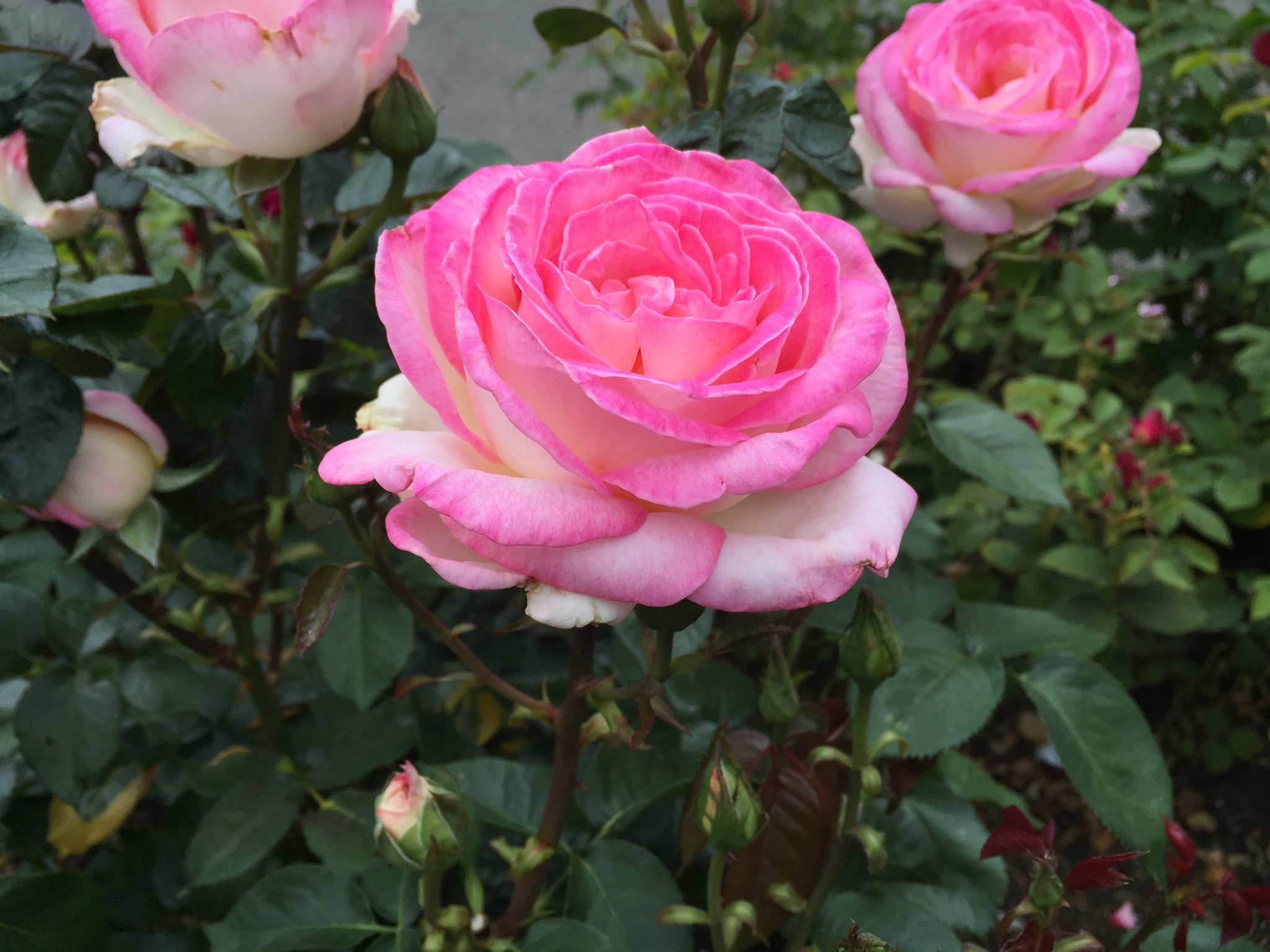
There were a few beautiful roses whose names we didn’t save, but the pictures came out great:
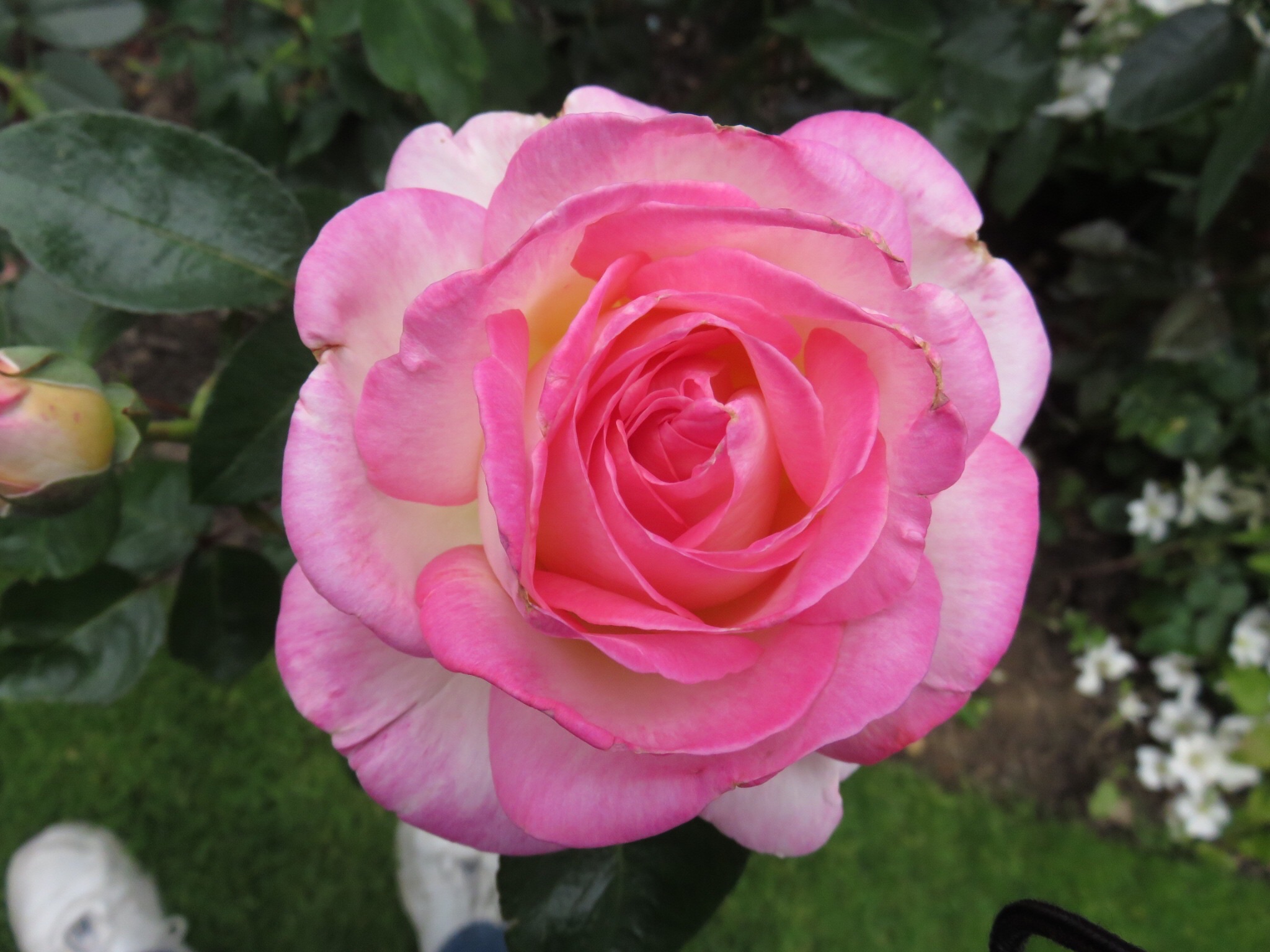
And finally here is the rose named for the International Rose Test Garden:
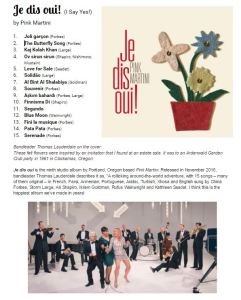
The band Pink Martini has released what I regard as its best album in years: Je dis oui! The title is French for I say yes! and is the multicultural mélange one expects from these outstanding performers from Portland. Their ninth studio album features 15 songs, many of them original, in French, Farsi, Armenian, Portuguese, Arabic, Turkish, Xhosa, and English. The album was so good I made my own online guide to it with background on each song and translations into English.
I’ve loved this group since I discovered them in 2007, hearing their standout cover of Amado miowhen it played over the end credits of Carlos Cuarón’s short You Owe Me (Me La Debes). The group’s songs were so wonderful I did something quite uncharacteristic, buying a ticket to their show in Fort Worth and driving down over a weekend to hear them. I was blown away by Thomas Lauderdale, China Forbes, and the rest of the group, staying after the show to have each band member sign my souvenir T-shirt. Since then I’ve attended their shows whenever they performed in Tulsa, Oklahoma City, or Fort Worth.
Storm Large & China Forbes
This latest album is particularly strong, with much less of the kitsch and treacle that has snuck onto their recent albums. Fans of the group know that band co-founder China Forbes lost her voice in 2011, with Storm Large joining the group as China’s vocal cords recovered from surgery. The group’s 2013 album Get Happy featured China on only four of its sixteen tracks, and she was absent from 2014’s Dream A Little Dream collaboration with the von Trapp great-grandchildren. China’s rest paid off with a full recovery, and she and Storm now trade off headlining the live shows. I’m delighted to find that China sang lead vocals on almost half of the songs on this latest album, with Storm joining China on one song and performing solo on two more.
Two songs feature NPR’s Ari Shapiro, who has appeared on previous albums, including one of my wife’s favorite tracks from the GetHappy album,Yo Te Quiero Siempre (I Will Always Love You). Two classics from the 1930s oldies feature guest artists: Rufus Wainwright does a standout cover of Rodgers and Hart’sBlue Moon, while Portland, Oregon civil rights activist Kathleen Saadat really sells Cole Porter’sLove for Sale. When I heard that fashion designer Ikram Goldman was making her singing and recording debut, I worried it would be a cameo I’d want to skip after an initial listen, but she holds her own.
Pink Martini
My online guide to the album
Albums struggle in these days of streaming music services, which sadly don’t deliver much remuneration to musicians. This album is worth a close listen, although if you want to understand the lyrics you would likely be thwarted by an album with only three songs in English. So I went on a mission to get lyrics and translations, happily finding great liner notes and other online resources which I used to create my own online guide to the album.
Standout tracks for me after listening to the album for the first time:
If you have a streaming service, call up the entire album for a listen. And if you’re like me, go and buy the album, because these tracks are worth owning outright.
Sorry for the long delay in resuming the posts about our honeymoon, but this school year is the most hectic I’ve ever had. I’m still teaching almost 80 students in three classes while directing a Chromebooks pilot project across 13 English classrooms at the high school, directing a pilot year of the Canvas learning management system at our school, handling district communications, and chairing both the science and STEM departments. That keeps me hopping, but I’m finally ready to post Day 3 of our honeymoon. Each weekend I hope to post about another day of our honeymoon. Enjoy!
When Wendy and I were considering possible dates for our wedding and subsequent anniversaries, I knew it should be summer when we schoolteachers could travel. Wendy lobbied for July 4: “We could have fireworks on our anniversary every year!”
But I resisted, not wanting our anniversary to coincide with holiday closings if we were out and about. I’m also not fond of the often startling loud pops and bangs of neighborhood fireworks around Independence Day. So I suggested and Wendy graciously accepted July 1 as a nice easy date to remember that’s still pretty close, temporally speaking, to the annual fireworks displays.
Thus we found ourselves in Portland on Independence Day, anxious to visit the International Rose Test Garden. I’d visited the adjacent Japanese Garden in 2009, not paying particular attention to its neighbor. But I remembered it when I began dating Wendy the rose lover, and I was not surprised when she once told me that on her bucket list was visiting the famous rose garden in Portland.
The History of the Garden
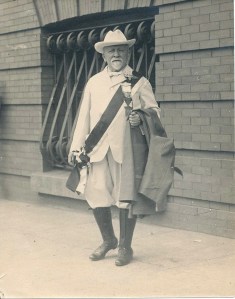
Henry Pittock in his Royal Rosarian outfit in 1916
When World War I broke out, Jesse A. Currey, rose hobbyist and Sunday editor of the Oregon Journal, became alarmed that the hybrid roses grown in Europe would be destroyed in the bombings. He convinced city officials to institute a rose test garden by 1917, situated in the hills west of downtown Portland. English hybridists began sending over roses, and in 1921 Florence Holmes Gerke, the city’s landscape architect, designed the garden and its amphitheatre. The garden was dedicated in 1924.
The garden has several sections. There’s the Royal Rosarian Garden which is home to namesake roses of all past Prime Ministers of that civic group whose members are greeters and ambassadors for Portland. Henry Pittock was one of the founders. The Shakespeare Garden was relocated from another park in 1945, and originally intended to only include herbs, trees, and flowers mentioned in Shakespeare’s plays. (A similar odd goal, of bringing to American every bird mentioned in Shakespeare’s play, afflicted our nation with the starling.) Nowadays that section contains roses named after characters in the plays and features a relevant quote from the bard,”Of all flowers methinks a rose is best.”
In 1970 a Gold Award garden was established, filled with roses honored annually since 1919 by the city’s award for best new rose variety. The Miniature Rose Garden followed in 1975 as one of six testing grounds by the American Rose Society. For decades the garden hosted All American Rose Selections trials, which tested the same roses in gardens across the nation. But that effort died out, so in 2013 the American Garden Rose Selections began, which recognizes roses that are easy to care for, disease resistant, and suitable for different regions of the country.
Our Visit
We had breakfast at McCrae’s Country Cafe in Gresham and drove over to the gardens, arriving there around 11:30 a.m. The parking lots were packed, so I drove up a steep side street and parked in a trail lot. As we made our way down, we passed another lot where a couple was gloomily inspecting their car. Someone had smashed one of the windows to break in. Wendy and I had not left anything of value visible in our rental car, so we hoped any thieves would spare it.
After touring the rose garden, we fled the crowds rather than try to take in the recently reopened Japanese Garden. I had a memorable walk there back in 2009, enjoying the beautiful and contemplative surroundings. The holiday crowds ensured that peace would be hard to find this time around, so I set it aside for some future vacation.
Henry Pittock built the French Renaissance-style château on the west hills of the city, two miles west of downtown Portland, in 1914. He was born in England but raised in Pittsburgh, Pennsylvania where he apprenticed in his father’s print shop. He left there at age 17 to travel on the Oregon Trail by wagon train in 1853. He couldn’t get a job at the largest newspaper in the territory over in Oregon City but landed a meager job as a typesetter for Portland’s weekly Oregonian. For six months his lodgings were blankets he spread out below the front counter of the shop.
He married Georgiana, the daughter of a flour mill owner who had also traveled to Oregon by wagon train. They raised five children in a small house on a block of land he had bought for $300 in 1856. He held onto that land, which proved a wise investment: Henry leased it out in 1912 for $8.3 million.
Henry became editor and publisher of the weekly, making it into a daily newspaper. He built it up by ensuring that he brought news about the Civil War to Portland days ahead of his competitors. Henry was an outdoorsman, participating in bicycling and mountaineering clubs. He climbed Mt. Hood four times. Georgiana loved gardening and kept a terraced flower garden at the mansion covered with every kind of flower imaginable. She originated Portland’s annual Rose Festival.
As often happens with palatial homes in America, Henry and Georgiana actually enjoyed their grand new home in the hills for only a few years. Georgiana died in 1918, and Henry passed eight months later. The property remained in the family for decades, although they struggled to maintain it. It was placed on the market in 1958 and sat empty. Windows were blown out and roof tiles dislodged in a large storm in 1962, leaving the interior exposed to the elements for 18 months. Developers planned to raze it and put in a subdivision. Thankfully the city and private donations stepped in to purchase it and save it for posterity. Although I’ve never ventured inside, an Oregon Live post has lots of interior photos. Only a few of the furnishings are original, but they do have Henry’s small bed. I’m reminded of Frank Phillips’ even smaller bed at his Woolaroc lodge.
The mansion grounds were busy with families out for a stroll. The estate was 46 acres and is now a park that connects to miles of trails wandering the surrounding steep hills. Wendy and I walked out for the great view of the city below, and then walked the old drive to enjoy the interesting plants.
We walked partway down a trail, but were bushed and tired of our fellow tourists. So we traipsed back up to the car and fled east back to our hotel.
In scouting out dinner, I was delighted to discover there was a Godfather’s Pizza less than a mile from our hotel. I have many fond memories of eating at the long-gone franchise on Campus Corner at the University of Oklahoma. The next day we would venture out for a long drive on the historic Columbia River Gorge Scenic Highway.
A very busy start to the 2016-2017 school year has temporarily stalled the series of posts on our July honeymoon in the Pacific Northwest. So I’m interjecting here a post on our trip in early October to the Salt Plains.
Starting Fall at Osage Hills
The heat and bugs of summer keep us away from the trails, so Wendy and I have been eager for the cooler weather of autumn. The first weekend of October was finally cool enough for us to venture out for an initial hike after months of air conditioned captivity. We drove 30 minutes west to Osage Hills and walked the Creek Loop trail, which is still shown on the state travel website using my map. I knew we should take it easy, so we only did 2.14 miles on that relatively flat trail, visiting the bluffs above Sand Creek and making the loop through the woods. It was still a tad warm for our taste, but we definitely needed the exercise.
Selecting Our Next Hike
A week later the forecast high temperature was in the low 70s. So we made a long-delayed excursion to the Salt Plains. Wendy had enjoyed a solo visit to the area years before we started dating, and I had not been out there in decades. Wendy wasn’t interested in digging for selenite crystals, since she’d done that on her earlier outing, and I’m saving a dig for a future trip with our teaching colleague Betty Henderson, who loves digging for crystals in Arkansas and would no doubt love digging in the salt plains.
Instead, Wendy and I were focused on hiking and taking photos. I did my web research on trails and came up with two quite useful maps:
One trail I targeted was the Tonkawa Nature Trail in the northern area of the Great Salt Plains State Park, opting to avoid the much longer equestrian trails; I didn’t feel like navigating around horse droppings. I also marked down the Eagle Roost Trail, a five mile drive away from the state park over in the Salt Plains National Wildlife Refuge.
Enrique’s
I’ll confess, however, that a primary motivator in selecting the Salt Plains for our first real hiking trip of the fall was that midway along our journey out there we could stop for lunch at Enrique’s in Ponca City. That Mexican restaurant at the airport has great food in a unique setting. We headed out from Bartlesville by 10 a.m. so we could drive the 80 miles to Enrique’s by 11:30. US 60 west of Osage Hills is now a super-two road, with actual shoulders, which is much better than the shoulderless stretches of US 60 on either side of Bartlesville.
At the restaurant we ordered puffy chips with their spicy salsa for an appetizer. I had a beef chimichanga while Wendy opted for chicken and added a tamale. Our chimichangas were good, with savory beans and bacon and good rice for sides. Wendy loved the spicy salsa and puffy chips and said the tamale had the kind of heat she treasures in New Mexican cuisine, although it did not use green chiles. My more tender tummy took her word for it. The wonderful big lunch had both of us eager to get to walkin’.
Tonkawa Trail (A on the embedded Google map)
We drove another 70 miles east to the wildlife refuge headquarters, northwest of the state park. I was surprised to find the visitor center closed due an internal fire; there was no mention of this on their website. Later, on their Facebook page, I found out that in July they had a lightning strike that started a fire in the attic.
My soda at lunch had me eager to find a bathroom, so I drove us the five road miles through Nescatunga (which means “big salt water” in Osage) to the state park. We found a nicely plumbed bathroom there at the trailhead for the Tonkawa Nature Trail. The bathroom, however, was more impressive than the trail itself.
The little trail winds through the trees for only a quarter mile, and it was littered with fallen branches. Clearly few folks bother with it, although near the trailhead is the Wildwood Chapel, a small group of railroad timber benches with a pulpit. I expect those who worship there pray for some relief from the biting insects that plagued the area during our brief visit.
There were large anthills all over the camping area. It is situated along the northern shore of the Salt Fork of the Arkansas as it spills out of the Great Salt Plains Lake. That lake is troubled, plagued by fish kills due to silting that has left it with an average depth of only two feet. There isn’t funding to dredge it, so it will likely just continue to silt in until it all becomes a wetland. As fish disappear from the low oxygen levels, so will some of the birds that flock to the area.
The lake hasn’t silted in fully, so we spotted our first large animal of the day: a pelican out in the Salt Fork of the Arkansas River below the spillway. We also admired the colorful layers of rock exposed across the river.
Eagle Roost & Hoot Owl Trails (B on the embedded Google map)
I was hopeful we’d have better hiking back at the Wildlife Refuge, so we made our way back to the Eagle Roost Trail near the closed Visitor Center. It is described online as a 1.25 loop near Eagle Roost Pond and Sand Creek Bay. We found the trailhead easily enough, just west of the visitor center.
Wendy the rock hound immediately spotted some interesting rocks as we made our way through an area that clearly floods. I was surprised to soon reach a fork in the trail. To the left/south was the Hoot Owl Trail, something not mentioned on the Wildlife Refuge website, although they do have some shots from it on their active Facebook page. We headed down that graveled path to see where it might lead. It soon reached a T intersection, which I presumed was a trail loop. We headed to the left, only to find the trail branching again to the left, leading across a nicely built bridge. However, that rather nice bridge was quite overgrown, and the trail on the other side was untended, with tall plants growing out of the gravel. We’d sprayed ourselves with Cutter before heading out, but this looked treacherous in the bug department, so we returned to the main loop.
Satellite imagery shows the Hoot Owl Trail has been in place since at least 2012. The main Eagle Roost Trail is a mowed roadway, but for the Hoot Owl Trail they opted to lay down some fabric and then cover that with gravel. Plants have nevertheless contrived to penetrate the layers in many places, so maintenance is not as carefree as they might have hoped. The trail eventually looped back, and we were back on the mowed roadway as it led west across the marshland toward the eastern shore of Sand Creek Bay.
The trail led north between the bay and the marshes to the east, choked with tall grasses and reeds. An armadillo ignored us as we trod past. At Eagle Roost Pond we didn’t spy any eagles, but a Monarch butterfly graciously posed for us. Wendy had already spotted a bald eagle on our drive toward Ponca City, so we couldn’t complain.
The roadway continued north, but the trail turned back east when we reached Puterbaugh Marsh. While I was grateful for the wildlife we’d spotted, I’d had enough of the marsh bugs and smells. So when the trail reached the auto route road on the eastern side of the loop, we exited the trail and walked back along the road to the car.
Harold F. Miller Auto Tour Route
The Miller Auto Tour Route is named after a local resident who devoted 38 years to the U.S. Fish and Wildlife Service. The route was planned in 1987, funded in 1989, and dedicated in 1992, and the road was in great shape. Soon after we began our drive, I saw a coyote dart across a field. Thankfully he stopped to look back at us, allowing me to capture him in the superzoom through Wendy’s open window. The road led by the rather unimaginatively named Little, Intermediate, and Big marshes. We passed an enormous old tree, with very thick grizzled bark. We took a final walk of 0.3 miles to and from the Casey Tower Overlook through the woods to what turned out to actually be another blind overlooking a field. Despite approaching as quietly as we could in our boots, we did not spot any wildlife. Dawn or dusk are better times to catch the critters in action.
Searching for Salt (C on the embedded Google map)
It was time for some shots of the actual salt plains. I tried to spot the Sandpiper Trailhead off highway 11, which leads to an observation tower at the north end of the plains, but drove right past it. Rather than backtrack, I just drove on around through Cherokee, turning at the Selenite Sam sign to head along a county road to the digging area. We banged along the asphalt road, jounced by each seam in the old concrete roadbed underneath.
We finally bumped our way onto the salt flats, trading broken asphalt for mudholes. The thin layer of white salt coating the flat and barren 11,000 acres was initially deposited during repeated water level rises of a shallow sea millions of years ago. The supply of salt is kept intact by saline groundwater that flows just below the surface: when the water evaporates, a layer of salt remains. The same process helps form the selenite crystals which visitors dig for in designated areas which are rotated each year to allow for crystal reformation.
It was time to return to Bartlesville. TripAdvisor led us to stop off for dinner at the Garret Wrangler restaurant in Ponca City, but they were having an off night. Our turkey and dressing featured an underdone bird and lukewarm mashed potatoes, so I opted to forego a slice of pie. When we got home, it was time to remove the salt and grime. Wendy took a bath while I took the car over to the car wash to clean it, then returned home for a welcome shower. We had a great day out west and are looking forward to more hikes in the weeks to come.
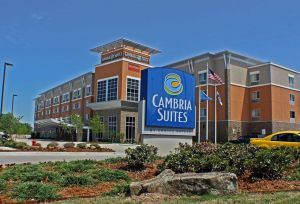
Our favorite hotel in OKC began as a Cambria Suites and is now a Doubletree by Hilton
I suppose our first honeymoon hotel was technically in Oklahoma City, since we spent the first night at our favorite place to stay in OKC: the Doubletree by Hilton near the airport. It is only a 15 minute drive from there north along Meridian Avenue to my parents’ home in the Windsor Hills neighborhood. When we first began staying at the hotel, it was a Cambria Suites. We liked its room décor, spacious bathrooms, and luxurious bedding. “Suite” is used loosely by hotels these days; I don’t regard a separate area for the bed that only has a divider instead of a real wall and door to actually qualify as a suite. These days I usually book us in a real suite with separate bedroom since Wendy is a night owl who likes to stay up later than I do.
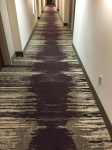
The new carpet at our hotel
Hilton bought out the hotel later and only slightly changed the room décor. Lately they’ve been ripping apart the dining area, lobby, and hallway carpeting. (What is it with hotels’ carpeting? Is there a law that it must be incredibly ugly? I know they are trying to disguise heavy traffic patterns, but I’ve only seen a few examples of nice-looking hotel carpet. The Doubletree’s new corridor carpet, which looks like a signal wave pattern, is not one of them.) It is a testament to the hotel’s room design that we’ve continued to stay there even with that mess, including road delays as a long stretch of Meridian Avenue is being reconstructed south of Interstate 40.
Our “mini-suite” in Troutdale
In my mind, our honeymoon really began in the Pacific Northwest. We spent the first four nights at the Best Western Plus Cascade Inn & Suites in Troutdale. It also isn’t honest about “suite” – calling an extra long room narrowed in one spot by short wall segments a “mini-suite” is stretching the truth. But I still booked the room there because everything in liberal, popular Portland is expensive, particularly the hotels. I avoided the pricey downtown hotels with their valet parking and instead picked the Best Western over in Troutdale. We like Best Westerns, so long as they have interior corridors, because they are usually clean and fairly quiet and not too hard on the wallet.
I picked Troutdale because the hotel was close to the airport and near the western terminus of the historic Columbia River Gorge scenic highway. Wendy the night owl doesn’t prefer to get up early, and for the day we planned to take that long scenic drive, I did not want us to waste a lot of daylight threading our way through Portland over to the old scenic road.
But the big draw for Wendy in Portland was the International Rose Test Garden. We had thought we’d do that on Sunday, our first full day in the area, but reconsidered since Google said Mondays had far fewer visitors than Sundays. Now, mind you, the Monday in question would be the Independence Day holiday, but we opted to wait. So our first full day in the Portland area was spent downtown visiting the regular Portland Saturday Market (which also operates on Sundays) and Powell’s City of Books, making a stop at the Mount Hood viewpoint in Mount Tabor Park, and walking the trails of Glenn Otto Park in Troutdale.
Things Were Smokin’ at the Market
Portlandia is a comedy show set in the city
There’s a reason they make a sketch comedy television series in and about Portland, called Portlandia. The Pacific Northwest, especially Portland, can be as laughably liberal as Oklahoma and the states to the southeast of it can be comedically conservative. I prefer the former, but live in the latter. But I do have my limits, and the stink of reefers that was wafting throughout areas of downtown Portland was unwelcome to my nostrils. My very conservative home state has repeatedly failed to produce enough signatures for ballot initiatives to promote even medical uses of marijuana, although neighboring Colorado has recently legalized it for recreational use, as have Alaska, Washington State, and, of course, Oregon.
So Wendy and I were taken aback to see stores across both Oregon and Washington, dispensaries emblazoned with green crosses advertising marijuana. As teachers who are supposed to be alert for misbehaving students, our drug detecting senses were alerting pretty often in downtown Portland.
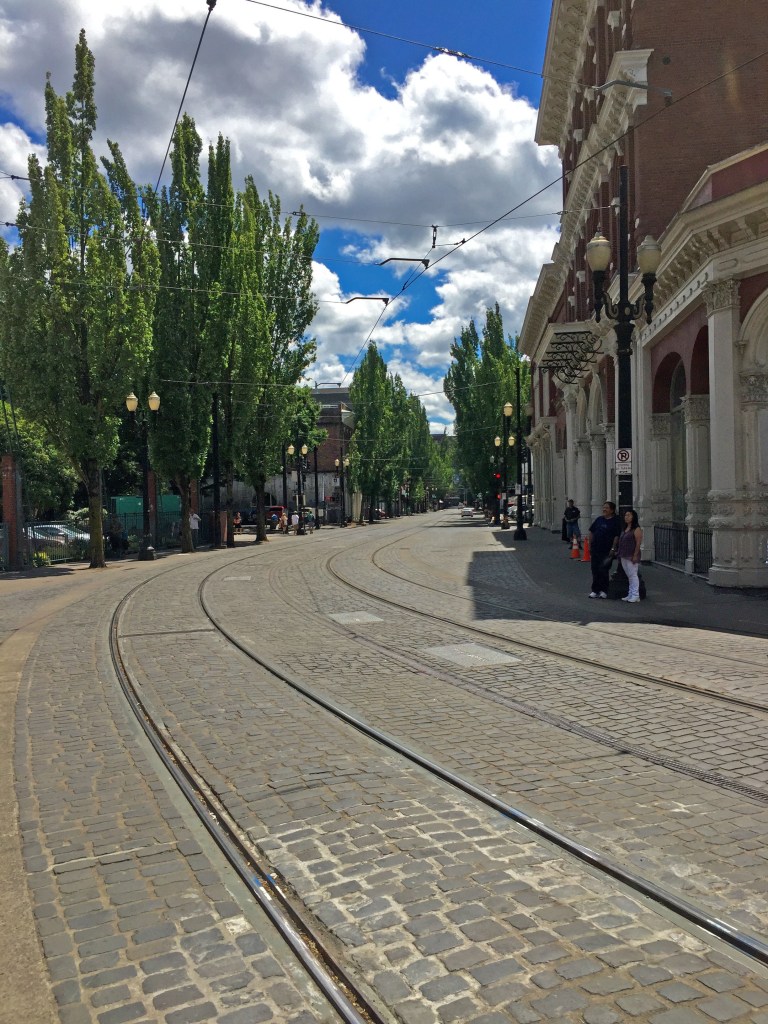
It was a 15 mile drive westward from our hotel in Troutdale to Portland’s Old Town, which lies along the western shore of the Willamette River. But we made a detour in our rental Nissan Sentra to a Biscuits Cafe in Gresham for a late breakfast. The place was very busy, and the food explained why.
A visit to downtown Portland is not complete without touring Powell’s City of Books, the largest used and new bookstore in the world. The original location in the Pearl District on Burnside takes up an entire city block. Its nine color-coded rooms together hold about one million books, divided into a staggering 3,500 sections. The store’s parking garage was full, so we parked a block away in an underground lot that let us exit through a Whole Foods Market.
Wendy bought a few books on roses, naturally, while I hung out with a guy who was so overwhelmed that he forgot to eat. I enjoy browsing a bookstore, so when in Tulsa I’m careful to buy magazines and picture books and the like at Barnes and Noble to help keep them going (I so miss Borders!). But regular readers of the blog know that since 2008 I have preferred reading books on a long line of e-ink Kindles; my current and fifth Kindle is their Voyage model. On this trip it was very nice to be able to quickly shift about to continue reading a book on the Kindle, then my iPad, and even sometimes on my iPhone. And it was pretty darn nice to get to read some books, for that matter. Back home I’m always inundated with school-related work, so the honeymoon was a great chance to instead concentrate on relaxing and touring with my bride.
On the way back to the car, we stopped in at Storables, where Wendy enjoyed browsing. We’ve had home organization on our minds a lot recently, with her moving into Meador Manor from her nearby apartment. She is a tremendous organizer. I’m pretty organized in some ways, but Wendy puts me to shame.
Mount Hood from Mount Tabor
One of my discoveries on a previous trip to Portland was the nice view of Mount Hood from Mount Tabor Park a few miles due east of downtown Portland, on the other side of the Willamette River. The city fathers built a park and reservoir up there, not realizing they were building on an extinct volcano. The Tabor cinder cone is part of the Boring Lava Field, an extensive network of cinder cones and small shield volcanoes ranging from Boring, Oregon to southwest Washington, and dating to the Plio-Pleistocene era. The lava field has been extinct for over 300,000 years, and the cinder cone now rises about 400 feet above the surrounding landscape, providing a nice view of Mount Hood, the huge snow-capped stratovolcano 45 miles away to the southeast. Mount Hood’s last major eruption was 230 years ago.
Dinner and a Walk on Cold Ashes
Dinner was at another chain restaurant, a Shari’s, where we enjoyed following our entrées with pie; Wendy particularly liked her slice of marionberry pie. We needed to walk after all of that food, so I drove us back to our hotel in Troutdale and then explored the roads east of there, discovering the western terminus of the Columbia River Gorge Scenic Byway which we’d be driving along in a few days. It led through downtown Troutdale and passed Glenn Otto Park right before it crossed the Sandy River. The park is nestled between that river and Beaver Creek. It was clear from the folks striding through the parking lot that the park afforded river access and had some trails, so I pulled in.
I had told Wendy that one odd thing about hiking in the Pacific Northwest is how you always find yourself treading on ash and other volcanic debris. This was a great place to illustrate that. We took off down a trail, noting the ferns and other vegetation unfamiliar to us plains folk. Wendy marveled at the abundant ivy as we found various trails leading to the Sandy River. Folks were out enjoying the cool water, floating by and yes, smoking weed.















 The band

















 Meador Manor