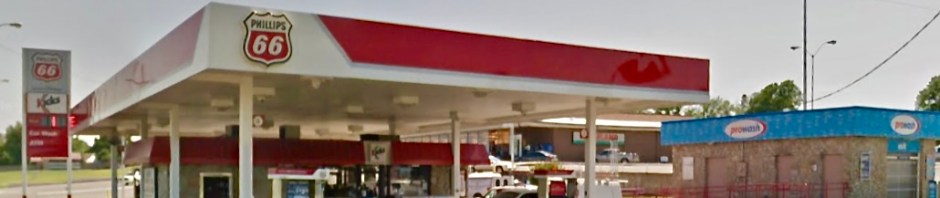
When I moved to Bartlesville in 1989, I started frequenting Phillips 66 stations when fueling my automobile. It made sense to me to support the company that provided the unusual demographic base that allowed me to teach high school physics all day in a small city of about 35,000 people.
I had grown up in metropolitan Oklahoma City, which had grown from roughly 575,000 when I was born to just under one million when I moved to Bartlesville. While driving in Oklahoma City and Norman in the 1980s, I had filled up at whatever station was convenient and had a good price.
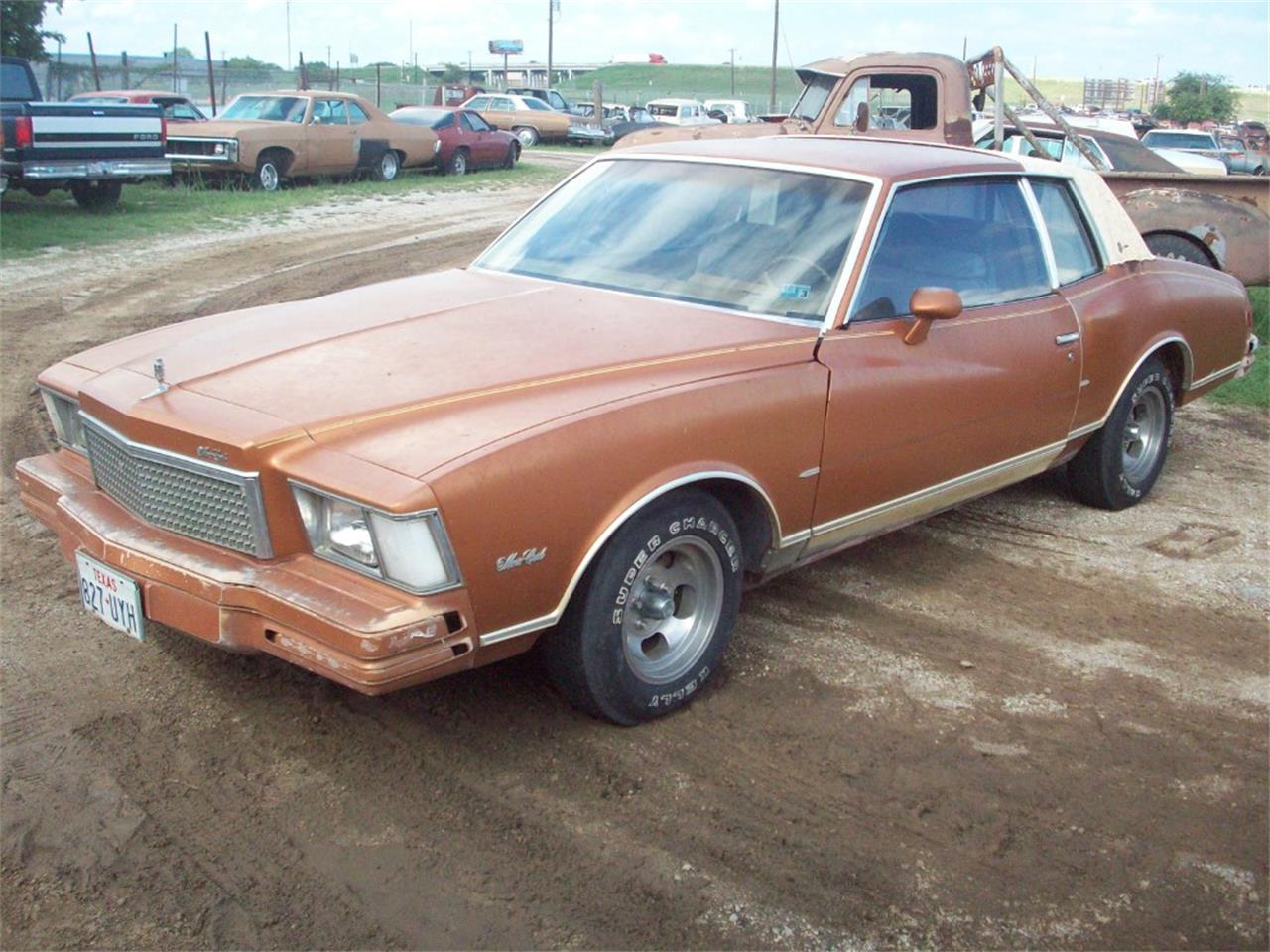
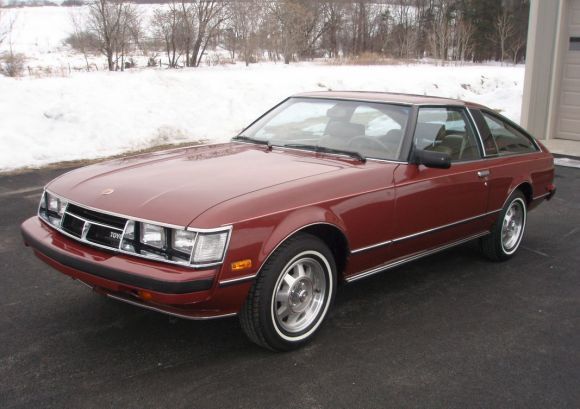
My first car was a scrawny used 1976 Toyota Corolla that got about 25 miles per gallon, while my second was a beefy used 1978 Chevrolet Monte Carlo V8 that only got about 17. Its terrible mileage had me paying much stricter attention to gas prices, and I was glad to switch to a used 1981 Toyota Celica Supra. It will still lively, thanks to its low center of mass and straight 6-cylinder engine, and it got about 22.

Back in 1989, I was paying about $1 per gallon, which would be about $2.66 when inflated to 2026 dollars. As I write, however, Trump’s war against Iran has pushed local prices for regular unleaded above $3.75 while the national average is about $4.28.
Once I was working full-time, reliability was my top priority for a car, and I bought new 4-cylinder front-wheel-drive cars which I drove until they needed too many repairs for my comfort. My 1991 Honda Accord got about 23 miles per gallon, my 2001 Toyota Camry about 24 mpg, and my 2014 Camry is still getting about 28 mpg.
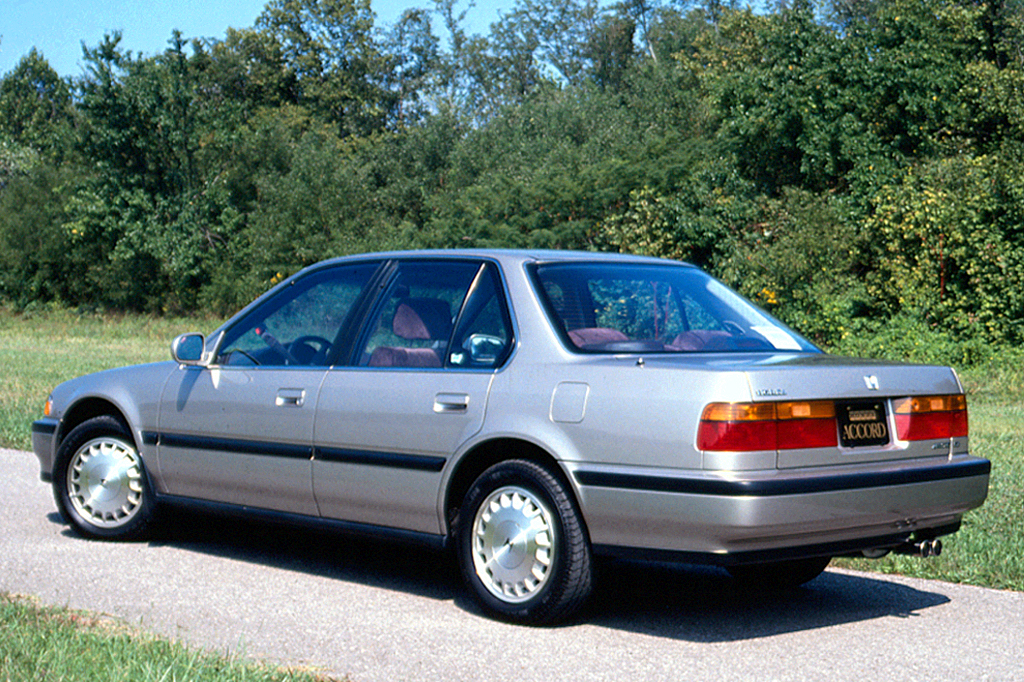
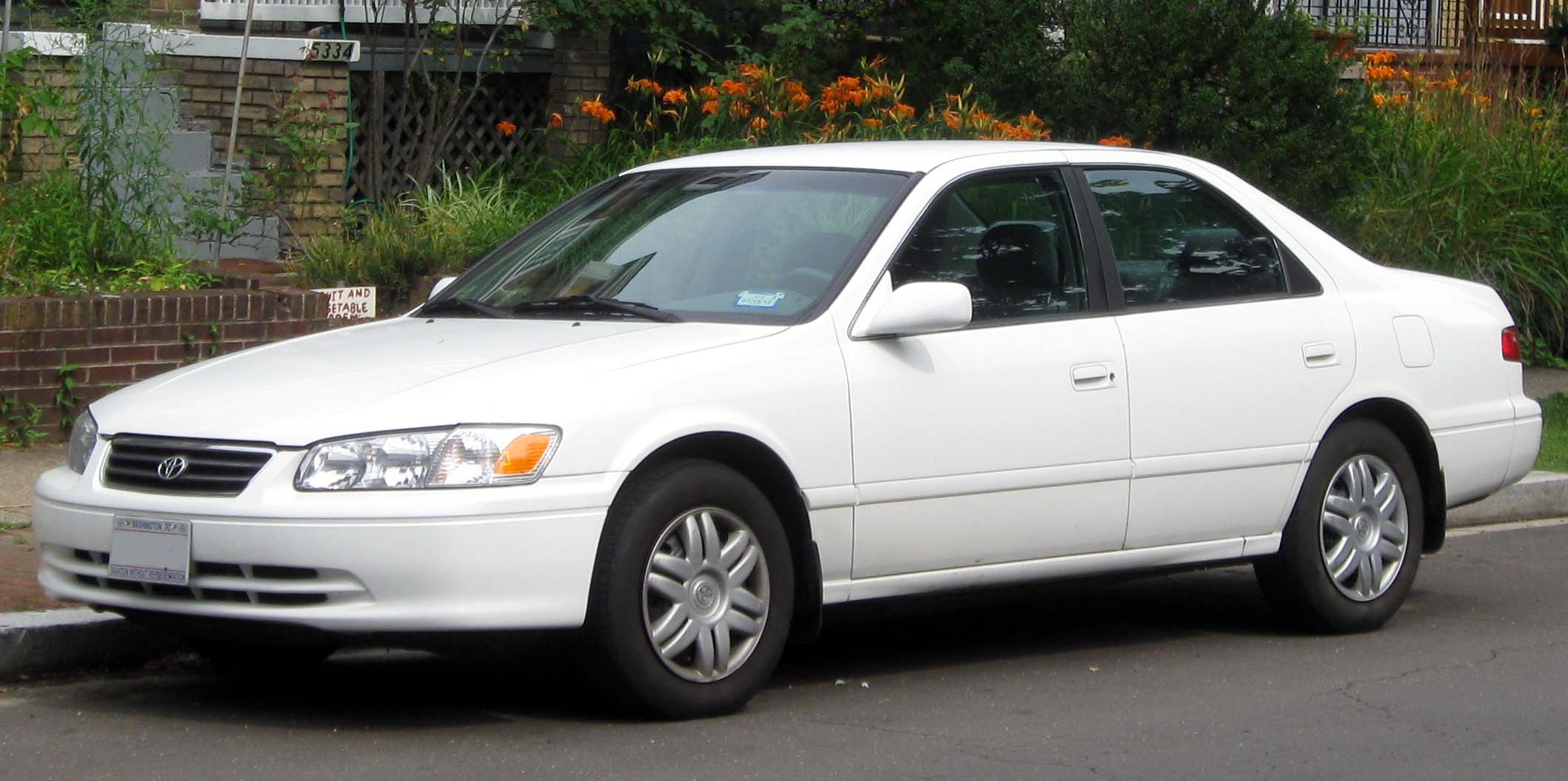
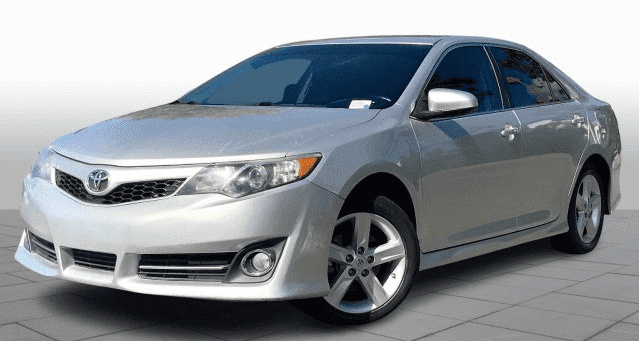
I’ve never been a car enthusiast, and I didn’t have the front of my current Camry repaired after a raccoon wandering out of the weeds onto Highway 60 east of town took out a front fog light and loosened the bumper cover years ago. The missing light and the big silver binder clip on the driver side wheel arch to secure the fender help me distinguish my boring silver car from all the others in a parking lot.
I have lived in southeast Bartlesville since 1989, and the gas station I most often frequented, until it closed in May 2021 amidst the COVID-19 pandemic, was on the southwest corner of Madison and Adams Boulevards.
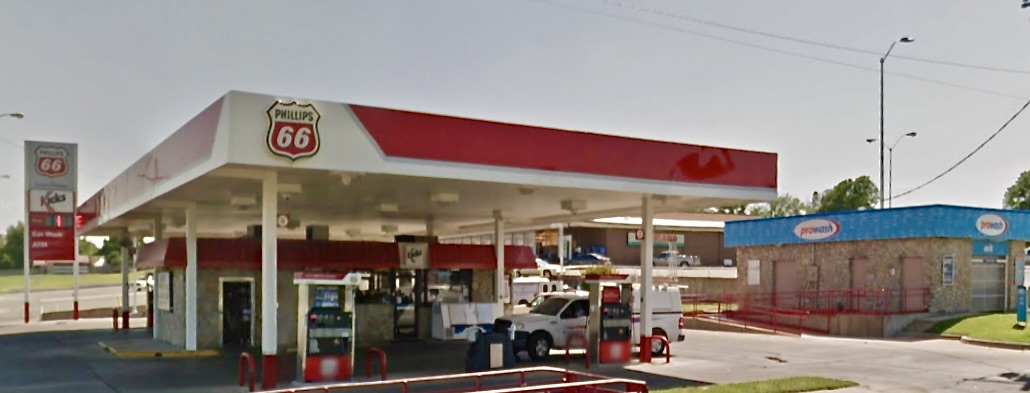
It had opened back around 1974 as an innovative corporate-owned experiment. It was Phillips’ first all self-serve station complete with a then-free automatic car wash. Bob Pomeroy, who had been a retailing executive for the company, told the Examiner-Enterprise in a September 2014 interview, “The attraction of that store was that it was all self-serve so there was a lower price on gasoline and we gave away a car wash with a fill up. It was really eye-opening and that’s when we started putting car washes in all our stores because we saw it attracted a lot of people to buy gasoline.”
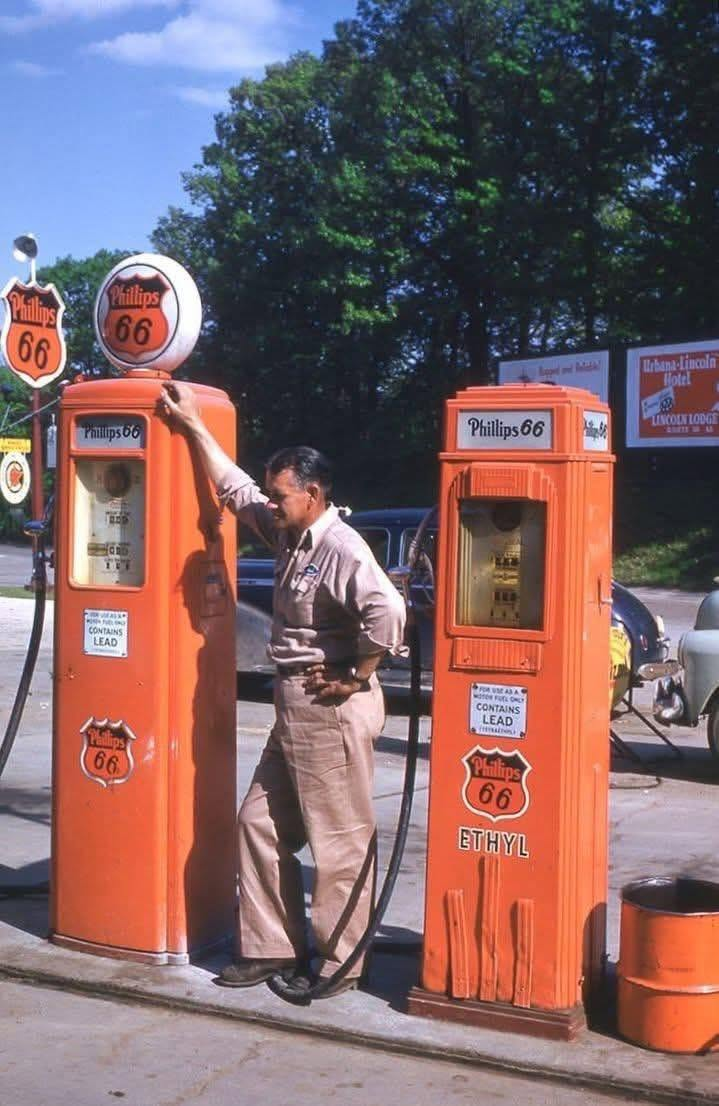
When I was a kid, some stations still offered a choice between full service or self-service. Full service cost a few cents more per gallon, with an attendant who might also clean the windshield, offer to check the oil, and check the tires. Some would even offer to vacuum the car interior.
They would always ask, “Regular or ethyl?” Premium gasoline was usually called ethyl because of the added tetraethyl lead that boosted the octane to reduce engine knocking. My parents had a 1971 Buick LeSabre sedan that would knock without the lead additive.
However, lead poisoning prompted the Environmental Protection Agency to begin reducing the lead additives in 1973, catalytic converters made unleaded fuel mandatory for new cars in 1975, and leaded gasoline began to be heavily restricted in 1986 and became illegal in the U.S. for retail on-road sales in 1996. These days, premium unleaded fuels boost octane by blending in components such as ethanol, toluene, and xylene.
Full service also gradually disappeared, except in states where it was required by law. The first self-service station had opened in Los Angeles in 1947, but self-serve was still barred in 23 states in 1968, over ten years after the first automatic hold-open/shut-off valves were approved, which reduced the likelihood of spills pumped by untrained drivers.
The 1973-1974 oil crisis pushed stations to offer more self service to consumers who faced relatively high prices at the pumps. Credit card readers began to be integrated into new pumps in the mid-1980s, and by 1992, about 80% of the gas in the US was pumped via self-service. In my over 44 years of driving, I’ve almost never used full service stations, although I was forced to when visiting Oregon, which prohibited self service until 2023.
By the time I was filling up the car at the Phillips self-serve station at Madison & Adams, the car wash was no longer free. I would pay for an automatic wash on occasion, or wash the car with a handheld wand sprayer at a dedicated facility.
ASAP took over several former Kicks 66 locations in town. ASAP was founded in 1979 when 18-year-old Rick Koch opened a gas station in Weatherford. His business grew into a wholesale fuel distributor in 1985 as the Koch Oil Company, not to be confused with Koch Industries which is based in Wichita, Kansas. Koch Oil acquired ASAP fuels in 2010 and in 2011 became ASAP Energy Inc.
ASAP has about 20 general store locations across Oklahoma, including three in Bartlesville. After the old Kicks 66 at Madison & Adams was closed, I shifted to the ASAP General Store 307 at 3901 Nowata Road, which had a car wash. That location was recently closed, however, upon the opening of a new ASAP General Store 317 on the northwest corner of Madison Blvd and Nowata Rd.
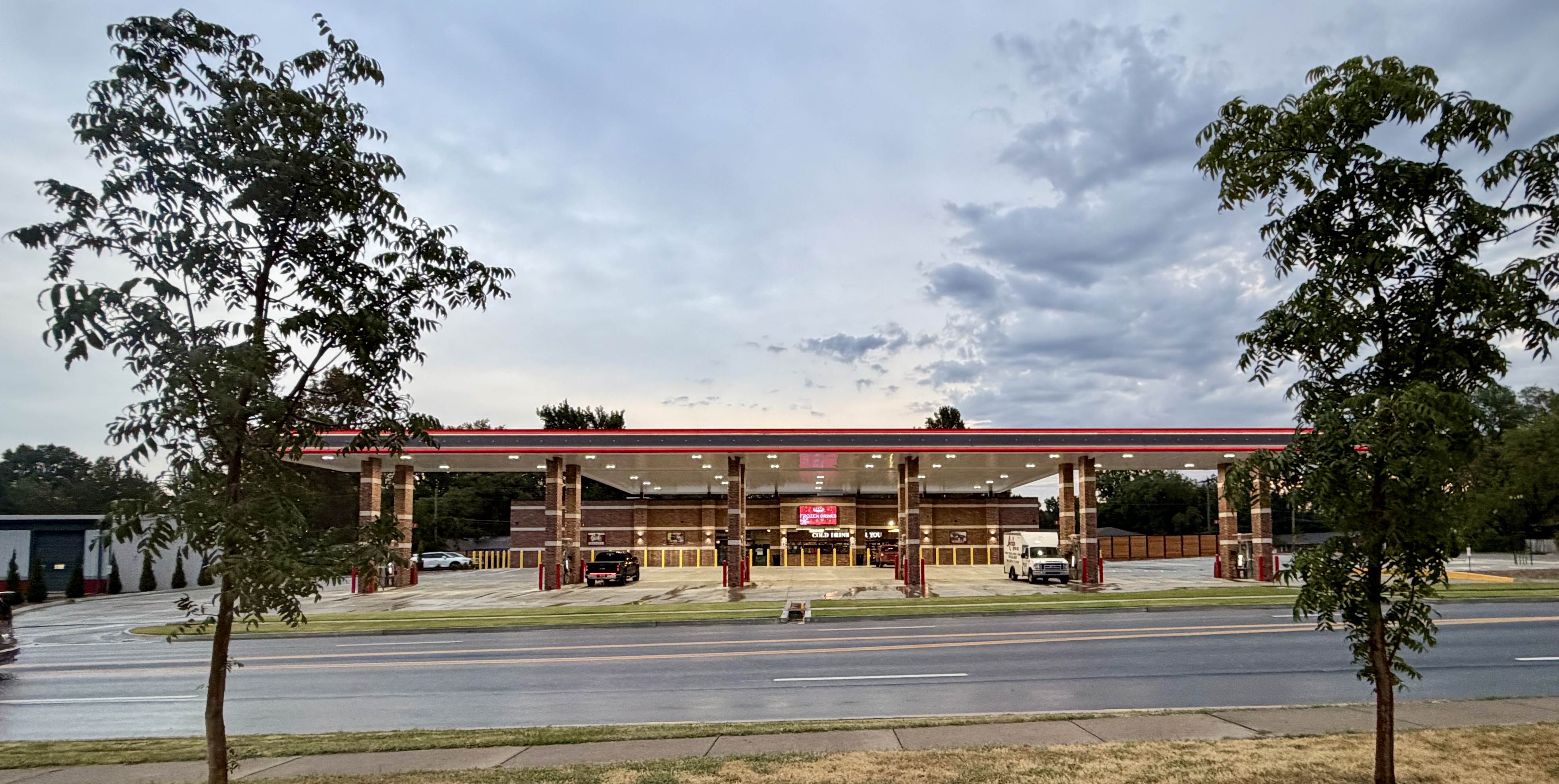
When I am on vacation, I’ll go into service station convenience stores for drinks, treats, and a restroom break, but I seldom do more than pump gas at local service stations.
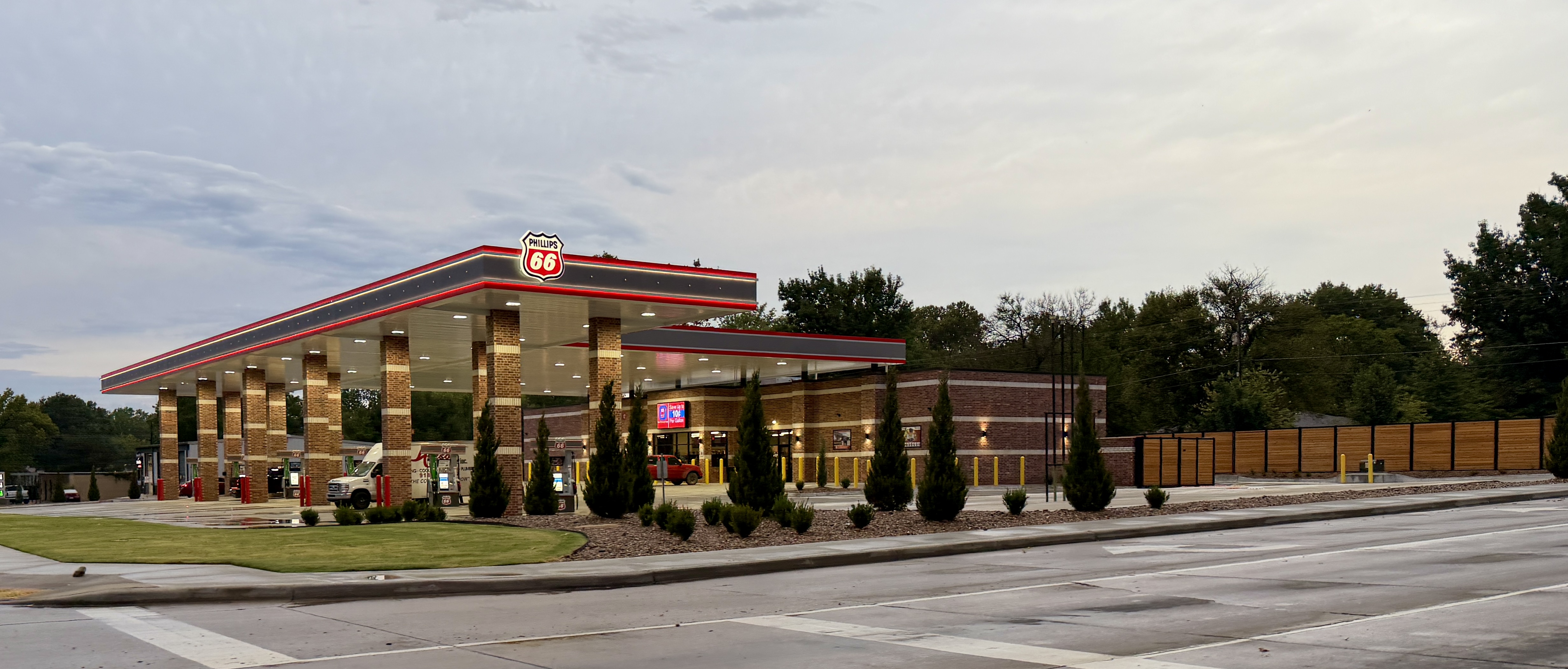
After learning to navigate the station’s new touch screen pumps and filling up there several times, I walked through the store, which was nice. I plan to keep filling up at the new ASAP, since the QuikTrips on US 75 are too frenetic for my taste, and access to the ASAP is more comfortable for me than the Casey’s across the highway, and I still like buying gas from Phillips 66.
I’ve never been a coupon clipper, and for decades I’ve ignored the various rewards programs. However, now that I’m retired and have more time and patience for such nonsense, I downloaded three different apps related to filling up at the station: Fuel Forward, KickBack Points, and ASAP Energy.
I figured out that I can pull up to the station, open the Fuel Forward app, type in the pump number, and get the pump to activate at a discounted price. If I were to link the app with a Phillips 66 credit card, I would get an additional discount for the rest of the calendar year, and that might save me roughly 4%, which is twice what I can get back with my Citibank Double Cash credit card.
However, the last thing I want is yet another credit card to track, so I’ve just linked my Citibank card to the Fuel Forward app, which I think should net me about 3.3% savings overall. If I were a regular visitor to QuikTrip or Casey’s, they have their own discount programs.
I could also try earning KickBack Points, which can’t be traded for cash, but can be used as penny discounts on in-store items, but that’s too much hassle for my limited patience with retail transactions. I also checked to see if my AARP membership could net me some savings, but it only links to Exxon Mobil or Shell for fuel discounts.
I have driven my latest sedan for a dozen years. While I put 236,000 miles on my 2001 Camry over 13 years, I’ve driven the 2014 model about half as much on average. After buying it, Wendy and I were married, we switched to using her 2019 Honda Odyssey mini-van for driving vacations, and I shifted to an administrative position with no summer break. But now that I’m retired, I know that I’ll put more highway miles on the car.
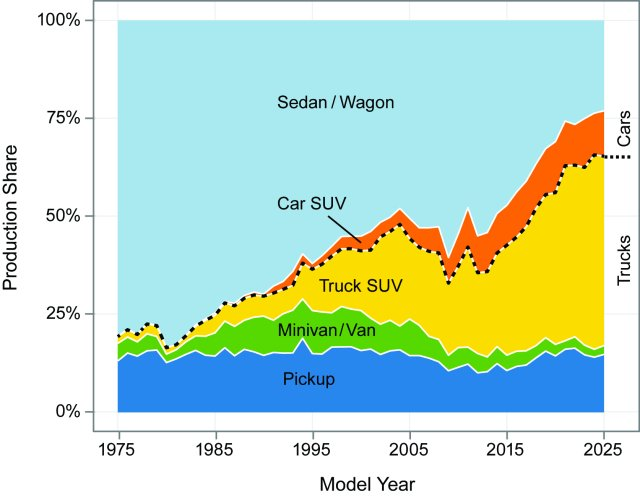
I also know that my second Camry will eventually wear out. Sedans commanded about 3/4 of the auto market when I was a kid. That fell to about half of the auto market by the turn of the century, and now they are less than 1/4 of the market. I see lots of pickups and both truck-chassis and car-chassis SUVs around me these days, but I much prefer a sedan for myself, and a minivan for long road trips.
I’ve considered getting a fully electric car, but I’m not satisfied with the available infrastructure for that when I drive somewhere quite rural to go on a day hike. So I’ll probably eventually just trade in the 2014 Camry for one with a hybrid powertrain.
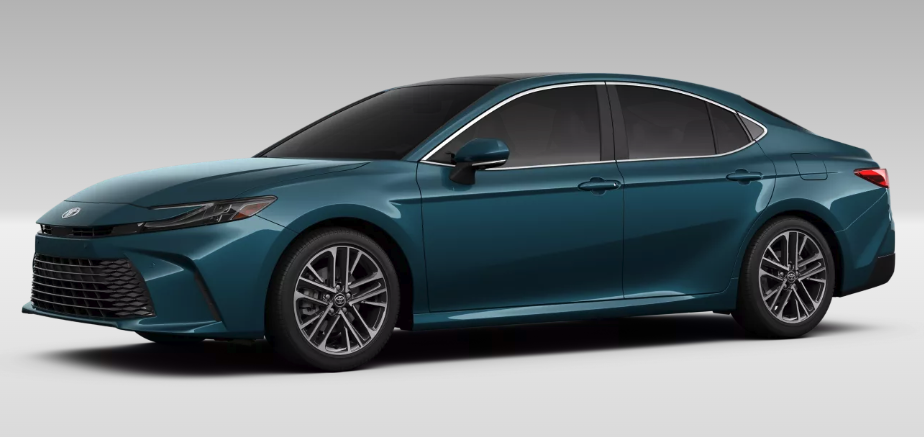
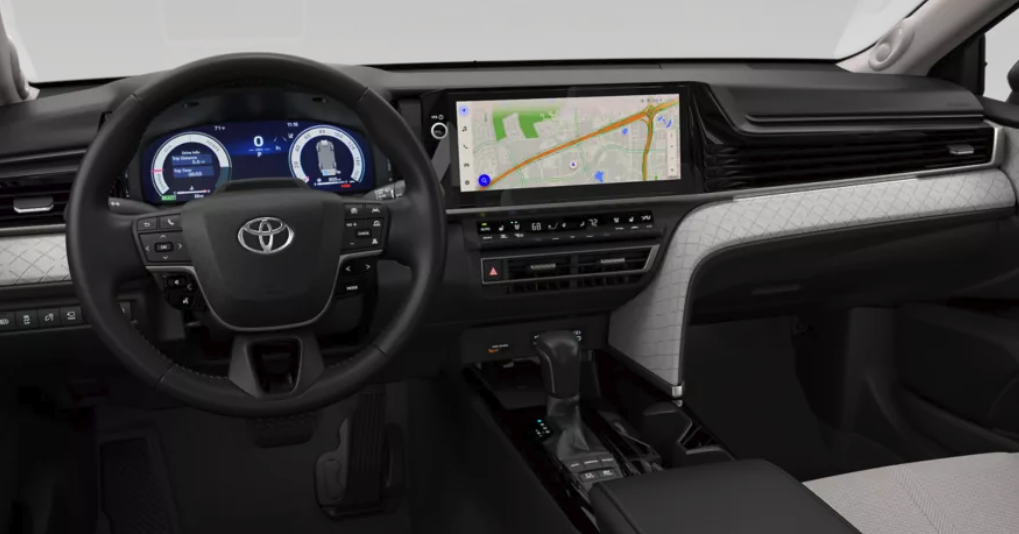
If I were forced to do that now, I’d be looking at the Camry XLE hybrid that pairs a 4-cylinder internal combustion engine with electric motors along with a continuously variable transmission and electronic on-demand all-wheel drive, and I would try to get a more unusual color than what I’ve been driving for the past 35 years. Such a car would travel about 46 miles per gallon, so I’d still be filling ‘er up, but not as often.
9/23/2026 Update: Just a couple of weeks after posting this, Casey’s acquired ASAP Energy. Presumably Phillips 66 will find a way to still offer its branded gasoline in Bartlesville, but no word yet on what will happen to the new ASAP just across Nowata Road from a Casey’s. I much prefer the new ASAP.






Excellent job enjoyed the read!