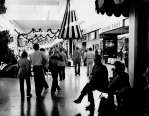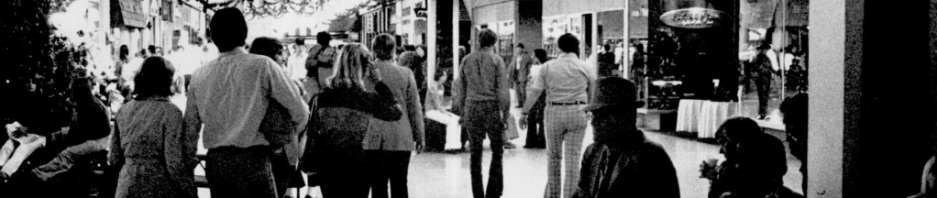

Black Friday sales remind me of how, in my youth, I enjoyed shopping, or more accurately for me, retail browsing. As part of the smaller and often overlooked Generation X, I am too young to have experienced five and dimes, soda fountains, or drugstore lunch counters. Instead, I grew up with discount stores and malls, and those still exist, albeit in diminished form, in my years of retirement.
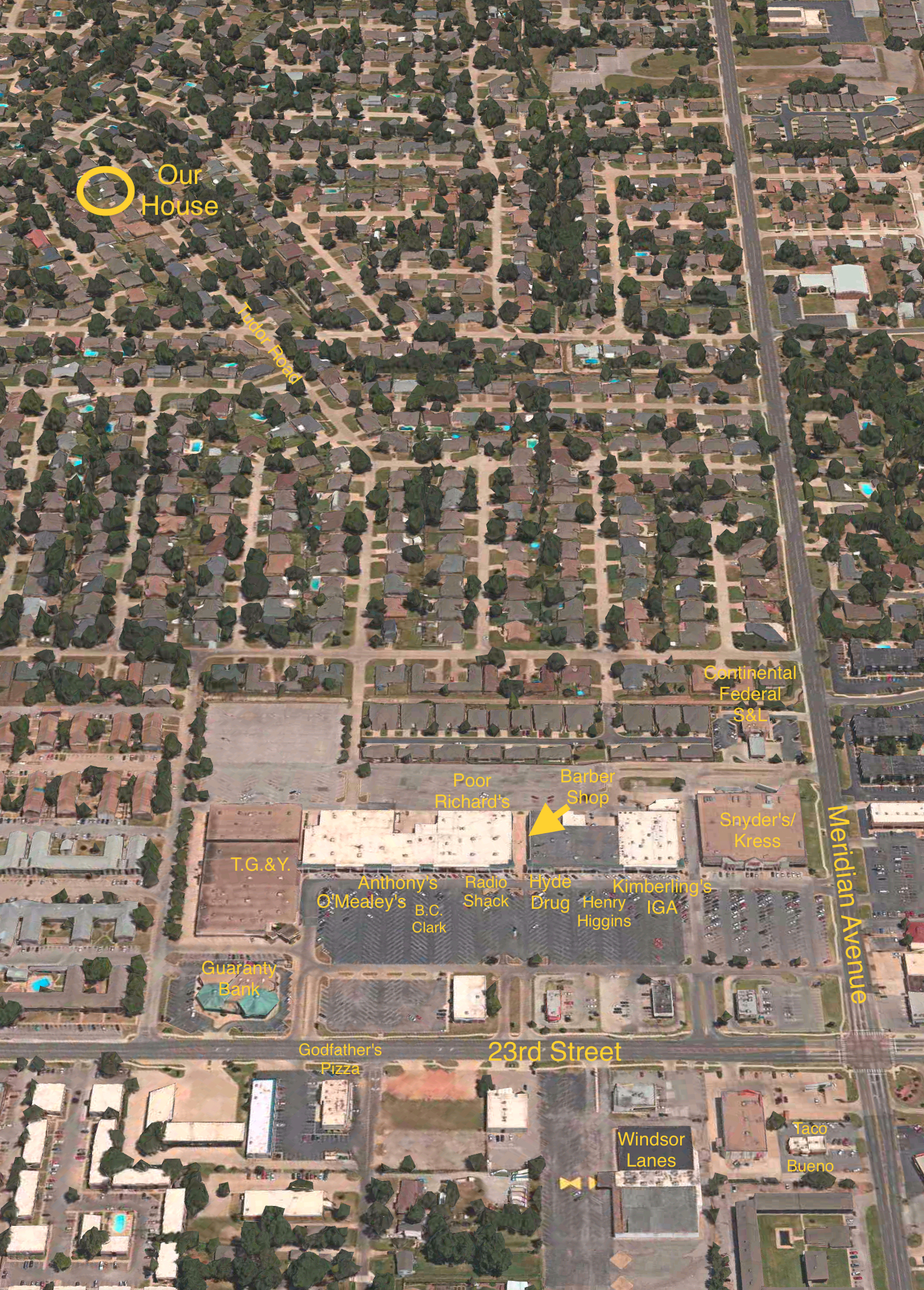
Throughout junior high and my first year of high school in Oklahoma City, from 1978 to mid-1982, I would ride my bicycle one half mile south on Tudor Road to the Windsor Hills Shopping Center where I would happily browse Hyde Drug, the Henry Higgins bookstore, Radio Shack, and the T.G.&Y. discount store, none of which survive.
The shift away from five and dime stores to larger discount stores had begun in the early 1960s, with Sam Walton starting Walmart, S. S. Kresge starting Kmart, Woolworth’s opening Woolcos, and T.G.&Y. shifting from its small “5¢ to $1” stores to much larger Family Centers that stocked more expensive merchandise such as clothing, housewares, and more elaborate toys. Baby Boomers and earlier generations talked about five and dimes, but they didn’t exist in their original forms in my childhood, and we had no dollar stores in our area.
As for discount stores, Walmart didn’t arrive in OKC until 1983, and Kmart didn’t arrive until 1998, and while there was a Woolco at French Market Mall, we never shopped there; discount store shopping for us meant T.G.&Y. or Gibson’s, although on occasion my spinster aunts would take me to the immense 116,000 square foot AMC (American Mutual Company) at 10th & Pennsylvania, which was an early warehouse-style retail club pioneer in which they had a membership.
Windsor Hills Shopping Center had opened in 1959 with a traditional S. S. Kresge store, which T.G.&Y. acquired in 1965. In 1973, it moved from that 5,000 square foot space to a 50,000 square foot Family Center in a new building to the west. That was further expanded to 72,000 square feet in 1979, a year after we moved into the neighborhood, adding a little snack bar, more shelves of goods, and another entry to its north end.
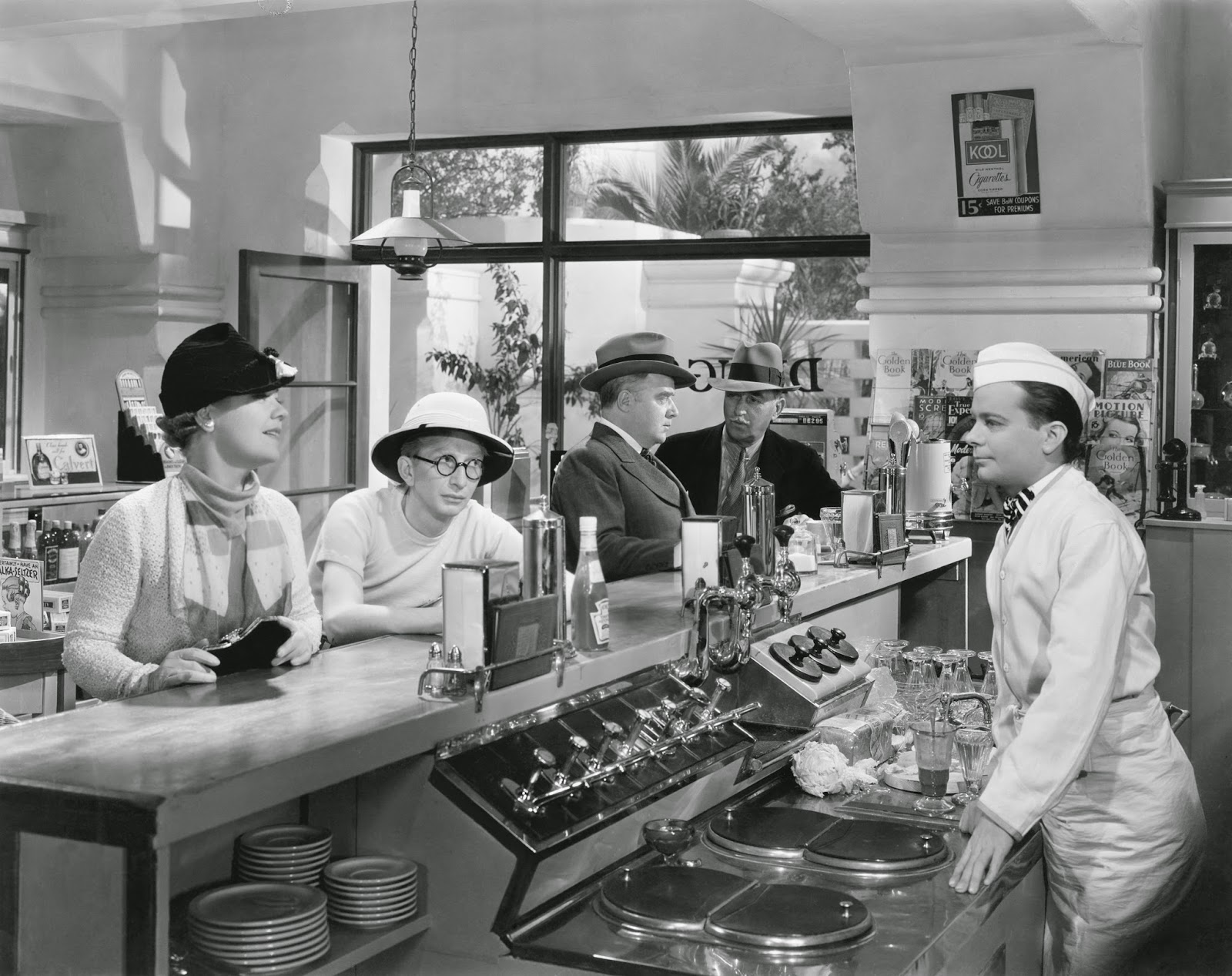
I grew up hearing plenty about drugstore and department store lunch counters and soda fountains, and Clara Luper and her students staged sit ins from 1958 to 1964 to desegregate the ones in downtown OKC. However, such facilities had begun to fade in the 1950s and 1960s and they were not part of my childhood in the 1970s nor my teenage years in the early 1980s.
I wondered at the time if the new T.G.&Y. snack bar might turn out to be something like a soda fountain, but it just served a few items like hot dogs and straight fountain drinks. Our T.G.&Y. soon faltered with the rise of malls, the aging of our neighborhood, the baby bust I was part of, and other factors. Within a couple of years, the Windsor Hills store shrank within itself, shuttering the snack bar and emptying the shelves of its north expansion, with a lone cash register remaining at the new north entrance, and it closed in 1982.
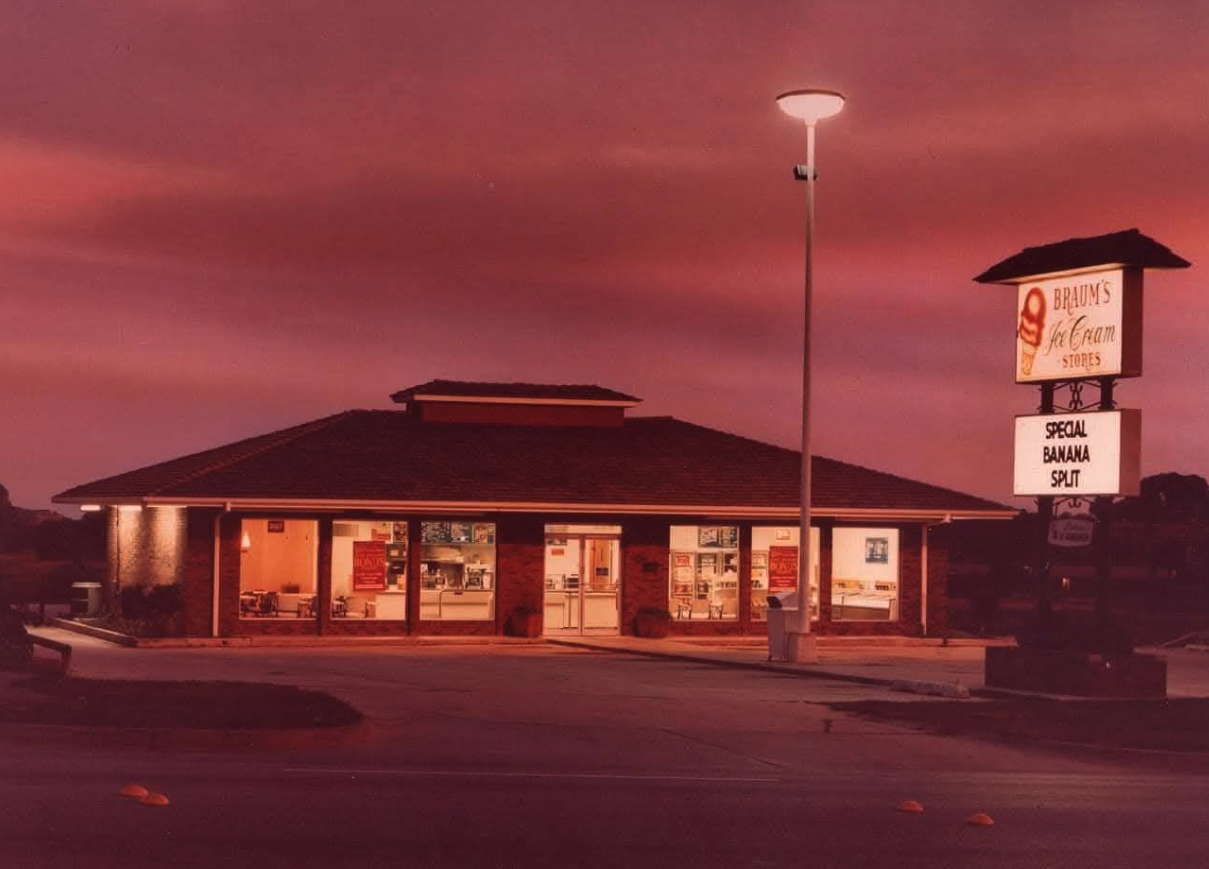
The closest thing I experienced to a soda fountain was the local Braum’s Ice Cream Store, the first one in that chain, where you could watch the workers create shakes, malts, and other ice cream concoctions. The Braum family first built 61 Peter Pan ice cream stores in Kansas, named after a city park in Emporia. They sold those off in 1967, and a 10-year non-compete agreement that was part of the deal drove them south to Oklahoma, where the first Braum’s store was opened at 2428 N. Meridian Avenue in Oklahoma City in 1968, just east across Meridian from Windsor Hills. That location moved in 1988 just around the corner to 4335 NW 23rd, and the chain now boasts 327 locations across five states, all within roughly 300 miles of their dairy farm in Tuttle. We have two Braum’s stores in Bartlesville, where I can still enjoy a small chocolate shake, although those have 700 calories, so a better choice for me is a junior soft-serve frozen yogurt twist in a sugar cone at 190 calories.
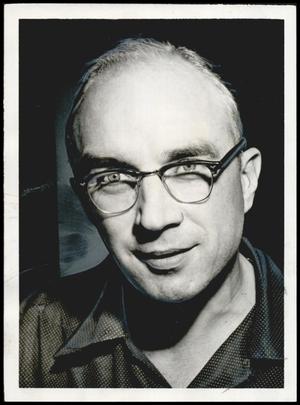
Before I could drive, I also enjoyed browsing the large Hyde Discount Drug at Windsor Hills Center, part of a chain established by Homer C. Hyde in Oklahoma City in 1939. However, our branch didn’t have a lunch counter or a soda fountain. Hyde’s was the city’s oldest and largest independent retail drug chain until Homer sold his five OKC stores, two in Edmond, and stores in Yukon and Norman to the Eckerd Corporation in 1996, a year before he passed away. By then, Florida-based Eckerd had 23 metro OKC stores among 1,715 Eckerd stores in thirteen states. Eckerd was sold in 2004, with CVS acquiring 1,271 of its southern stores while 1,540 stores in the Northeast and mid-Atlantic were sold to the owners of Brooks Pharmacy, becoming Rite Aid by 2007.
Nowadays the two major pharmacy chains are CVS and Walgreens, each with over 9,000 stores across the nation, but I’ve never seen one with a lunch counter or soda fountain. The south Walgreens in Bartlesville is spacious, thanks to it occupying a former Drug Warehouse, and I use it for my acute care prescriptions, some vaccinations, and purchasing some sundries, although I enjoy using Amazon Pharmacy for mailed maintenance medications.
The gradual decline of the Windsor Hills Center didn’t bother me much, since once I had a driver’s license I sought out malls such as Shepherd Mall, Penn Square, and Quail Springs in OKC. Shepherd Mall was the city’s first enclosed mall in 1964, while Penn Square had been built as an open-air mall in 1960 but was enclosed in 1982, and Quail Springs had opened at the far north edge of the city in 1980, while the south side had Crossroads Mall as of 1974 and Norman had Sooner Fashion Mall by 1976. During my undergraduate years in Norman, I would visit Sooner Fashion Mall to eat at El Chico, but on Saturdays my best friend and I might browse Penn Square and Quail Springs, since Shepherd Mall and Crossroads were in decline.
That reflected how in Oklahoma City and across the nation too many malls and shopping centers had been built. Professor Thomas Hanchett wrote that perhaps half of them were constructed not to satisfy shopper demand but to take advantage of accelerated depreciation in a tax code change change from 1954 to 1986. It encouraged developers to build expensive buildings on cheap land that became tax shelters for high earners. Large early deductions created losses on paper that offset rental income and lowered the taxable income for investors in high tax brackets. The benefit applied to new construction but not to renovations of older buildings, driving the development of suburban shopping areas.
Malls stole shoppers from downtown stores, and then newer malls cannibalized them from older ones, and the economic model began to collapse once the anchor department stores began to falter under pressure from discount and big box stores, specialized apparel stores, and online shopping. Monthly department store sales peaked in January 2001 at almost $19 billion but dropped to $11 billion by 2019, and they were a relatively puny $4 billion in September 2026. Tulsa is able to support one successful mall (Woodland Hills), while the Oklahoma City metropolitan area is big enough to support three (Penn Square, Quail Springs, and Sooner).
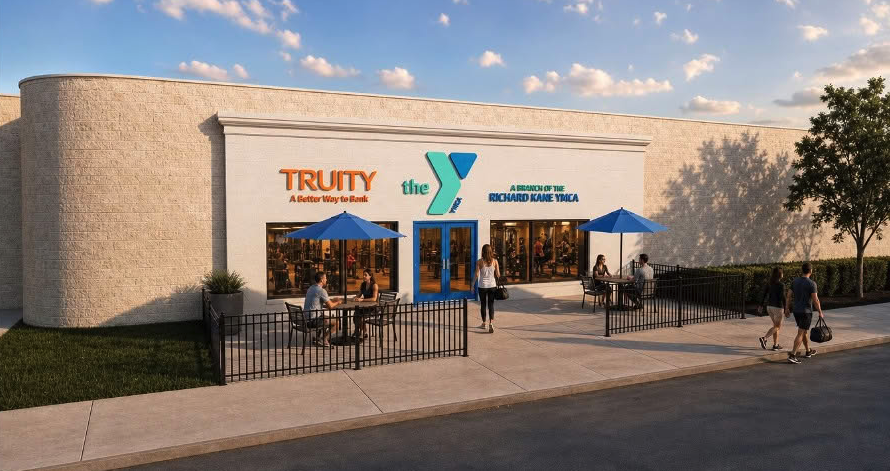
Our nation is now littered with dead malls, if one defines that as malls lacking any anchor department stores. Bartlesville’s Washington Park Mall opened in 1984, and in 2016 it still had operating Sears, JC Penney, and Dillard’s department store anchors. However, the Sears closed at the end of 2016, JC Penney closed its store in 2018, and the Dillard’s became one of that company’s Clearance Centers in 2020 with no interior link within the mall. The local mall remains open, but it is populated with a smattering of local merchants, several of those being thrift stores with used merchandise, and the nationwide trend of gyms moving into mall spaces has arrived here with the local YMCA opening an eastside branch in the mall, and we have commercial gyms at strip malls like Eastland Center.
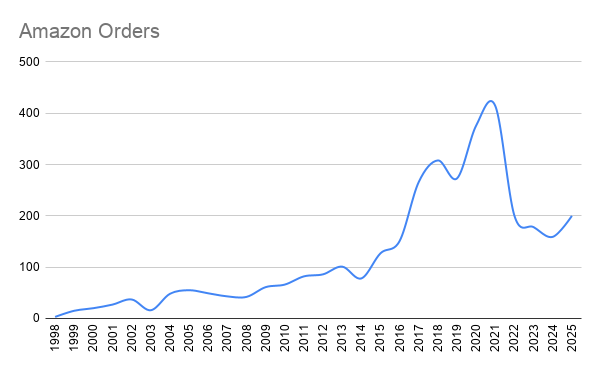
My reliance on Amazon for online shopping grew slowly but fairly steadily from 1998 to 2016, rose sharply after Wendy and I were married and the local Kmart closed, and peaked in 2020 and 2021 during the COVID-19 pandemic before falling back to roughly 200 Amazon orders a year, a consequence of minimizing my visits to our very busy local Walmart.
There’s a reason Amazon’s logo has that arrow from A to Z: the variety of items you can easily order there is astounding, but in-person stores are often better sources for groceries, clothing, and home maintenance items.
Wendy still buys most of our groceries locally at Homeland, but we will go to Walmart if needed. I do rely on Amazon for Amish Wedding black raspberry jam since Smuckers discontinued their offering a couple of years ago due to difficulties in sourcing the fruit, and the alternative small jars of it that remain available in our local stores are overpriced and underwhelming. Whenever we are in Owasso or Tulsa, Wendy likes to visit a Reasor’s for produce.
As for clothing, for decades I relied on the JC Penney store at Tulsa’s Promenade Mall, but it closed in 2020. I also used to rely on Blair as a supplemental online clothing source, but it went out of business in the summer of 2025. Since Blair folded, I have been used Amazon a few times for clothing, with rather mixed results.
Finally, I mostly rely on our local Lowe’s for tools and home maintenance items, although I can sometimes get better quality tools and more favorable pricing at Amazon, although with inherent shipping delays.
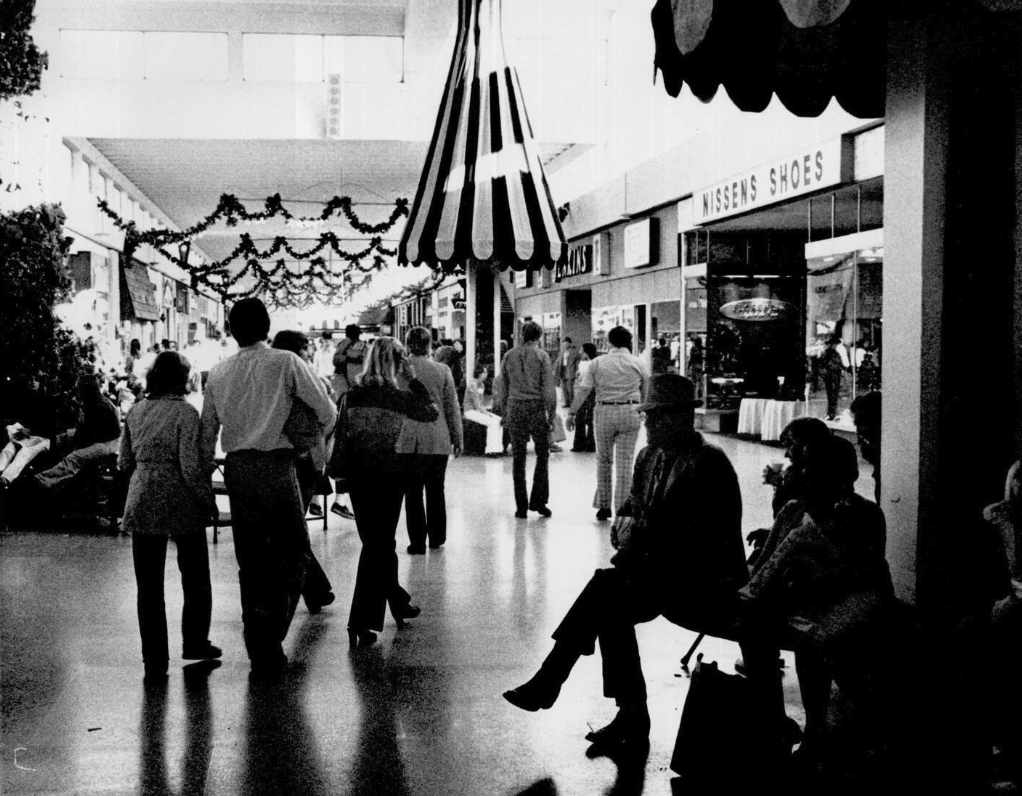
I don’t generally miss malls, except at Christmastime, for I have fond memories of holiday shopping and people watching at various malls over the decades. When I was a kid, it was exciting to go to Shepherd Mall to see the decorations and sit on the pillar benches underneath the decorative canopies to enjoy the crowd. I liked stepping into the nearby standalone Sears building amidst the smell of hot peanuts and popcorn and riding the escalators serving its three floors. As a young adult, I once had to park in a distant auxiliary lot at Woodland Hills in Tulsa at Christmastime, marveling at how lively it was inside, and there were once fun holiday decorations and live music at the Promenade mall’s food court, back when I had to use one of its parking garages due to filled surface lots. Clicking away on the Amazon website is no substitute for any of that.