Jayhawkers Part 4: The Watkins

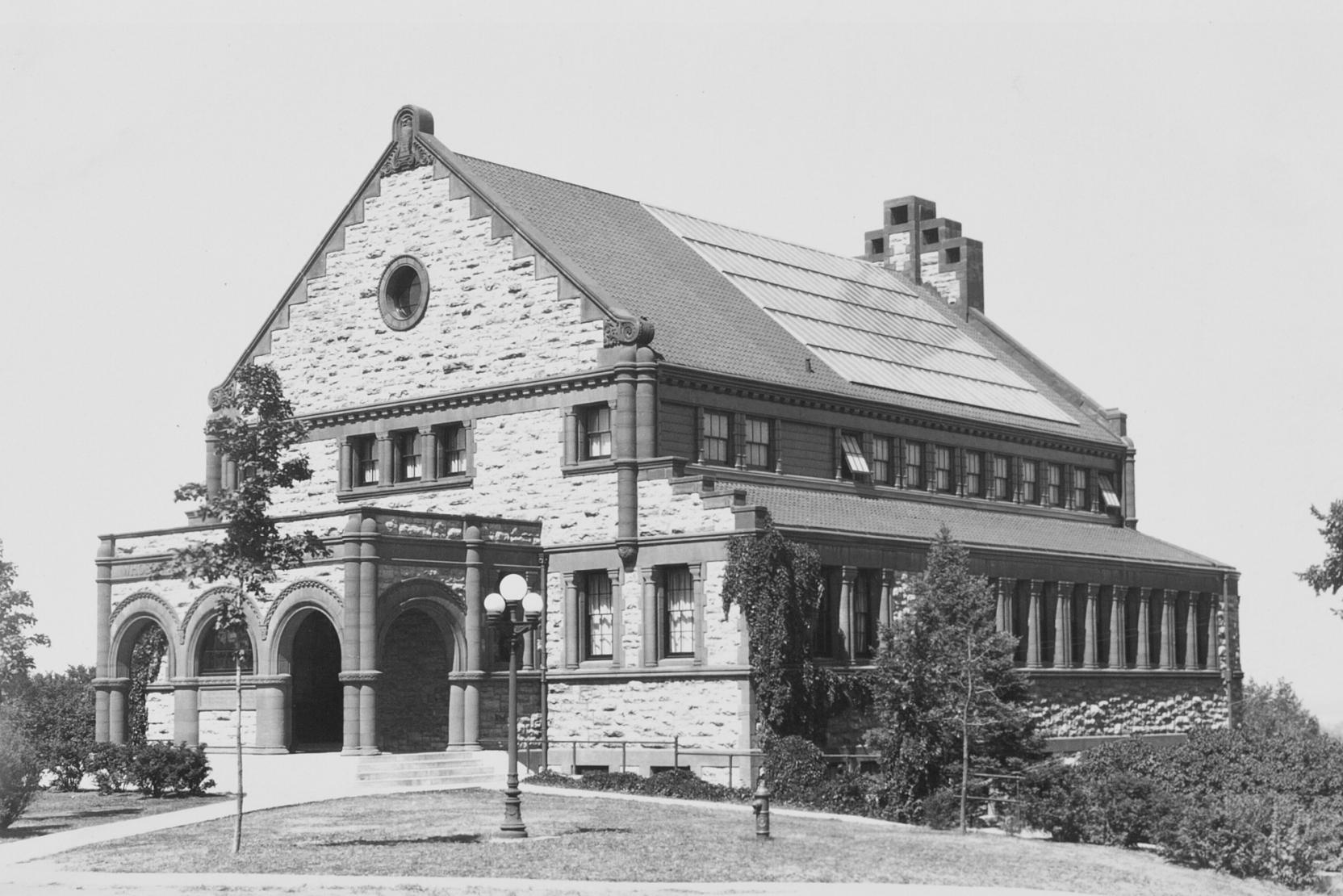
Jabez Bunting Watkins was born in 1845 near Punxsutawney, Pennsylvania, about forty years before its Groundhog Day celebrations commenced. He had humble beginnings, studying law and settling in Lawrence, Kansas in 1873, where he established a land mortgage firm connecting eastern investors with Kansas farmers needing loans.
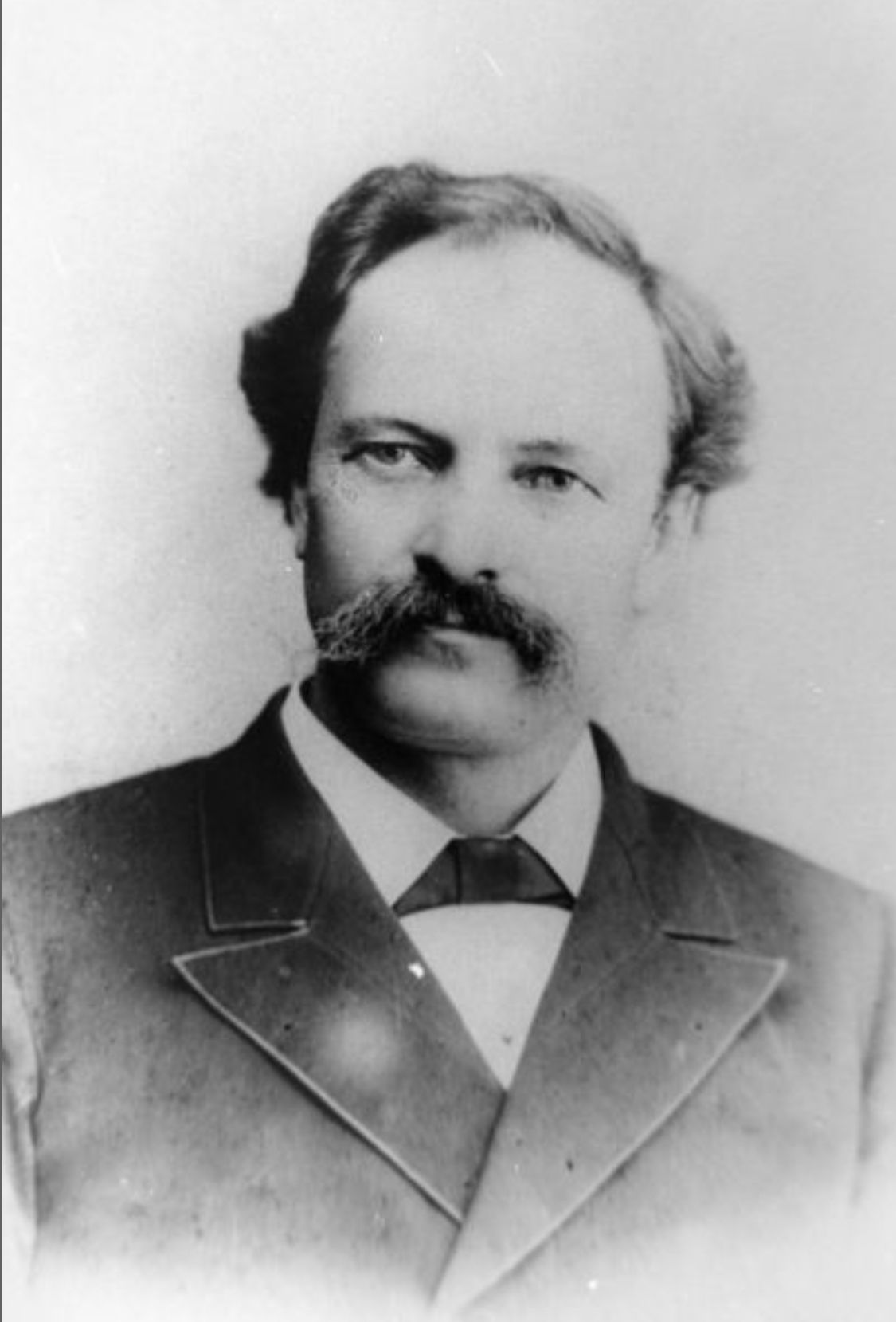
Jabez Watkins

He developed an empire, owning more than 300,000 acres in Kansas and 1,500,000 in Louisiana. He organized the Merchants National Bank in Lawrence in 1876, and a decade later work began on a new headquarters for his business ventures.

The imposing red brick building was Richardsonian Romanesque, with a limestone entry arch and profuse ornamentation achieved via terra cotta borders between the floors, decorative turrets at the corners, and window ornaments.
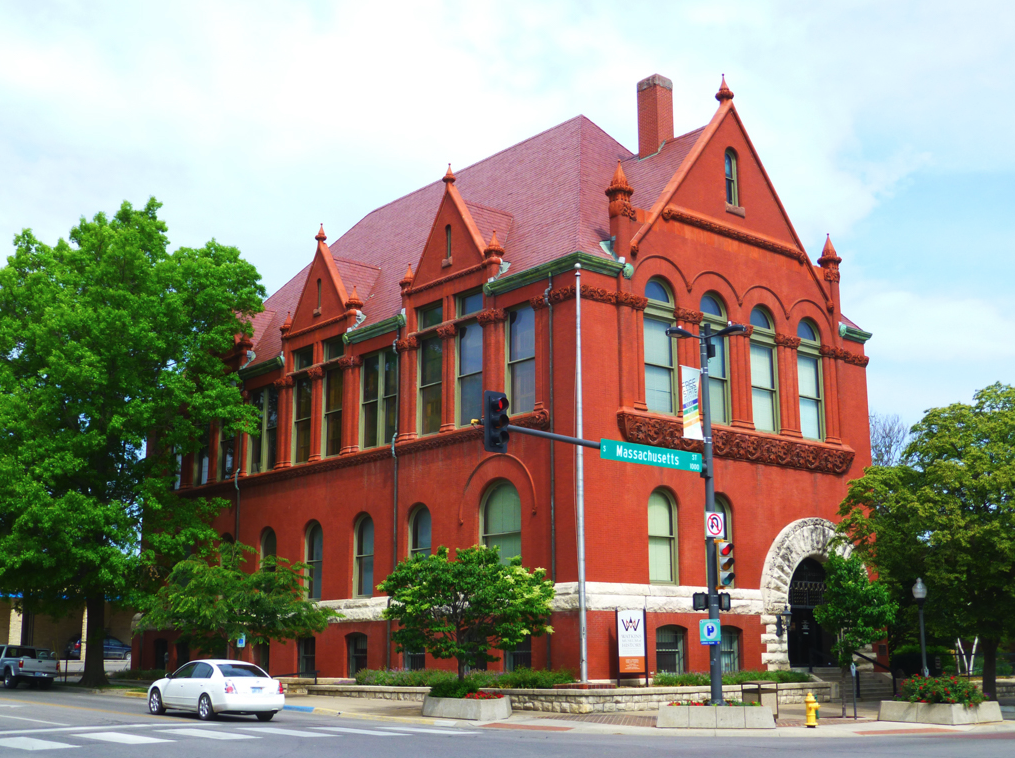
Photo by David Sachs [Source]

The main entrance features a grand stair which ascends to a second floor that was Watkins National Bank and a third floor for his land mortgage company, with a mezzanine between that floor and the attic for company employees. Beautiful decorative paneling and door and window frames were ash on the ground floor, white oak on the second, and curly yellow pine on the third. Watkins spared no expense in outfitting his HQ, including multiple vaults and expensive custom furnishings. The building had ventilation chases and was plumbed for gas lighting but also wired for electricity to take advantage of the hydroelectric dynamos at the Kansas River dam.

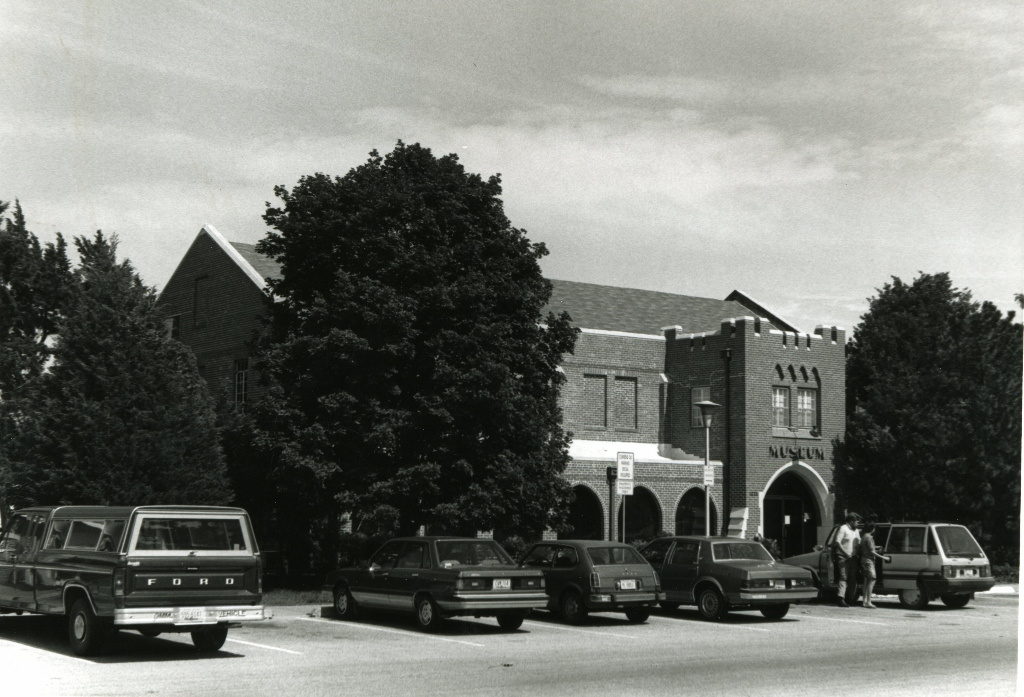
Watkins died at his home in Lawrence in 1921, and the bank closed in 1929. His widow gave the building for use as City Hall, which remained until 1970, when the Douglass County Historical Society acquired the building and began restorations. The Elizabeth M. Watkins Community Museum opened in 1975.

Wendy and I walked in the main entrance, finding ourselves on a landing of a large stairwell. The landing was large enough that to one side, seated at a desk, was a lady who welcomed us and outlined the building’s layout.

We ascended to the banking floor, struck by the beautiful stained glass windows on the stairs leading up to mortgages. They are original to the 1888 building and were recently restored.

Watkins Building Windows

You couldn’t miss the original function of the floor we entered, as BANK was spelled out in a lovely floor mosaic.

Watkins Building Floor Mosaic

The old bank had beautiful ceilings.

Watkins Building Architecture

Black Minstrels

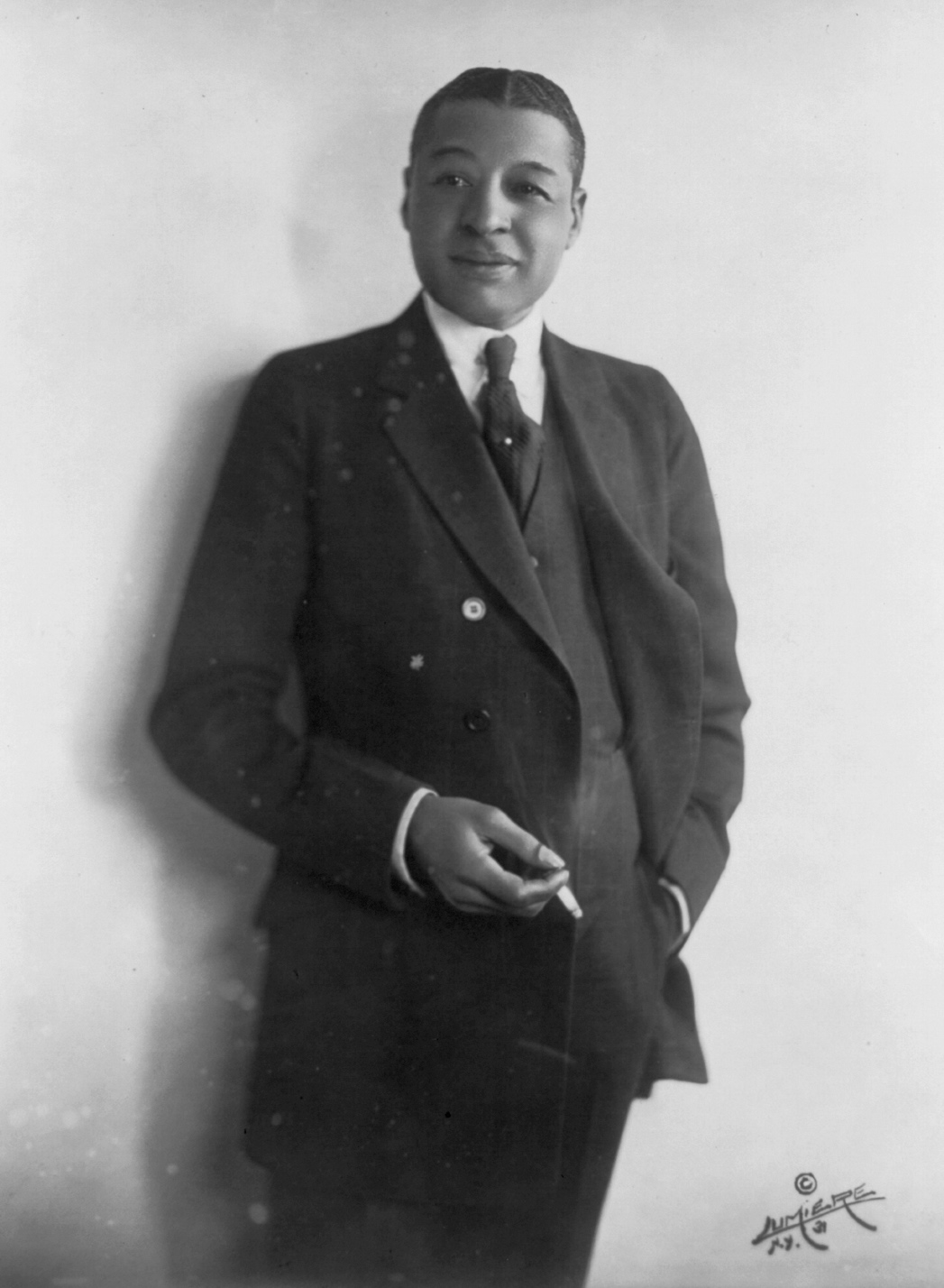
A fascinating temporary exhibit was In the Spotlight: Lawrence’s George “Nash” Walker featuring the research and personal collection of author Daniel Atkinson. It followed the career of Walker from Lawrence to the lights of Broadway. He and his partner, Bert Williams, performed a highly successful vaudeville act on Broadway and overseas.

Jim Crow era black minstrel George "Nash" Walker
Atkinson’s book is available from the SUNY Press as well as via Amazon

Wendy’s and my eyes bugged out to see the Jim Crow era sheet music on display from 1897. It was striking that when George and Bert did their black minstrel shows, George was a “dandy” who performed without makeup. Bert had fair skin, giving him easier access to the white vaudeville scene.

The two billed themselves as “The Two Real Coons” since many vaudeville minstrels were whites painted in blackface. At first, the lighter-skinned Bert would trick the darker Walker in their skits. With lighter skin expressing some European ancestry, and a fine voice, by the expectations of the time Williams would have performed as the “straight man” in comedy routines. Williams was very talented, and he played all instruments very well. Walker had darker skin, and was a great comedian and dancer. He would be expected to play the fool.

However, they discovered that audiences found them much funnier when they subverted the stereotypes and played against their appearances. Williams applied the burnt cork to his face to become a black man in blackface, while Walker performed without any makeup, dressing a little too high-style and spending all the money he could borrow or trick out of the lazy, carefless, and unlucky character Williams portrayed.

Jim Crow era minstrel sheet music, 1897

There was a photograph of George and his beautiful wife, Ada, who was “The Queen of the Cake Walk” and later also became a choreographer. Here is an example of a Cake Walk.

Ada Overton Walker and George Walker

Sadly, in 1909 Walker began to stutter and suffer memory loss due to syphilis. He died in early 1911, at age 37 or 38, in a sanitarium on Long Island, and he was buried in Lawrence. Ada died suddenly of kidney failure in 1914 at age 34.

Jim Crow era minstrel sheet music, 1897
Bert Williams

As for Bert Williams, back in 1910, Booker T. Washington had written of him: “He has done more for our race than I have. He has smiled his way into people’s hearts; I have been obliged to fight my way.”

Walker’s death made it a struggle for Williams to keep their company operating, and he was approached by Florenz Ziegfield to perform in his famous Follies. Williams agreed and signed a three-year contract. The white actors threatened to walk out because they did not want competition from a black actor, but they changed their minds when Ziegfeld said he could replace any of them except for Williams, because he was unique and talented. After his contract was up, Williams performed for another three years with the Follies because of his success.

However, his career lagged after his final Follies appearance in 1919, and his final years were marred by chronic depression, alcoholism, and insomnia. He died in 1922 at age 47. A private funeral service held at a Masonic Lodge in Manhattan broke a color barrier, being the first Black American to be so honored by the all-white Grand Lodge. When the doors were opened for a public service, nearly 2,000 mourners of both races were admitted.

Other Exhibits

I liked a Life in Early Lawrence exhibit that Abby Magariel, who was the museum’s education and programs coordinator from 2011 to 2019, had unveiled a decade earlier.

Fun smells exhibit

The architecture of the old building fascinated me, including its five sliding banks of shutters for the large windows, some of which are a whopping 12 feet tall.

Original shutters at Watkins Museum of History

We ascended the beautiful stairway to the upper floor, which re-opened in 2022 after an eight-year remodeling project.

Watkins Building Stairwell

A prime display there was a Milburn Light Electric Car from the early 1900s. Its only customary owner had been Eleanor Henley, who drove it around downtown Lawrence in the 1920s. It was restored in 1973.

Milburn Light Electric Car

The woodwork continued to impress.

Beautiful woodwork in the Watkins Building

One of the more unusual items was a sculpture of shoe soles. Lloyd Burgert had asked his customers to sign the worn soles he removed, and he assembled that piece of folk art in the late 20th century.

Sculpture of shoe soles

After completing our tours of the second and third floors, we took an elevator to the lowest floor, which appeared to be used as meeting and research space, and I enjoyed seeing an old fuse box preserved in the men’s bathroom.

Watkins Building Fusebox

We returned to the entrance, and I was glad to find they had a booklet by Jack Newcomb with the story of the Watkins building. The docent said it was $5, so I pulled out a $20. She confessed she did not have change, and I said that was no bother, that we had enjoyed the free museum so much that the remainder should be considered a donation.

Unbeknownst to us, Steve Nowak, the museum’s Executive Director, was on the stairway above us. He greeted us, identified himself, and shared that witnessing that sort of spontaneous moment warmed his heart. I am truly grateful to all of the past and present staff of the museum and its board members for their successful efforts to curate such a beautiful, interesting, and happily diverse experience. If you are ever in Lawrence, I highly recommend stopping in at the Watkins.

Jayhawkers Part 5: Family History >

< Jayhawkers Part 3: Past Purposes

Posted in history, photos, travel | Leave a comment

Jayhawkers Part 3: Past Purposes

After enjoying the Spencer Museum of Art, Wendy and I returned to the TownePlace Suites to reset before heading out to lunch. We again took advantage of its location just east of the Massachusetts Avenue strip to go find lunch. On our walk, a couple of structures caught my attention.

A Phillips 66 Cottage Station

Just south of the hotel, on the southeast corner of 10th & New Hampshire, was a ceramics store. If its shield sign wasn’t enough of a giveaway that it had once been a Phillips 66 gasoline station, the store was in one of the telltale cottage-style buildings that date back to almost a century ago.

Former Phillips 66 Gas Station

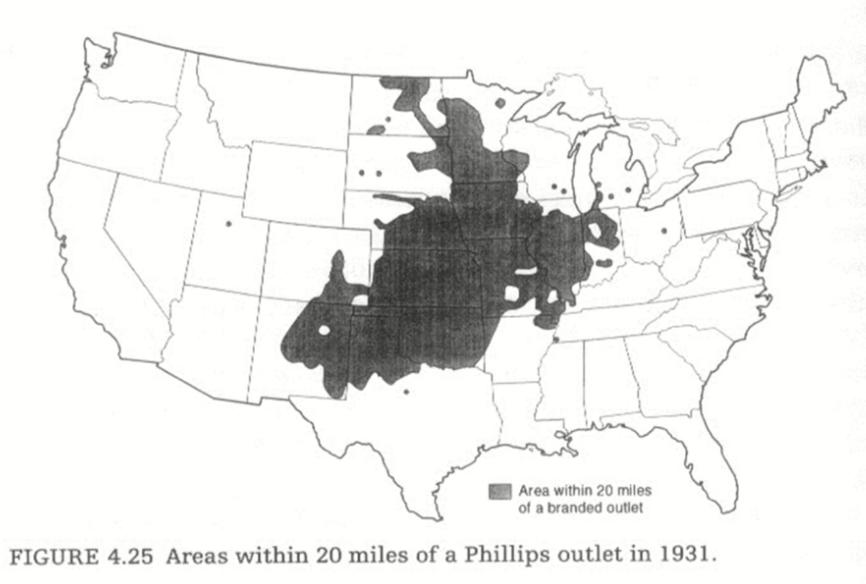
Phillips built over 500 of the structures across the mid-section of the country from the late 1920s through the 1930s.

[Source]

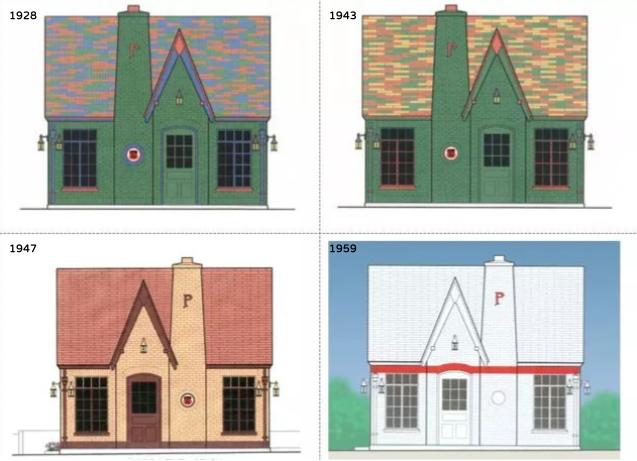
The first of them was at 805 Central Avenue in Wichita, and the building has survived. The cottages’ company color schemes changed over time.

Phillips Stations by Mike Kertok [Source]

Back in 2018, at a roadsite architecture and attractions forum in Tulsa, Mike Kertok provided a half-hour overview of the cottage stations, showing that many other petroleum companies also made use of the style, and I appreciated his fun categorization of 66 of the surviving stations. His work is also available in text form.
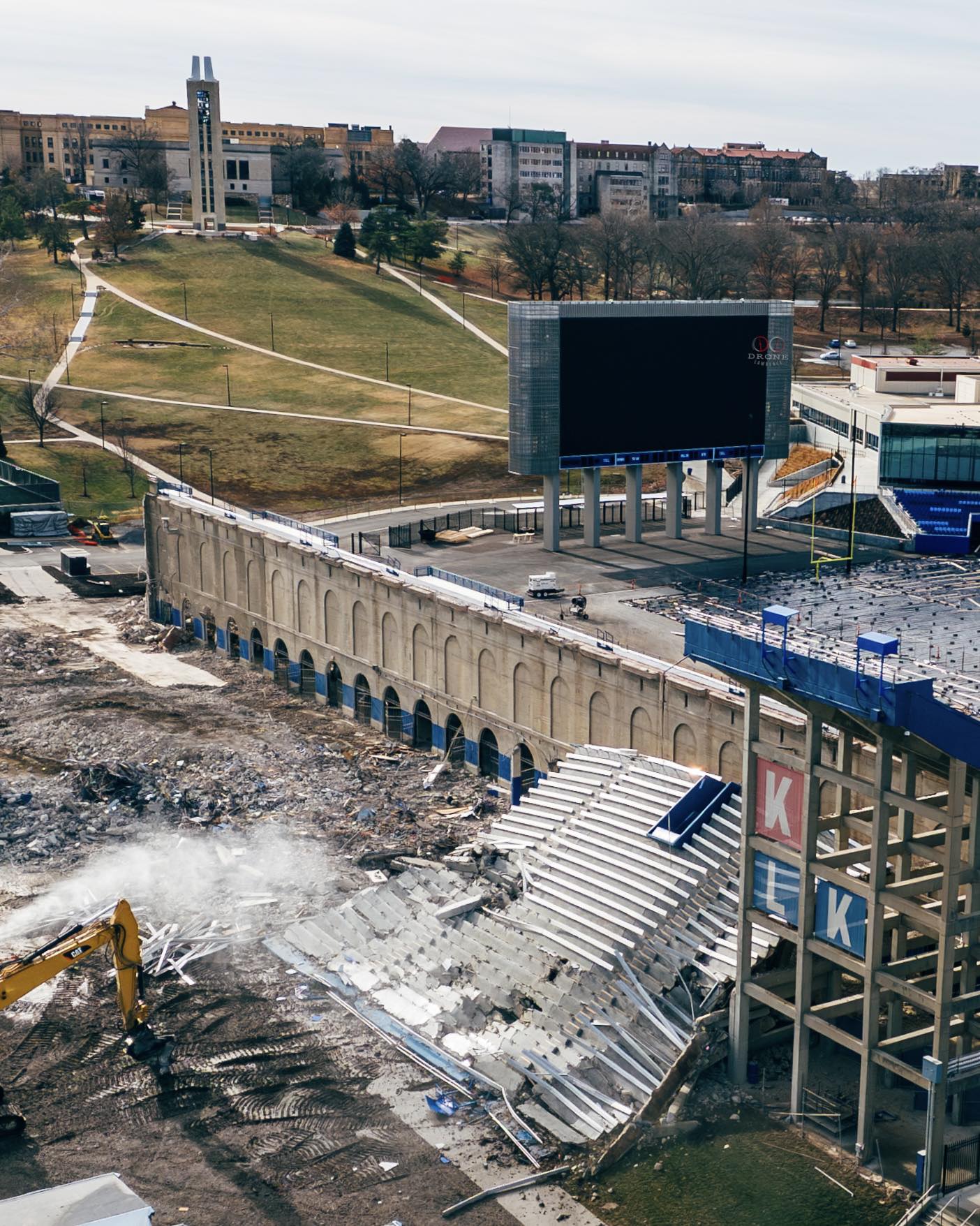
Kertok’s roll call was impressive, given that less than 100 of the old Phillips 66 cottage buildings have survived. Woolaroc Museum has a cottage that was never actually a gasoline outlet, but instead served as Bartlesville’s airport office for several years and was donated to the museum in 2015. It has been renovated to show what a little cottage gas station was like a century ago.

The former airport office turned Woolaroc gas station [Photo by Eric J. Wedel]

Many of the cottage stations were tiny, making them difficult to repurpose. However, Cramers Phillips 66 in Lawrence, built in 1928, had one garage bay, increasing its adaptability.

A Former Masonic Temple

Another building that caught my eye was the town’s old Masonic Temple, a 1910 building in the Egyptian Revival style. The three-story 14,197 square foot former temple was for sale, with a list price of $1.15 million or leasing at a bit over $7,000 per month.

Masonic Building in Lawrence

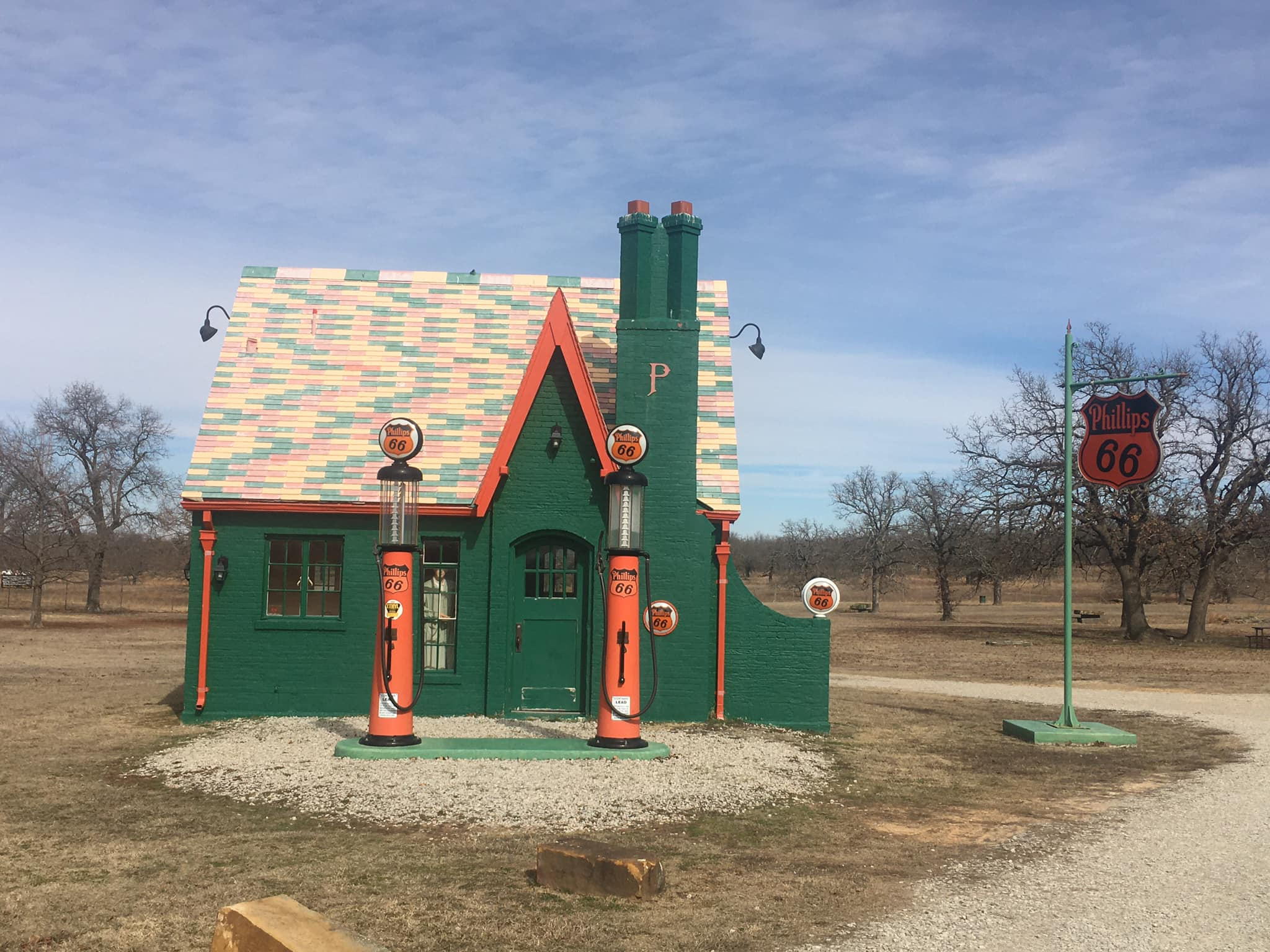
It retains tin ceilings, wood floors, and marble accents, and I was glad to find an interior virtual tour.

Like many Christian churches in the old mainline denominations, many fraternal organizations are having to sell off facilities that are too much for their declining memberships. The fraternal organizations have been weakening for decades, as documented back in 2000 by Robert Putnam in Bowling Alone.
That process has accelerated throughout the digital age as the developing internet and social media offered virtual connections that made in-person lodge meetings less attractive. The Covid-19 pandemic was another powerful accelerant in their decline.

Another factor is that a century ago the fraternal organizations had an important function of serving as a social safety net, but the New Deal reforms made those supports less vital.

At their peak, it has been estimated that as much as 40% of the adult male population held membership in at least one fraternal order. In Bartlesville there were Knights of Columbus, Knights of Pythias, Knights Templar, Woodmen of the World, Odd Fellows, Freemasons, and Patrons of Husbandry, along with a menagerie of Eagles, Elks, Lions, Owls, and Moose. Then there was a much longer list of various civic organizations. A few chapters and lodges endure, but many are long gone.

There were once over four million Masons in the USA, about 4.5% of all American men. However, in 2024, the Masonic Service Association of North America reported 869,429 members under their associated Grand Lodges, a drop of over 75% from their peak, even as the country’s population expanded significantly.

Rebuilding

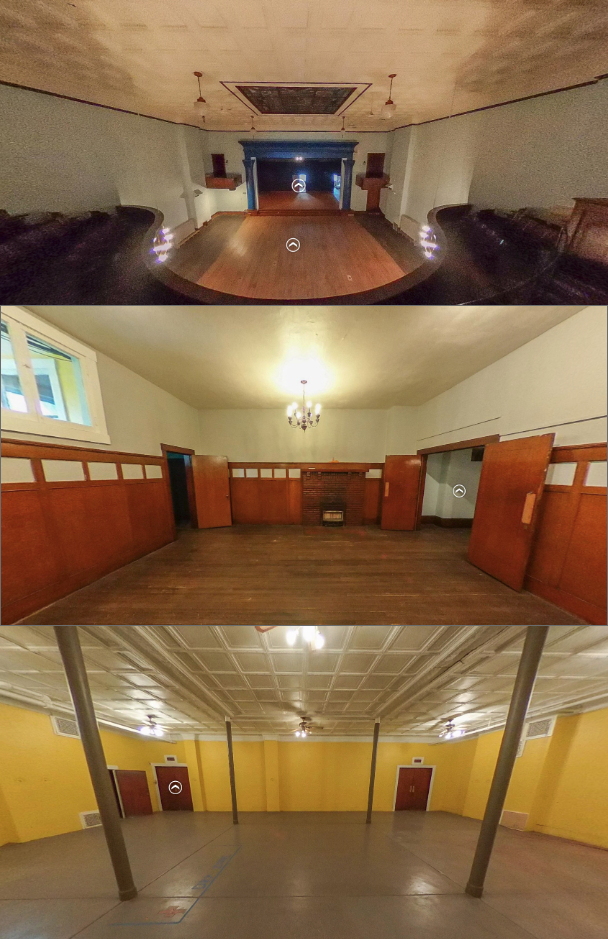
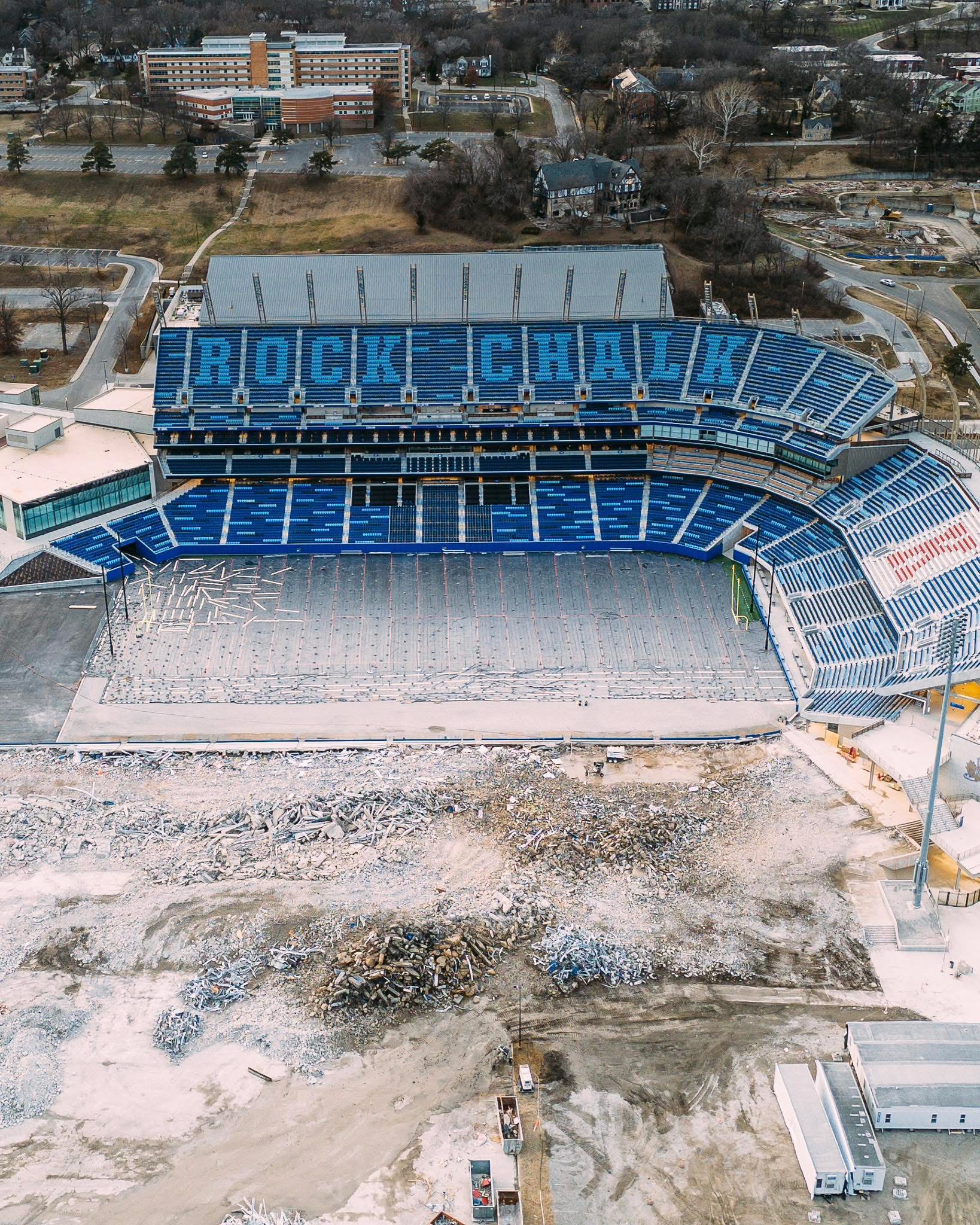
A month after our visit, an image on the internet captured my attention. It showed the huge football stadium we had driven by during our visit half-destroyed.

Not being sports fans, Wendy and I had been unaware that the stadium was part-way through a complete rebuild. The west stands had already been demolished and rebuilt before our visit, and the east stands were brought down in December 2025.

Memorial Stadium was built in 1920 with only east and west bleachers, which expanded southward in 1925. A north bowl was added in 1927, and the west bleachers were expanded upward in 1963 and the east ones in 1965. The rebuild will cost hundreds of millions of dollars, with KU alumnus David G. Booth kicking the project off with a $50 million donation that resulted in the stadium being renamed in his honor. Booth later donated another $300 million to KU.

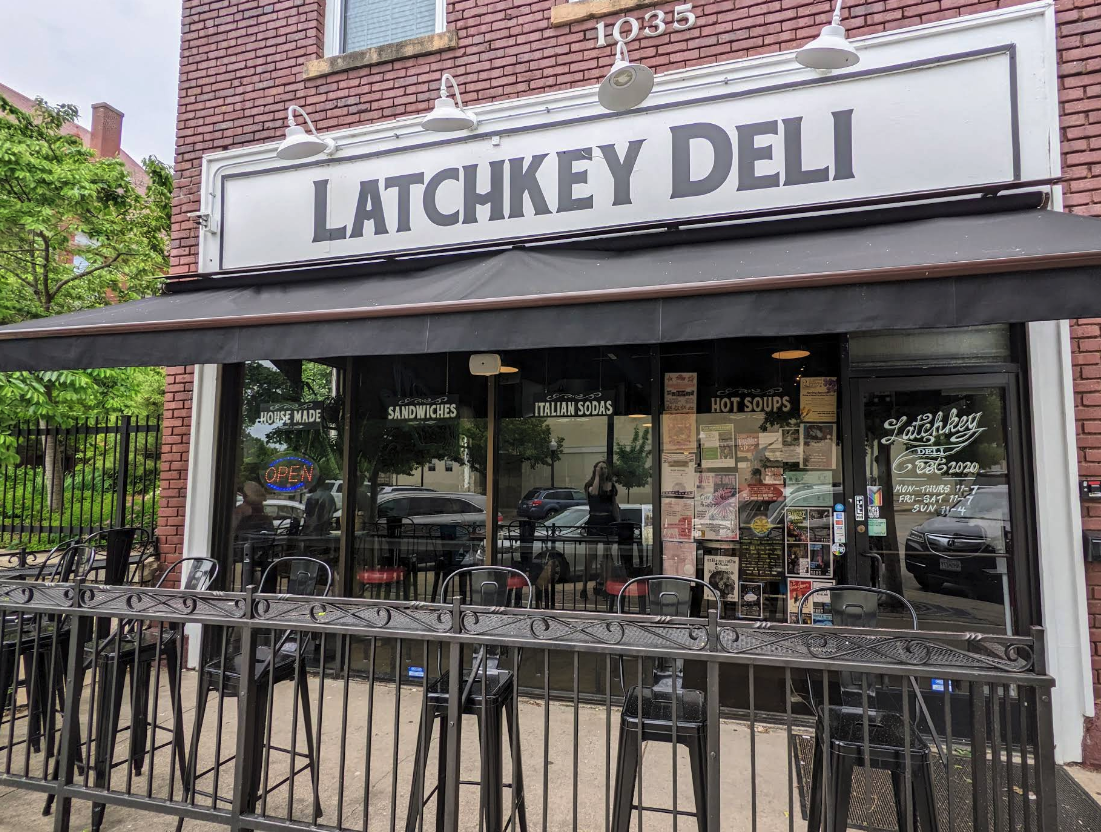
Latchkey Deli

We walked down Mass to a 1910 two-story brick building to have lunch at the Latchkey Deli. There were no tables left in the tiny restaurant, but the weather had improved so that we were able to just take our trays out front to eat at the streetside counter. I recommend their delicious mac & cheese for a side. I had a cherry Italian soda that once again reminded me why I find those confections more fun to look at than to consume.

We then walked past a little Japanese Friendship Garden, established in 2000, to tour the Watkins Museum of History, which will be the subject of the next post.

Jayhawkers Part 4: The Watkins >

< Jayhawkers Part 2: The Spencer

Posted in photos, travel, video | Leave a comment

Jayhawkers Part 2: The Spencer

Sallie Casey Thayer of Kansas City amassed over 6,000 rare books, original artworks by Winslow Homer and Robert Henri, hundreds of Japanese prints, thousands of glass objects from across the eras, antique textiles from four continents, Victorian valentines, snuff bottles, folks samplers, and quilts. She said her purpose in collecting was “to encourage the study of fine arts in the Middle West”.

By 1914, the collection was filling her home, and she began advocating for the establishment of a permanent public art institution in the city. In 1917, with the splendid Nelson-Atkins Museum yet to be built, she was convinced to donate her collection to the University of Kansas in Lawrence.

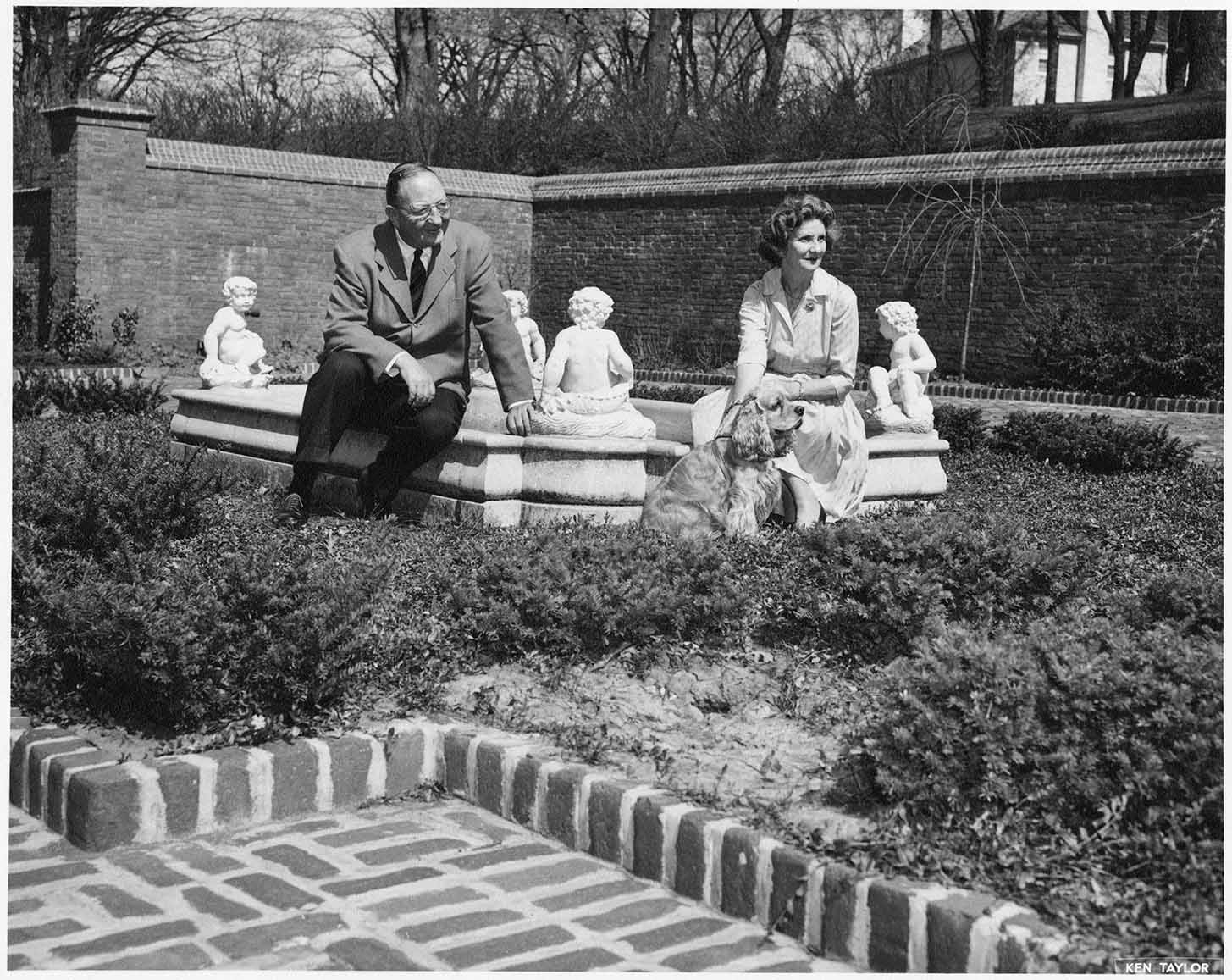
Kenneth & Helen Spencer

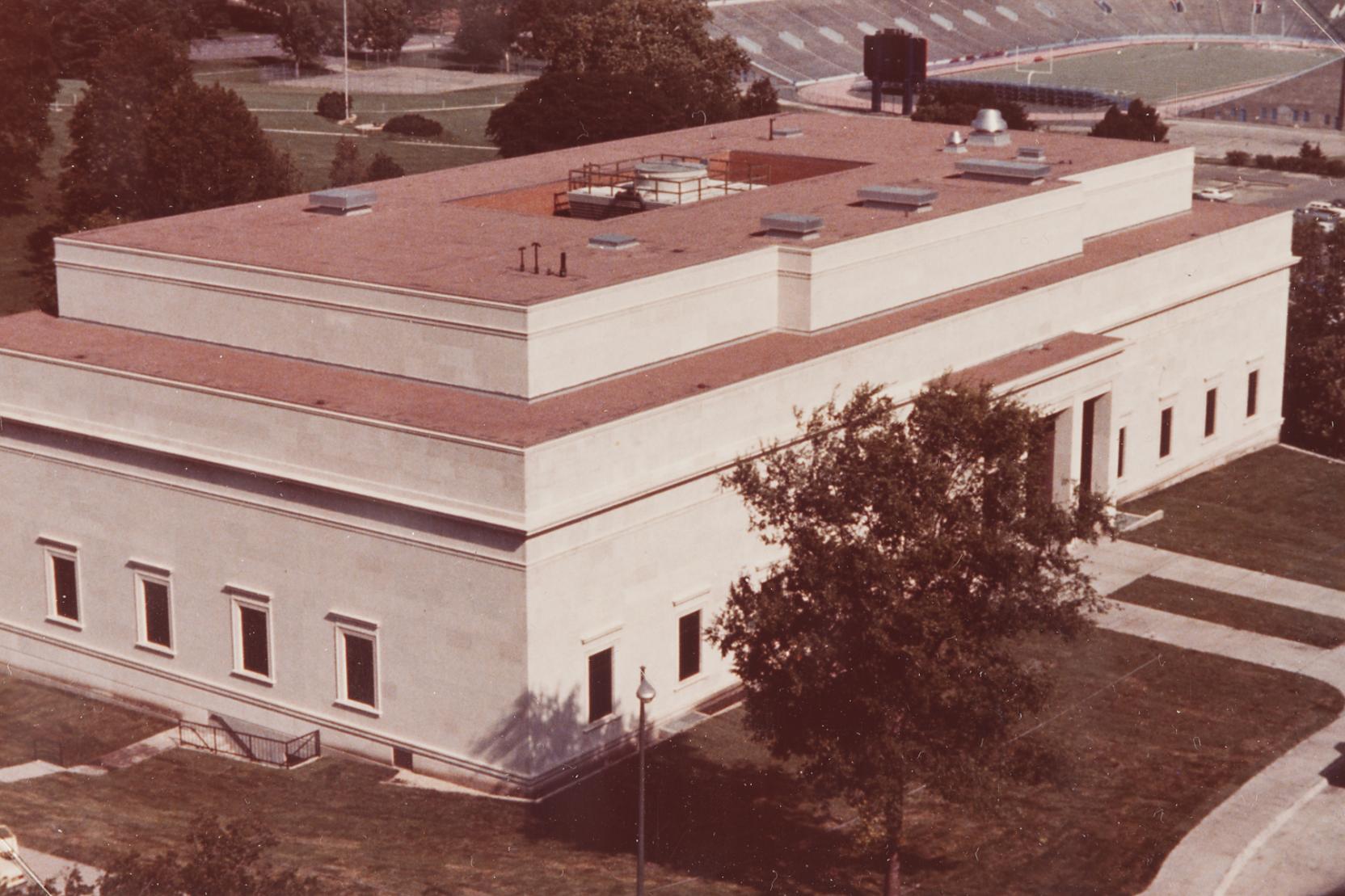
It took several years for the university to provide space for the collection in Spooner Hall, and by the 1960s, it had outgrown that space. In 1978, another Kansas City collector, Helen Foresman Spencer, made a substantial gift to fund the construction of a new space, built of Indiana limestone and designed by KU alum Robert E. Jenks. Her husband, Kenneth, was a coal mine owner who transformed a government surplus factory into the world’s largest producer of ammonium nitrate, and had died in 1960. She would eventually donate over $18 million to cultural institutions in the Middle West.

The Spencer Museum of Art was renovated from 2015 to 2022, and we found it to be a functional and easily navigated facility with an eclectic collection that was, pardon my phrasing, artfully displayed. The Nelson-Atkins Museum in Kansas City remains my favorite, with its stunning old architecture and courtyard cafe, while the Spencer’s unobtrusive architecture and renovated galleries kept me focused on its collection, with about 1,300 art objects displayed on a typical day, with about 37,000 more items in storage.

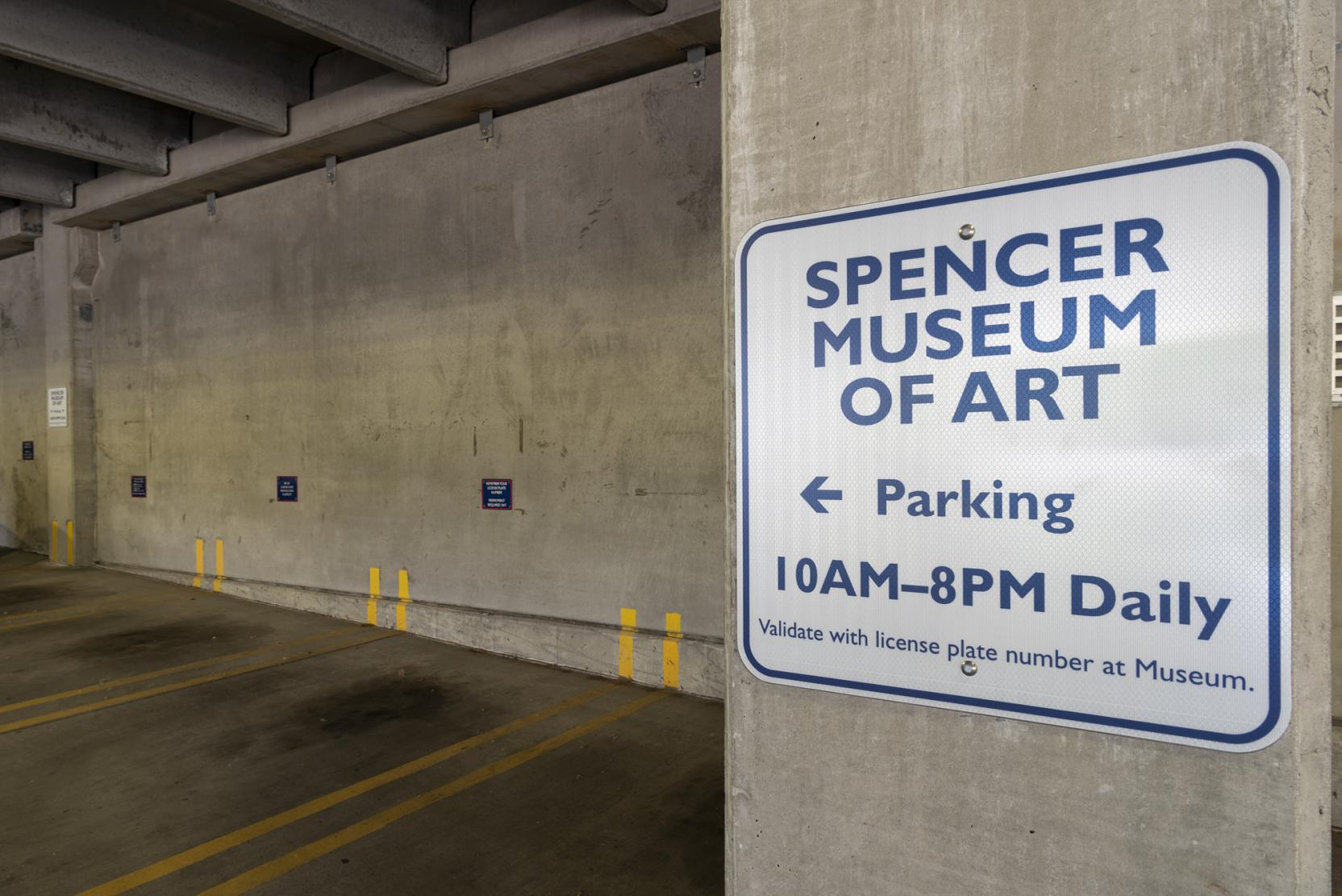
Parking was simple

Wendy and I awoke at the TownePlace Suites by Marriott in Lawrence, enjoying a complimentary hot breakfast downstairs that was carefully tended by a hardworking lady. Then we took the elevator down to the parking garage and drove the minivan a half-mile west to Mississippi Street, turning south to pass by the big football stadium and park in the Mississippi Street Garage. There are free spaces there for museum visitors, with us simply having to register our vehicle at the reception desk at the museum, which is always free of charge.

The Carillon & Campanile are on the hillside west of the museum

The galleries are on the third and fourth floors, and the main entrance is on the third. Can you tell that KU is built on hills? In nicer weather, I would have enjoyed exiting the museum’s west side for a walk in the Marvin Grove, with the Memorial Carillon and Campanile, but the season didn’t suit.

One of the first pieces that caught my eye was the glass Eagle Hat by Preston Singletary, nicely lit to display its design in its shadow. His art reflects Tlingit culture.

Eagle Hat, by Preston Singletary

A Shipwreck by Philip James De Loutherbourg was an oil from around 1770. His paintings of such dramatic scenes established his career in France, but he is best remembered for elaborate stage designs he did later in England.

A Shipwreck, by Philip James de Loutherbourg

Two Boys Looking by Jim Dine was recognizable to me, having seen a painted version of one of his wooden Pinnochios, Walking to Borås back in 2012 at Crystal Bridges.

Two Boys Looking, by Jim Dine

It was interesting how Dine chose not to give the boys’ eyes any detail…I suppose his own nose grew when he chose the title.

detail of Two Boys Looking, by Jim Dine

Navigating by Lisa Grossman had me presuming it was a photograph until I got close enough to realize it is an oil painting by that Lawrence artist. Originally from Western Pennsylvania, Grossman earned an associate’s degree from the Art Institute of Pittsburgh and moved to Kansas City in 1988 to work as an illustrator for Hallmark Cards. She says that she began plein air (open air) painting from direct observation in earnest when she discovered the tallgrass prairies of east-central Kansas, and she left Hallmark in 1995 to pursue painting full-time.

Navigating, by Lisa Grossman

Here is a detail showing a brushstroke in the work:

brushstroke from Navigating, by Lisa Grossman

Another bit of modern trompe l’oeil, fooling my eye into thinking I was looking at a photograph, was Genesis by Jane Bunker, inspired by her childhood myopia that went undetected for several years. I remember my own myopia being caught in a vision screening in fifth grade, and marveling once I got my spectacles how I could see the leaves on the trees and details on my parents’ Buick LeSabre sedan from across the front yard.

Genesis, by Jane Bunker

An old neon optometrist sign from around 1910 made both Wendy and me think of Dr. T.J. Eckleburg’s billboard in The Great Gatsby, looking out across the Valley of Ashes.

optometrist sign, circa 1910

Roger Shimomura‘s Yellow Fever was a busy acrylic that drew, pun intended, “on personal memory, historical trauma, and popular culture to confront and critique racial stereotypes”.

Yellow Fever, by Roger Shimomura

The highlight of the museum for me was an unexpected opportunity to see one of Joseph Ducreaux‘s paintings, Le Discret. His Self-portrait of the artist in the guise of a mocker became a social media meme some time ago. Ducreux attempted to break free from the constraints of traditional portraiture, and his interest in physiognomy—the belief that a person’s outer appearance, especially the shape and lines of their face, could reveal their inner character —influenced him.

Le Discret, by Joseph Ducreux

Another favorite for me in the museum, which prompted me to sit on a bench to admire it, was Grass by Tomoke Konoike (鴻池朋子). She crafted a Japanese wolf from wood, styrofoam, and aluminum and covered it in mirrors, creating a striking image of the animals which were exterminated in the 19th century.

Grass, by Tomoko Konoike (鴻池朋子)

The museum had superb lighting to make the piece stand out.

detail of Grass, by Tomoko Konoike (鴻池朋子)

A work with stunning detail was Zen Temple of Techno by Du Kin, a large oil painting depicting Julia Govor, a Russian-born electronic musician. Du Kun renders musicians as monumental structures based on East Asian religious temples.

Zen Temple of Techno, by Du Kin

The detail in his work was stunning.

detail of Zen Temple of Techno, by Du Kun

Wendy and I both loved the striking pose of Charlotte Sullivan in a portrait painted by an artist known only by the last name of Stephens. Her expression told volumes. She was both a studio model and administrator for the Kansas City Art Institute who succeeded despite Jim Crow laws enforcing segregation during much of her tenure from 1940-1975.

Portrait of Charlotte Sullivan, by Stephens

That portrait inspired author Anthony Boynton II to compose this haiku:

I will teach you, m’dear,
How to hold your head holy
and look forward.

An artwork that stuck out in a cabinet of curiosities was Navel by Carol Prusa. It is formed of silverpoint, graphite, titanium white pigment, and acrylic binder on an acrylic sphere with an internal light source.

Navel, by Carol Prusa

Wendy was impressed by the detial on a reliquary of the True Cross, a silver work from Barcelona circa 1500.

reliquary of the True Cross
reliquary detail

I liked Untitled #751 (Craig’s Piece) by Petah Coyne, who was born in my hometown of Oklahoma City. The wax she used was developed in collaboration with a chemist, with melted candles in the structure which has spidery forms influenced by lace created by her great-grandmother.

Untitled #751 (Craig's Piece), by Petah Coyne

The Spencer featured some Haitian art, including three fishing boats and two fishermen on open water by Calixte Henry.

three fishing boats and two fishermen on open water, by Calixte Henry

Another Haitian artist, Ernst Prophète, painted but…I dreamt.

but...I dreamt, by Ernst Prophète

I’m so glad we stayed in Lawrence and took in the Spencer. It was better than I expected, with some works I recognized from other museums, but others that stood out in my experience.

After touring the museum, Wendy and I returned to our hotel to reset before heading back out to explore more of downtown Lawrence.

Jayhawkers Part 3: Past Purposes >

< Jayhawkers Part 1: To Lawrence

Posted in art, photos, travel, video | Leave a comment

Jayhawkers Part 1: To Lawrence

Once a year, go someplace you’ve never been before.

So advises the Dalia Lama, and I kept that in mind when planning a three-day outing during our Thanksgiving Break from work. I’ve learned that we do best on our work breaks when we bookend them with weekends at home, and for Thanksgiving Break we wanted to celebrate the holiday at home with my mother.

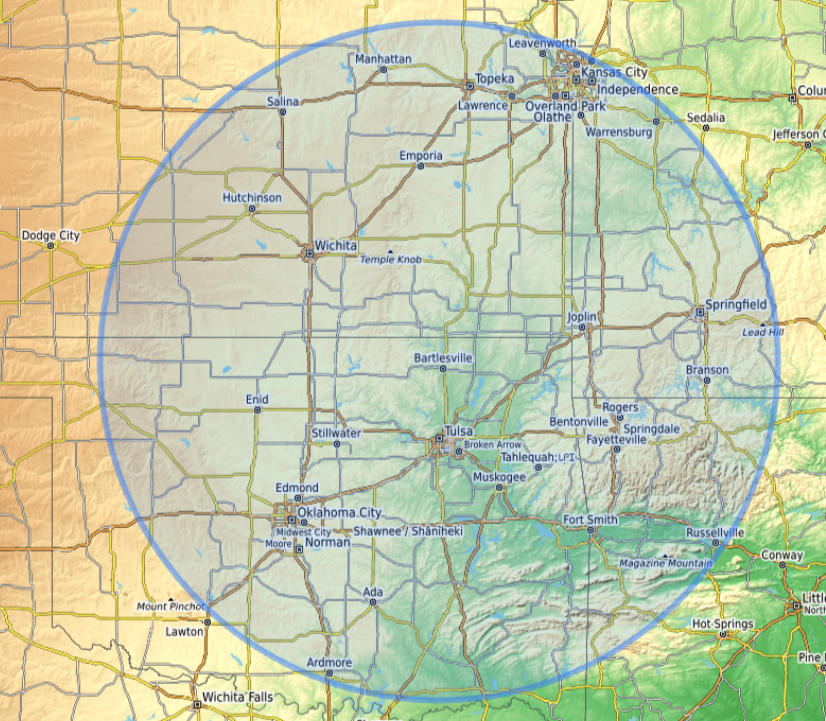
All that left Monday-Wednesday free, and on travel days, we prefer to only be on the road for five hours or less and that includes a break every half-hour or so for Wendy’s comfort and our mutual health. Familiar destinations satisfying those limitations include northwest Arkansas, the mountains of southeastern Oklahoma, Oklahoma City, Wichita, or Kansas City. We’ve also made jaunts to Sulphur, Hutchinson, and Springfield over the years, but Quartz Mountain really needs four days.

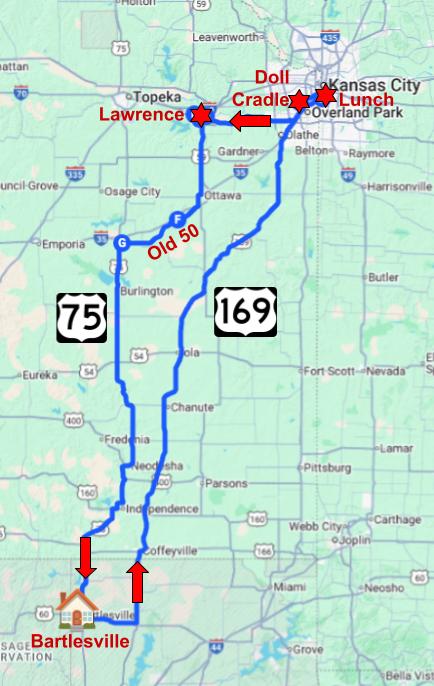
Our travel radius for a short trip

I prefer warmer weather and more leaves on the trees for a dayhike in the topography to the southeast, so I discounted those destinations for late autumn. Knowing Barbie-loving Wendy would appreciate the opportunity to revisit The Doll Cradle shop just west of Kansas City, I gave that some attention.

For decades I have enjoyed the changing exhibits at the splendid Union Station in Kansas City, but this year it has the cleverly titled Titanic: An Immersive Voyage, and Wendy and I already did the Titanic experience in Branson. So while I knew we would enjoy lunching at Country Club Plaza in KC and then we could stop in at The Doll Cradle, I wasn’t excited about following our usual practice of staying at the Marriott Courtyard. As it turns out, that hotel has now closed for a $31 million renovation and rebranding.

My eyes were tracing the route from Kansas City west to Shawnee, and farther west I spied Lawrence, less than an hour west of Kansas City along the Kansas River. What did I know about Lawrence?

So on Monday morning we headed east in Wendy’s minivan along US 60 to Nowata to then turn north and take US 169 up through Coffeyville and past Cherryvale and Chanute, then angling northeast from Garnett to Paola and then north to Olathe. From there we took Interstate 35 to the Shawnee Mission Parkway onto the Ward Parkway to arrive at the Country Club Plaza.

Traffic is steadily worsening in the various urban areas, with my alarm increasing over time at the recklessness of drivers in Tulsa, OKC, and KC, never mind the insanity in DFW. In Kansas City, which has some winding parkways given its age and topography, one vehicle sideswiped another just in front of us at one curvy interchange.

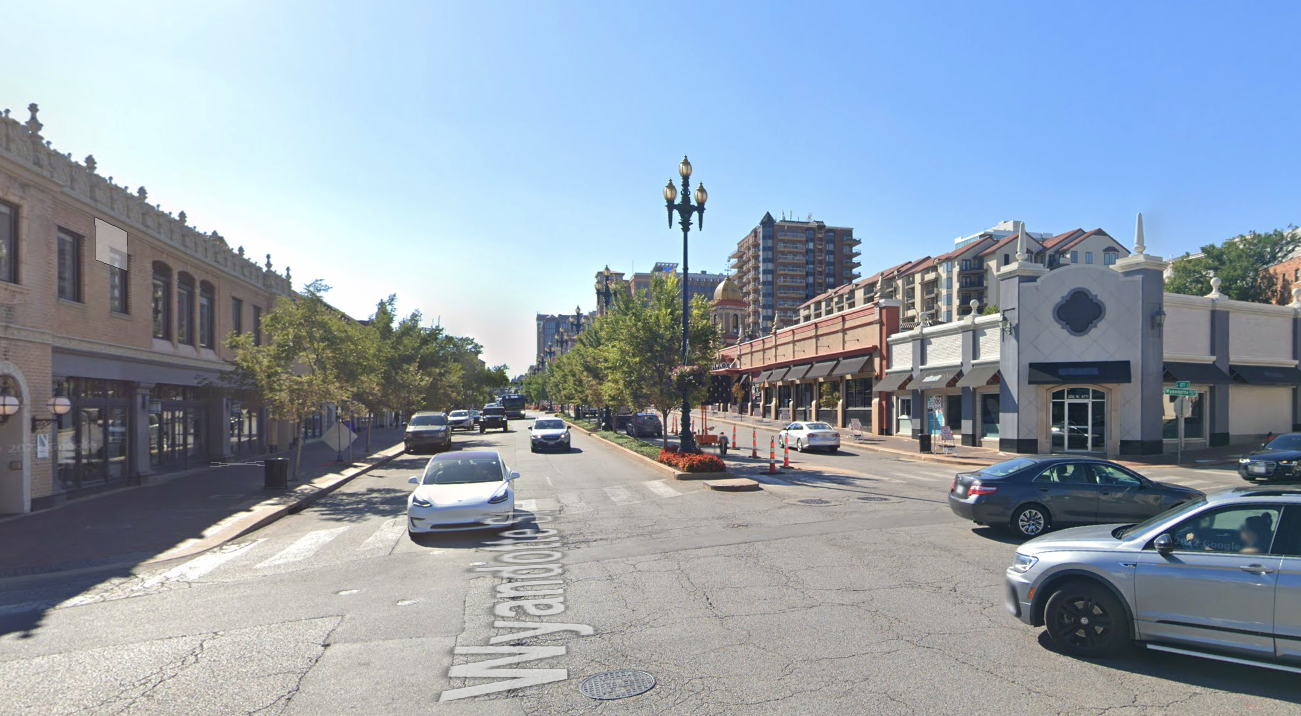
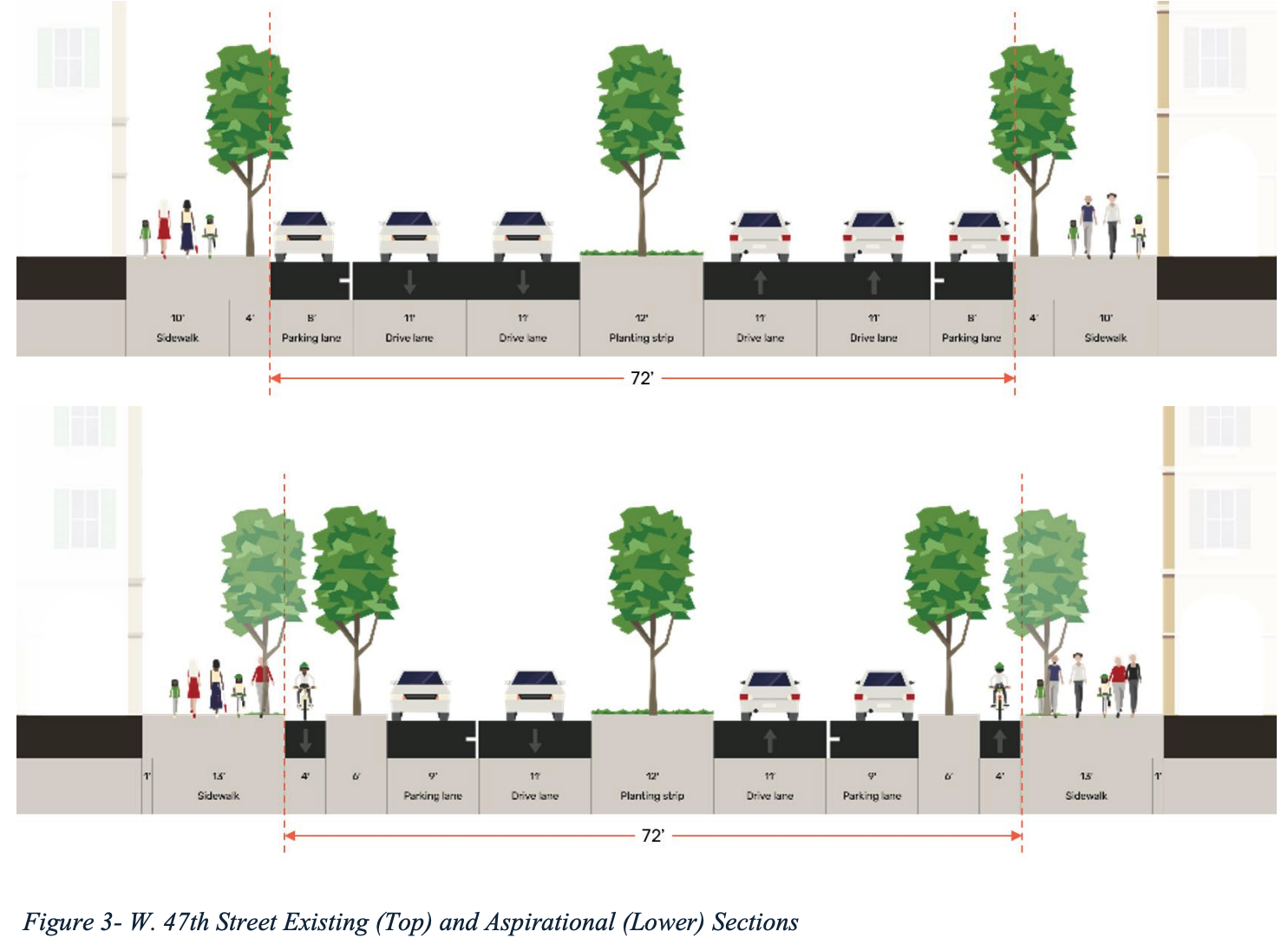
We made it to the parking garage intact, but the vehicular craziness is one reason Gillon Property Group, which acquired the Country Club Plaza in June 2024 for about $175 million, is proposing to reduce 47th Street from four driving to two driving lanes by adding bike lanes along with other traffic calming measures. It is also proposing closing some of the district’s internal streets to vehicular traffic.

47th Street at Wyandotte Street in 2022
How 47th Street, through the heart of the Plaza shops, might change [Source]

I realize that barbecue is a big dining draw in Kansas City for many, but BBQ is not a favorite for me. We frequent three chain restaurants at the Plaza: McCormick & Schmick’s, Buca di Beppo, and The Cheesecake Factory, with the last one our choice for lunch this time. That might seem odd, given they have a Tulsa location, but in Tulsa we usually eat at El Chico or Kilkenny’s.

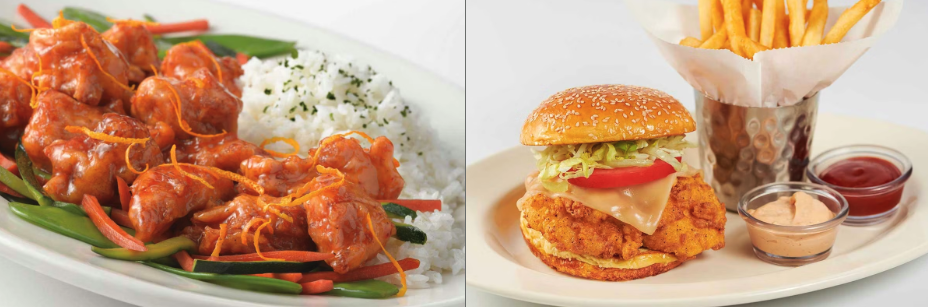
I parked the minivan in the free garage within the building that houses The Cheesecake Factory, and I had my usual lunch portion of Orange Chicken while Wendy had the Spicy Crispy Chicken Sandwich.

Our Cheesecake Factory lunch

We enjoyed our lunch, but the portions are such that we never have room for cheesecake. We just had enough time left to drive over to Shawnee and let Wendy shop at The Doll Cradle before it closed at 3 p.m.

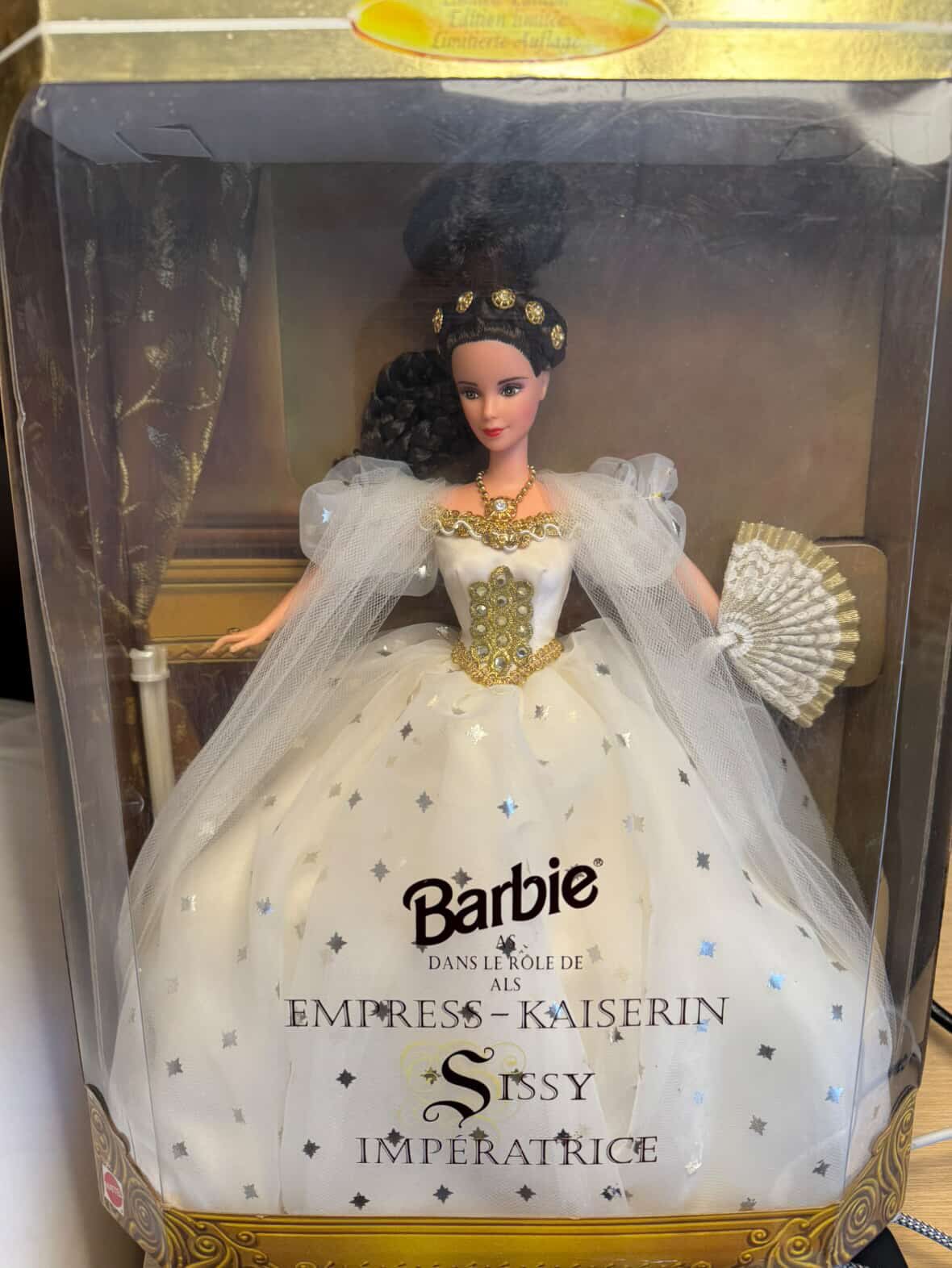
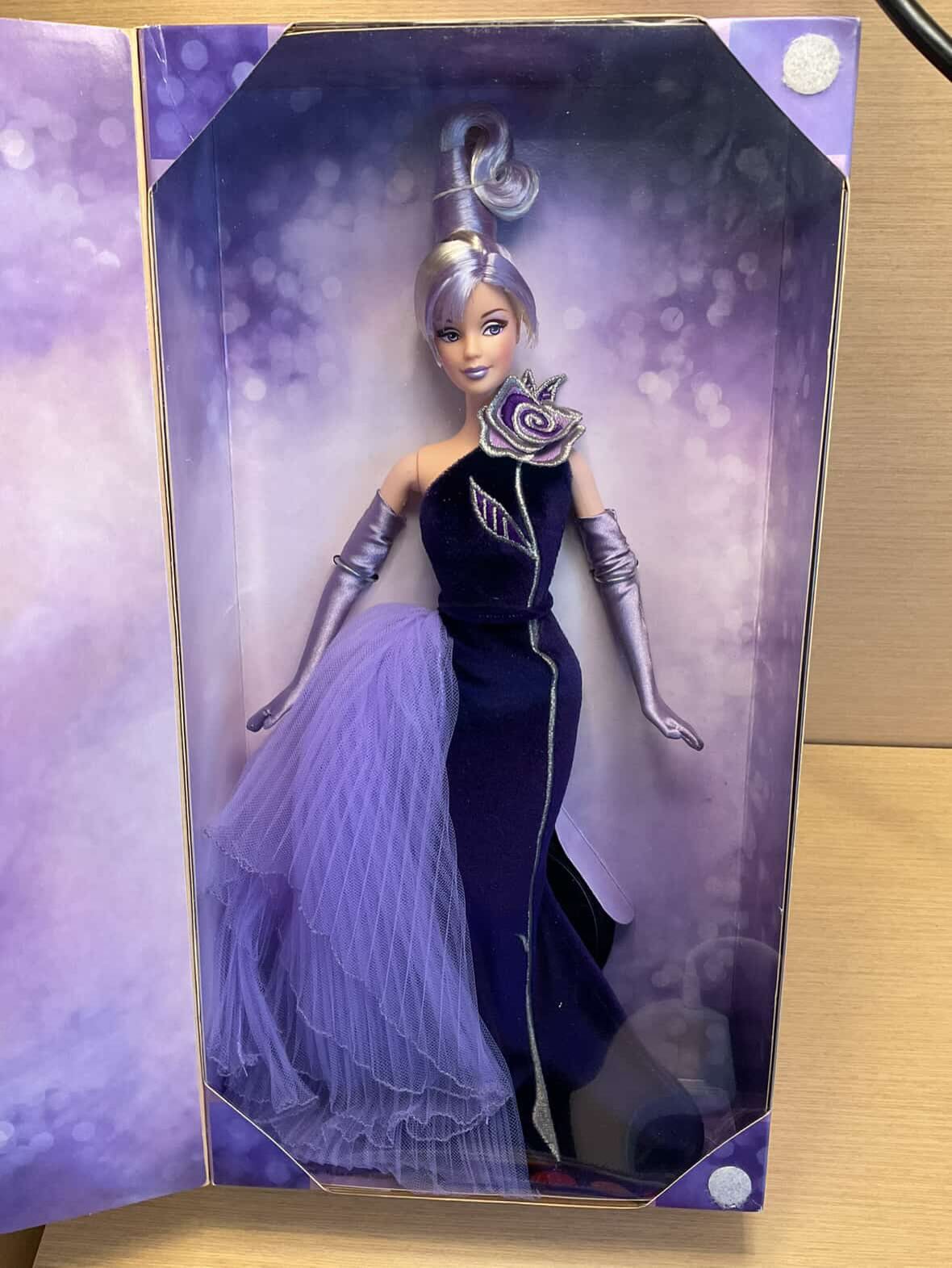
Wendy bought a couple of Barbies there, and I listened to a mother and daughter who came in about having a childhood favorite, a wellworn stuffed elephant, reworked by doll rescuer Connie Harrell. Our first visit to the shop was at Christmas in 2023, and I was relieved to note that the displays had changed, so the uncanny valley doll wasn’t around to unnerve me. Once Wendy had made her purchases, we proceeded southwest on Interstate 35 and then west on Kansas Highway 10 to Lawrence.

The Hogback Hilton

I was on several childhood field trips to the old Stovall Museum in Norman

When researching hotels in Lawrence, The Oread, part of the Tapestry Collection by Hilton, caught my attention. It looked impressive, and from it we could easily walk south to the Spencer Museum of Art. The KU National History Museum was also just down the street, but many visits in childhood to the old Stovall Museum in Norman, and its much nicer successor, the Sam Noble Museum, along with various other natural history museums on our travels, made that less appealing to us.

It didn’t go well

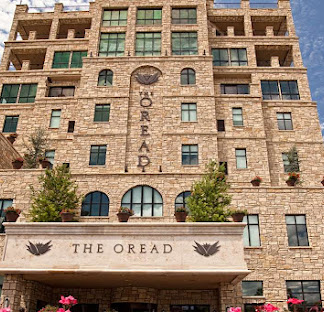
The Oread is about eight stories at the front and ten in the back, with multi-story underground parking. It is constructed out of limestone, making it seem much older, but it was built in 2009. I booked a king condo room for two nights for a whopping $1,100. Jeepers, but surely that would mean a great experience. Well, ya don’t always get what ya pay fer.

We first drove north through Lawrence along Massachusetts Street all the way north to the Kansas River. I wanted to scope out the downtown shops and restaurants, figuring we would eat in that historic district during our stay. The drive was a pleasant one, with many Victorian homes painted in light pastels adorning the streets south of downtown. As we approached the unseen river, we turned west to climb Mount Oread to the hotel.

The Mount is a prominent hill that is the foundation for KU, named after the long-defunct Oread Institute women’s college in Massachusetts, founded by Eli Thayer. Lawrence was founded in 1854 by settlers from Massachusetts sent there by the New England Emigrant Aid Company, another creation of Eli Thayer, which transported anti-slavery immigrants into Kansas Territory in a bid to shift the political power there and lead it into becoming a free state rather than a slave state. We were in the heart of what was known as Bleeding Kansas from 1854 to 1859, and the home of the Jayhawkers:

Mount Oread’s earlier name was Hogback Hill, so I’ll say that we parked in the drive at the Hogback Hilton and walked into the lobby, where we were welcomed by an unpleasant sewer smell. The receptionist was nice, but the credit card machine went nuts, beeping continuously, so she had me try another one. Her comment that the reader had been malfunctioning of late wasn’t reassuring.

We were directed to park under the hotel, and that went fine, and we could tell we weren’t back home because multi-story underground garages in much of Oklahoma are a rarity given our high water tables. We found a bank of three elevators, but one was marked out of order, another as private, and the remaining one wouldn’t respond. A hotel worker emerged from a doorway, remarked that maybe a cleaning crew had jammed the elevator, and he took us up to our room on the private service elevator. Again, helpful workers, but another telltale sign of a hotel in trouble.

We got to our room on the sixth floor, with the sewer smell in the corridor thankfully not continuing on into the room. It had a living area with an aging rug, an attractive full kitchen, a bedroom, and a balcony. After stowing our luggage, I ventured out on the balcony in the cold and windy weather, admiring the view of the old courthouse to the east.

Douglas County Courthouse
Our balcony had a nice view

We tried to connect to the Wi-Fi, amused to see SSIDs from nearby apartments that had a distinctly collegiate flavor. We opted not to try connecting to ItStingsWhenIP, (*)(*), or SwampAss.

Wendy needed ice, but we found that the icemaker in the big stainless steel refrigerator was frozen. Then a search of the many cabinets and multiple drawers showed them to be devoid of anything save for a few plates and glasses. No cookware or utensils, rendering the kitchen quite useless. What in the world? Did the management just decide it wasn’t worth keeping their rooms up to snuff? Does the hotel only have its act together when the Jayhawks are playing at the big football stadium a block away or Rock Chalk, Jayhawk is echoing in the Allen Fieldhouse?

Oread King Condo
All outward appearance: this kitchen was not usable

I took the ice bucket and went to look for an ice machine. A corridor sign said ice was only available on floors two and four. The two regular elevators were still out of service, so I presumed the worker’s guess that a cleaning crew was holding one up was wrong. I called the service elevator, only to find upon entering that it had no buttons for floors two or four. I guess it is just intended to service the lobby, kitchen, garage, and the supposedly fancy rooms on the top floors.

So I punched for the lobby and upon exiting the friendly receptionist was passing. I asked about ice, and she said she could get some for me in the kitchen. She took my bucket and soon reappeared with the ice, then headed back to the front desk. I turned to call the service elevator…and there was no call button for it in the lobby. There was no way to get to our room save climbing five flights of stairs.

I went to the front desk, explained the issue, and the receptionist said she would call the service elevator for me from the kitchen side, it having doors on one side for the lobby and on the other for the kitchen. That worked, but when I got back to floor six and made my way through the sewer smell to our room, my mind was made up.

I began searching for other Lawrence hotels, and the TownePlace Suites by Marriott beckoned. I booked a two-bedroom suite for less than half the price of our smaller king condo at The Oread. We packed up, took the service elevator to the garage, and never looked back.

I could have gone to the receptionist and canceled our reservation, demanding a refund. That would make perfect sense to many folks, but that’s just not for me. I’m at the point in my life where I value peace over confrontation, with three different blood pressure medications coursing through my hardening arteries. I’ve learned to just let it go when plans change too late for me to change a reservation or when a hotel turns out to be a dysfunctional mess. I make new arrangements and move on with minimal fuss, having already made the conscious and admittedly privileged choice to absorb a loss without stressing about it.

TownePlace Suites

TownePlace Suites by Marriott
The TownePlace Suites by Marriott were superb
TownePlace Suites Courtyard
Our view was of the back courtyard

We drove a few blocks to the TownePlace Suites by Marriott. We parked by the entry and walked into another lobby, but there were no smells and no malfunctioning technology. There was another underground garage, but also working elevators that whisked us up to a nice spacious suite strategically situated to prevent us from hearing any noises throughout our stay, save for routine housekeeping. We had an ice machine on our floor and a view down into a back courtyard.

The only flaw was that the Wi-Fi never recognized us when given our last name and room number. We could have contacted the front desk for a fix, but the cellular service for our iPhones was adequate enough for us to make do, using them as hotspots for our iPads.

A Mistake on Mass Street

It was time for dinner, and we were only a block from “Mass Street” with various options. I chose poorly on that cold, rainy night, however, leading us to the Fat Shack.

I’d seen online that they had simple fare like chicken fingers, mozzarella sticks, and French fries. Easy enough, and we didn’t need anything elaborate after our nice lunch. What I did not realize, however, was that they throw everything you order into a bun and wrap it up tight.

What in tarnation?

That’s right…our meals came out as tightly wrapped sandwiches, and we were shocked to peel off the wrapping and discover our items all smashed together. If I had seen a photo of the Fat Bronco™ showing me it was a sandwich instead of a combination plate, I would have exited without ordering.

I dissected my sandwich, eating various ingredients, chuckling at the situation. Our meals were meant for Gen-Z college brats, not middle-aged Gen-X tourists. We picked away for awhile and then dumped the rest, venturing back out on quiet Mass Street to return to the hotel.

I felt good about the timing of our trip, having correctly surmised that Lawrence and Mass Street would be relatively serene, with most students already gone for Thanksgiving. It was quite easy to walk or drive anywhere, with few waits, and everyone we encountered was friendly and helpful and seemed grateful to have some customers.

Our trip was off to a mixed start, but the next day would bring a couple of splendid museums. You’ll be able to read about those in subsequent posts.

Jawhawkers Part 2: The Spencer >

Posted in photos, travel, video | Leave a comment

Resisting AI Slop & Brainrot

Long vacations are opportunities to engage in brainrot content, especially when the weather outside is frightful. I find myself having to consciously avoid compulsive, nonsensical, low-quality content that corrodes my mental or intellectual state, including doomscrolling political outrage.

A more recent threat is AI slop, digital content made with generative artificial intelligence that shows a lack of effort, quality, or deeper meaning, and is often associated with an overwhelming volume of production.

Both are commonplace on Facebook and YouTube, and I know they also afflict services I do not frequent, such as TikTok, Instagram, and X. In late 2025, a report from the video editing firm Kapwing found that on a new YouTube account about 1/5 of the first 500 videos in the feed were AI-generated, and 1/3 of the first 500 videos were brainrot.

[Source]

In mid-summer 2025, The Guardian reported that 9 of the 100 fastest growing YouTube channels were only showing AI-generated content. I noticed the trend a few months ago when a channel was showing up in my feed that, at first glance, appeared to be decent-quality long-form content. While the narration did use inflections and avoided the worst mispronunciations, after a few minutes I could tell it was a good AI. I also realized that the videos relied on stock footage and AI animations, and the scripts inevitably became long-winded and repetitive. A check revealed that channel was posting such videos twice per day, a clear sign of AI slop.

Some AI content, in moderation, amuses me, such as There I Ruined It. I also recognize some folks enjoy the escapism and distractions of short-form content. However, my preference is human-created longer-form videos that required some research, such as the varied interests of Phil Edwards or, for the truly stoic, Fall of Civilizations. The latter’s latest video on Persia is 5.5 hours long.

Thus I choose to avoid TikTok and X, as I once shunned Vine and Twitter, and there were years in which I subscribed to The New Yorker and used Longreads for long-form articles. Nowadays I use Apple News, and its News+ service has a My Magazines option where I can seek out long-form articles.

Subscriptions

I combat slop on YouTube by relying heavily on subscriptions in which I have manually subscribed to channels I like. I hit the Subscriptions icon in the app to only see videos from my subscribed channels, and there is a control to sort the entries by Most relevant, New activity, or A-Z.

I rely on YouTube’s Subscriptions feature to curate my feed

If I find myself doomscrolling on YouTube’s Home page, let alone refreshing it to see fresh options, I know it is past time for me to put down the iPad and do something else. If I can’t go for a walk, then I need to read a physical or electronic book…or go compose a blog post. 😉

If I ever wanted to kill my YouTube addiction, the surefire cure would be to cancel my YouTube Premium family plan subscription, which for $23 per month eliminates its pre-roll, mid-roll, and other standard advertising for Wendy and me. Mind you, that doesn’t eliminate the embedded ads that many creators are paid to personally host within their videos, but I can fast-forward through those easily enough.

YouTube’s algorithm is going through one of its periodic cycles of change, with many creators reeling from dramatic drops in views, which hurts not only their Google AdSense revenue, but also their ability to get third-party sponsors. Several creators are buoyed by Patreon subscribers, and I have been supporting various channels via that service since 2016. As of this writing, I’m suppporting Bookpilled, Dime Store Adventures, Oddity Odysseys, Phil Edwards, Target Audience, Techmoan, and Terry Frost. If you do provide financial support to a creator on Patreon, try to remember to do that via the web interface, not via the Patreon iOS app, since Apple tacks on a 30% charge.

Friends

Over on Facebook, there is a Friends icon that only shows updates from your Facebook friends (along with the ever-present advertising).

Use Friends on Facebook

I also curate my Facebook feed, unfollowing friends whose posts annoy me, using the Snooze and Hide options, and so forth. Facebook tends to notice my personal vices and feed them via its embedded Reels. I have learned to hit the vertical ellipsis ⋮ and select Hide reel on one after another of those Reels to train it to only show me innocuous cat videos. However, Facebook keeps trying, examining ad tracking and cookies to offer up fresh Reels on occasion to tempt me to engage. When I slip up and watch one, that poisons my feed until I do several rounds of ⋮ > Hide reel on anything that isn’t another silly cat.

Best wishes on combatting brainrot and AI slop in your online accounts. The battle against fake slop is quite real.

Posted in technology, video | Leave a comment