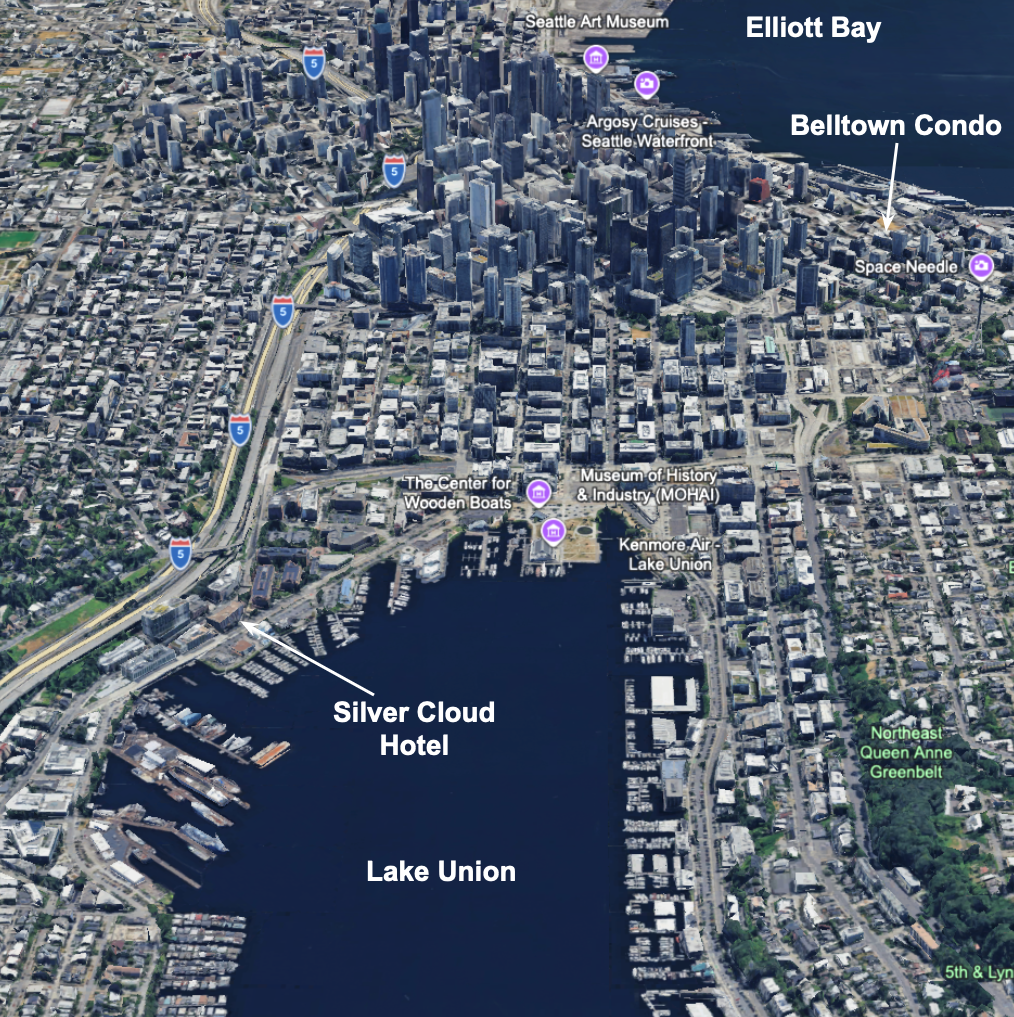
We returned from Canada to Seattle on Independence Day, our nation’s 250th birthday. Knowing that Seattle traditionally had a big fireworks show on Lake Union, I had booked us a room at the Silver Cloud Hotel there with a view over the lake.
The Victoria Clipper V docked around 8 p.m. and we hauled our luggage towards the Bell Street Pier Garage. An Amtrak train pulled up and blocked us from crossing at Wall Street, so I led us back to Vine to get around it. We loaded into the rental car, and I drove 2.5 miles to the hotel, grateful for my Apple CarPlay and my TomTom GO app’s help in navigating the unfamiliar streets. At one point, we were driving under the old World’s Fair monorail that still connects a downtown shopping mall to Seattle Center. The only time I rode it was back in 2005.
The South Lake Union neighborhood is the global headquarters for Amazon, and its housing is mostly modern luxury mid-rise apartments and open-concept condominiums. A one-bedroom condo there costs about two or three times as much as our three-bedroom home on a quarter-acre lot in Bartlesville.
The streets near the lake were flanked by parallel-parked cars, with the lake full of boats awaiting the fireworks.
Our fifth floor suite had both a bedroom and a living room, the latter having a French door with railing providing a view of the lake beyond Fairview Avenue and the marinas. I was relieved that we could see the central barge the fireworks would be launched from.
It was a marvelous climax for our anniversary trip. Below is a view of the show from Gasworks Park across the lake from our hotel, on the other side of the barge.
Knowing we would be up late for the fireworks, I had kept us in the Lake Union hotel for two nights. Thankfully it offered a good free breakfast, as the area was not as walkable as Belltown. For lunch on Day 10, I drove us to the South Lake Union branch of the Cactus restaurant chain, parking for free in their building’s garage. For dinner, we just drove to a QFC grocery store for sandwiches. It offered free parking in its underground garage.
Seattle, unlike downtown Tulsa, is not a parking desert with oodles of surface lots. We used six different parking garages for our rental car during our stays there, even with us walking to Pike Place Market and Seattle Center.
While we had a marvelous Independence Day, that same night Bartlesville’s fireworks show was cancelled as it was hit with 80-mph winds that damaged many trees and buildings, blocked roads, and knocked out power and other services. Our home cameras were still working in its immediate aftermath, and we couldn’t see any major damage on them. Sparklight’s internet then went down for about a day, probably due to a power failure, while Meador Manor itself remained powered, as Arrowhead Acres has underground wiring.
We flew back to Tulsa on July 6, arriving home around 10 p.m. I spent several hours the next day, in sweltering heat and humidity, cleaning up some minor debris from trees in other yards that had blown in, trimming the greenery, mowing the lawn, and edging. It was a brutal reminder that we had left behind the mild weather of the Pacific Northwest.
Contrasting weather
I told Wendy during this vacation that I intended for it to be our last visit to Seattle or Victoria. While I do plan on us returning to the Pacific Northwest to escape some future Joklahoma summer, I expect that we will instead return to Oregon, avoiding Portland by flying into Eugene, North Bend, or Medford, with us renting a car to enjoy the public access along the coast. Meanwhile, I’m sure some future summer breaks will find us returning to the higher altitude and drier air of Santa Fe, New Mexico and southwest Colorado.
I was so used to summer breaks, until going into administration in 2017, that I don’t feel retired yet, and I expect my new reality won’t become fully apparent until Wendy goes back to work in about a month. It was fun to kick off my retirement, and celebrate a decade of marriage, in the cool and lovely Pacific Northwest.
My only ventures beyond the United States have been to Victoria and Vancouver in British Columbia, Canada. I visited them in 1999 and returned to Victoria in 2005 and 2008. Wendy and I traveled to Victoria from the Olympic Peninsula for our honeymoon in 2016, taking a rental car with us on the Black Ball Ferry Line’s M.V. Coho from Port Angeles, Washington.
The Coho was built in 1959 and has transported more than 26 million passengers and over 7 million vehicles. But for this return to Victoria, I opted to switch over to the passenger-only Victoria Clipper V, which provides direct service between Victoria and Seattle. I didn’t feel like driving to the north end of the Olympic Peninsula for the Coho, which rocked enough to make Wendy queasy on our honeymoon. In past years, I had ridden the MV Victoria Clipper I, a high-speed catamaran that launched in 1986, and I figured that would be a nice change from how we’d travelled to Victoria a decade earlier.
The 296-passenger Clipper I transported over eight million passengers over its 30 years of service, but in 2018 it was replaced by the larger and more fuel efficient Clipper V, which can haul up to 525 passengers. I reserved seats in the upper deck’s Vista class, ensuring Wendy would have an unobstructed view of the horizon.
The crossings went fine, but in retrospect I wish I had planned things differently for this part of the trip. On our honeymoon, having a car made it simple to drive to Butchart Gardens and get around town. This time we were mostly confined to downtown, and we had already seen Butchart Gardens, Beacon Hill Park, Craigdarroch Castle, and the Royal British Columbia Museum on our honeymoon, so there were fewer novelties left for Wendy to enjoy.
Some tourists enjoy riding in seaplanes and going whale watching, but neither interested us. I’d been treated to a flight on an old De Havilland seaplane for my birthday in 1999, which was memorable but quite loud and cramped. In hindsight, we would have been satisfied with two instead of four nights in Victoria.
Upon arrival, we checked our bags at the ferry building until our hotel room would be ready in the afternoon. I then set course overland for The Old Spaghetti Factory, a Canadian chain that inspired the now-defunct Spaghetti Warehouses in the USA. I loved enjoying good spaghetti and salad with delicious sourdough bread, almost a decade after the Spaghetti Warehouse in Tulsa shut down.
One of my favorite meals
I was thankful that Wendy discovered their Cranberry Spinach Salad, hold the Goat Cheese, as that meant she was willing to return two additional times to indulge my desire to have as much of that delicious food as possible, given that I am unlikely to ever return to Victoria.
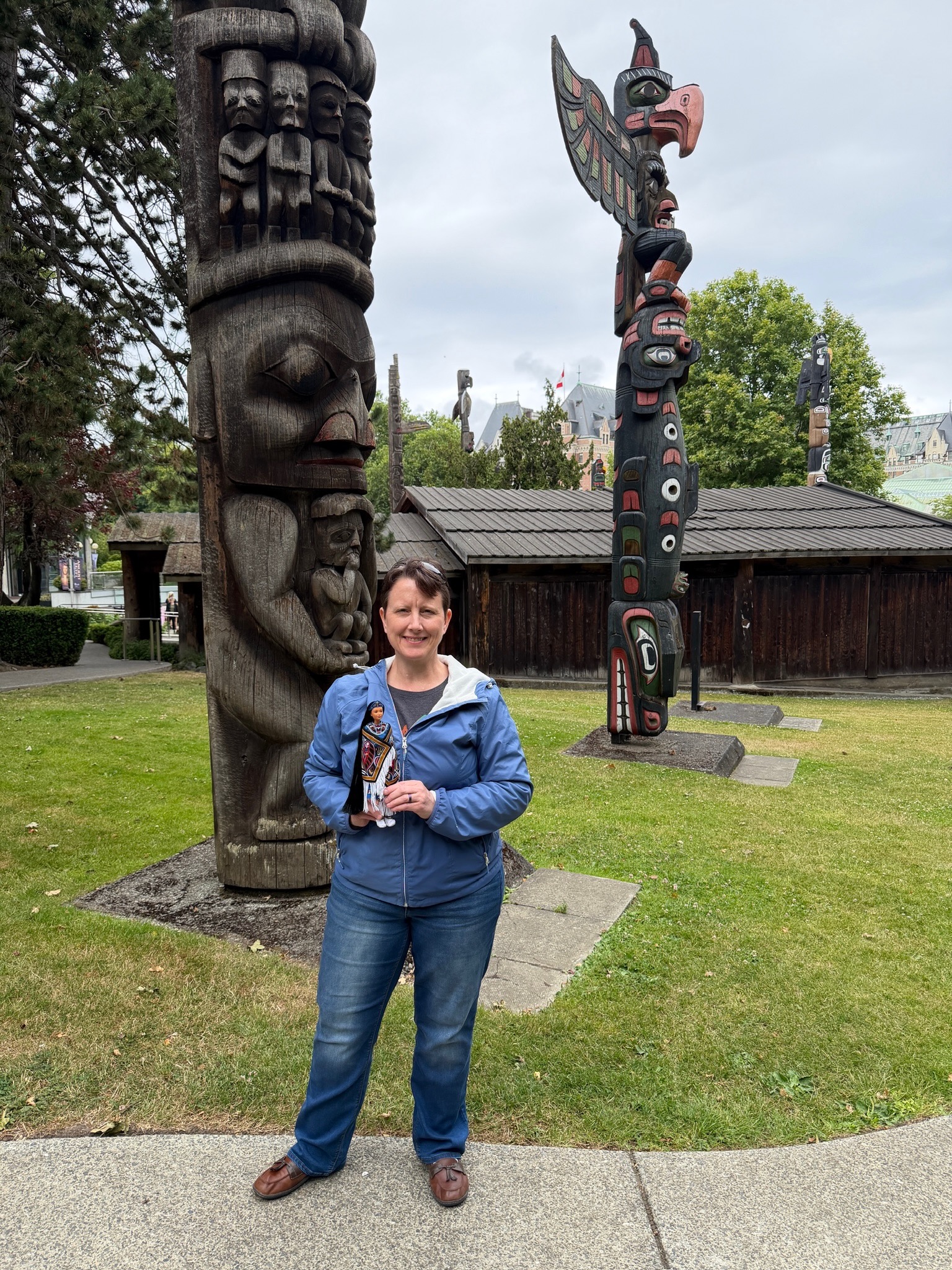
After filling up at the Factory we walked over to Thunderbird Park, where totem poles were erected in 1940 to preserve some of the region’s deteriorating Aboriginal art. Carvers have maintained and replaced the poles ever since.
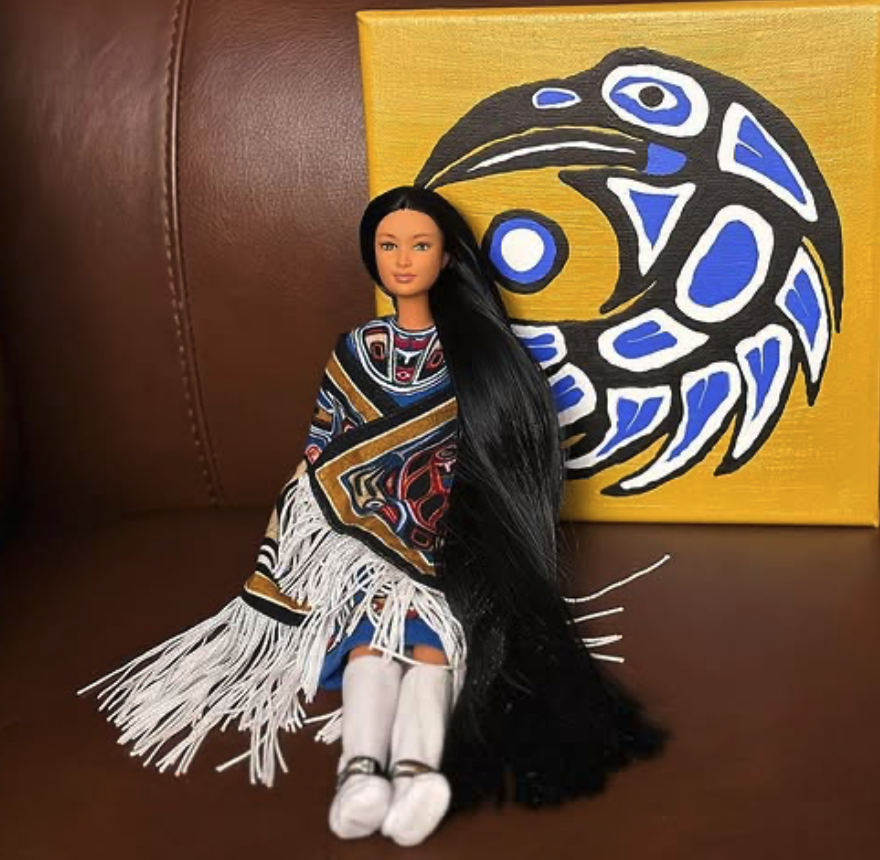
During Fall Break in 2023, I had taken Wendy to the Doll Cradle in Shawnee, Kansas, where she purchased a Northwest Coast Native American Barbie from 1999. The doll’s outfit reminded her of the native art we had seen in Victoria on our honeymoon. She spent a couple of weeks painstakingly re-rooting that vintage doll’s hair, dealing with a split in the head and oozing glue that had to be remediated. Wendy brought that favorite Barbie with us to Victoria for our tenth anniversary.
We walked up to Government Street for some shopping, and we browsed Munro’s Books, which since 1984 has occupied a neoclassical 1909 building designed by Thomas Hooper for the Royal Bank of Canada.
Its 24 foot high coffered ceiling resembles that of the porch of the library of Ephesus built by the Romans in the 100s CE.
I purchased a paperback copy of If an Egyptian Cannot Speak English there, which had won several awards and been selected as a Best Book of 2022 by several publications. However, I found it a first novel that was needlessly disjointed and confusing, and I abandoned it before we left Canada.
We walked around The Empress Hotel, where Wendy had admired roses on our honeymoon. There were some roses again this time, but not at their peak. However, the plantings were still quite beautiful. I was glad to see that Surfacing is still being maintained. It is a four-by-six meter garden sculpture of a mother and baby orca formed from almost 10,000 Alternanthera, Santolina, and Fistula plants.
We walked to the Bay Centre mall on another day. It is always interesting to see how malls are faring these days. Oklahoma City’s Penn Square and Tulsa’s Woodland Hills malls are still thriving, while Bartlesville’s Washington Park has a smattering of local vendors and no remaining anchor stores that connect with its interior, and many other malls have been abandoned or demolished.
I figured Bay Centre might be struggling, given that it opened in 1989 with an Eaton’s that later became a Sears Canada, and finally The Bay. The Bay was the last gasp of the venerable Hudson’s Bay Company, founded in 1670 and until its liquidation in 2025 the oldest company in North America. It fell victim to changing times and all-too-typical private equity financial shenanigans.
The mall was still open, although the multi-level space along Government Street that was once The Bay was empty. The food court was unappealing, while there were local stores in a couple of the larger spaces.
We were again staying at the Magnolia Hotel, where I had ensured we would have a view of the Parliament building on the Inner Harbour.
On July 1, we could see the crowds for Canada Day on the lawn for local musical performances, with various food booths and trucks lined up along Belleville Street.
We could hear the music from our hotel room, although we didn’t care for much of it. I did enjoy the version of La Roux’s Bulletproof by Covers in a Dangerous Time, and I also liked a remix by GAMPER & DADONI. However, bear in mind that I’m attracted by the music and oblivious to the lyrics, unlike Wendy, who can recite lyrics to countless songs, quote verbatim from her favorite movies, etc.
We browsed the food offerings along Belleville Street, but we ended up back at The Old Spaghetti Factory. Our hopes of seeing the Canada Day fireworks from our hotel room were for naught, as they were set off farther north. We could only see diffuse blooms of reflected light on a nearby tall building.
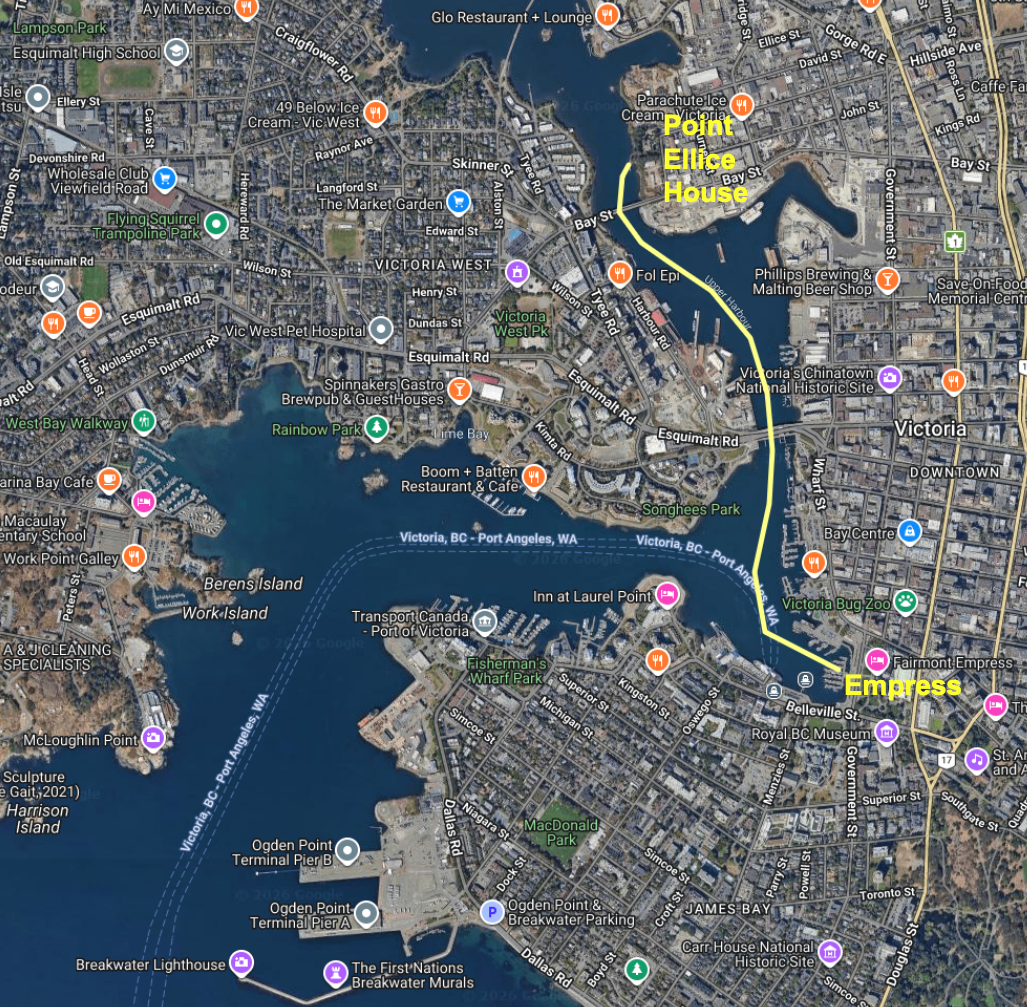
Another day we walked down to the dock at The Empress hotel to ride one of the Victoria Harbour Ferry pickle boats to Point Ellice House. The Hobbis family initiated the ferry service in 1990 with two boats, and it now has 15 passenger vessels offering water taxi hops about the Inner Harbour and Gorge. Captain Kato made an excellent approach to pick us up.
Wendy shot a video of the interior of the pickle boat as we prepared to set off north.
I knew it was the simplest way for us to travel to Point Ellice House, with us passing under the Johnson Street bascule bridge into the Upper Harbour, which is far more industrial than the touristy Inner Harbour.
Kato told us how the Inner Harbour was once quite industrial as well, and we passed a Ralmax barge which transports cement components from Vancouver to Victoria. He explained its operation and how Ralmax bought a majority stake in the Victoria Harbour Ferry in 2020, so its owner now gets to watch his fleet of tiny ferries zipping around the harbour along with his lumbering barges; Barry Hobbis retired from running the ferry in 2022.
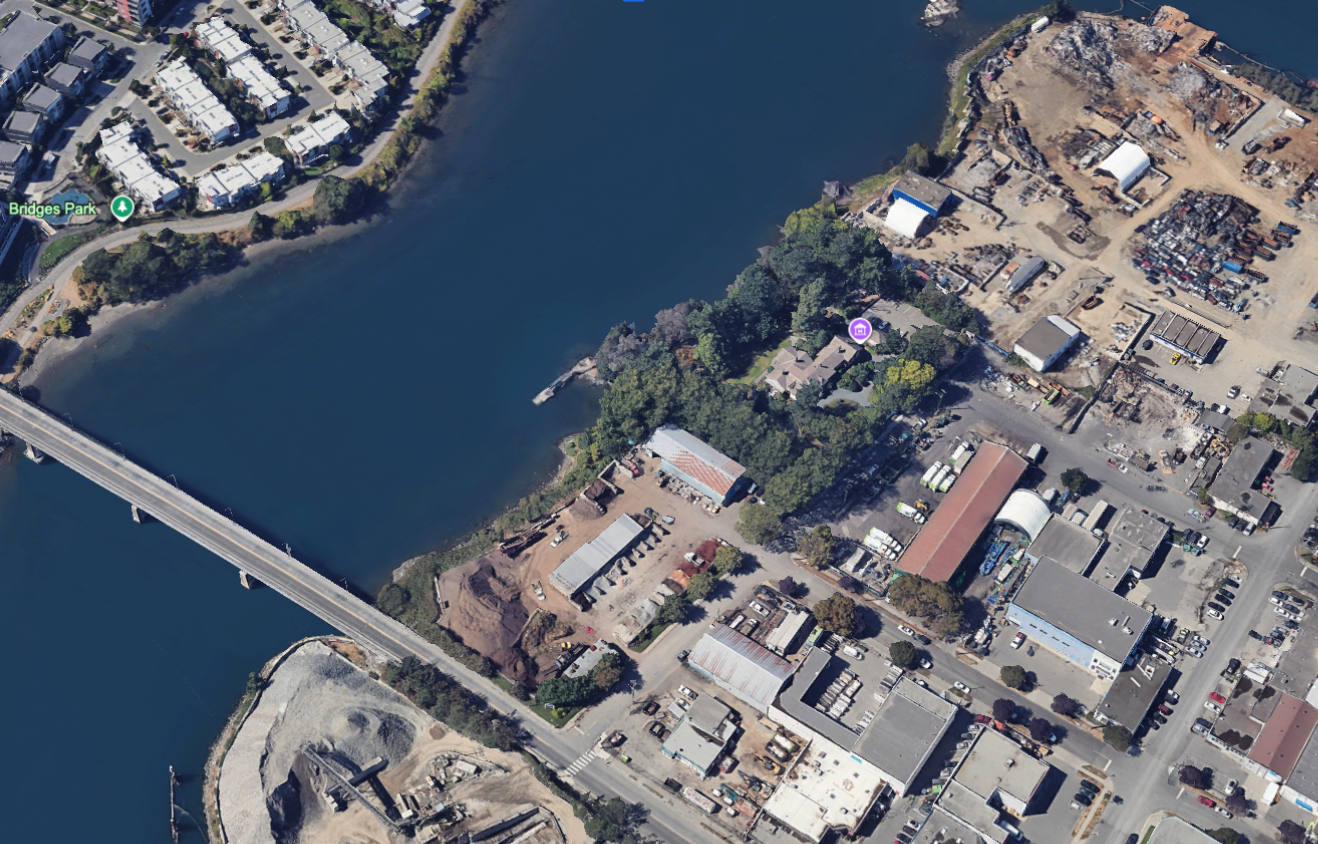
We passed under the Bay Street Bridge, which is particularly sturdy, as it replaced the Point Ellice Bridge that collapsed in 1896 under the weight of an overloaded streetcar. 55 people died in that accident, one of the worst transit disasters in British Columbia.
The old house with its beautiful grounds is a little oasis, with large trees screening it from the noisy industrial areas around it. You walk up from the dock to cross a beautiful back lawn.
Back in 1999, I had enjoyed tea on that lawn with delicious cucumber sandwiches, but they no longer offer that amenity. The home was constructed in 1861-1862 for Catherine and Charles Wallace. Peter and Caroline O’Reilly took it over in 1867, and they added a wing in the late 1800s. The family lived there until 1975 when it was sold to the province of British Columbia.
The house is like a time capsule with thousands of original items, but the province has struggled to keep it running. Various organizations have operated it on its behalf, and in January 2024 the Métis Nation British Columbia took over management. The ferry folks weren’t even sure the house would be open, but I had confirmed that we could access it.
As we began our self-guided tour, Wendy and I were unaware that the Métis Nation had taken it over, but we noticed how the signage tastefully acknowledged the colonial history of the home and its owners, with Peter O’Reilly having been an Indian Reserve Commissioner who largely shirked his duties and avoided meeting with First Nations leaders. As I had expected, Wendy enjoyed the grounds more than the house itself.
After touring the house and grounds and browsing the gift shop in the old carriage house, we walked down to the dock at the Selkirk Water. I called the ferry company on my cell phone, and while we waited to be picked up, a rental hot tub boat floated by.
The bows of those boats have onboard stoves heated by compressed logs.
One of the ferries transported us back to The Empress, passing another pickle boat on the way.
Some summers the company has a choreographed Water Ballet of the cute little craft.
On our way back to the Inner Harbour, we also saw folks on stand up paddleboards and passed seaplanes. A few days later, we’d see and hear seaplanes taking off on Lake Union in Seattle.
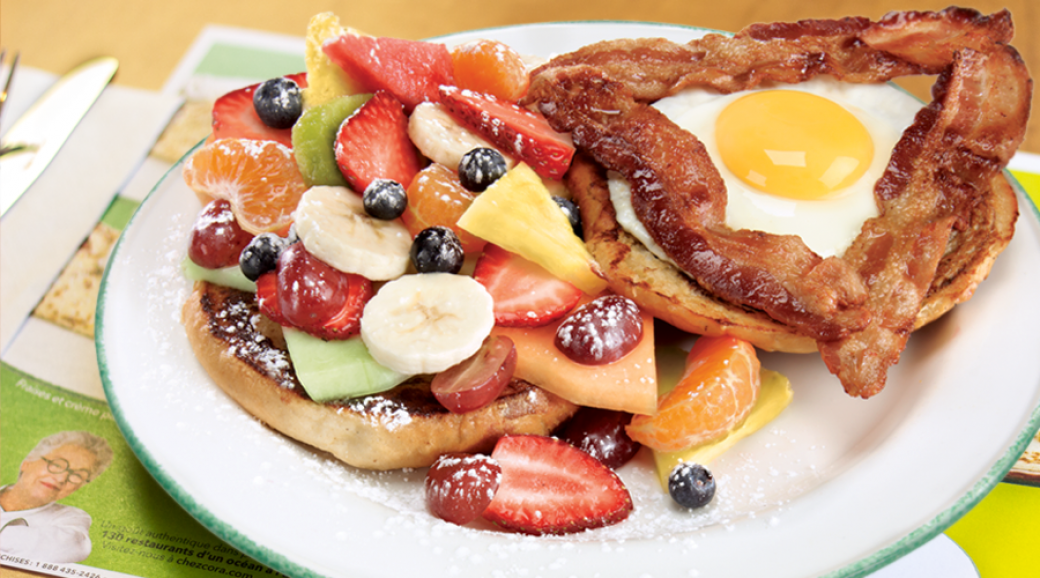
We tried the hotel’s room service breakfast on Day 5, but on Day 6 we had breakfast at Frankie’s Modern Diner, where we had enjoyed a dinner. On Day 7 we breakfasted at a local branch of Cora’s, where I ordered the 1990’s Harvest with a cinnamon bun dipped in French toast batter, a scrambled egg, bacon, and an impressive amount of fresh fruit. We enjoyed Cora’s enough to dine there again on our final day in Victoria.
We woke up on July 4, 2026, our nation’s semiquincentennial, in another country, but the Victoria Clipper V would remedy that. However, it didn’t depart for Seattle until 5 p.m., so after checking our bags at the ferry building we walked to the public library to relax and read. Then we boarded the clipper so that we could celebrate our country’s 250th birthday with a tremendous fireworks show at Lake Union, which I’ll share in the next and final post from our anniversary trip.
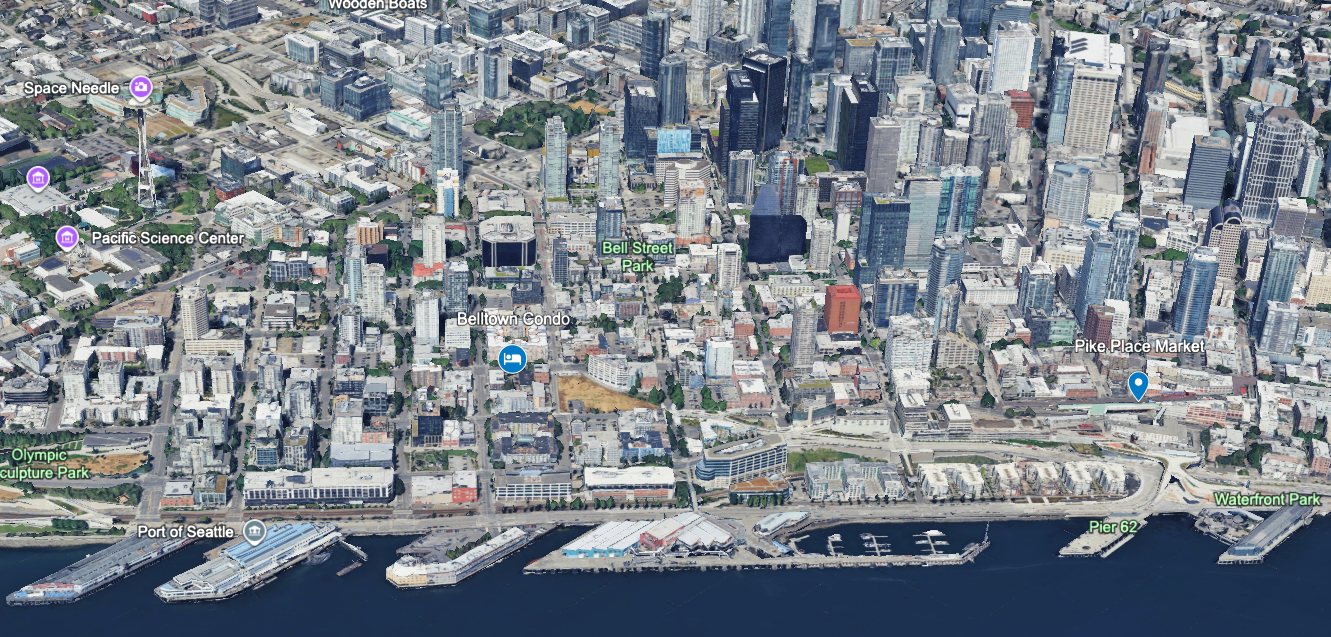
Wendy had never been to Seattle before, while this was my fourth visit. The rented condo in Belltown allowed us to walk a half-mile southeast to Pike Place Market one day, and on the next stroll a half-mile north to Seattle Center with the Space Needle and the Museum of Pop Culture. We would do plenty of walking on this vacation, averaging over 9,000 steps per day.
Waterfront & Pike Place Market
We walked to Pike Place Market on Day 3, and to the Space Needle on Day 4
On Day 3, we walked downslope from the condominium to the waterfront, passing the Norwegian Encore cruise ship, one of the massive modern mega-ships. It is nearly four times heavier and significantly longer than the famed RMS Titanic, and its 20 decks make it about twice as tall.
As we passed the mega-ship, the Bay Lady, a 19th-century-style gaff-rigged schooner launched in 1989 was coming in to dock.
We reached Waterfront Park, made possible by the removal of the 1950s double-decker Alaskan Way Viaduct that marred the waterfront on my earlier trips to The Emerald City.
Seattle removed the old Alaskan Way Viaduct, transforming 1.5 miles of the waterfront
Our rental car passed along the tunnel that replaced it multiple times during our stay, and I suppose I’ll eventually get a bill for those tolls through Enterprise Rent-A-Car. I tried creating an account with the toll authority to handle them myself and avoid service fees, but that was a fiasco. Lousy online services are not limited to governments in “red states” like Joklahoma; Washington state also has its struggles.
We climbed the Salish Steps to Pike Place Market. I’d done some homework to help Wendy avoid the fish throwing and the gum wall. At a fruit stand she bought some delicious white nectarines, cherries, and an apple, and I guided us through the maze to Lamplight Books.
I’d finished my last Carlton Keith paperback on the plane flights, and I thought it would be nice to have some short stories I could read on the way back or on future trips. I snagged a 1958 fifth printing of The Portable Chekhov, which had previously been in the library of retired Seattle lawyer Darrell L. Syferd. A little online sleuthing showed that he bought it when he was earning his Bachelor of Divinity at the Princeton Theological Seminary.
The paperback was still in great shape, and I enjoyed reading The Lady with the Pet Dog, one of Chekhov’s most famous works, and then started reading from the start of its chronological selections with Vanka, The Privy Councilor, and A Calamity before heading home. I’ve linked to the translations of those stories by Constance Garrett, which are available for free on Project Gutenberg, while what I read in The Portable Chekhov were translations by Avrahm Yarmolinsky.
On the flights home, I stuck with a Kindle novel by John Cheever, as I like more plot in a story than what Chekhov offers. I find I am more attracted to my physical books of short stories by John Cheever and Roald Dahl and my Kindle books of short stories by Eudora Welty and Flannery O’Connor. However, I might well read more from the Chekhov collection in the years to come.
On our walk along First Avenue back to the condo, we passed the Careless Whisper mural, which is in the pop art style of Roy Lichtenstein. A woman embraces a skeleton, saying, “I don’t care what they say…I KNOW we belong together!!” The London-based artist D*face created the mural in 2018.
Farther along another mural was being created. It showed old-time Seattle, back before downtown was regraded, along with imagery of the Trianon ballroom building and the Century 21 Exposition of 1962, which included the city’s emblematic Space Needle.
Seattle Center
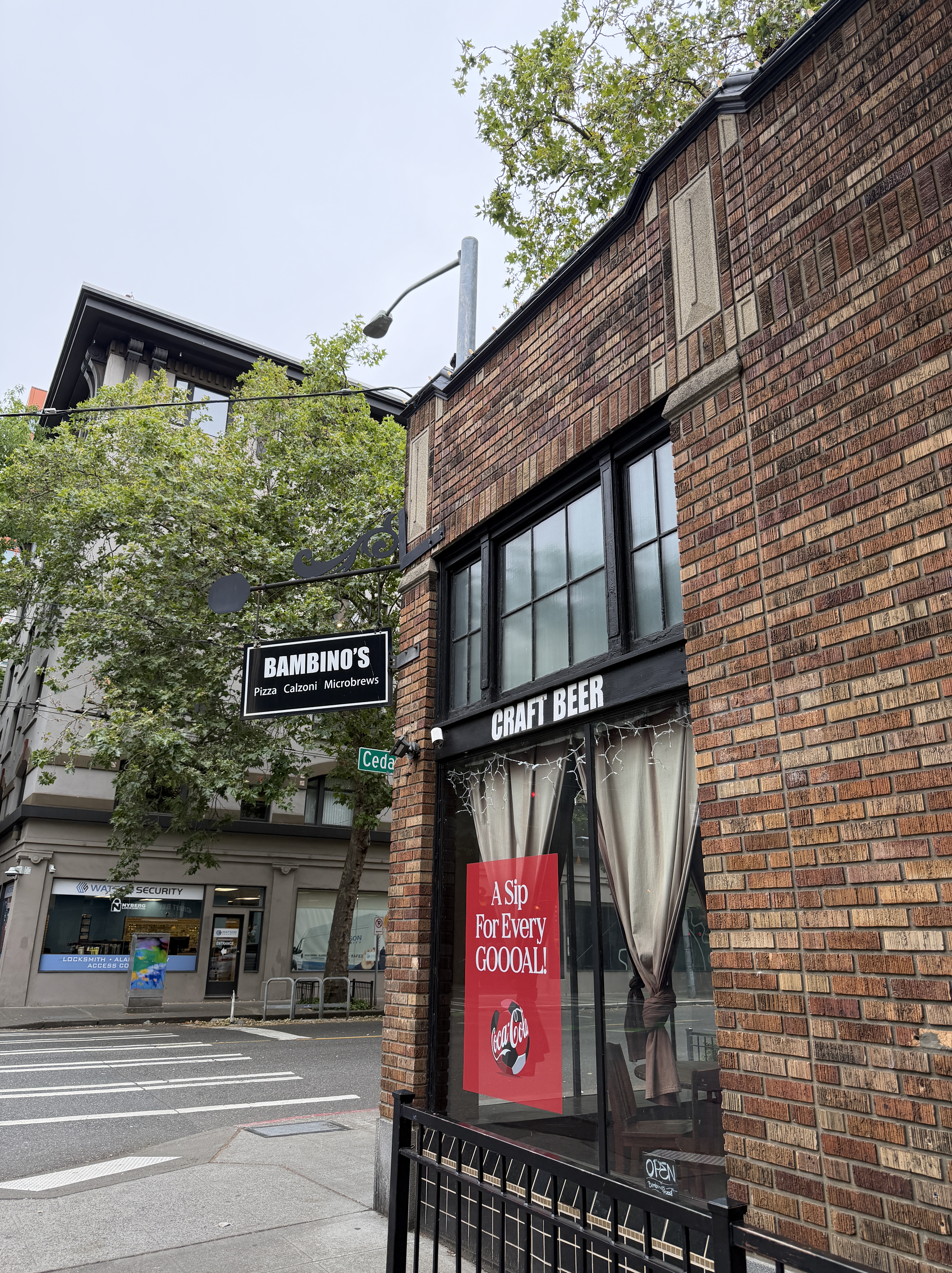
The next morning we headed toward the Needle, passing a Bambino’s that I had to get a quick shot of given that Brian Black’s Bambino’s Downtown Bistro in Bartlesville is a favorite for Wendy and me.
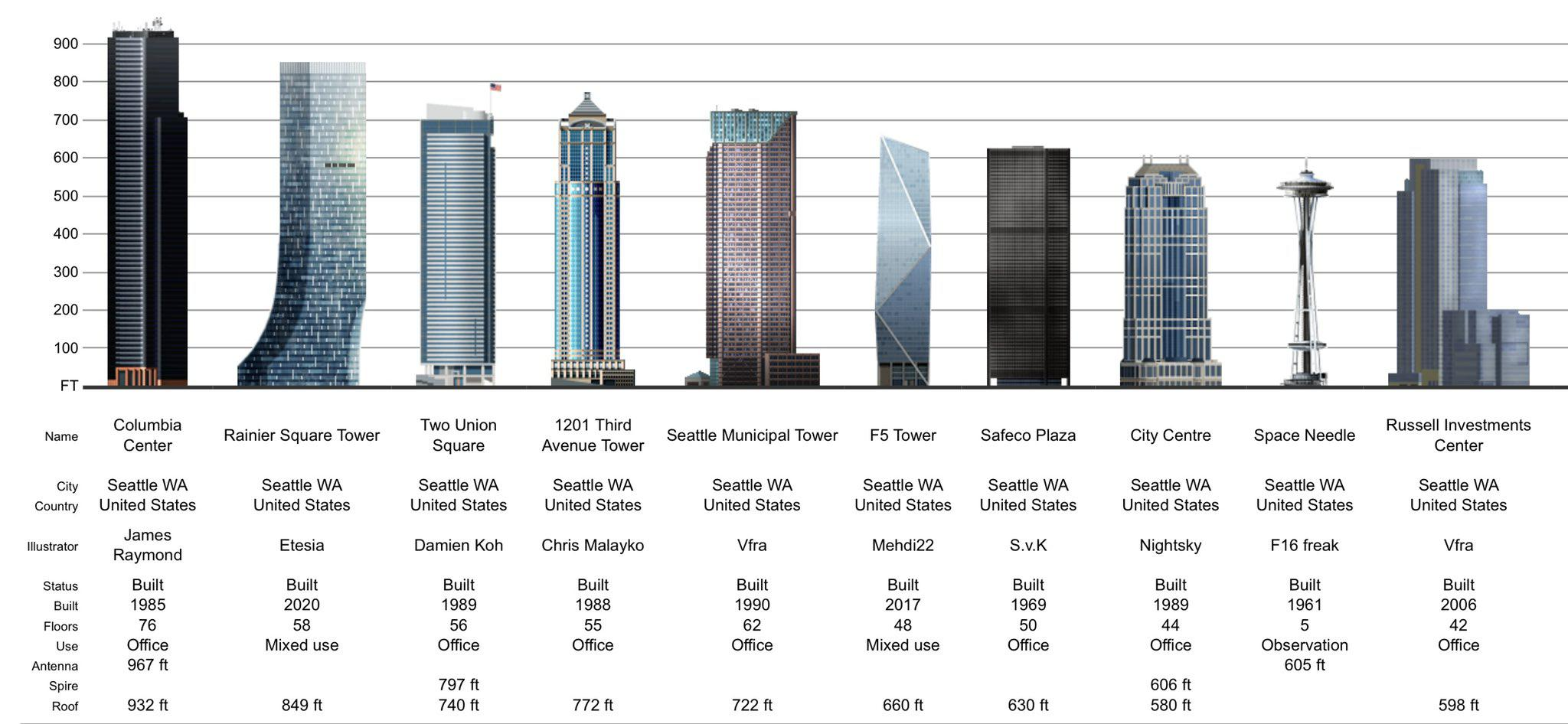
Soon we were stepping up to the Space Needle, which rises 605 feet, with an observation deck at 520 feet. It was once the tallest building west of the Mississippi River, but over 60 years later there are eight skyscrapers in Seattle alone which are taller. Seattle has view corridors, zoning caps, and other restrictions to preserve public vistas such as views of Elliott Bay and the Space Needle.
The Space Needle is now shorter than eight other Seattle buildings
We rode up the double-decker elevator to the upper viewing platform, where Wendy stayed within the building while I roamed the deck.
I’d been up there a couple times already, but it is always fun to get a panorama of downtown, and I realized that this was likely the last time I’d enjoy the view.
I located our condo from on high, tucked behind one of the taller buildings in Belltown.
I could look down through the slats at the Museum of Pop Culture, with its wild design by architect Frank Gehry, fashioned when it was called the Experience Music Project.
Down in the gift shop was one of maybe 120 surviving Mold-A-Matic or Mold-A-Rama machines, modernized so that I could scan my credit card to get an injection molded plastic Space Needle. The machines debuted at the 1962 Century 21 Exposition in Seattle, churning out Space Needles, monorails, and other designs. I first encountered them at the Lincoln Park Zoo in Oklahoma City when I was a kid.
The piece of plastic was molded for me for $5. They originally sold for 50 cents in 1962, and the inflation calculator says that would be $5.53 in 2026 dollars, so they’ve always been pricey. I propped my little Space Needle up on the condo balcony later, giving it a thumbs up for scale.
My Space Needle has a bit of a lean
I then packed it into a spare shoe in my suitcase for the rest of the vacation, and my Leaning Tower of Seattle now adorns one of the bookshelves at Meador Manor, guarded by Buck Atom and Mark from G Force or, for purists, Ken the Eagle from Science Ninja Team Gatchaman.
Our next stop was the Museum of Pop Culture, which was the Experience Music Project on my previous visits to Seattle. Microsoft co-founder Paul Allen founded it in 2000 as a tribute to Jimi Hendrix, with the Science Fiction Museum and Hall of Fame opening in it in 2004.
Sadly, the Science Fiction Museum was de-installed as a permanent collection in 2011, and after Allen’s death in 2018 several of its major items have been quietly auctioned off. I was curious to see what remained, and I was happy to see Captain Kirk’s original chair from Star Trek was still on display, although the original helm console I had viewed previously has been sold. To tell the truth, both look shabby in real life and are better appreciated on the small screen.
Trekkies like me notice how the right-side controls differ from their appearance in Court Martial
Wendy was most intrigued by the Harry Potter artifacts at the museum, including a hat worn by Dame Maggie Smith playing Professor McGonagall. By the time we exited, we were hungry, so I steered us over to the Armory, which has a food court. One of the World Cup matches was displayed on a huge screen, and fans were seated at most of the tables. Wendy enjoyed her hamburger at Skillet Counter, while I had macaroni and cheese.
On our walk back to the condo, we passed the International Fountain from the 1962 Seattle World’s Fair, which was renovated in July 2021 and has 274 water jets that continue to delight children as they shift and surge.
We passed a Monkey Puzzle Tree, Araucaria araucana. The evergreen is native to Chile and Argentina. Wendy had never seen one before.
We enjoyed our meals in Seattle, including slices of pizza at Rocco’s, save for the Japanese chicken at Karaage Setsuna in our building, which we found repulsive. The weather was consistently cool, with us in long sleeve shirts and light jackets, while back home Bartlesville was broiling at over 90 degrees Fahrenheit with lows never making it below 72. I love summer in the Pacific Northwest.
The next day we would board a fast clipper passenger ferry for Victoria, British Columbia, Canada, but we would be back in the Emerald City on Day 9 for our nation’s 250th birthday, or semiquincentennial.
On July 1, 2026, Wendy and I celebrated our tenth wedding anniversary and my first day of retirement, and I wanted to spend that day in Victoria, British Columbia where we spent part of our honeymoon. Ten years ago, our visit to Canada began and ended in Portland, Oregon. This time, we shifted to Seattle, Washington, which I had visited in 1999, 2005, and 2008. I turned in my work keys and fob and disabled my district account a few days before Wendy and I boarded our flight out of Tulsa.
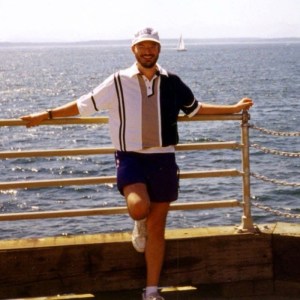
Yours truly in Seattle back in 1999
In Seattle, our rental car turned out to be a red Nissan Sentra, which I drove north from the Sea–Tac airport to a condominium in Belltown I had booked via VRBO. Belltown is now the most densely populated neighborhood in Seattle, situated on the city’s downtown waterfront on land that was artificially flattened as part of a regrading project. Formerly a low-rent, semi-industrial arts district, in recent decades it has transformed into a neighborhood of trendy restaurants, boutiques, nightclubs, and residential towers as well as warehouses and art galleries.
Belltown has been rated as the best place to retire in the Seattle metro area, characterized by CNNMoney as “a walkable neighborhood with everything you need”. I have no intention of retiring to Seattle, which is too big and dense, with winters that are mild but overcast and wet. However, the climate of the Pacific Northwest is my favorite escape from Oklahoma’s sweltering summers. The high temperatures during this stay would average 66°F. I also wanted to experience a walkable neighborhood with bike lanes, public transit, and oodles of nearby restaurants and corner stores as a contrast to the life I have always known in the Sooner State.
Before leaving the rental car facility, Wendy had loaned me a USB C/A cable to connect my iPhone to the Sentra for Apple CarPlay. My 2014 Toyota Camry lacks that feature, although we use it with Wendy’s 2019 Honda Odyssey minivan. I had pre-programmed my TomTom GO app with various destinations, and it helped us navigate downtown. The scene was lively with World Cup fans since Egypt was playing Iran the next day at Seattle Stadium. We stopped in at a lobster rolls restaurant for soft drinks while we waited for check-in at the condo, and I watched a guy grab his vuvuzela and run out to the sidewalk to toot away at cheering fans.
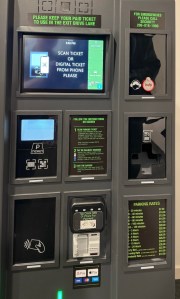
During this trip I had to repeatedly adapt to modern technology such as the keyless car with its CarPlay configuration and start-stop system, as well as ticketless parking garage payment systems. When we drove to the condo, there was a fob for the parking garage and other entry doors and elevators, plus a numeric code for the condo corridor door. I understand the changes, but I sometimes miss physical keys and tickets.
The condominium had been built in 1994, and I had checked that it had air conditioning, which is important to Wendy. Only about 1/3 of the residences in Belltown have it, versus 99.8% of the homes in our part of Bartlesville. I wasn’t too surprised to find it was a retrofit, with a loud portable air conditioner sitting in a floor pan in the bedroom. It did the job, but its cycling interrupted our sleep until we set it to run continuously.
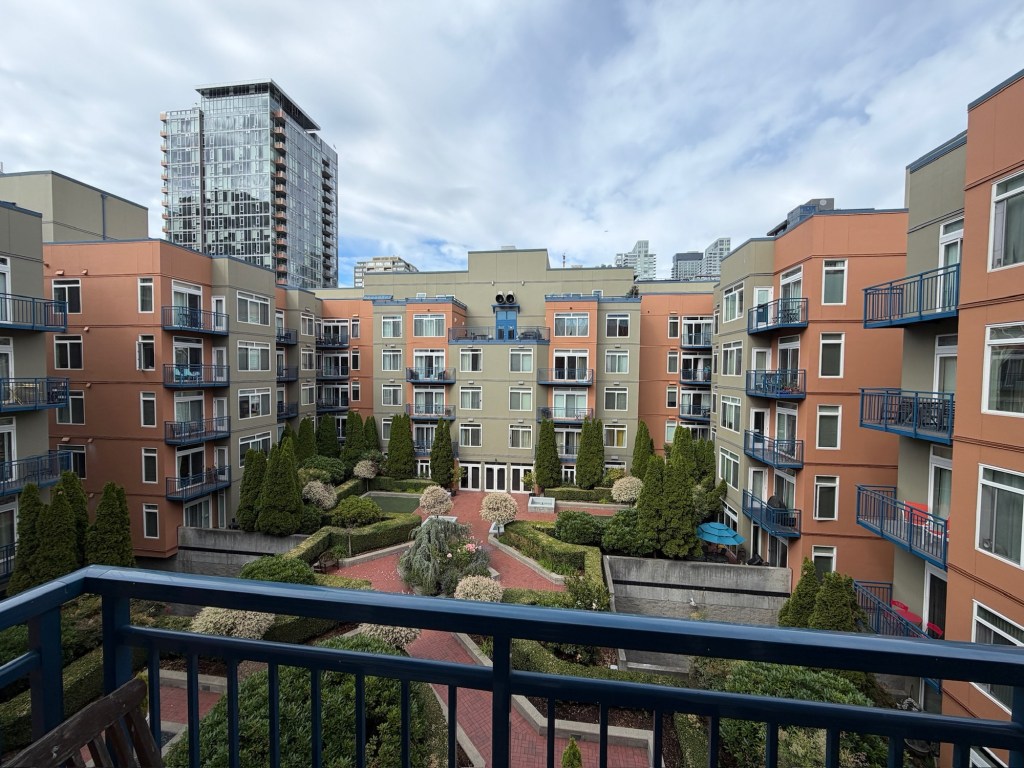
The view from our rear window in Seattle
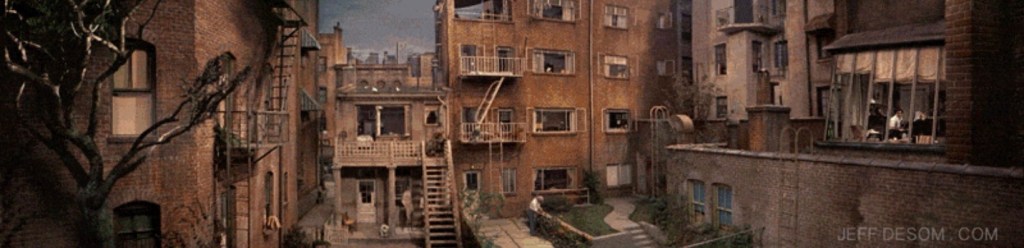
Our tiny balcony had a view of many other units, reminding me of Alfred Hitchcock’s Rear Window, although many units had short-term renters like ourselves, rather than long-term tenants I might classify as Miss Torso, Miss Lonely-Hearts, etc. I’ll refrain from sharing anything I saw there, as Hitch’s film showed how voyeurism can be problematic.
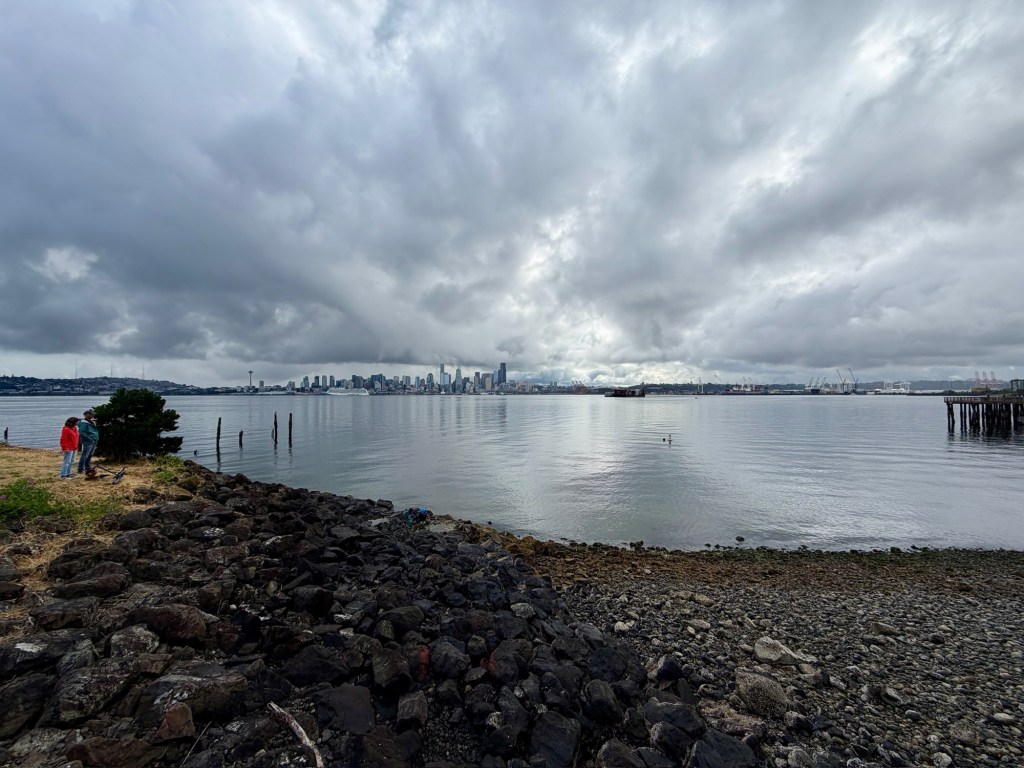
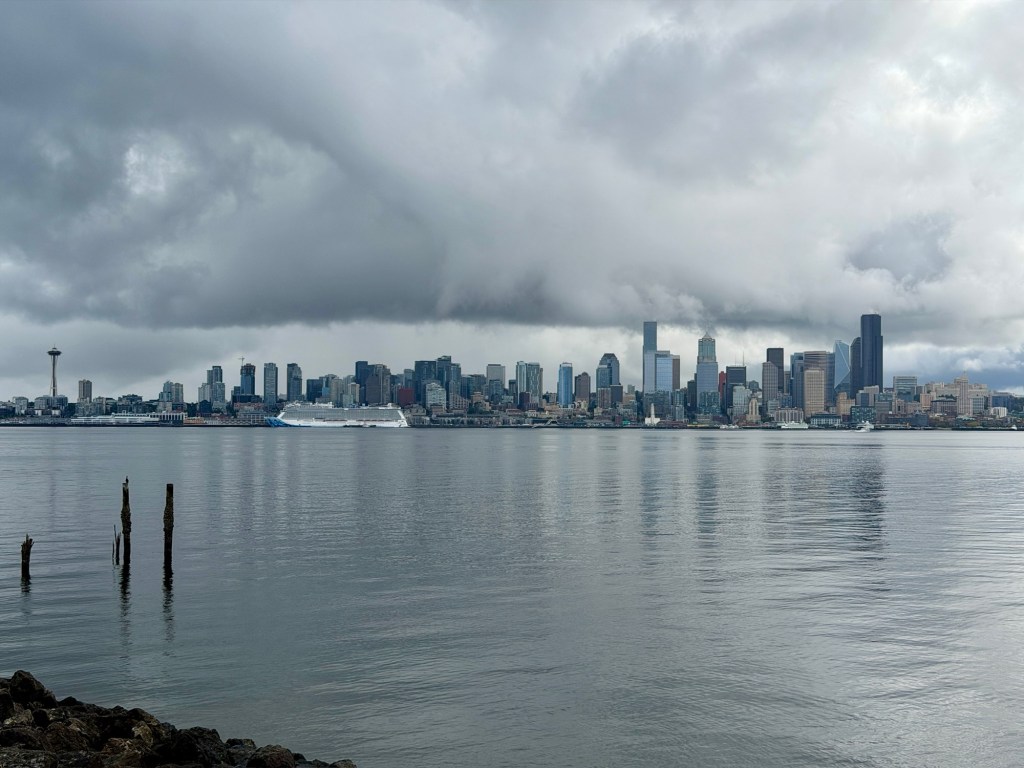
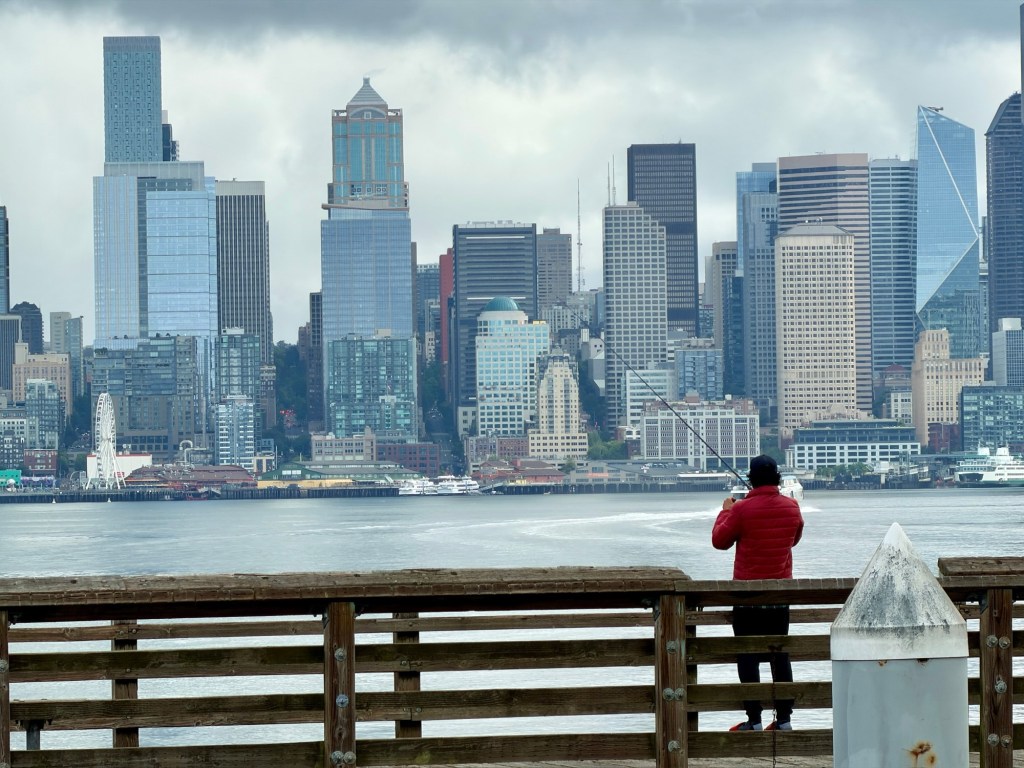
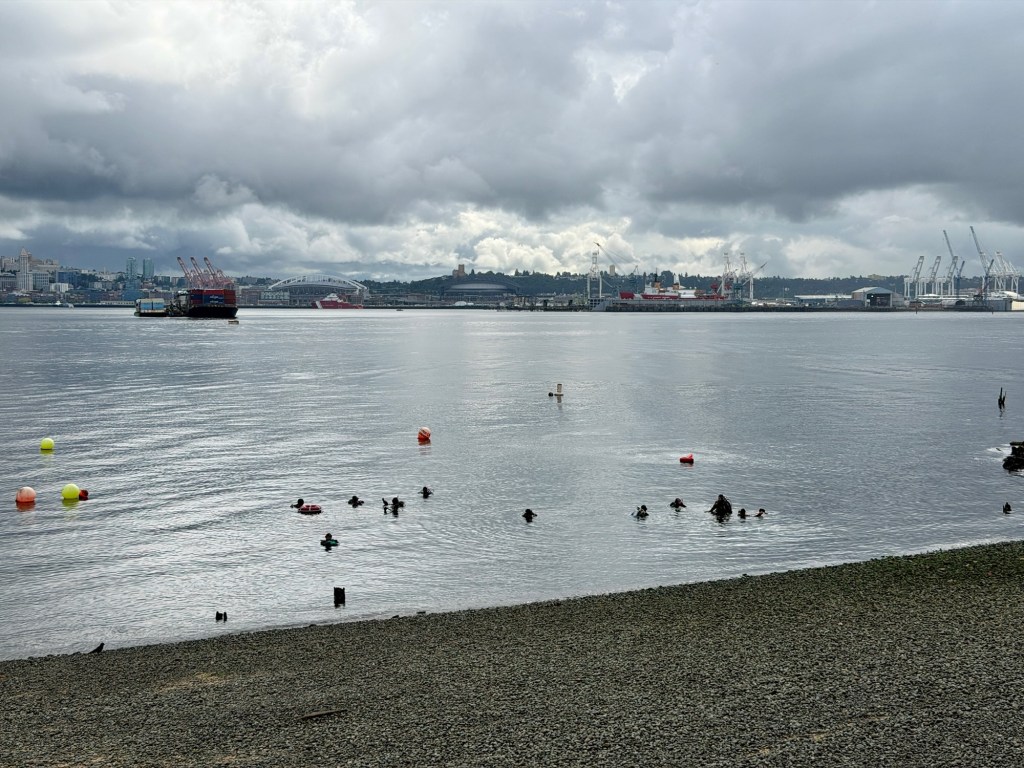
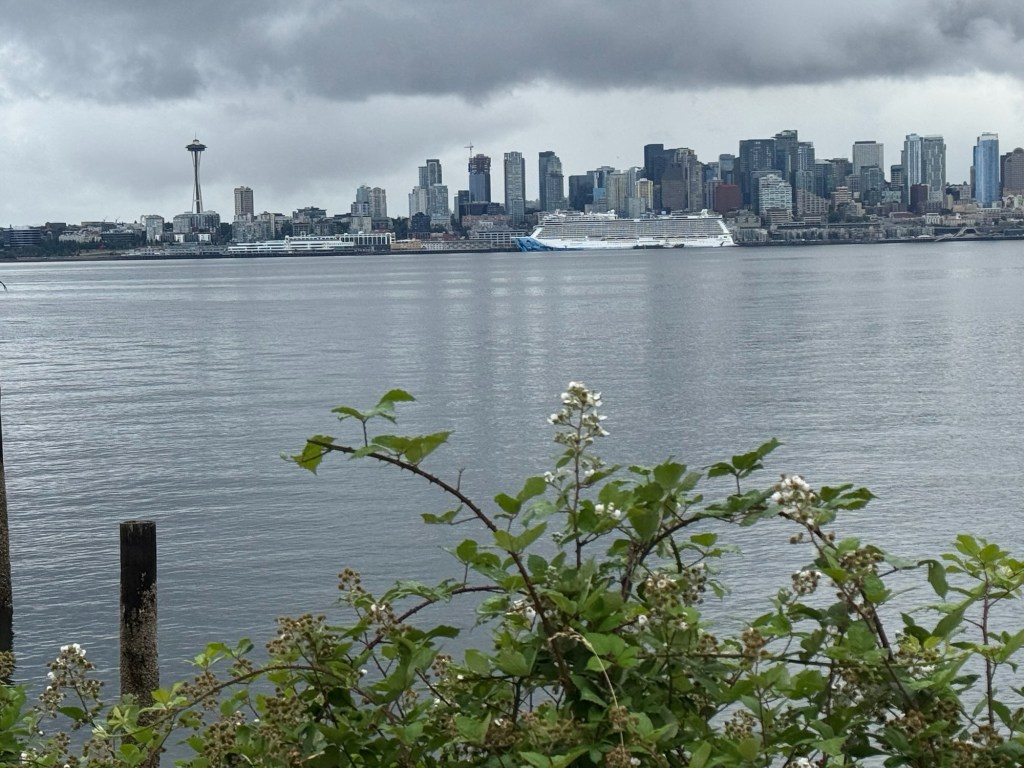
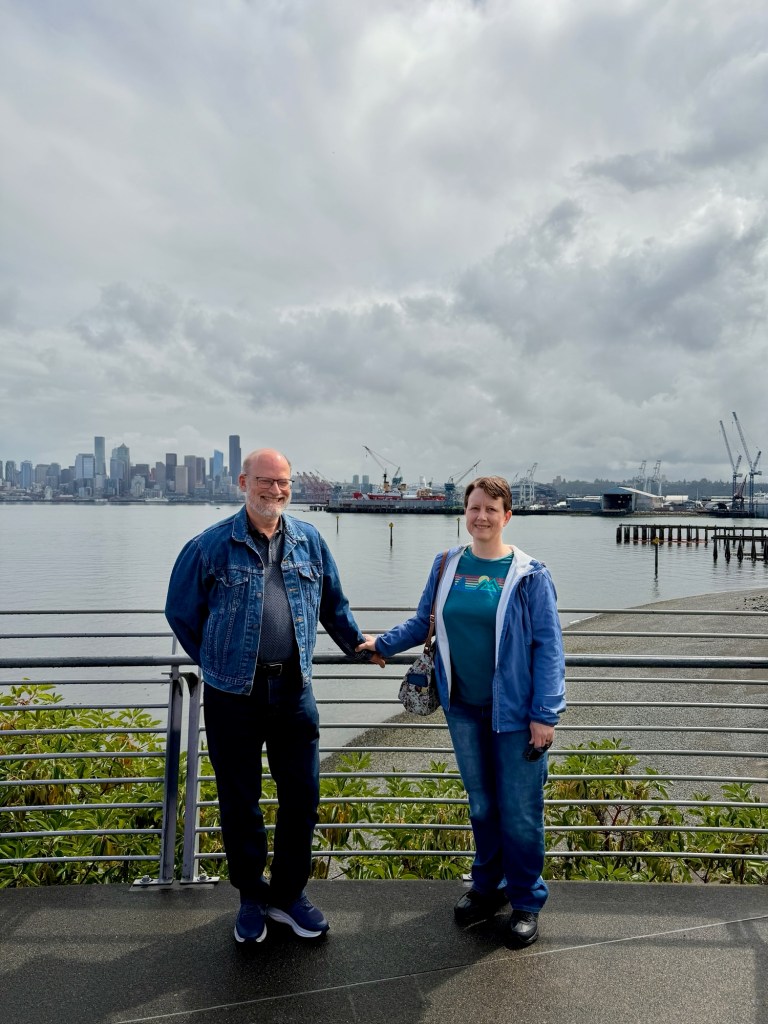
Our honeymoon stay in Astoria a decade earlier had sparked Wendy’s interest in tracking container ships and other vessels, so on our first full day in the city I drove us over to West Seattle, parking along Harbor Avenue at Seacrest Park. We walked over a mile back along the shore of Elliott Bay to Jack Block Park for a viewpoint which provided a closer look at the container ship operations.
Rental Sentra at Seacrest ParkView across Elliott BayDowntown SeattleFisherman across the bay from downtown
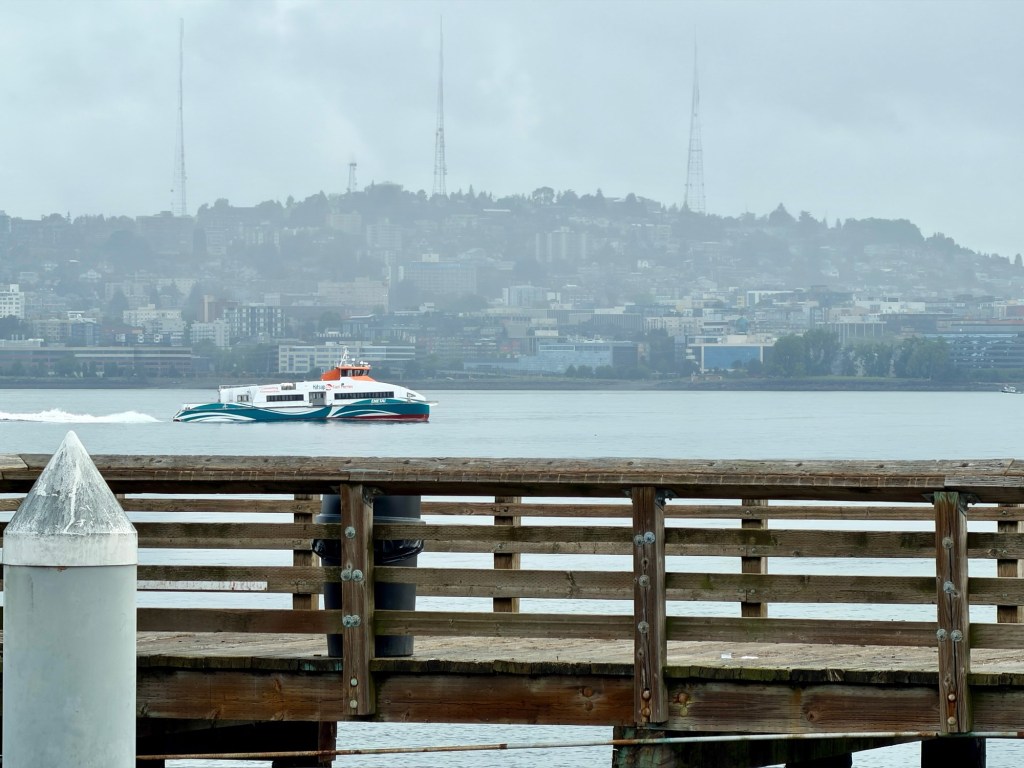
We walked past a scuba-diving class, and Wendy used her maritime tracking app to identify cruise ships like the Royal Princess, both fast and slow ferries, and the Coast Guard’s Storis icebreaker.
Scuba classRoyal PrincessFast ferryUSCGC Storis
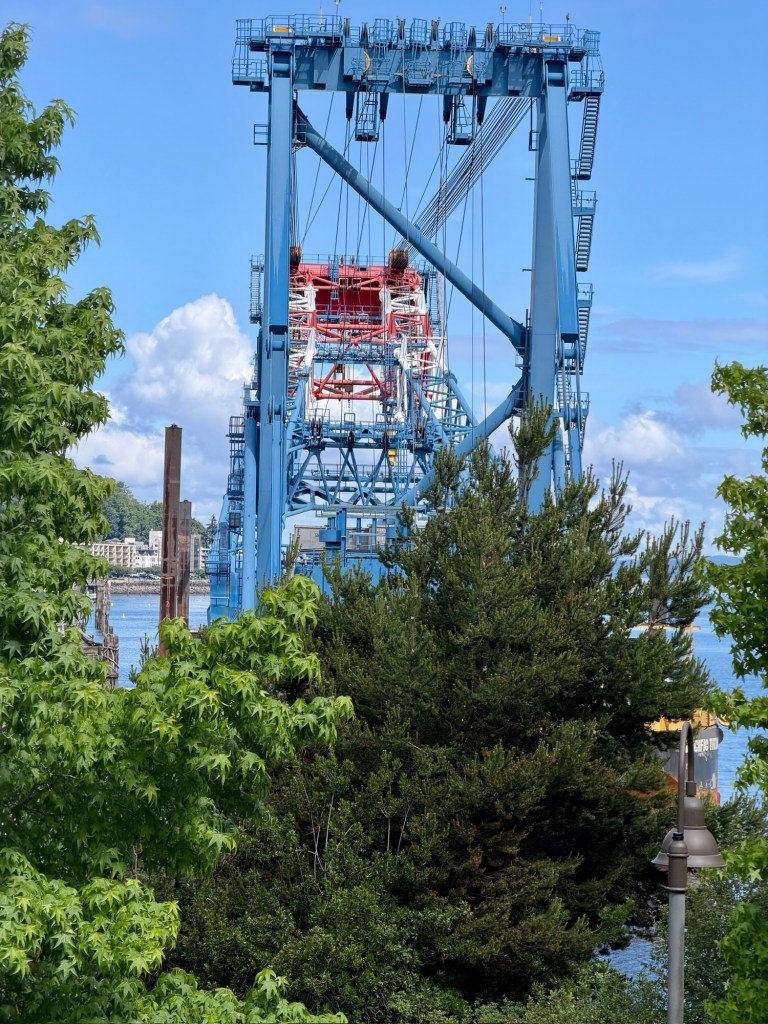
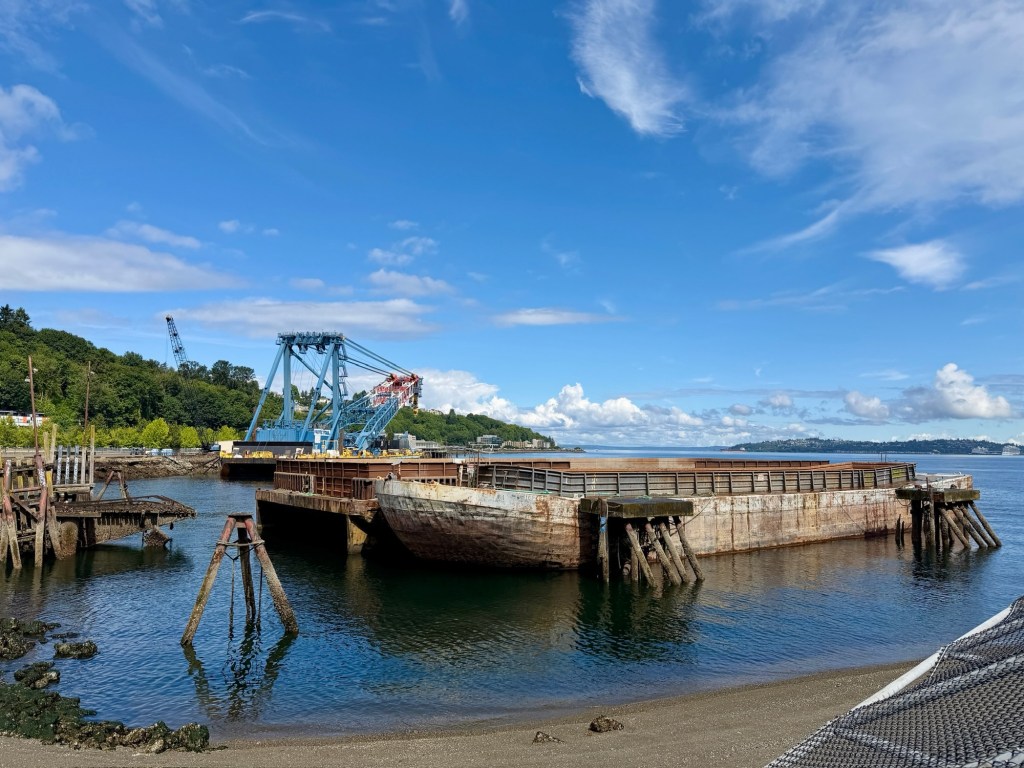
We walked past the Pacific Titan, a huge shear-leg floating crane with a 300-foot boom that can lift 2,000 tons. It was docked next to a couple of old barges.
Pacific TitanPacific TitanOld barges next to the Pacific TitanOld barges
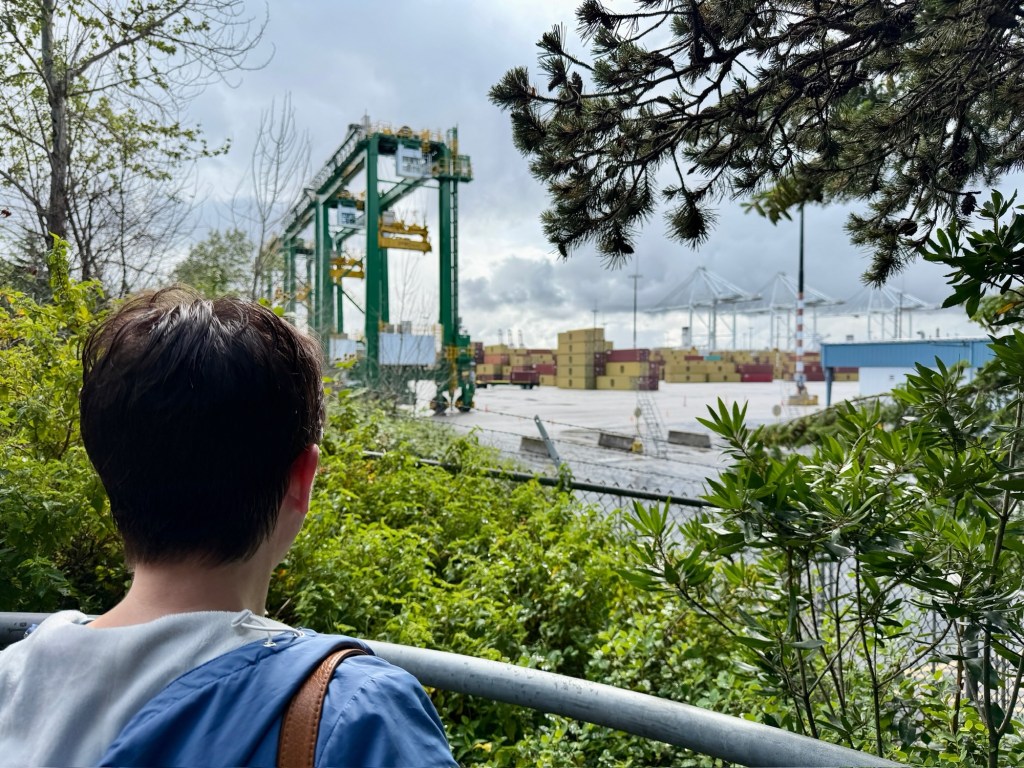
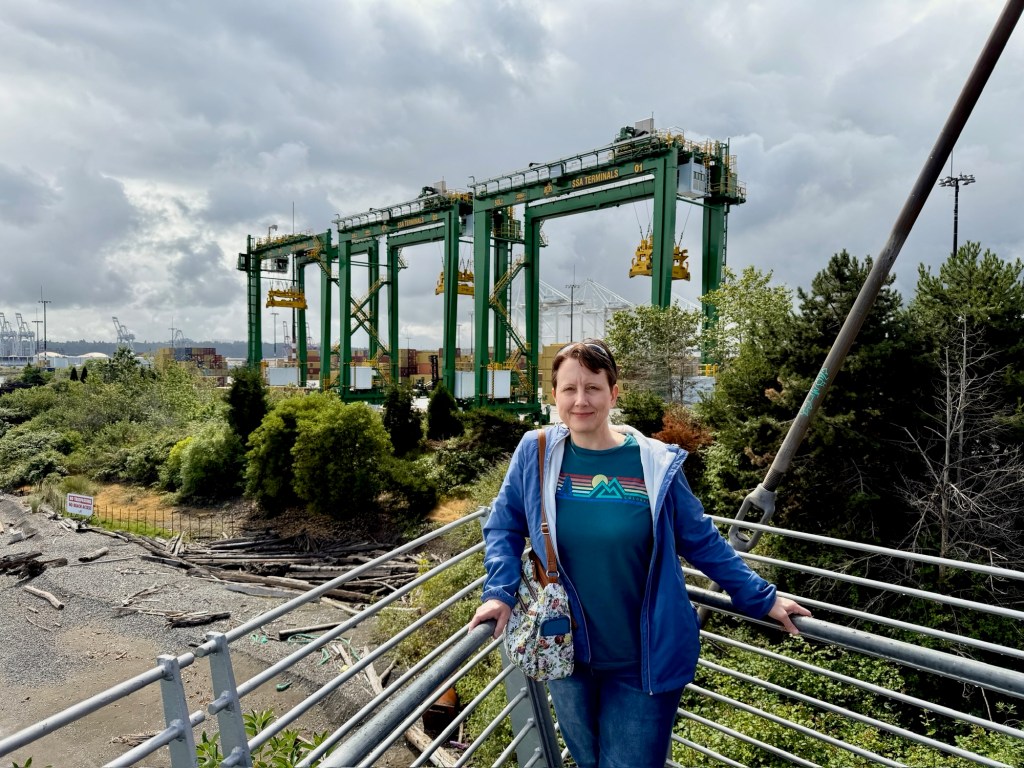
The park’s viewpoint offered a glimpse of forklifts shifting containers at Terminal 5.
Jack Block ParkViewpointWatching Terminal 5 operationsWendy at Terminal 5
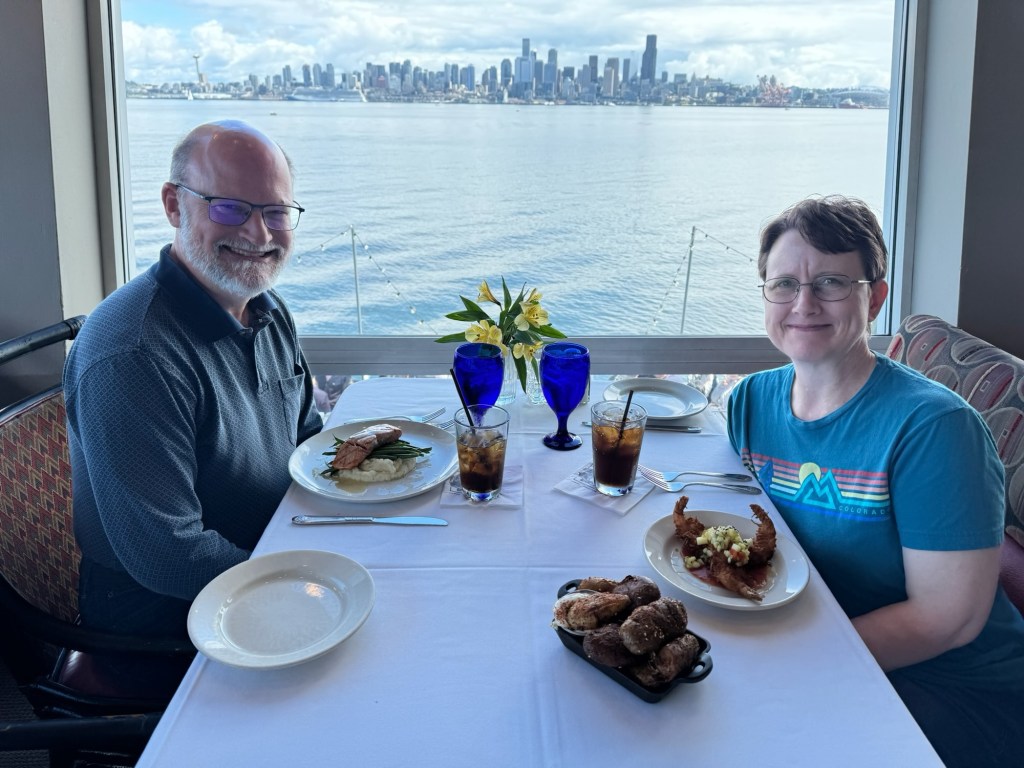
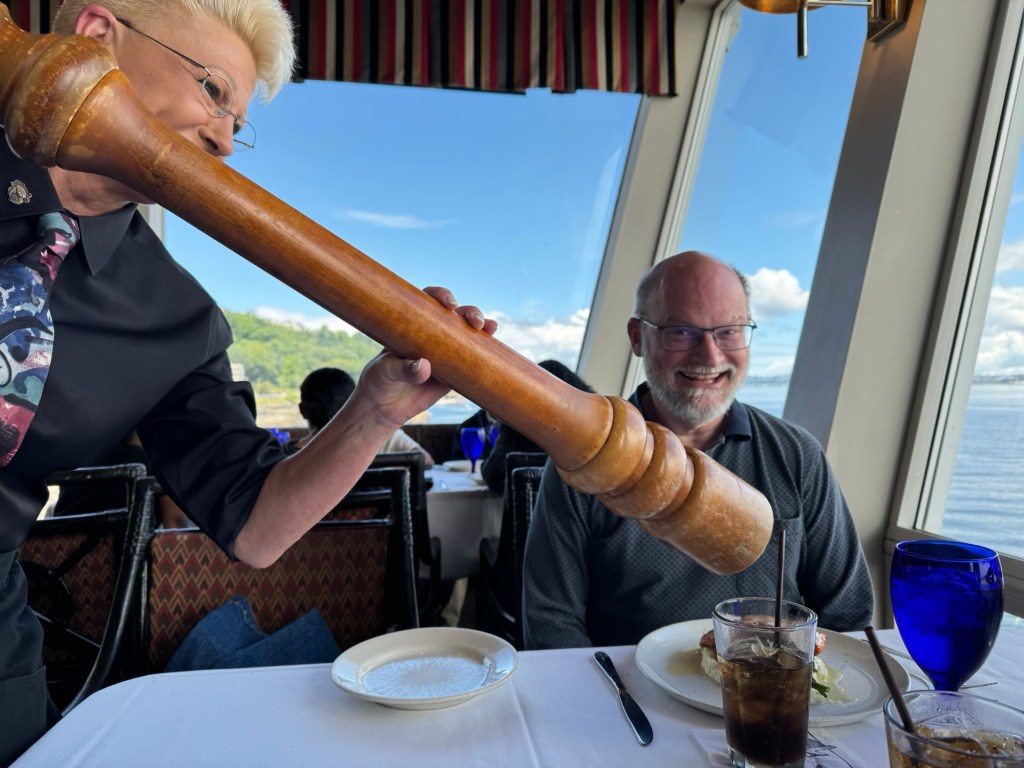
Making our way back to the car, we stopped in at Salty’s on Alki Beach for lunch. That turned out to be one of the best meals of our vacation. Our waitress, Chrissy, was one of the most skilled and friendly servers we have ever encountered. She took our photo, had Wendy shoot a fun photo of her grinding pepper for my King Salmon, and was simply delightful.
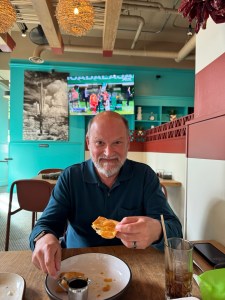
Enjoying a sopapilla at Hatch, with my back to the game
We had dinner at Hatch, one of several restaurants in the blocks about our condo. They were showing World Cup matches on televisions, which were of no interest to me, since I don’t follow any sports.
Our next two days in Seattle would feature more typical tourist traps.
One of the melancholy François de La Rochefoucauld‘s many maxims that he shared over 400 years ago can be translated: “We arrive at the various stages of life quite as novices.”
I have concluded 40 years of work, 37 of them for Bartlesville Public Schools. As a relatively fresh-faced and inexperienced retiree, I think back to when I was a novice in the world of work: my jobs before I began working for Bartlesville Public Schools.
Tourism Department in 1985
My first job was in the summer of 1985, at ages 18-19. I had applied for a few minimum-wage jobs at local businesses, but a family friend was a Bethany city councilman who knew a state senator who recommended me for a job at the State Capitol Complex.
The first offer came from the State Tourism Department to be a minimum-wage office assistant at $3.35 per hour. I accepted, and a few days later the Tax Commission next door offered me a job at $3.45 per hour. But I’d already accepted the position at Tourism, and I was never into accounting, so I didn’t pursue that.
I was shuffled around to help out in personnel, accounting, payroll, and data processing as needed. I was grateful to have a variety of experiences, never getting stuck in one position for more than a couple of weeks.
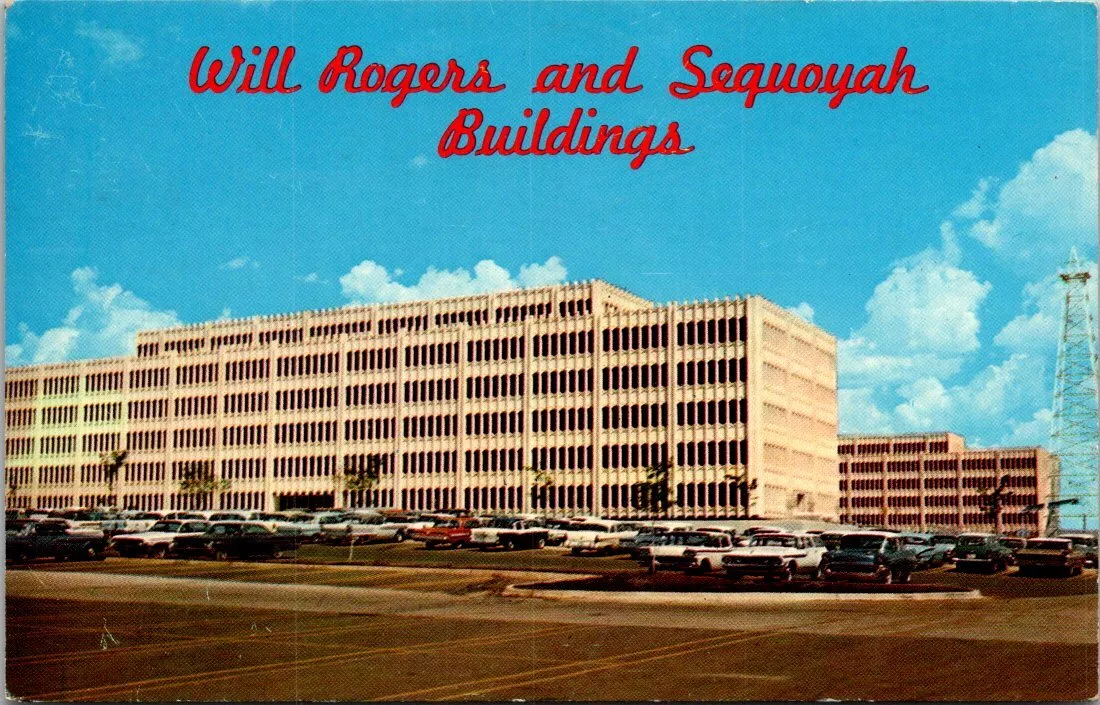
Over 40 years ago, my working life began on the 5th floor of the Will Rogers Building
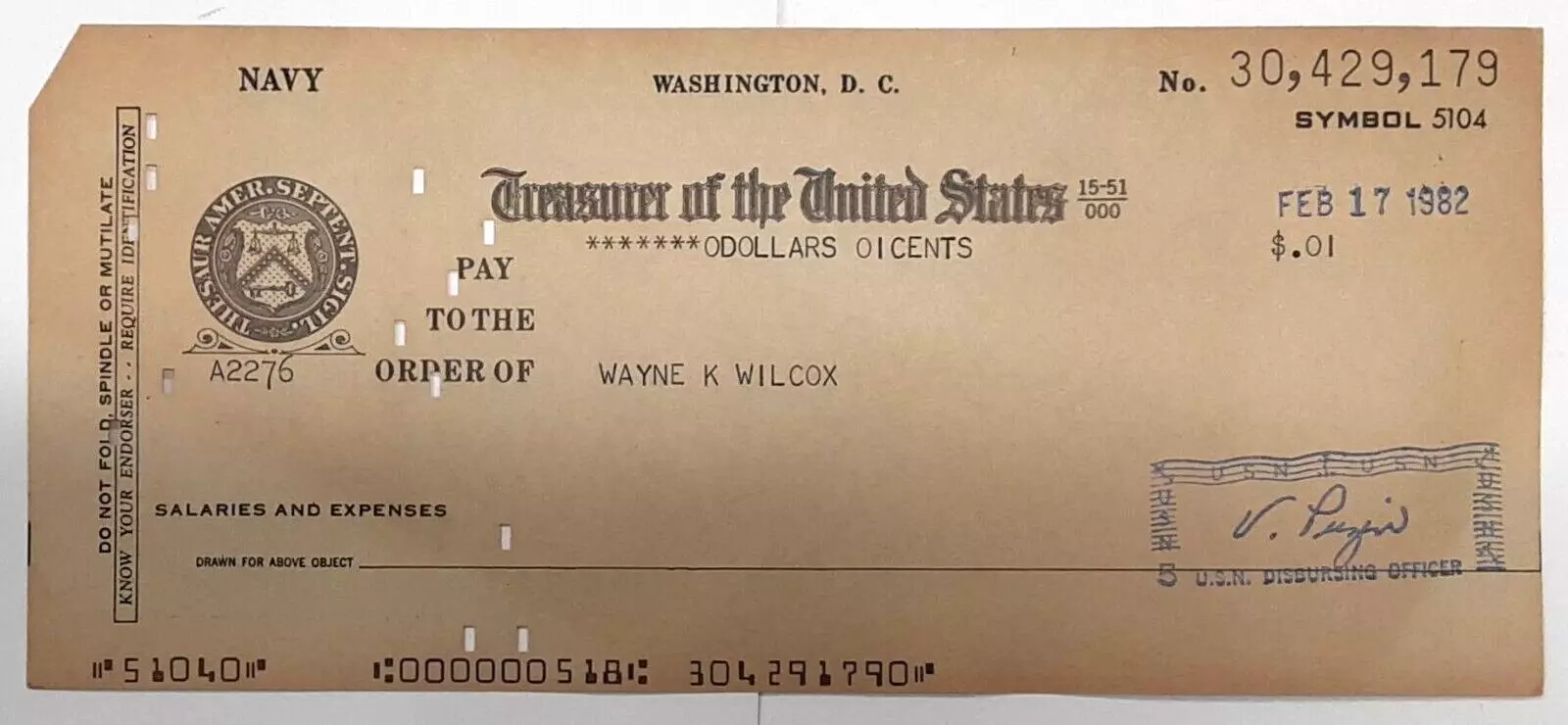
In the 1980s, many government checks still had punch card coding
My favorite memories there are of technologies that even at the time were antiquated, such as punch card checks that were sorted by a huge mechanism, housed in a 12-foot-long alcove, that was so old that repair parts had to be custom-manufactured by a local machinist to keep it going.
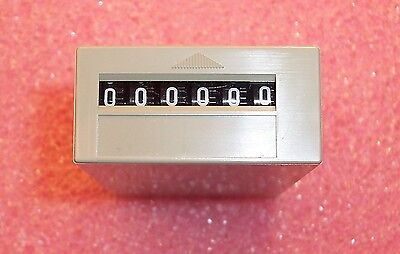
A Xerox Auditron
The Xerox copy machines only worked when you plugged in a mechanical counter called an Auditron so that the appropriate department could be billed.
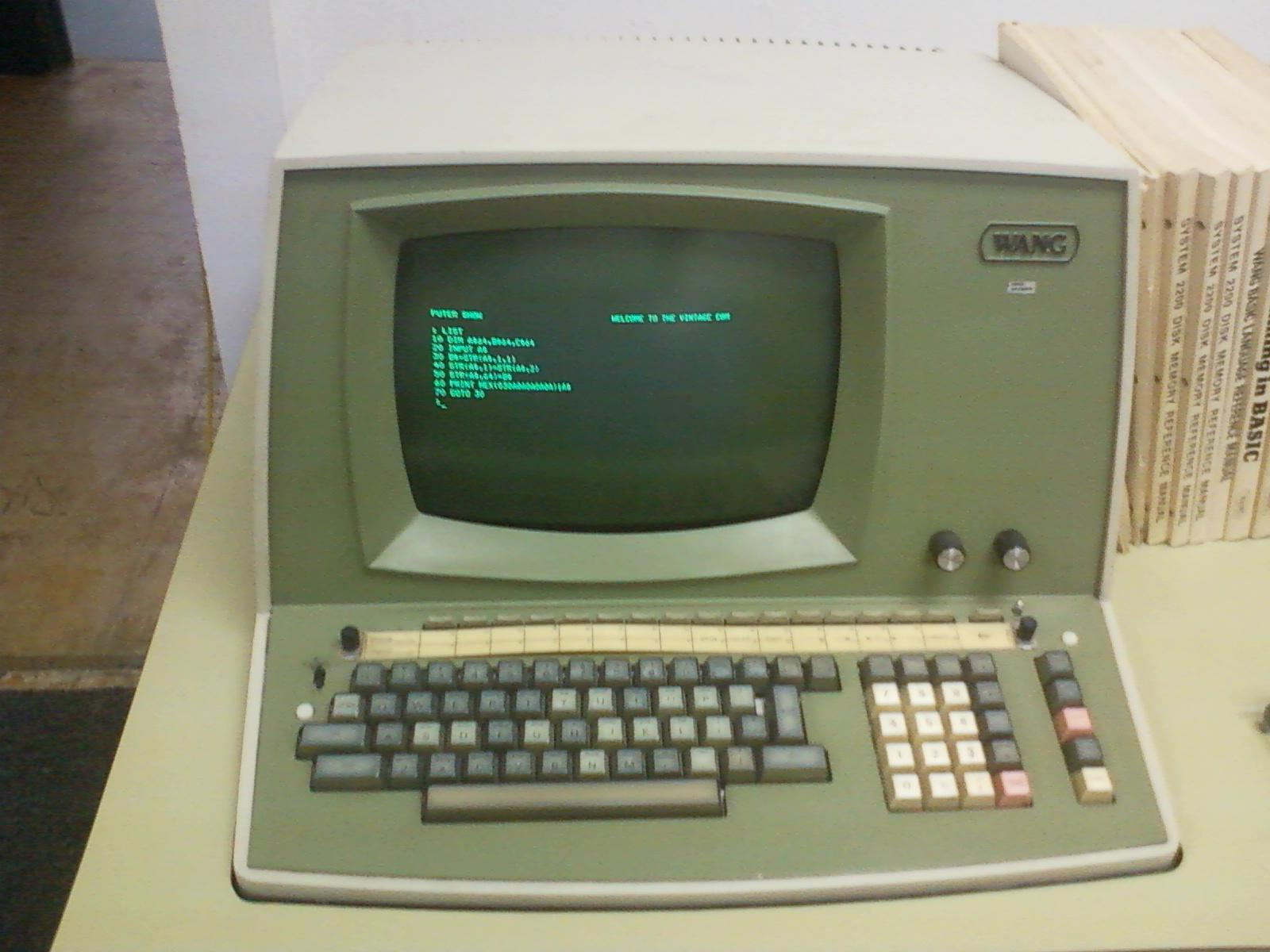
A vintage Wang word processor
I used an old dedicated Wang word processor terminal hooked up to a noisy 10-megabyte hard drive about the size of an apartment-size washing machine, along with mainframe purchase order terminals. I also used a remote data entry terminal at another facility, working with two fellows for a couple of weeks keying in all of the subscriptions to Oklahoma Today magazine after the manager of the department’s mainframe, who had failed a certification test for a higher-level computer position multiple times, accidentally wiped out its database, leaving only a subscription printout intact.
For awhile I worked with a lady in accounting who had been convicted of embezzlement. But she was still working in accounting and having her pay garnished to pay back what she had absconded with. That was an eye-opener about the strange logic regarding accountability and consequences in some workplaces, especially state government.
While processing purchase orders, I followed procedures and flagged ones that appeared to be in error. On one occasion, my administrator ordered me to override my flag on what I calculated to be a ridiculous number of ceiling fans being ordered for one of the lodges, without a reasonable explanation. I wondered what that was about. A few years later, she was fired, then rehired, then demoted for failing to deposit checks and warrants found in her office, and eventually promoted to revise policies and procedures. The logic of it all again escaped me, but the shenanigans were far above my pay grade, as the expression went.
I learned that I disliked repetitive office procedures like data entry and processing purchase orders. One solace on such days was that in the Will Rogers building they piped in Muzak, and I could think about where we were in the service’s 15-minute cycle of Stimulus Progression. It was also evident that it was programmed to play foxtrots — smooth, melodic instrumentals with a consistent 4/4 time signature and a slow-slow-quick-quick rhythm — after lunch when the workers tended to get sleepy.
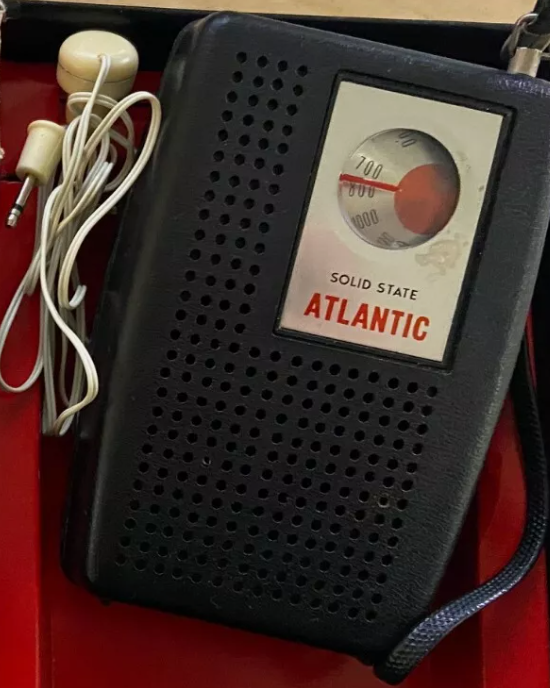
The kind of cheap transistor radio I used to survive data entry
Some found the Muzak annoying, but when I spent a couple of weeks at the remote site keying in Oklahoma Today subscriptions, I missed it and resorted to listening to tunes via a cheap earpiece on a transistor radio.
For a couple of weeks that summer I was trapped in a windowless interior room with a lady who always ate a smelly lunch at her desk. I never ate lunch in the office, taking advantage of my 30-minute lunch break to escape the building. Sometimes I walked through a tunnel to the capitol cafeteria, where I might be lucky and get to sit near the venerable and colorful Frosty Troy, a firebrand journalist who was acerbically funny.
But I couldn’t afford to eat in the cafeteria every day, and at the time I had an ingrown toenail that made it painful to walk. So other times I would go out to my car and eat a sandwich, reading historical novels set in ancient Crete and Greece by Mary Renault, which I had to complete by the end of the summer in preparation for a seminar on ancient Greece at the university. I was an Engineering Physics major at the time, but I could count it toward humanities credits.
A low point was coming back in from lunch one day to work in the stinky interior office and, just as the smell from my office mate’s lunch was dissipating, having the door guy come in. He was a fellow with limitations whose job was to cycle through the entire capitol complex with a wire brush, scrubbing the ventilator grills in the countless doors. He appeared every couple of weeks, and he was rank. He was never around for long, but his scent lingered.
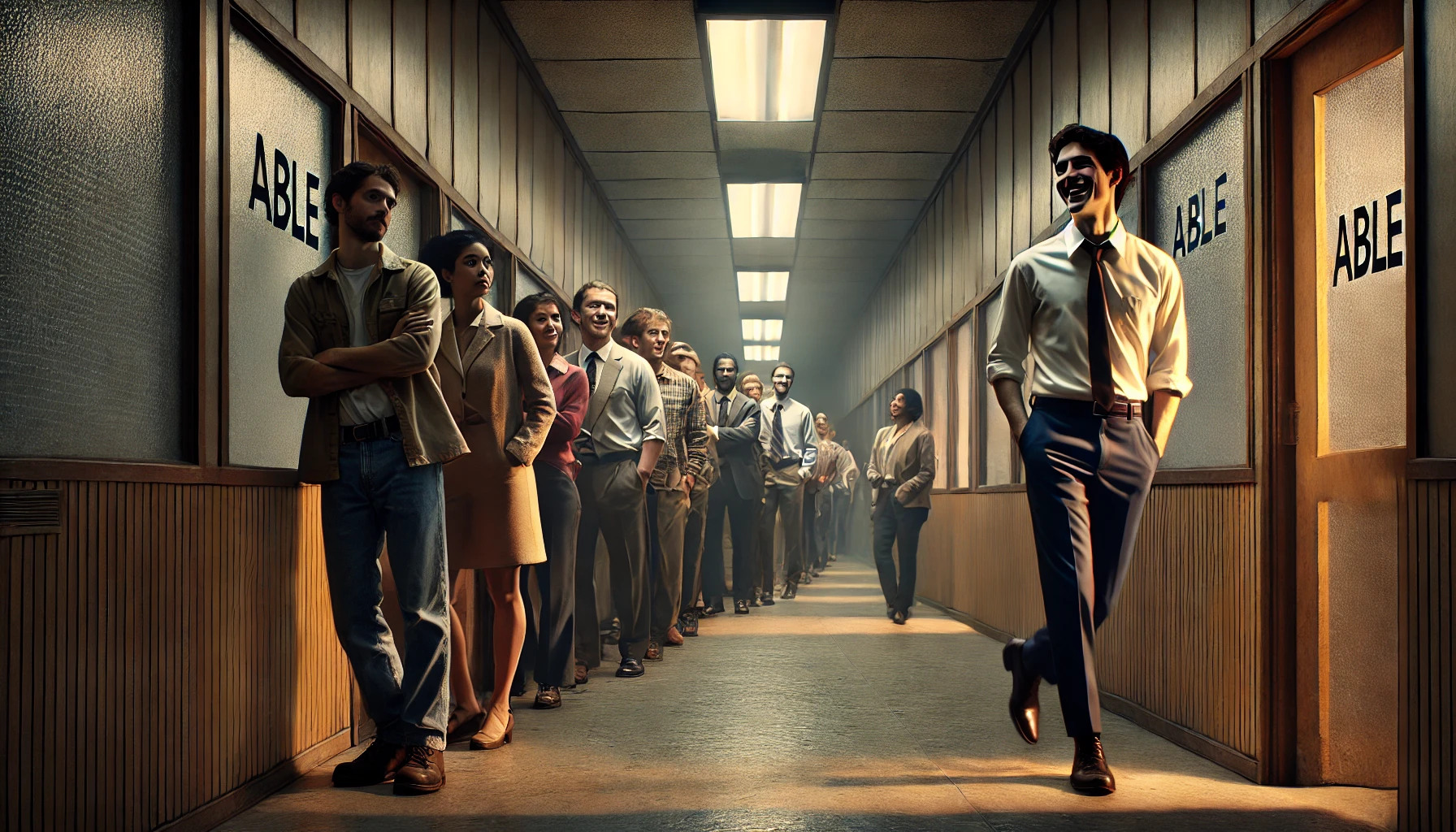
High points were any out-of-the ordinary missions. One I enjoyed was when the state had instituted changes in its liquor licenses, and everyone had to come to the capitol to get a new license. I was sent over to the Alcoholic Beverage Laws Enforcement Commission to get new licenses for each of the state lodges. There was a line of dozens of restaurant and bar owners stretching way down a long corridor outside the commission office, resigned to a long and tedious wait. They watched incredulously as I limped past, too young to buy a drink, gained immediate entry into the office, and came back out shortly afterward with a bunch of licenses. What a jerk!
Breezily passing the discouraged folks waiting for liquor licenses [Image generated by ChatGPT]
Another time I was told to go pick up some boxes being delivered from the lodges via the bus. I was told to take a delivery van to the downtown bus terminal, but I discovered in the parking lot that the van had a manual transmission, and my only experience with a clutch and gear shift had been half an hour in a driver’s education simulator. I went back in and shared my dilemma. The lazy guy who had given me the task then came out with me and drove the van downtown, and we unloaded boxes out of the cargo bins of a passenger bus into the van. He was a funny and effeminate fellow who complained about my work ethic. “Jesus! Don’t you know that if you finish a job quickly, they just give you more to do?”
Office boy (Canva AI image)
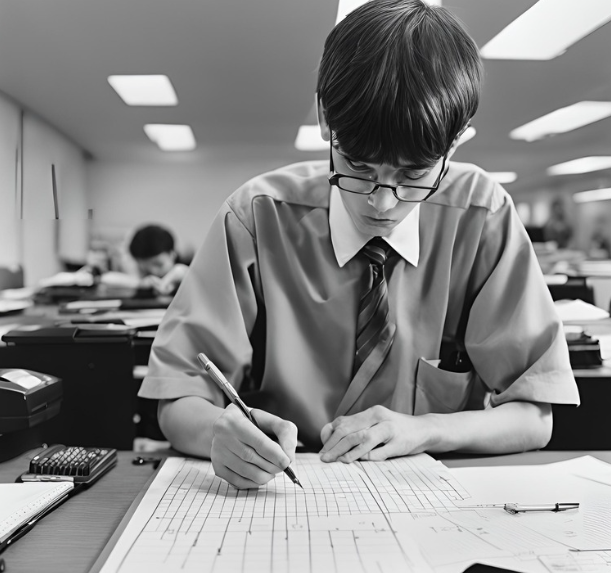
Another time a senior accountant asked me to create a table summarizing some data. They had no personal computers with spreadsheet software, and the Wang word processor was busy, so I sat down with a pen and ruler to create a table, and then I used a calculator and electric typewriter to arrive at and type in the many figures. When I gave it to him, he was so impressed that he wanted to hire me at a higher wage as his assistant, but I demurred, noting that I was heading back to college in a few weeks. I couldn’t imagine working in that inefficient and technologically outdated office for more than a few months.
Lessons for this novice:
It is sometimes not what you know, but who you know, that matters.
Antiquated methods can still work and may be preserved by people who prefer comfortable routines to efficiency or improvement.
Accountability is often lacking, so set your own standards high and live up to them. Prepare to be disappointed, but not surprised, when others don’t meet your standards, but never let them talk you down to their level.
Variety is the spice of life.
Scholars Programs in 1986-1988
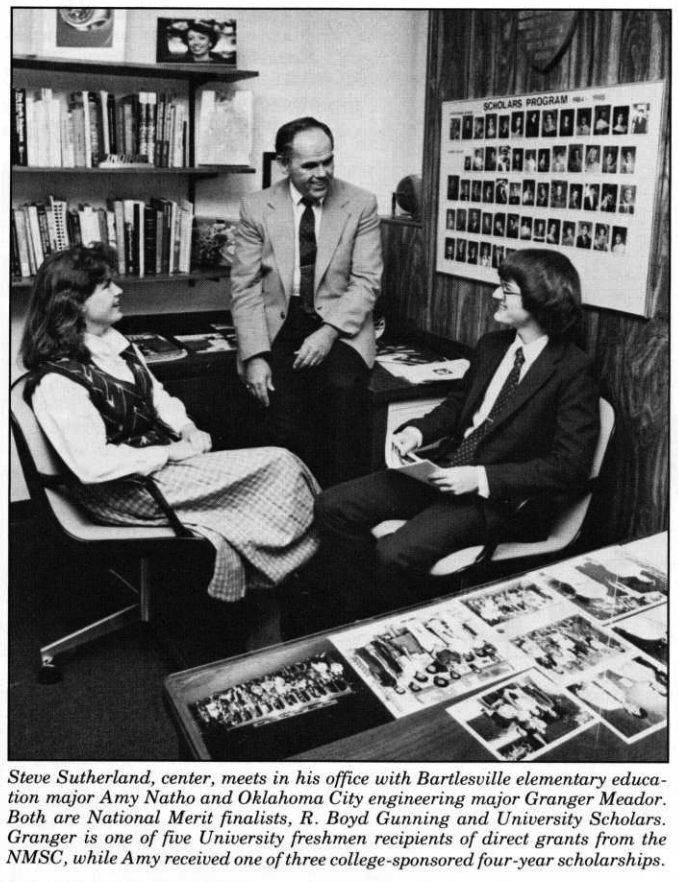
Amy was not my girlfriend, but we were all in Scholars Programs
My next job was as a National Merit Intern at the University of Oklahoma from 1986 through 1988. Dr. Steve Sutherland led Scholars Programs and had recruited me to OU.
My girlfriend and I were both in Scholars Programs, which had monthly events throughout our freshman year, and I enjoyed visiting with Dr. Sutherland and his colorful secretary.
One day Dr. Sutherland was griping about a fancy plotter he had purchased which neither he nor his secretary could figure out. I offered to take a look and created some transparencies with nice graphs and charts for a recruitment presentation. Steve was so impressed that he asked me to work for him part-time, arranging for me to receive a stipend each semester from the OU Foundation. Knowing my work ethic, he left to me the timing and frequency of my appearances at the office. I rewarded that trust by helping reprogram databases, creating charts and graphs with the fancy plotter, checking grades for scholarship renewals, and eventually serving as an enrollment advisor to members of the President’s Leadership Class and some of the incoming National Merit Scholars.
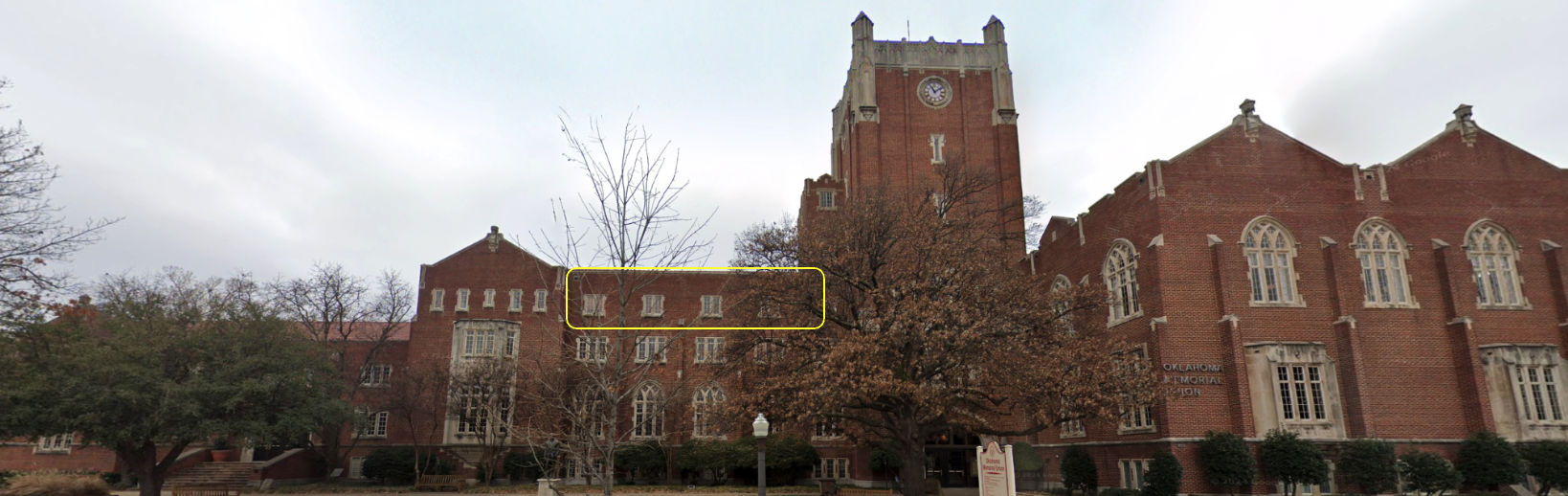
Scholars Programs occupied a floor of old apartments at the top of the student union; after my time that floor was gutted and remodeled
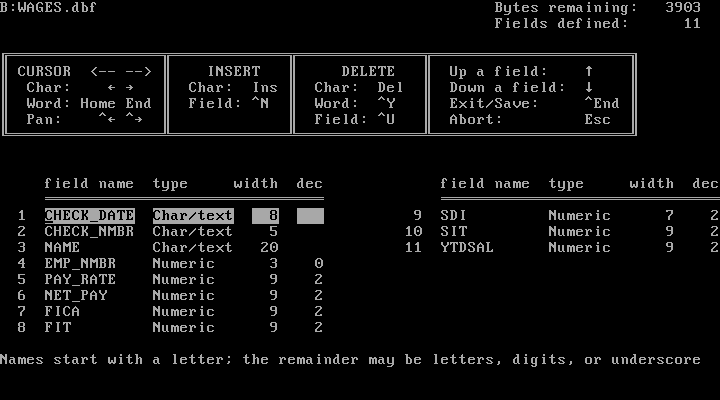
dBase III
A former graduate student had set up a dBase III database of scholarship information, but he had left the university. Steve asked me to reprogram it. I had never used a database, so that was an interesting challenge since the world wide web didn’t exist as a resource. He was delighted that I figured it out.
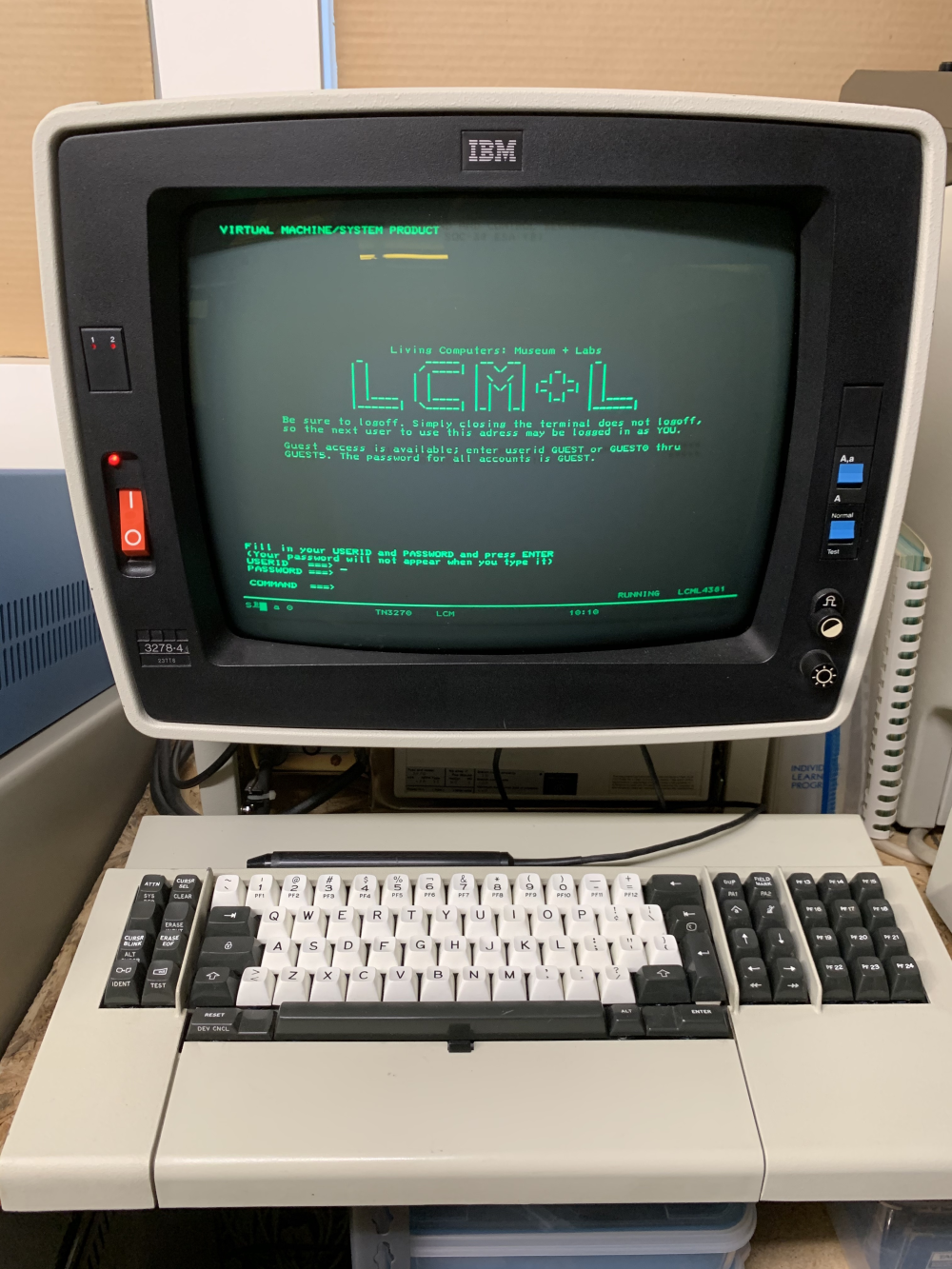
Scholars Programs had a personal computer, but it eventually added a mainframe terminal
A year later, he paid the university’s computer gurus a great deal of money to have a new database programmed on the university mainframe, which needed a four-letter acronym. He named it MERT, saying it stood for “Merit”, but I knew that Steve’s middle name was Merton, so he was having some fun.
Later, when he needed a health fee waiver database, he refused to pay for what he called “the Cobol priests” to create it, saying they drove him crazy charging him exorbitant fees to just make a tiny edit here or there. I remember him exploding, “Adding one @#$%ing field on that screen costs me $500!”
So he offered me an extra stipend to program a database for him, which he wanted to run unattended in the main library for students to access. I knew that would require something quite robust, so I subcontracted my best friend, a computer science major at OSU Tech in OKC, to help me create one. Steve bought a Compaq Deskpro computer, and we set it up on a table in the library. A decade later, when everyone was worrying about Y2K bugs, I realized our database would have been broken by the turn of the century, but I trusted that it was long gone by then!
Steve was a smart and funny gourmand with an outsize personality. He made a point of hiring the first man to ever be a secretary at the university, accepting that fellow’s sexuality, and when he was a student, Steve had been the first white member of the historically black fraternity, Omega Psi Phi, at his university, risking a much-needed scholarship. I always admired his acceptance and support of the socially marginalized.
One of the perks of being in Scholars Programs was getting to enroll before everyone except the football team. I never had to worry about a class being full, and in my internship role I guided new scholars through the enrollment process. Right after being named the Outstanding Sophomore in Engineering Physics I had changed my major to science education, and that would have meant losing access to the engineering computer network. However, with my mastery of enrollment, I was able to override the system and enroll in a zero-credit-hour Engineering Computing course and retain access.
One of the longest legacies of my time at Scholars Programs came about when the secretary was out and I had to type up some of Steve’s dictation. The secretary used WordPerfect 4.2 for DOS, and I found I loved the precise control it gave with its hidden codes. WordPerfect grew to have 50% market share by 1995, but it was then rapidly eclipsed by the inferior Microsoft Word for Windows. While I learned Word as well for when I needed to collaborate, I stuck with WordPerfect for my own documents for three decades, up through version 17.
Lessons for this novice:
Try to hire smart self-starters who are intrinsically motivated and will independently do good work. When they’re performing well, stay out of their way. You don’t need to micro-manage people unless lived experience shows they need guardrails or guidance.
Be real and have fun at work.
If the system is biased, bend its arc toward justice. If it won’t bend, stop asking permission and just break it if that is what it takes to do what is right.
Work Lessons: Substitute Teaching in 1989
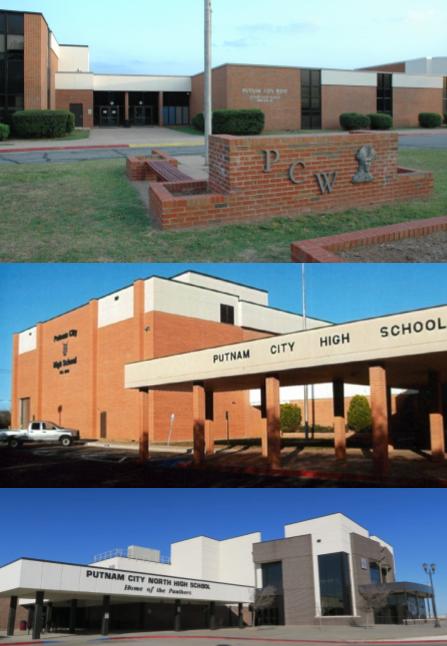
I substituted at all three of the high schools in Putnam City in the spring semester of 1989
For the first five months of 1989, I was a substitute teacher at the three high schools in the Putnam City school district while searching for a full-time physics teaching position. I never knew if I would get an early-morning call to go sub, so every weekday I got up early, showered, and waited.
I’d had a marvelous student teaching experience in physics at Norman High School, but substituting in a variety of high school classes was quite different. I had to learn how to deal with students who had zero interest in a given lesson and acted out, being confronted hour after hour by classes with students testing how much mischief I might tolerate.
I had great success substituting in physics and calculus, and of course enjoyed various honors classes. I remember filling in for one of my former English teachers, who had no idea I was substitute teaching. I handed out various sample essays the students were to read and analyze as models of exemplary writing. I was surprised to see one of my own essays in the mix, and wondered if any of the students might recognize their substitute teacher’s name on it and inquire. I was amused that no one did.
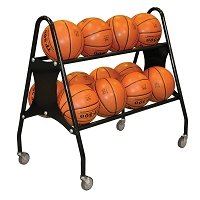
The worst classes were the ones where a teacher left no lesson plans. I had never liked physical education, and I remember subbing in that one day with a gym full of kids and no plans. I gathered them together, stood up to my full 5’8″ height, squinted at them, and pointed at a rack of basketballs, the only thing in the gym with us.
“You’re going to play with those balls today, and the rules are: no bathroom visits, no hurting anyone with a ball, and if a ball even gets near me, you’ll all end up sitting silently in the stands hating me.”
I was pleasantly surprised when the entire day went by without incident, but I made sure to never sub in PE again.
Lessons for this novice:
Be upfront about expectations and the consequences if they are not met, and always follow through.
When a student acts out, isolate them from an audience and provide options.
When you’re being challenged, try to stay calm, polite, and firm.
Always leave a substitute with a good seating chart and clear lesson plans, and be thankful if they are followed.
I was glad to land a full-time physics position at Bartlesville High School in August 1989, and I learned plenty of additional lessons over my 37 years in the district, but what I learned from those first three jobs served me well for four decades.
Now I am a novice once again, so let the lessons begin!























 Meador Manor