No one is certain who first thought of putting a Hamburg steak between two slices of bread, but hamburgers first appeared in the late 1800s or very early 1900s. Oklahoma, however, is the definite origin of two hamburger variations: the fried onion burger and the Theta burger.
This is the last of three posts about restaurants I knew and enjoyed in my hometown of Oklahoma City. I previously wrote about El Chico and its many relatives and descendants, along with pizza places.
Onion burgers are hamburger patties with paper-thin slices of Spanish white onion smashed in the meat, which are cooked together until the burger sears around the edges and the onions are caramelized and crisped. They were invented by Ross Davis around 1926 at the Hamburger Inn on Route 66 in downtown El Reno, west of Oklahoma City. Some online sources erroneously say it was Ardmore, but the Hamburger Inn in Ardmore was started much later in 1938 by Earnest and Lillian Brown.
Onions were cheap while hamburger meat was expensive. So Ross came up with the idea of adding onions to his burgers and smashing them into the meat with the back of his spatula. Ross would pound a half onion’s worth of shreds into a 5-cent burger. They caught on statewide in the Great Depression, when cheap food was a must.
Charcoal burgers are prepared quite differently, being cooked on a rack over charcoal, rather than being cooked on a gas grill or on the flat-top grill one uses to make a fried onion burger. Oklahoma City charcoal burgers are often thinner than other burgers and traditionally topped with hickory sauce. Hickory sauce is similar to barbecue sauce, but usually thinner with a pronounced tomato/umami character. Speaking of hickory sauce…
The Theta Burger
Theta burgers are another Oklahoma specialty and traditionally include mayonnaise, pickles, cheese, and, crucially, hickory sauce.
The Theta burger was either born at the Split-T in Oklahoma City or invented by Ralph Geist at the Town Tavern in Norman, the home of the University of Oklahoma. The Kappa Alpha Theta sorority at OU claims it was named after them. Their story is that the sorority had a curfew of 10 p.m. and would call the Town Tavern for a late night burger delivery. Supposedly Ralph invented the Theta as a compromise burger all of the girls could agree on to simplify the late-night orders. Who knows if that’s true, but it is a good story.
The Split-T was where the Theta burger originated
Vince Stephens opened the Split-T on North Western in Oklahoma City in 1953, naming the restaurant after the offensive formation employed by the University of Oklahoma Sooners football team coached by Bud Wilkinson. Vince had been a member of the RUFNEKs cheer squad at OU.
Supposedly Stephens used his mother’s recipes for the Caesar dressing as well as for the hickory sauce in his Theta burger. In the mid-1960s, students from John Marshall and Harding high schools, as well as Bishop McGuinness, and Casady, hung out at the Split-T.
Stephens hired David Nathaniel Haynes as his first manager. Haynes had left home in Poteau, Oklahoma at age 15 to work in drive-ins in California, under the name “Johnnie” adapted from his father John’s name. He enlisted in the Army and spent three years as a cook in Germany before moving for good to Oklahoma City in 1950. He was working at the airport’s Sky Chef restaurant when Vince hired him, and he ran the Split-T through the 1960s while Vince spent much of his time with family in California.
The Split-T was one of the Oklahoma City restaurants targeted for desegregation by Clara Luper. She taught history at Dunjee High in Spencer in 1957 when she became the advisor for the OKC Youth Council of the National Association for the Advancement of Colored People. She wrote a play which the Council was invited to perform in New York City. That trip to a place where segregation did not thrive inspired the group to begin a campaign of non-violent civil disobedience to end segregation in Oklahoma City.
They famously sat at the lunch counter at Katz Drug Store, were refused service, and they remained there, bringing out their books and studying, from opening to closing. A few days of that led Katz corporate management in Kansas City to desegregate its lunch counters in Missouri, Oklahoma, Kansas, and Iowa. Luper worked to integrate hundreds of restaurants, cafes, theaters, hotels, and churches. Locations that proved difficult for Clara to integrate were Anna Maude’s Cafeteria, the Skirvin Hotel, The Pink Kitchen, and…the Split-T.
Clara Luper in 1963
One Friday night, the Bishop McGuinness high school football team showed up at the Split-T. The manager refused to serve the blacks among the team, so the team walked out. With the high school principal’s blessing, the entire school boycotted the Split-T. Clara recalled staging a sit-in there, and she recalled how Split-T diners shouted profanities and threw ice and rocks at the protesters, who sang and chanted. Luper and others were arrested on complaints of disorderly conduct. And the next night, they did the same thing. More arrests and a restraining order followed. After the Split-T finally integrated, Clara was teaching at John Marshall High School. She commented, “When the walls of segregation fell, I didn’t go back there. I just couldn’t get an appetite.”
After Johnnie left in the 1970s, the Split-T declined, and Stephens later made half of it the T-Bar, which attracted state legislators. A group of Democrats that became known as the T-Bar 12 wanted to oust the Speaker of the House. They invited House members to lunch at the Split-T to gauge their happiness with the leader, and if griping began, lunch moved through the double doors to the T-Bar. In May 1989, the T-Bar rebellion hit the House floor and Jim Barker was removed.
Former OSU star Rusty Hilger was a partner in the 1980s, but became embroiled in a drug sting operation and the health department reported some serious violations. Brad Vincent and Chad O’Neal purchased the Split-T in 1994, but it closed in 2000 and was demolished in 2010. Now a Sonic Drive-In occupies that space.
The end in 2000
I never ate at the Split-T, but I’ve taken a look back at a couple of OKC burger joints and a couple of drive-ins I knew:
Johnnie’s Charcoal Broiler
Theta burger at Johnnie’s
In 1971, Johnnie Haynes, formerly of the Split-T, took over Colonel Potter’s drive-in at Military Avenue and Britton Road, renaming Johnnie’s Charcoal Broiler. It had a 16 carhop stalls and a dozen inside booths. He brought the Theta burger and Caesar burger with him from the Split-T.
His son David was a senior in high school and one of the first managers. Another son, Rick, was 13 when the drive-in opened. They grew up working for their dad at his restaurants, teaching them a strong work ethic.
In 1977, Johnnie’s moved and expanded to 2652 W Britton Road, and later opened other branches across metro OKC. When he stepped away from running the business, his sons expanded aggresively, trying various options, including a couple of franchise locations in Tulsa in the 1990s. Some of the ideas, including the Tulsa franchises, didn’t last.
Johnnie Haynes and his sons with the hickory sauce
Johnnie died in 2000, but several of the restaurants continue in metro OKC under David and Rick.
Years ago, my parents began eating regularly at the Johnnie’s on Britton with a group of fellow retirees. I ate there a few times, but I dined mostly at the big branch on Northwest Expressway they opened in 1992. It eventually shrank, with half of it becoming their corporate office, and it was torn down in 2018. They built a new space nearby, which reopened in 2019.
The Johnnie’s on Britton Road as I remember it
Johnnie himself liked to serve cold shredded cheese on the burgers. Nowadays, they ask if you want that or prefer melted cheese. While my mother liked their hickory burger, and my father would sometimes order a Theta, I’ll confess that I just order a burger with mayonnaise and that mound of cold shredded cheese, along with a bunch of their yummy fries.
Charcoal Oven
I have never had an onion burger, but I’ve certainly had plenty of charcoal burgers. Some of the most charred ones were from my youth, when my parents would drive to the Charcoal Oven. Unlike many other drive-ins, you didn’t park in a stall and have your food brought out by a carhop. Instead, it was more like a drive-through.
The original sign and logo were drawn by a downtown OKC artist who was paid $8 for his work. A famous large neon sign was a replacement made of porcelain after the first one, which wasn’t as sturdy, was toppled by the wind. The second one lasted.
The way it operated was that you drove up to miniature version of the chef sporting a menu on his chest, with a loudspeaker at his navel. You gave your order via an intercom, and sometimes customers would gibe, “I didn’t know you could talk out of your stomach.”
Dave Wilson
You then drove on up to pass by the small building where you would pay and get your food. Then you could park along the exit route to enjoy your meal. There were enormous trash cans with huge chutes on each side at the exit, and when I was little, it was a thrill for me to toss our trash in them.
Charcoal Oven opened on Northwest Expressway just west of Pennsylvania Avenue in May 1958, owned and operated by David and Carolyn Wilson. As of 2008, the Wilsons also had a Charcoal Oven on the NW Expressway at MacArthur Blvd, but that one had carhops.
Crowd favorites at the Charcoal Oven were their #2 hickory burger, the Classic Theta Cheeseburger, and the Chick-a-Doodle-Doo sandwich. They served up fresh onion rings and Suzy-Q Fries.
Wilson also owned Quick’s, home of 19-cent hamburgers at NW 32nd and Classen Boulevard. When he opened the Charcoal oven in May 1958, business was slow until the Penn Square Shopping Center (which later was enclosed to become a mall) opened in 1959, a half-mile east. Northwest Classen high school kids hung out there.
Dave Wilson was known as a straight shooter who never stiffed anyone. He retired and closed the Charcoal Oven in 2016, but later opened a new location at 3604 N. May, operated by his son-in-law.
Coit’s Drive-In
Don Coit
The other drive-in my parents frequented was the Coit’s at NW 50th and Portland Avenue, although I never ate their burgers, preferring their Schwab’s weiners.
Don Coit was born in 1925. He and his three brothers struggled with their widowed mother to make ends meet. She worked at the stockyards, and the boys delivered newspapers. Don graduated from Classen High, served in World War II as a remote control turret mechanic gunner, and then attended OU.
Don returned to Oklahoma City and worked for his older brother Raymond at the stockyards, where he evaluated measurements and sales prices for cattle. But when a lot came up for sale at SW 25th and Western Avenue, he borrowed money from his mother and opened a Weber’s root beer stand in 1954.
The stand was just one room and a bathroom, with no windows, heat, or air conditioning. Solid boards were lifted and locked when they closed up. But Coit was able to pay back his mother, with interest. Winter business was terrible, and Don was struggling when an acquaintance at the fire department suggested he sell Christmas trees.
Don Coit and his Christmas trees
Don traveled west to Washington and east to North Carolina, getting to know tree growers, staying at their homes, and soon his business was as well known for its five Christmas tree lots as it was for the root beer stand.
In 1960, Don Coit turned his stand into a drive-in and restaurant, later opening branches at NW 39th and Pennsylvania and the one I knew best at 50th & Portland. Don bought a shopping plaza across 50th from that location, which became Coit Center, along with two more, and he invested in over 200 oil wells.
Coit’s at 50th & Portland in 2011
By the 1980s, the Coit’s logo with a Christmas tree atop the “i” was a fixture in town, with a large Christmas tree operation open every winter at the corner of Northwest Expressway and what is now the Lake Hefner Parkway.
An old Coit’s menu board
The Coit’s on Portland in its early days
As a child, I loved getting my own little frosty mug of root beer to go with my preferred Coit’s #3: a Schwab’s weiner with mustard only. As I grew, I eventually ordered two #3s, along with fries and of course a frosty mug of root beer. Coit’s grew as well, adding indoor dining at their Portland location, and eventually adding a sun room to accommodate the crowds.
The hot dog wrappers that I remember
But Coit’s later began to struggle, and Don Coit passed in 2005. The affiliation with Weber’s Root Beer had ended long before, and once I drove by their open back garage to see cases of A&W Root Beer. All three of the locations closed in 2012. Don’s widow, Jessie, passed in 2014, and the Coit’s at 50th and Portland is now a diner.
So what about Weber’s? It opened at 38th & Peoria in Tulsa in 1933, and is the oldest and longest-running business in the Brookside area. Oscar “Weber Bilby” created their formulation in the late 1800s, moving from Missouri to a farm north of Sapulpa in 1884. His secret recipe had 14 natural ingredients, all native to Oklahoma, which were “fire brewed” with pure cane sugar and water and then stored and aged in birch bark barrels, with yeast used to carbonate it. Oscar’s great grandson and his wife owned and operate the original stand through the end of 2021, with the next generation preparing to carry on the legacy. But I’ll confess that I’ve only had genuine Weber’s once. ‘Nuff said.
As for Schwab’s, George Peter Schwab emigrated from Sachsenhausen in 1890, moving to Kansas but then relocating to Oklahoma City around 1900. They founded a store selling “old world” sausages, with more family members joining the business in 1923. Now the company has fifth generation sausage makers.
Their weiners at Coit’s always had bright red casings, except for a brief spell after Red Dye No. 2 was pulled from the market in 1976 and the company had to reformulate.
Sonic
A Sonic menu from my high school days
I don’t recall eating at a Sonic until I was in high school. PC West had open campus lunch for older students, and there was a Sonic a little over a half-mile east on 23rd Street.
My girlfriend and I could drive there for a quick lunch, and I always ordered the same thing: a foot-long hot dog with mustard only, an order of tater tots, and what the menu described as a “Delicious Juicy Orange” drink, which I insisted on ordering by that full description to be obnoxious. They didn’t sell cherry limeades back then.
In 1953, Troy Smith of Shawnee, Oklahoma opened the Top Hat, a former root beer stand, to serve hamburgers and hot dogs. While traveling in Louisiana the next year, he saw a food stall with homemade intercom speakers that allowed customers to order from their cars. He contacted the innovator and had him make an intercom for the Top Hat. Smith also added a canopy to shelter the vehicles and hired carhops on roller skates to deliver food directly to the cars. Each customer received a mint with their order, a tradition held to today to remind customers that they are “worth a mint.”
The old Top Hat Drive-Inns had instructions on how to use their fancy new intercoms
In 1956 Charlie Pappe, who managed a supermarket in Woodward, partnered with Smith to open another Top Hat. Two more popped up in Enid and Stillwater, but they discovered the name was already trademarked for another business. Top Hat’s jet age slogan was “service with the speed of sound” and they chose the new name “Sonic.”
By the time Smith sold the firm in 1973, there were over 120 Sonics in Oklahoma, Texas, Arkansas, and Kansas. Sonic Systems of America, later Sonic Industries, headquartered in Oklahoma City. By 1977, there were over 800 drive-in across 13 southern and southwestern states. The company became a collection of independent restaurants during the 1980s, but from 1995-2000 Clifford Hudson unified the company again. The 2000th Sonic opened in OKC in 1999. Now there are over 3,500 of the drive-ins in 44 of the 50 states.
But there isn’t a Sonic anymore at the location I frequented in high school; that is now an Oh! Donuts store. A newer sonic is just around the corner at 21st and Council Road.
And that wraps up my trilogy on OKC restaurants I remember.
Pizza came to America in 1905, arriving at Lombardi’s in New York City two years before Oklahoma became a state. But pizza didn’t come to Oklahoma City until 1947, thanks to a larger-than-life figure.
This is the second of three posts about restaurants I knew and enjoyed in my hometown of Oklahoma City. Last week I wrote about El Chico and its many relatives and descendants, and next week will be hamburgers and drive-ins.
Sussy’s
President Truman with Jack Sussy
The first Italian restaurant in Oklahoma City to serve pizza was Sussy’s in 1947. Jack Sussman was a Chicago gambler who partnered with OKC’s Jake Samara. Jake had the Jamboree Supper Club, which featured dining, dancing, and a bartender to mix drinks for those who paid a $32.12 initiation fee and dues of $7.31 per month. By dancing, I mean striptease acts. Jack Sussman’s wife was an exotic dancer at the club. Jack and Jake decided to open an Italian restaurant at 629 NE 23rd Street, across the parking lot from the club. Jake said, “Jack, since you’re Jewish and I’m Lebanese, we need an Italian name. We’ll name the place Sussy’s, and I’ll start calling you Sussy.”
Sussy, age 56, awaiting arraignment on the arson charge in 1966
Sussy’s opened in February 1949. Most of the recipes came from Jack’s wife, who was Italian. A chef who was a native of Naples, Italy, was brought in to train the staff on making a variety of dishes, including pizza, with Sussy’s original sauce. Ads exhorted folks to “bring the family and dine in a true candlelight atmosphere. Economical too! Four persons can share a 14-inch pizza for about 35 cents apiece.”
Sussman endured a gunshot wound in a 1953 robbery, but kept on going. Another restaurant opened in 1956 at 9014 N Western Avenue, and that year they began selling frozen versions of their pizza and boil-in-the-bag spaghetti and meatballs. In 1959, Sussman opened a large Italian-American restaurant and steakhouse, and another branch in Norman.
On one special occasion my sweetheart (my husband) took me to Sussy’s. He really wanted to impress me, so I could order anything on the menu. Of course, we were dressed in our best high school finery. When it came time to pay, his billfold was nowhere to be found. The owner, Jack Sussy himself, was notified. Benny said I could stay at the restaurant and he would drive home and get the money. Mr. Sussy wouldn’t hear of it. He told us to go on our way and come back the next day to pay. We often returned to Sussy’s and were always warmly greeted by Mr. Sussy.
The 1960s featured fires and arson, with Sussman implicated but not convicted. He opened more restaurants featuring various cuisines, including some with go-go dancers and strip clubs. Oklahoma City’s pizza boss died in 1980 at age 92.
Sussy’s pioneered pizza in Oklahoma City in 1947
My parents ate at Sussy’s, but I don’t ever recall being there. The big national pizza chains trace their origins to the late 1950s, over a decade after Sussy’s pioneered offering it in Oklahoma City. Below is a look at the pizza joints I’ve enjoyed in Oklahoma over the years.
Shotgun Sam’s Pizza Palace
The first restaurant I can remember clearly was Shotgun Sam’s Pizza Palace.
Tom Winslow and Doug Jones in 2014
Doug Jones held a number of jobs as a young man, and one day was eating at a pizza place in Oklahoma City and decided that he could do a much better job. He quit his job with a drug company and developed plans for a western-themed pizza joint. He was clearly inspired by Shakey’s Pizza, which had begun in California in 1954 and had 342 locations by 1968 and shared many characteristics with Shotgun Sam’s.
In 1967, Jones and a Jack Mills from OKC wanted to open a Pistol Pete’s pizza, and Tom Winslow was putting the real estate deal together. Mills bailed on the project, and Winslow, who had a degree in hotel and restaurant management from Oklahoma State University, teamed up with Jones to start Shotgun Sam’s in Tulsa, with developer Ramon King as their landlord.
When they opened, they had entertainment five nights a week. Usually there was a banjo and piano player doing sing-along music, and then they went country and western. Garth Brooks once said on the “Tonight Show” that his first professional job was at their restaurant in Midwest City.
They opened their second restaurant in Oklahoma City at NW 39th Expressway and May Avenue in 1969. Winslow and Ramon King bought out Jones in 1978. Later they added restaurants in Joplin, MO, Midwest City, Dallas, a second location in Tulsa, and Springfield, MO. Below is an ad from the Joplin incarnation.
Shotgun Sam was a western character with an oversized gun who perched atop a wagon wheel. He sported a handlebar mustache, and co-founder Jones grew one for the grand opening and ended up keeping it. He even carried a little gold comb to keep it tidy.
In print and radio ads, Sam had a blue or purple horse named Alice. The first fiberglass statue of him in OKC was felled by an April 30, 1970 tornado, the same one which tore off half the roof of the Windsor Lanes bowling alley on 23rd Street west of Meridian Avenue. That statue was replaced by another until the restaurant closed in 1991.
I loved Shotgun Sam’s for four reasons when I was a kid.
First, they had big windows by the doors into the kitchen, with benches below them. So kids like me could climb up and watch the cooks toss the pizza dough, place them in pans and apply the tomato sauce, cheese, and toppings, and then slide them into the oven.
Second, they had live music. I loved sitting on the stage and watching the performers. Once the kids clamboring about got on the musicians’ nerves and they shooed them away, but they made an exception for me. The performers told my mother, “He can stay. He really listens to and enjoys our playing.” Our neighbors had an electric organ which fascinated me, and I’m sure that my early interest in playing the piano was also whetted by my experiences at Shotgun Sam’s. The musicians noted my avid interest and how I kept time, urging my parents to encourage my obvious interest in music.
Third, when Dad placed the order, they gave him a huge playing card. When your order was ready, they would call the card they gave you. So I had fun listening for “5 of hearts” or “ace of spades” and the like.
Fourth, I liked the pizza. I started eating mushroom pizza there when I was very little. Their pizza was fairly thin and quite dry, with little sauce. I’ve never had a pizza quite like it anywhere else.
Doug Jones in his younger days
In 1970 or so, they were one of the first pizza places to offer a lunch buffet, which helped boost their business, which had been primarily at dinner time. Jones developed the original recipes, which scaled the meat and cheeses to keep each pizza as identical as possible. For example, 10″ pepperoni pizzas always had 28 pepperonis. The crusts were thin and crispy, with plenty of cornmeal on the bottom. They made their sauce with tomatoes, tomato puree, tomato paste, and 11 spices. Their dough used a blend of flours, and the cheese was a blend of four types.
Shotgun Sam’s was done in by the pizza delivery trends of the 1980s. The Oklahoma City restaurant was the last one to close.
In the mid-2010s, Jim Rice, who had been a policeman who worked security for a few years at the original Shotgun Sam’s on Sheridan Road in Tulsa, reopened one in the London Square shopping center. Rice replicated the original menu, used big playing cards, etc. The revived place didn’t last, however, and original co-founder Doug Jones passed away in 2015.
Pizza Hut
The first Pizza Hut in Wichita
The pizza place my parents took me to the most was one of the many Pizza Huts, which originated in Wichita, Kansas in 1958.
Brothers Dan and Frank Carney borrowed $600 from their mother to open Pizza Hut, so named because their sign only had room for eight letters. They catered to students at Wichita State University. By 1977, they had 4,000 outlets and sold out to Pepsi for over $300 million. Frank went on to run 133 Papa John’s franchises by 2001, and passed away in 2020. Dan maintained strong ties to Wichita and has been involved with a variety of charitable organizations.
Old-school Pizza Hut design
Pizza Pete
The brothers became worried about competition from Shakey’s in the 1960s, so they decided to distinguish themselves with a standardized and iconic design. They contacted Richard D. Burke, a Wichita architect and artist who had been a college friend and fraternity brother. He requested a $32,000 upfront fee, which they couldn’t cough up, so they agreed to instead pay Burke $100 per restaurant. But other sources claim the distinctive design with the red roof and trapezoidal windows was designed by Chicago architect George Lindstrom in 1963 and adopted in 1969.
Pizza Hut in the 1970s
As for the corporate logo, that has changed many times. When I was a kid, the chain had a Pizza Pete mascot, who had a checkered neckerchief, apron, hat, and mustache.
Pete’s original neckerchief echoed the checkered vinyl tablecloths they once used, with similar curtains on the trapezoidal windows. The old design usually had booths along the walls, with a small corner booth with a table by a full-height window. Kids loved to eat in those corner booths.
Back then, many of the huts were built with fire pits out in the dining room, although later many of those were replaced with salad bars.
The fire pits were often replaced with salad bars
Pan pizza was introduced in 1980, and the BOOK IT reading incentive program launched in 1984. Hand-tossed pizza debuted in 1988, and stuffed crust began to be offered in 1995.
Pepsi spun off Pizza Hut, Taco Bell, and Kentucky Fried Chicken in 1997, which are now owned by Yum! Brands. The chain now has many storefront delivery and carry-out locations, while still retaining some family-style dine-in restaurants. As an adult, I regularly visited a local Pizza Hut on Sundays for some delicious breadsticks and a personal pan pizza, but a switch from canned to fresh mushrooms led me to switch my allegiance to Mazzio’s.
Pizza Inn
Pizza Inn always struck me as a pale imitation of Pizza Hut. Just like Pizza Hut, two brothers started it in 1958, although they were from Dallas instead of Wichita. It peaked with over 500 locations in 20 states, but by 2020 was down to about 250 in the USA and 38 internationally. By then Pizza Hut was headquartered in nearby Plano, Texas and was operating over 18,000 restaurants.
Ken’s & Mazzio’s
My parents didn’t take me to Ken’s Pizza in Oklahoma City very often, which had a spicier sauce than Pizza Hut. But in high school, I frequented a Mazzio’s. Both restaurants originated with Ken Selby, a former junior high science teacher from Tulsa.
Ken was born in 1936 in Milburn in south central Oklahoma, east of Tishomingo. He was a part-time meat market trainee in a country store in Durant as a teenager, and he loved retail. In college, he went to Chicago with a friend, who could hardly wait to get some “peezuh”, which Selby had never heard of. He had pizza for the first time in 1956 at a Chicago drugstore.
Ken Selby and his Pizza Parlor
After college, Selby taught high school chemistry in Granby, Missouri, near Neosho. He managed a couple of Pizza Huts, and he was 24 years old and teaching at Monroe Junior High in Tulsa in 1961 when he started his own pizza place.
Ken secured a three-year lease on a location at 11th and Florence, across the street from Skelly Stadium at the University of Tulsa. He borrowed tools from his father to renovate the location over two nights, bought fixtures and equipment with $2,000 he had saved from his teacher’s salary, and paid $75 for his first oven, which had a burned-out deck, so he had to set pizzas only in certain spots.
That first restaurant had parking space for two customers, and opened on November 1, 1961. He did $25,000 in the first year as the only employee. He changed his spices for about a year before settling on a combination, ensuring everything was fresh, saying that chopping garlic and 50-pound bags of onions kept his friends away. As for the meat, he said that every night he could wring the grease out of his hair.
For four years, Ken taught school from 8 a.m. to 4 p.m., and then made pizza until midnight or 2 a.m. He used 25-pound sacks of flour to mix pizza dough by hand in a № 2 galvanized wash tub, with the huge lump of dough stored in a clean trash can. With each order, he would pull off a ball of dough and flatten it with a rolling pin.
After a few years, Selby wanted to open a second location on south Sheridan in Tulsa, but he had no luck getting any bank loans. Then a friend told him about Ramon King.
Ramon King
You may recall King would become the landlord for the first Shotgun Sam’s in Tulsa, and he and Tom Winslow bought out Doug Jones in 1978. King was a Tulsa developer and quite the entrepreneur.
King graduated from the University of Tulsa in 1950 with a degree in marketing. He did commercials, was a disc jockey on both radio and television, and was a television weatherman. He then managed civic affairs for the Tulsa Chamber of Commerce before going into housing. He built and developed a dozen suburb additions and was Oklahoma Builder of the Year in 1967.
One day, King drove his long blue Cadillac up to Ken’s pizza parlor. They discussed Ken’s plans for a second restaurant. They didn’t have any paper, so Ken got out a pizza sack, folded it in half, and he laid it across the leather seats in King’s car, where they laid out the store. King said he would build it for a 13-year lease at $450 per month. Selby was floored by the size of the commitment and King saying they would start the project the following week. That second location opened in June 1965 and soon grossed $1,500, then $2,000, and eventually $5,500 per week.
Selby then partnered with a friend to open a place in Enid in an old Mexican restaurant, and hired an airplane to drop leaflets to promote it. But the oven they had kept from the Mexican restaurant broke on the first day. So they scrambled to Oklahoma City to buy a new oven, renting a trailer to haul it back to Enid.
By 1975, franchising helped Ken’s Pizza grow to 100 restaurants. In 1979, he started Mazzio’s Pizza, to compete with Godfather’s outlets. Selby said, “We were astounded that people would eat a thick crust product like that.” Mazzio’s were larger, upscale outlets meant to appeal to youth and “yuppies”. He later bought out Scooter’s Pizza to compete in deliveries, and eventually all of the Ken’s Pizzas, except for some franchises in Tulsa, became Mazzio’s.
I spend a lot of time in high school at a Mazzio’s on 23rd Street in Oklahoma City. Fittingly, that was where my girlfriend helped me survive Latin III. We were in that class together, but while she had taken Latin I as a sophomore, II as a junior, and then III, I had only had Latin I as a junior. My senior year schedule couldn’t accommodate Latin II, so I was supposed to take it by correspondence from OU over the summer. I did a couple of lessons that way, but I hated it and dropped the course. So when I showed up for my senior classes, I was stuck in Latin III with advanced translations while having missed a year of preparation. My girlfriend was my savior, tutoring me at the Mazzio’s as I struggled through translating Sallust’s Bellum Catilinae, Cicero’s Orationes in Catilinam, and other works. She and our beloved Latin teacher, Mrs. Ivich, did a great job. I managed to test out of the first Latin course at OU and earned Honors credit in the second course of the subject with the fantastic Dr. Peggy Chambers. But I’ll confess that I would struggle to translate most Latin these days, although I can certainly understand Amo pizza!
Ken Selby stirring 60 gallons of alfredo sauce at a Zio’s in Tulsa in 2000
In the early 1990s, Mazzio’s was losing dinnertime business to casual restaurants like Bennigan’s, Chili’s, and TGI Fridays, which had extensive menus and full bars. Selby opened his first Zio’s Italian Kitchen in Tulsa in 1994, and branches opened in Oklahoma City, Kansas City, and Springfield, Missouri. I met friends for lunch at Zio’s in Tulsa for several years. But a Pizzetti’s all-you-can-eat concept of Ken’s failed, as it just attracted big eaters rather than large families. One of Ken’s last innovations was the contemporary Oliveto Italian Bistro in Tulsa which opened in 2008, which both Wendy and I enjoy.
One of my former students piloted Ken’s jet plane for awhile. She invited me out to the Tulsa airport to see it, and I was charmed when she showed me a huge bag of key lime disks…the very treats I loved getting after a meal at a Zio’s Italian Kitchen. Ken wanted a bin in the plane kept full of those mints.
Mazzio’s locations in 2023
For the 50th anniversary in 2011, Mazzio’s resurrected Ken’s Pizza as an offering, with its thin crust made with less water and its spicy sauce. In six months, they sold more than $2 million of those 15-inch pizzas across their 100 Oklahoma stores. You can still order a Mazzio’s pizza with the original Ken’s sauce.
Ken Selby died in 2012, and over time his empire withered. Zio’s 16 restaurants were sold to a Texas corporation in 2014, which reorganized under bankruptcy in 2016. The two Zio’s in Tulsa closed in 2022, but happily there are still dozens of Mazzio’s pizza locations across the south central US, including one in Bartlesville.
Pizza Planet
Pizza Planet was a local chain in Oklahoma City. Dr. Phil McGraw worked at one when he was a teenager. In high school, I decided I wanted to try it out, but the one in our part of the city had closed. My friend Jeff and I drove to far northeast OKC to find one. We frankly stuck out like sore thumbs amongst its clientele, but the pizza was delicious.
The Pizza Planet that Andy Davis and his toys enjoyed in Toy Story, which was a parody of Chuck E. Cheese’s, was a far cry from the humble chain in Oklahoma City
Crystal’s Pizza
Bill Waugh
One of my favorite places to eat in Tulsa was Crystal’s Pizza and Spaghetti. It was located in the same shopping center as Tulsa’s Casa Bonita, and was another creation of Bill Waugh, who developed the Taco Bueno, Casa Bonita, Casa Viva, and Burger Street restaurants.
Bill was born in 1935 in Norman and graduated from high school in Colorado Springs. He was a serial entrepreneur after graduating with a bachelor’s degree in fine art from Abilene Christian University in 1959. He started out in dry cleaning and laundry, purchasing a One-Hour Martinizing franchise and expanding it into a small chain in Texas and Oklahoma over eight years.
He opened a Taco Bueno in Abilene, Texas in 1967, which grew to 176 restaurants across seven states by his death in 2015. Waugh’s Casa Bonita restaurants started in Oklahoma City in 1968, but that is a story for a different post. Waugh sold Taco Bueno and Casa Bonita to Unigate in 1981, founding Burger Street in 1985, which grew to 14 locations in the Dallas metroplex and four in Tulsa.
Waugh’s first pizza joint in Abilene
Abilene was also where he developed Tony’s Pizza Cave in 1972, which served 15 types of pizza and offered salad and sundae bars. It had a fake cave for an entrance. He then turned that into Crystal’s Pizza and Spaghetti, which grew into a chain of family restaurants in Texas, Colorado, and Oklahoma for 35 years.
Waugh was known for nurturing long-term relationships and grateful people spoke of how he provided them transformational opportunities. His commitment to the growth of his employees and those around him were hallmarks of his success in business and life. Waugh donated his time and money to causes that included orphanages, learning institutes, and feeding and clothing those in need around the world.
Crystal’s facade in Tulsa; photo by Linda Duke Vance Kelley
Where Crystal’s would appear in Tulsa
As for Crystal’s, I knew of locations in Tulsa and Oklahoma City. The Tulsa one at 21st and Sheridan opened in 1975. It was in a former Borden’s cafeteria, which had been built in a New Orleans style. The 14,000-square-foot restaurant could seat 400 and had antique furniture, a gazebo, wrought-iron balconies, a glass-enclosed gasoline pump turned into an aquarium, carved wooden busts of “Crystal”, and a 25-by-9-foot mosaic of a New Orleans seascape which was leftover from the Borden’s.
Live entertainment included piano players, singer Hank LaCroix, and Sam Threadgill, who played Whiskers the Clown. Needless to say, the place was a popular birthday spot for kids. Eventually it gained a bunch of arcade video games.
I went to Crystal’s in Tulsa as a young adult for the delicious breadsticks, which you could dip in cheese sauce. The pizza was good but different, with smoked provolone cheese. I wasn’t interested in all of the hubbub, so I usually ducked into the cartoon/movie room which showed old cartoons and black-and-white westerns. Usually few if any people were in there, and those that came in tended to be quieter, since they wanted to hear the movie.
In its heyday, as with Casa Bonita, waiters with walkie-talkies would roam the place to find seats for customers. Fast-food and home-delivery pizza businesses took their toll on the Crystal’s in Tulsa, along with a closed campus policy imposed at Nathan Hale High. So it closed in 1995. The last Crystal’s, in Irving, Texas, closed in 2013.
Godfather’s Pizza
When I was a teenager, there was a Godfather’s Pizza near the bowling alley in Windsor Hills where I lived, but I didn’t eat there very often. It was in college down in Norman that I became a frequent customer.
In 1973, Gregg Johnson started a pizza place with thick, rich pies in Omaha, Nebraska. Willy Theisen owned a beer parlor, Wild Willy’s, next door and there was a passageway between them. They joined forces to open Godfather’s Pizza, inspired by the popular “Godfather” movie franchise. I’ve never seen any of the Godfather movies, so any references are lost on me, and I didn’t care for J. William Koll’s Godfather character they used in ads.
Willy Theisen
Willy bought out his partner in 1974, and within a decade he had the third-largest pizza operation in sales, behind Pizza Hut and Domino’s. He had great personal magnetism, and made franchisees feel good about themselves and their business. His strategy was Keep it simple, stupid. He located his restaurants mostly in inexpensive strip shopping centers with only counter service and concentrated on topping-rich pizzas. The chain attracted families and sports teams.
However, Theisen recognized the chain was having issues by 1983, and he hired the senior vice president of Pizza Hut, who was also the president of Taco Bell, to manage it. Godfather’s then merged with Chart House Inc. in December 1983, but internal management strife and the failure of a new pan pizza patterned on Pizza Hut’s big seller led to plunging earnings and rebellious franchisees. Pillsbury acquired the chain in 1985, with Herman Cain the president and CEO. Ronald Gartlan became the CEO in 1995 and bought out Cain in 2009.
Willy celebrated his 40th birthday in 1985 by flying with his wife and 98 friends on a 100-seat Concorde supersonic airliner to London. The party cost him about $500,000 then, or about $1.3 million today. Here’s a 2020 interview with Willy, who is an interesting character. He had left college in Iowa without a degree and was on his way to California with a nebulous plan to seek his fortune when his car broke down in Omaha, Nebraska, and he ended up settling there. He built a 20,000 square foot mansion in Omaha in 1983, selling it in 1995.
As an undergraduate college student at the University of Oklahoma in Norman in the late 1980s, I of course knew of the Campus Corner shopping district north of the campus. It had blossomed until OU built massive dorms on the south end of the campus in the 1960s. By the time I came to OU, very little at Campus Corner appealed to me. The big advertisers were Harold’s, a clothing store I couldn’t afford, and the Walter Mitty’s strip club.
College towns have plenty of pizza offerings, and while living in the dorm my freshman year, I usually ordered pizza deliveries from Pizza Shuttle. I only ate at Pinnochio’s pizza once, which had opened in 1972 and was quite popular, only closing in 2002 because the owner wanted to become a music teacher. Pinnochio’s was simply too popular for an introvert like me.
So instead I liked to walk to the north end of the campus to grab a personal pizza at the Godfather’s on Campus Corner. It was usually quiet, the pizza was quick and good, and I could grab unlimited refills for myself while sitting at a high table, studying and waiting for my next class. It was also reasonably close to the student union, where I worked for a couple of years for Scholars Programs while attending classes.
The only Godfather’s Pizzas left in our area that I know of are just express franchises in Love’s Country Stores. The two companies began partnering in 1999, with an initial unit in Oklahoma. I’m not a fan of that model, and I wish that there were some dine-in choices around here.
Hideaway
Richard and Marti Dermer
I had never heard of Hideaway pizza until the 1990s, by which time I was living in Bartlesville. Hideaway was a Stillwater thing, and there are lots of Oklahoma State University folks around here. I probably first ate there while taking kids to a Scholastic Meet at OSU or maybe at some educational technology conference.
Richard “The Big Kahuna” Dermer and his wife, Marti, created Hideaway in 1957 near the OSU campus. They delivered pizza on campus in the 1960s and 1970s with a fleet of Volkswagen Beetles. In 1993, three trusted employees expanded the concept into new markets beyond Stillwater, with the Dermer family retaining ownership of the flagship location.
Darren Lister, Marti Dermer, and Brett Murphy in 2017
The first expansion was on Cherry Street in Tulsa, and it had grown to six locations in the Tulsa and OKC metro areas by 2006 when Darren Lister and Brett Murphy purchased the company. Lister and Murphy grew up in Bartlesville, being members of the first graduating class of Bartlesville High School when College and Sooner Highs were merged.
Lister and Murphy have expanded the company further. Each restaurant has its own look and feel, and happily they opened one in the Johnstone-Sare building in downtown Bartlesville in 2014. At least in 2016, that location sold more pasta than any of the others. It has a full bar with big screen televisions along with tables and booth seating for about 168. I like their pizza, but I especially like their lemonade pie.
Personal Preferences
I’ve enjoyed pizza for over 50 years. Everyone has their own preferences on toppings, cheeses, sauces, and crusts. As for me, canned mushrooms were the first pizza topping I had, and remain my favorite, while I also like beef, sausage, and pepperoni. I generally prefer thin crust while also enjoying hand-tossed and pan, but I’m not a fan of stuffed crusts. Mozzarella cheese is of course preferred, but blends are fun. Regular sauce is fine for me, with the Ken’s sauce that Mazzio’s still offers being as spicy as I can tolerate.
Deep-pan Chicago pizza is just a novelty to me
I’m not a fan of sauce-on-top. I remember taking a date to My Pi in Oklahoma City when I was young. We’d never heard of deep dish Chicago style pizza, and the restaurant was very dark. The pizza took a long time to cook and when it came out, we were appalled by the sauce on top, thinking at first that they had somehow forgotten the cheese and toppings. That was probably the last time I had that style of pizza until I was at a conference in Chicago a few years ago and a coworker wanted to eat at Giordano’s on the Navy Pier. That time I knew what to expect, and it was a fun novelty.
I hope you’ve enjoyed this lengthy look at a variety of pizza joints from a state that was late to the game. If you’re like me, this post has your mouth watering for a warm pizza pie, and nowadays there are plenty of choices.
Next week I’ll look at OKC hamburgers and drive-ins.
Tex-Mex cuisine originated with Tejanos, Texans of Mexican descent, who mixed native Mexican and Spanish foods. It is characterized by shredded and melted cheese, beans, meat, chili peppers, spices, and flour tortillas. Beef, grilled food, and tortillas were popular in the ranching culture of south Texas and northern Mexico, and twentieth century Americans incorporated cheddar and jack cheeses.
A Tex-Mex favorite of mine is chile con queso, a smooth and creamy sauce of melted cheese and chili peppers, which originated in the northern Mexican state of Chihuahua and is both a topping and a dip for corn tortilla chips. I grew up loving the original pale yellow queso at the El Chico chain of restaurants, which is different from their bright yellow or white standard offerings today, but can still be obtained by asking for their old way queso. El Chico — The Boy — is my favorite Tex-Mex restaurant, and it has connections going back 85 years to the Café El Charro and the Café El Charrito in Oklahoma City.
This is the first in a series of three posts about restaurants I enjoyed in my hometown of Oklahoma City. Later I’ll recall pizza places and then hamburgers and drive-ins.
The Cowboy came before The Boy
Adelaida Cuellar with three of her children in 1901
Adelaida and Macario Cuellar emigrated to Texas from Mexico in 1891. Macario was a cook for a covered wagon gang, picked cotton by moonlight, and did odd jobs. In 1913, they became tenant farmers in Kaufman County southeast of Dallas. An old Mexican soldier they took in taught them to read Spanish, and their family grew to eight boys and four girls.
Adelaida opened a stand at the Kaufman County Fair in 1926, selling chili and tamales. The children had learned to play instruments, so they formed a band to attract customers, and Adelaida realized a handsome $200 profit.
Impressed, sons Frank and Amos, over the objection of their father, opened a small café in Kaufman in 1928. The boys had married sisters, and business was sometimes so slow that the two couples had to take turns picking cotton in order to pay the $30 monthly rent. Their café perished in the Great Depression.
Luis Alvarado married Mariá Cuellar
Different brothers opened and closed cafés in Terrell, Malakoff, and Wills Point. Frank eventually found success in Shreveport. Meanwhile, Frank’s sister, Mariá, had married Luis Alvarado, and Luis partnered with her brothers Gilbert and Willie Jack on a successful café in Tyler, Texas.
Luis Alvarado had grown up in Mexico and made tortillas the traditional way for five years, migrating to San Antonio and then Dallas, where was hired to train the staff at El Fenix on new-fangled tortilla machines. He then worked for three years at a corn chip factory in New York before partnering with Mariá’s brothers on the café in Tyler. When Luis and Mariá decided to open their own restaurant, they chose Oklahoma City. The Café El Charro (The Cowboy) opened on NW 10th and Dewey in 1937.
Willie Jack and Frank Cuellar outfitted in 1938 to model for the café logoOne of the various incarnations of the El Chico logo
El Chico opening night in Dallas
Five of Adelaida’s sons — Frank, Mack, Alfred, Gilbert, and Willie Jack — then banded together to open the first El Chico (The Boy) in Dallas in 1940.
In February 1942, Luis Alvarado got a brief mention in the OKC newspaper for bringing St. Anthony Hospital its smallest patient to date. He had a beloved canary, Tony, and had taken him outside in his cage for some sun. The Oklahoma wind blew the cage over, injuring Tony and almost breaking Alvarado’s heart. Luis took his bird up the street to the hospital, where two nurses and a physician set and wrapped Tony’s right leg. They examined the bird again the following day. It takes a village!
The Little Cowboy
Nine years after opening, the Café El Charro had a fire, but Alvarado reopened at a place he named Café El Charrito (the Little Cowboy) at 2909 Paseo, partnering with his nephew Jesus Tello and Manuel Cruz II. Manuel Cruz introduced mariachi music to Oklahoma City, eventually becoming an icon at Chelino’s Mexican Restaurant, which opened in OKC in 1989. His son, Edgar Cruz, is a well-known guitarist I have had the pleasure of hearing perform at a Sunfest in Bartlesville and other venues.
Café El Charrito at 2909 Paseo in July 1950Interior of Café El Charrito after a remodel in 1950
Willie Jack Cuellar had joined the North American Aviation plant in Dallas during World War II. When he left in 1945, he was unsure about returning to the restaurant business. Mariá and Luis Alvarado came to Dallas for a family gathering and convinced Willie Jack to come to Oklahoma City. Luis said, “I’ll give you a restaurant.”
Jesus Tello repairing music box selectors after a failed burglary at Café El Charrito
Willie Jack and Jesus Tello then managed the Café El Charrito on Paseo until 1949, when Willie Jack returned to Dallas to work at El Chico with his four brothers. Meanwhile, El Charro had expanded to Wichita, Kansas, and Luis had opened Café Palacio in Capitol Hill at US 77 and South Robinson.
The Café El Charrito underwent a significant renovation in 1950, and a second El Charrito opened at 113 N Walker in OKC in August 1951, which included murals of the Sleeping Lady volcano. A third El Charrito followed at 2300 N Broadway.
1950 full-page newspaper ad
In 1962, Luis Alvarado gained his citizenship. That same year, he opened an El Charrito in the new Shepherd Mall, which was where I first experienced El Chico. That isn’t a typo — a merger was coming.
El Charrito y El Chico
Mico Rodriguez, the co-founder of the Mi Cocina and founder of Mesero restaurants, recalled how his mother was a cashier and father was an assistant manager at an El Chico in the Dallas area in the 1960s, when the five “Mama’s Boys” went from one El Chico to another doing quality control. They all wore tall cowboy hats and boots, and spent time talking to the employees, encouraging them to be brave and to learn English. Each Christmas they gave away thousands of pounds of food. The company also developed successful lines of both canned and frozen foods.
Princess Grace of Monaco autographing a sombrero for Willie Jack Cuellar
In 1966, Princess Grace of Monaco, the former actress Grace Kelly, was urged by Trini Lopez, a popular singer from Dallas, to ask the Cuellars to cater the food at a Monte Carlo centennial event in Monaco. Trini had gotten his start in the El Chico restaurants, singing for tips. Willie Jack and an entourage of helpers boarded a transatlantic flight with 591 pounds of Mexican food. They served about 200 dignitaries enchiladas, chili, tamales, nachos, rice, refried beans, guacamole, and pecan pralines.
In 1968, El Chico went public and had just merged with El Charrito, bringing together the Cuellar boys’ thirty restaurants with the six of Luis Alvarado. Luis’s restaurants outside OKC became El Chicos, while the OKC ones were initially termed El Charrito y El Chico, but soon simply El Chico.
El Charrito and El Chico merged in 1968
The Later Years
Willie Jack, Mack, Alfred, Gilbert, and Frank Cuellar pose before Adelaida’s portrait
Adelaida Cuellar
But then the inevitable happened…Adelaida Cuellar passed away in 1969 at age 97. Mama’s Boys had long maintained a tradition of giving her the first dollar earned at each restaurant when it opened. Over the decades, her children had opened dozens of restaurants that drew upon her recipes.
The public company began franchising, with Gilbert Cuellar granting 22 of them, but he discontinued it in 1972 because they had trouble maintaining their standards.
By 1974, there were 77 El Chicos, and the five Cuellar brothers, who tightly controlled operations, saw the business wilting as an elder statesman in the industry. In 1974, they sold controlling interest to Hela, a Dallas holding company, and in 1977 Campbell Taggart, Inc. paid $20 million for the chain of 79 El Chicos.
That was also the year that Luis Alvarado died. Mary Goddard once shared in The Oklahoman how since World War II her family had gone to Luis Alvardo’s restaurants to celebrate special occasions, including every Christmas Eve. Her brother had celebrated his homecomings throughout his career at the Air Force with dinners at El Charrito and El Chico. So his son then associated the restaurants with homecomings. Once as a teenager after arriving in New York after a long tour of duty in Greece, he came straight to Oklahoma City to see his grandparents and requested a dinner with everything on the El Charrito menu.
Luis had obliged, arranging a full sampling for the lanky youth to enjoy, washed down with plenty of milk and topped off with pecan-laden pralines. Another time, when her nephew couldn’t make it home, he was sent a pinata from the array decorating the ceiling at El Chico. On Mother’s Day 1975, Luis snapped a picture of the group, and a couple of weeks later, called to ask them to be his guests at El Chico. They obeyed the mysterious command and were given the royal treatment. Luis appeared with a big print of the Mother’s Day snapshot he had taken. That became a precious memento, as Mary’s mother died the next January, and Luis passed in 1977. He left quite a legacy in Oklahoma. There are connections from him to La Roca Grande, Cocina de Mino, Tulio’s, Pepe’s, Laredo’s, and Milagros.
You can also learn more about Luis Alvarado in this video, starting at 16:40.
Unfortunately, Campbell Taggart was far more interested in El Chico’s frozen and canned Mexican food business, which was 1/3 of the corporate revenue, than the restaurants. The company was in trouble by 1980.
El Chico transitioned its frozen dinner line to the El Charrito brand in 1980, drawing upon the old restaurant name from Oklahoma City, and hired Richard Rivera, a senior executive at Steak & Ale, to lead a revival of the faltering restaurants.
Rivera refurbished the restaurants at $40,000 to $50,000 each, stressed manager training, changed employee uniforms, and redesigned the menus, signage, and logo.
The former Cafe El Charrito closed in 1981
In 1981, the original El Charrito on Paseo, which had been an El Chico since 1968, closed. A year later, Campbell-Taggart was acquired by Anheuser-Busch, and a brewing company couldn’t operate retail restaurants.
That provided an opening for Gilbert Cuellar, one of the original five brothers who founded the chain. At age 73, he offered $12.6 million to acquire the business. He and his son, Gilbert Jr, took over, with Gilbert Sr. passing away in 1986. Under Gilbert Jr. the company tried new concepts such as Cactus clubs, an upscale Casa Rosa dinner house, and spicier food at a Cantina Laredo. Gilbert Jr. was ousted in the early 1990s by a board of directors who wanted to focus less on upscale dining and emphasize the original El Chico restaurants, and the chain fluctuated over the years, but still had about 100 locations in 1996.
In 1995, the El Charrito frozen food brand was sold to Don Miguel Mexican Foods. In 2009, Hormel Foods and Herdez del Fuerte created MegaMex Foods, and it acquired Don Miguel Foods Corporation in 2010. The El Charrito frozen dinners were discontinued by 2018.
In the 21st century there was far more competition in the Tex-Mex space than El Chico had faced in its first 60 years. El Chico’s parent company became Consolidated Restaurant Operations, which also ran the Cantina Laredo, III Forks, Luckys, and Silver Fox restaurants. The company was heavily impacted by the COVID-19 pandemic, and by 2021 it was down to 50 restaurants with plans to franchise its Cantina Laredo operations.
As of early 2023, the El Chico operations have shrunk to only 15 locations in the USA and a couple in Abu Dhabi. All of the locations in Oklahoma City are gone, with the only remaining Oklahoma locations being two in Tulsa, one in Ardmore, and another in Norman.
My Boys
As I mentioned earlier, the first El Chico I experienced was the former El Charrito at Shepherd Mall in Oklahoma City. While in elementary and high school, my family travelled regularly to a cabin on Table Rock Lake in Missouri, often stopping for lunch at the El Chico at Interstate 44 and Lewis Avenue in Tulsa.
As an undergraduate at the University of Oklahoma, I was delighted there was an El Chico at Sooner Fashion Mall, and I ate there at least once per week. And when I was in Oklahoma City, there was one at May Avenue and Britton Road which I liked.
Shepherd Mall in OKCSooner Fashion Mall in NormanMay Ave & Britton Rd in OKCDemolished El Chico at I-44 & Lewis in TulsaPromenade Mall in Tulsa21st Street in Tulsa71st & Mingo in Tulsa
After I moved to Bartlesville in 1989, there were five El Chicos beckoning me down to Tulsa. I frequented the I-44 and Lewis location there as well as one at Promenade Mall. Highway improvements doomed the one on Lewis, and the Promenade location closed in 2020, but service there had already slipped enough to divert me to the 21st street or 71st street locations. When I travelled around Oklahoma or to nearby states, I often checked to see if there was an El Chico I could stop in at for a delicious meal.
A mouth-watering sight
Wendy and I still love eating at the surviving locations in Tulsa, but I am fearful that someday I will no longer able to order my old way queso and steak lunch fajitas with frijoles and flour tortillas. I’ve seen many of my favorite restaurants in Tulsa close over the years…Crystal’s Pizza in 1995, Marie Callender’s and Casa Bonita’s final Tulsa incarnation in 2011, Spaghetti Warehouse in 2017, and now both of the Zio’s Italian Kitchens are closed, albeit with a note on Yelp that one might reopen in March 2023. Alas…here’s hoping that Mama Cuellar’s legacy lasts awhile longer.
Next week’s topic will be OKC pizza places I knew and loved.
This is the last of three posts about the history of the Windsor Hills neighborhood in northwest Oklahoma City, where my parents lived from 1978-2022. The previous post covered the initial layout of the streets and the Windsor Hills Shopping Center and Windsor Lanes bowling alley. This post looks at the neighborhood’s homes, schools, and how the Windsor District has evolved. This series of posts is my way of bidding farewell to the old neighborhood.
The Builder
Developer Ben Wileman hired Harman & O’Donnell of Denver, Colorado to develop the original master plan for the neighborhood. Up to 1,700 homes were to cost from $25,000 to $40,000 each, with a few perhaps reaching $100,000. So the plan called for homes costing from $250,000 to $400,000 in 2022 inflated dollars.
A Zillow search in early 2023 showed that the cheapest recent home sale was $114,000 for a 1,902 square foot home with three bedrooms and two bathrooms on Eton Ave built in 1965. The most expensive was $289,000 for a 2,757 square foot two-story home with four bedrooms and 2.5 bathrooms built on 33rd Dr in 1968.
I know those prices will seem quite low to most of those living outside of Oklahoma, which is the fourth-cheapest state in which to buy a home in 2022. The graphic shows how the 2022 median home size and price per square foot in Oklahoma City compared with the average across cities nationwide.
Oklahoma’s cost of living is about 88% of the median in the nation. Also bear in mind that Windsor Hills is now an inner-ring suburb with homes that were built almost 60 years ago. Much of Oklahoma City has low home values.
Ben Wileman developed the Meridian Hills area west of Ann Arbor while selling off lots in Windsor Hills proper to various builders. Those included Luke Rodgers, Jr., Ralph Green, Morris & Dale, Frank Lowery, G.H. Pierce, Arnold Shelly, Jack W. Johnston and J.D. Patterson. But none of them built the house my parents lived in from 1978-2022.
Al Lowery
Frank Lowery was one of the builders Wileman had mentioned. Frank’s mother died when his brother Al was four, and Frank and his sisters helped raise Al. Al attended Northeast High School and as a teenager helped his father deliver ice. After serving in the Army in Korea and Japan, he worked as a Colonial Bread Man in 1953 and then started a roofing company.
In 1960, Al admired Frank’s fancy white alligator shoes, considering them a measure of his brother’s success as a builder. With Frank’s financial backing, Al started building homes…in a big way.
In his first year of business in 1961, he built 53 homes. He built even more in 1962, and was soon building about 100 homes each year. He was supported by his wife, Carolyn, who was also his bookkeeper. Al’s homes were from 1,200 to 3,000 square feet, and he built a total of 2,649 homes, both speculative and custom-built. That included 150 homes in Windsor Hills, 200 in Cullen Lakeview, 143 in Lakeshore Estates, 34 in Lake Aire, 155 in Springbrook, 35 in Galaxy Four Seasons, 250 in Harvest Hills, 100 in Idlewylde, and many more outside the Oklahoma City metro area.
Al mostly retired from home-building in 1973, taking up golf and traveling in a recreational vehicle. Al’s son, Mike, later led a new incarnation of the family business, Lowery Homes, as well as Lowery Electric. Al passed away in 2016.
My mother had worked at Oklahoma City Federal Savings and Loan, which of course made many home-building loans. She knew Al Lowery from his business there, and she was confident that his homes were well-built. So when my parents decided to move out of Bethany in 1978, they snatched up a model home Al had built in Windsor Hills back in 1965, almost exactly 1.25 miles east of their home in Bethany. It was situated just off one of the former Meridian Golf Club fairways, one of the courses where my father had played golf.
How my parents’ home appeared in the realtor listing in 2022
Comparisons
There were about thirty homes on our block, and about two-thirds of those were similar to ours, with many of the rest being two-story homes with upstairs bedrooms.
The 3-bedroom 2.5-bath home had about 2,000 square feet of interior livable area on a rectangular lot of about 10,000 square feet, and it was valued at about $220,000 last year. Back in 1965, it was 67% larger than a typical American home, but the median home size in the USA exceeded it by the 1990s. However, it is still slightly larger than the overall median home size across Oklahoma City.
For comparison, the home I jokingly call Meador Manor in Bartlesville, about 125 miles northeast of Windsor Hills, was built in 1981 with 3 bedrooms and 2 baths and about 1,625 square feet of interior livable area on a polygonal lot of about 11,000 square feet. So it was about average in its day, and it was valued in early 2023 at about $167,000.
A Model Home
My father was very resistant to any updates beyond storm windows, painting, carpeting, appliances, window treatments, and faucets. So my parents’ home in 2022 was structurally almost identical to what it was like back in 1965, and it still had all of the original woodwork, save that the original heavy wooden garage doors, which had a molding design on them, had been replaced.
Here’s the home outline the county assessor has on file, showing the house perimeter, front porch, the 480 square foot attached garage, metal patio cover, and a metal outbuilding in the backyard that my father had built in the late 1970s, although it wasn’t in the location shown.
As you entered our front door in Windsor Hills, to the left was a hall with the three bedrooms, ahead was the den, and to the right was a combination living and dining room with a bay window. The house was a mix of white woodwork in the living room, bedrooms, and baths, contrasting with dark wood in the den and kitchen.
Entry foyerLiving and dining roomFront bedroom
Many people update these older homes by painting over or replacing the wood paneling in the den, and sometimes tear out the wall between the living/dining room and the den to create one huge room. Painting the paneling makes sense to me, but I always appreciated having a separate living room away from the television in the den; the living room was where my piano and electric organ were situated.
I’m sure people these days often replace some or all of the carpeting with wood or composite flooring. The den originally had a wood parquet floor, but that was already covered with carpet before my parents bought the home.
Den with kitchen and dining area beyondThe den had wood paneling on three walls
There was a decorative grill above the wall separating the den and kitchen dining area, since the only return air vents for the central air system were in the bedroom hallway. That also explained the wooden grilles in the doors on both ends of the den.
The home was indeed well-built, needing minimal repairs over the decades, but some things do wear out. My father was so resistant to change that he never replaced the formica kitchen countertops, which wore down in places so that their decorative design was lost. Dad just put big clear plexiglass sheets down and kept going!
The dining area off the kitchen had a box window, and there was a tile floor in both it and the kitchen. My parents found that too cold, but throw rugs could be a tripping hazard. At one point, they considered replacing the tile floor or overlaying it with new tiles, but they discovered that the original tiles had asbestos. They didn’t want to endure the tenting and expense that would have been required to pull those up. That left them with few options, so they just put down fresh carpet, realizing it would get stained over time.
Dining area and kitchenKitchen with the carpet compromise
The utility room off the kitchen and garage had room for a washer, dryer, freezer, and a hot water tank. It featured a large sink and a tiny room with a toilet, which was a great feature. There was also a walk-in pantry and a connecting door between the home’s two dining areas.
The homes in the neighborhood did have some other variations. One of our neighbors had a two-story home which had a seal by the door boasting that it was all-electric, and it had a 1960s Nutone intercom system with a central panel and radio in the kitchen and intercoms in each bedroom. Those 1960s intercom units were often dead by the 1980s.
Early 1960s Frigidaire Flair ovens had glass doors that lifted upward on counterweighted arms
My parents’ home had no intercoms and had a natural gas furnace, dryer, and water heater. It originally had an electric Frigidaire Flair wall oven built into the woodwork, with a counterweighted full-glass door that lifted out and up, and an electric stovetop built into a counter cabinet to the side. Eventually the oven was replaced, and my mother had a cooktop installed with natural gas burners.
The home had a bathroom with a sink area off the hall and a toilet and bathtub in an adjoining room shielded by a swinging partial door. The front bedroom had two closets and a door into that toilet and tub room, and there was a heater fan unit in the ceiling of the bathroom, but no exhaust fan. The middle bedroom just had one closet. The master bedroom had a box window and one closet, while its bathroom had a separate room with a toilet, tile shower, and ceiling heater on one side, and a walk-in closet on the other. Master bathrooms in 1965 were far less spacious and elaborate than what one finds in the larger model homes these days.
Front bathroom; behind the door is the toilet, tub, and door into the front bedroomMaster bath
The yard was unusual for the area in having a perimeter fence with wood pickets hung on backer rails on top of a low brick wall and between brick columns, rather than just plain wooden pickets. There was also a brick terrace and planter bed in the backyard, and a brick planter out front.
Front brick planter
A previous owner had installed a metal cover over the back patio. When we moved in, the trees included a maple, a sweetgum, and a sycamore, plus a corkscrew willow up on the terrace. Windsor Hills had quite a few sweetgums, and we kids despised their hard, dry, and spiky seedpods, which could upset your bicycle and hurt like the dickens if you got hit with one. But the helicopter samaras from the maple trees were fun, and our corkscrew willow was fun to climb.
By the 2010s, the sycamore was the last tree standing in the yard, having grown to an enormous size. In 2013, lightning struck and created three gashes in the bark where it went to ground. My parents tired of cleaning up the leaves and branches it dropped and realized that it might destroy their home in a windstorm. So they finally had it removed.
The backyard lost all of its trees by 2022My father loved his big sycamoreLightning struck the sycamore in 2013, grounding in three spots
Schools
Both of my parents’ homes in Bethany and Windsor Hills were in the Putnam City district.
Windsor Hills Elementary
Since I lived in Bethany until junior high, I attended Putnam City Central Elementary and Intermediate, and I have never been in the Windsor Hills Elementary School on the west side of Ann Arbor Avenue. That school opened during the 1961-1962 school year, when there were only five elementary schools in the district; now there are eighteen. Back when the school first opened, girls weren’t allowed to wear pants. So they would wear shorts under their dresses so they could ride their bikes and play on the monkey bars. Kids from the school would ride their bikes to the railroad tracks to watch for hobos jumping on and off the train as it passed through the golf course.
Leo C. Mayfield Junior High
Leo C. Mayfield
After we moved from Bethany, I attended grades 7-9 at Leo C. Mayfield Junior High School at 16th & Purdue, which had opened just a year or so earlier. Mr. Mayfield served in the district from 1940-1978, with an interruption to serve in the Coast Guard during World War II. He had coached basketball and been a principal in Purcell before he came to Putnam City. Mayfield was the principal of PC High School from 1947-1964, and he was the district superintendent from 1964-1978. When Mr. Mayfield started working at Putnam City in 1940, there were 2,000 students in the district; that reached over 20,000 by his retirement.
When I attended Mayfield Junior High, it had a stark utilitarian exterior with gray walls. They installed a chain link fence around the grounds which had barbed wire on the top, pointing inward. Jeepers. I am glad to see the building’s exterior was made much more attractive in 2017 with new sheathing and roofs…and the barbed wire on the fence is long gone.
Mayfield in 2016Mayfield in 2017
The interior of Mayfield was pretty nice in my era, especially some carpeted halls upstairs, with classrooms that were far more attractive than the vintage ones I’d known at Central. But it did suffer from “open concept” areas on both floors where several social studies and English classrooms had only movable partition walls and no doors. There were eventually freestanding partitions forming another classroom in the center of the open concept areas. Architects pushed the stupid open concept plans on schools in that era, which led to noise, distractions, and was anything but secure. I’m sure that Putnam City eventually renovated all of that out of existence.
Another oddity when I was there was a lack of centralized classroom clocks, at least in the open concept rooms. Those classrooms had analog clocks with Dr. Pepper logos hung on nails on the walls. They had thin silver tape trying to hide each logo, which was funny, since you could clearly see the outline of the logo through the thin tape.
Mayfield’s teams were called the Trojans, with colors of purple and gold, so we wore gold shirts and purple shorts in gym class. It later became Mayfield Middle School serving grades 6-8. Back then, Mayfield was a rougher school than Western Oaks, the other junior high which fed into Putnam City West High School.
While in graduate school in Tulsa in 1999, an instructor had us tell all of the schools we had attended. When I mentioned Mayfield, he interrupted incredulously: “Mayfield? That’s the armpit of that district!” I just grinned; Mayfield had seemed normal enough to me twenty years earlier. Kathryn Sandlin, who had been my principal at Central Intermediate, “followed” me to become the principal at Mayfield. There were the usual rough patches that come with adolescence, but I had some good teachers at Mayfield.
The weirdest thing I recall there was how I took a course in Civil Defense, and the curriculum covered things like the importance of moving dead bodies out of your nuclear bomb shelter while minimizing radiation exposure. The Cold War was still a thing, and I remember our Civics teacher telling us how scared she had been during the Cuban Missile Crisis almost two decades earlier.
Putnam City West High School
PC West opened in 1968 at the western end of 23rd Street by Lake Overholser, although some high school boys like me called it Lake Hold Her Closer. The school had multiple additions, and its room numbering was overly complicated, with halls A-K as I recall, and K hall was a tiny little side hall that had an outside student smoking area on the first floor. Different times!
Recent photo of drama students by one of the auditorium pods
PC West had a large gymnasium and a nice auditorium, although it now has a newer field house addition. The auditorium had a circular “pod” room at the back on each side with steep tiered seating. Each pod could be rotated to form either a separate lecture room or to become part of the auditorium. I remember being on the math bowl team with games against other schools in one of the pods.
The West teams were the Patriots, with colors of light blue and gold. There was a “spirit” mascot, Osgood J. Bumpkin (we just called him O.J.) that dated back to a year after the school opened, when Coach Dick Close invented the spirit of O.J. as a unifying force for school spirit.
In 1981, the O.J. Bumpkin mascot was “retired” but he wouldn’t stay dead for long. In the summer of 1983, the Student Council met with the school principal about reviving school spirit. And at a Publications Assembly that fall, on the day of the annual PC/PC West football game, the Pep Club took over and they played the fight song. The student body began the usual chants of “West is Best” and “Beat PC” and then football players began chanting about O.J. and that spread across the student body.
The principal spoke to us about what O.J. stood for, comparing him to the Rocky character from the movies, someone who was down but not defeated. Rocky III featuring Sylvester Stallone and Mr. T had been in theaters in 1982, and had featured the song “Eye of the Tiger” by Survivor. The principal then brought nine teachers on stage who had been at West since it opened. He challenged the students to prove to that “jury” that O.J. was really alive. If they did, the jury would appear at the next assembly, wearing “It’s Alive – O.J.’s Spirit” shirts. That night, over 50 cars emblazoned with “O.J. Lives” and “Eye of the Tiger” paraded to the stadium.
The faculty jury declared that O.J. lived
The next weeks had football games, hall decorating contests, and plenty of school spirit. At the homecoming assembly, the faculty jury appeared, walking out to the song “Eye of the Tiger” while wearing their O.J. shirts.
After that, at the raucous pep assemblies, the gym was darkened and a spotlight shone on a patriot portrait on one wall. Mr. Bounds, one of the regular substitute teachers, would get on a microphone and “the spirit of O.J. Bumpkin” would speak to us.
It all seemed pretty corny to me, but it worked to revive school spirit. What a contrast that was to when I came to Bartlesville to teach at the end of that decade. That school had no great football rival, there was no immense Pep Club, and its assemblies were incredibly tame compared to what I had experienced at PC West.
Everything changes; eventually they expanded PC West to serves grades 9-12, adding a freshman area to the end of “Patriot Hall” on part of the student parking lot. The diversity of the student body is much greater than in my time there four decades ago: in 2020, 48% of the students at PC West were Hispanic, 22% were Caucasian, and 19% were Black.
The Windsor District
Near the beginning of the 21st century, a three-square-mile Windsor District was designated surrounding the core neighborhood, part of an effort by boosters to revitalize the area.
Like other inner-ring suburban areas of Oklahoma City, the area’s economics declined after the 1970s. Over time, it lost many of its traditional stores and began to accumulate pawn shops, liquor stores, and the like. Commercial and residential activity declined as malls and shopping centers were built in outer suburbs. The District now includes some rundown strip malls, modest blue-collar neighborhoods, and apartment complexes. It has the typical issues of abandoned properties and real estate owned by someone out of state that plague older urban neighborhoods.
Windsor Hills itself grades from higher to lower household income as you head south, and it and Windsor Highland are islands of higher income in a district that is mostly below-average.
The Windsor District is evolving into an area with many Hispanic families, and now has restaurants featuring West African, Latin American, and Indian cuisines. The former Safeway/Homeland grocery store at 23rd and Ann Arbor became La Feria Latina supermarket years ago, and there are many businesses that similarly cater to Hispanic families.
A 2007 bond program funded a $13 million streetscape project in the Windsor district that was completed in 2018. Intersections were improved and repaved, there were new and reconstructed sidewalks, decorative streetlights, and median beautification.
Windsor District marker and decorative lightpoles at 23rd and Meridian in 2017Marker on 23rd St near Interstate 44Pillar and decorative light pole at 23rd & MacArthur
And I’ll close out these posts with some much older street markers. Since its development, Windsor Hills has had wrought iron neighborhood signs along Meridian Avenue. Over the years, the neighborhood association has worked to maintain them.
Original wrought iron signs along Meridian Avenue
As a kid, I wondered why there weren’t similar signs along 36th Street or Ann Arbor Avenue. Years later, pillars were erected at each street entering the neighborhood along those arterial streets.
Pillar along 36th StreetPillar along Ann Arbor Avenue
So the old neighborhood lives on, changing with the times, and I bid it a fond farewell. My parents were happy there for many years. I hope that the Windsor District’s future has happy homeowners and thriving businesses. I’ve emptied out in these posts some of the memories from a vessel that now belongs to someone else; it is theirs to refill.
This is the second of three posts about the history of the Windsor Hills neighborhood in northwest Oklahoma City, where my parents lived from 1978-2022. The previous post covered the period from the Civil War through the 1950s. This post covers the neighborhood’s initial layout and the Windsor Hills Shopping Center.
Windsor Hills Beginnings
Ella Classen, owner of the fruit farm and the land leased out for the golf course which later became Windsor Hills, died in 1955. On June 13, 1959, a newspaper article detailed developer Ben C. Wileman’s 368-acre Windsor Hills venture. Wileman was born in 1908 in Stubblefield, Texas. He graduated from Altus High in 1925 and worked in the lumber industry until 1939. Between 1940-1960, he constructed over 3,000 homes in Midwest City, Oklahoma City, El Reno, Elk City, and elsewhere. In 1946, he was one of six organizing members of the National Association of Home Builders. He developed the Belle Isle and Windsor Hills neighborhoods and the Penn Square, Windsor Hills, and Shartel shopping centers.
His initial plan for Windsor Hills included a 287,000 square foot shopping center, over 1,400 homes costing from $25,000 to $100,000, a series of apartment buildings, and a community-owned park with tennis courts and a swimming pool. Some of that vision became reality, but not all of it. Wileman and partner Walter Jones also planned a five-acre business development south of 23rd street across from the shopping center with an apartment building, service station, and shops.
Donal Hummer’s former home in Ann Arbor Estates
By then, Wileman had already begun developing the heavily wooded Meridian Hills area west of Ann Arbor and south of 36th, expecting to soon begin building houses there. Those new streets enclosed a large lot occupied by a 4,732 square foot long, low ranch home built in 1951. Eventually, that lot was subdivided into Ann Arbor Estates with eight homes around the original sprawling central house. As a kid, I always wondered what that huge home in the middle, with grass growing on part of its roof, was like inside. Now Zillow provides a peek.
Once my father and I visited a man who lived in Meridian Hills along Ann Arbor. In his three-car garage, he could press a button that lowered an immense model railroad from the ceiling. I think it was HO scale. My only model train was a simple Lionel O scale set my father had picked up at a garage sale, and I remember as a kid being shocked at how expensive it was to just buy a mechanical semaphore for it at a hobby shop. I was staggered to think of the time and investment that Meridian Hills man had made in his adult hobby.
Wileman planned to sell most of the lots east of Ann Arbor, which would become Windsor Hills, to a group of builders. Below is a newspaper graphic, although it has a red overlay that was shifted a bit to the right when archived.
The original Windsor Hills development plan; the red overlay is shifted a bit to the right; streets that were later deleted are in red, and added streets are in yellow. We lived on Tudor Road, which originally was going to be part of Windsor Boulevard.
While much of the initial street layout for Windsor Hills is recognizable, it was altered considerably as I’ve shown above, where deleted streets are in red and added ones are in yellow. Cutting up the east-west streets calmed the traffic in the neighborhood, although I don’t know if that was the central motivation for the changes. The adjusted layout meant traffic concentrated on 26th and 29th/30th, with Tudor Rd/Windsor Blvd as the only north-south through street.
As an aside, the article with that graphic, which included Wileman’s development scheme, was from the June 14, 1959 edition of The Daily Oklahoman. That Sunday edition was 189 pages! My parents subscribed to receive The Daily Oklahoman every morning and the Oklahoma City Times on weekday afternoons, so I grew up seeing them perusing some huge newspapers — what a contrast to the dying newspapers available sixty years later.
I’ve added to the graphic some of the later neighborhoods as well as a couple of typical Oklahoma City features: oil field equipment lots. Each has a pumpjack for an oil well and multiple collection tanks. Bartlesville’s H.V. Foster struck oil south of the old Oklahoma City limits in late 1928. By 1930, the city council limited drilling to one well per city block and declared some areas off-limits. Flagrant violations led Governor Alfalfa Bill Murray to declare martial law in 1932 to support the city council until the legislature brought oil production under some control. But then again, Alfalfa Bill was a wild character who called out the National Guard 47 times and declared martial law more than 30 times.
The pumpjack on the oil field lot between Windsor Terrace and Meridian Court
Before most of the houses were built in Windsor Hills, Ben Wileman would construct the shopping center at 23rd and Meridian.
Windsor Hills Shopping Center
A 1959 sketch of the shopping center is close to what was originally built. From left to right it showed O’Mealey’s cafeteria, C.R. Anthony Co., and Kresge in the western building. The eastern building showed Hyde’s Drug, an OTASCO (Oklahoma Tire & Supply Company), and a Kimberling’s IGA grocery store. Twenty years later, those were all there for me to visit, except for Kresge and OTASCO.
1959 sketch of Windsor Hills Shopping CenterOpening day in June 1960
The formal ribbon cutting in late July was conducted with banker Harvey P. Everest, Miss Oklahoma Kay Creed, Mayor James Norick (his son, Ron, would be mayor in the 1990s), and Glenn Faris, the secretary of the chamber of commerce.
Original newspaper caption: Another New Shopping Center for Oklahoma City, Windsor Hills at NW 23 and Meridian, was launched officially Thursday with this ribbon-cutting ceremony in which the participants, left to right, were Harvey P. Everest, banker and civic leader; Kay Creed, Enid, new “miss Oklahoma’; Mayor Norick, and Glenn W. Faris, secretary of the chamber of commerce. Staff Photo by Cobb, Dick.Grand Opening ad in The Daily Oklahoman on July 28, 1960
As a junior high kid in the late 1970s, I loved riding my bicycle to the shopping center. Back in Bethany, I didn’t learn to ride a bike until late in elementary school, and I could only ride my bike between 30th and 36th Streets from Mueller Avenue east to MacArthur Blvd. Each boundary street had too much traffic for me to cross safely. So the only store I could reach was a small, decaying old neighborhood grocery store with dusty items located at 36th Street & College Avenue. I would have loved to ride south to the 7-Eleven convenience store at 23rd & College, but that was beyond 30th. I only tried to cross 30th once on my bike, and I nearly got hit. I never tempted fate again after that experience.
My neighborhood in Bethany, west of Windsor Hills, when I was in elementary school
But once we moved to Windsor Hills, I could easily ride my bike down Tudor Road to the big shopping center, where my new friends and I would browse the various stores. It was wonderful!
Windsor Hills Shopping Center as I knew it
TG&Y
Raymond Young ran TG&Y until 1970
Independent merchants Rawdon Tomlinson of Frederick, Les Gosselin of Cordell, and Raymond Young of Kingfisher came together during the Great Depression to build a warehouse in Oklahoma City that stocked five-and-dime discount stores in rural communities and small towns. They named their new venture after themselves as TG&Y. They started with stores of 6,000-8,000 square feet but by the 1960s were expanding into urban centers with Family Centers that were 40,000 square feet.
A driver backed into the Windsor Hills TG&Y in 1967
By 1967, a TG&Y was in the Windsor Hills center; I found a photograph of a car that backed into the store that year. In 1973, Ben Wileman announced that the TG&Y in Windsor Hills would build one of their Family Centers at the west end of the center. That same year, Streets and B.C. Clark Jewelers announced plans to move into some of the space TG&Y would be vacating.
In the 1980s, TG&Y tried expanding some stores into department stores, including the one in Windsor Hills. It grew to 72,000 square feet, and I loved to browse through it, looking at the immense array of inexpensive items. Back then, Wal-Mart avoided areas with TG&Ys.
I learned about rebranding at that TG&Y. I remember being startled to see a small color television with TG&Y’s Golden T branding. I knew there was no way that TG&Y was actually building televisions, so I realized they were rebranding some manufacturer’s units as their own. Then I noticed there was Golden T motor oil, fans, yarn, etc.
I remember how they added a snack bar at the north end of the store, which had a sign warning that those with pacemakers should be aware that it had a microwave in use. There was a drain pipe that stuck out of the back wall of the store, and I noticed it was loose. So we would mischievously ride up to it on our bikes, yank on it so it banged inside the wall to startle the workers in the snack bar, and then ride off at full tilt, laughing hysterically.
Later, as TG&Y struggled, they gradually emptied out the north end of the expanded store. In its final days, I remember one lonely clerk manning one register out of several at the north end, with no shelves or anything at that end of the store. The Windsor Hills TG&Y closed in 1982, when I was still in high school. A cafeteria and a pastry shop leased part of the space.
In 1988, Litchfield Theatres opened the Windsor Hills Cinema 10 north of the former TG&Y as a first-run house. I took my father to see Jurassic Park there before Regal took it over in 1994. Regal closed it in 2005, and it soon reopened as a discount house by Western Pacific Theater Group. B&B Theaters took it over in 2009 but closed it down in August 2019.
Nowadays the former TG&Y is a Goodwill Thrift Store and a clothing store, and ICON Cinema plans to reopen the movie house in early 2023 with over 900 recliners across its 10 theaters.
O’Mealey’s
Harvey and Patricia O’Mealey
Cafeterias were very popular from the 1940s into the 1960s. Oklahoma City had 37 independent cafeterias back then, and one of the first, Anna Maude’s, routinely served over 3,000 meals daily, with their record being 4,495 meals on October 10, 1948.
Ralph Geist partnered with Naomi O’Mealey in the first “suburban” cafeteria in Oklahoma City at 23rd and Classen. That Classen Cafeteria later became the first O’Mealey’s, but Naomi soon opened her own cafeteria at 23rd and Hudson, and she and her son, Harvey, would open four O’Mealey’s over the next 30 years, including one at the west end of the Windsor Hills Shopping Center.
The Windsor Hills cafeteria
I don’t recall eating there, but I did venture in one day as I made my way down the shopping center, attempting to sell ads for our junior high newspaper. I remember the manager of O’Mealey’s took pity on me, bringing me into a small side office and puffing on a cigarette as she filled out the paperwork to buy an ad. That was generous, as by then the company was about to fold.
That O’Mealey’s was sold in 1980 to two former Furr’s Cafeteria managers and renamed Farm Cafeteria. That died within a couple of years, and the space was leased to further expand the adjacent C.R. Anthony store. The last O’Mealey’s closed in 1982, although Harvey and his wife, Patricia, ran a pastry shop until 1994. Harvey logged 65 years of perfect attendance at the North OKC Rotary Club, and he and Patricia were ambassadors for Bricktown and Chesapeake Arena. Green was a favorite color of theirs, and I remember it being the color of their sign as well as prominent in the interior of O’Mealey’s. They both passed away in 2020.
C.R. Anthony’s
C.R. Anthony
Charles Ross Anthony learned retail by working in James Cash Penney‘s stores. In 1922, he opened his first store, the Dixie Store, in Cushing. He quickly opened more Dixie stores in Pawhuska, Hominy, and Barnsdall and a couple of C.R. Anthony stores in Anadarko and Chickasha. The company grew by using the profits on one store to finance another, with each manager training the next one, with each having a one-third partnership in the store.
Anthony opened his first store in Oklahoma City in 1939. By 1964, he had 300 stores west of the Mississippi River, including one in Windsor Hills. The store in Windsor Hills expanded in 1973 by about 50% to 14,000 square feet to add teen, children’s and ladies wear departments.
Anthony retired in 1972 and died in 1976. His grandson, Bob Anthony, sold the company to a Citicorp investor group in 1987 and was elected to five terms on the Oklahoma Corporation Commission beginning in 1989; he is term-limited in 2024. Stage Stores acquired Anthony’s in 1997 and went bankrupt in 2020. Later, dd’s Discounts occupied the old Anthony’s location in the Windsor Hills Shopping Center.
One memorable feature of Anthony’s in the old days was that the money was handled in an isolated office away from the sales floor and counter. Inbound cash, checks, and charges were placed in cylinders and sucked away in pneumatic tubes to a cash room, where checks and charges were processed with change and receipts returned via the tubes. I remember one of the former principals of Bartlesville High School sharing that she had once worked in an Anthony’s cash room at the hidden end of those pneumatic tubes which fascinated children like me.
Notice the pneumatic tubes at the sales counter in this Anthony’s, used to transport cash, checks, and receipts
I recall Anthony’s mostly as a clothing store, so I had to be dragged in there by my mother, even with its nifty pneumatic tubes; I never went in of my own volition.
Streets
Streets was a chain of clothing stores. Streets opened its twelth store, and seventh in Oklahoma City, at Windsor Hills in 1974. In 1980, they opened a store on the first floor of the First National Bank Center skyscraper downtown; my father had worked for Cities Service Gas about ten floors above that.
The new Street’s clothing store opened in Windsor Hills in 1974
I also dreaded being dragged into Streets, as they sold moderately priced women’s and children’s apparel. The company was founded in 1930 by Theodore Greenberg at a site on West Main in Oklahoma City, later occupied by the Sheraton Century Center. He was a retail pioneer, setting up customer charge accounts as early as 1931. That’s a strong contrast to James Cash Penney, who had insisted on a strict cash-and-carry policy in his Golden Rule and Penney’s stores to prevent customers from building up debt. But even Penney’s began selling items on credit in 1958.
A Streets matchbook cover
Streets opened its first branch store in 1949. Ted Greenberg died in 1980, and his son, Maynard, and Maynard’s cousin Ronald continued to run the stores. Streets opened a branch in Bartlesville’s Washington Park Mall in 1984. The chain peaked at 13 stores in 1987 and was once the largest women’s specialty store in the state. But its demise was approaching.
The Mayfair Shopping Center store in Oklahoma City and a Tulsa location closed later in 1987, and their downtown OKC store closed in March 1991. So they were down to 10 stores in October 1991 when they were unsuccessful in selling their seven stores in Oklahoma City and branch stores in Midwest City, Norman, and Bartlesville. Maynard and Ronny planned to retire, saying they would have preferred to sold the business, but couldn’t get an acceptable deal. Maynard said, “We’d like to retire with our heads held high.” But he added, “I feel like I’ve lost someone.” Streets closed for good on February 1, 1992.
B.C. Clark
I never went in B.C. Clark jewelers either, as I had neither the interest nor the funds for their offerings. But, like many Oklahomans, I grew up hearing their Anniversary Sale jingle on television each year from Thanksgiving to Christmas.
The BC Clark jingle has been a mainstay of Oklahoma City since 1956
The firm was founded by Benton Clyde Clark in Purcell in Indian Territory in 1892 in the corner of a five-and-dime store. Hence its claim to be Oklahoma’s oldest jeweler, and it is still in the family with three stores owned by Clark’s grandson and two great-grandsons.
Radio Shack
I was a nerd, so I had long enjoyed browsing in Radio Shack and perusing their catalogs. My parents bought me my first computer, a TRS-80 Color Computer with 32 kilobytes of memory, from one of its many stores. We later purchased a Tandy Color Computer 2 and a Tandy DWP-210 daisy wheel printer. For college, I got a Tandy Model 2000 with a Tandy DMP-430 dot matrix printer. See Granger’s Computers for all of the nerdy details.
Radio Shack was founded in Boston in 1921, and was bought out by Tandy Corporation, a leather goods company, in 1962. Tandy cut the number of items drastically and shifted from a few large stores to many small ones. Charles Tandy died in 1978, but Radio Shack continued to grow. It was the world’s largest manufacturer of personal computers by 1991 and reached 8,000 stores worldwide in 1999.
But Dell and other competitors led it to exit computer manufacturing in the 1990s and by 2011 smartphone sales accounted for half of its revenue. It went bankrupt in 2015, and it was bought by General Wireless, which itself went bankrupt in 2017 and was acquired by Retail Ecommerce Ventures.
Poor Richard’s
The shopping center originally had two large buildings split by a walkway running north-south, with a few shops along the walkway. Poor Richard’s was a barbecue restaurant that opened in the late 1970s or early 1980s at the north end in the west building. I ate there a few times, but I was never a fan of barbecue. I vaguely recall they used corrugated sheet metal in parts of the restaurant, and it had some outdoor seating that was seldom used. In 1982, Poor Richard’s opened a second location in a former steakhouse on Britton Road. As of 2022, Nice Seven Spa Massage was in the spot that was once Poor Richard’s.
Fred’s Barber Shop
A business I entered about every month from grade school into college was the Windsor Hills Barber Shop. It was along the breezeway between the two buildings, situated in the east building, with a beauty shop directly across from it in the west building. Inside it was a man who was a mainstay of the shopping center for over 50 years.
My mother began taking me there for haircuts back when we lived in Bethany. Fred Henderson obliged me with the bowl haircut I expected, adjusting it to keep the hair over the top of my ears at my request as I grew older. Fred could do a lot better than a bowl cut, but I guess he followed the mantra that the customer is always right!
I remember Fred getting out a piece of wood with padded leather upholstery over it that he placed across the arms of the chair to boost me up I was little, as he was quite tall, as you can see in the photos. Fred always gave me a piece of bubble gum from the drawer below the cash register when we checked out. One day, probably when I was in high school, he finally hesitated and asked me if I still wanted a piece of gum, and my refusal was another small rite of passage.
Fred Henderson at the cash register in his barber shop
After Fred graduated from Atoka high school, he went to work in a state highway construction crew. When the weather turned cold, he looked for inside work and enrolled in the Oklahoma City and State Barber College. His brother, Gary, owned two shops, one at NE 36th St and Kelley Avenue and the other in Windsor Hills, which Gary had bought from Johnny Moore. Fred cut hair for awhile and then served in the army in Korea for 13 months. In 1965, he married his wife, Judy. He then returned to Oklahoma City and worked in his brother’s shop in Windsor Hills. In June 1968, Fred bought the shop, the beauty salon across the breezeway, and a house from his brother. Judy ran the beauty shop until their two children were born, and they sold that shop in 1975.
In the 1970s, Fred learned the trademarked Roffler Sculptur Kut technique which used a straight edge razor, and he joined the Oklahoma state hairstyling team. They finished second in the nation in 1976 at the All American Spectacular in Chicago. He said they received a gold medal and a trophy, but no cash. He would go on to win various other hairstyling awards.
Fred Henderson owned and operated the Windsor Hills Barber Shop for over 50 years
When I was young, Fred had a stylish black pompadour in a Roffler Kut. But then one day Mom took me to the shop, and we were shocked to see that Fred was totally bald. Fred was a pretty quiet fellow, unlike Gene, a very talkative barber who rented one of the chairs in Fred’s shop for years. I was too shy to ask Fred about why he had lost his beautiful pompadour, but later my mother was sitting in the waiting area and the man next to her struck up a conversation. He was Fred’s dad, and he shared that Fred’s hair just started falling out one day and was quickly gone.
Fred eventually owned 30 rental homes. When Oklahoma City was putting together an advisory board for the first MAPS (Metropolitan Area Projects) capital improvement program in 1993, city councilman Frosty Peak, one of Fred’s customers, nominated him for the board since he was experienced in both business and real estate. Fred said it was interesting work and that for every taxpayer’s dollar that was spent, they were hoping to get a dollar of private money invested, and it ended up far exceeding that. MAPS was instrumental in improving OKC.
Fred had colon cancer in 1995, and a foot of his colon was removed, but he recovered. He finally retired in 2019 at age 73, having owned and operated the barber shop for 51 years. He said he planned to spend his leisure time managing his rental properties and doing some deer hunting and fishing on land he owned near Mulhall.
Hyde Drug
Another store that I enjoyed browsing in as a kid was Hyde Drug. Homer C. Hyde was born in Holdenville, and moved with his parents to Oklahoma City in 1918, attending the public schools and then Oklahoma City University. He founded the firm in 1939, pioneering self-service and discount drug merchandising in the city. His first store was at NW 50th St and Shartel Avenue. He eventually had nine stores, forming the city’s oldest and largest independent retail drug chain, until selling the firm to Eckerd Corporation in 1996.
Homer enjoyed running and exercise, and the Hyde Foundation offered scholarships to undergraduate and medical students. He shared his love of literature with prisoners at El Reno Penitentiary, and he passed away in 1997.
The shopping center in 1978; Hyde Discount Drug is at the left at the western end of the eastern building
I remember buying my first oscillating fan at Hyde’s, selecting it from a row of fans that were lined up on a shelf, all blowing away. I remember how Hyde’s was one of the stores that played background music while you shopped. Hyde’s store was part of the center’s grand opening in 1961, and grew over the years to take over the space originally occupied by Jean-Lee, Inc.
In 1987 it shifted just eastward within the shopping center into a 21,384 square foot space with $200,000 in remodeling. Its former space was later subdivided into a series of smaller stores.
Henry Higgins
I always loved reading, so I was excited when the Henry Higgins Bookstore opened in Windsor Hills next to Kimberling’s IGA. I didn’t know back then that Tag Kimberling owned that store as well. I spent hours browsing its shelves, and I remember how when Isaac Asimov released Foundation’s Edge in 1982, almost thirty years after the original Foundation Trilogy, they had a pile of those hardbacks displayed in the window. I usually could only afford paperbacks, but was willing to shell out a big chunk of my allowance to get my hands on that book.
It was in Henry Higgins that I spotted Invisible Man and was surprised that instead of a science fiction book by H.G. Wells it was a very different novel by Ralph Ellison. While I bought Foundation’s Edge at Henry Higgins back then, I passed on Ellison’s book, not reading it until decades later. While on a flight to Oregon for our honeymoon, Wendy was reading Honky Tonk Samurai while I was following up on her recommendation to finally read Ellison’s Invisible Man. I’m glad I did. Ellison was from OKC and won the National Book Award for that work in 1953.
Kimberling’s
C.F. “Tag” Kimberling
Carroll Franklin “Tag” Kimberling was born in 1919. He graduated from Putnam City High and attended Oklahoma City University on a basketball scholarship. After serving in World War II, he joined his parents in their Oklahoma City grocery business, which he carried on for 39 years as Kimberling’s Supermarkets.
Scott Meacham grew up in rural Oklahoma, and recalled in 2015 how as a kid it was a treat to go to Oklahoma City to see his grandparents. He loved going with his grandmother to one of the Kimberling grocery stores, where she would deposit him in a tiny movie theater where he could watch cartoons until she was done shopping. It was a different era!
In the mid-1970s, Kimberling’s had scaled back from five stores to just the one at Windsor Hills and another at NW 50th and Shartel. You might recognize that intersection as where Homer C. Hyde had opened his first drugstore.
Snyder’s Discount Foods purchased Kimberling’s IGA in Windsor Hills in 1982, the same year that Penn Square Bank failed, which precipitated a crisis in the entire banking system. Ben Wileman, the developer of Windsor Hills, had organized the bank but had sold it in 1972. Tag Kimberling was one of the directors and shareholders in Penn Square’s holding company, First Penn Corp., and in 1984 the FDIC filed a $138 million lawsuit against him and other bank officers. Tag passed away in 1999.
Snyder’s built a new store on the east end of Windsor Hills Shopping Center in 1986-1987 for $1.5 million. That increased the center’s overall retail space to 300,000 square feet. The Snyder’s was sold to Crest in 2004 for $2.4 million, and Crest spent another $4.5 million remodeling the 48,000 square foot store, which was about the half the size of their full-size stores.
Changing Ownership
Windsor Hills developer Ben Wileman died in 1998. Houston-based Weingarten Realty Investors owned the shopping center for awhile, and in 2014, Square Deal Capital bought it for $11 million. By then, its tenants included Dollar Tree, B&B Theaters, Radio Shack, Cato, Goodwill Donation Center, Aaron’s rent-to-own, and dd’s Discount Store. In 2022, Windsor Hills LLC bought the center for a bit over $9 million from SDI-Windsor Hills LLC.
Windsor Lanes
When I was a little boy, my parents bowled at the Hilander Bowling Palace a couple of miles from Windsor Hills
One business across 23rd Street from the Windsor Hills Shopping Center deserves some attention: the Windsor Lanes bowling alley. Bowling alleys blossomed in Oklahoma City after World War II, with over 20 spread around town by 1961. My mother belonged to bowling leagues, and when I briefly visited the Hilander Bowling Palace at the intersection of Independence Avenue and Northwest Expressway before it closed in 1990, vague memories of its layout and nursery came flooding back.
As a kid, I was interested in the overhead projectors they used in league games to project the scoring sheets up above the lanes. Seeing the shadows of huge hands and pencils writing on the wall made me think of King Belshazzar’s banquet in Daniel 5 of the Christian Bible. In it a human hand appeared and wrote on the wall, with only Daniel able to interpret the writing. Bowling scores looked about as incomprehensible when I was a little kid.
The old overhead projectors that once graced bowling alley scoring tablesProjected scoring sheets were a bit like heiroglyphics to me as a kid
Judy the bowling chimpanzee was before my time!
Windsor Lanes is an AMF alley just across 23rd Street from the shopping center that has 40 lanes. It was built in 1960, although it had some rocky moments.
In 1961 it closed to resurface its lanes, and promoted its reopening with appearances by Judy, the world’s only bowling chimpanzee, who carried an average score of 92 using a regulation 16 pound ball, shooting at full weight pins. C. Terry Cline, Jr., a slender redhead from Thomasville, Georgia, had trained Judy Rose to bowl, and they appeared at alleys across the country. He said at the time, “I wouldn’t trade this way of making a living for any other.” Terry later had a Land Alive program that brought exotic animals to schools. At age 37, he sold his business to concentrate on writing novels, selling his first novel at 40, and ten of his novels were published before his death in 2013.
On April 30, 1970, a tornado ripped off the north half of the roof at Windsor Lanes, displacing 30 leagues across five other alleys for a few months. Hilander fitted in seventeen of the leagues, Sixty-Six Bowl took six, Meridian Lanes took five, and Bowlarena and Coronado Lanes took one each. I didn’t find any notice that Judy Rose made a return appearance for that reopening.
Windsor Lanes had long counters behind the lanes along the edges of an elevated platform in the middle of the building, with 20 lanes to each side. The loaner bowling balls were stored in racks on the side of the counters facing the alleys.
I have small hands and feet (cue the jokes), so during puberty I had trouble finding loaner balls with finger holes that weren’t too far apart, often having to settle for a wimpy 8-pounder. I couldn’t use my mother’s bowling ball, since the holes drilled in it were closer together but were too narrow for my short stubby fingers.
Windsor Lanes after my time, with CRTs instead of overhead projectors and screensI often had to settle for a beat-up 8-pound Brunswick ball
When I was bowling there, Windsor had slick colorful metal seats linked together that weren’t very comfortable. The ball returns had buttons in the center of the return ring for each lane that you pressed to trigger your lane’s mechanism if the automatic Brunswick pinsetter didn’t clear it and return your ball. Another button turned on a fan to shoot air out of the rack so you could dry your hands.
Windsor had this same style of metal seats into the 1980s, which were slick and uncomfortableI remember this sort of Brunswick ball return unit at Windsor Lanes back in the day
I liked how the automatic pinsetters had lights telling you which pins were in place, making it easier to do your hand scoring. There were also 1 and 2 lights on the side to indicate which part of a frame you were on, and the light under the crown would light up when you had a spare or strike. Now, of course, all scoring is fully automated.
Automatic Brunswick pinsetters similar to what they once had at Windsor Lanes
My friends and I also enjoyed playing pool and pinball at the alley. The pool tables were often busy, and you would place a quarter on the edge to claim the next game, since you had to put quarters in a mechanism to release a fresh set of balls. Video arcade games appeared during my teenage years, but I was never any good at those.
The pool tables at Windsor LanesThere was a pinball machine back by the restrooms
One oddball nerdy memory is how in high school a friend hosted a Tupperware Party, which in turn prompted my girlfriend to host one, and then she asked me to host one so that she could get extra items. I thought we needed a gimmick to get people to come, so we hosted a combination Tupperware & Bowling Party. The Tupperware sales portion was held in my parents’ den, and I wanted an animated graphic on the television during that portion, before we decamped to Windsor Lanes.
In the early 1980s there was no PowerPoint. But I had a TRS-80 Color Computer, so I programmed the graphics in Extended Color BASIC. As I did with other graphics programs at the time — including many focused on Star Trek, The Original Series — I drew on pixel paper the imagery. Then I hand coded the coordinates of the line segments, shapes, and paint fills. I still have those paper layouts from almost forty years ago.
Bowling ball graphic layoutBASIC code to do the drawingsParty graphic layoutTupperware graphic layout
And yes, decades later, I still have some of the Tupperware from those parties in the kitchen at Meador Manor. Tupperware was expensive as all get out, but it was built to last.
Now almost everything at AMF Windsor Lanes has changed since I last bowled there 40 years ago, but it is one of several bowling alleys still operating in Oklahoma City.


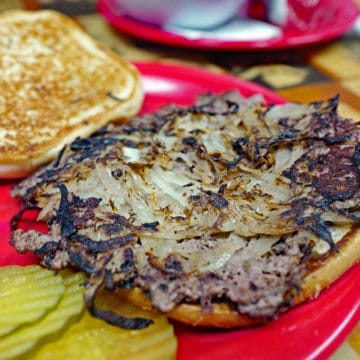

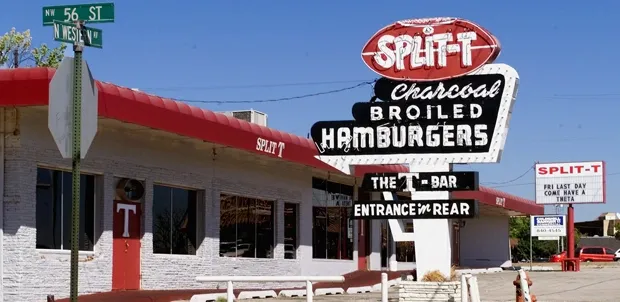

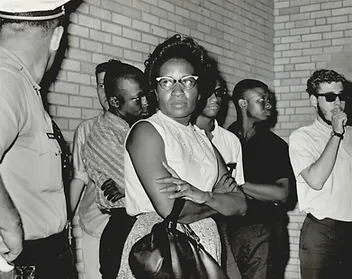
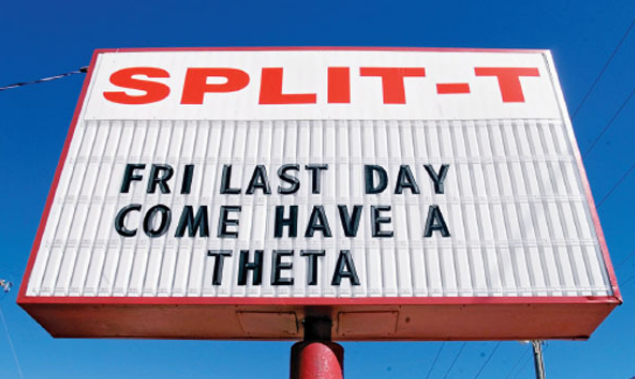
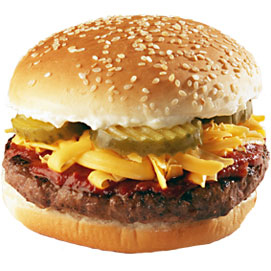


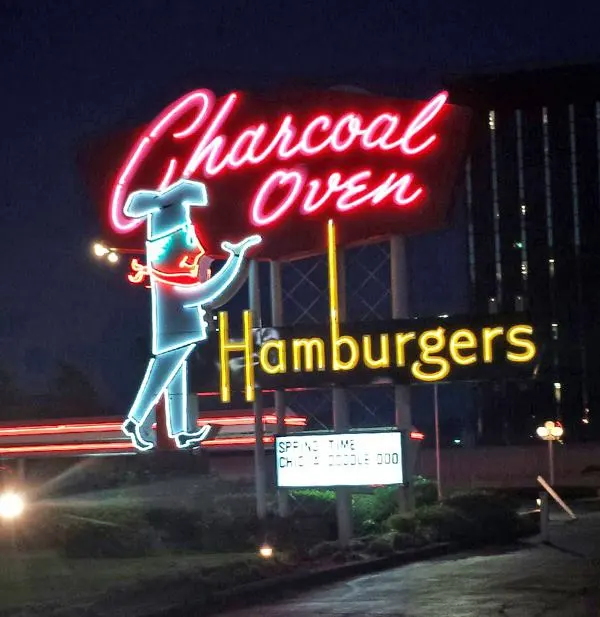

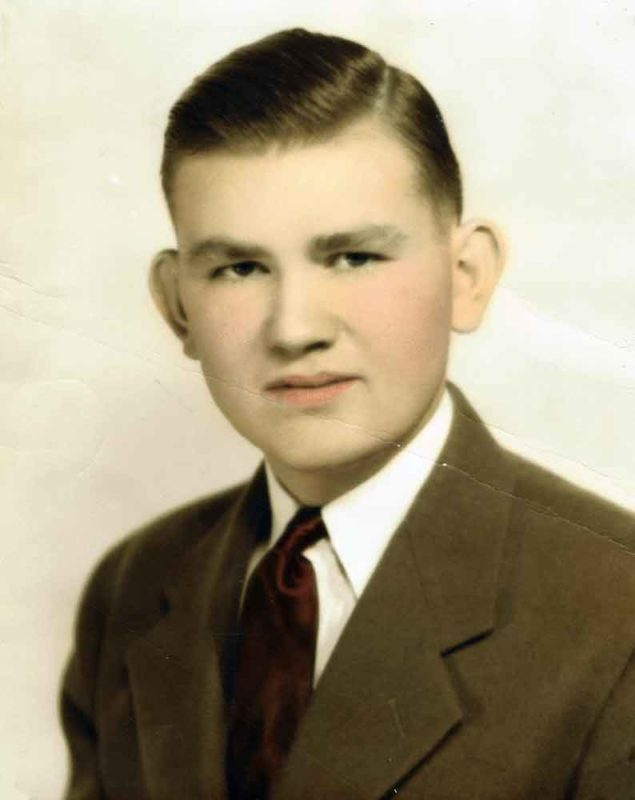


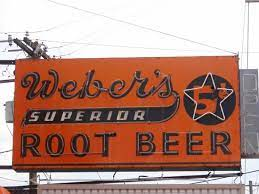

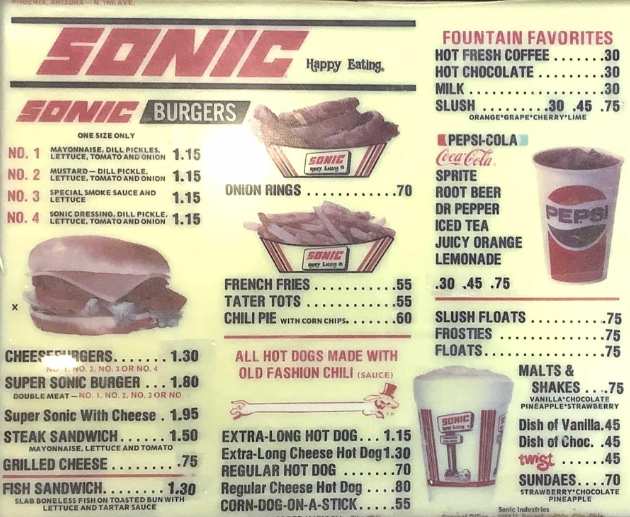


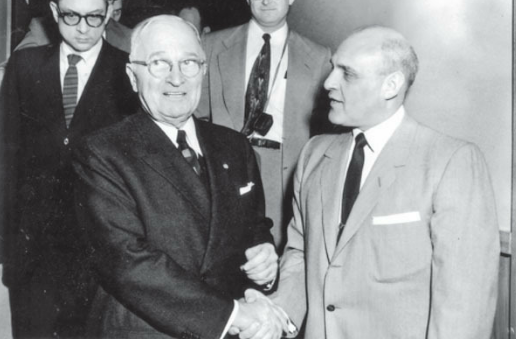
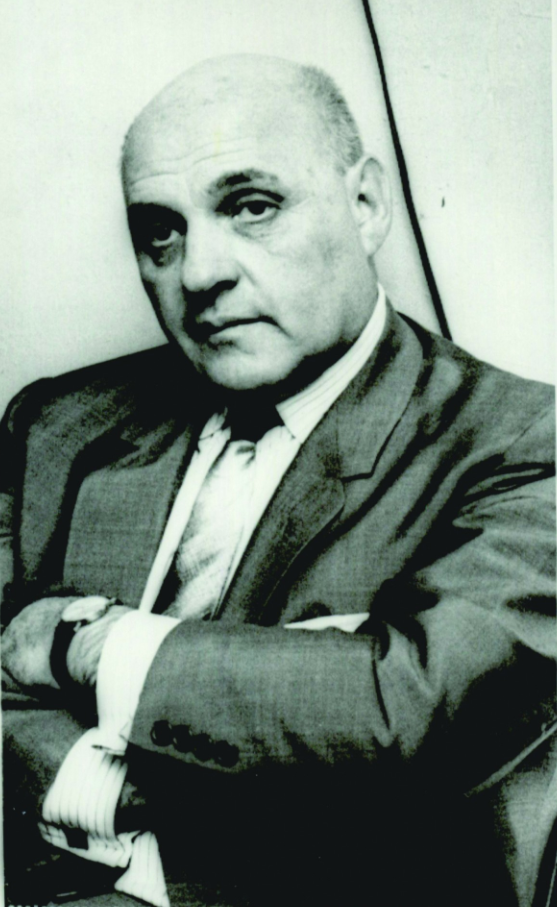
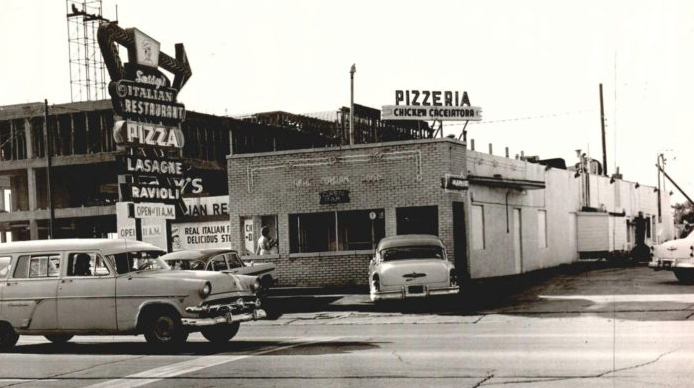

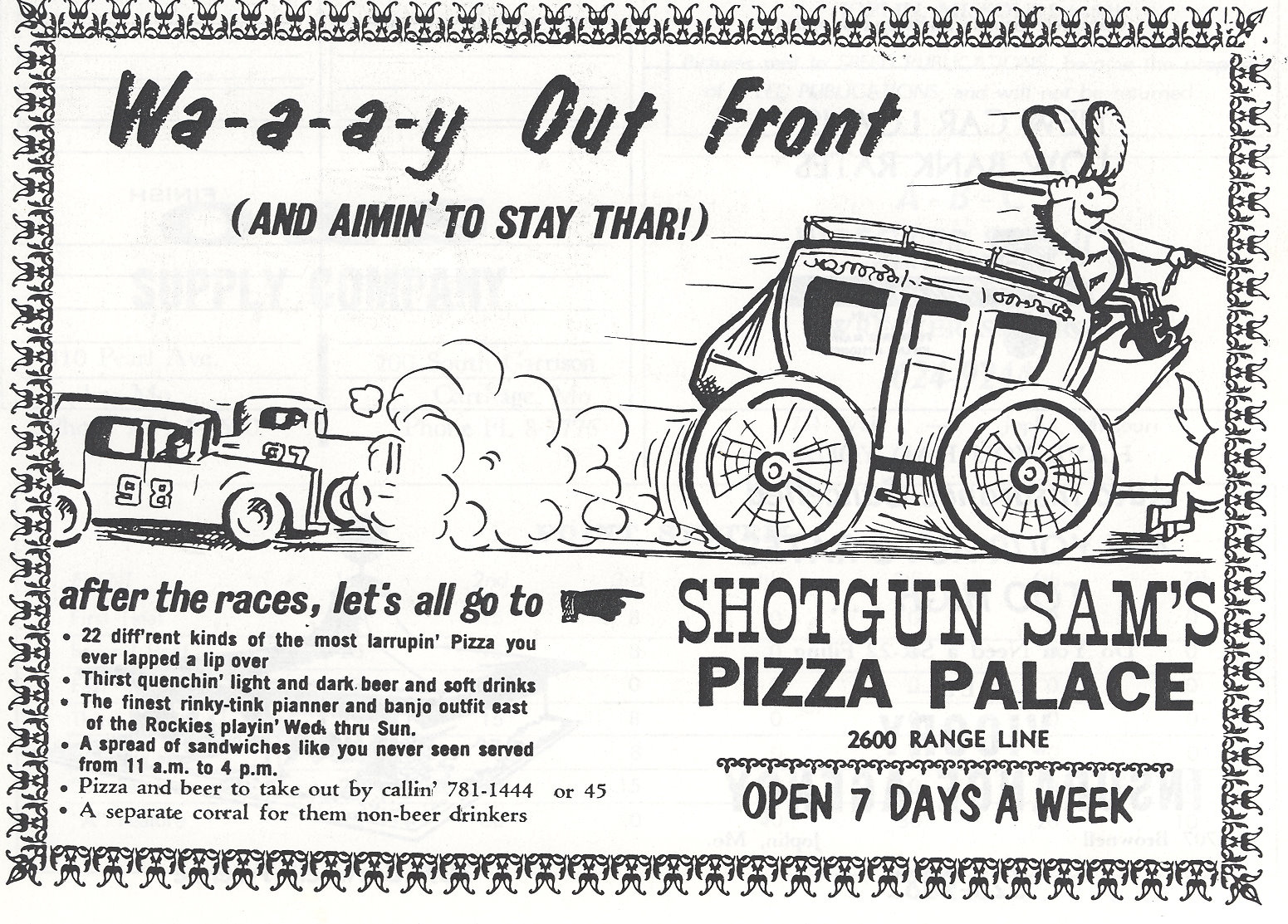

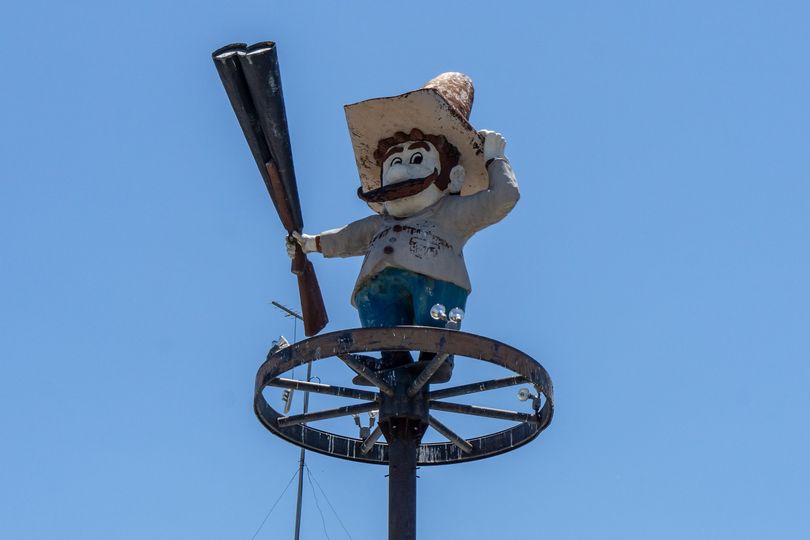
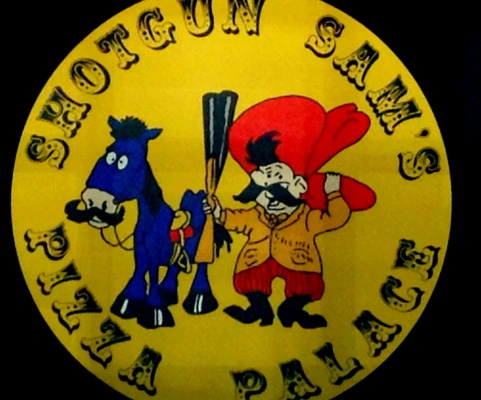
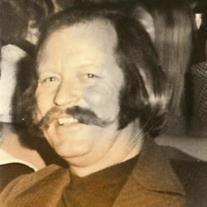
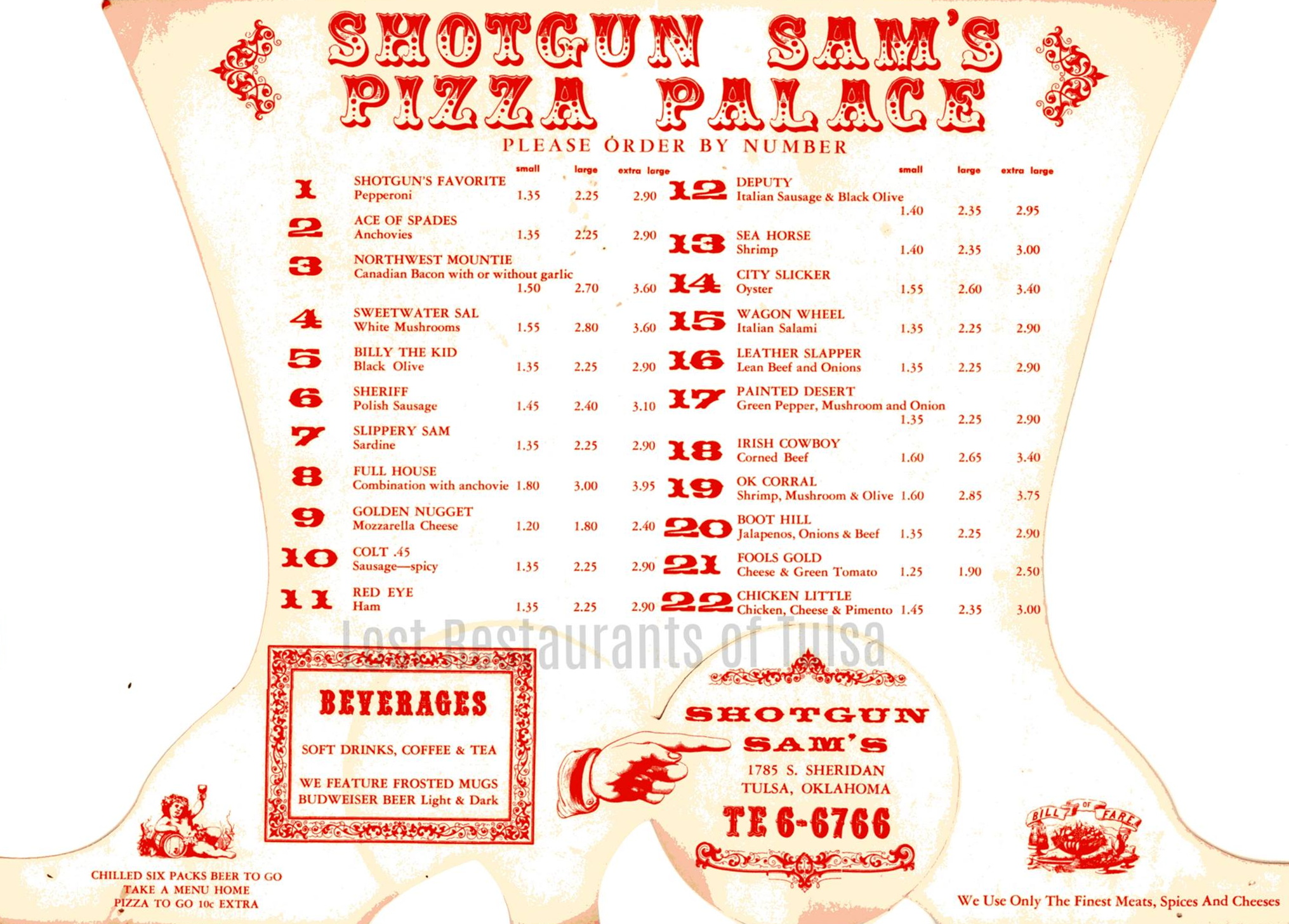
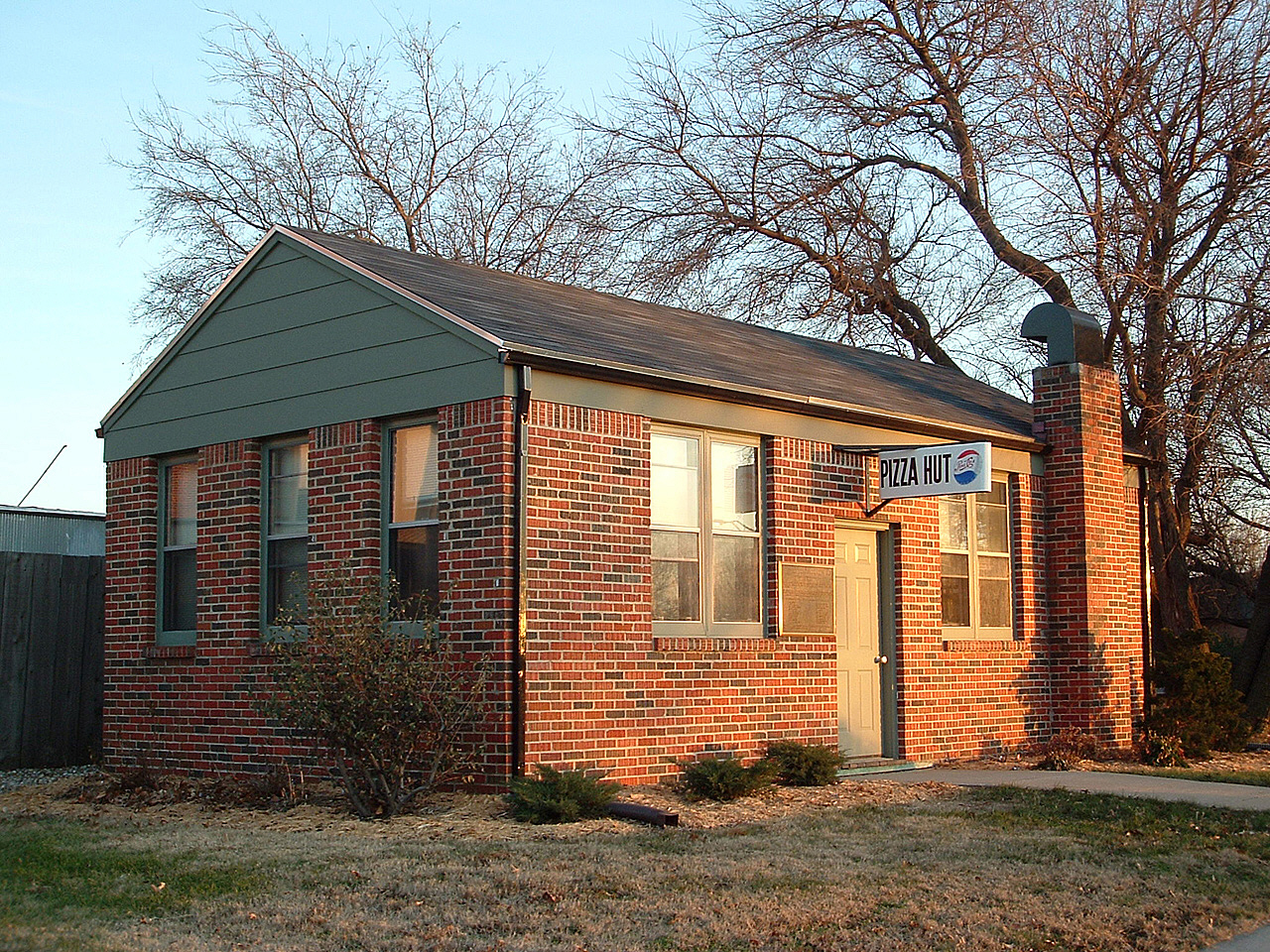
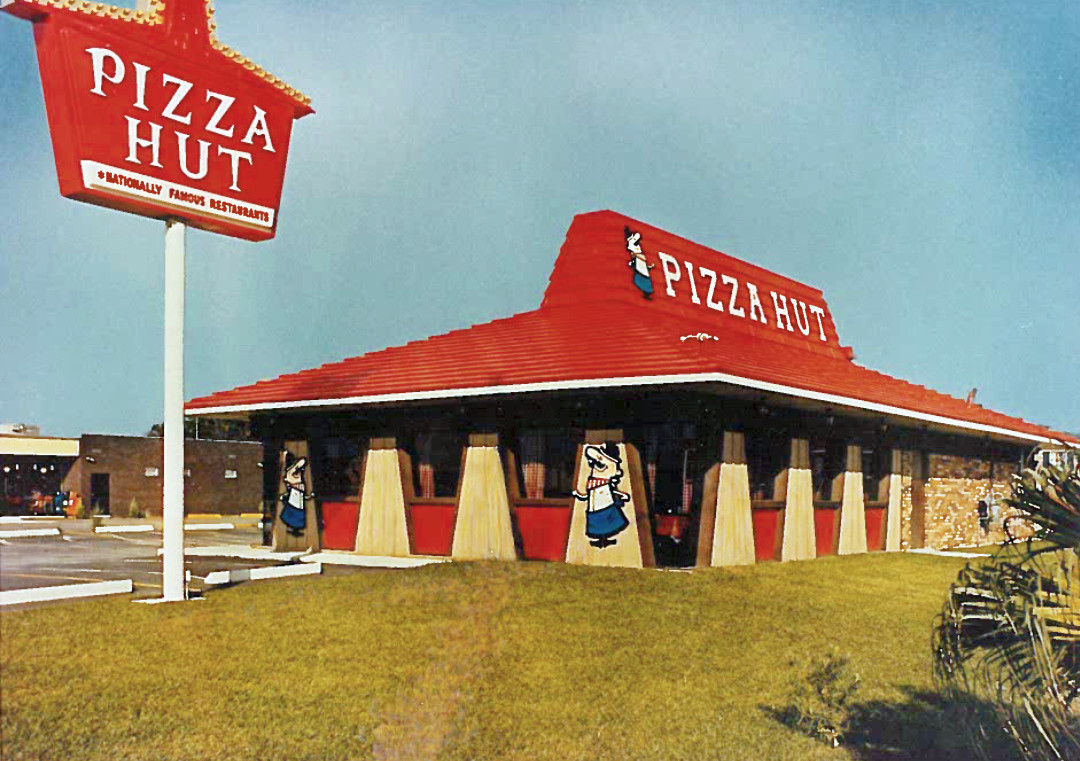
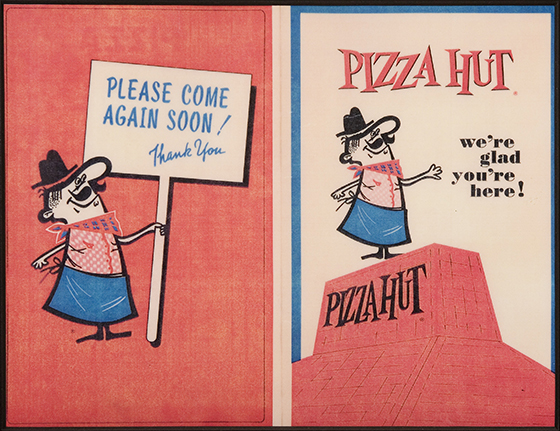
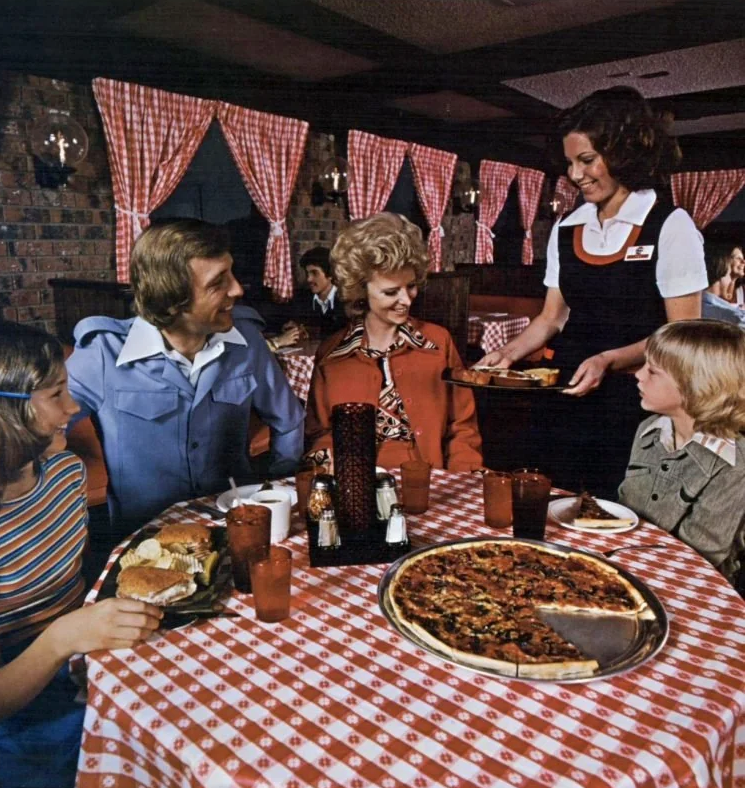
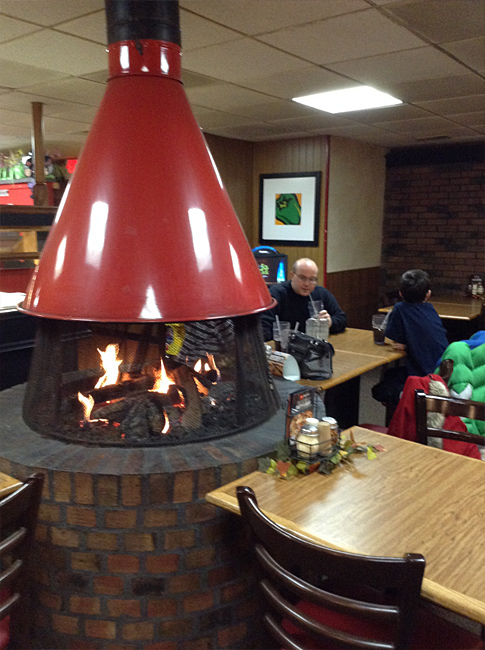

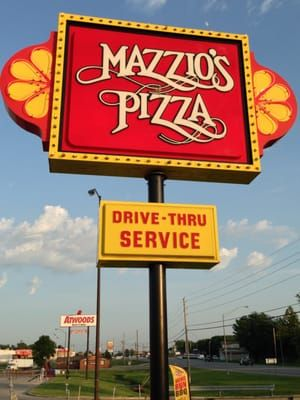
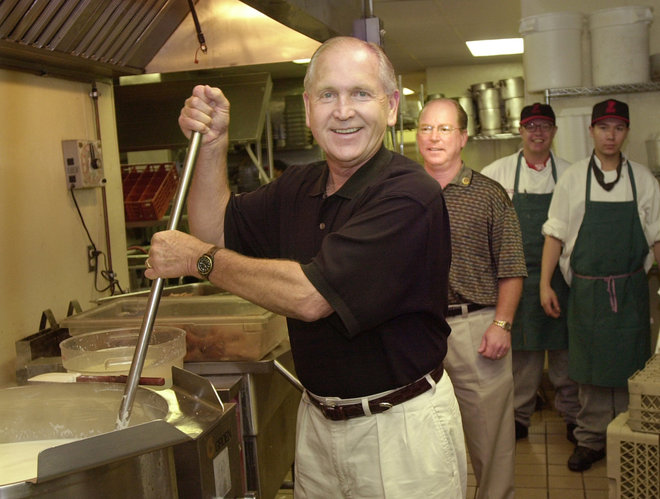
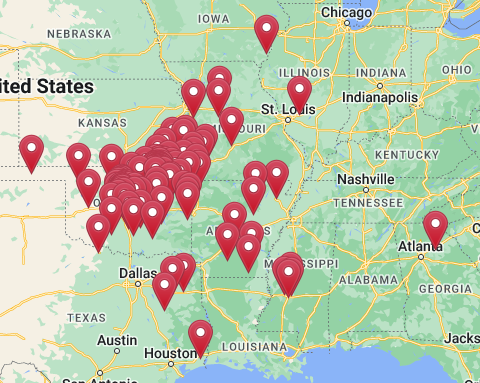
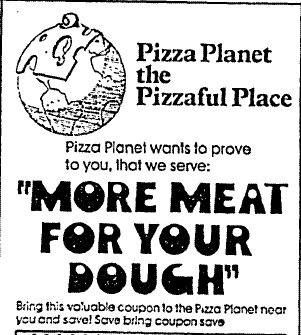
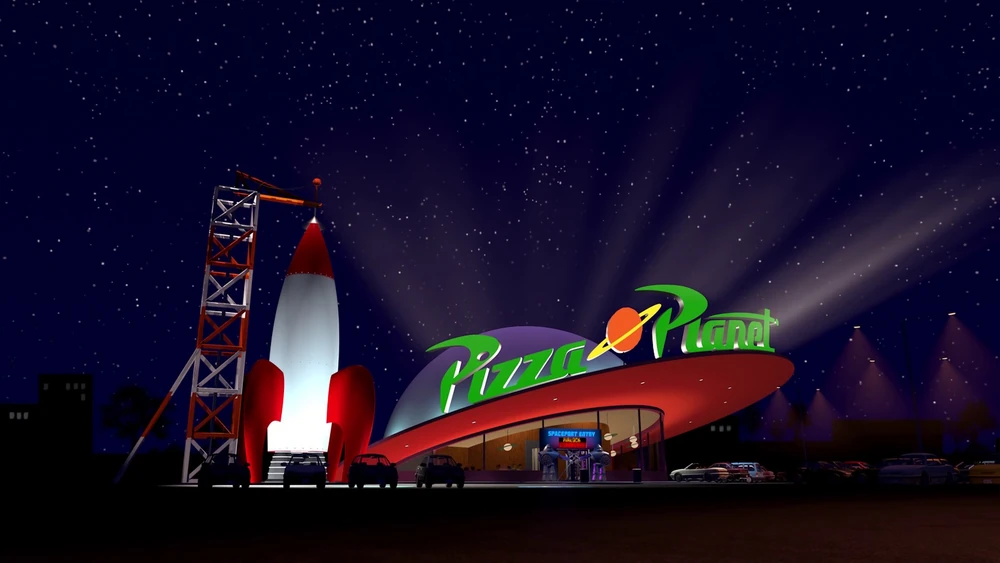
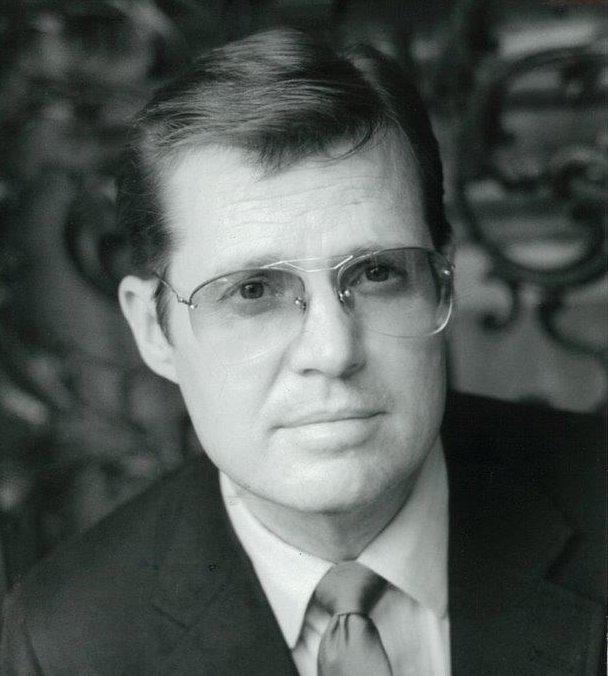
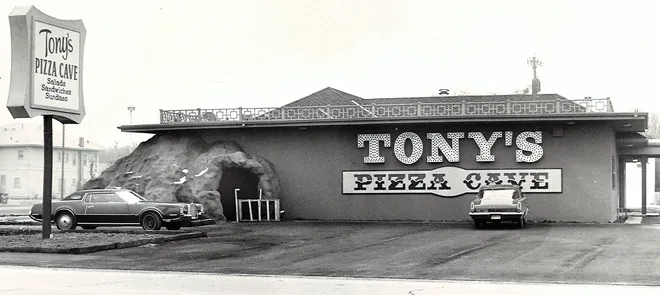
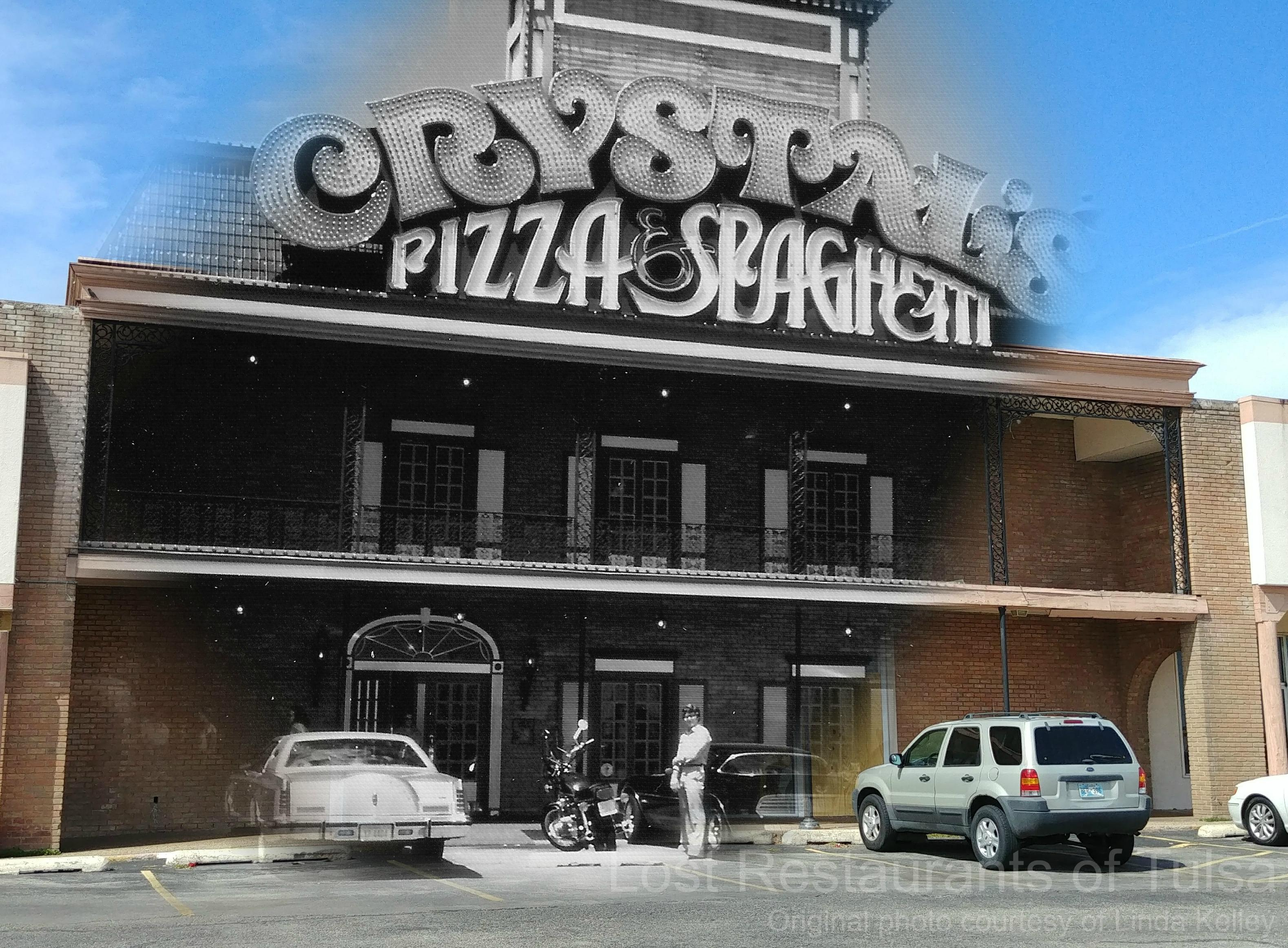
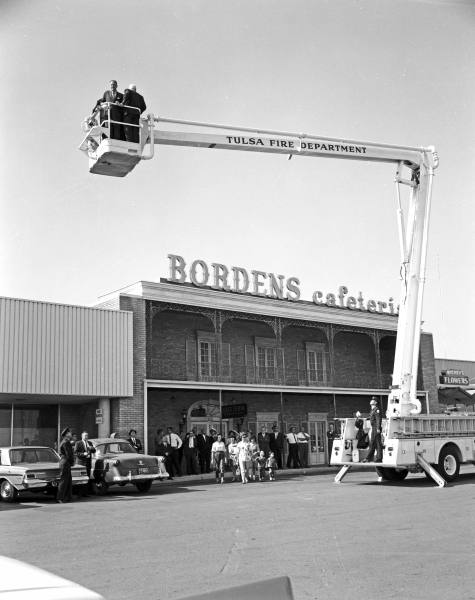
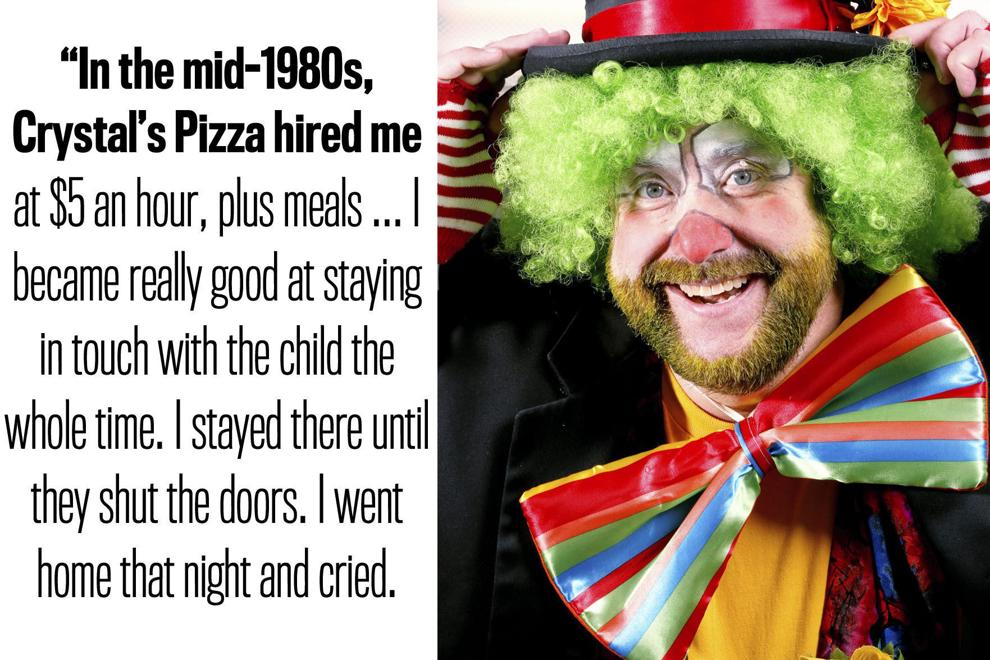


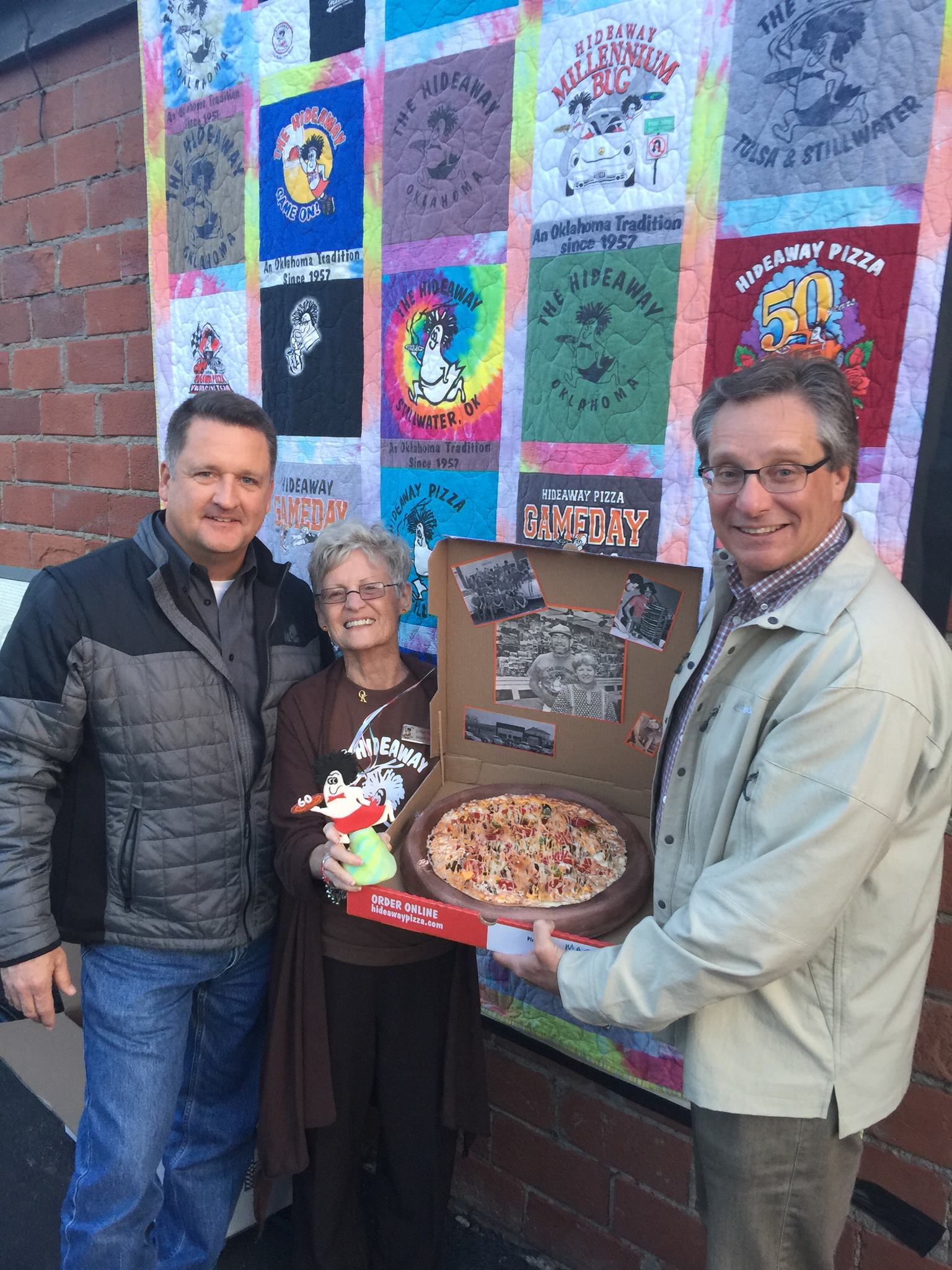
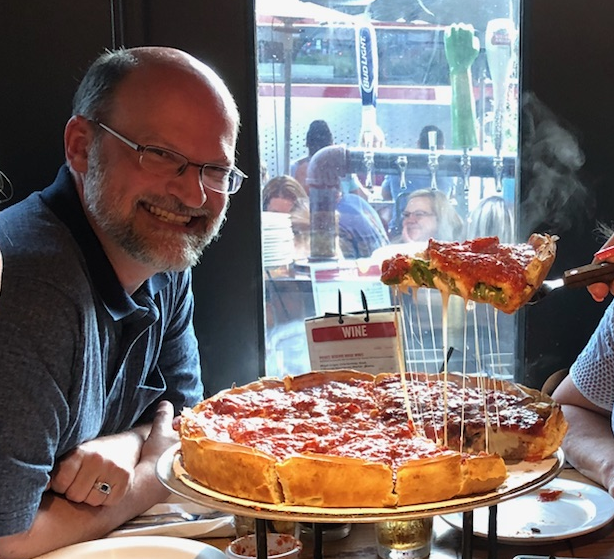


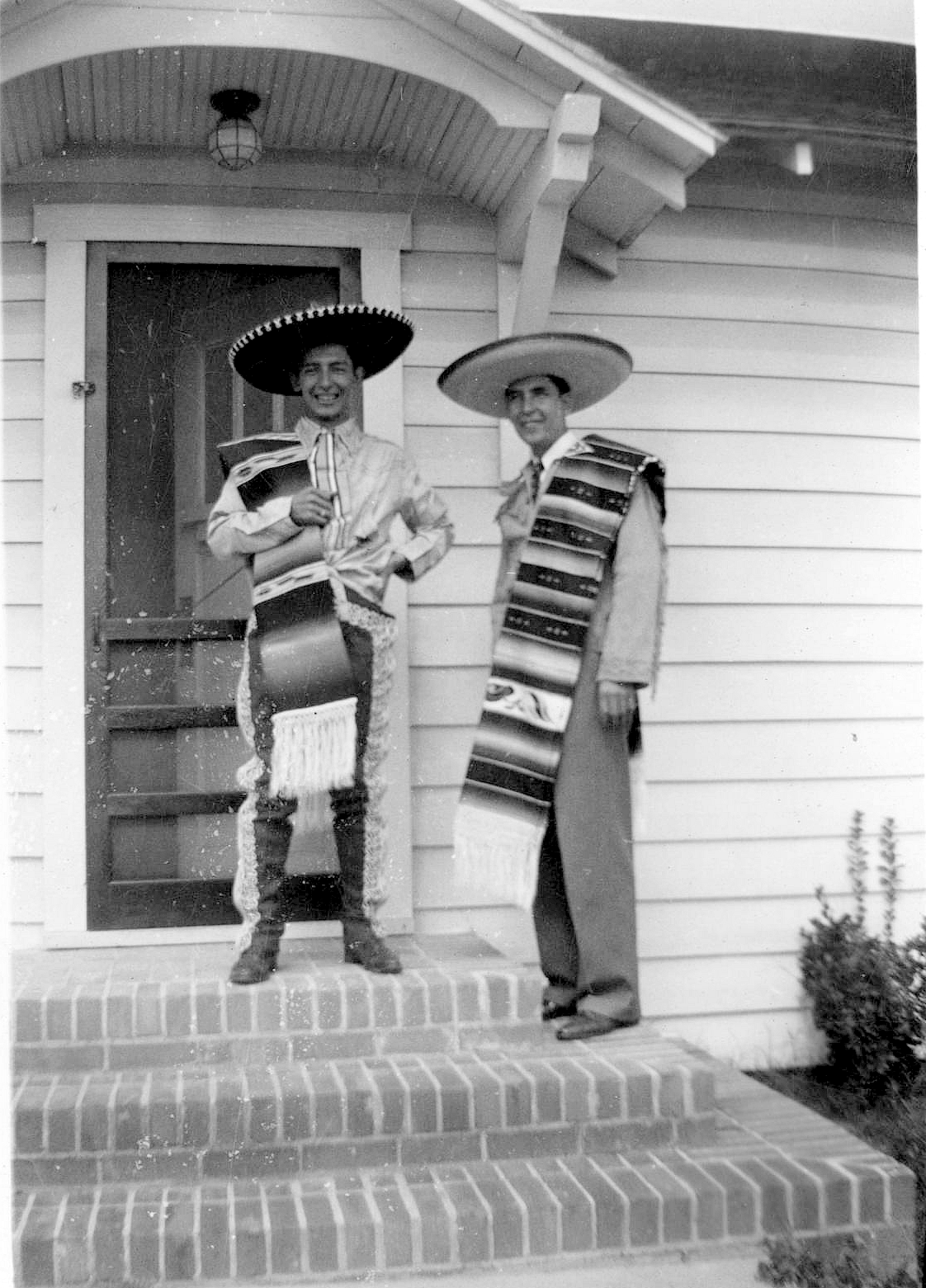


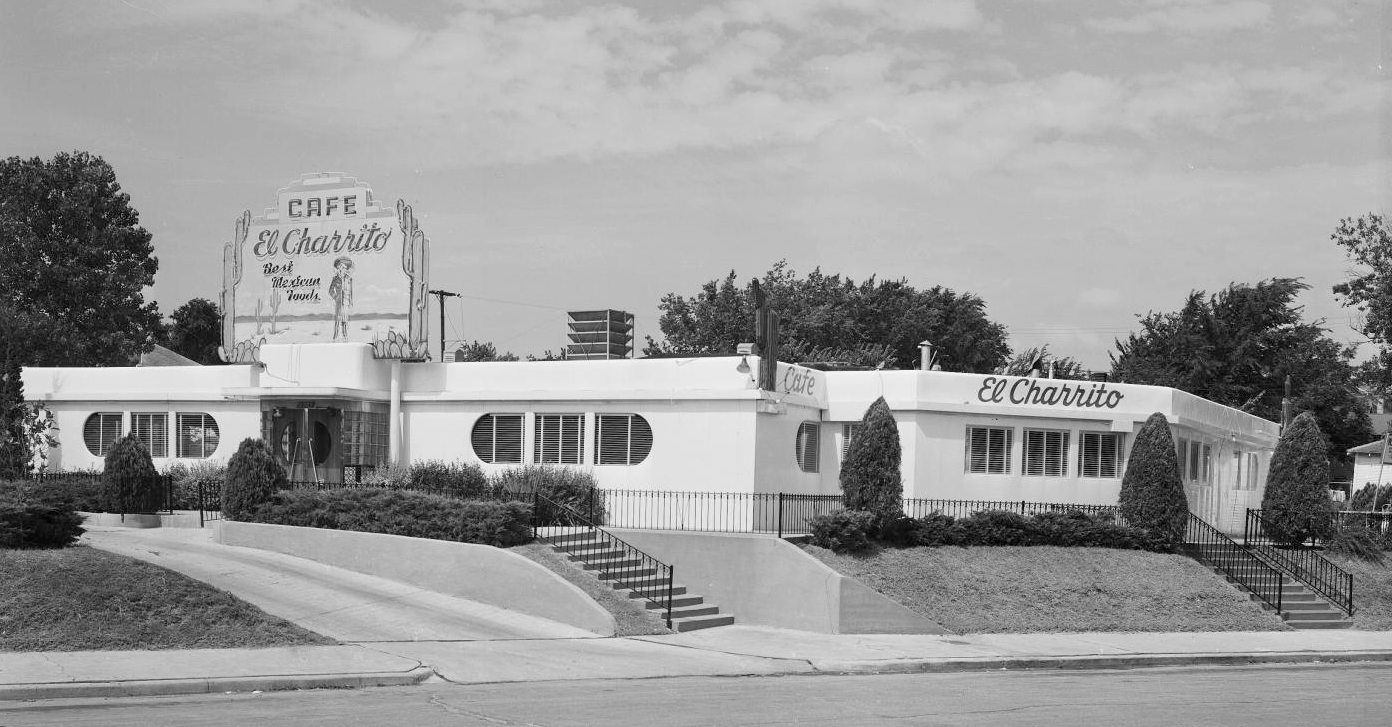


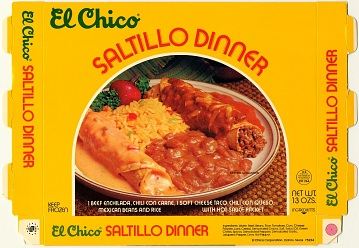


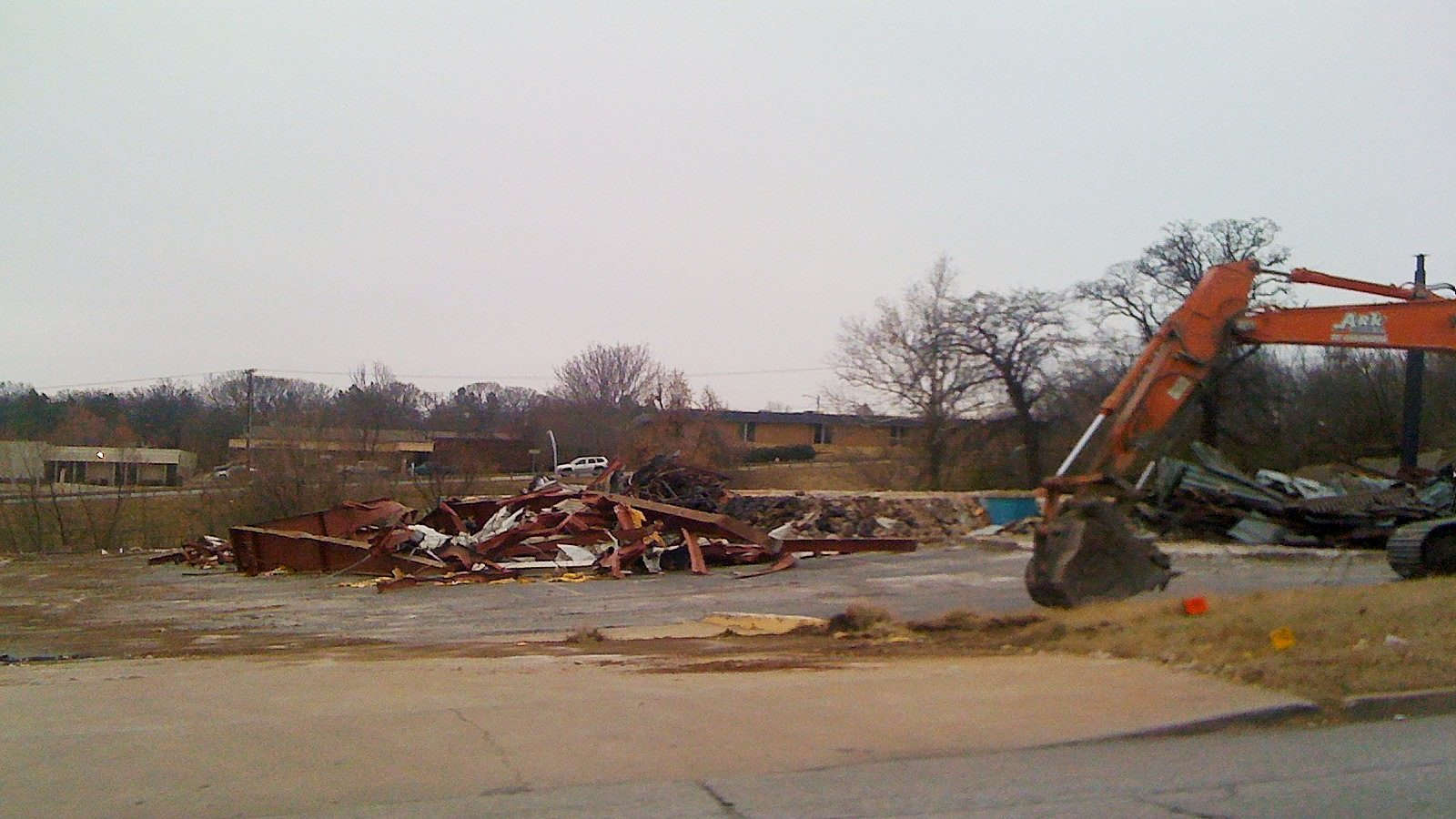
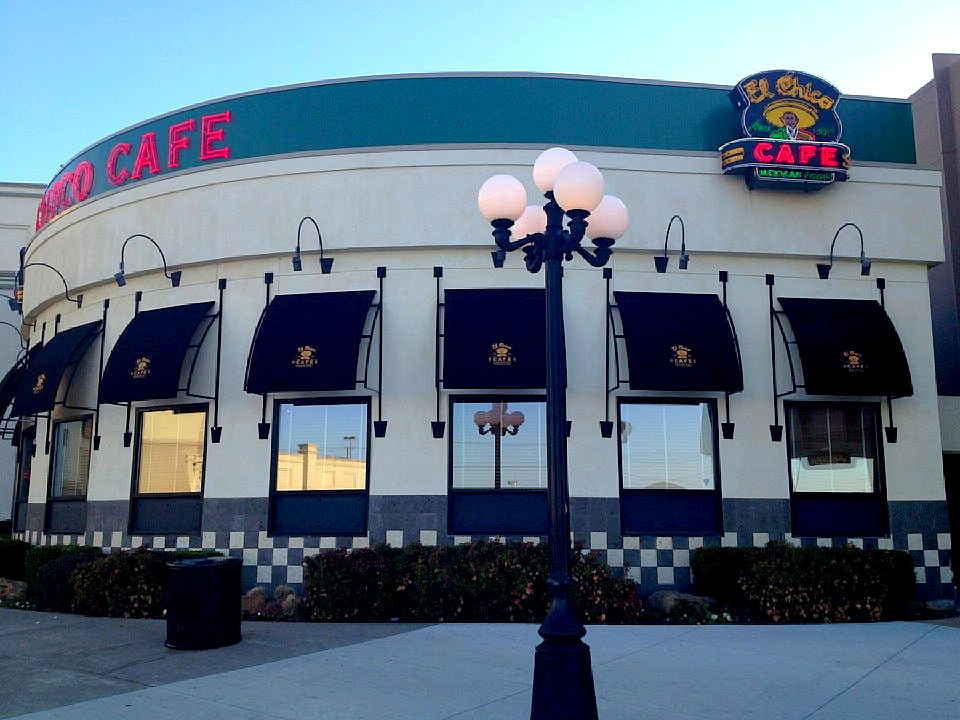


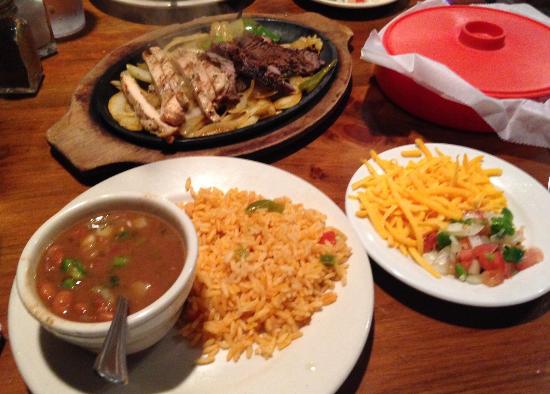

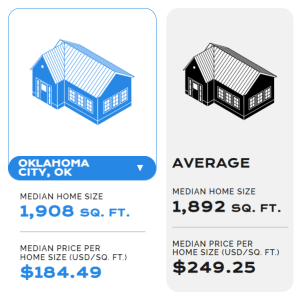
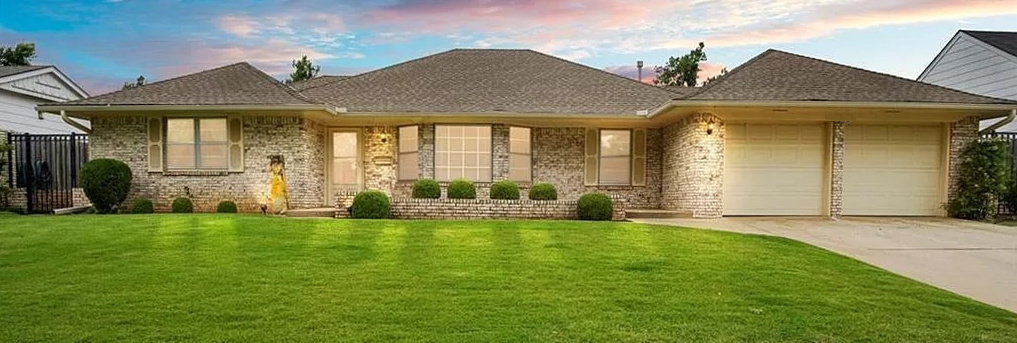
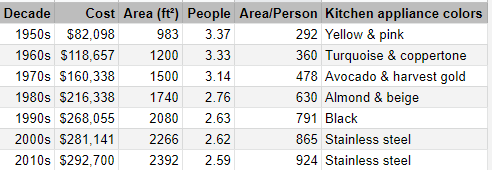

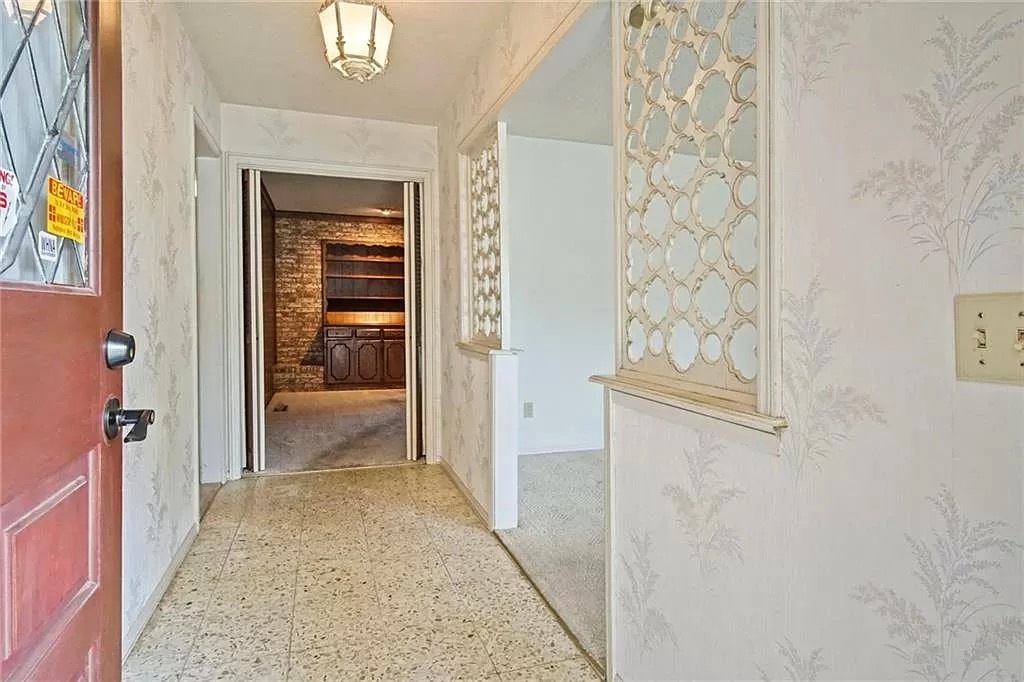
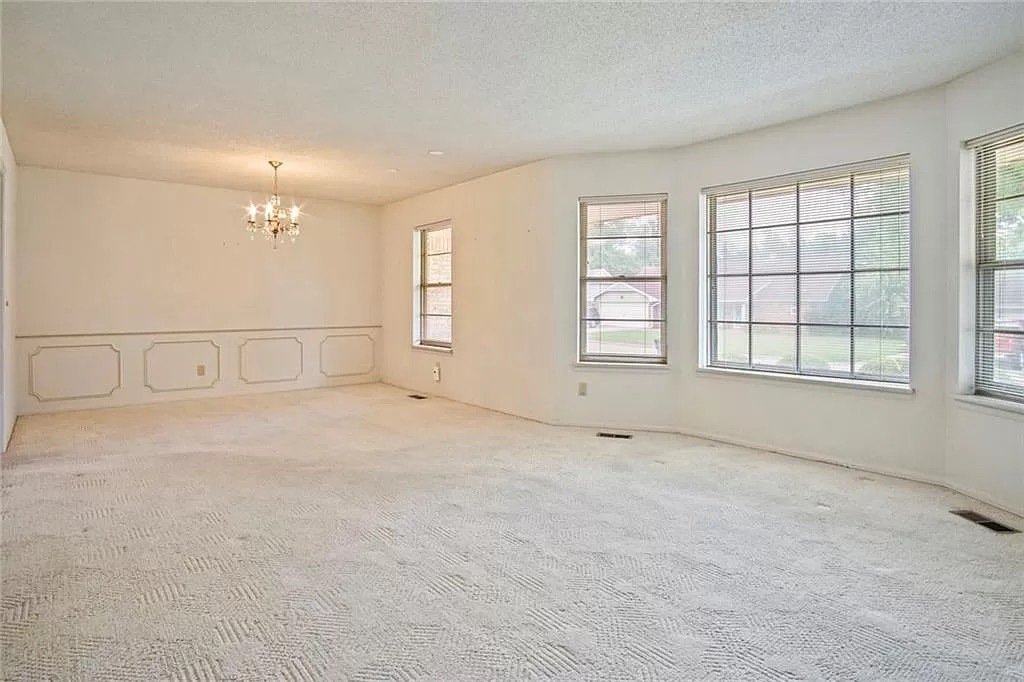
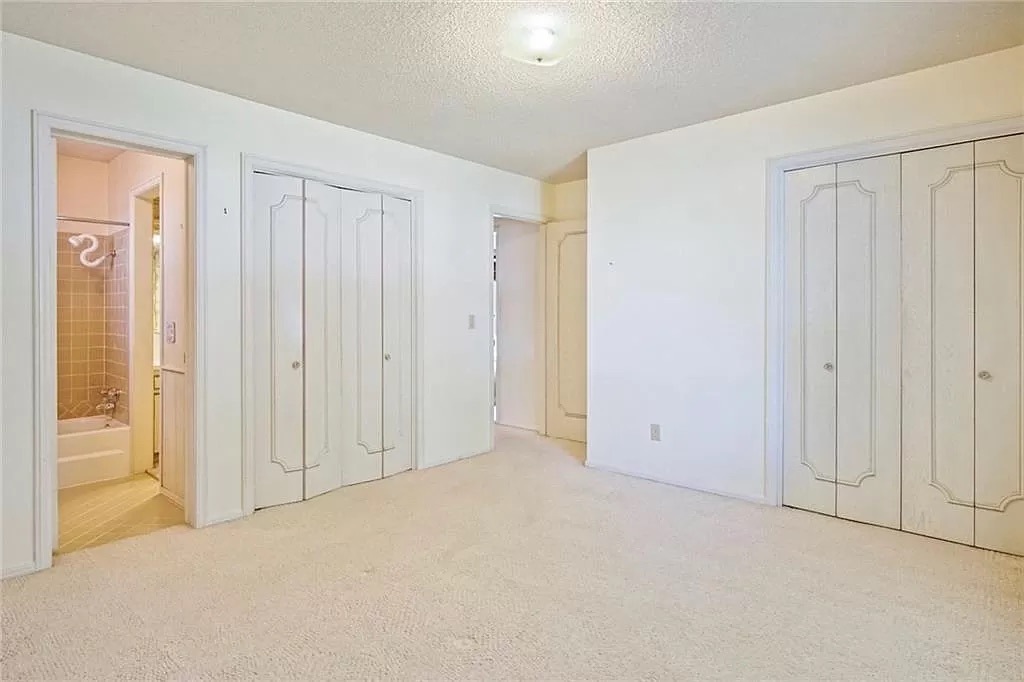
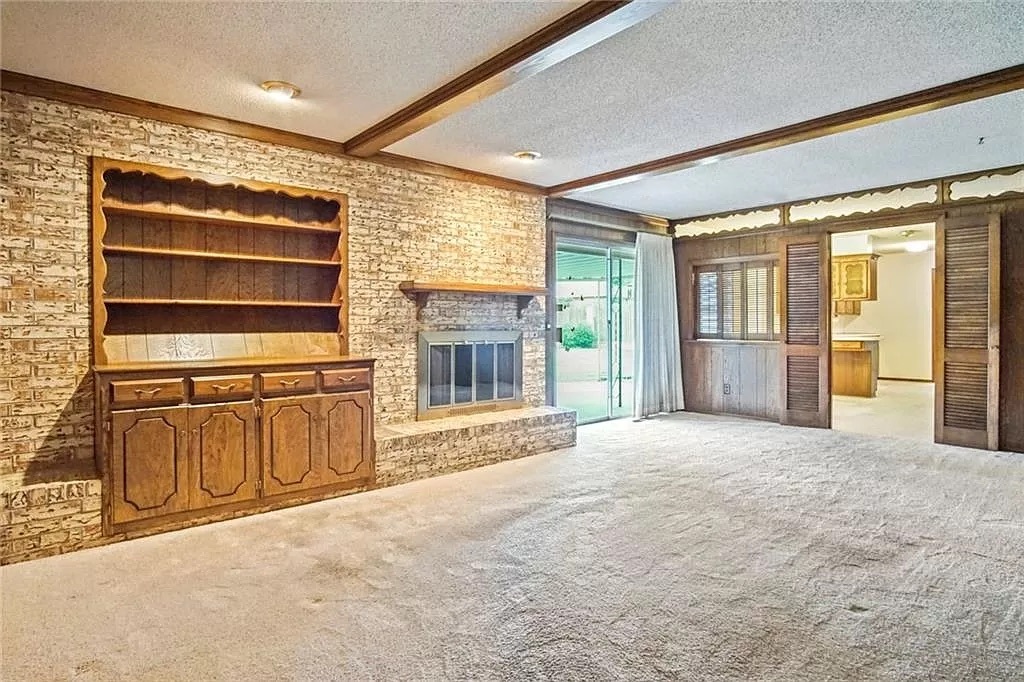
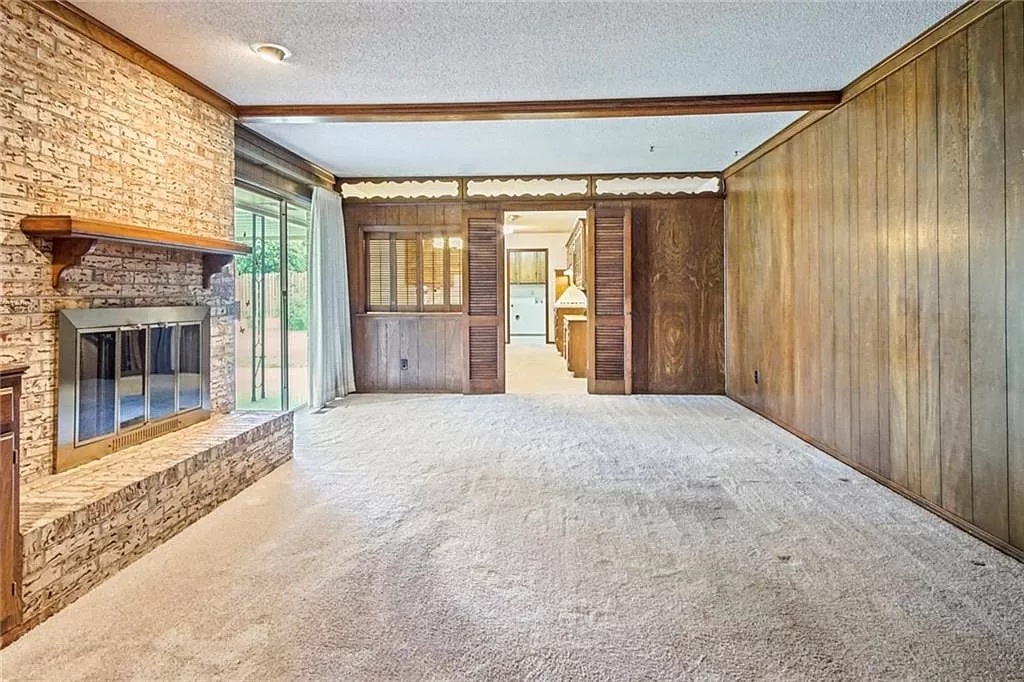
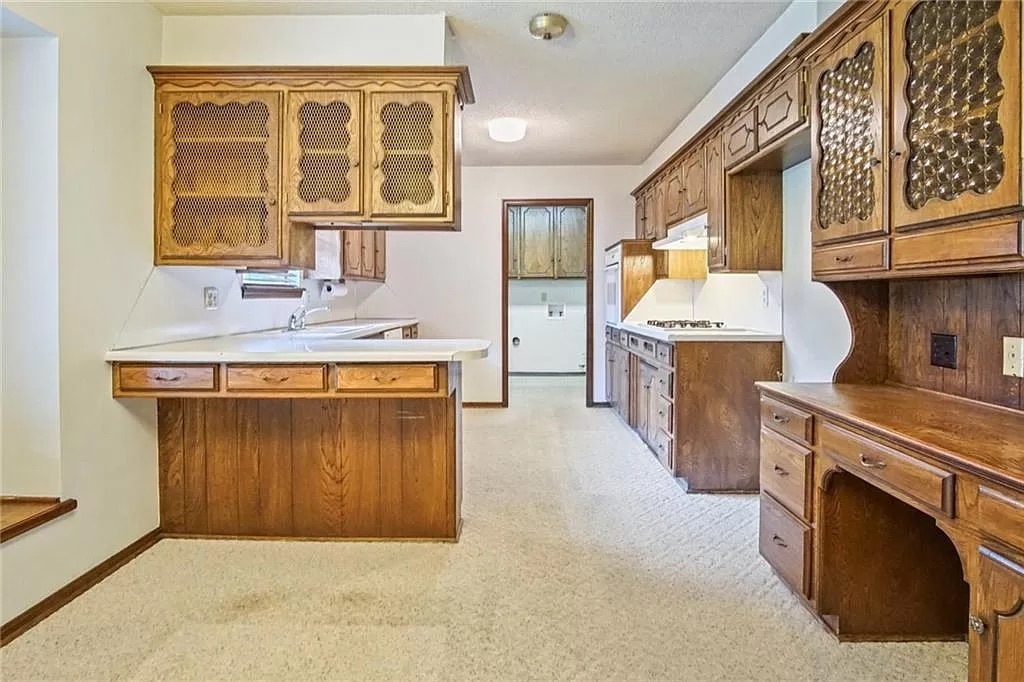
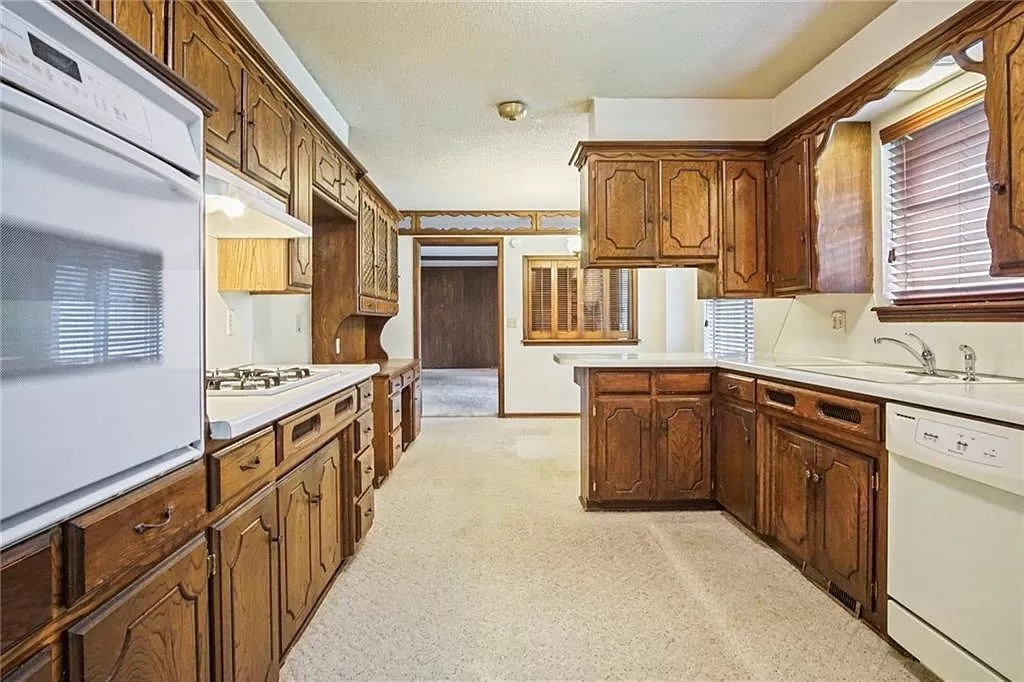
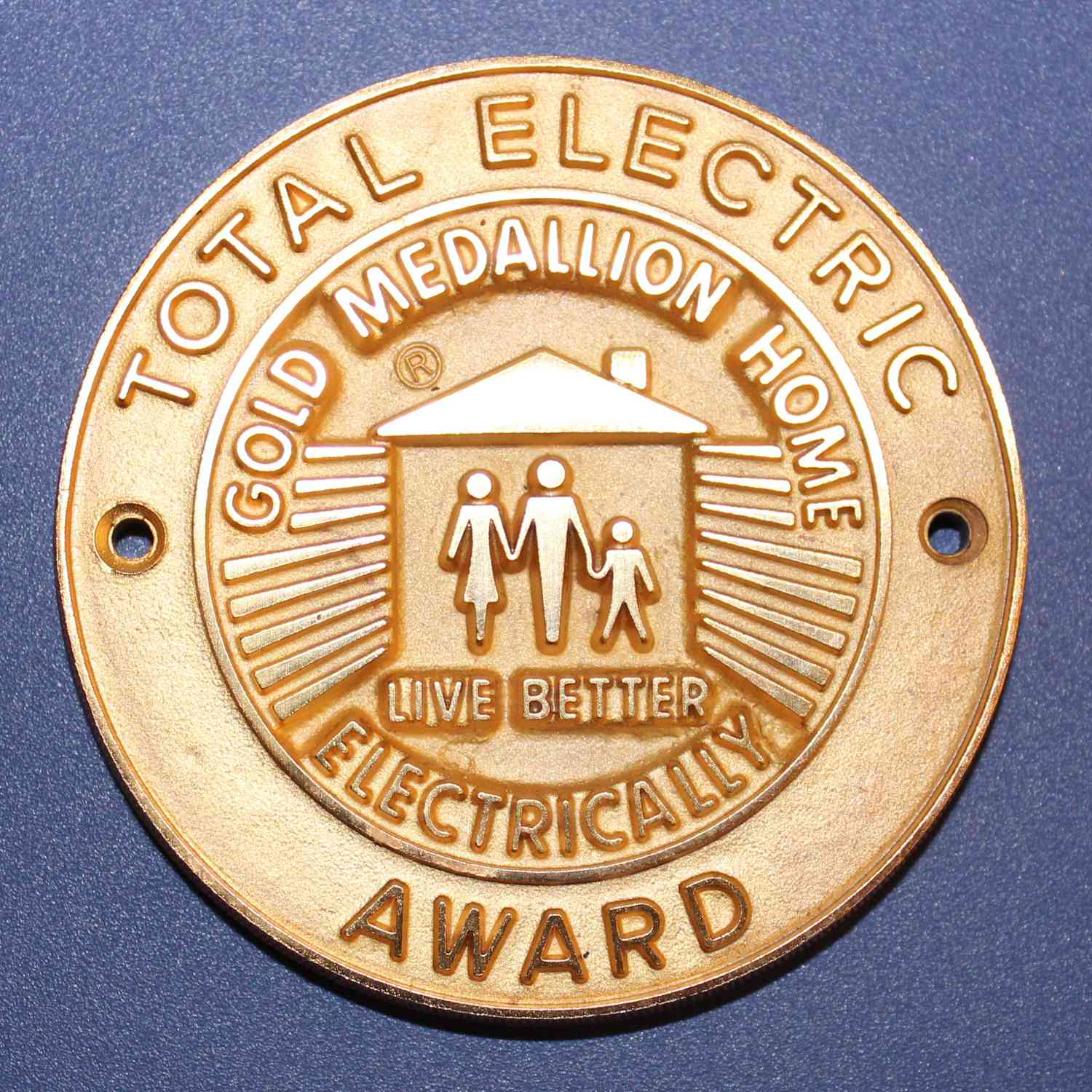
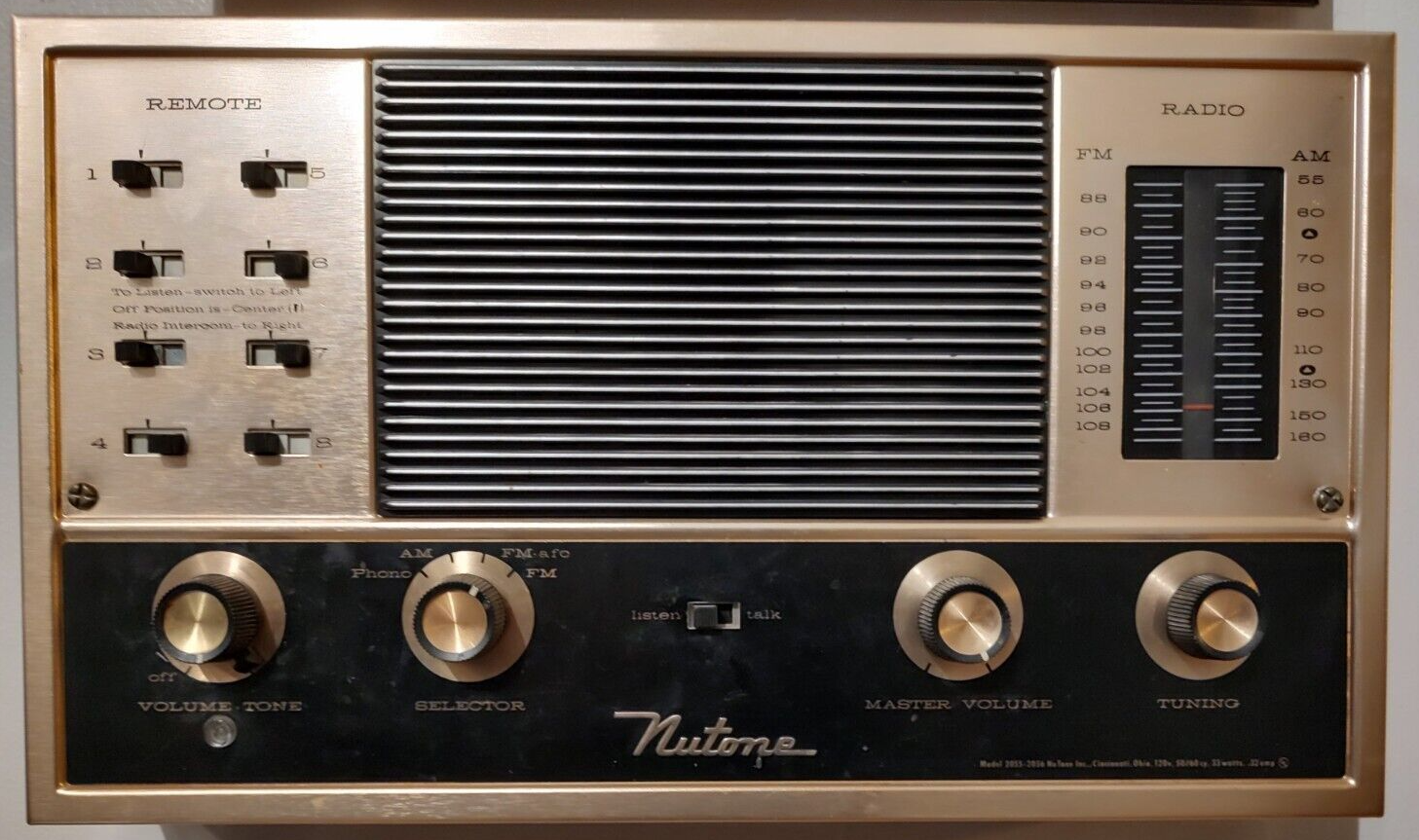
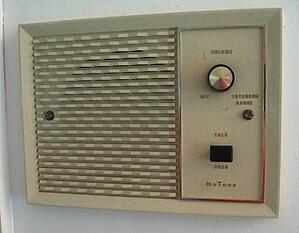
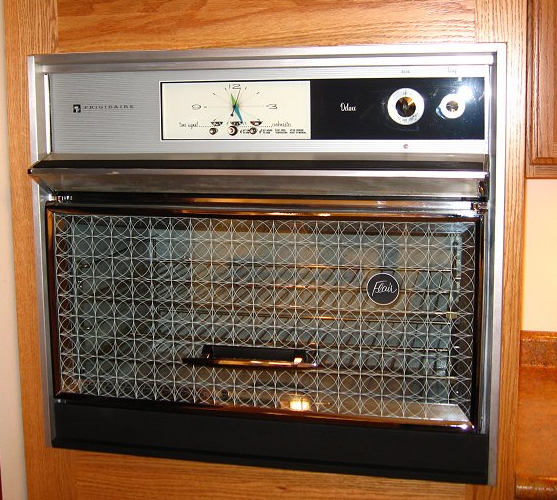
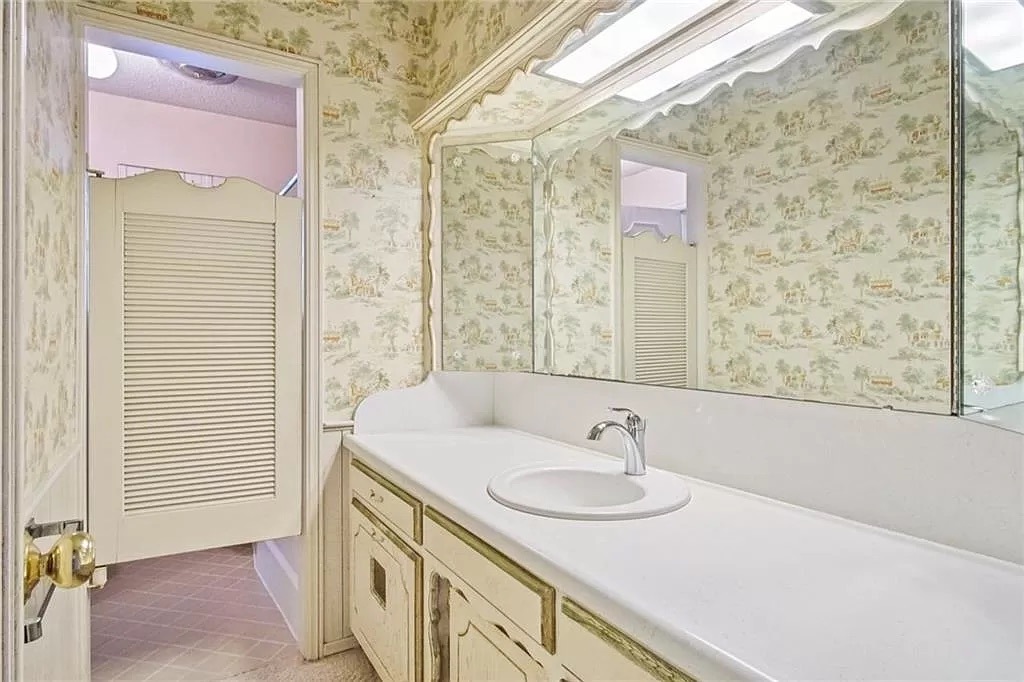
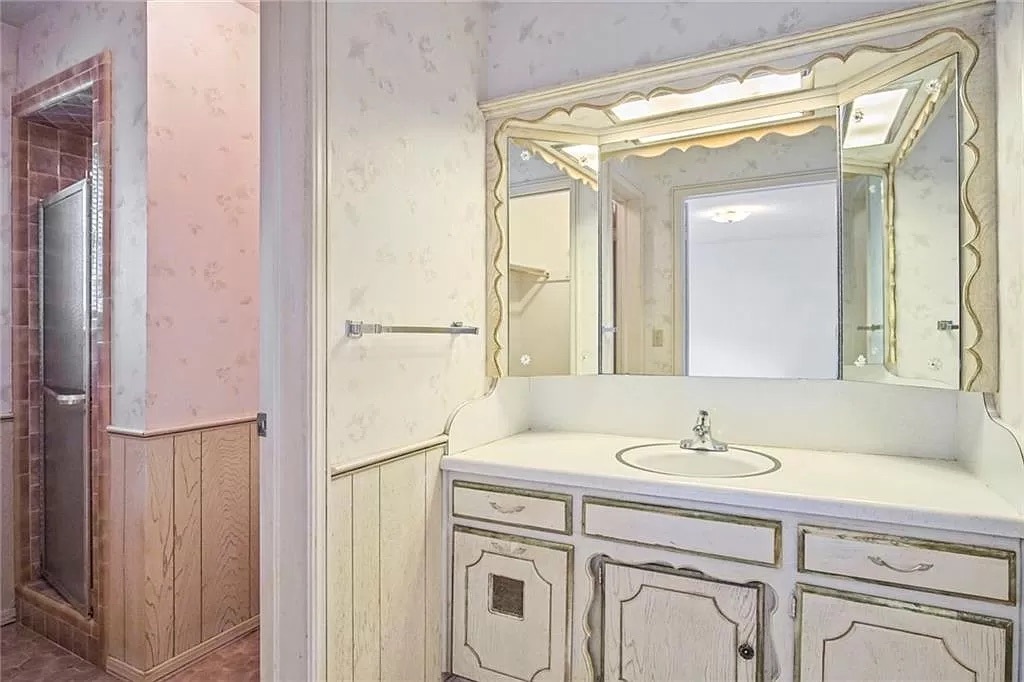
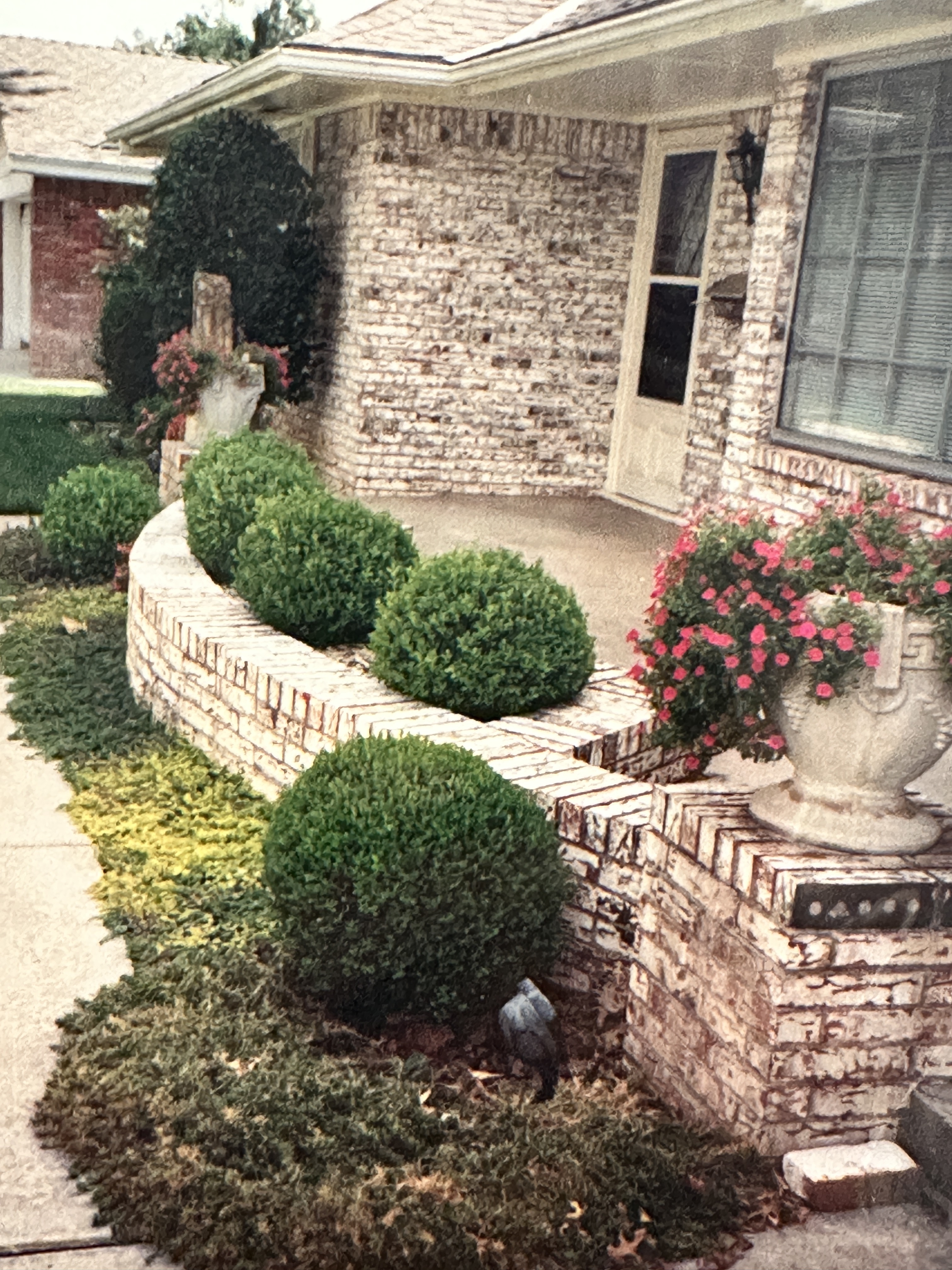
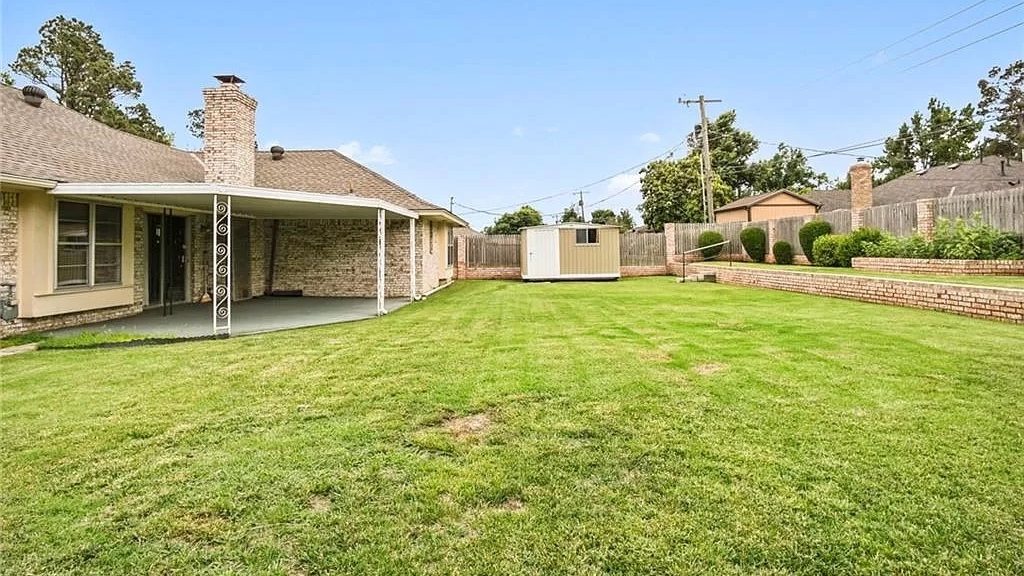
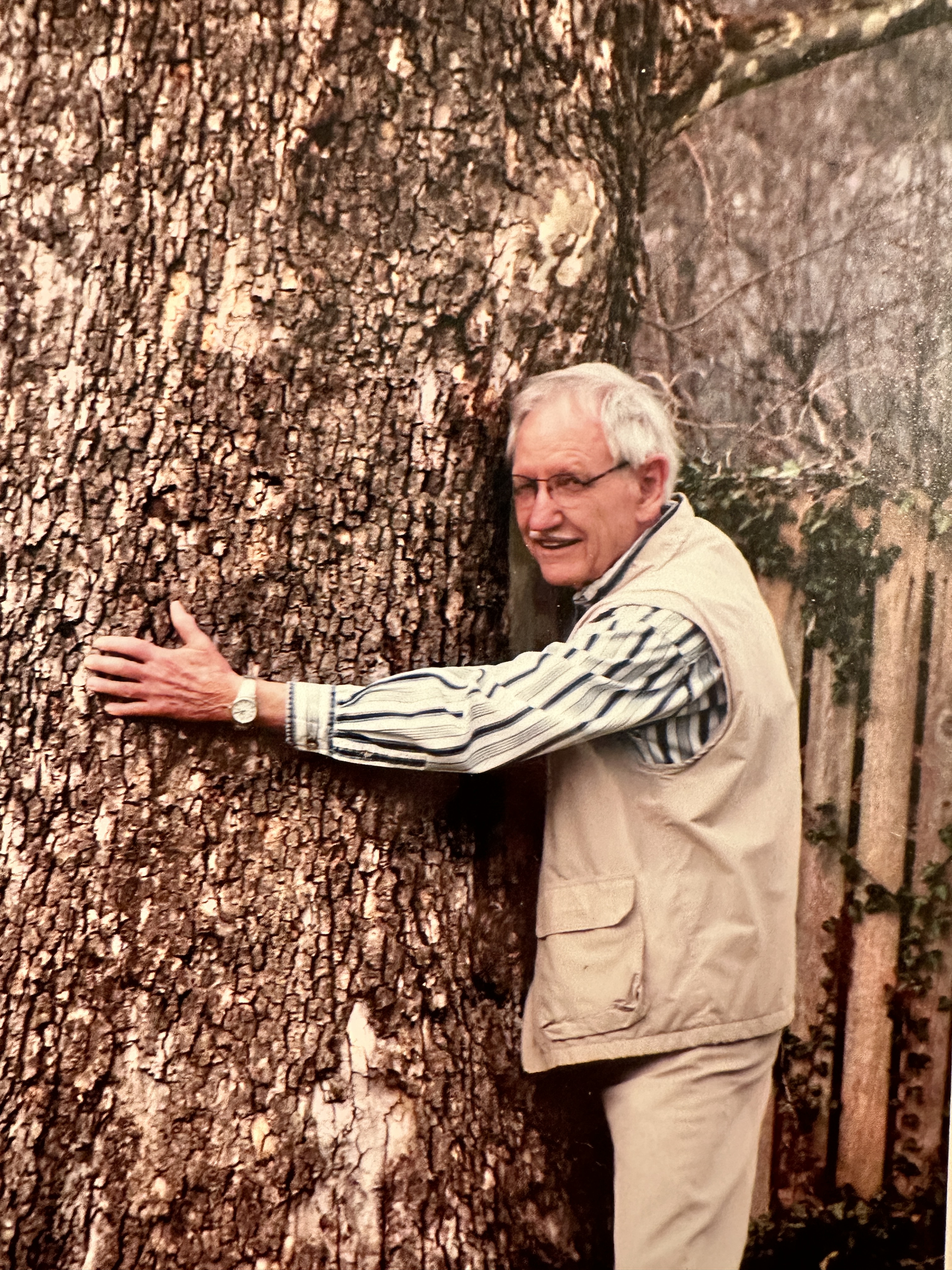
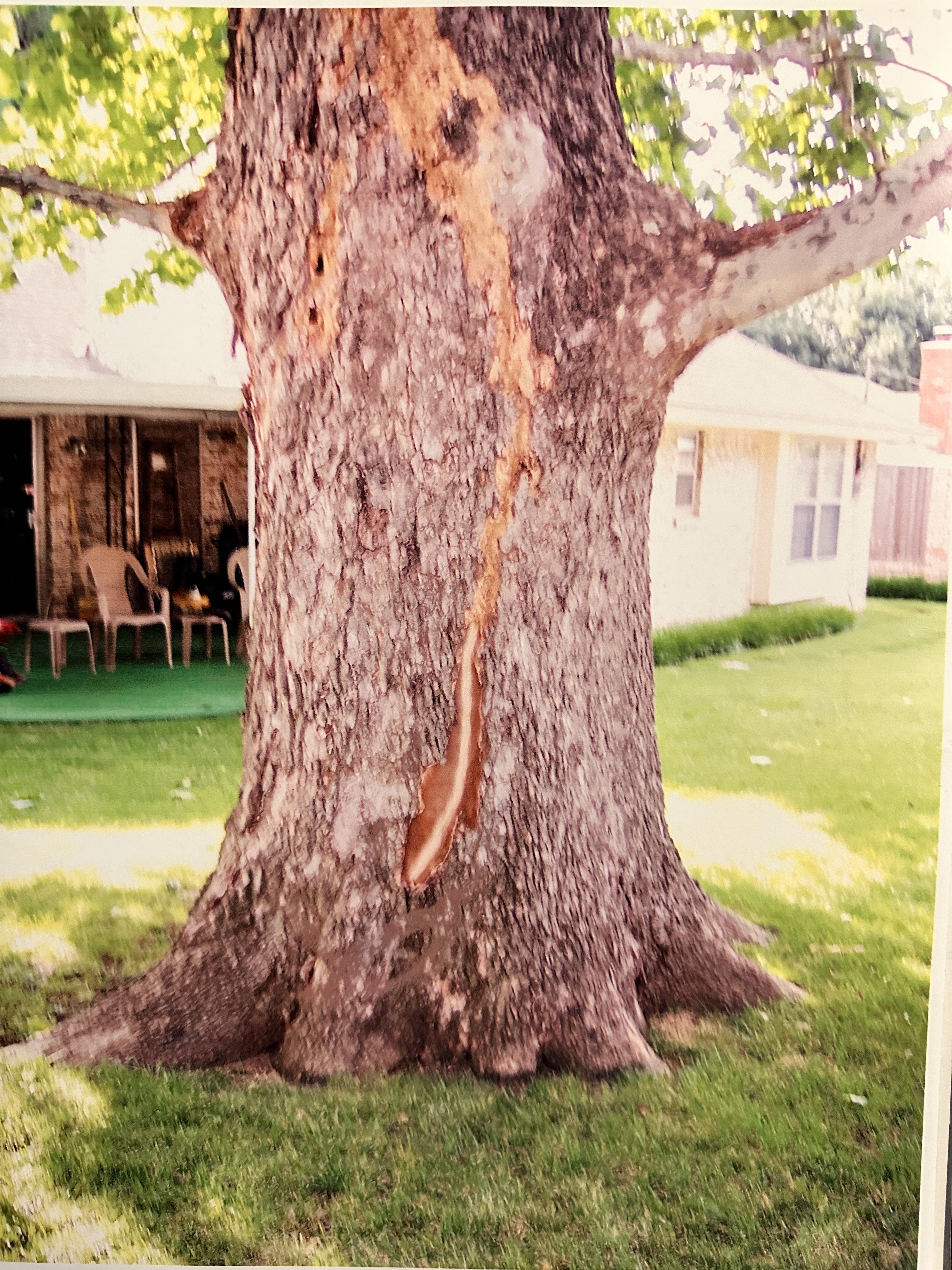
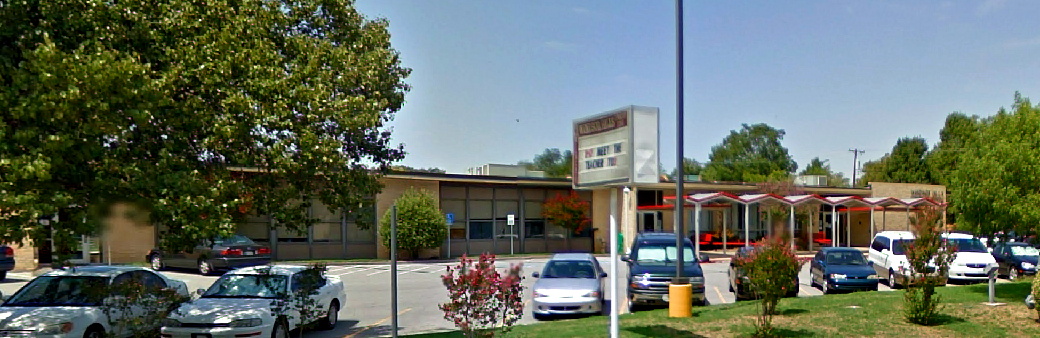
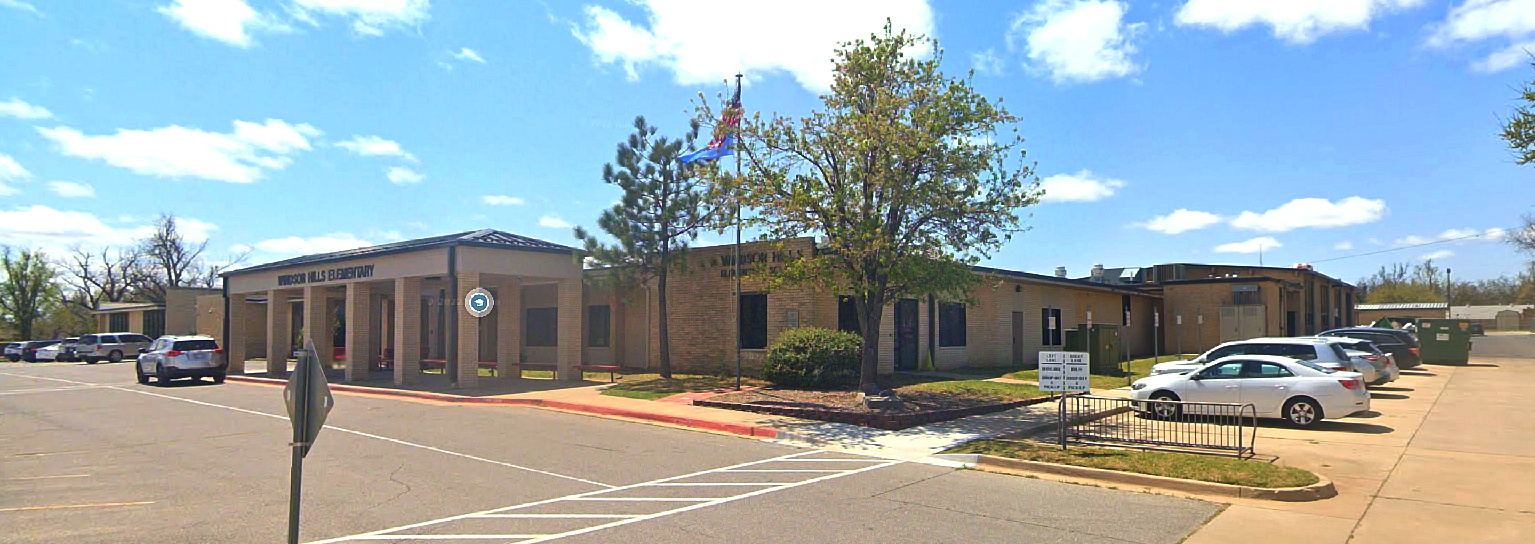
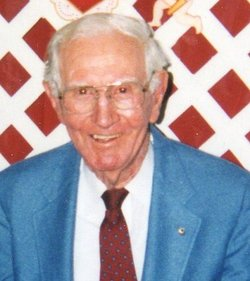
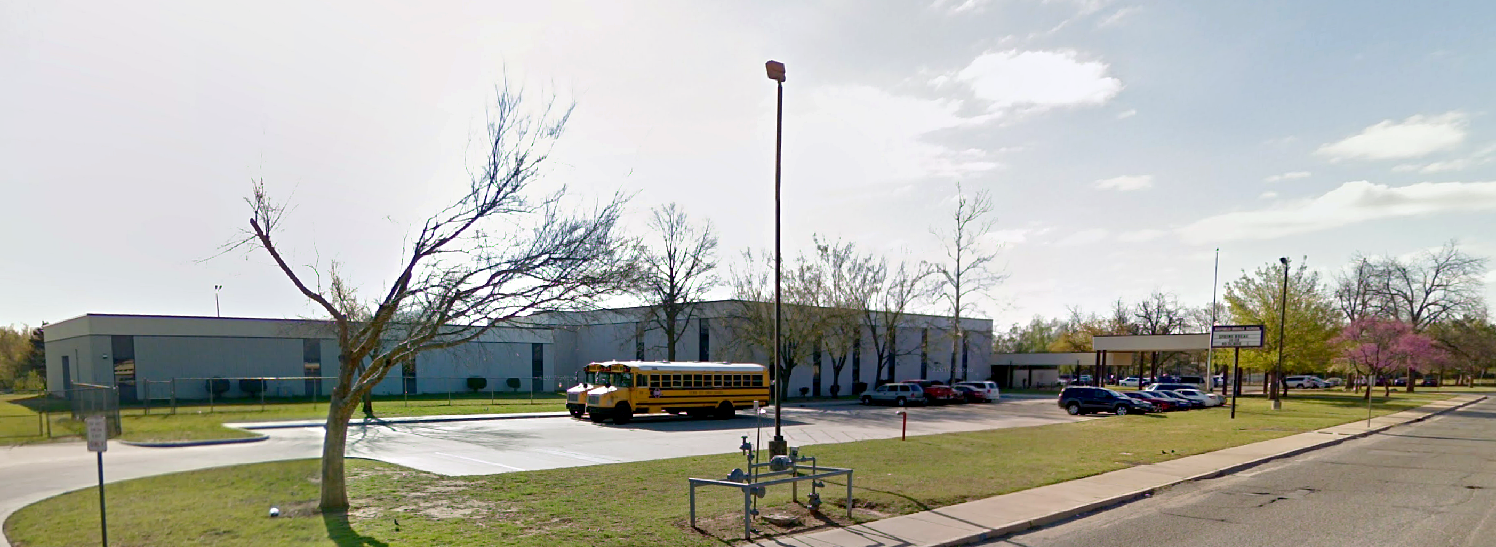
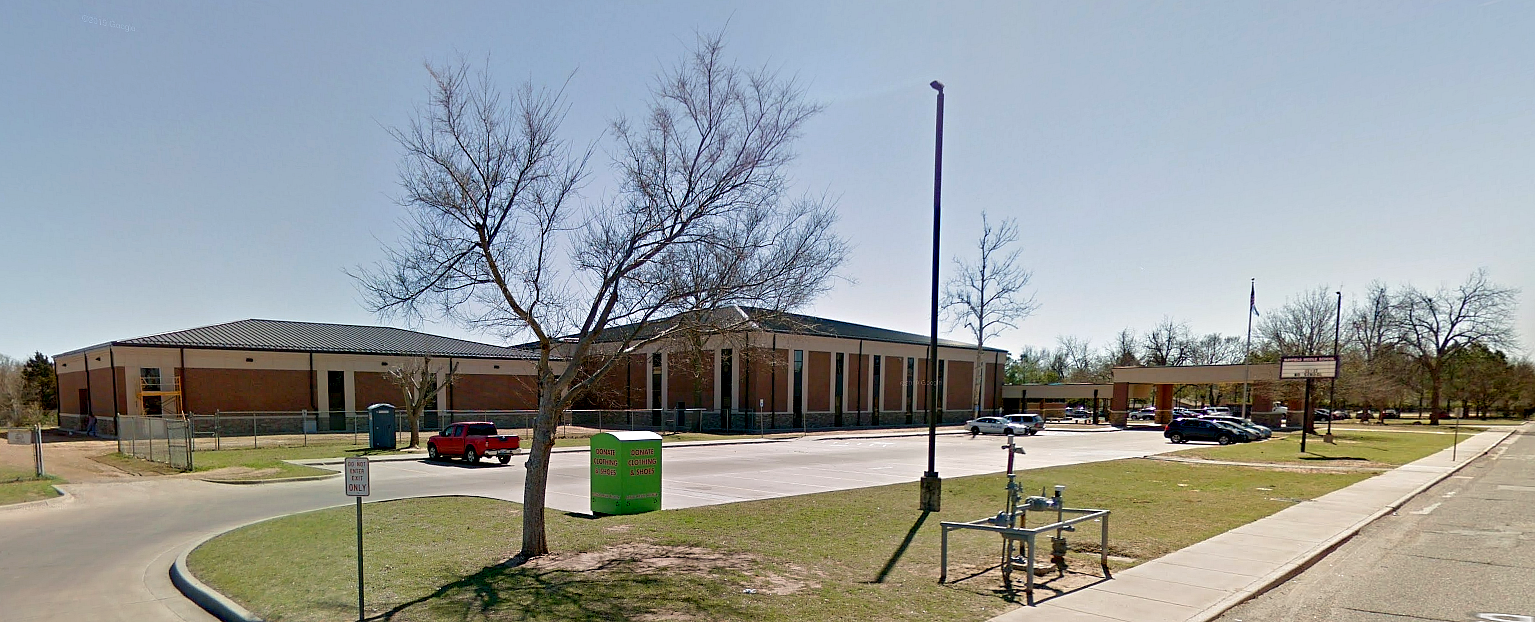
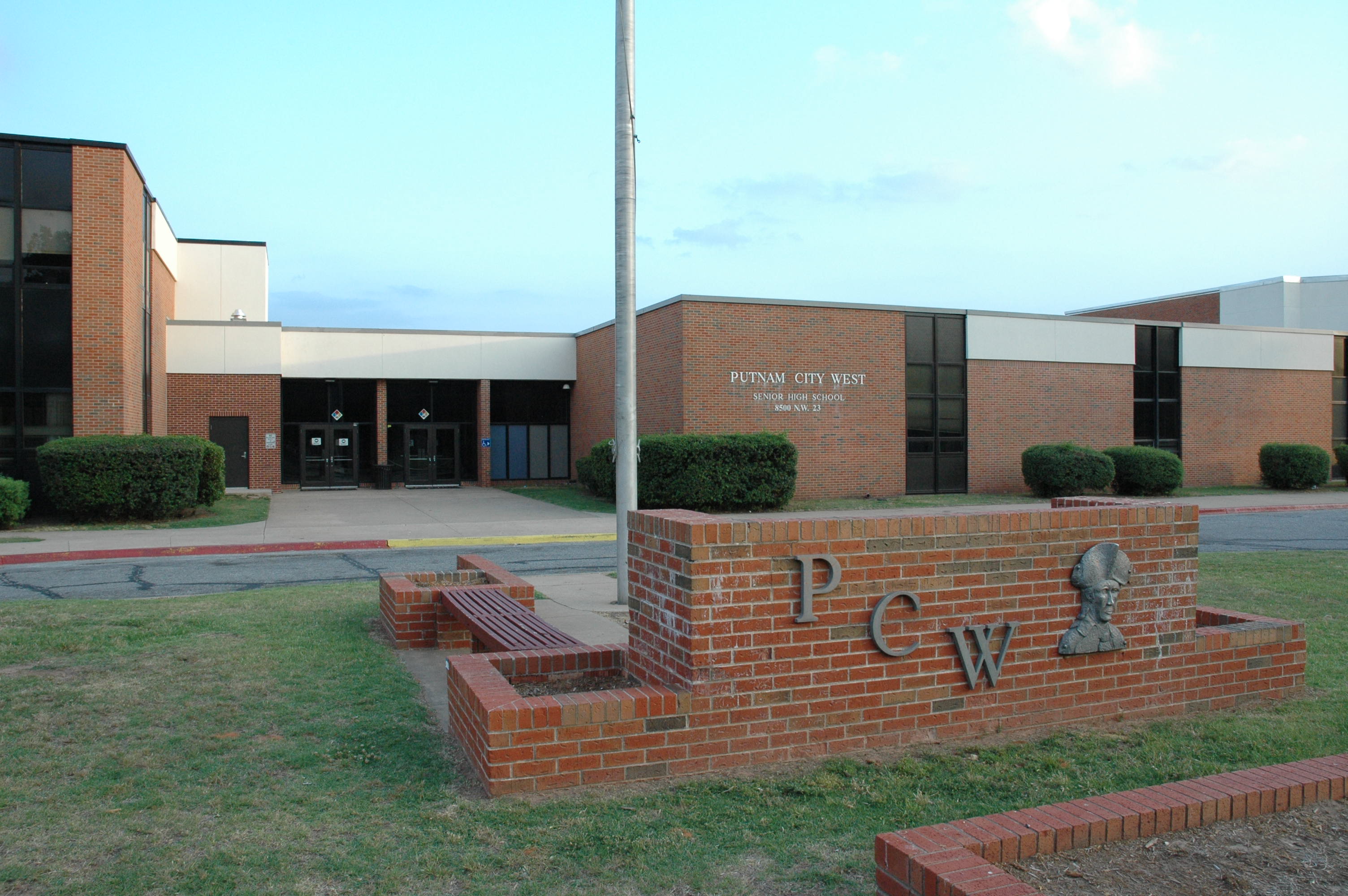
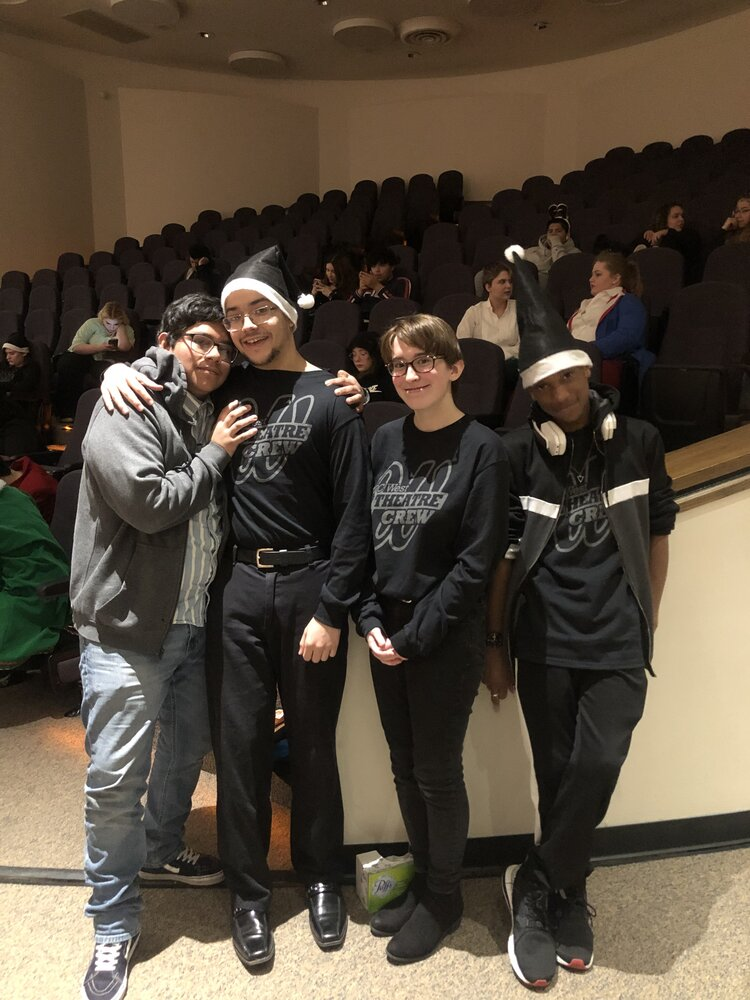
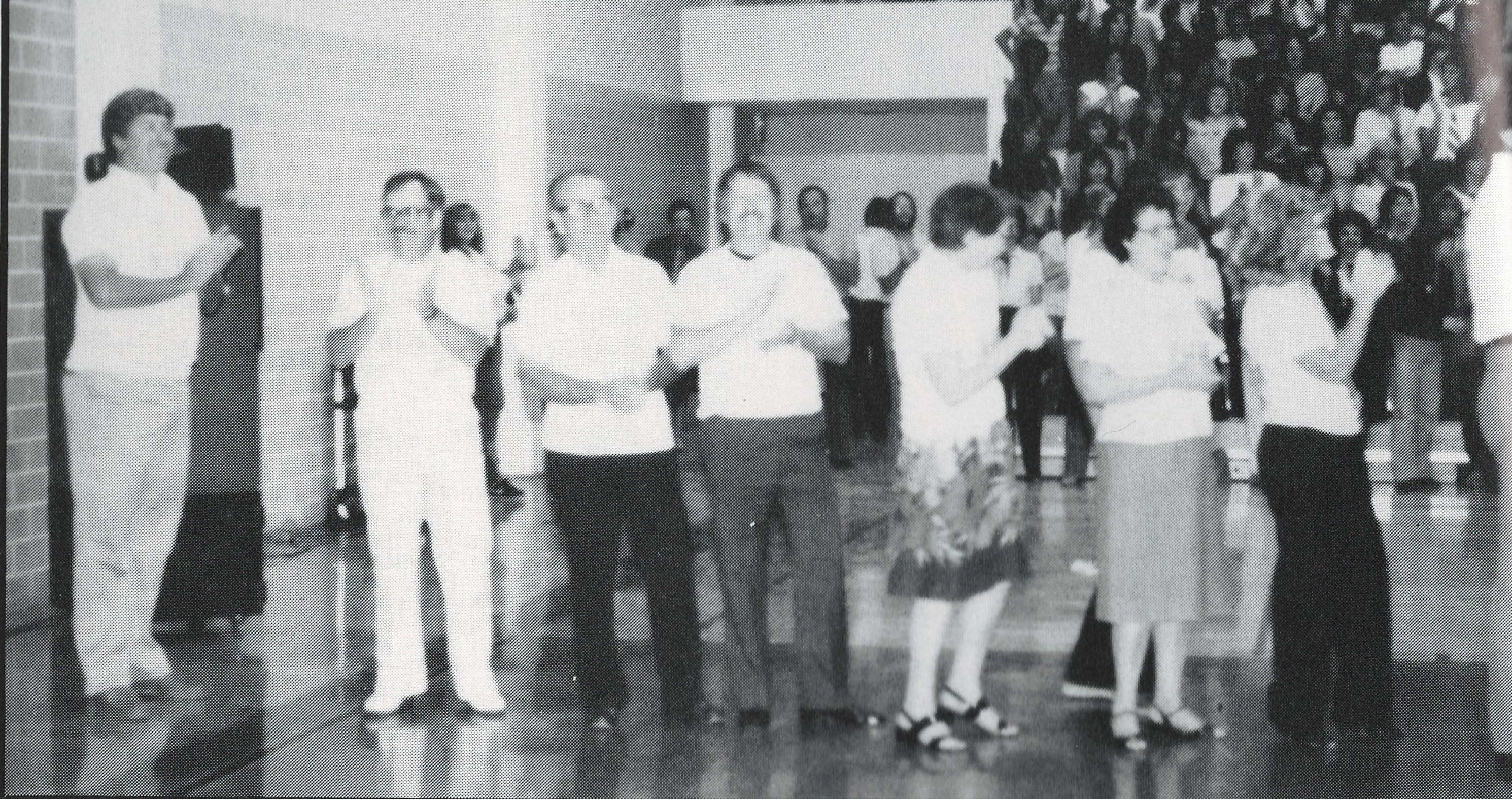
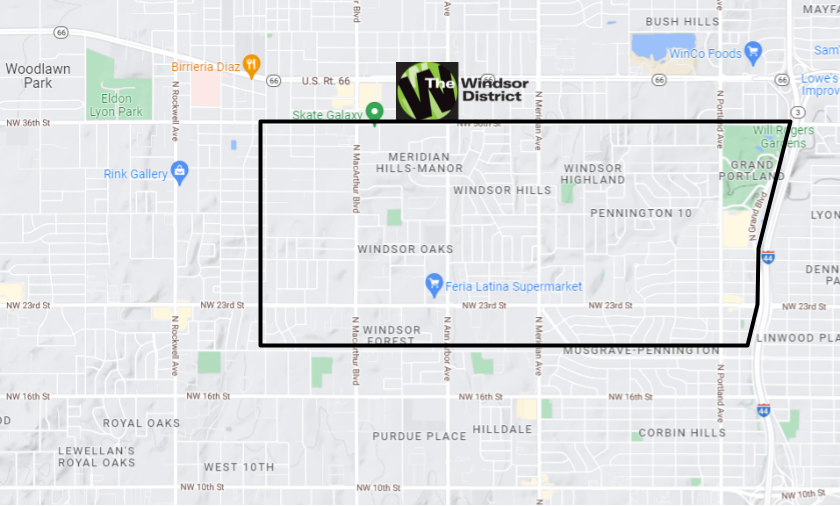
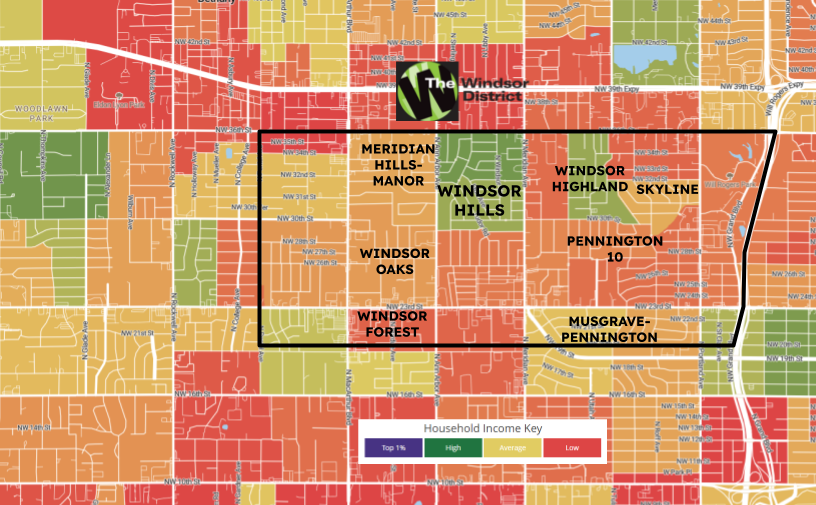
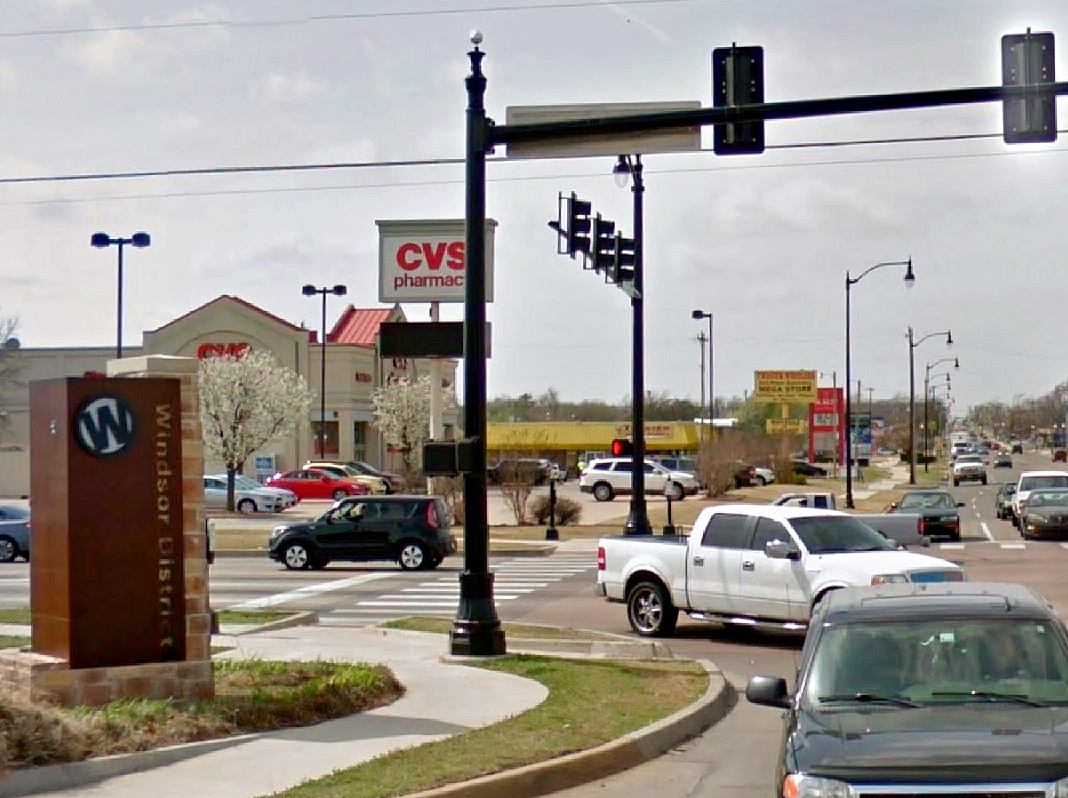
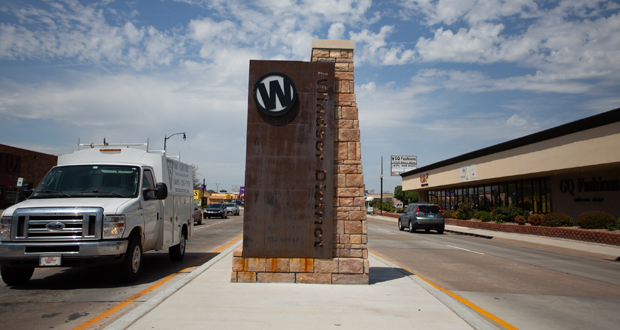
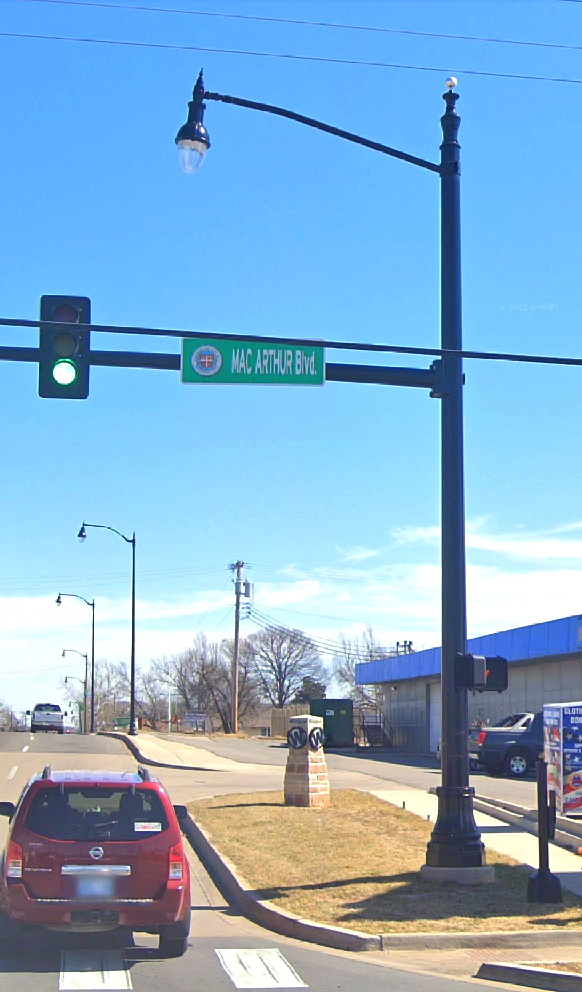
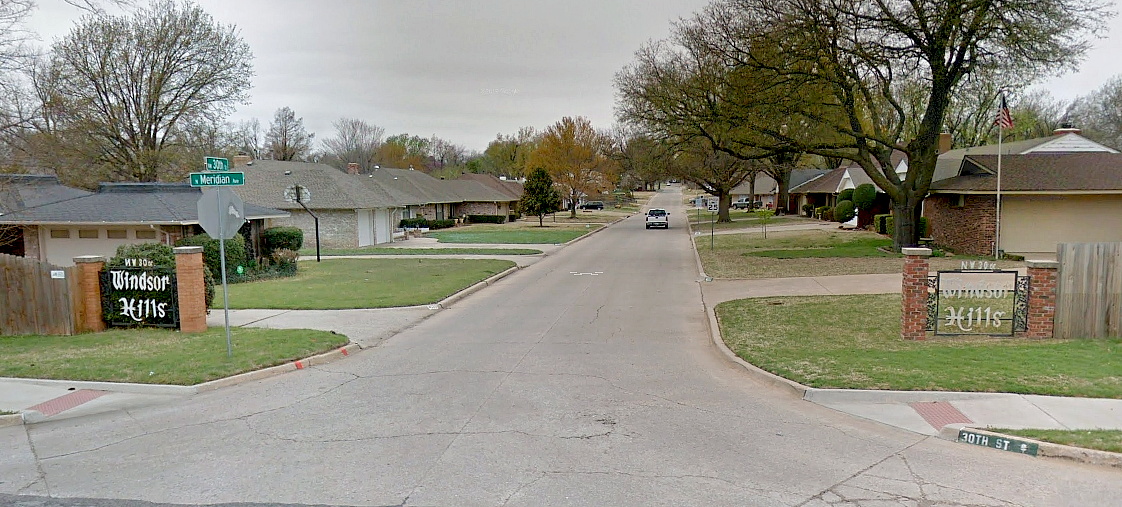

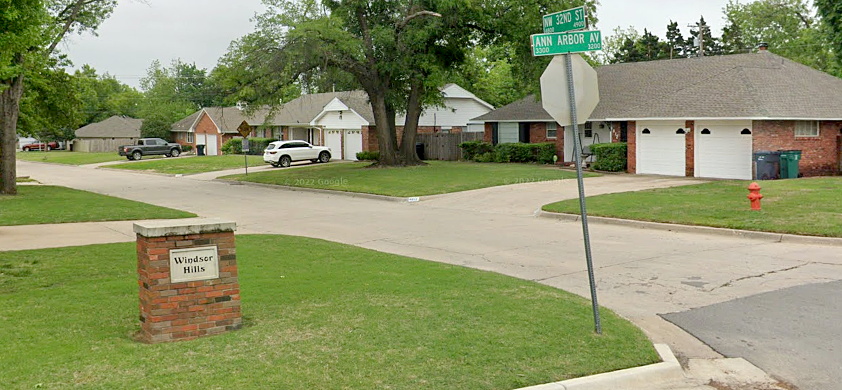
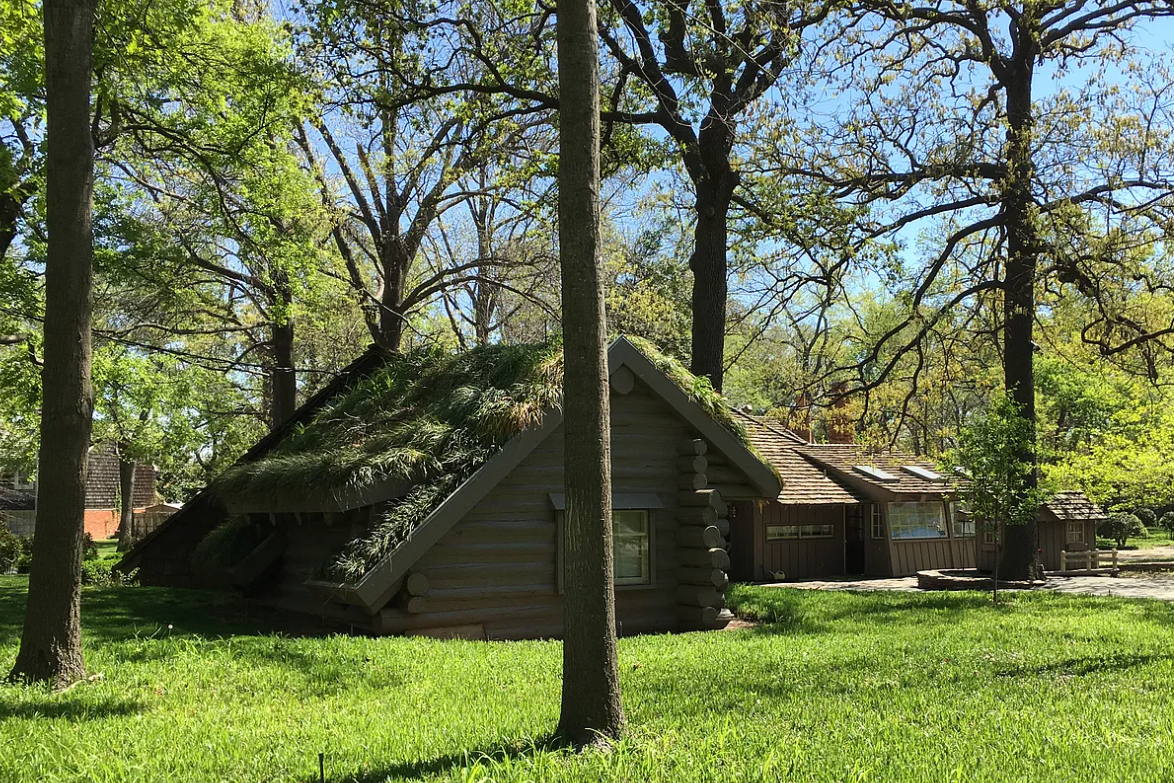
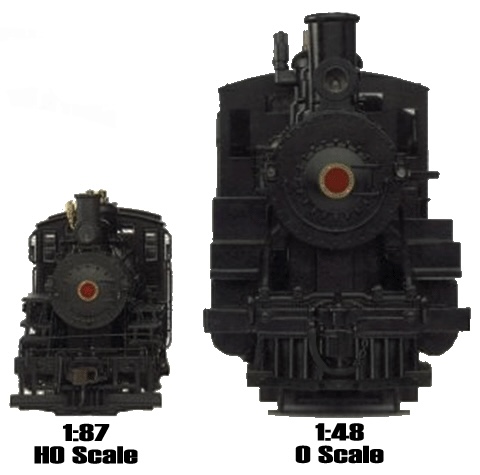
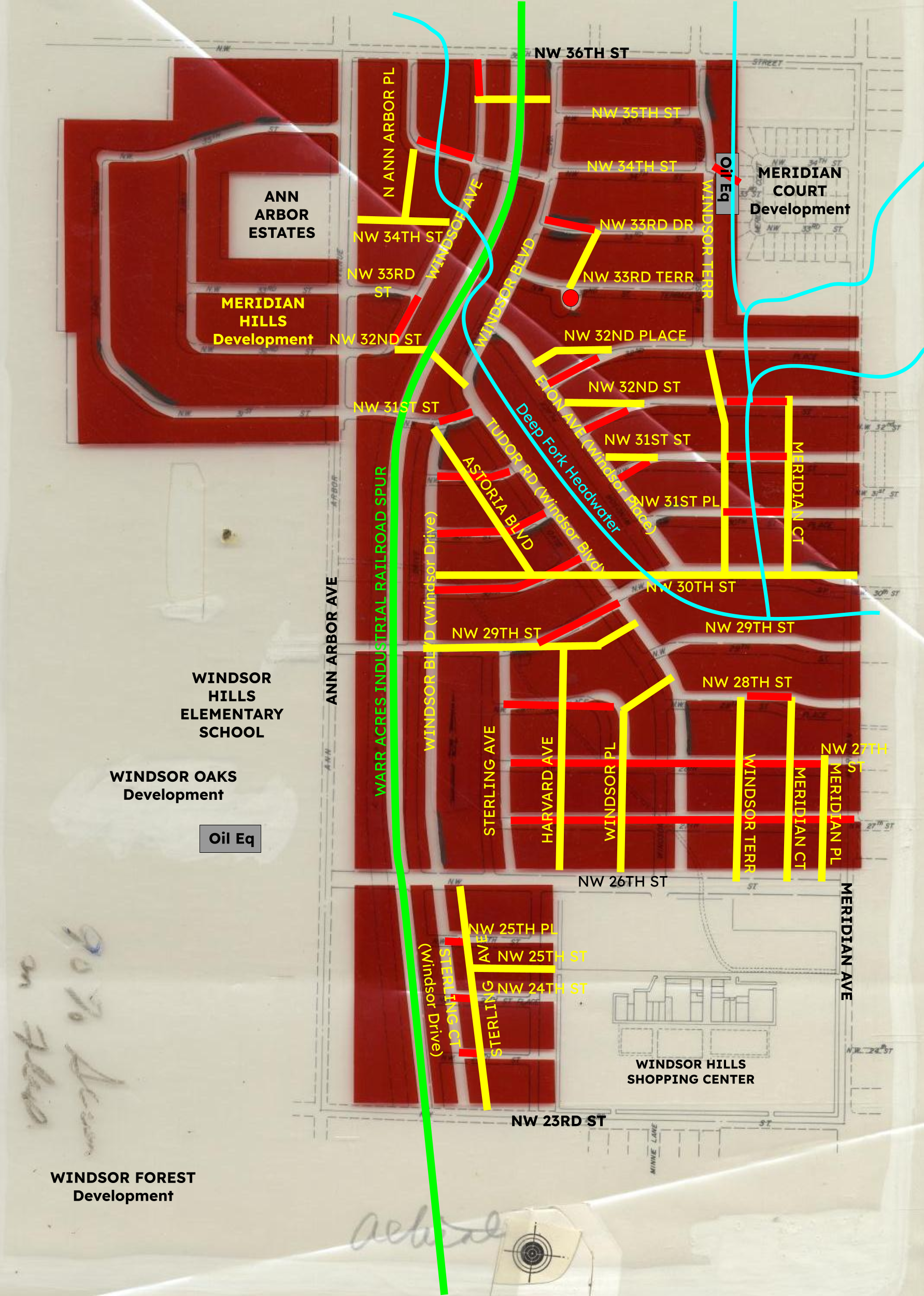
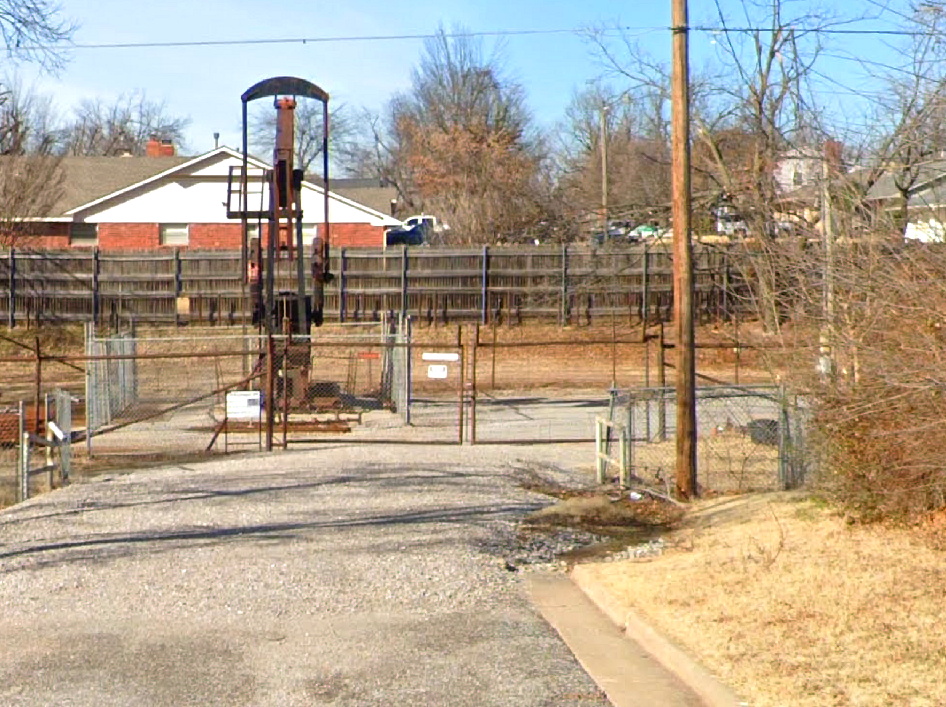
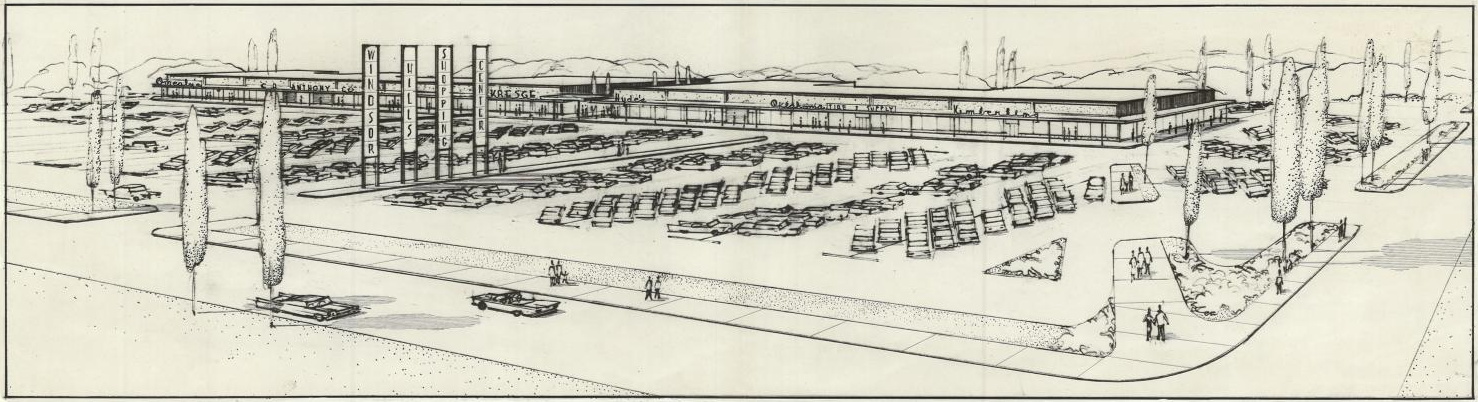
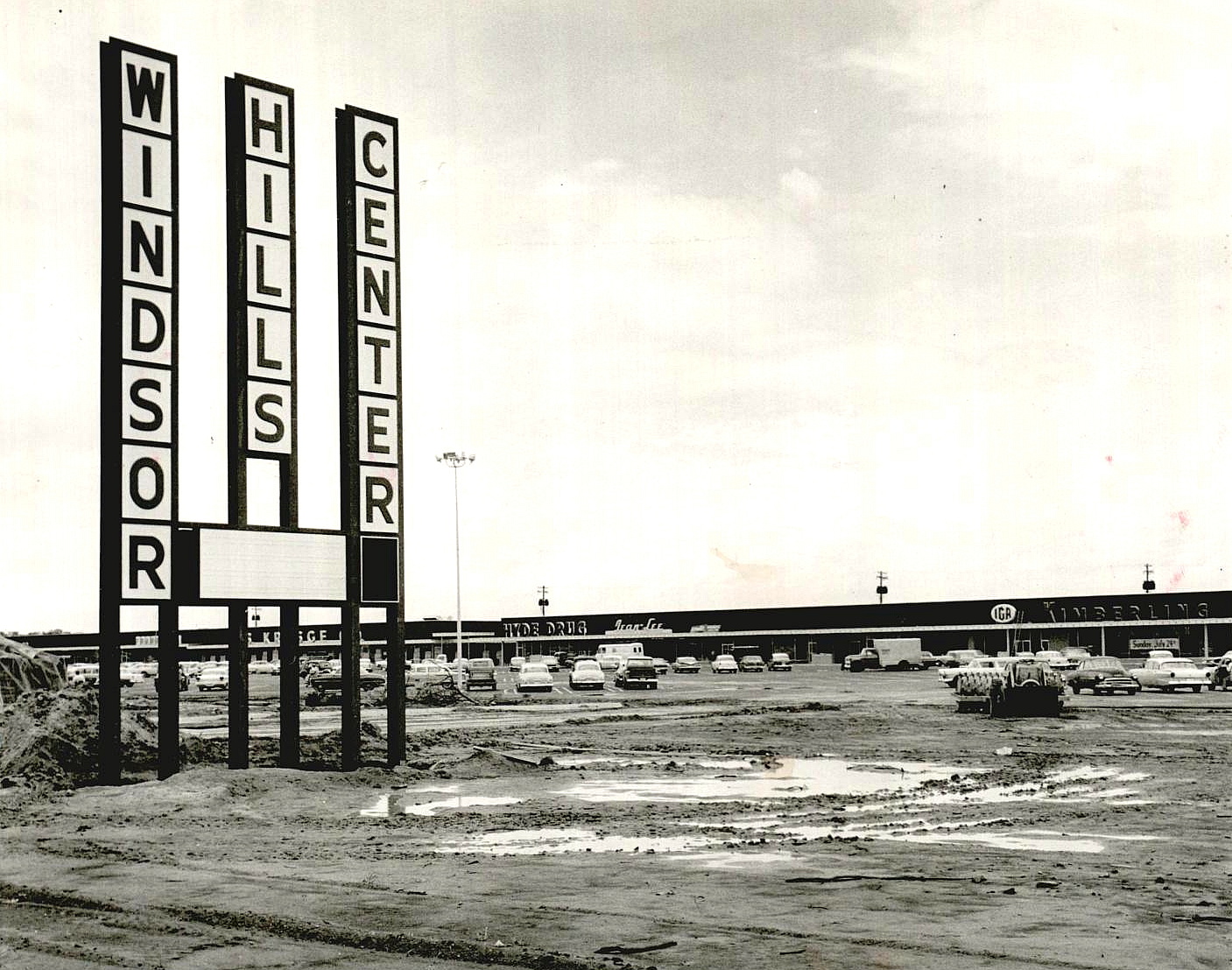
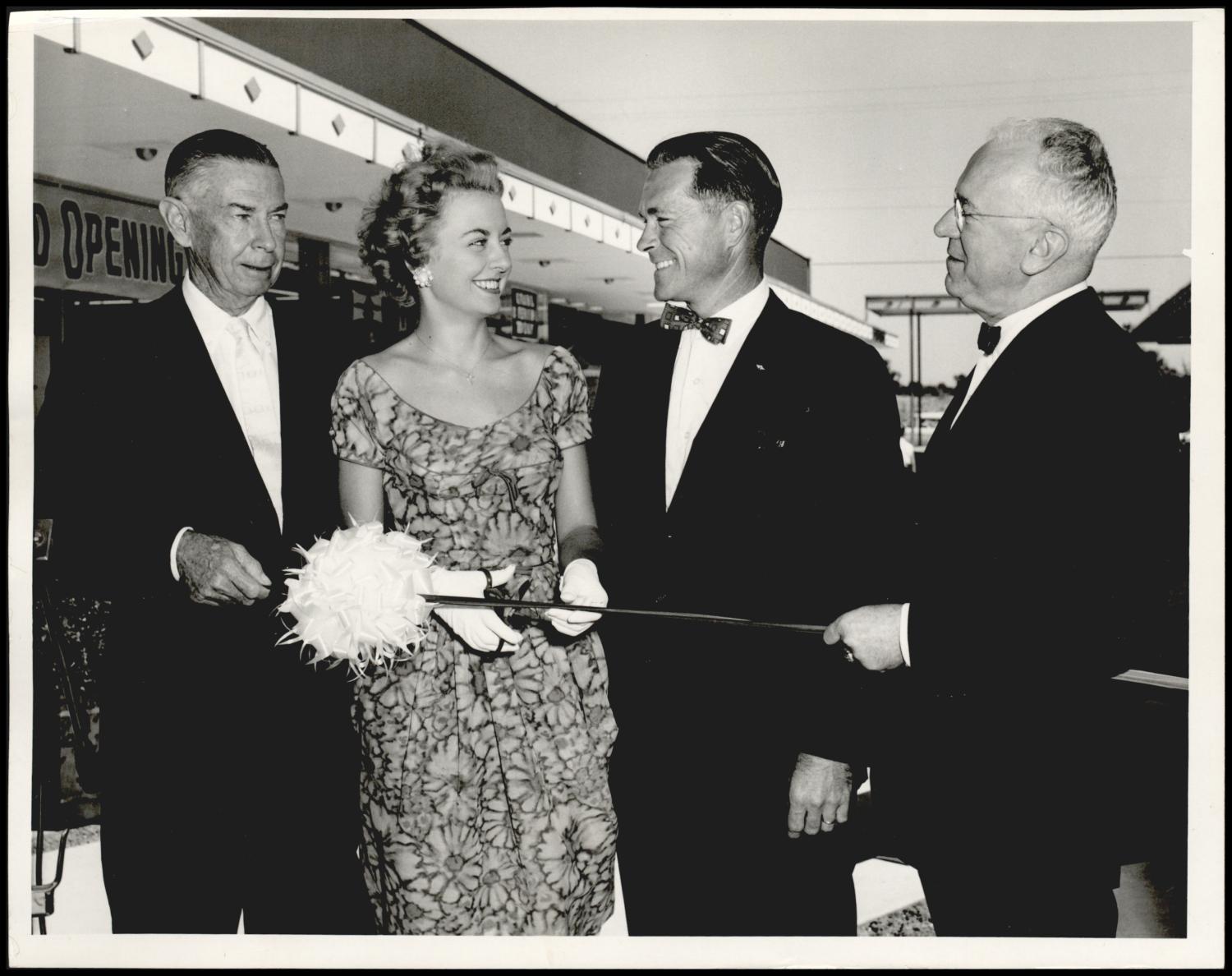
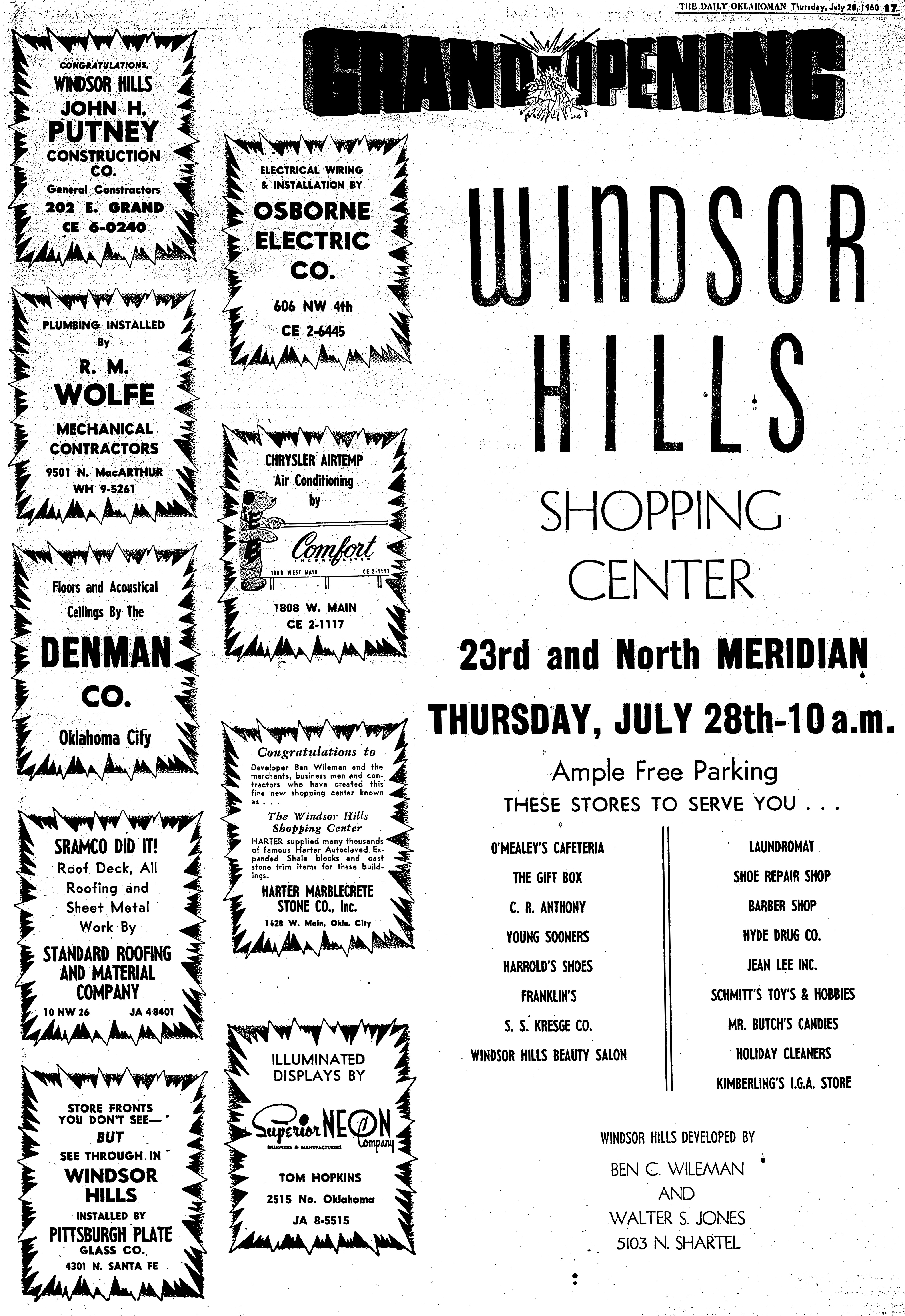
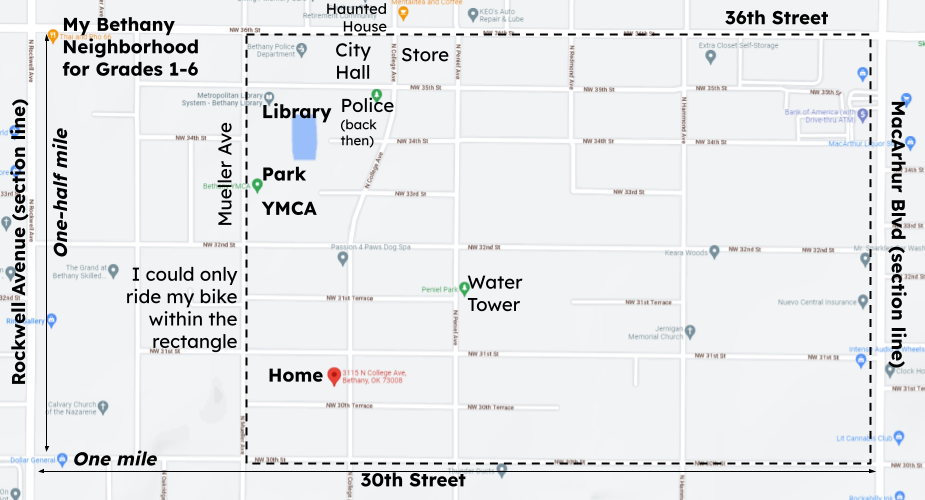
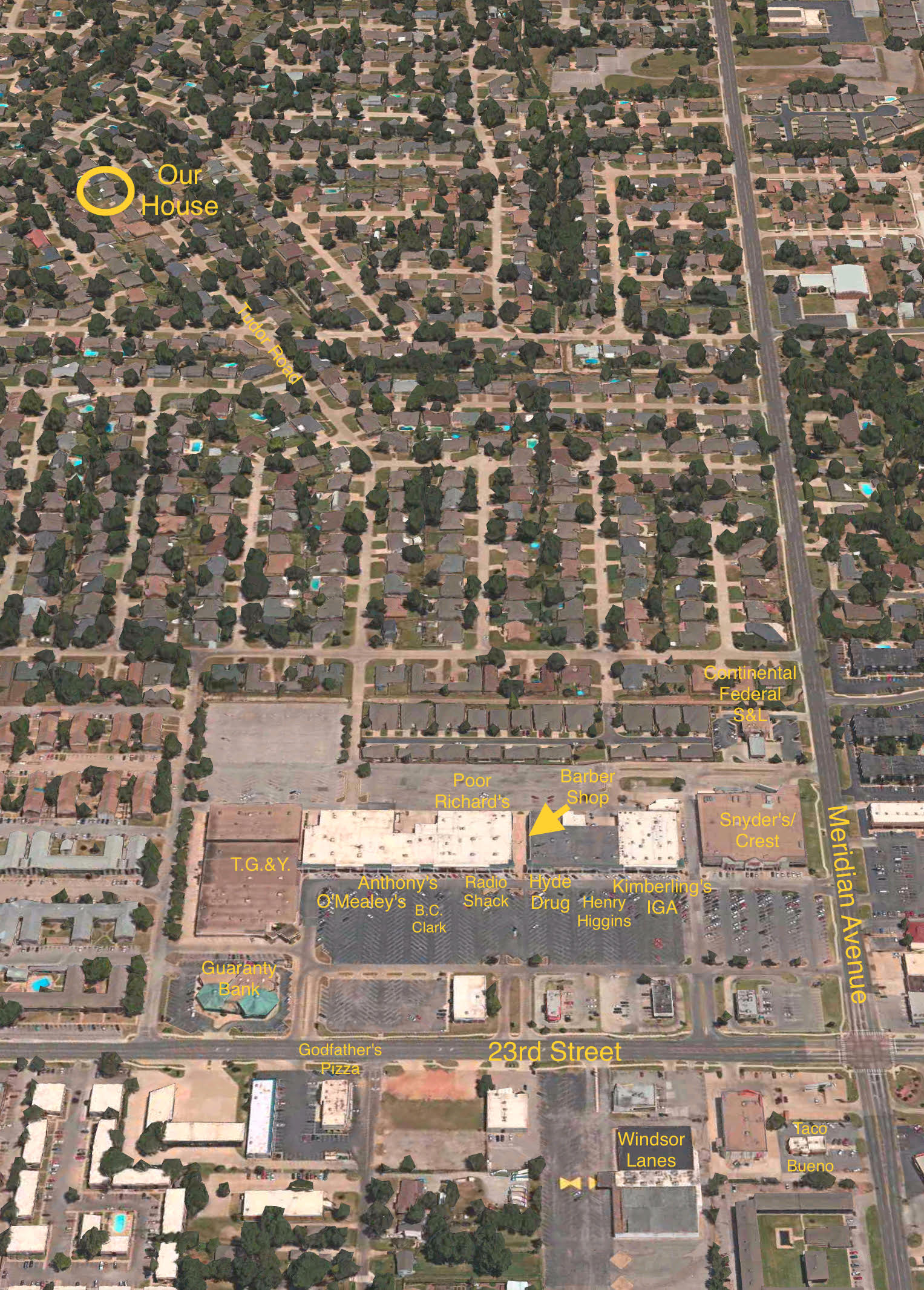

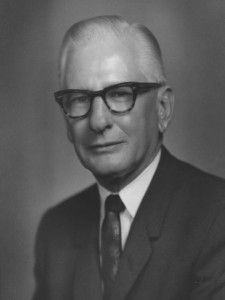
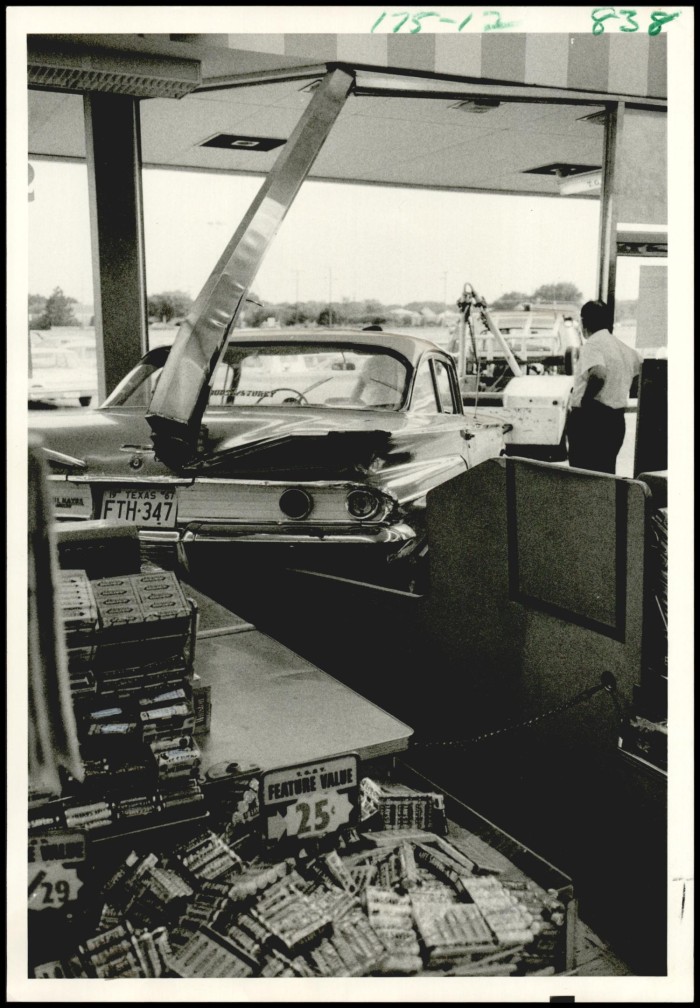
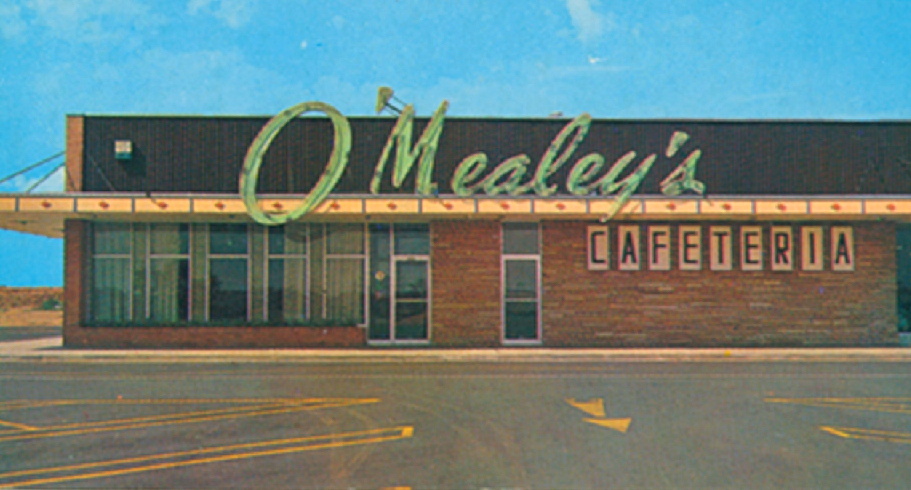
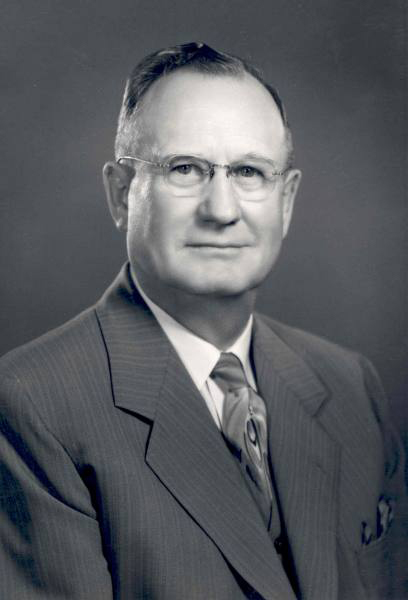
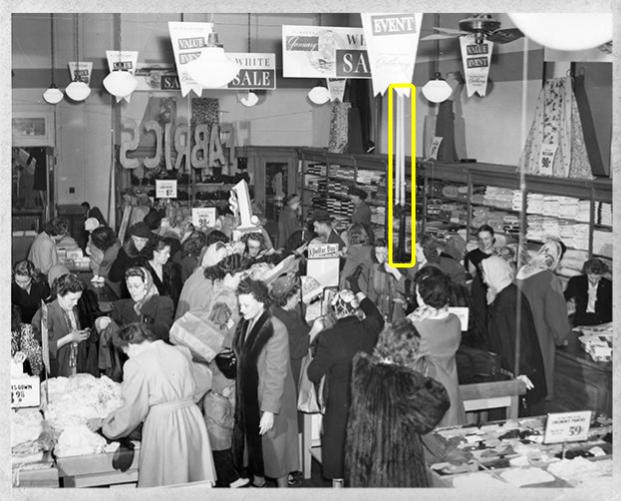
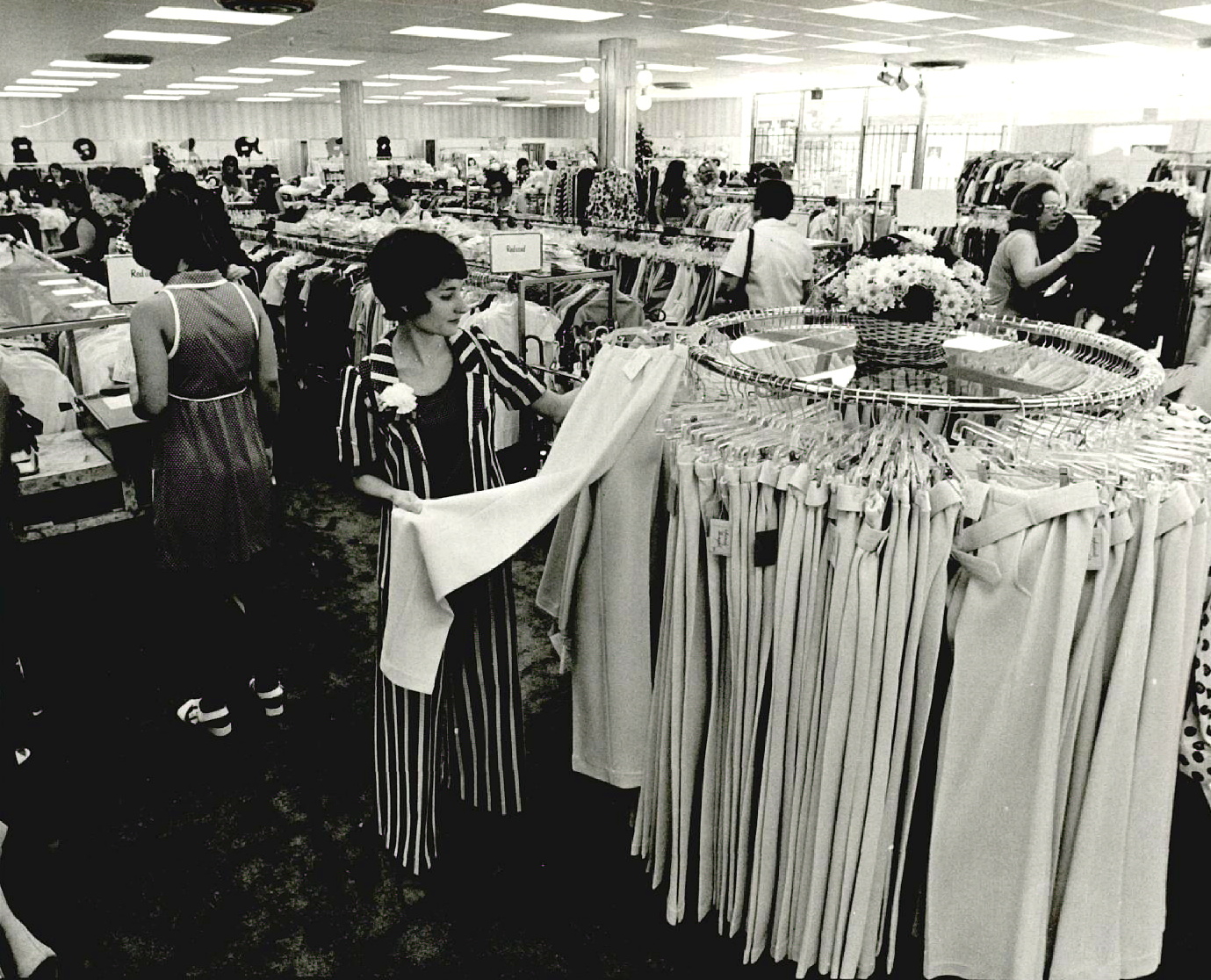



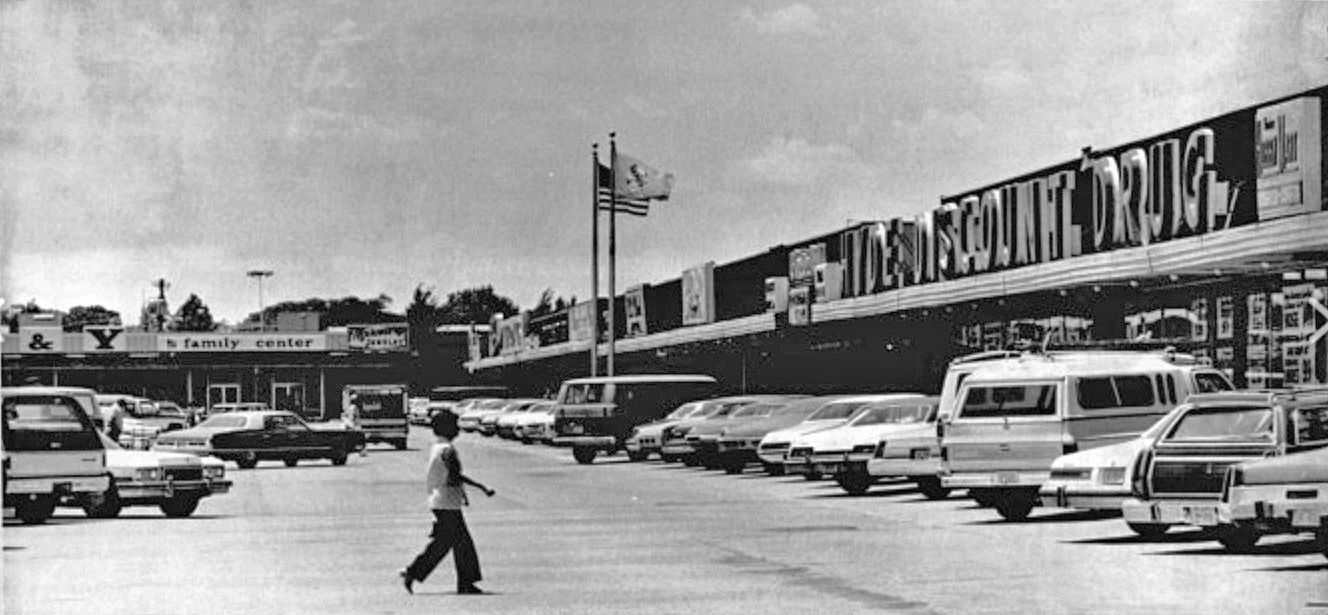
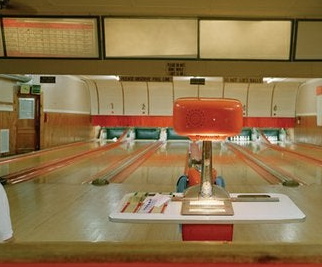
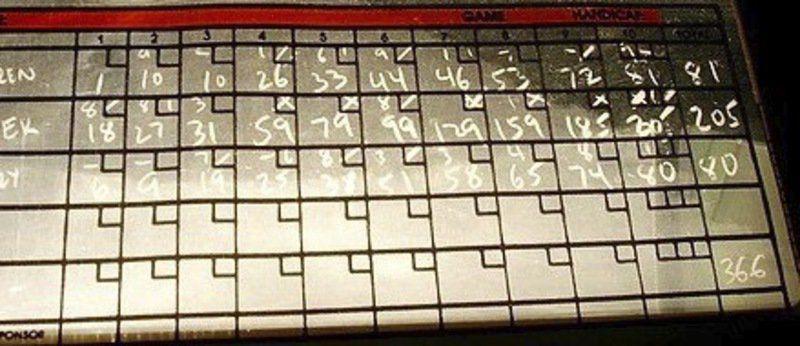
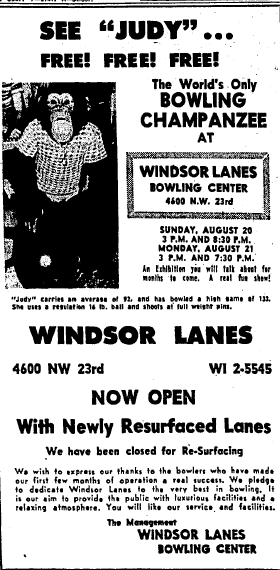
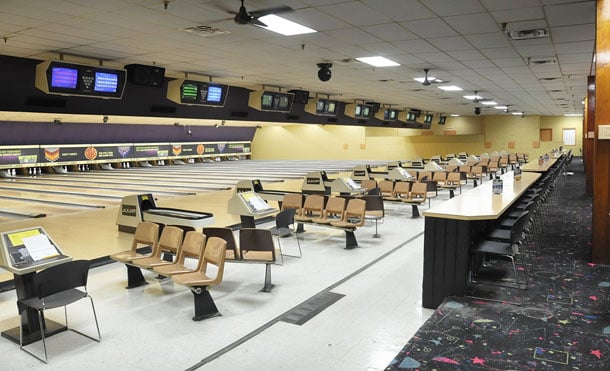
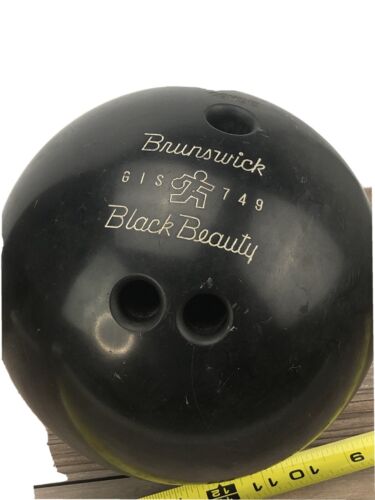
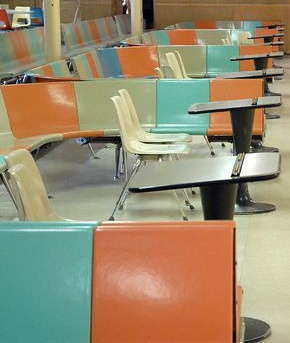
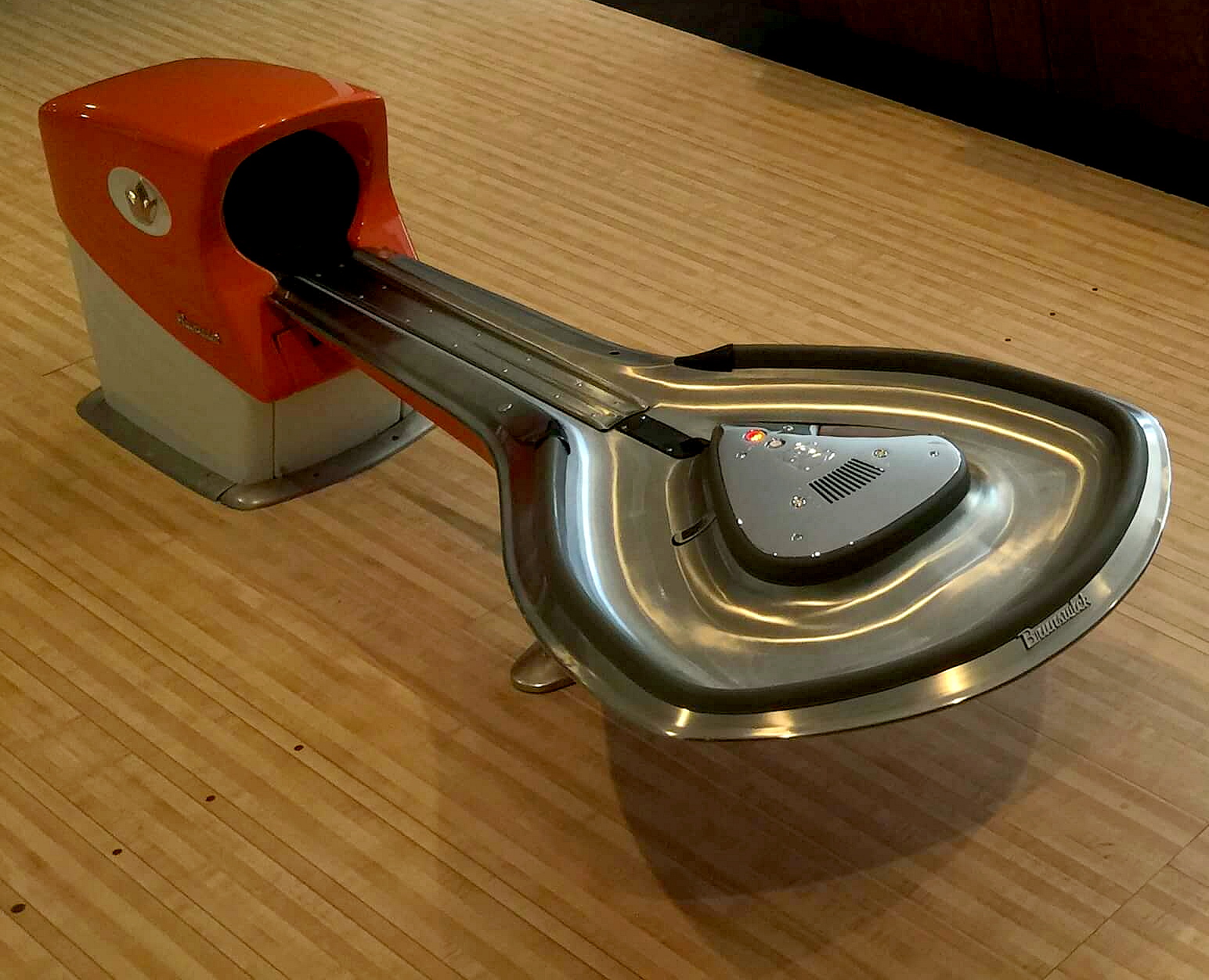
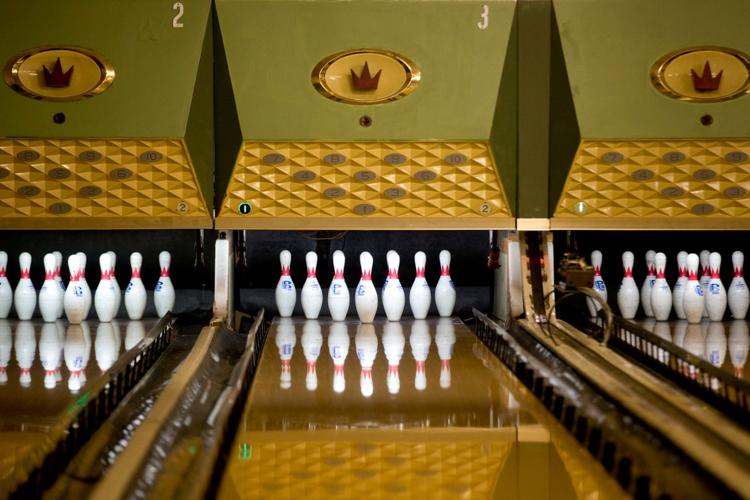


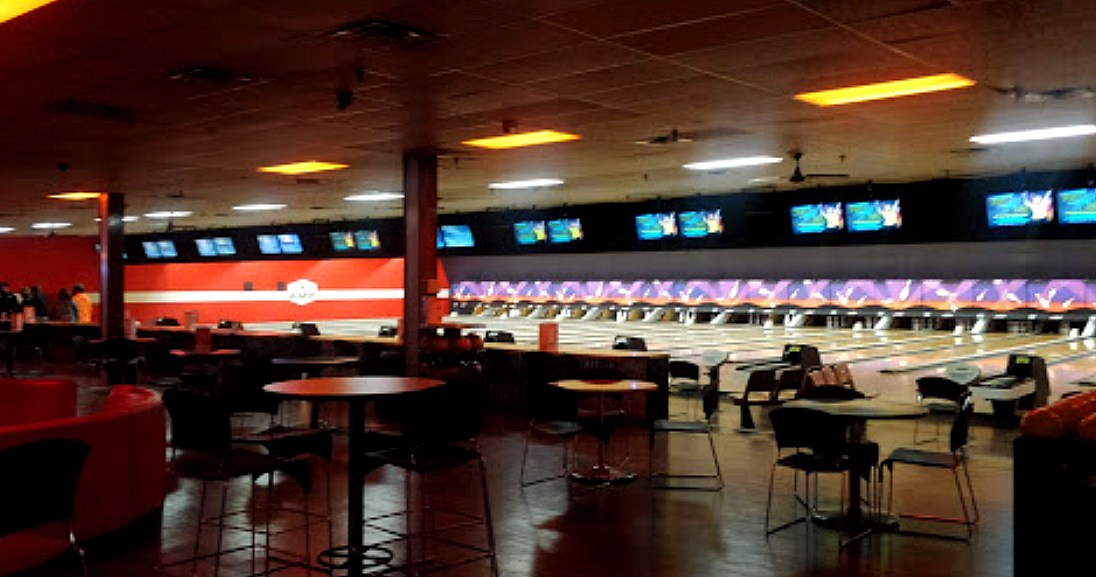
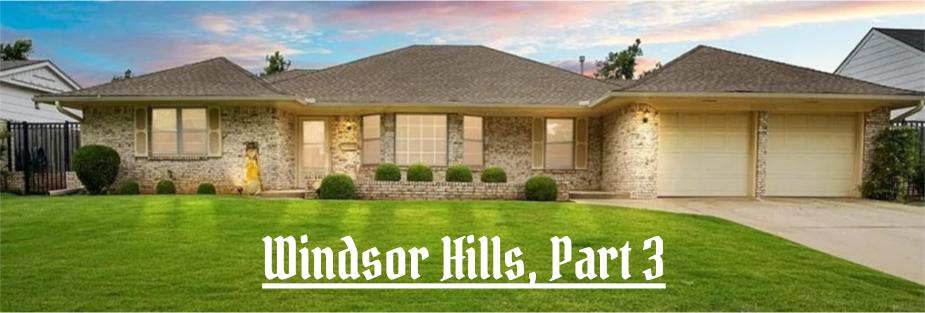


 Meador Manor